
CA-K241History
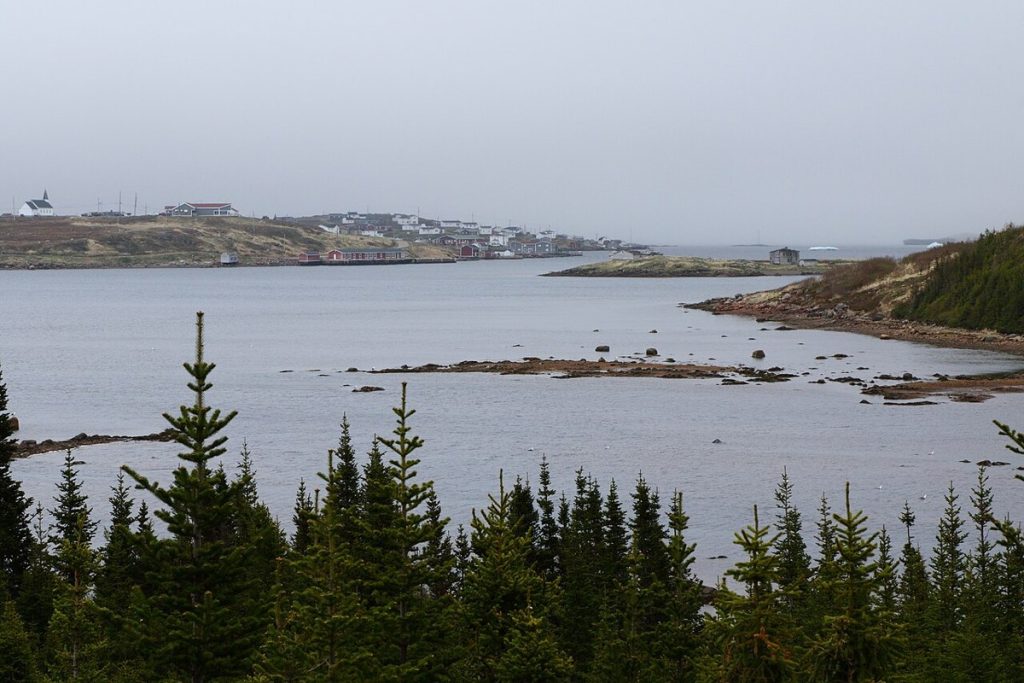
Red Bay, a 16th-century Basque whaling station

Factual accuracy review: No recorded challenge
No recorded challenge is not proof of accuracy. A challenge under review is not a finding that the item is false.
From the 1540s to the early 1600s, up to 2,000 Basque men and boys sailed each year from southern France and northern Spain to the Strait of Belle Isle to hunt right whales and render their blubber into oil for European markets. Red Bay, Labrador, a UNESCO World Heritage Site since 2013, is the most extensive and best-preserved whaling station of its kind.
Scope & context
The Basque whaling station and its archaeology, not Indigenous use of the region.
Sources behind this record
1
Red Bay Basque Whaling Station ↗
Parks Canada (World Heritage Sites in Canada)
Date of Inscription; Justification of outstanding universal value