
Atlantic Canada’s maritime and regional identities

No recorded challenge is not proof of accuracy. A challenge under review is not a finding that the record is false.
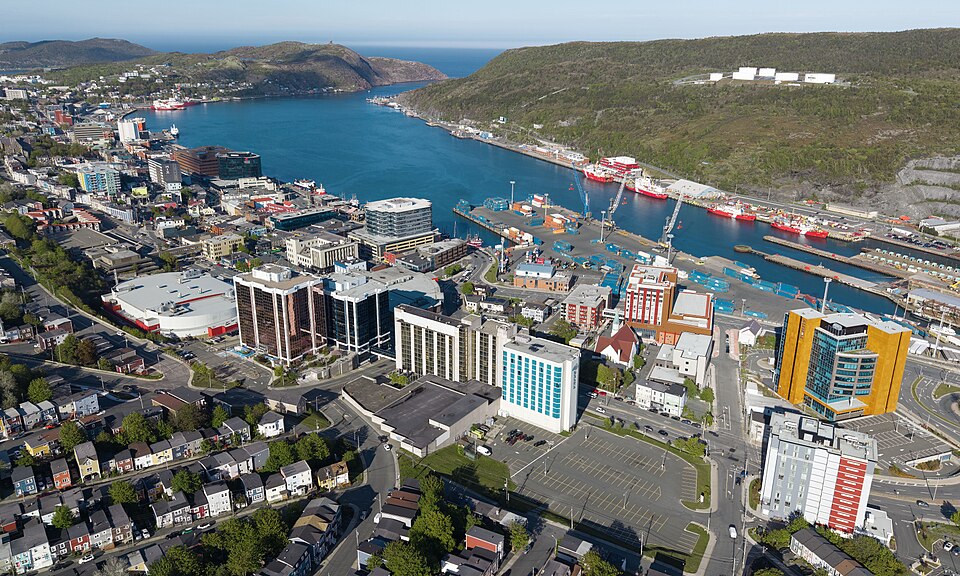
Atlantic Canada includes four provinces with distinct histories. The study guide connects the region with fishing, shipping and natural resources, and highlights Prince Edward Island’s role as the birthplace of Confederation.
Scope & context
Independent citizenship-study support. Read the cited official sources; this is not an official question bank or a guarantee of a test result.
More context
Newfoundland and Labrador is associated with Atlantic fisheries, maritime culture, offshore energy and Labrador hydroelectric resources. Prince Edward Island is Canada’s smallest province; its red soil, potatoes, Confederation heritage and Anne of Green Gables are prominent guide themes.
Nova Scotia’s themes include Halifax’s port and naval role, shipbuilding, Celtic/Gaelic traditions and the Bay of Fundy. New Brunswick combines Acadian and Loyalist heritage and is the only officially bilingual province. Its capital is Fredericton. These qualitative study themes should not be confused with old population or city-size rankings printed in the guide.
Sources behind this record
Immigration, Refugees and Citizenship Canada
Canada’s Regions; sections and tables identified in the research record