An independent project serving Canadian citizens and future citizens

Learn and take the test

Future Citizens

Citizenship Test collection

206 knowledge records

A focused subset of the Canadian knowledge base.

Explore the full knowledge base →

Search by keyword

Citizenship Test is always required. Choose additional keywords to narrow this collection. Broader keywords include their descendants.

For citizenship preparation, use these records alongside the official Discover Canada guide. Check current officeholders and local information separately. This is an independent study collection.

Keywords: Canada-wide

Clear search
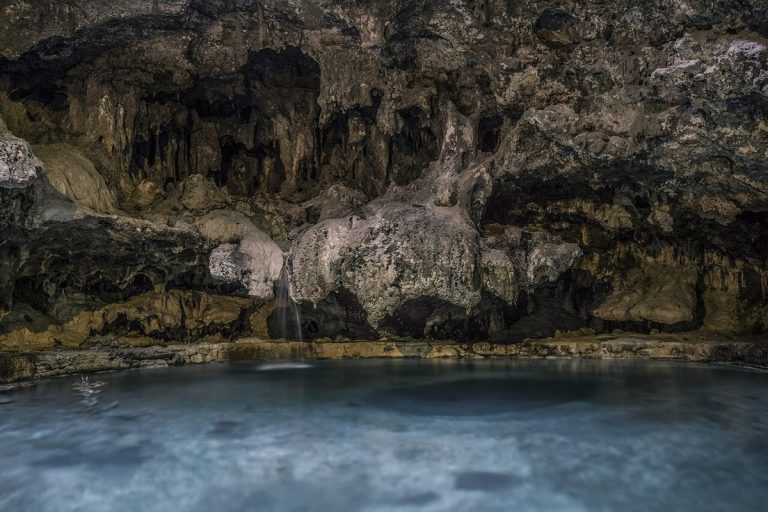
The cave pool at Cave and Basin National Historic Site, Banff, photographed in 2017.
CA-K109Places & geography

The Cave and Basin and Canada’s first national park

In 1885, the government created a 26 km² Hot Springs Reserve around the Cave and Basin hot springs in Banff. On 23 June 1887, the reserve was expanded to 665 km² and became Rocky Mountains National Park, the first national park in Canada.

Factual accuracy review: No recorded challenge

Contributor: Citizen.ca

Verified against cited sourcesVerified on 2026-10-26↗
Photo: Sovernigo · Photo licence: CC BY-SA 4.0 · Credit & context
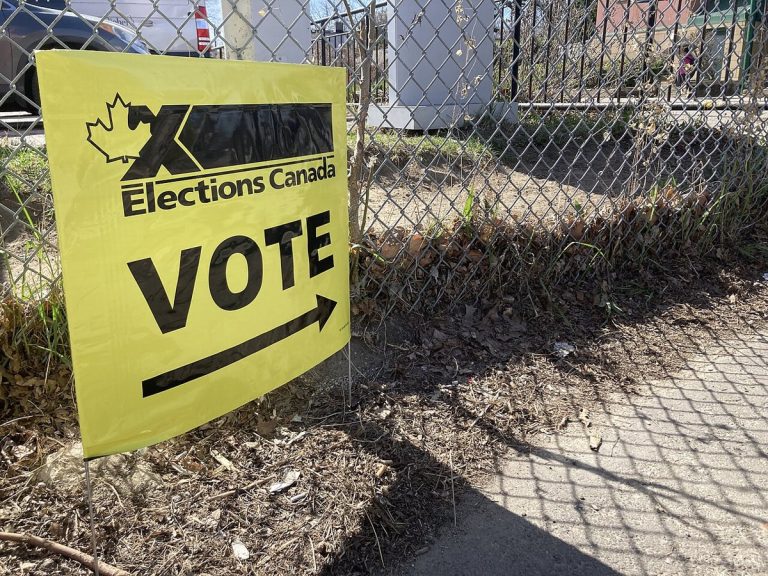
An Elections Canada polling station sign in Toronto during the 2025 federal election.
CA-K108Institutions

Elections Canada, an independent agency of Parliament

Elections Canada is an independent, non-partisan agency of Parliament, headed by the Chief Electoral Officer. The position of Chief Electoral Officer was created in 1920 by the Dominion Elections Act, largely to end political partisanship in the administration of federal elections.

Factual accuracy review: No recorded challenge

Contributor: Citizen.ca

Verified against cited sourcesVerified on 2026-10-26↗
Photo: Can Pac Swire · Photo licence: CC BY-SA 2.0 · Credit & context
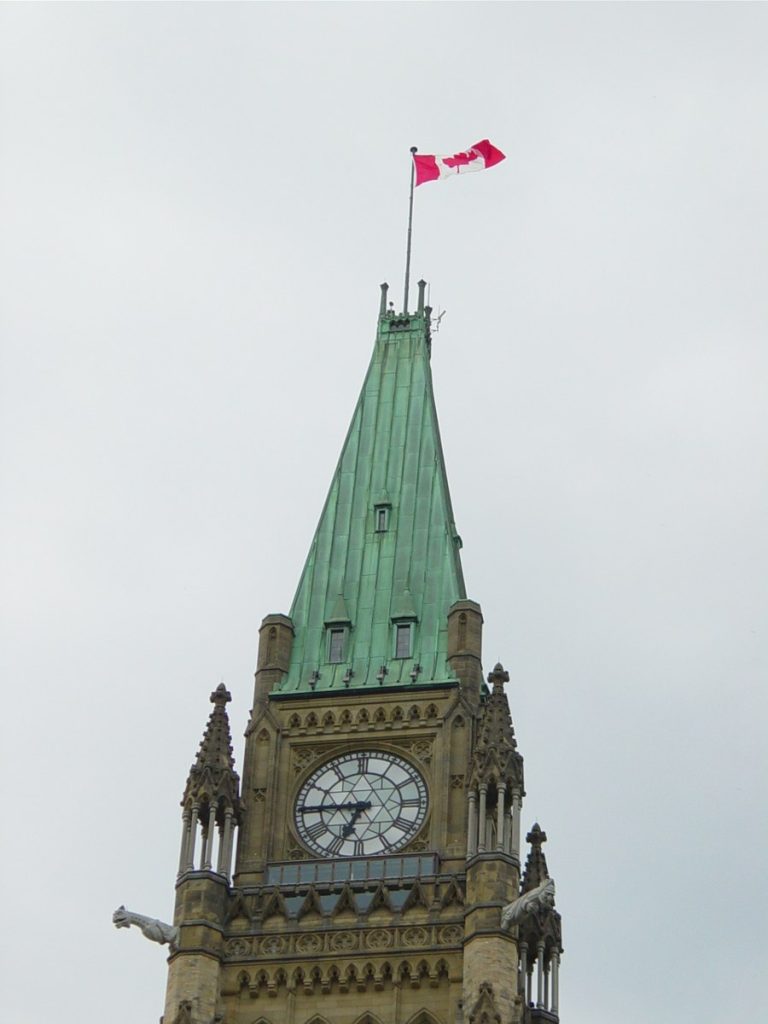
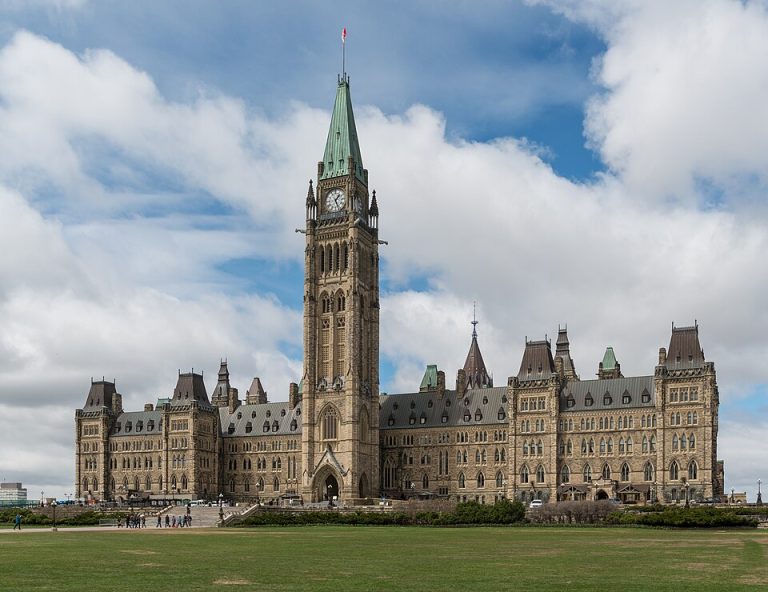
The national flag flying above the Peace Tower, Ottawa, in 2003.
CA-K096Symbols

Red and white: national colours by common use

It was long believed that King George V’s 1921 proclamation of Canada’s coat of arms designated red and white as the national colours, but the proclamation contains no such declaration. Canadian Heritage notes that red and white are not set in law as national colours but have become part of national identity through common use.

Factual accuracy review: No recorded challenge

Contributor: Citizen.ca

Verified against cited sourcesVerified on 2026-10-26↗
Photo: Sikander Iqbal · Photo licence: CC BY-SA 4.0 · Credit & context
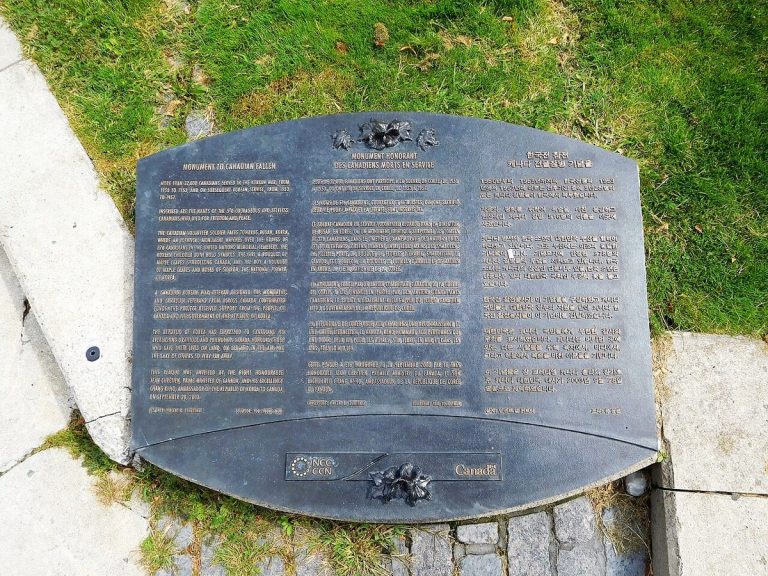
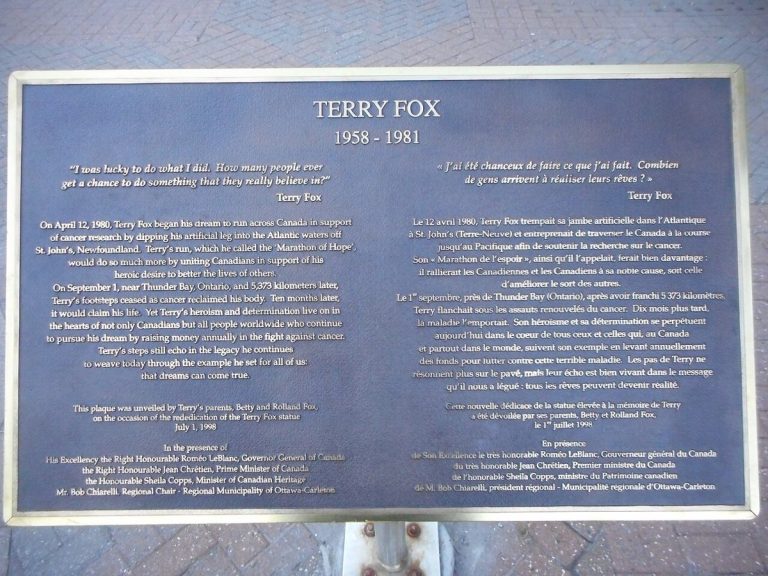
A commemorative plaque at the Terry Fox monument on Wellington Street, Ottawa, photographed in 2016.
CA-K088Culture & sport

Terry Fox’s Marathon of Hope, 1980

Terry Fox began his Marathon of Hope, a cross-Canada run to raise money for cancer research, by dipping his artificial leg in the Atlantic Ocean on 12 April 1980. After 143 days and 5,373 kilometres, he was forced to stop outside Thunder Bay, Ontario, on 1 September 1980 because cancer had appeared in his lungs.

Factual accuracy review: No recorded challenge

Contributor: Citizen.ca

Verified against cited sourcesVerified on 2026-10-26↗
Photo: Jeangagnon · Photo licence: CC BY-SA 4.0 · Credit & context
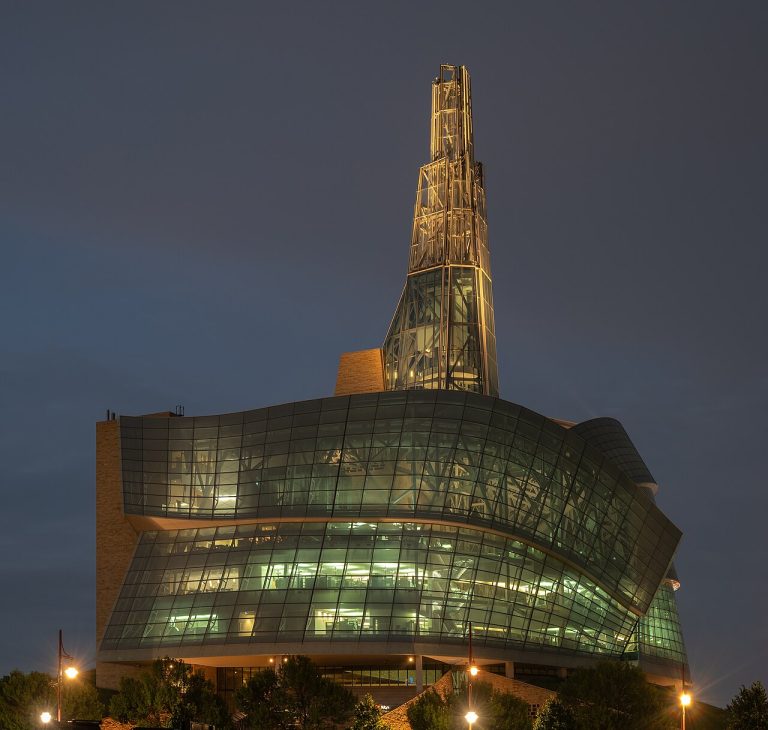
The Canadian Museum for Human Rights in Winnipeg; an illustrative cultural institution, not the text or enactment of the Multiculturalism Act.
CA-K067Language & names

The Canadian Multiculturalism Act recognizes cultural diversity

The Canadian Multiculturalism Act declares a federal policy recognizing cultural and racial diversity and the freedom to preserve, enhance and share cultural heritage. It also promotes full and equitable participation in Canadian society.

Factual accuracy review: No recorded challenge

Contributor: Citizen.ca

Verified against cited sourcesVerified on 2026-10-26↗
Photo: Ethan Sahagun · Photo licence: CC BY 4.0 · Credit & context
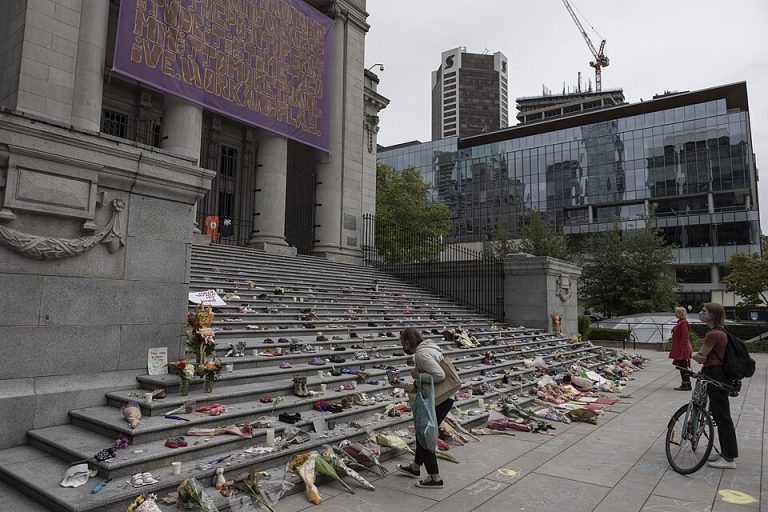
A residential-school memorial in Vancouver on 30 May 2021; an act of commemoration, not a historical residential-school scene.
CA-K029Indigenous peoples & reconciliation

The residential school system

The National Centre for Truth and Reconciliation reports that more than 150,000 children attended Indian Residential Schools. The system separated Indigenous children from their families and cultures and caused lasting harm.

Factual accuracy review: No recorded challenge

Contributor: Citizen.ca

Verified against cited sourcesVerified on 2026-10-26↗
Photo: GoToVan · Photo licence: CC BY 2.0 · Credit & context
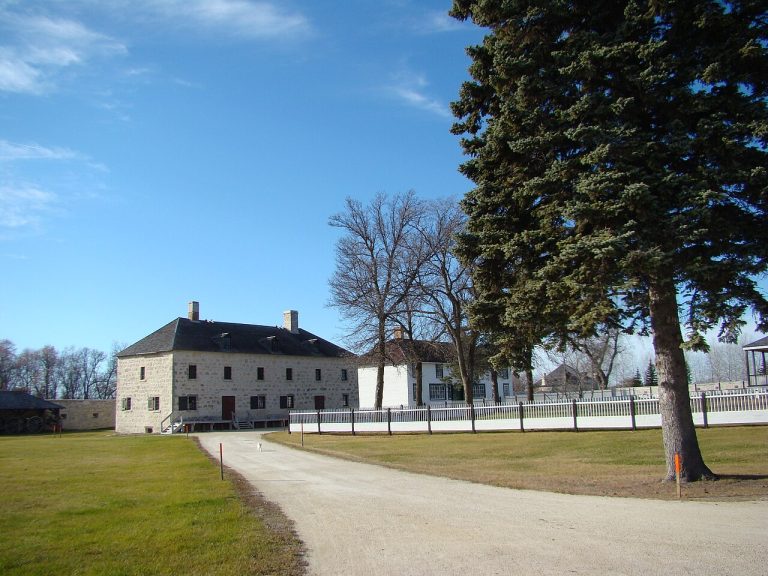
A modern view of Lower Fort Garry, where Treaty 1 was concluded in 1871; not a photograph of the signing or an illustration of every treaty.
CA-K028Indigenous peoples & reconciliation

Treaties as continuing relationships

Treaties establish continuing rights and obligations between Indigenous signatories and the Crown. Historic and modern agreements form part of Canada’s treaty relationships; their particular terms and circumstances differ.

Factual accuracy review: No recorded challenge

Contributor: Citizen.ca

Verified against cited sourcesVerified on 2026-10-26↗
Photo: Shahnoor Habib Munmun · Photo licence: CC BY 3.0 · Credit & context