An independent project serving Canadian citizens and future citizens

Learn and take the test

Future Citizens

Citizenship Test collection

206 knowledge records

A focused subset of the Canadian knowledge base.

Explore the full knowledge base →

Search by keyword

Citizenship Test is always required. Choose additional keywords to narrow this collection. Broader keywords include their descendants.

For citizenship preparation, use these records alongside the official Discover Canada guide. Check current officeholders and local information separately. This is an independent study collection.

Keywords: People and roles

Clear search
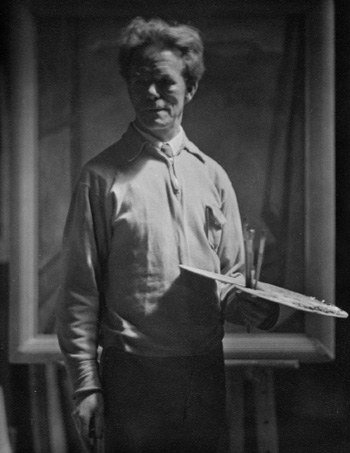
Frederick Varley, probably in Vancouver, 1927 (John Vanderpant).
CA-K484Culture & sport

Frederick Varley, painter of the Group of Seven

Frederick Varley, a founding member of the Group of Seven, helped establish a national style of painting the Canadian landscape. A masterful portraitist and an official First World War artist, he moved to teach on the West Coast in 1926, and his unconventional use of colour to convey emotion is a singular contribution to Canadian art.

Factual accuracy review: No recorded challenge

Contributor: Citizen.ca

Verified against cited sourcesVerified on 2026-10-26↗
Photo: John Vanderpant · Photo licence: Public domain · Credit & context
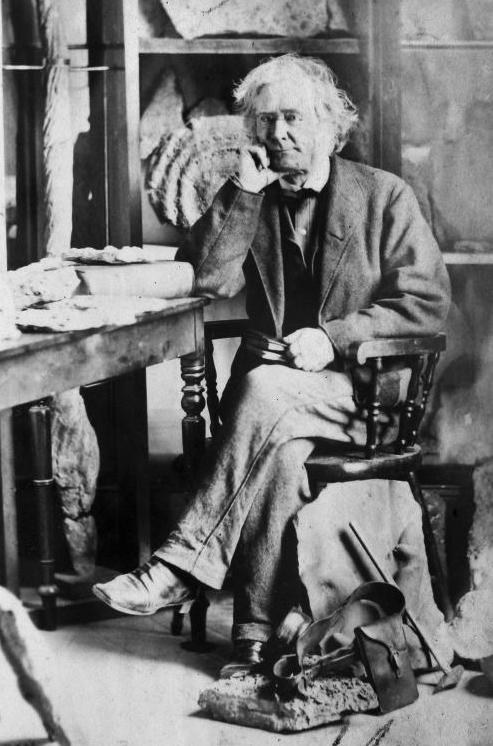
Sir William Edmond Logan in Montréal, 1865 (William Notman).
CA-K470History

Sir William Logan, first director of the Geological Survey

Sir William Edmond Logan of Montréal, a mapmaker and geologist in the mining districts of Wales, became the first director of the Geological Survey of Canada in 1842. He led much of the early scientific mapping of the province, built the mineral collection that became the basis of the National Museum, and earned international recognition for his geological work.

Factual accuracy review: No recorded challenge

Contributor: Citizen.ca

Verified against cited sourcesVerified on 2026-10-26↗
Photo: William Notman · Photo licence: Public domain · Credit & context
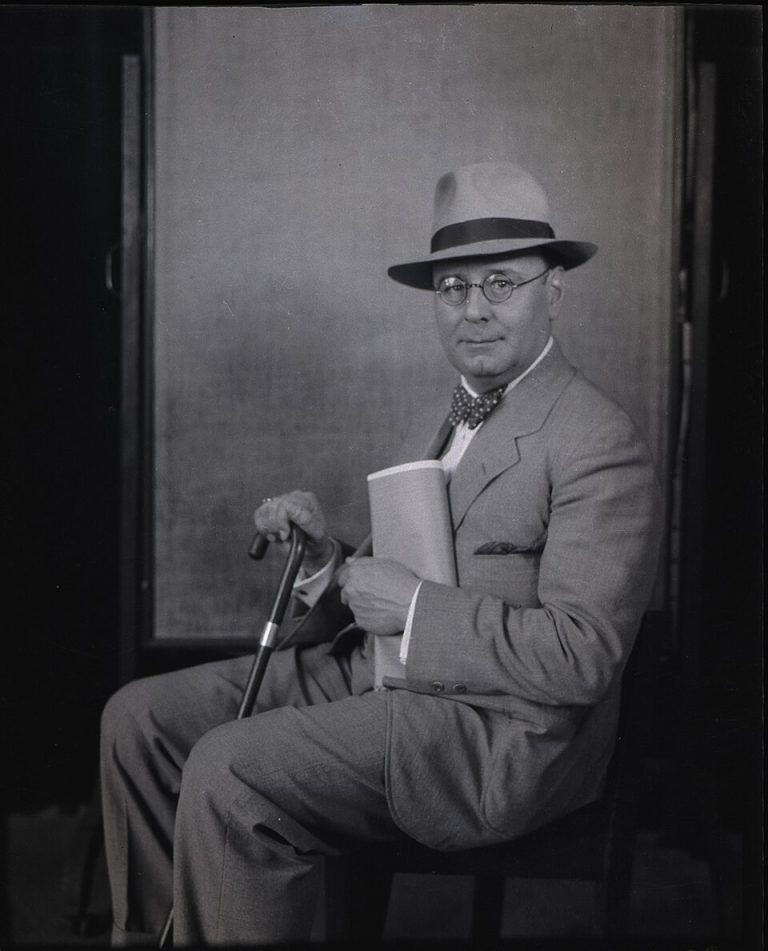
Dr. Healey Willan in 1930 (Archives of Ontario).
CA-K457Culture & sport

Healey Willan, composer of sacred music

Healey Willan came to Canada in 1913 to teach at the Toronto Conservatory of Music, now the Royal Conservatory. As organist and choirmaster of St. Mary Magdalene in Toronto from 1921 to 1968, he composed the sacred music for which he is particularly remembered.

Factual accuracy review: No recorded challenge

Contributor: Citizen.ca

Verified against cited sourcesVerified on 2026-10-26↗
Photo: Unknown photographer (1930); Archives of Ontario, I0001735 · Photo licence: Public domain · Credit & context
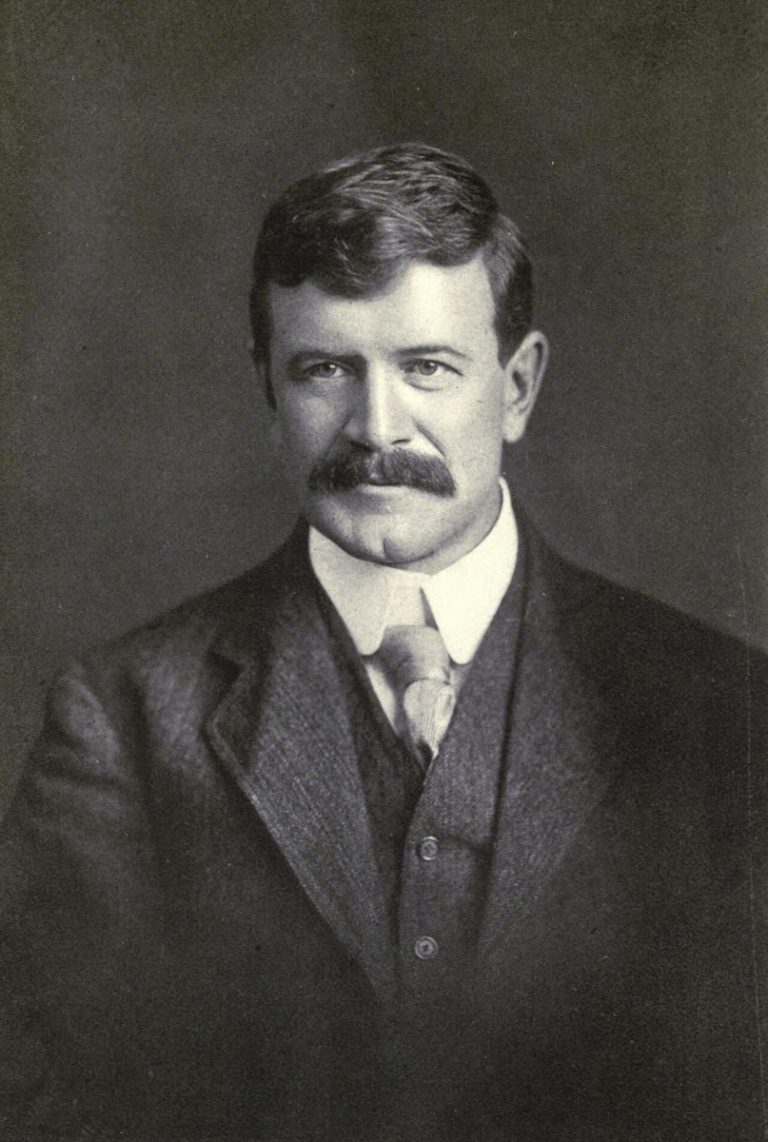
Stephen Leacock, portrait published in 1913.
CA-K440Culture & sport

Stephen Leacock, humorist

Stephen Leacock spent most of his career at McGill University teaching history and political science, but he is chiefly known as a humorist. Sunshine Sketches of a Little Town (1912) made his reputation across the English-speaking world, and his work finds humour in ordinary people in everyday situations through exaggeration and incongruity.

Factual accuracy review: No recorded challenge

Contributor: Citizen.ca

Verified against cited sourcesVerified on 2026-10-26↗
Photo: The Arts & Letters Club of Toronto · Photo licence: Public domain · Credit & context
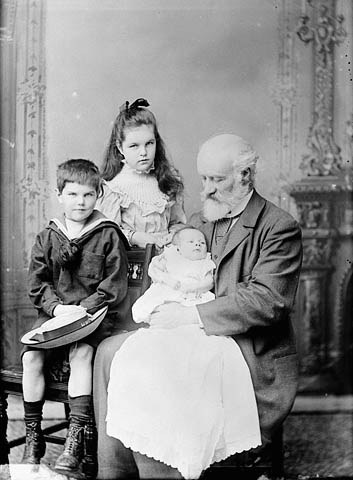
Sir Sandford Fleming with his grandchildren, July 1893 (Topley Studio).
CA-K436History

Sir Sandford Fleming, engineer and champion of standard time

Sir Sandford Fleming, born in Scotland, came to Canada in 1845 and became survey and construction engineer for the Intercolonial Railway and the Canadian Pacific. A man of wide interests and an ardent imperialist, he advocated the Pacific telegraph cable, designed the first Canadian postage stamp in 1851, and was an early champion of standard time.

Factual accuracy review: No recorded challenge

Contributor: Citizen.ca

Verified against cited sourcesVerified on 2026-10-26↗
Photo: William James Topley · Photo licence: Public domain · Credit & context
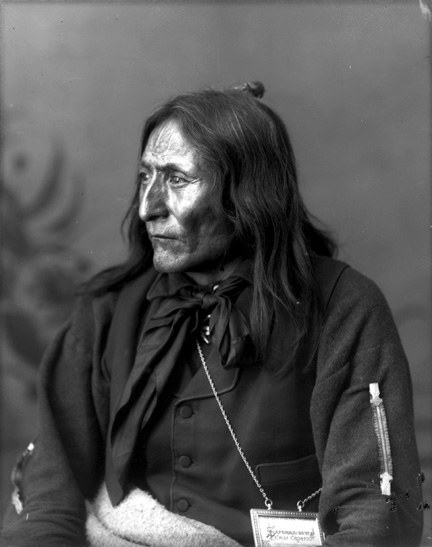
Portrait of Crowfoot, head chief of the Siksika, around 1885.
CA-K409Indigenous peoples & reconciliation

Isapo-Muxika (Crowfoot), Siksika peacemaker

Isapo-Muxika (Crowfoot), born Kainai and raised among the Siksika (Blackfoot), became a leading chief known as a warrior, orator and peacemaker. Convinced that peace served his people best, he made peace with the Plains Cree, adopting Poundmaker as his son, and persuaded the Siksika to sign Treaty 7 in 1877.

Factual accuracy review: No recorded challenge

Contributor: Citizen.ca

Verified against cited sourcesVerified on 2026-10-26↗
Photo: Alex Ross · Photo licence: Public domain · Credit & context
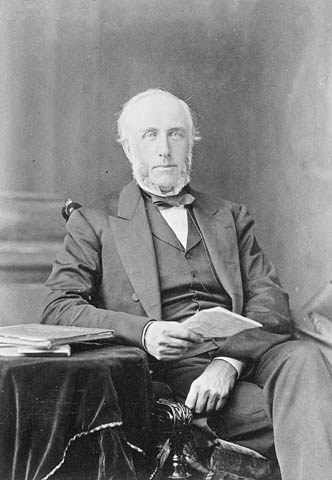
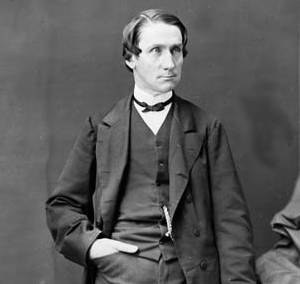
Alexander Morris in Ottawa, December 1869 (Topley Studio).
CA-K386Indigenous peoples & reconciliation

Alexander Morris and the Numbered Treaties

Alexander Morris, a supporter of Confederation and lieutenant-governor of Manitoba and the North-West Territories, negotiated Treaties 3, 4, 5 and 6 with First Nations from 1873 to 1876. First Nations sought a reciprocal relationship that safeguarded their autonomy, while Canada’s main goal was territorial expansion for settlers; Morris pressed the government to keep its spoken promises.

Factual accuracy review: No recorded challenge

Contributor: Citizen.ca

Verified against cited sourcesVerified on 2026-10-26↗
Photo: William James Topley · Photo licence: Public domain · Credit & context
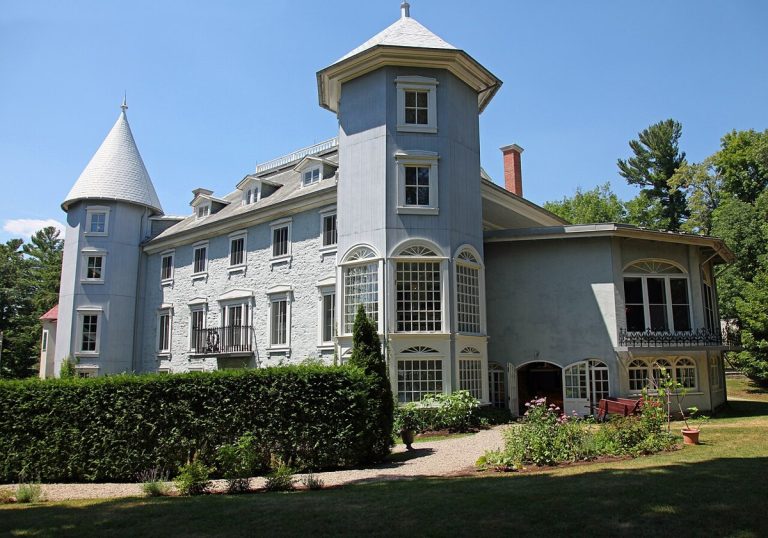
A portrait of George Brown, Father of Confederation.
CA-K277History

George Brown, The Globe and the Great Coalition

George Brown (1818–1880) founded the influential newspaper The Globe in 1844 and became a leading reformer and head of the “Clear Grit” party. In 1864 he was a key figure in the Great Coalition that made Confederation possible, and he co-founded the Anti-Slavery Society of Canada.

Factual accuracy review: No recorded challenge

Contributor: Citizen.ca

Verified against cited sourcesVerified on 2026-10-26↗
Photo: Hunter & Co. · Photo licence: Public domain · Credit & context
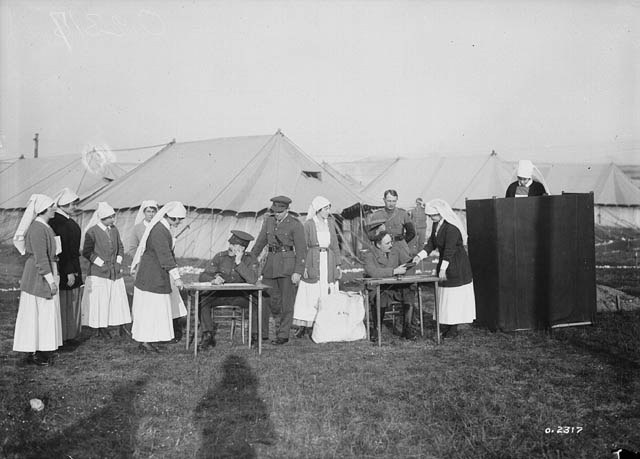
The Manoir-Papineau in Montebello, Quebec, photographed in 2018.
CA-K258History

Louis-Joseph Papineau, leader of the Patriotes

Louis-Joseph Papineau (1786–1871) strove to reform Lower Canada’s political institutions and strengthen democracy. As Speaker of the House of Assembly and leader of the Parti canadien, later the Parti patriote, he became the leading political figure of the 1837–1838 uprisings; in 1850 he settled at his manor in Montebello.

Factual accuracy review: No recorded challenge

Contributor: Citizen.ca

Verified against cited sourcesVerified on 2026-10-26↗
Photo: Marc-Lautenbacher · Photo licence: CC BY-SA 4.0 · Credit & context
Nursing Sisters at a Canadian hospital in France voting in the 1917 federal election (photograph by William Rider-Rider).
CA-K246History

Nursing Sisters, the first women with military rank

Canadian military nurses have cared for the sick and wounded in battle since 1885. In 1904, professional nurses joined the Canadian Army Medical Corps as Nursing Sisters, the first women in the British Empire to receive military rank; in the two world wars hundreds were decorated and dozens died from enemy action.

Factual accuracy review: No recorded challenge

Contributor: Citizen.ca

Verified against cited sourcesVerified on 2026-10-26↗
Photo: William Rider-Rider · Photo licence: Public domain · Credit & context
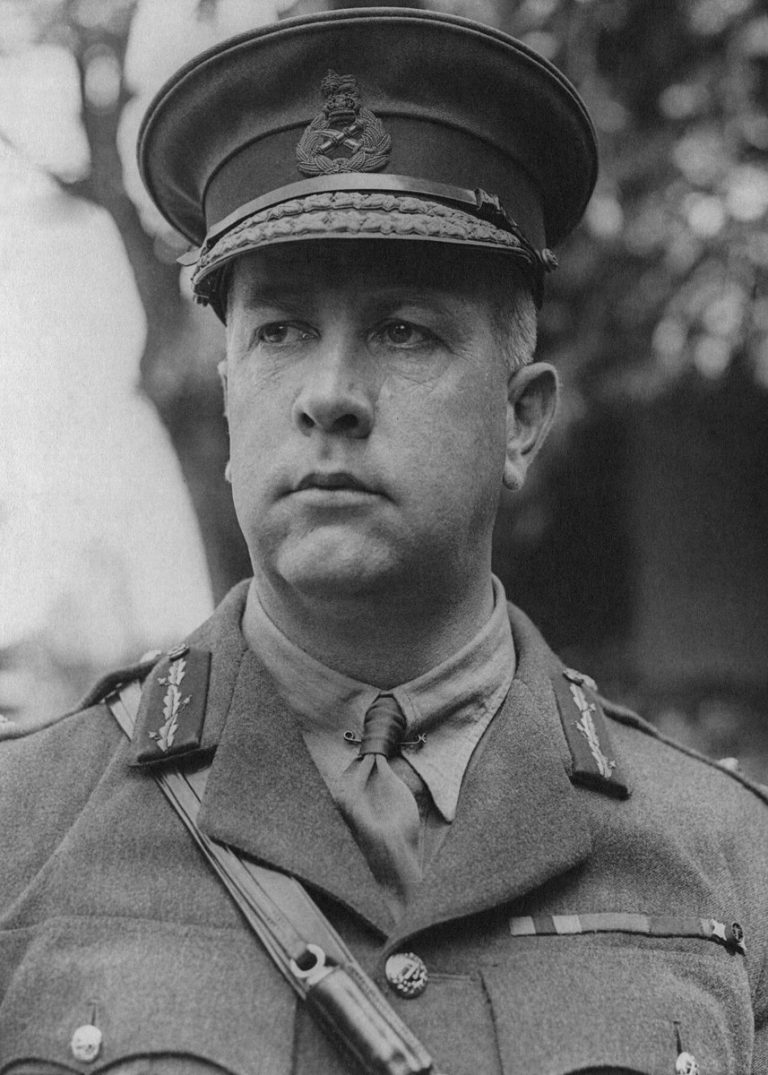
General Currie, commander of the Canadian troops in France, in June 1917.
CA-K232History

Sir Arthur Currie, commander of the Canadian Corps

Sir Arthur Currie (1875–1933), who trained with the militia at Fort Rodd Hill in Victoria, commanded one of Canada’s first overseas infantry brigades in the First World War. Promoted to lieutenant-general after Vimy Ridge, he became commander of the entire Canadian Corps, the first and only Canadian to hold that position, and after the war served as principal of McGill University.

Factual accuracy review: No recorded challenge

Contributor: Citizen.ca

Verified against cited sourcesVerified on 2026-10-26↗
Photo: Unknown photographer · Photo licence: Public domain · Credit & context
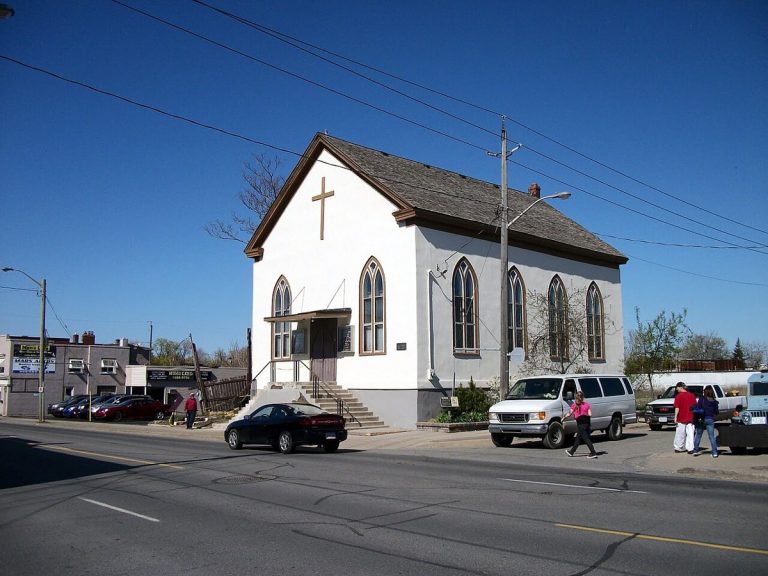
Salem Chapel British Methodist Episcopal Church in St. Catharines, Ontario, a centre of 19th-century abolitionist activity, photographed in 2012.
CA-K217History

Harriet Tubman led freedom-seekers to Canada

Harriet Tubman (c. 1822–1913), who escaped slavery in Maryland, was the most famous “conductor” on the Underground Railroad, leading many people on dangerous journeys to freedom in Canada and helping them settle. She became the public face of the Underground Railroad in British North America, drawing attention and funding to the abolition movement.

Factual accuracy review: No recorded challenge

Contributor: Citizen.ca

Verified against cited sourcesVerified on 2026-10-26↗
Photo: Gr82c · Photo licence: CC BY-SA 3.0 · Credit & context
Margaret Laurence House in Neepawa, Manitoba, photographed in 2012.
CA-K193Culture & sport

Margaret Laurence and Manawaka

Margaret Laurence (1926–1987), one of Canada’s most esteemed authors, set her best-known novels in the fictional prairie town of Manawaka, with characters such as Hagar Shipley of The Stone Angel. She said Neepawa, Manitoba, where she lived from 1935 to 1944, shaped her “way of viewing,” and she helped found the Writers’ Trust of Canada and the Writers’ Union of Canada.

Factual accuracy review: No recorded challenge

Contributor: Citizen.ca

Verified against cited sourcesVerified on 2026-10-26↗
Photo: Amqui · Photo licence: CC BY-SA 3.0 · Credit & context
Tommy Douglas, former Premier of Saskatchewan, around 1971.
CA-K188Institutions

Tommy Douglas and the roots of medicare

Tommy Douglas (1904–1986) was Premier of Saskatchewan from 1944 to 1961, leading Canada’s only Co-operative Commonwealth Federation government. Under him the province pioneered publicly funded hospital insurance, laying the foundations for national medicare; he later became the first leader of the federal New Democratic Party.

Factual accuracy review: No recorded challenge

Contributor: Citizen.ca

Verified against cited sourcesVerified on 2026-10-26↗
Photo: Themightyquill · Photo licence: CC BY-SA 3.0 · Credit & context
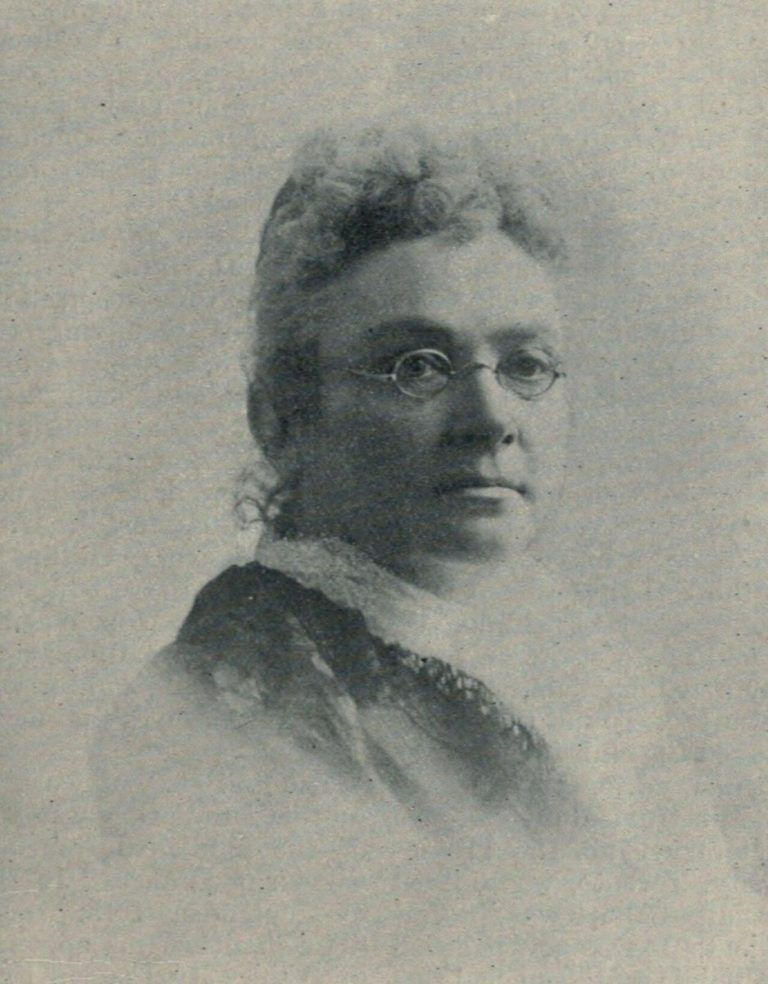
A portrait of Emily Stowe, no later than 1895.
CA-K187History

Emily Stowe, Canada’s first woman doctor in private practice

Denied university entry in Canada because she was a woman, Emily Stowe (1831–1903) studied medicine in New York City and in 1867 opened the first private medical practice in Canada run by a woman doctor, in Toronto. She led the drive to found Woman’s Medical College in 1883 and, through the Dominion Women’s Enfranchisement Association, kept suffrage in the public eye.

Factual accuracy review: No recorded challenge

Contributor: Citizen.ca

Verified against cited sourcesVerified on 2026-10-26↗
Photo: Unknown authorUnknown author · Photo licence: Public domain · Credit & context
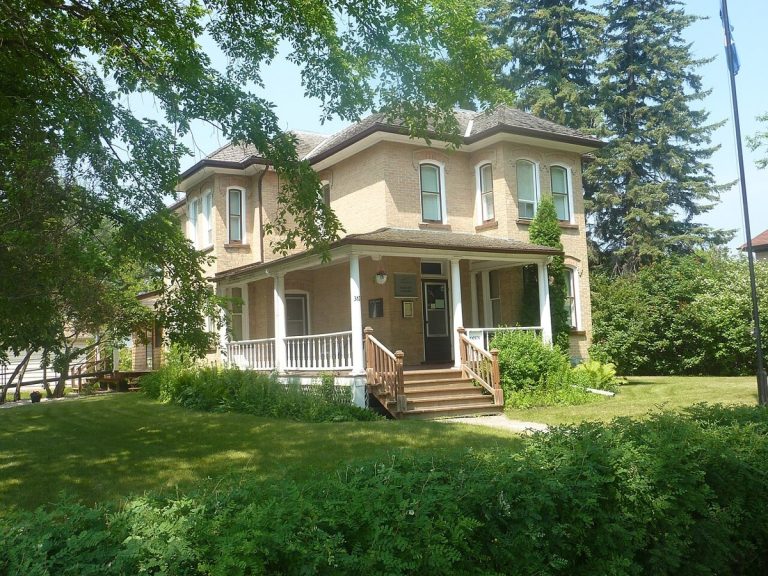
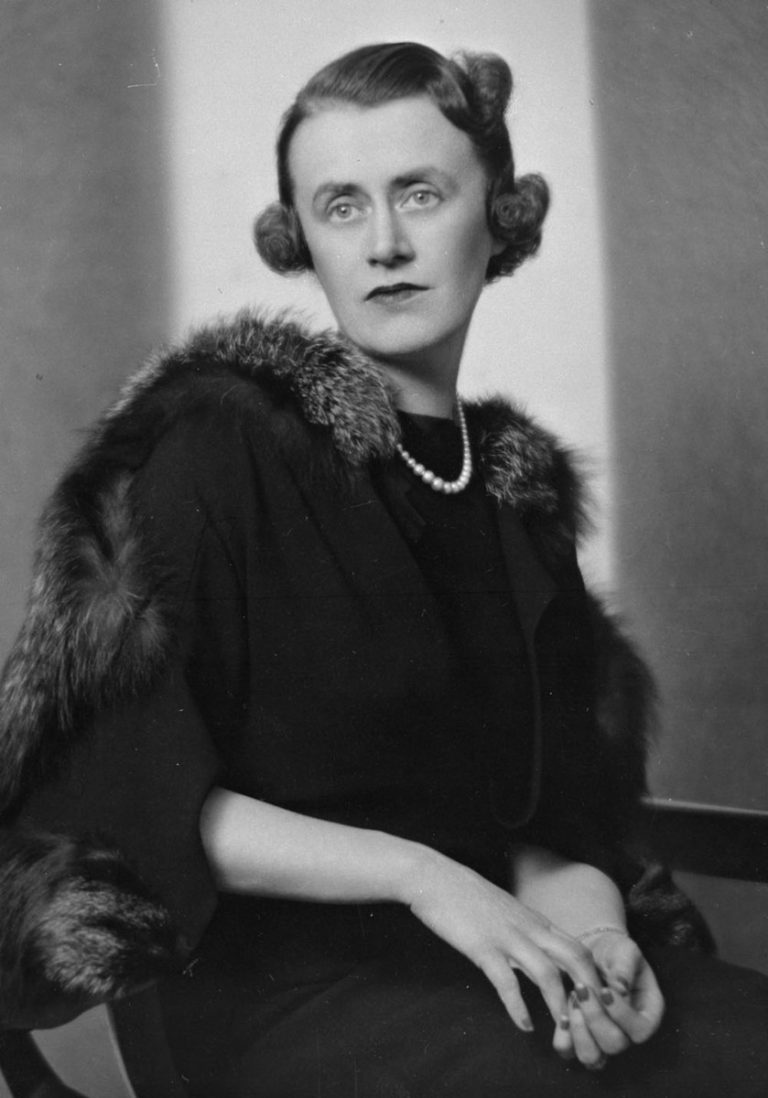
Thérèse Casgrain photographed by George Nakash (Library and Archives Canada).
CA-K185History

Thérèse Casgrain and the Quebec vote for women, 1940

Thérèse Casgrain (1896–1981), a pioneer of Quebec feminism, led the Ligue des droits de la femme from 1928 to 1942 and played a pivotal role in winning women the right to vote in Quebec provincial elections in 1940. The Fédération des femmes du Québec, founded under her guidance in 1966, launched a new wave of organized feminism.

Factual accuracy review: No recorded challenge

Contributor: Citizen.ca

Verified against cited sourcesVerified on 2026-10-26↗
Photo: George Nakash (1892-1976) · Photo licence: CC BY 2.0 · Credit & context
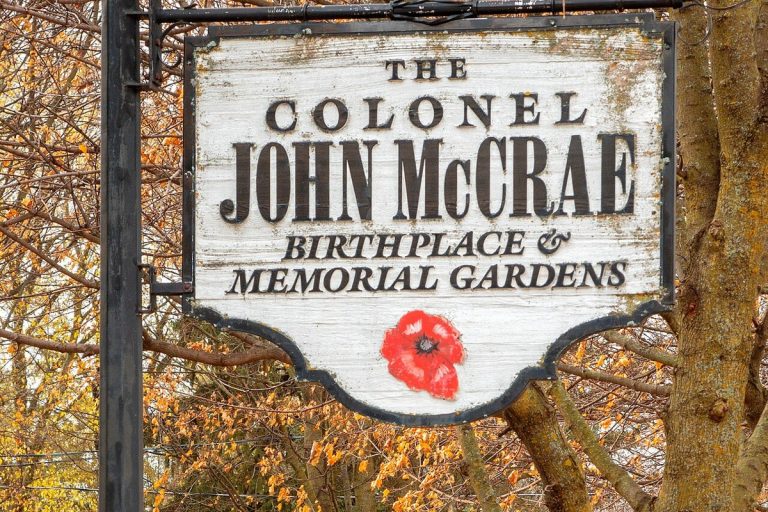
The sign at McCrae House, John McCrae’s birthplace in Guelph, Ontario, on Remembrance Day 2018.
CA-K174Culture & sport

John McCrae and “In Flanders Fields”

John McCrae (1872–1918), a physician born in Guelph, Ontario, joined the Canadian Army Medical Corps in 1914 and served overseas until his death. His poem “In Flanders Fields,” published anonymously in 1915, became one of the most celebrated poems of the First World War and made the poppy a lasting symbol of the Allied soldiers who died.

Factual accuracy review: No recorded challenge

Contributor: Citizen.ca

Verified against cited sourcesVerified on 2026-10-26↗
Photo: Peter K Burian · Photo licence: CC BY-SA 4.0 · Credit & context
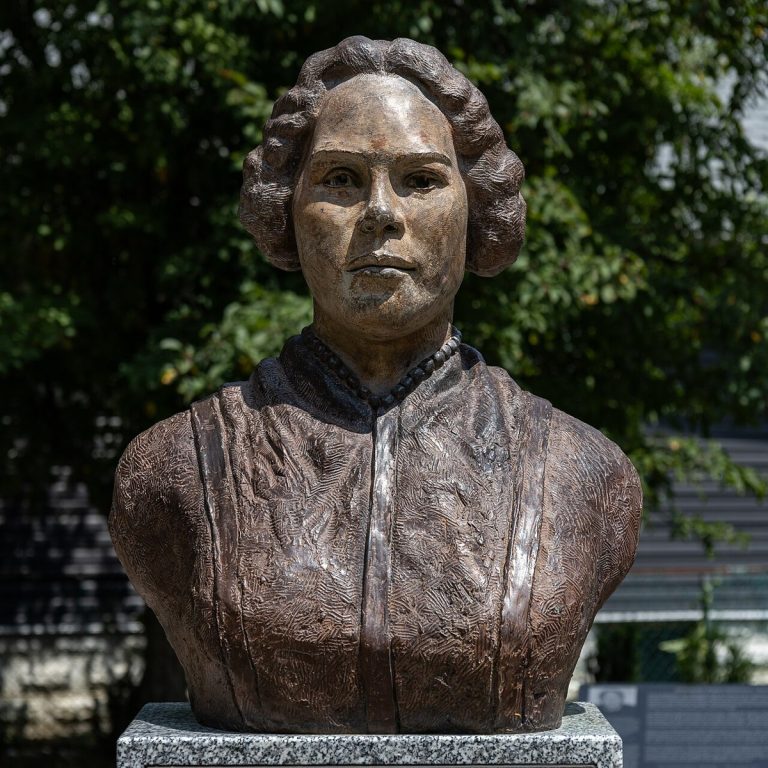
A bust of Mary Ann Shadd Cary by Artis Lane in BME Freedom Park, Chatham, Ontario, photographed in 2025.
CA-K164History

Mary Ann Shadd and the Provincial Freeman

Mary Ann Shadd (1823–1893) became a prominent activist in the Underground Railroad refugee communities of Upper Canada in the 1850s. In 1853 she established the Provincial Freeman, an influential newspaper that argued for the rights of Black people and women and became the leading voice of refugees in Canada.

Factual accuracy review: No recorded challenge

Contributor: Citizen.ca

Verified against cited sourcesVerified on 2026-10-26↗
Photo: Chris Woodrich · Photo licence: CC BY-SA 4.0 · Credit & context
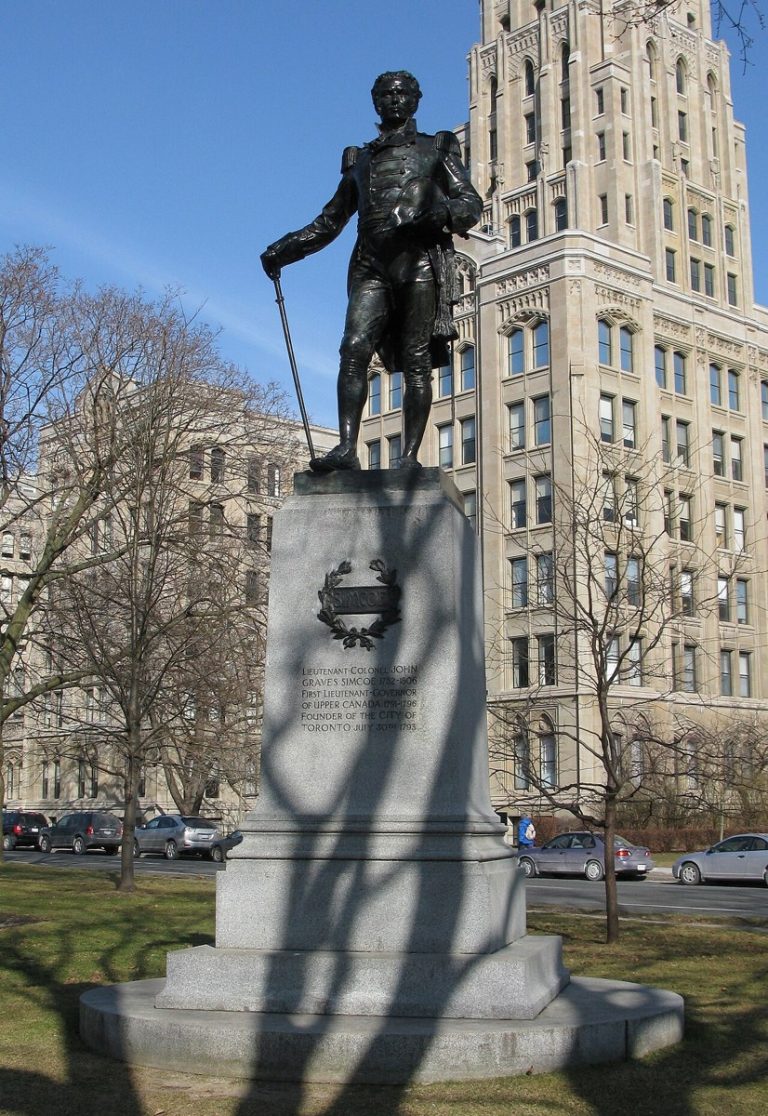
The statue of John Graves Simcoe at Queen’s Park, Toronto, photographed in 2008.
CA-K162History

Upper Canada’s 1793 Act against slavery

Upper Canada’s 1793 Act against slavery, passed under Lieutenant-Governor John Graves Simcoe, prohibited the importation of enslaved people. It did not free people already enslaved, but provided that children subsequently born to enslaved mothers would become free at age 25. Slavery in Upper Canada ended in 1834.

Factual accuracy review: No recorded challenge

Contributor: Citizen.ca

Verified against cited sourcesVerified on 2026-10-26↗
Photo: User:Saforrest · Photo licence: CC BY-SA 3.0 · Credit & context
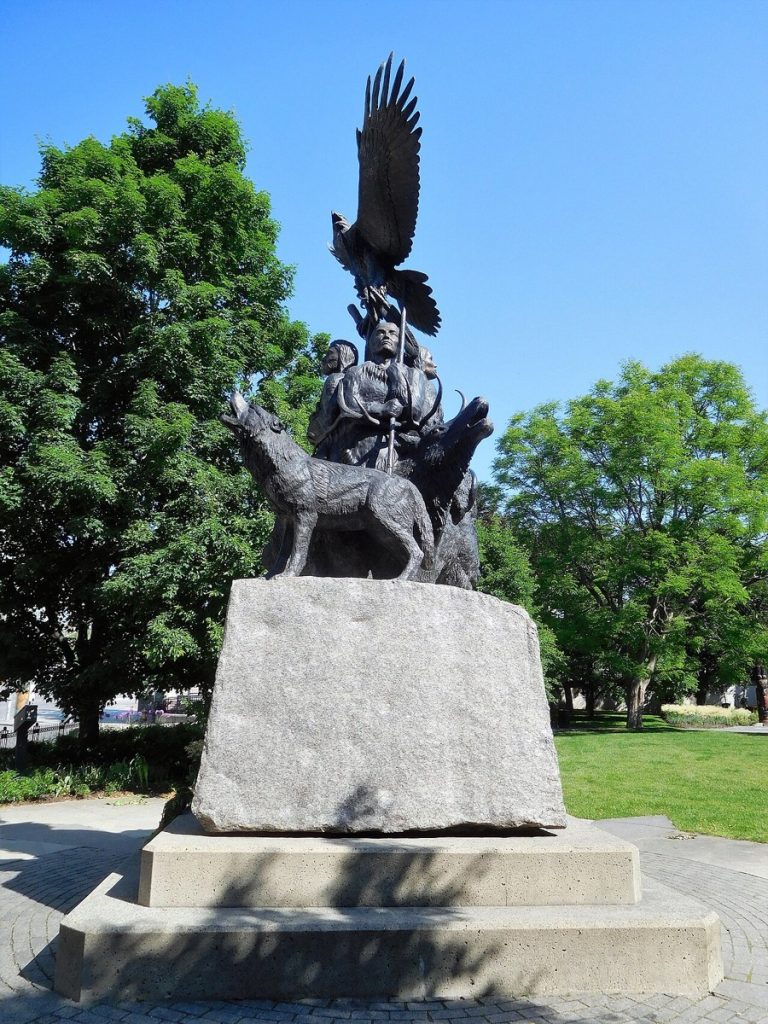
The National Aboriginal Veterans Monument in Confederation Park, Ottawa, photographed in 2019.
CA-K156Indigenous peoples & reconciliation

Indigenous soldiers in the First World War

During the First World War, Indigenous people volunteered in significant numbers, even though many were denied the right to vote; it was the first time Canada’s forces integrated a substantial number of Indigenous men as individual soldiers. As veterans, they were an active force behind the League of Indians of Canada, the first organization to give their communities a national voice.

Factual accuracy review: No recorded challenge

Contributor: Citizen.ca

Verified against cited sourcesVerified on 2026-10-26↗
Photo: Jeangagnon · Photo licence: CC BY-SA 4.0 · Credit & context
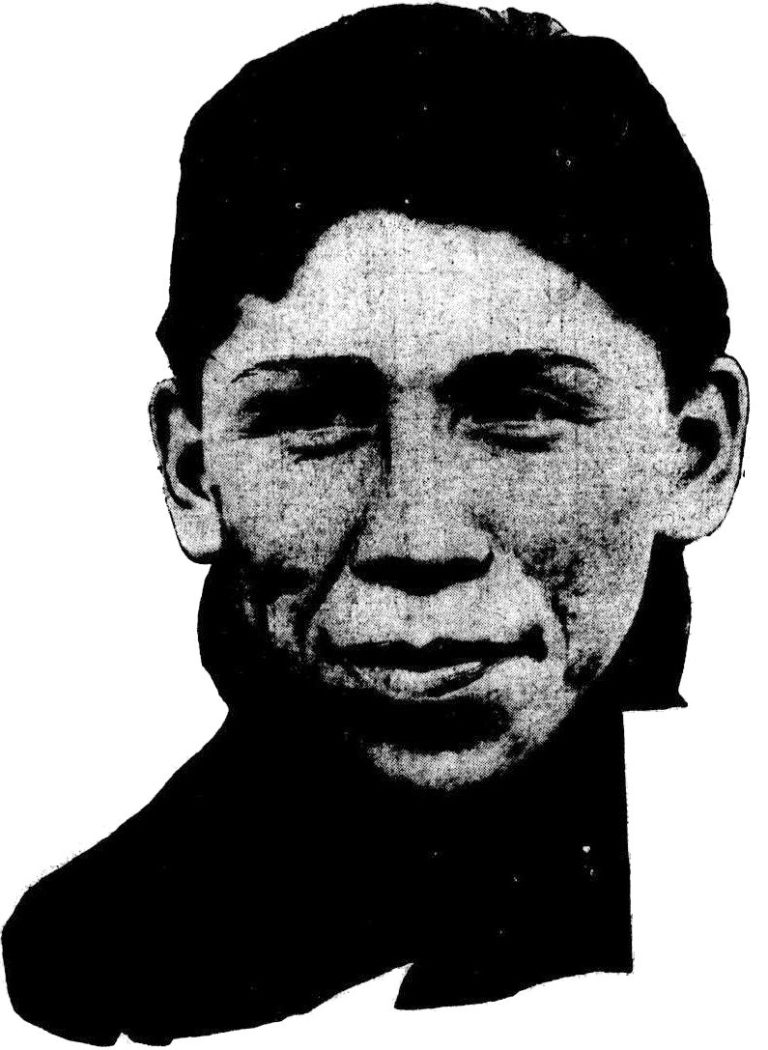
Tom Longboat as pictured in the Boston Post, 19 April 1907.
CA-K149Culture & sport

Tom Longboat won the 1907 Boston Marathon

Tom Longboat (1886–1949), an Onondaga athlete from the Six Nations of the Grand River, became the foremost long-distance runner of his time and won the 1907 Boston Marathon. He competed at the 1908 Olympics and was one of the first Canadian athletes to make a living solely from sport.

Factual accuracy review: No recorded challenge

Contributor: Citizen.ca

Verified against cited sourcesVerified on 2026-10-26↗
Photo: Unknown authorUnknown author · Photo licence: Public domain · Credit & context
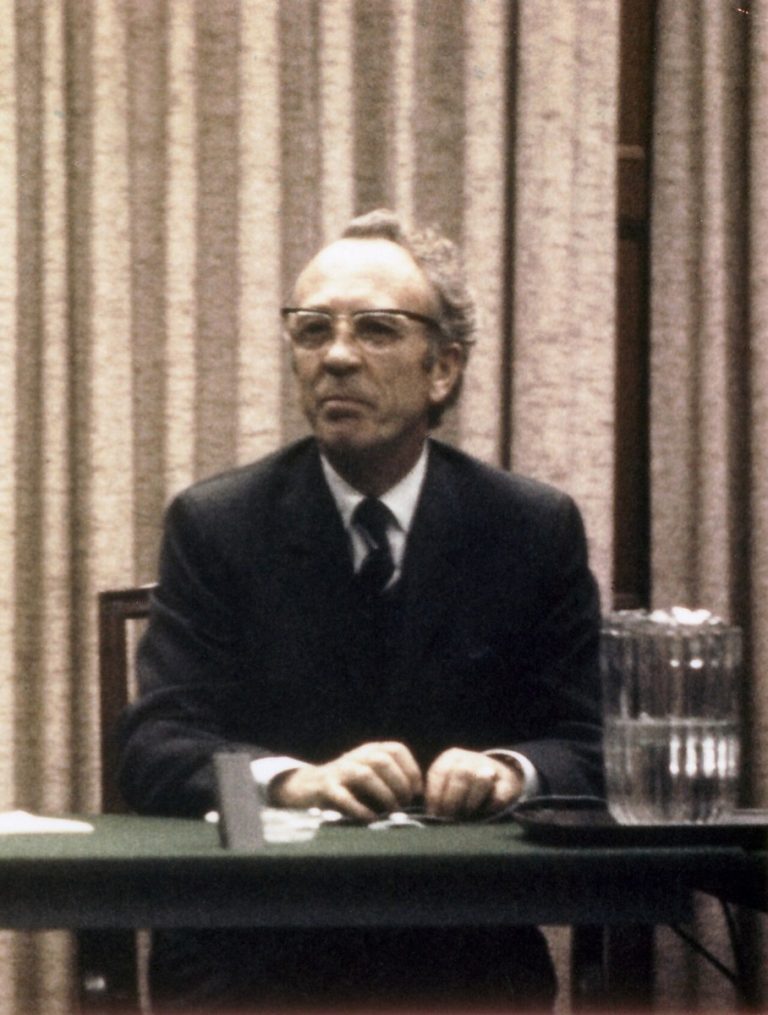
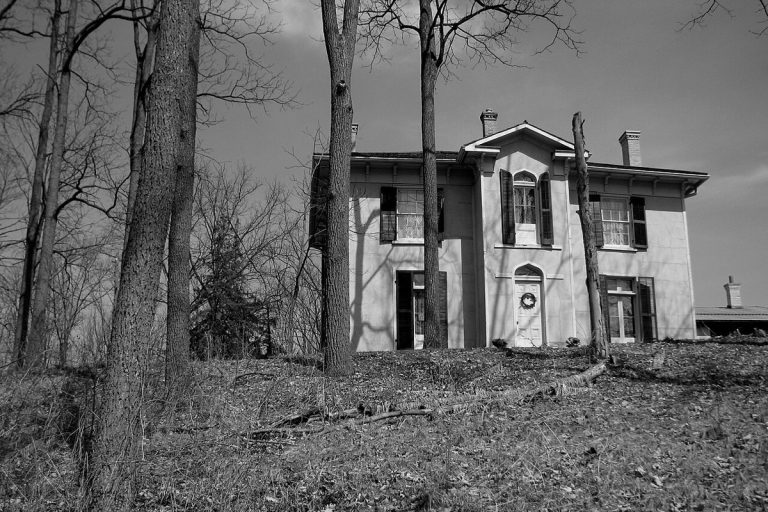
Chiefswood, Johnson’s birthplace on the Six Nations of the Grand River, Ontario, photographed in 2008.
CA-K139Indigenous peoples & reconciliation

E. Pauline Johnson, Mohawk poet and performer

E. Pauline Johnson (1861–1913), born at Chiefswood on the Six Nations of the Grand River, was the daughter of a Mohawk chief. Beginning in the 1890s she published poems, essays and stories and performed them on stages across Canada and abroad, gaining international fame.

Factual accuracy review: No recorded challenge

Contributor: Citizen.ca

Verified against cited sourcesVerified on 2026-10-26↗
Photo: Steve Colwill from Ottawa, Canada · Photo licence: CC BY 2.0 · Credit & context
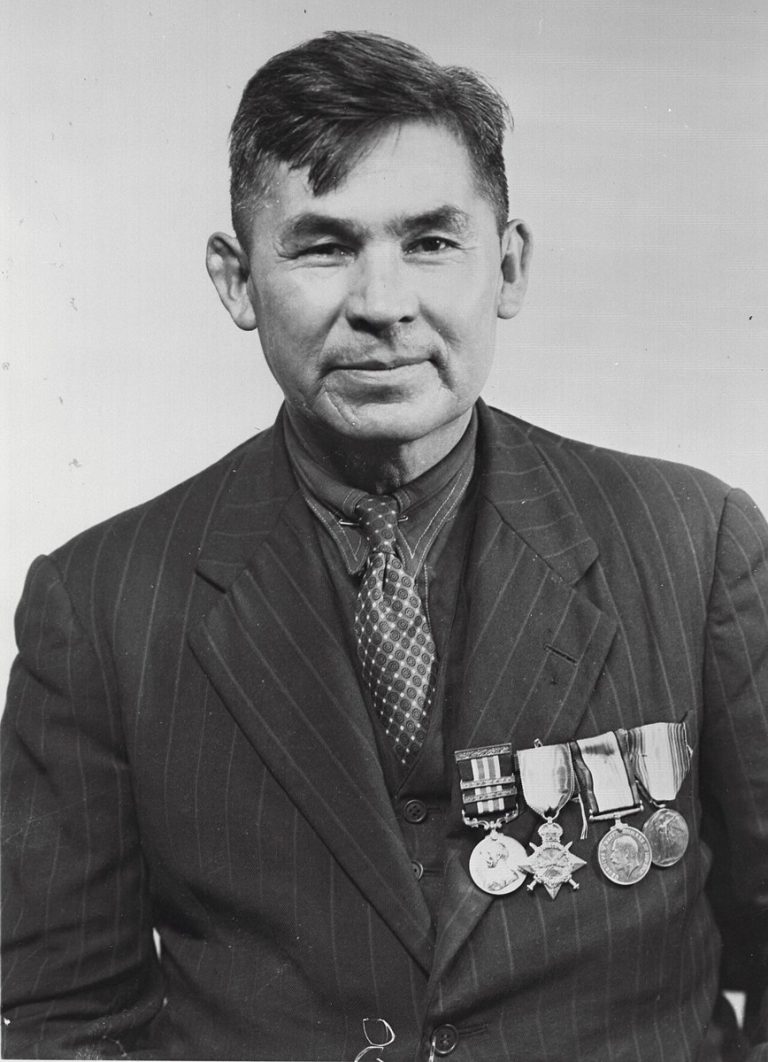
Francis Pegahmagabow in 1945, at a conference in Ottawa, photographed by Marius Barbeau.
CA-K138Indigenous peoples & reconciliation

Francis Pegahmagabow, soldier and rights advocate

Francis Pegahmagabow, an Ojibwe Nishnaabe of Wasauksing First Nation, was a highly decorated First World War sniper and scout who received the Military Medal and two bars for bravery. Facing discrimination under the Indian Act after the war, he became a political leader in his community and nationally, fighting for treaty rights from the 1920s to the 1950s.

Factual accuracy review: No recorded challenge

Contributor: Citizen.ca

Verified against cited sourcesVerified on 2026-10-26↗
Photo: Marius Barbeau · Photo licence: Public domain · Credit & context