An independent project serving Canadian citizens and future citizens

Learn and take the test

Future Citizens

Citizenship Test collection

206 knowledge records

A focused subset of the Canadian knowledge base.

Explore the full knowledge base →

Search by keyword

Citizenship Test is always required. Choose additional keywords to narrow this collection. Broader keywords include their descendants.

For citizenship preparation, use these records alongside the official Discover Canada guide. Check current officeholders and local information separately. This is an independent study collection.

Keywords: Place or geographic feature

Clear search
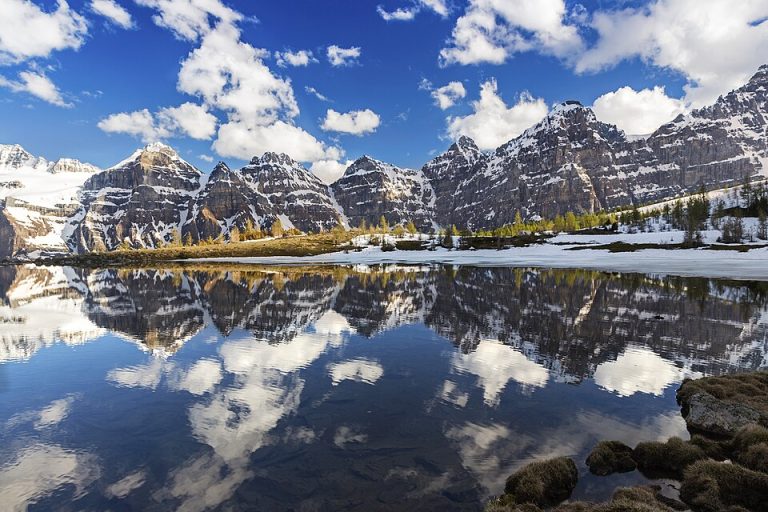
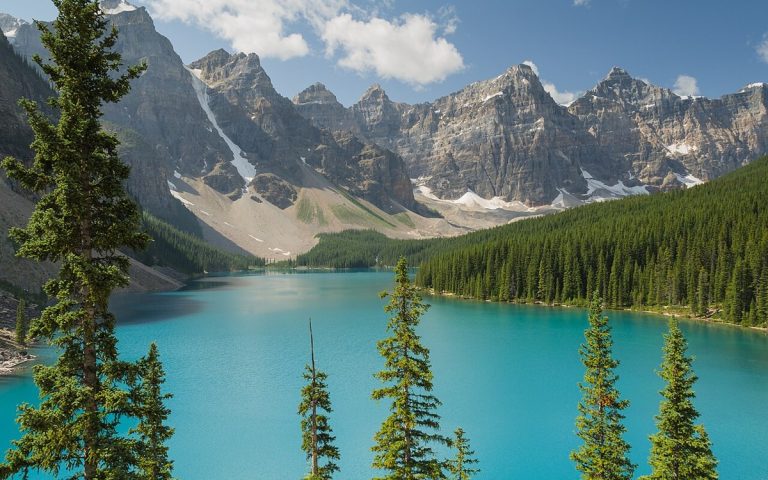
Moraine Lake, Banff National Park.
CA-K1001Places & geography

Banff National Park’s wildlife and plants

The dense forests, glacial waters, high peaks and deep canyons of Banff National Park in Alberta provide habitat for 56 species of mammals, 300 species of birds and more than 800 species of plants. Building on a long history of wildlife research and conservation, Parks Canada works to protect and restore the park for future generations.

Factual accuracy review: No recorded challenge

Contributor: Citizen.ca

Verified against cited sourcesVerified on 2026-10-27↗
Photo: Florian Fuchs · Photo licence: CC BY 3.0 · Credit & context
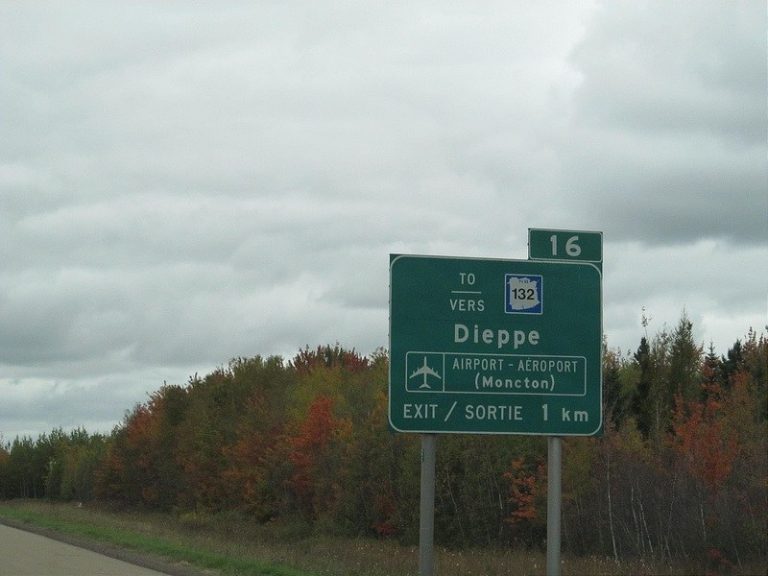
A bilingual road sign in New Brunswick pointing to Dieppe and the airport, photographed in 2012.
CA-K127Language & names

New Brunswick, Canada’s only officially bilingual province

New Brunswick’s first Official Languages Act, enacted on 18 April 1969, made it Canada’s first and only officially bilingual province. The Act made English and French the province’s two official languages and recognized the right to receive provincial government services in either.

Factual accuracy review: No recorded challenge

Contributor: Citizen.ca

Verified against cited sourcesVerified on 2026-10-26↗
Photo: Doug Kerr · Photo licence: CC BY-SA 2.0 · Credit & context
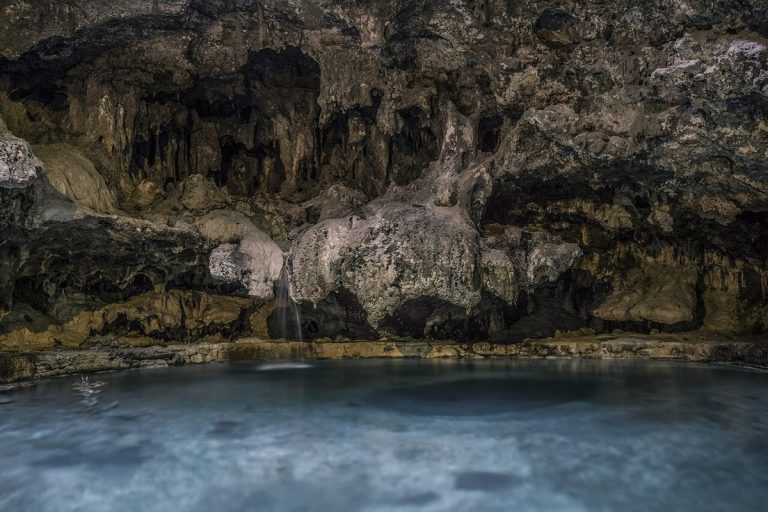
The cave pool at Cave and Basin National Historic Site, Banff, photographed in 2017.
CA-K109Places & geography

The Cave and Basin and Canada’s first national park

In 1885, the government created a 26 km² Hot Springs Reserve around the Cave and Basin hot springs in Banff. On 23 June 1887, the reserve was expanded to 665 km² and became Rocky Mountains National Park, the first national park in Canada.

Factual accuracy review: No recorded challenge

Contributor: Citizen.ca

Verified against cited sourcesVerified on 2026-10-26↗
Photo: Sovernigo · Photo licence: CC BY-SA 4.0 · Credit & context
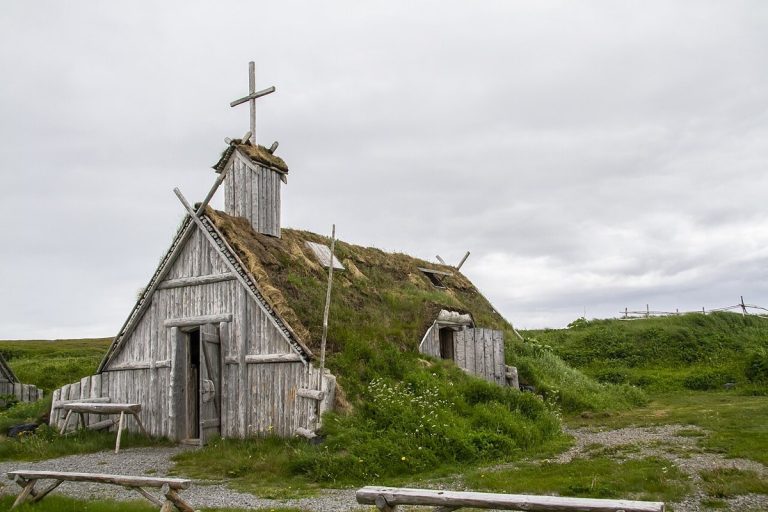
Reconstructed sod buildings at L’Anse aux Meadows, photographed in 2012; modern reconstructions, not the original remains.
CA-K081History

L’Anse aux Meadows: Norse presence over 1,000 years ago

L’Anse aux Meadows, at the tip of Newfoundland’s Great Northern Peninsula, holds the first known evidence of European presence in the Americas. Norse expeditions from Greenland built a small timber-and-sod encampment there over 1,000 years ago; the site was declared a UNESCO World Heritage Site in 1978.

Factual accuracy review: No recorded challenge

Contributor: Citizen.ca

Verified against cited sourcesVerified on 2026-10-26↗
Photo: Pierre Gingras · Photo licence: CC BY-SA 4.0 · Credit & context
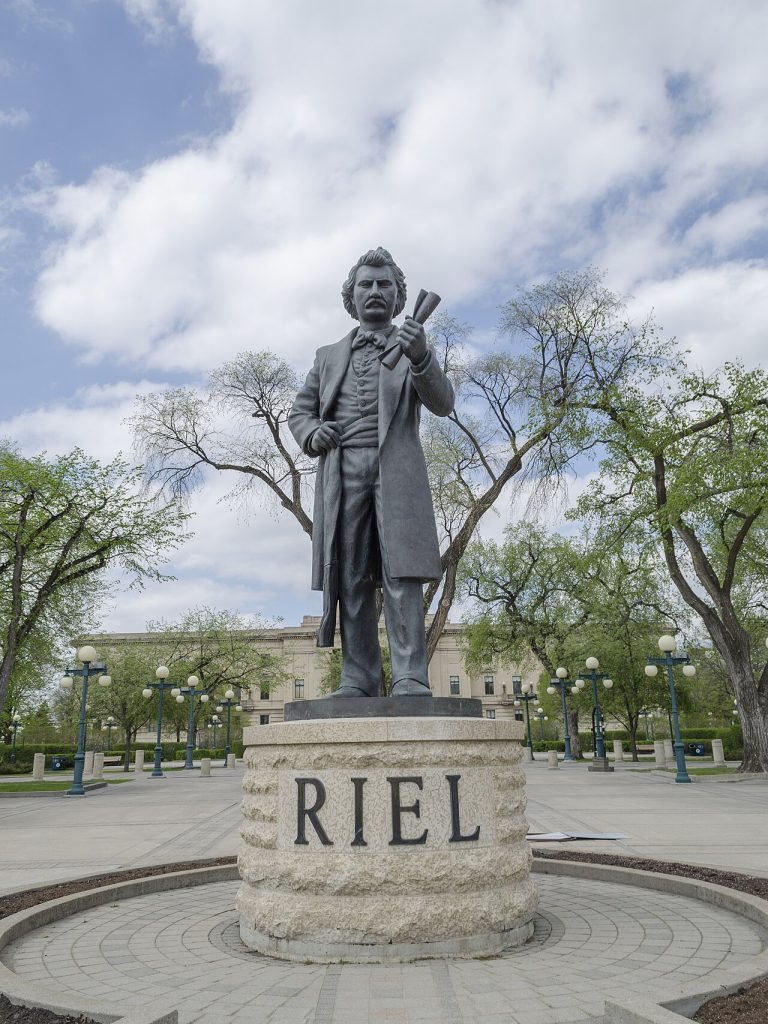
A modern statue of Louis Riel at the Manitoba Legislative Grounds in Winnipeg; not a photograph of the Convention of Forty in 1870.
CA-K031Indigenous peoples & reconciliation

The Convention of Forty at Red River

In 1870, representatives of the English- and French-speaking Red River communities met in the Convention of Forty and agreed on demands to present to Ottawa. The convention declared a provisional government with Louis Riel as president.

Factual accuracy review: No recorded challenge

Contributor: Citizen.ca

Verified against cited sourcesVerified on 2026-10-26↗
Photo: Jay Friesen · Photo licence: CC BY-SA 4.0 · Credit & context