An independent project serving Canadian citizens and future citizens

Learn and take the test

Future Citizens

Citizenship Test collection

206 knowledge records

A focused subset of the Canadian knowledge base.

Explore the full knowledge base →

Search by keyword

Citizenship Test is always required. Choose additional keywords to narrow this collection. Broader keywords include their descendants.

For citizenship preparation, use these records alongside the official Discover Canada guide. Check current officeholders and local information separately. This is an independent study collection.

Keywords: Public leadership

Clear search
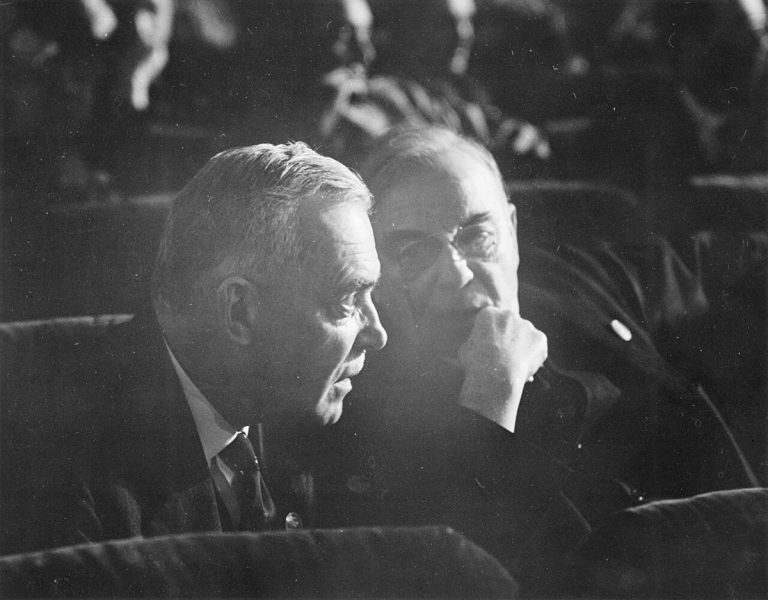
Louis St. Laurent and Mackenzie King at the United Nations Conference, San Francisco, May 1945 (Nicholas Morant).
CA-K1054History

Mackenzie King leads Canada’s delegation to San Francisco, 1945

In 1945, Prime Minister Mackenzie King led the Canadian delegation to the United Nations Conference in San Francisco, which ran from April 25 to June 26.

Factual accuracy review: No recorded challenge

Contributor: Citizen.ca

Verified against cited sourcesVerified on 2026-10-27↗
Photo: Nicholas Morant / National Film Board of Canada. Phototheque / Library and Archives Canada / C-022717 · Photo licence: Public domain · Credit & context
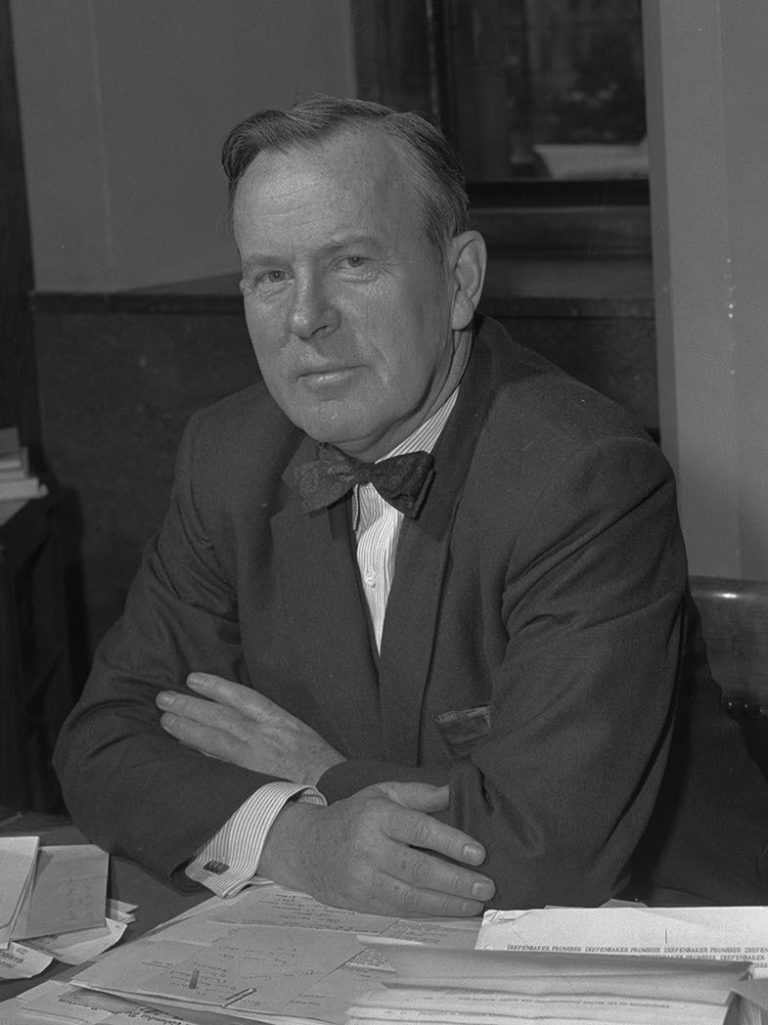
Lester B. Pearson in a photograph published in a 1957 National Film Board photostory about his Nobel Peace Prize.
CA-K951History

Lester B. Pearson, diplomat and prime minister

Lester B. “Mike” Pearson, Canada’s fourteenth prime minister, was an influential diplomat who became Secretary of State for External Affairs in 1948, helped form NATO and won the 1957 Nobel Peace Prize for his leadership at the United Nations during the Suez crisis. Liberal leader from 1958 and prime minister from 1963 to 1968, he promoted bilingualism, championed the new flag, and brought in universal medicare and the Canada Pension Plan.

Factual accuracy review: No recorded challenge

Contributor: Citizen.ca

Verified against cited sourcesVerified on 2026-10-27↗
Photo: Capital Press · Photo licence: Public domain · Credit & context
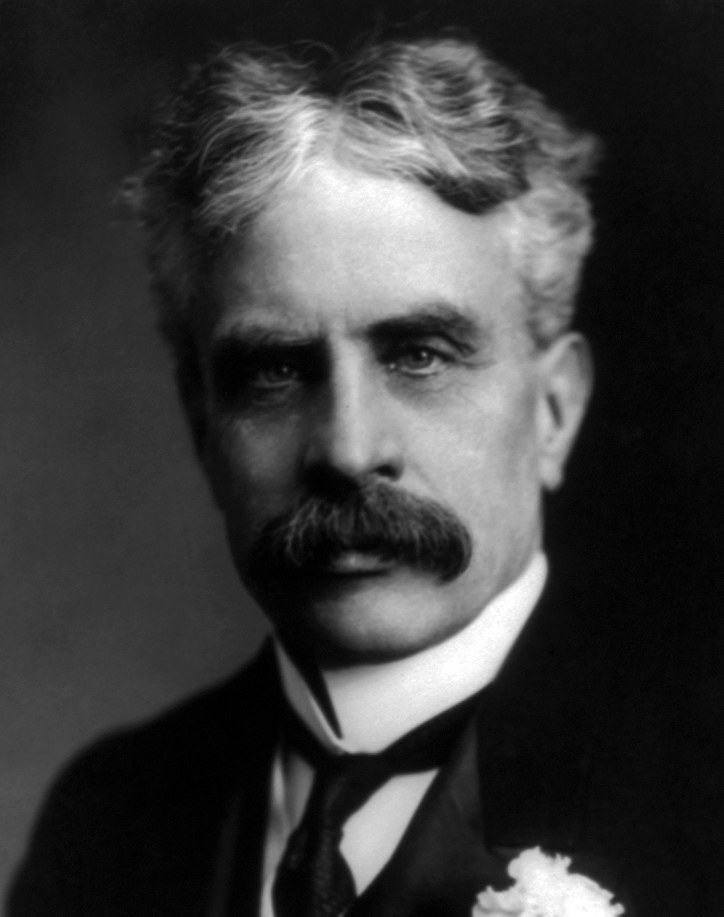
Sir Robert Borden, 1911 (Notman studio).
CA-K784History

Sir Robert Borden, wartime prime minister

Sir Robert Borden, born at Grand-Pré, Nova Scotia, led the Conservative Party from 1901 and was Prime Minister from 1911 to 1920. He guided Canada through the First World War, imposed conscription for overseas service in 1917 and formed a Union government of Liberals and Conservatives. He is remembered above all for insisting that Canada act as an autonomous nation in international diplomacy.

Factual accuracy review: No recorded challenge

Contributor: Citizen.ca

Verified against cited sourcesVerified on 2026-10-26↗
Photo: Notman, Boston · Photo licence: Public domain · Credit & context
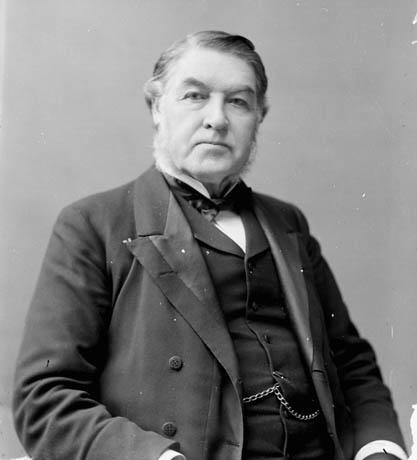
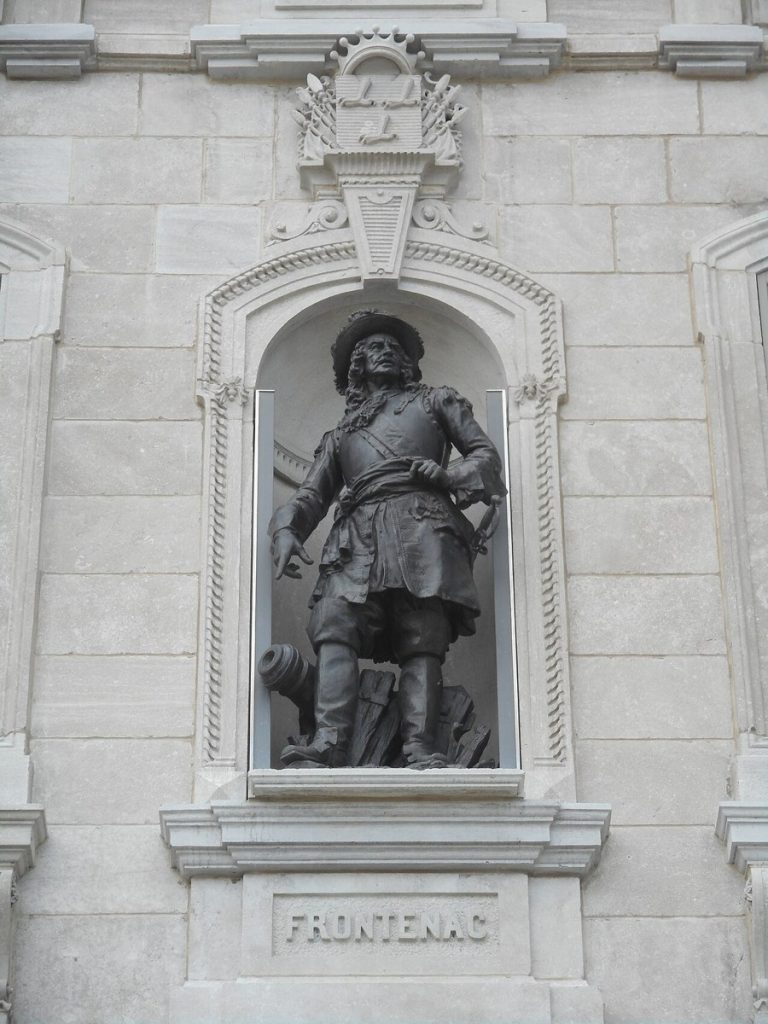
Statue of Frontenac on the façade of the Parliament Building, Québec City, 2015.
CA-K735History

Frontenac, governor of New France

Louis de Buade de Frontenac, governor of New France from 1672 to 1682 and 1689 to 1698, shaped the colony’s military destiny: he resisted the British attack of 1690 and invaded Haudenosaunee territory in 1696. To profit from the fur trade he defied policy against westward expansion, founding Fort Frontenac (Cataraqui) in 1673 and starting a network of posts; he remains a controversial, legendary figure.

Factual accuracy review: No recorded challenge

Contributor: Citizen.ca

Verified against cited sourcesVerified on 2026-10-26↗
Photo: Photo: Jean Gagnon · Photo licence: CC BY-SA 3.0 · Credit & context
Charles Tupper, 1896 (Topley Studio).
CA-K686Institutions

Sir Charles Tupper, Father of Confederation and prime minister

Charles Tupper of Amherst, a physician, became premier of Nova Scotia in 1864 and, allied with John A. Macdonald, advocated Confederation despite substantial opposition in Nova Scotia. After federal cabinet posts and 11 years as High Commissioner in London, he succeeded Bowell as prime minister in 1896, then led the opposition after his party’s defeat that year.

Factual accuracy review: No recorded challenge

Contributor: Citizen.ca

Verified against cited sourcesVerified on 2026-10-26↗
Photo: William James Topley · Photo licence: Public domain · Credit & context
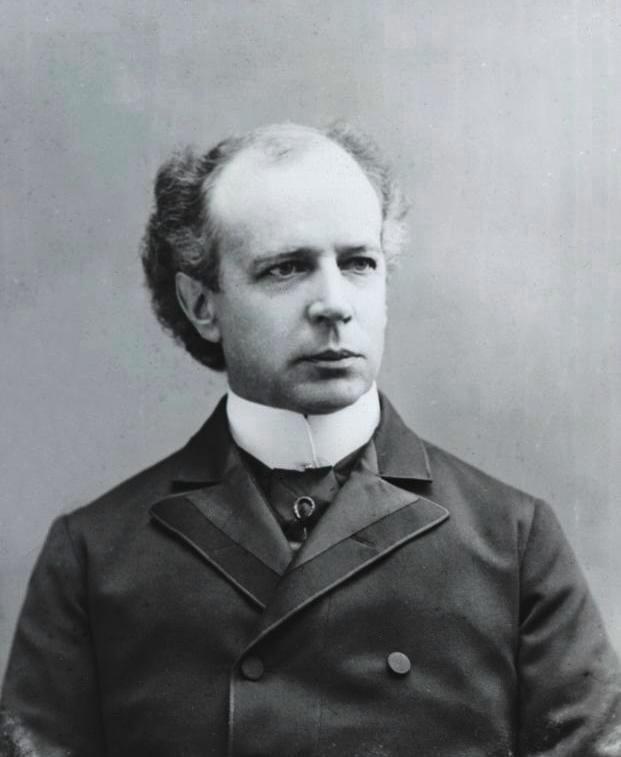
Wilfrid Laurier, about 1890 (Topley Studio, McCord Museum).
CA-K642Institutions

Sir Wilfrid Laurier, first francophone prime minister

Wilfrid Laurier of Saint-Lin, Quebec, was Canada’s first francophone prime minister, an MP for 45 years and Liberal leader for 32. As prime minister from 1896 to 1911 he presided over the settlement of the West, created Alberta and Saskatchewan and founded the Canadian Navy, and he worked to win greater autonomy for Canada and common ground between English and French Canadians.

Factual accuracy review: No recorded challenge

Contributor: Citizen.ca

Verified against cited sourcesVerified on 2026-10-26↗
Photo: Topley Studio · Photo licence: Public domain · Credit & context
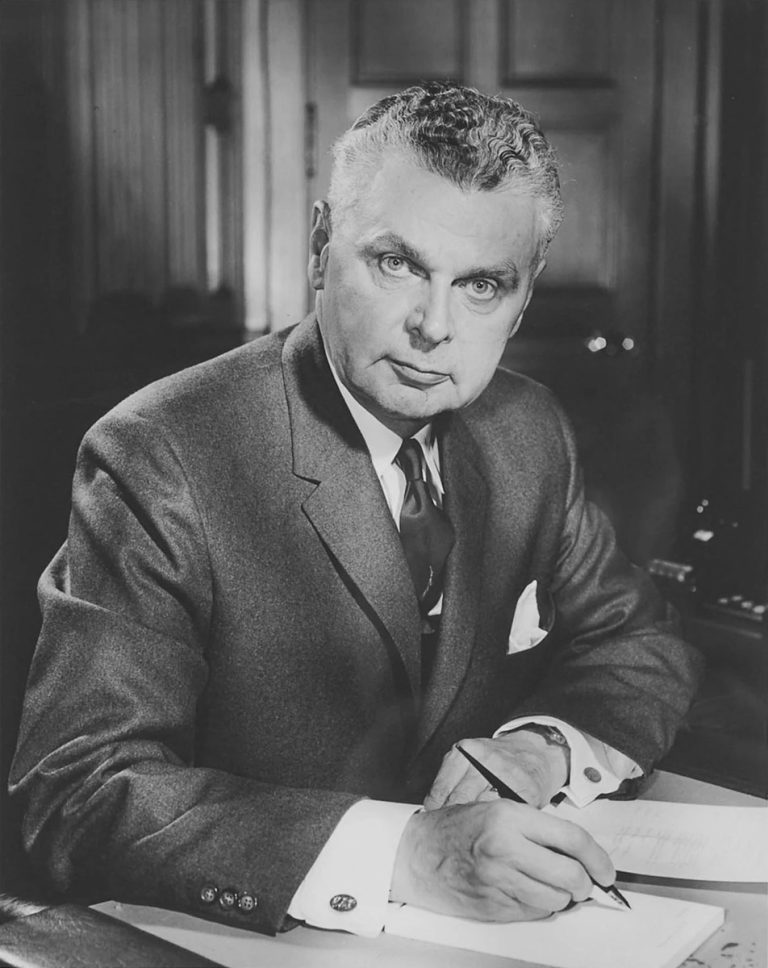
Prime Minister John G. Diefenbaker, 1957 (Gar Lunney).
CA-K616Institutions

John Diefenbaker, 13th prime minister

John Diefenbaker, a charismatic orator raised in Saskatchewan, was a defence lawyer and MP for some 40 years and Canada’s 13th prime minister from 1957 to 1963. He revived the Progressive Conservative Party, winning a landslide in 1958, and his government extended social programs, promoted Northern development and championed human rights at home and abroad.

Factual accuracy review: No recorded challenge

Contributor: Citizen.ca

Verified against cited sourcesVerified on 2026-10-26↗
Photo: Gar Lunney · Photo licence: Public domain · Credit & context
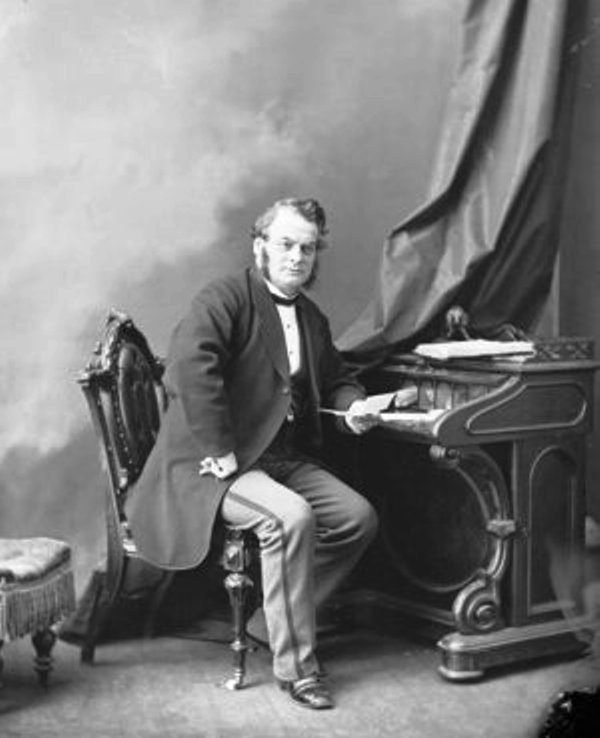
Samuel Leonard Tilley, February 1869 (Topley Studio).
CA-K568History

Sir Leonard Tilley, New Brunswick Father of Confederation

Samuel Leonard Tilley of Gagetown led New Brunswick’s government and was a delegate to the Charlottetown, Québec and London conferences, an architect of the British North America Act and leader of the province’s pro-Confederation forces. As federal Minister of Finance he drafted the National Policy, and he twice served as lieutenant-governor of New Brunswick.

Factual accuracy review: No recorded challenge

Contributor: Citizen.ca

Verified against cited sourcesVerified on 2026-10-26↗
Photo: William James Topley · Photo licence: Public domain · Credit & context
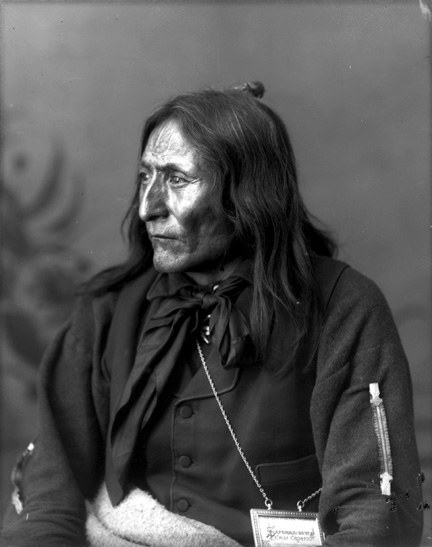
Portrait of Crowfoot, head chief of the Siksika, around 1885.
CA-K409Indigenous peoples & reconciliation

Isapo-Muxika (Crowfoot), Siksika peacemaker

Isapo-Muxika (Crowfoot), born Kainai and raised among the Siksika (Blackfoot), became a leading chief known as a warrior, orator and peacemaker. Convinced that peace served his people best, he made peace with the Plains Cree, adopting Poundmaker as his son, and persuaded the Siksika to sign Treaty 7 in 1877.

Factual accuracy review: No recorded challenge

Contributor: Citizen.ca

Verified against cited sourcesVerified on 2026-10-26↗
Photo: Alex Ross · Photo licence: Public domain · Credit & context
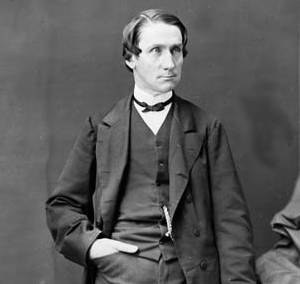
Alexander Morris in Ottawa, December 1869 (Topley Studio).
CA-K386Indigenous peoples & reconciliation

Alexander Morris and the Numbered Treaties

Alexander Morris, a supporter of Confederation and lieutenant-governor of Manitoba and the North-West Territories, negotiated Treaties 3, 4, 5 and 6 with First Nations from 1873 to 1876. First Nations sought a reciprocal relationship that safeguarded their autonomy, while Canada’s main goal was territorial expansion for settlers; Morris pressed the government to keep its spoken promises.

Factual accuracy review: No recorded challenge

Contributor: Citizen.ca

Verified against cited sourcesVerified on 2026-10-26↗
Photo: William James Topley · Photo licence: Public domain · Credit & context
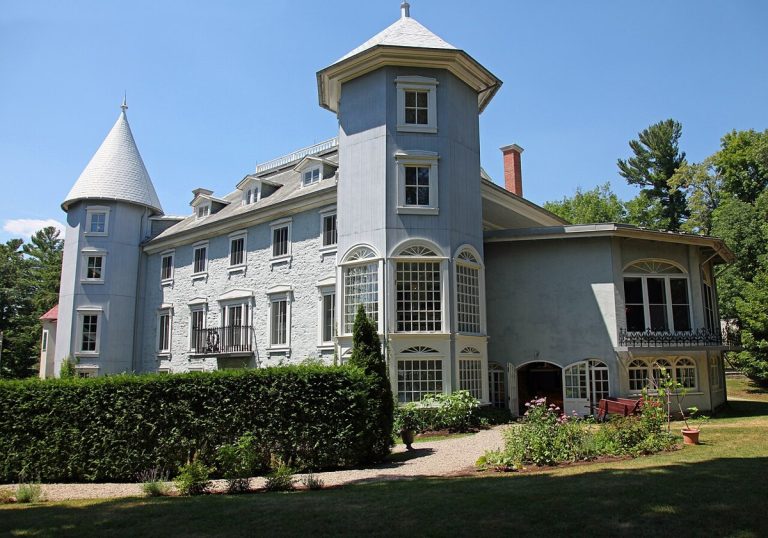
The Manoir-Papineau in Montebello, Quebec, photographed in 2018.
CA-K258History

Louis-Joseph Papineau, leader of the Patriotes

Louis-Joseph Papineau (1786–1871) strove to reform Lower Canada’s political institutions and strengthen democracy. As Speaker of the House of Assembly and leader of the Parti canadien, later the Parti patriote, he became the leading political figure of the 1837–1838 uprisings; in 1850 he settled at his manor in Montebello.

Factual accuracy review: No recorded challenge

Contributor: Citizen.ca

Verified against cited sourcesVerified on 2026-10-26↗
Photo: Marc-Lautenbacher · Photo licence: CC BY-SA 4.0 · Credit & context
Tommy Douglas, former Premier of Saskatchewan, around 1971.
CA-K188Institutions

Tommy Douglas and the roots of medicare

Tommy Douglas (1904–1986) was Premier of Saskatchewan from 1944 to 1961, leading Canada’s only Co-operative Commonwealth Federation government. Under him the province pioneered publicly funded hospital insurance, laying the foundations for national medicare; he later became the first leader of the federal New Democratic Party.

Factual accuracy review: No recorded challenge

Contributor: Citizen.ca

Verified against cited sourcesVerified on 2026-10-26↗
Photo: Themightyquill · Photo licence: CC BY-SA 3.0 · Credit & context
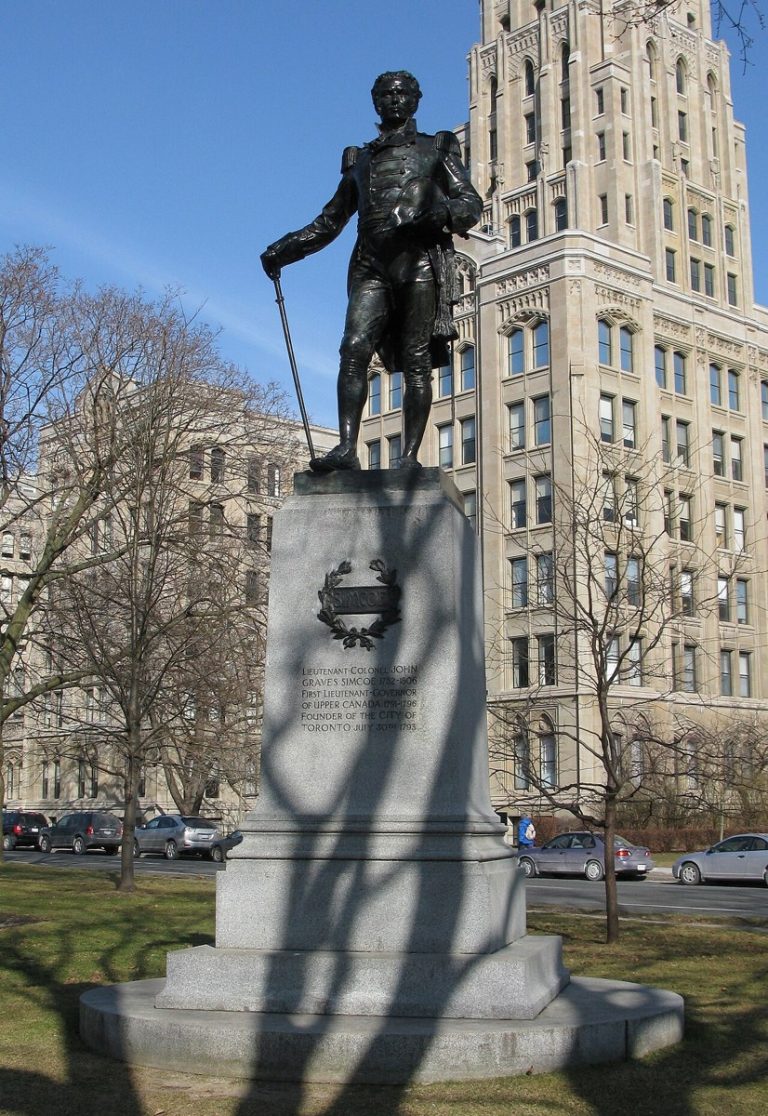
The statue of John Graves Simcoe at Queen’s Park, Toronto, photographed in 2008.
CA-K162History

Upper Canada’s 1793 Act against slavery

Upper Canada’s 1793 Act against slavery, passed under Lieutenant-Governor John Graves Simcoe, prohibited the importation of enslaved people. It did not free people already enslaved, but provided that children subsequently born to enslaved mothers would become free at age 25. Slavery in Upper Canada ended in 1834.

Factual accuracy review: No recorded challenge

Contributor: Citizen.ca

Verified against cited sourcesVerified on 2026-10-26↗
Photo: User:Saforrest · Photo licence: CC BY-SA 3.0 · Credit & context