An independent project serving Canadian citizens and future citizens

Learn and take the test

Future Citizens

Citizenship Test collection

206 knowledge records

A focused subset of the Canadian knowledge base.

Explore the full knowledge base →

Search by keyword

Citizenship Test is always required. Choose additional keywords to narrow this collection. Broader keywords include their descendants.

For citizenship preparation, use these records alongside the official Discover Canada guide. Check current officeholders and local information separately. This is an independent study collection.

Keywords: Arts and literature

Clear search
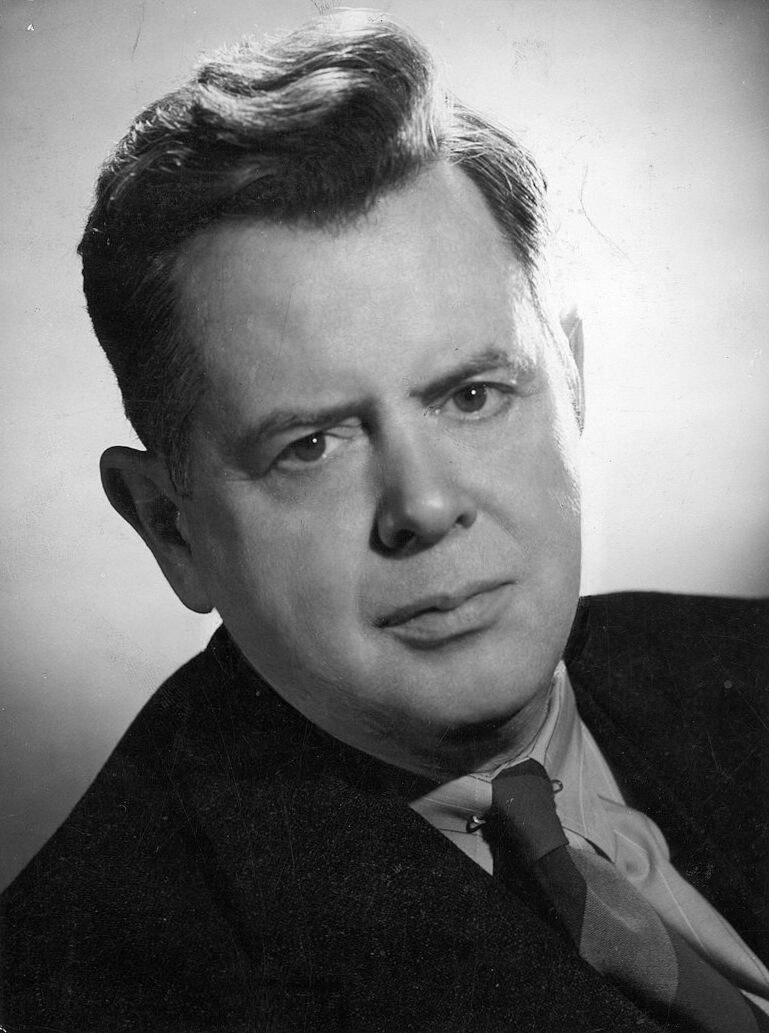
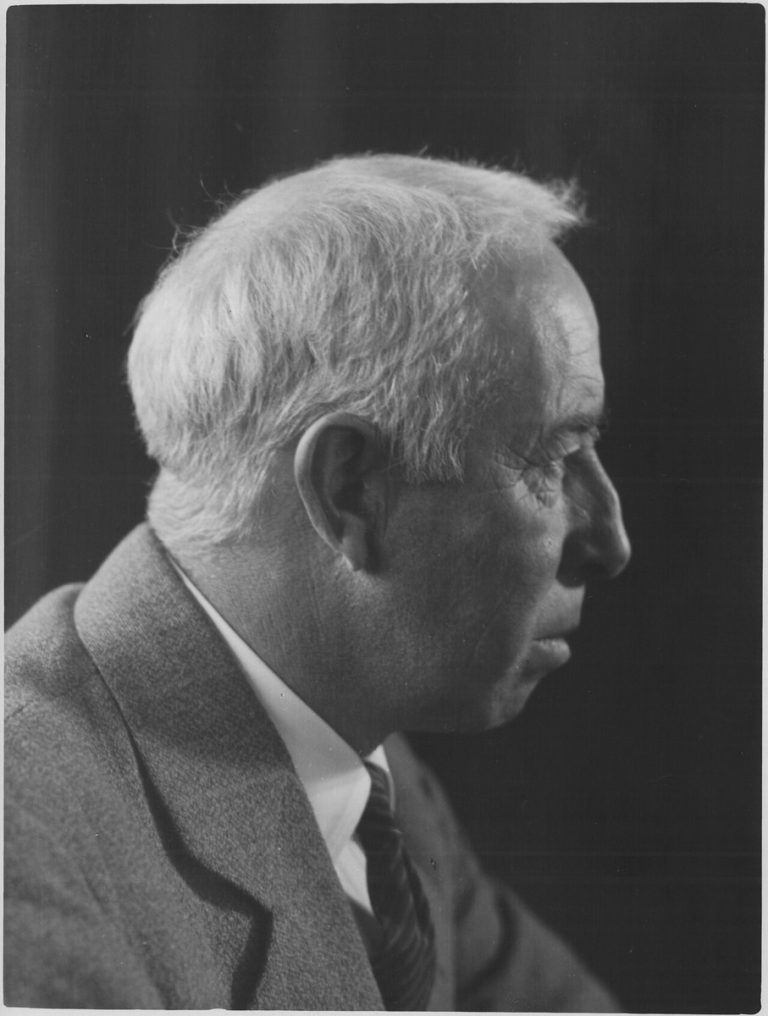
Sir Ernest MacMillan, 1940 (Noel Rubie).
CA-K924Culture & sport

Sir Ernest MacMillan, conductor and champion of Canadian music

Ernest MacMillan, composer and organist, was knighted in 1935 for services to music in Canada. For many years he conducted the Toronto Symphony Orchestra and the Toronto Mendelssohn Choir, led the Toronto Conservatory of Music and was dean of music at the University of Toronto. He promoted music at every level, supporting national music organizations, publishing, and conducting and judging festivals across the country.

Factual accuracy review: No recorded challenge

Contributor: Citizen.ca

Verified against cited sourcesVerified on 2026-10-27↗
Photo: Noel Rubie · Photo licence: Public domain · Credit & context
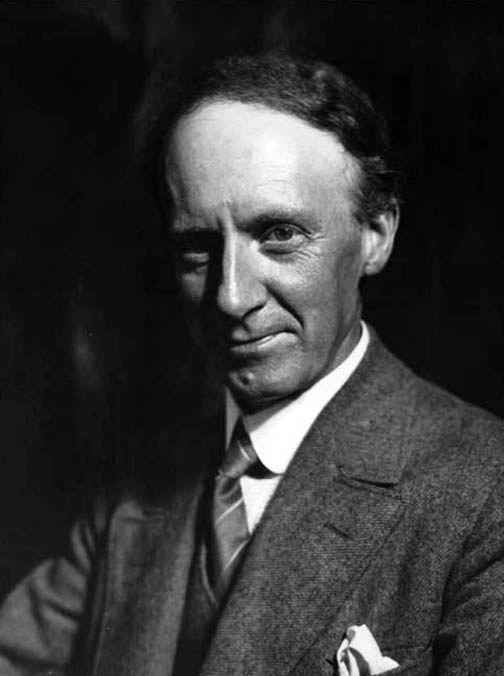
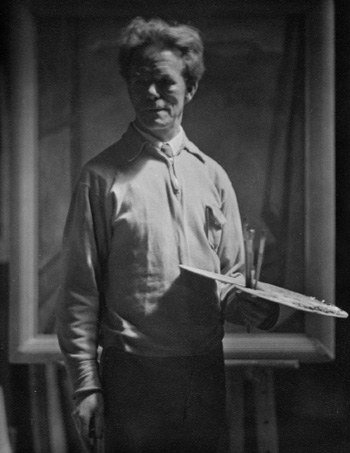
J. E. H. MacDonald (Archives of Ontario).
CA-K579Culture & sport

J. E. H. MacDonald, painter of the Group of Seven

J. E. H. MacDonald, painter, designer and poet, was a founding member of the Group of Seven and a key figure in creating a national style of landscape painting. A talented graphic designer of Canadian motifs, he painted southern Ontario farmland, Algoma’s autumn colours, Nova Scotia shores and the Rockies, and inspired students at the Ontario College of Art.

Factual accuracy review: No recorded challenge

Contributor: Citizen.ca

Verified against cited sourcesVerified on 2026-10-26↗
Photo: Unknown photographer; Archives of Ontario · Photo licence: Public domain · Credit & context
A. Y. Jackson, 1930 (Archives of Ontario).
CA-K574Culture & sport

A. Y. Jackson, painter of the Group of Seven

A. Y. Jackson, born in Montréal, studied painting there and in Paris, served overseas in the First World War and was a member of the Group of Seven from 1920 to 1933. His simple, rounded forms in wilderness landscapes gave a powerful image of Canada, and he greatly influenced a generation of Canadian artists.

Factual accuracy review: No recorded challenge

Contributor: Citizen.ca

Verified against cited sourcesVerified on 2026-10-26↗
Photo: Unknown photographer (1930); Archives of Ontario, I0007815 · Photo licence: Public domain · Credit & context
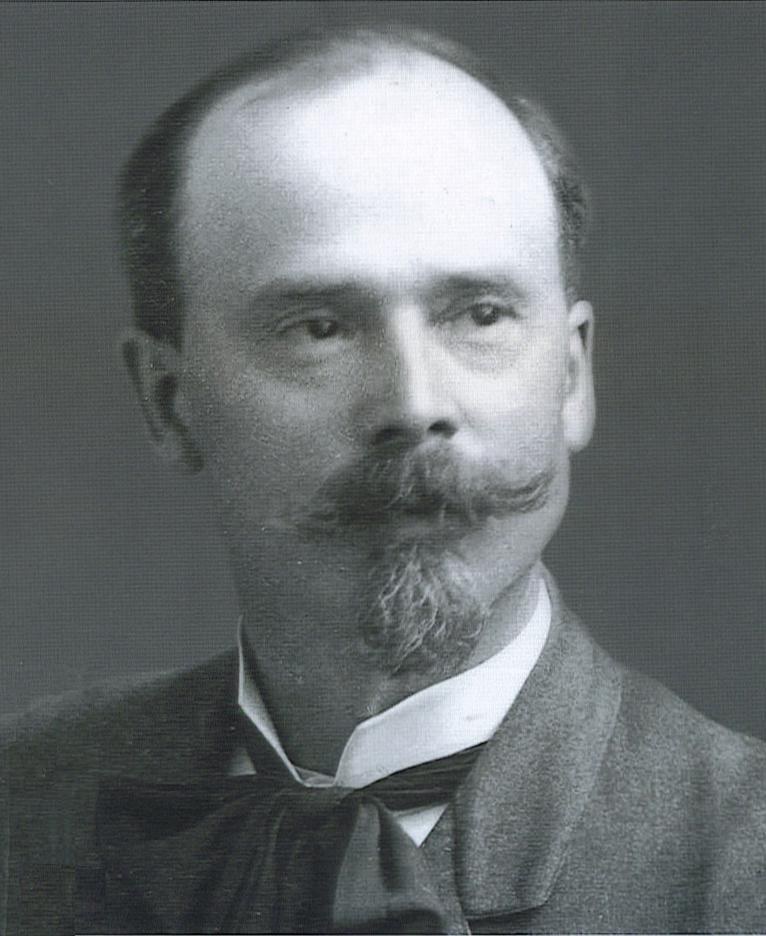
Louis-Philippe Hébert, around 1898 (Wm. Notman & Son).
CA-K538Culture & sport

Louis-Philippe Hébert, sculptor

Louis-Philippe Hébert was a Canadian sculptor known for public monuments. After carving wood figures for churches in Ottawa and Montréal, he made bronze statues such as Cartier on Parliament Hill and won renown for the sculptures on the façade of the Quebec legislature, his Maisonneuve monument in Montréal and the Macdonald monument in Ottawa.

Factual accuracy review: No recorded challenge

Contributor: Citizen.ca

Verified against cited sourcesVerified on 2026-10-26↗
Photo: William Notman & Son · Photo licence: Public domain · Credit & context
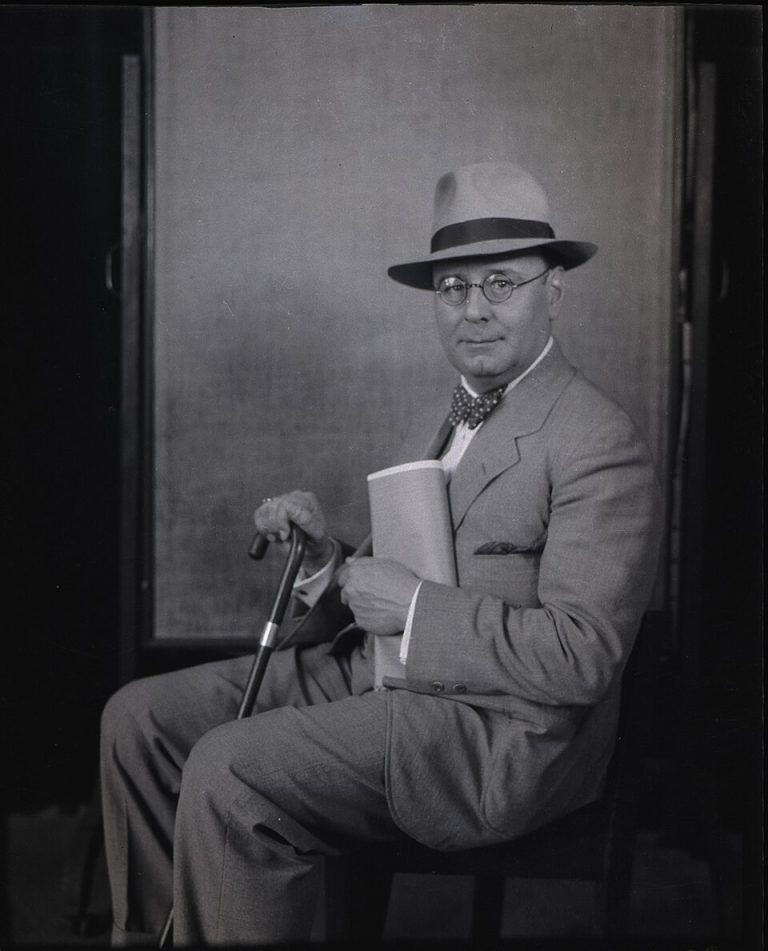
Frederick Varley, probably in Vancouver, 1927 (John Vanderpant).
CA-K484Culture & sport

Frederick Varley, painter of the Group of Seven

Frederick Varley, a founding member of the Group of Seven, helped establish a national style of painting the Canadian landscape. A masterful portraitist and an official First World War artist, he moved to teach on the West Coast in 1926, and his unconventional use of colour to convey emotion is a singular contribution to Canadian art.

Factual accuracy review: No recorded challenge

Contributor: Citizen.ca

Verified against cited sourcesVerified on 2026-10-26↗
Photo: John Vanderpant · Photo licence: Public domain · Credit & context
Dr. Healey Willan in 1930 (Archives of Ontario).
CA-K457Culture & sport

Healey Willan, composer of sacred music

Healey Willan came to Canada in 1913 to teach at the Toronto Conservatory of Music, now the Royal Conservatory. As organist and choirmaster of St. Mary Magdalene in Toronto from 1921 to 1968, he composed the sacred music for which he is particularly remembered.

Factual accuracy review: No recorded challenge

Contributor: Citizen.ca

Verified against cited sourcesVerified on 2026-10-26↗
Photo: Unknown photographer (1930); Archives of Ontario, I0001735 · Photo licence: Public domain · Credit & context
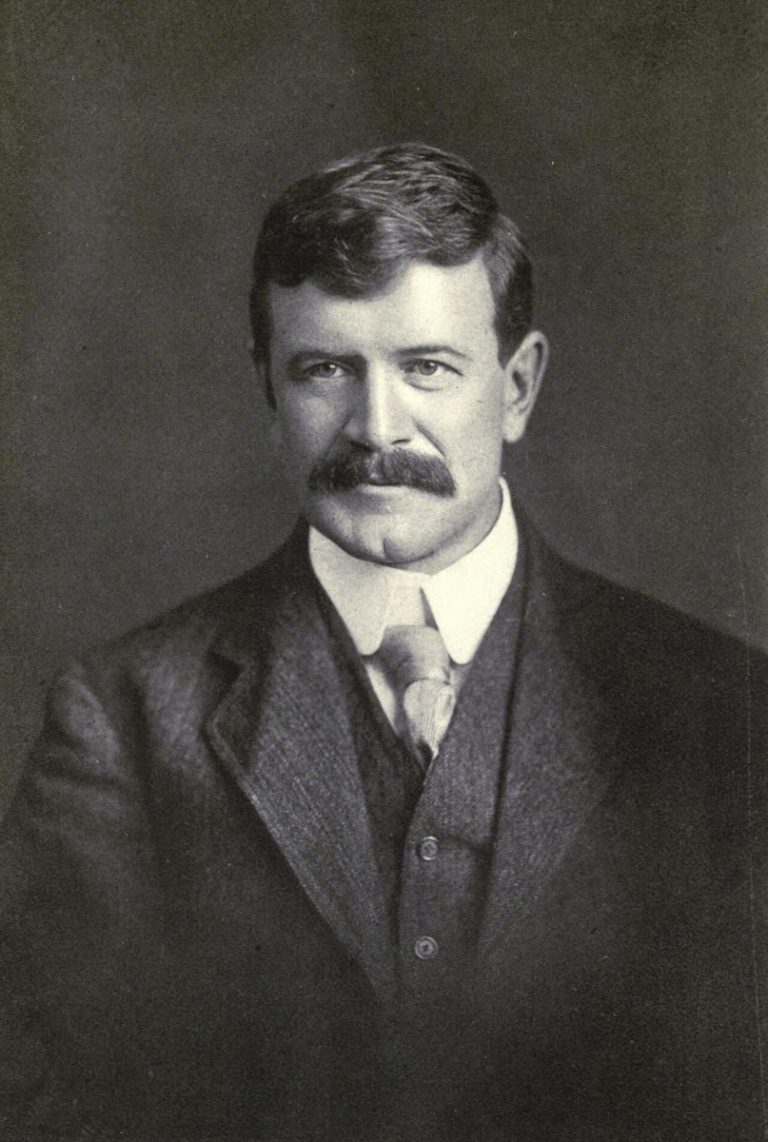
Stephen Leacock, portrait published in 1913.
CA-K440Culture & sport

Stephen Leacock, humorist

Stephen Leacock spent most of his career at McGill University teaching history and political science, but he is chiefly known as a humorist. Sunshine Sketches of a Little Town (1912) made his reputation across the English-speaking world, and his work finds humour in ordinary people in everyday situations through exaggeration and incongruity.

Factual accuracy review: No recorded challenge

Contributor: Citizen.ca

Verified against cited sourcesVerified on 2026-10-26↗
Photo: The Arts & Letters Club of Toronto · Photo licence: Public domain · Credit & context
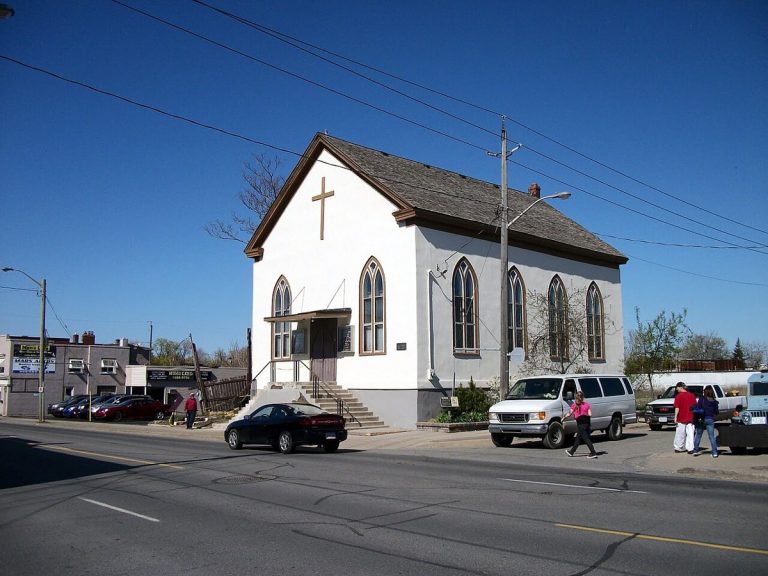
Salem Chapel British Methodist Episcopal Church in St. Catharines, Ontario, a centre of 19th-century abolitionist activity, photographed in 2012.
CA-K217History

Harriet Tubman led freedom-seekers to Canada

Harriet Tubman (c. 1822–1913), who escaped slavery in Maryland, was the most famous “conductor” on the Underground Railroad, leading many people on dangerous journeys to freedom in Canada and helping them settle. She became the public face of the Underground Railroad in British North America, drawing attention and funding to the abolition movement.

Factual accuracy review: No recorded challenge

Contributor: Citizen.ca

Verified against cited sourcesVerified on 2026-10-26↗
Photo: Gr82c · Photo licence: CC BY-SA 3.0 · Credit & context
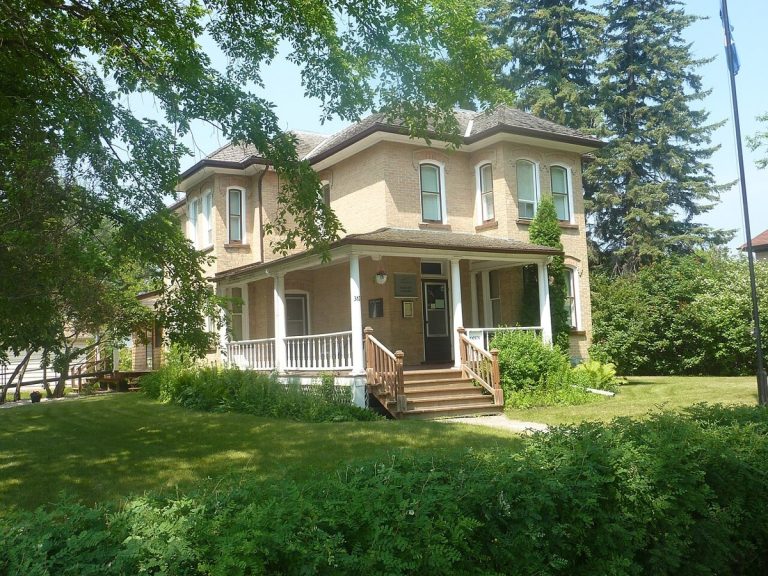
Margaret Laurence House in Neepawa, Manitoba, photographed in 2012.
CA-K193Culture & sport

Margaret Laurence and Manawaka

Margaret Laurence (1926–1987), one of Canada’s most esteemed authors, set her best-known novels in the fictional prairie town of Manawaka, with characters such as Hagar Shipley of The Stone Angel. She said Neepawa, Manitoba, where she lived from 1935 to 1944, shaped her “way of viewing,” and she helped found the Writers’ Trust of Canada and the Writers’ Union of Canada.

Factual accuracy review: No recorded challenge

Contributor: Citizen.ca

Verified against cited sourcesVerified on 2026-10-26↗
Photo: Amqui · Photo licence: CC BY-SA 3.0 · Credit & context
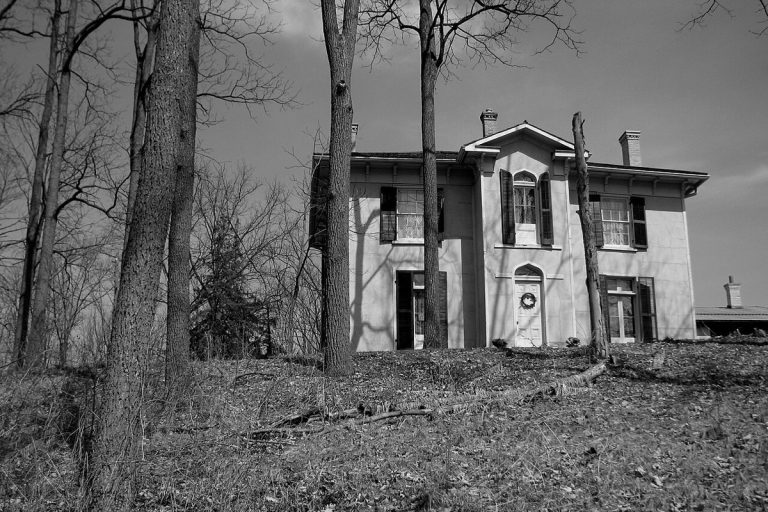
Chiefswood, Johnson’s birthplace on the Six Nations of the Grand River, Ontario, photographed in 2008.
CA-K139Indigenous peoples & reconciliation

E. Pauline Johnson, Mohawk poet and performer

E. Pauline Johnson (1861–1913), born at Chiefswood on the Six Nations of the Grand River, was the daughter of a Mohawk chief. Beginning in the 1890s she published poems, essays and stories and performed them on stages across Canada and abroad, gaining international fame.

Factual accuracy review: No recorded challenge

Contributor: Citizen.ca

Verified against cited sourcesVerified on 2026-10-26↗
Photo: Steve Colwill from Ottawa, Canada · Photo licence: CC BY 2.0 · Credit & context