An independent project serving Canadian citizens and future citizens

Learn and take the test

Future Citizens

Citizenship Test collection

206 knowledge records

A focused subset of the Canadian knowledge base.

Explore the full knowledge base →

Search by keyword

Citizenship Test is always required. Choose additional keywords to narrow this collection. Broader keywords include their descendants.

For citizenship preparation, use these records alongside the official Discover Canada guide. Check current officeholders and local information separately. This is an independent study collection.

Keywords: Conflict and military history

Clear search
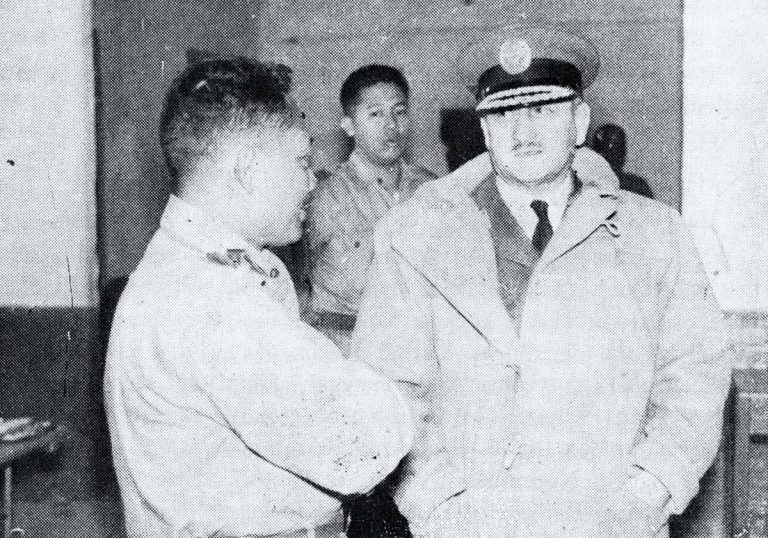
Major-General E.L.M. Burns, commander of the UN Emergency Force, 1957.
CA-K1375History

Canadian peacekeepers in Egypt and the Suez Crisis

During the Suez Crisis of 1956, Canadian diplomat Lester B. Pearson proposed a peacekeeping force, and the United Nations launched its first large-scale peacekeeping mission, the United Nations Emergency Force, commanded by Canada’s Major-General E.L.M. “Tommy” Burns. Canadians served with UN troops in Egypt from 1956 to 1967 and again from 1973 to 1979; Pearson received the 1957 Nobel Peace Prize.

Factual accuracy review: No recorded challenge

Contributor: Citizen.ca

Verified against cited sourcesVerified on 2026-10-27↗
Photo: Indonesian Ministry of Information and the Information Department of the Indonesian Army · Photo licence: Public domain · Credit & context
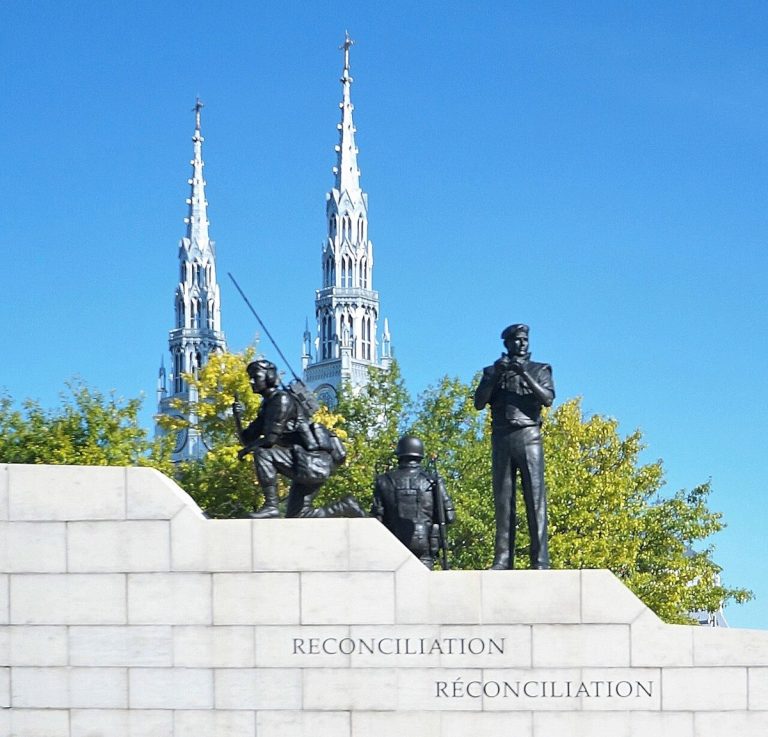
Reconciliation: The Peacekeeping Monument, Ottawa.
CA-K1374History

Canada and international peacekeeping

Members of the Canadian Armed Forces have served in dozens of peacekeeping efforts with the United Nations, NATO and other multinational operations. Peacekeepers are neutral international troops sent to countries in turmoil to reduce tensions and restore peace, monitoring ceasefires, patrolling buffer zones, clearing landmines and providing humanitarian aid.

Factual accuracy review: No recorded challenge

Contributor: Citizen.ca

Verified against cited sourcesVerified on 2026-10-27↗
Photo: Pierre André Leclercq · Photo licence: CC BY 4.0 · Credit & context
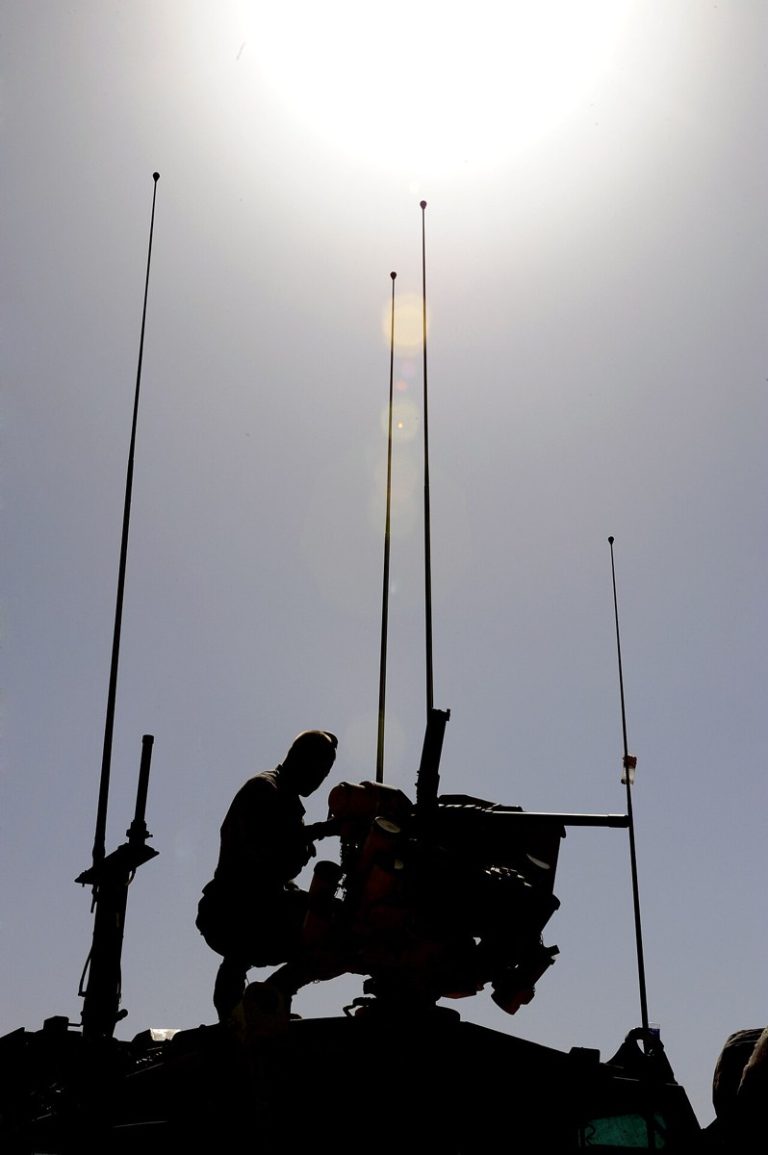
Canadian soldiers and RG-31 vehicles in Afghanistan, October 2008.
CA-K1368History

Canada in Afghanistan, 2001–2014

After the attacks of 11 September 2001, Canada joined the international coalition against the Taliban regime in Afghanistan, which had sheltered Al-Qaeda. More than 40,000 Canadians served there, the largest deployment of Canadian troops since the Second World War, in a conflict that lasted more than 12 years, the longest in Canada’s history. Canada led Operation MEDUSA, its largest combat operation since the Korean War.

Factual accuracy review: No recorded challenge

Contributor: Citizen.ca

Verified against cited sourcesVerified on 2026-10-27↗
Photo: ISAF photo by U.S. Air Force TSgt Laura K. Smith · Photo licence: Public domain · Credit & context
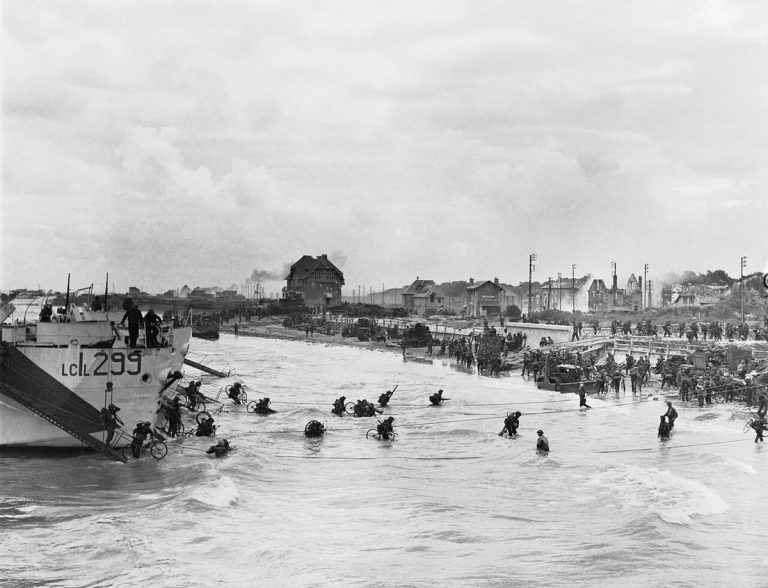
Soldiers of the 9th Canadian Infantry Brigade landing at Juno Beach, 6 June 1944.
CA-K1365History

Canada in the Second World War, 1939–1945

Germany’s invasion of Poland in 1939 began more than six years of fighting on land, at sea and in the air that ended in 1945. More than one million Canadians and Newfoundlanders served in uniform at home and around the world; over 45,000 gave their lives and another 55,000 were wounded.

Factual accuracy review: No recorded challenge

Contributor: Citizen.ca

Verified against cited sourcesVerified on 2026-10-27↗
Photo: Canadian Official photographer · Photo licence: Public domain · Credit & context
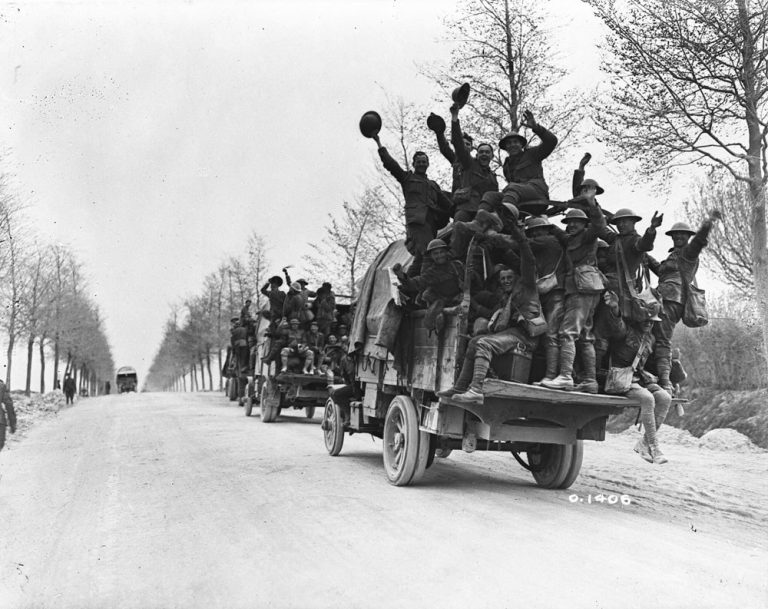
Canadian troops heading for a rest after the capture of Vimy Ridge, May 1917.
CA-K1364History

Canada in the First World War, 1914–1918

When Britain declared war in August 1914, Canada, whose external affairs were still governed by the United Kingdom, was automatically at war. More than 650,000 Canadians and Newfoundlanders served in what was then called the Great War; more than 66,000 died and more than 172,000 were wounded. Canada signed the Treaty of Versailles separately from Britain.

Factual accuracy review: No recorded challenge

Contributor: Citizen.ca

Verified against cited sourcesVerified on 2026-10-27↗
Photo: Castle, W.I. (William Ivor), official Canadian War photographer · Photo licence: Public domain · Credit & context
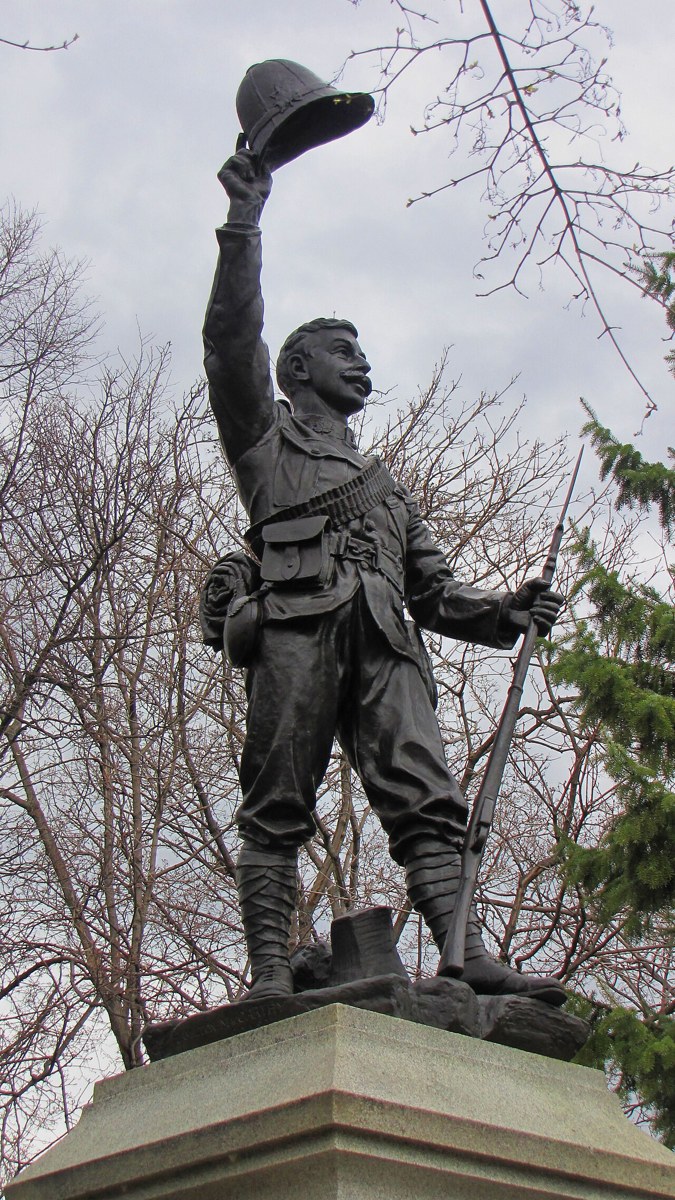
Memorial to soldiers who died in the South African War, by Hamilton MacCarthy, Confederation Park, Ottawa.
CA-K1363History

Canada in the South African War, 1899–1902

The South African War, also known as the Boer War, was fought in southern Africa from 1899 to 1902 between the British Empire and the Boers. More than 7,000 Canadians volunteered to serve alongside British forces, and five earned the Victoria Cross. In February 1900 Canadians played an important role at Paardeberg, the first major British victory of the war.

Factual accuracy review: No recorded challenge

Contributor: Citizen.ca

Verified against cited sourcesVerified on 2026-10-27↗
Photo: D. Gordon E. Robertson · Photo licence: CC BY-SA 3.0 · Credit & context
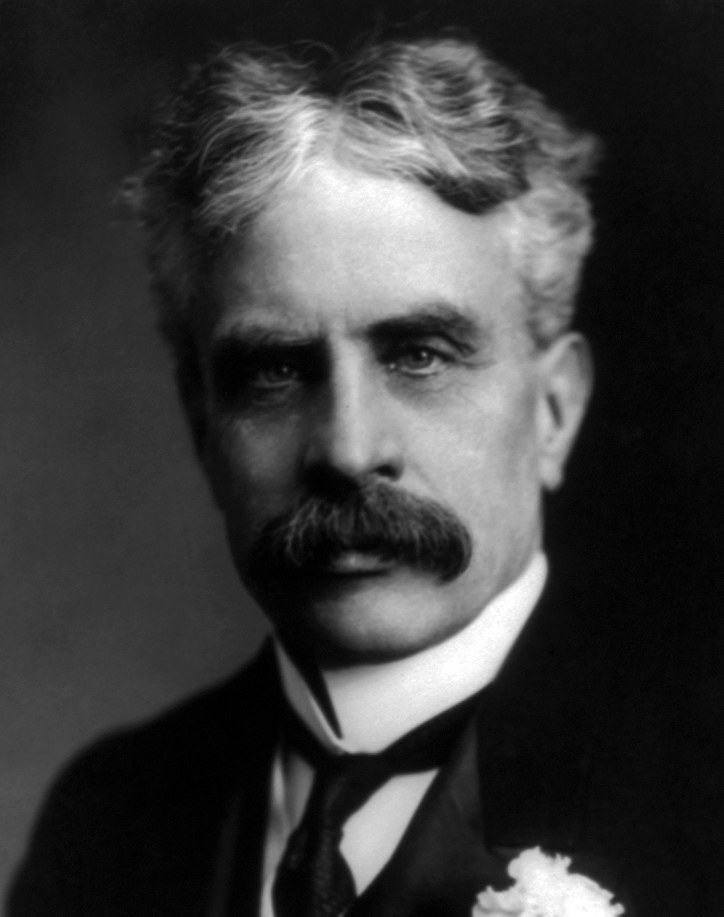
Sir Robert Borden, 1911 (Notman studio).
CA-K784History

Sir Robert Borden, wartime prime minister

Sir Robert Borden, born at Grand-Pré, Nova Scotia, led the Conservative Party from 1901 and was Prime Minister from 1911 to 1920. He guided Canada through the First World War, imposed conscription for overseas service in 1917 and formed a Union government of Liberals and Conservatives. He is remembered above all for insisting that Canada act as an autonomous nation in international diplomacy.

Factual accuracy review: No recorded challenge

Contributor: Citizen.ca

Verified against cited sourcesVerified on 2026-10-26↗
Photo: Notman, Boston · Photo licence: Public domain · Credit & context
A. Y. Jackson, 1930 (Archives of Ontario).
CA-K574Culture & sport

A. Y. Jackson, painter of the Group of Seven

A. Y. Jackson, born in Montréal, studied painting there and in Paris, served overseas in the First World War and was a member of the Group of Seven from 1920 to 1933. His simple, rounded forms in wilderness landscapes gave a powerful image of Canada, and he greatly influenced a generation of Canadian artists.

Factual accuracy review: No recorded challenge

Contributor: Citizen.ca

Verified against cited sourcesVerified on 2026-10-26↗
Photo: Unknown photographer (1930); Archives of Ontario, I0007815 · Photo licence: Public domain · Credit & context
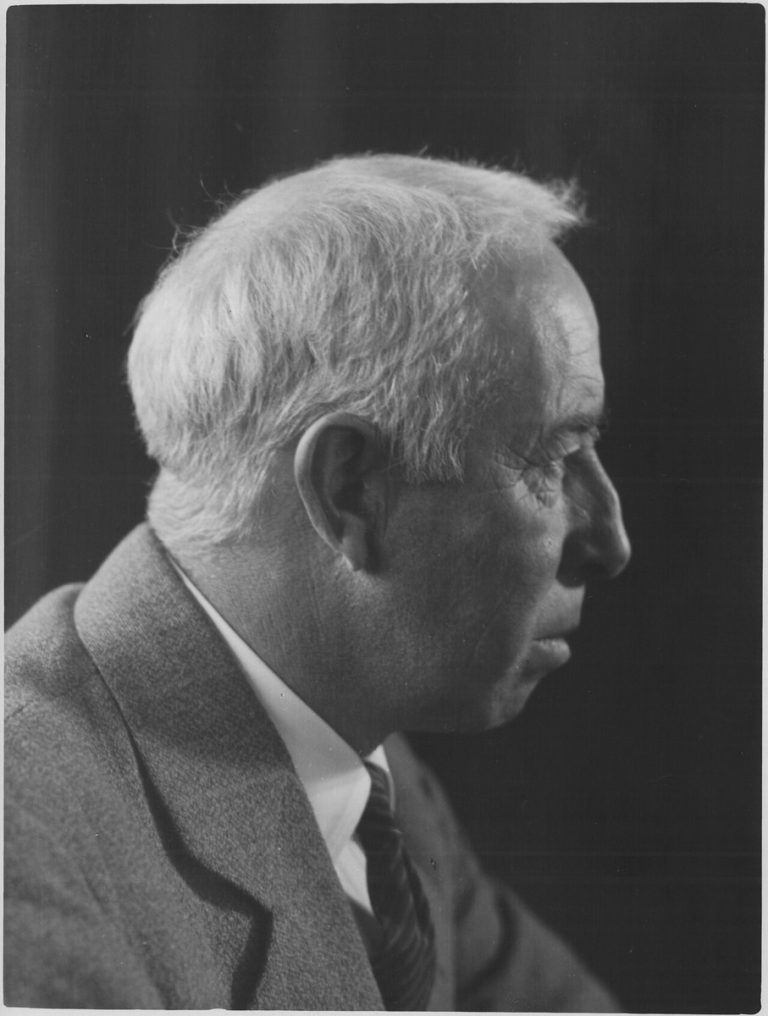
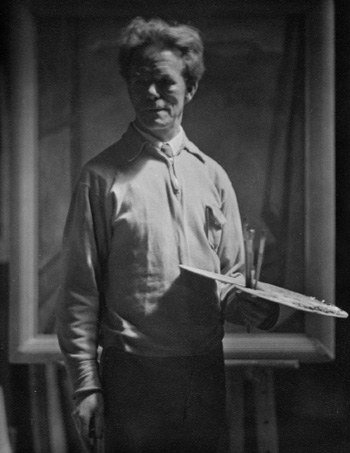
Frederick Varley, probably in Vancouver, 1927 (John Vanderpant).
CA-K484Culture & sport

Frederick Varley, painter of the Group of Seven

Frederick Varley, a founding member of the Group of Seven, helped establish a national style of painting the Canadian landscape. A masterful portraitist and an official First World War artist, he moved to teach on the West Coast in 1926, and his unconventional use of colour to convey emotion is a singular contribution to Canadian art.

Factual accuracy review: No recorded challenge

Contributor: Citizen.ca

Verified against cited sourcesVerified on 2026-10-26↗
Photo: John Vanderpant · Photo licence: Public domain · Credit & context
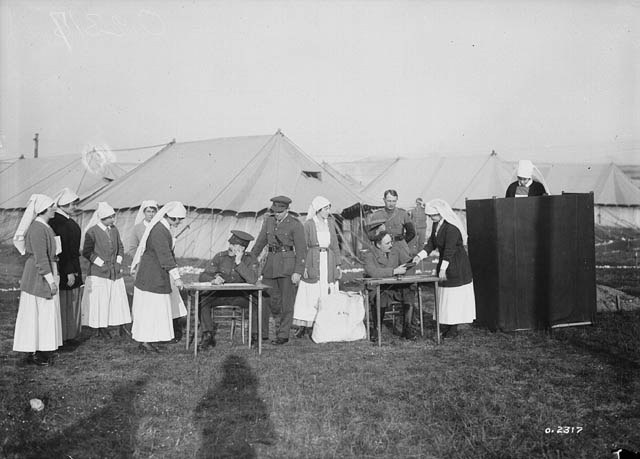
Nursing Sisters at a Canadian hospital in France voting in the 1917 federal election (photograph by William Rider-Rider).
CA-K246History

Nursing Sisters, the first women with military rank

Canadian military nurses have cared for the sick and wounded in battle since 1885. In 1904, professional nurses joined the Canadian Army Medical Corps as Nursing Sisters, the first women in the British Empire to receive military rank; in the two world wars hundreds were decorated and dozens died from enemy action.

Factual accuracy review: No recorded challenge

Contributor: Citizen.ca

Verified against cited sourcesVerified on 2026-10-26↗
Photo: William Rider-Rider · Photo licence: Public domain · Credit & context
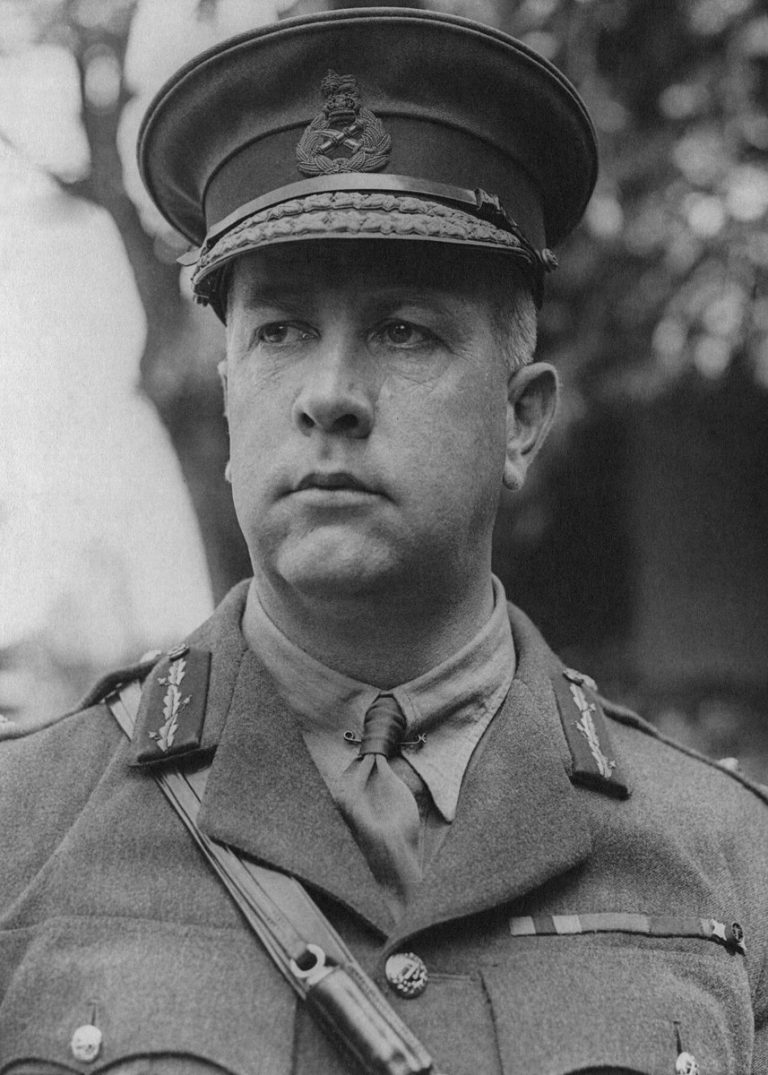
General Currie, commander of the Canadian troops in France, in June 1917.
CA-K232History

Sir Arthur Currie, commander of the Canadian Corps

Sir Arthur Currie (1875–1933), who trained with the militia at Fort Rodd Hill in Victoria, commanded one of Canada’s first overseas infantry brigades in the First World War. Promoted to lieutenant-general after Vimy Ridge, he became commander of the entire Canadian Corps, the first and only Canadian to hold that position, and after the war served as principal of McGill University.

Factual accuracy review: No recorded challenge

Contributor: Citizen.ca

Verified against cited sourcesVerified on 2026-10-26↗
Photo: Unknown photographer · Photo licence: Public domain · Credit & context
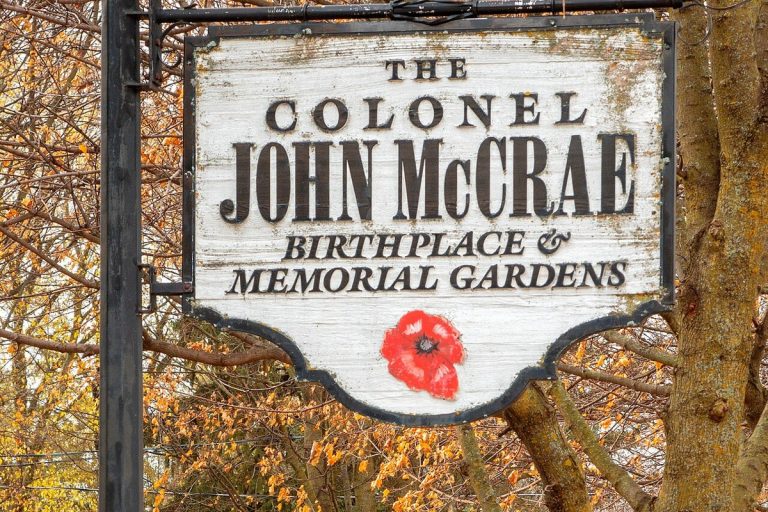
The sign at McCrae House, John McCrae’s birthplace in Guelph, Ontario, on Remembrance Day 2018.
CA-K174Culture & sport

John McCrae and “In Flanders Fields”

John McCrae (1872–1918), a physician born in Guelph, Ontario, joined the Canadian Army Medical Corps in 1914 and served overseas until his death. His poem “In Flanders Fields,” published anonymously in 1915, became one of the most celebrated poems of the First World War and made the poppy a lasting symbol of the Allied soldiers who died.

Factual accuracy review: No recorded challenge

Contributor: Citizen.ca

Verified against cited sourcesVerified on 2026-10-26↗
Photo: Peter K Burian · Photo licence: CC BY-SA 4.0 · Credit & context
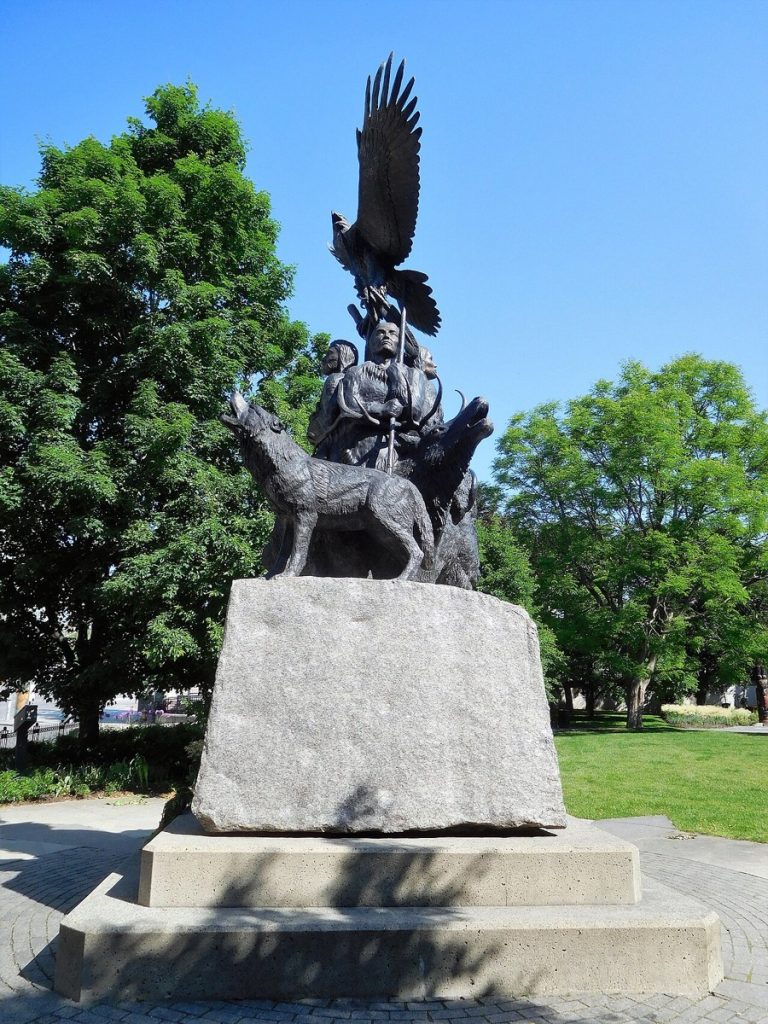
The National Aboriginal Veterans Monument in Confederation Park, Ottawa, photographed in 2019.
CA-K156Indigenous peoples & reconciliation

Indigenous soldiers in the First World War

During the First World War, Indigenous people volunteered in significant numbers, even though many were denied the right to vote; it was the first time Canada’s forces integrated a substantial number of Indigenous men as individual soldiers. As veterans, they were an active force behind the League of Indians of Canada, the first organization to give their communities a national voice.

Factual accuracy review: No recorded challenge

Contributor: Citizen.ca

Verified against cited sourcesVerified on 2026-10-26↗
Photo: Jeangagnon · Photo licence: CC BY-SA 4.0 · Credit & context
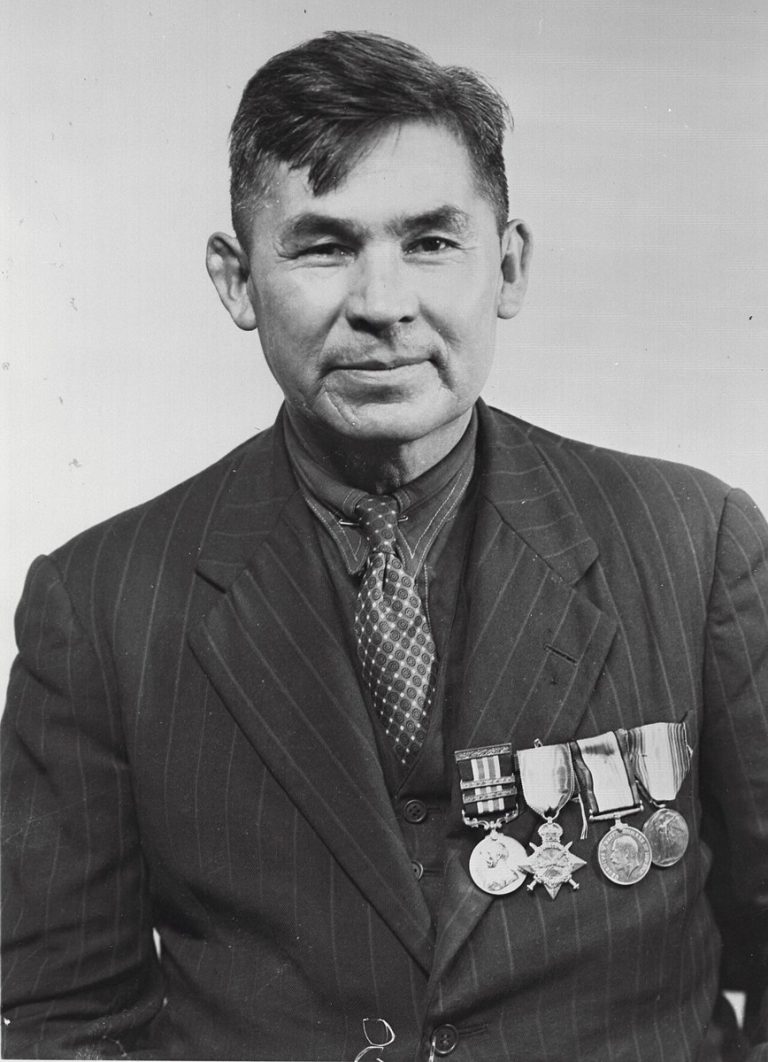
Francis Pegahmagabow in 1945, at a conference in Ottawa, photographed by Marius Barbeau.
CA-K138Indigenous peoples & reconciliation

Francis Pegahmagabow, soldier and rights advocate

Francis Pegahmagabow, an Ojibwe Nishnaabe of Wasauksing First Nation, was a highly decorated First World War sniper and scout who received the Military Medal and two bars for bravery. Facing discrimination under the Indian Act after the war, he became a political leader in his community and nationally, fighting for treaty rights from the 1920s to the 1950s.

Factual accuracy review: No recorded challenge

Contributor: Citizen.ca

Verified against cited sourcesVerified on 2026-10-26↗
Photo: Marius Barbeau · Photo licence: Public domain · Credit & context