An independent project serving Canadian citizens and future citizens

Learn and take the test

Future Citizens

Citizenship Test collection

206 knowledge records

A focused subset of the Canadian knowledge base.

Explore the full knowledge base →

Search by keyword

Citizenship Test is always required. Choose additional keywords to narrow this collection. Broader keywords include their descendants.

For citizenship preparation, use these records alongside the official Discover Canada guide. Check current officeholders and local information separately. This is an independent study collection.

Keywords: Social and demographic change

Clear search
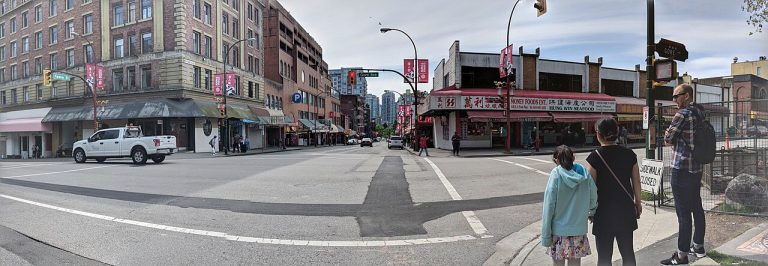
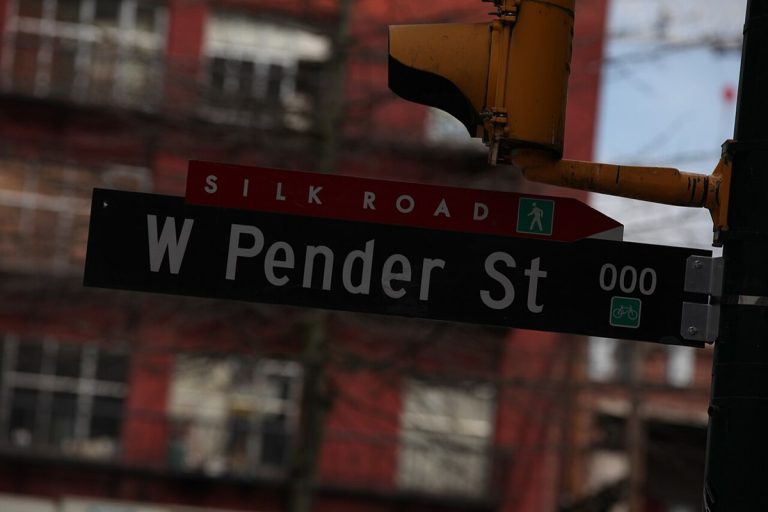
West Pender Street in Vancouver’s Chinatown, photographed in 2011.
CA-K281History

The exclusion of Chinese immigrants, 1923–1947

The Chinese Immigration Act (Chinese Exclusion Act), which took effect on 1 July 1923, imposed discriminatory restrictions on Chinese immigration and replaced the head tax. All Chinese people in Canada, including those born here, had to register or risk fines, detention or deportation. Chinese Canadians challenged the law until its repeal in 1947.

Factual accuracy review: No recorded challenge

Contributor: Citizen.ca

Verified against cited sourcesVerified on 2026-10-26↗
Photo: Kyle Lawrence · Photo licence: CC BY-SA 3.0 · Credit & context
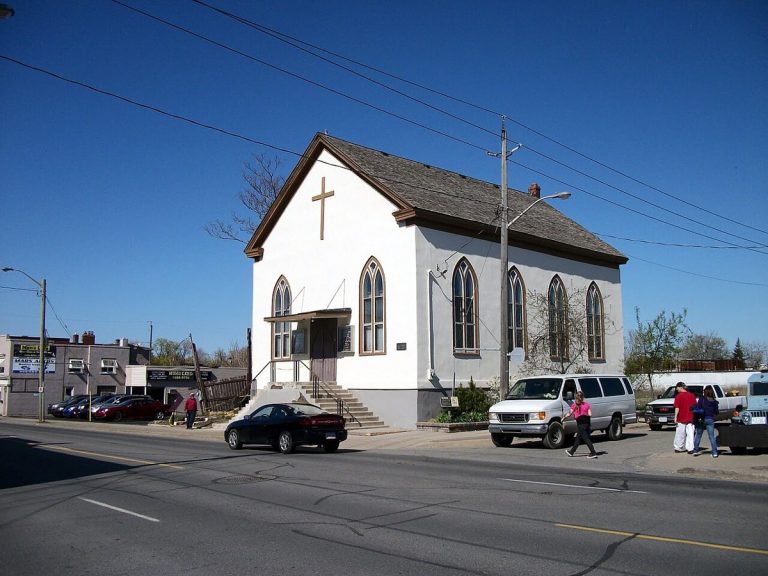
Salem Chapel British Methodist Episcopal Church in St. Catharines, Ontario, a centre of 19th-century abolitionist activity, photographed in 2012.
CA-K217History

Harriet Tubman led freedom-seekers to Canada

Harriet Tubman (c. 1822–1913), who escaped slavery in Maryland, was the most famous “conductor” on the Underground Railroad, leading many people on dangerous journeys to freedom in Canada and helping them settle. She became the public face of the Underground Railroad in British North America, drawing attention and funding to the abolition movement.

Factual accuracy review: No recorded challenge

Contributor: Citizen.ca

Verified against cited sourcesVerified on 2026-10-26↗
Photo: Gr82c · Photo licence: CC BY-SA 3.0 · Credit & context
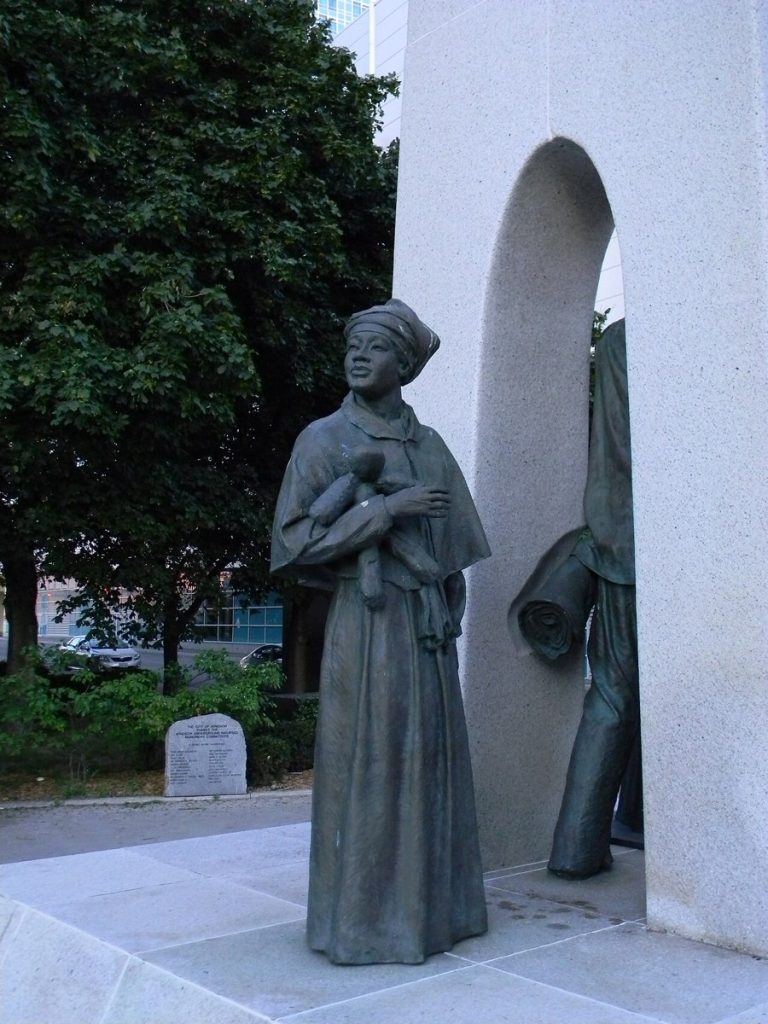
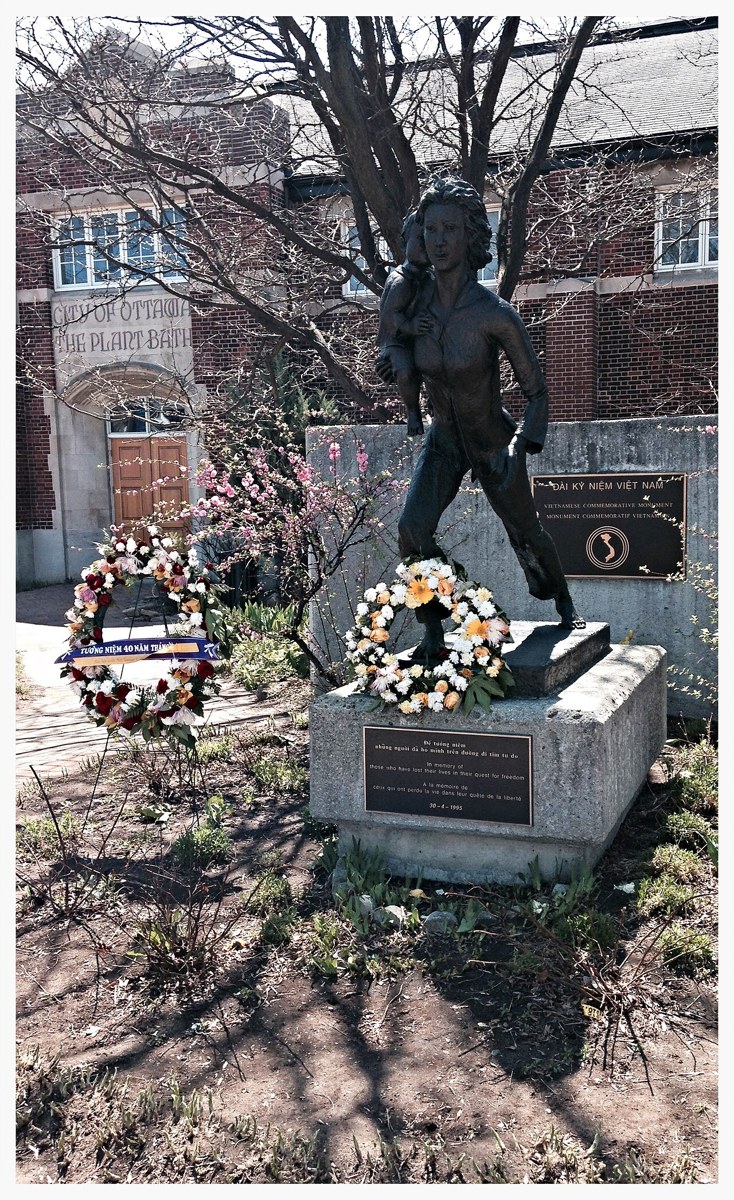
A monument to the Asian boat people in Ottawa, photographed in 2015.
CA-K167History

Refugees from Vietnam, Cambodia and Laos

Between 1975 and the 1990s, Canada admitted more than 210,000 refugees from Vietnam, Cambodia and Laos who fled persecution and violence after the wars there. After the Hai Hong incident in 1978, tens of thousands of Canadians and many organizations sponsored refugees, and the newcomers built communities across Canada.

Factual accuracy review: No recorded challenge

Contributor: Citizen.ca

Verified against cited sourcesVerified on 2026-10-26↗
Photo: Ross Dunn - Thanks for 13 million + views · Photo licence: CC BY-SA 2.0 · Credit & context
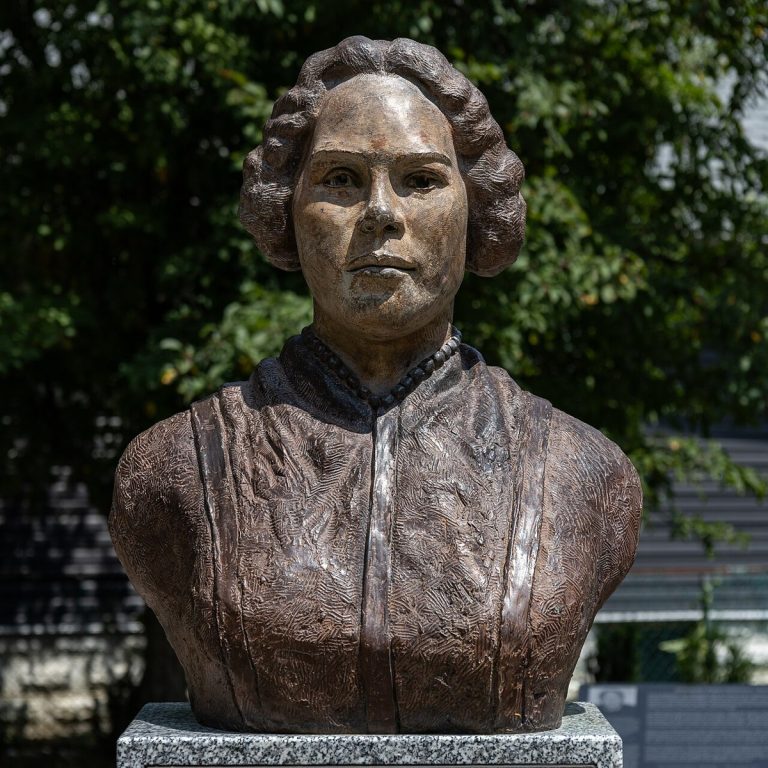
A bust of Mary Ann Shadd Cary by Artis Lane in BME Freedom Park, Chatham, Ontario, photographed in 2025.
CA-K164History

Mary Ann Shadd and the Provincial Freeman

Mary Ann Shadd (1823–1893) became a prominent activist in the Underground Railroad refugee communities of Upper Canada in the 1850s. In 1853 she established the Provincial Freeman, an influential newspaper that argued for the rights of Black people and women and became the leading voice of refugees in Canada.

Factual accuracy review: No recorded challenge

Contributor: Citizen.ca

Verified against cited sourcesVerified on 2026-10-26↗
Photo: Chris Woodrich · Photo licence: CC BY-SA 4.0 · Credit & context
The Underground Railroad monument in Windsor, Ontario, photographed in 2011.
CA-K065History

The Underground Railroad brought freedom-seekers to Canada

From the early 19th century until the American Civil War, settlements along the Detroit and Niagara rivers were important terminals of the Underground Railroad, a network of Black and white abolitionists helping African Americans find freedom. By 1861, some 30,000 freedom-seekers lived in what is now Ontario.

Factual accuracy review: No recorded challenge

Contributor: Citizen.ca

Verified against cited sourcesVerified on 2026-10-26↗
Photo: M. Readey · Photo licence: CC BY-SA 3.0 · Credit & context