An independent Canadian knowledge project

Focused and Verified

Canadian knowledge base

Search by keyword

Choose one keyword, or combine two. Broader keywords include their descendants.

Keywords: Visual arts and design

Clear search
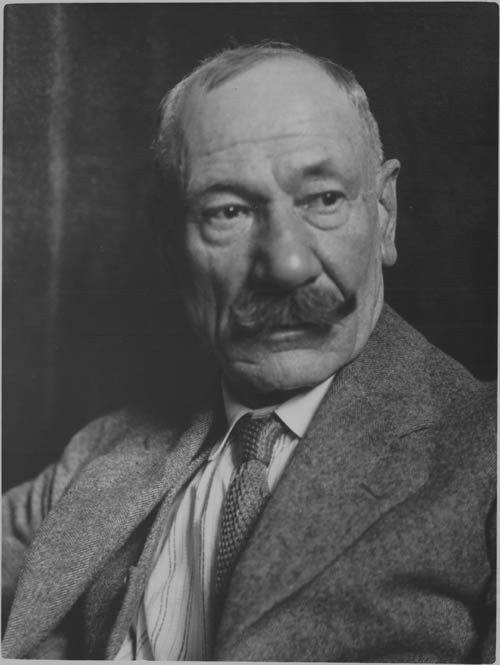
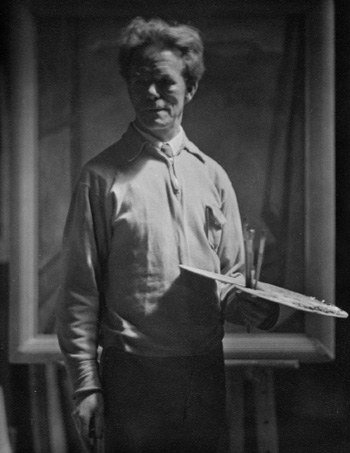
Frederick Varley, probably in Vancouver, 1927 (John Vanderpant).
CA-K1834Citizenship Test

Canadian visual arts and cultural creators in Discover Canada

Discover Canada names the Group of Seven, Emily Carr, Les Automatistes and Kenojuak Ashevak among important Canadian visual-arts examples. It presents cultural achievement in both English and French and across regions and communities.

Factual accuracy review: No recorded challenge

Contributor: Citizen.ca

Verified against cited sourcesVerified on 2026-11-01↗
Photo: John Vanderpant · Photo licence: Public domain · Credit & context
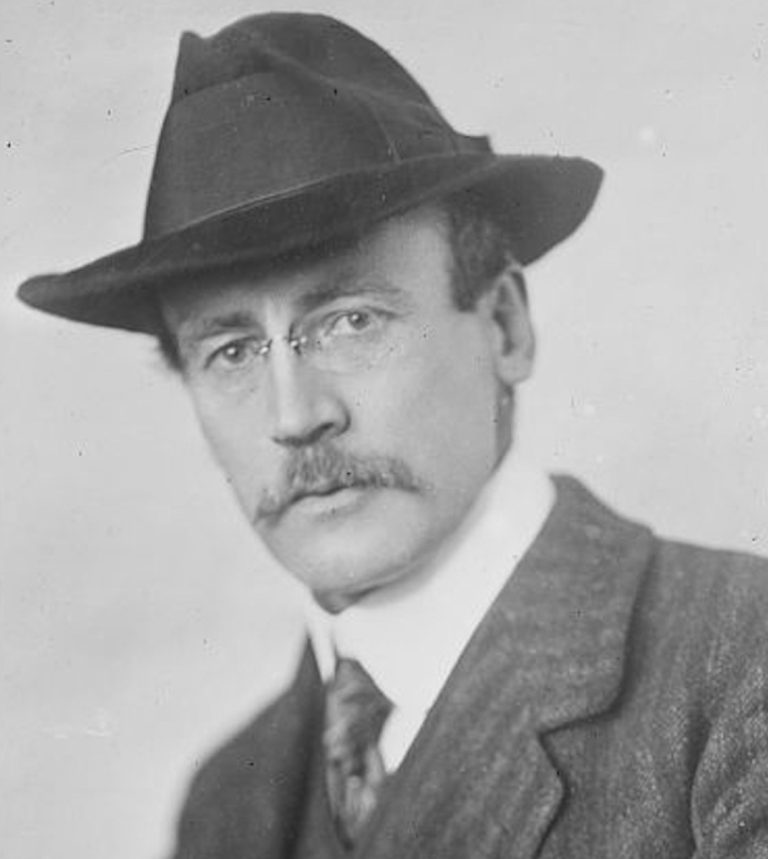
Allan Brooks, 1913.
CA-K998Culture & sport

Allan Brooks, wildlife illustrator

Naturalist Allan Brooks won international recognition as a wildlife illustrator in the first half of the 20th century, influencing later artists. As Western Canada’s leading ornithologist he helped professionalize the field, and he collected thousands of bird and animal skins for major museum research collections. Through his illustrations and publications he introduced generations to the birds of North America.

Factual accuracy review: No recorded challenge

Contributor: Citizen.ca

Verified against cited sourcesVerified on 2026-10-27↗
Photo: William Edwin Gledhill (1888–1976) - photographer · Photo licence: Public domain · Credit & context
Horatio Walker, R.C.A., 1931 (M.O. Hammond).
CA-K992Culture & sport

Horatio Walker, painter of rural Quebec

Horatio Walker, born at Listowel, Ontario, learned watercolour in Toronto and was largely self-taught. In 1883 he settled on Île d’Orléans, where for more than fifty years he painted rural life. Elected to the Royal Canadian Academy in 1918, he became its president in 1925. His traditional portrayals of people and animals won international acclaim and hang in major American galleries and the National Gallery of Canada.

Factual accuracy review: No recorded challenge

Contributor: Citizen.ca

Verified against cited sourcesVerified on 2026-10-27↗
Photo: Melvin Ormond Hammond (1876 - 1934) · Photo licence: Public domain · Credit & context
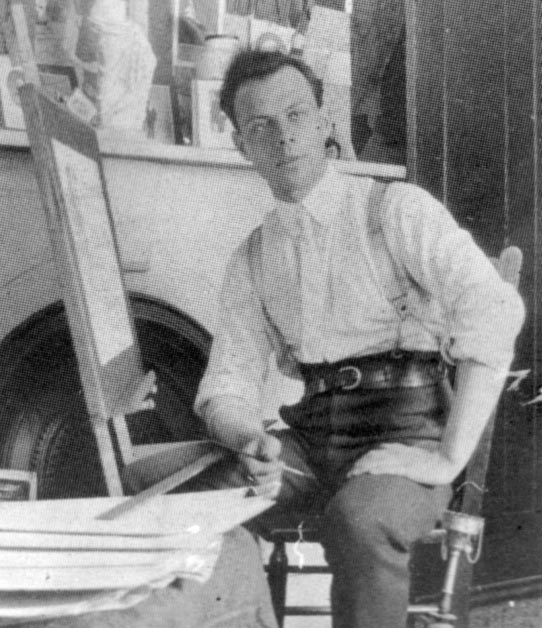
David Milne, New York, 1909.
CA-K983Culture & sport

David Milne, modernist painter

David Milne was one of the first Canadian artists to explore modernist styles and subjects, in paintings, watercolours and prints built on subtle arrangements of colour, space and line. He left Paisley, Ontario, for New York in 1903 and showed at the Armory Show in 1913, then became a Canadian war artist in the First World War. Returning to Ontario in 1929, he painted at Temagami, Palgrave, Six Mile Lake, Toronto, Uxbridge and Bancroft.

Factual accuracy review: No recorded challenge

Contributor: Citizen.ca

Verified against cited sourcesVerified on 2026-10-27↗
Photo: Unknown author · Photo licence: Public domain · Credit & context
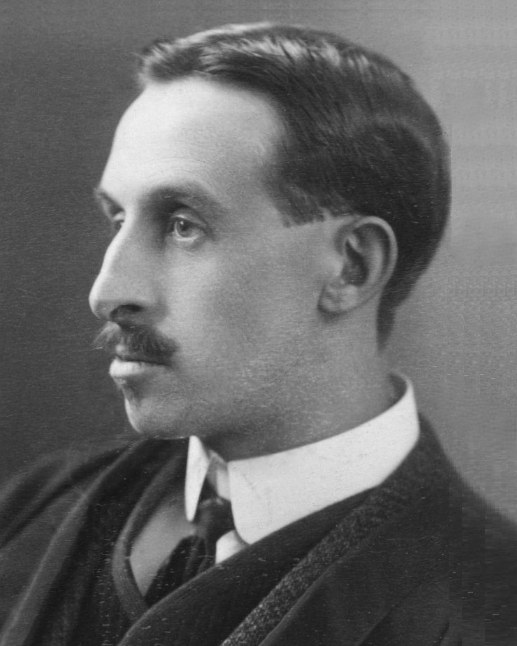
Percy Erskine Nobbs, 1906 (Wm. Notman & Son).
CA-K961Culture & sport

Percy Erskine Nobbs, Arts and Crafts architect

Percy Erskine Nobbs, a Scottish-born architect, educator, writer and critic, helped advance architecture in early 20th-century Canada. He taught at McGill and wrote on town planning, public housing design and Canadian architecture as a national art. His remarkable, finely built designs, inspired by the Arts and Crafts movement, reflect his strong commitment to fine craftsmanship.

Factual accuracy review: No recorded challenge

Contributor: Citizen.ca

Verified against cited sourcesVerified on 2026-10-27↗
Photo: Wm. Notman & Son · Photo licence: CC0 · Credit & context
James Wilson Morrice, R.C.A. (Archives of Ontario).
CA-K927Culture & sport

James Wilson Morrice, landscape painter

James Wilson Morrice, born in Montréal, was a landscape painter active in Canada and Europe. Largely self-taught and influenced by contemporaries such as Whistler and Matisse, he used and transformed light to convey atmosphere. He lived in Paris, showed his work in many cities including Montréal, and his paintings were reviewed by leading critics and acquired by major museums.

Factual accuracy review: No recorded challenge

Contributor: Citizen.ca

Verified against cited sourcesVerified on 2026-10-27↗
Photo: Unknown photographer; Archives of Ontario · Photo licence: Public domain · Credit & context
R. Tait McKenzie (Bain News Service).
CA-K926Culture & sport

R. Tait McKenzie, surgeon, educator and sculptor

Robert Tait McKenzie, born in Lanark County, Ontario, graduated in medicine at McGill and became its medical director of physical training in 1894. A pioneer of physical education, he served as a surgeon in the First World War and developed widely adopted rehabilitation methods. He won international acclaim for sculptures of athletes; his medallion The Joy of Effort was set in Stockholm’s Olympic Stadium in 1912.

Factual accuracy review: No recorded challenge

Contributor: Citizen.ca

Verified against cited sourcesVerified on 2026-10-27↗
Photo: Bain News Service · Photo licence: Public domain · Credit & context
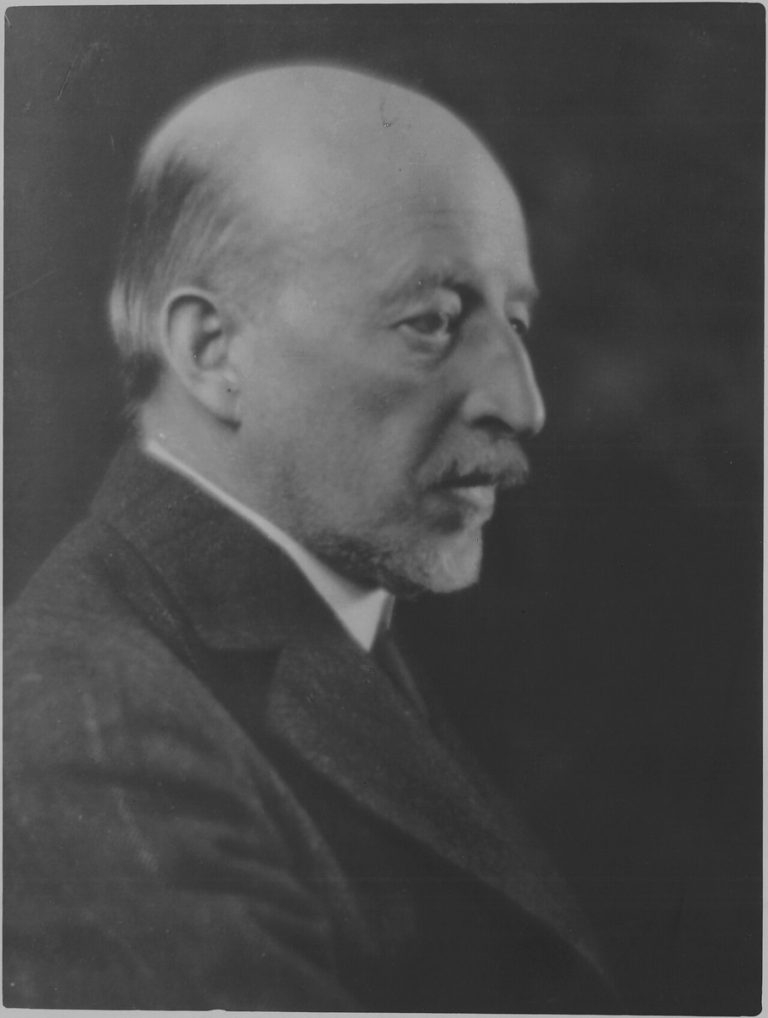
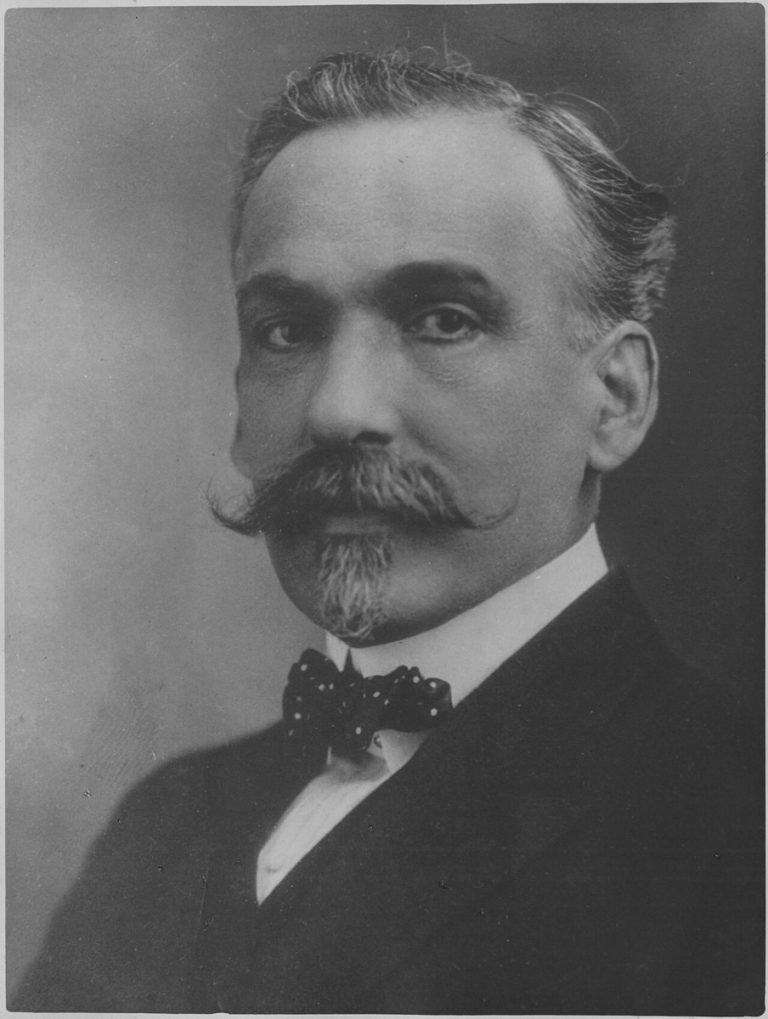
Charles Marega, 1929 (Archives of Ontario).
CA-K880Culture & sport

Charles Marega, sculptor of Vancouver

Charles Marega, an Italian-Canadian sculptor, created many notable monuments in British Columbia after arriving in 1909, first in the Beaux-Arts style and later in Art Deco. He helped found both the Vancouver Art Gallery and the Vancouver School of Decorative and Applied Arts. The lions of the Lions Gate Bridge, his last public work in the city, are among Vancouver’s best-known icons.

Factual accuracy review: No recorded challenge

Contributor: Citizen.ca

Verified against cited sourcesVerified on 2026-10-26↗
Photo: Unknown photographer; Archives of Ontario · Photo licence: Public domain · Credit & context
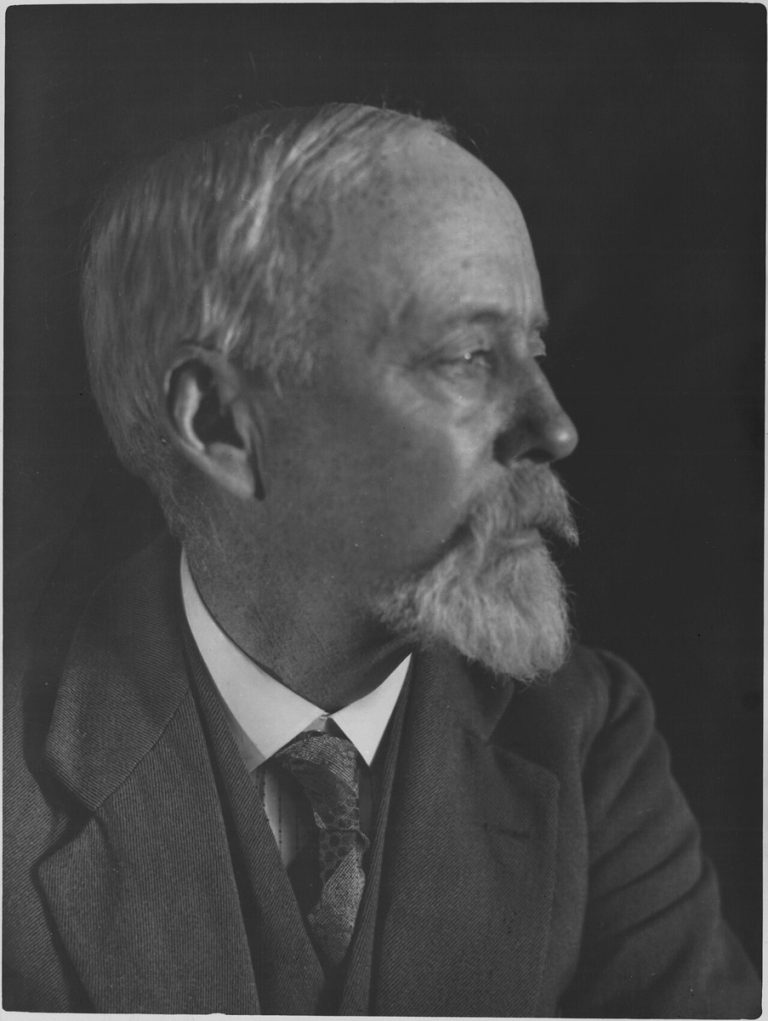
Maurice Cullen, R.C.A., 1931 (Archives of Ontario).
CA-K866Culture & sport

Maurice Cullen, painter of the Canadian winter

Maurice Cullen, born in St. John’s, studied sculpture in Montréal under Philippe Hébert and painting at the École des Beaux-Arts in Paris. Returning in 1895, he taught at the Art Association of Montreal and in the First World War served overseas as an official war artist. His international reputation rests mainly on his impressionist views of the Canadian winter.

Factual accuracy review: No recorded challenge

Contributor: Citizen.ca

Verified against cited sourcesVerified on 2026-10-26↗
Photo: Unknown photographer; Archives of Ontario · Photo licence: Public domain · Credit & context