An independent Canadian knowledge project

Focused and Verified

Canadian knowledge base

Search by keyword

Choose one keyword, or combine two. Broader keywords include their descendants.

Keywords: Knowledge and innovation

Clear search
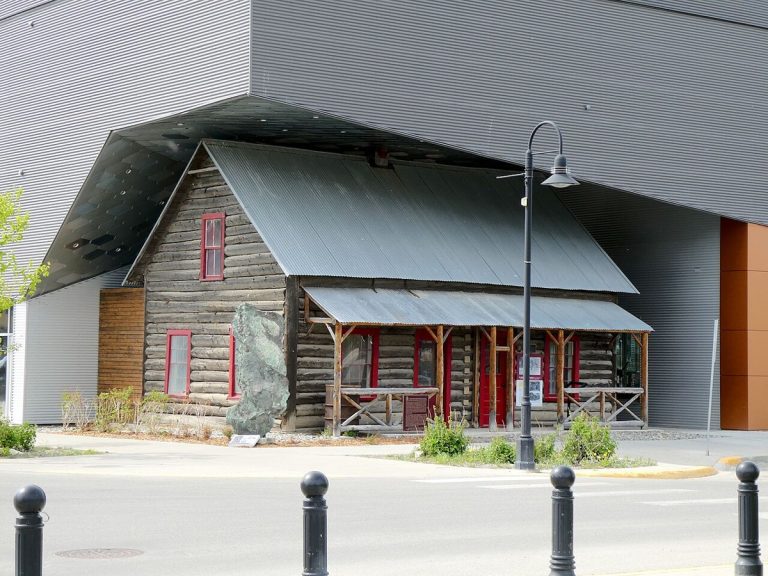
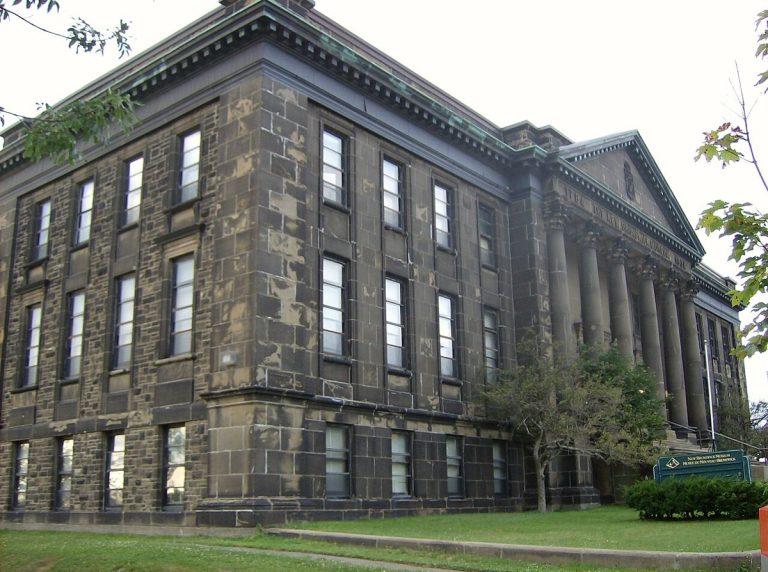
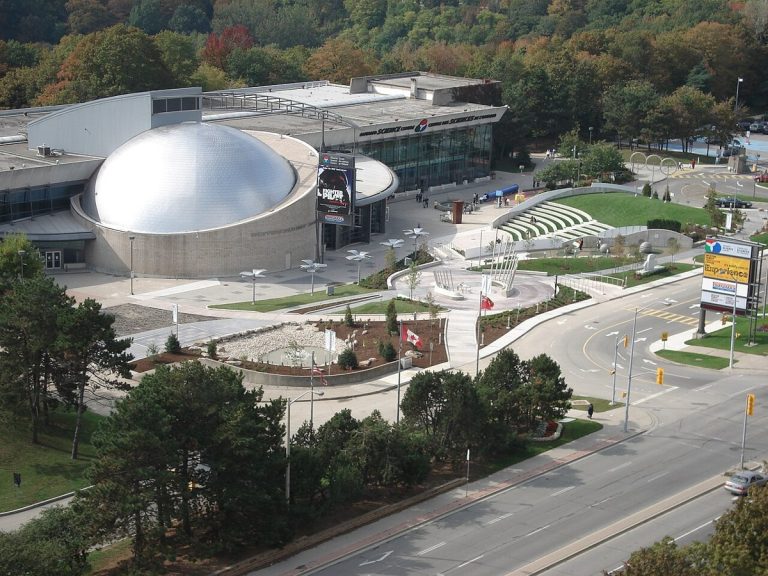
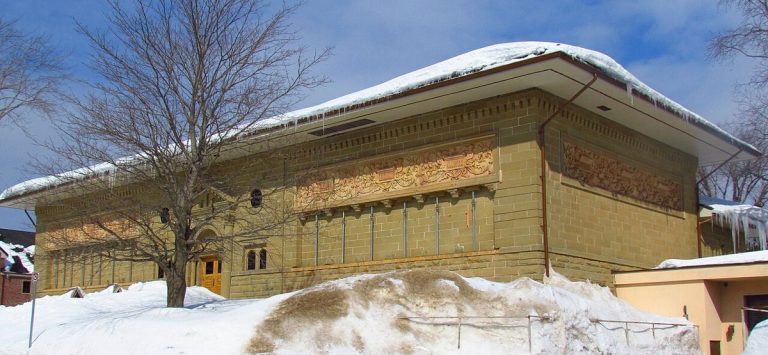
The MacBride Museum, which incorporates the original Whitehorse telegraph office.
CA-K1739Culture & sport

MacBride Museum of Yukon History, Whitehorse

The MacBride Museum in Whitehorse opened to the public in 1952 as Yukon’s first museum, displaying its collection in the Old Telegraph Office. It was renamed in 1967 for co-founder William MacBride, in recognition of his role in preserving Yukon heritage.

Factual accuracy review: No recorded challenge

Contributor: Citizen.ca

Verified against cited sourcesVerified on 2026-10-28↗
Photo: dvs from Vermont, USA · Photo licence: CC BY 2.0 · Credit & context
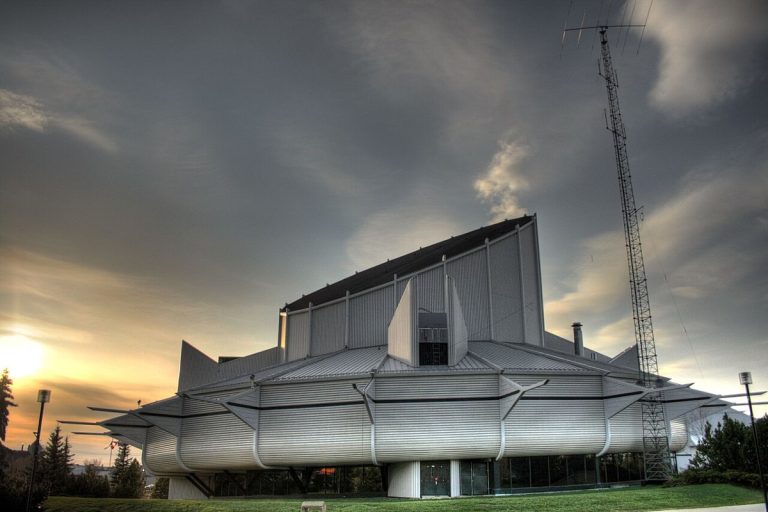
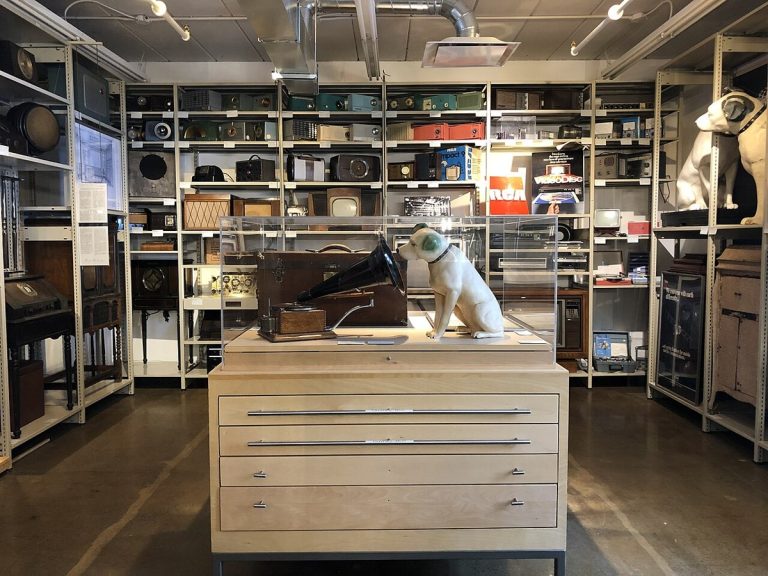
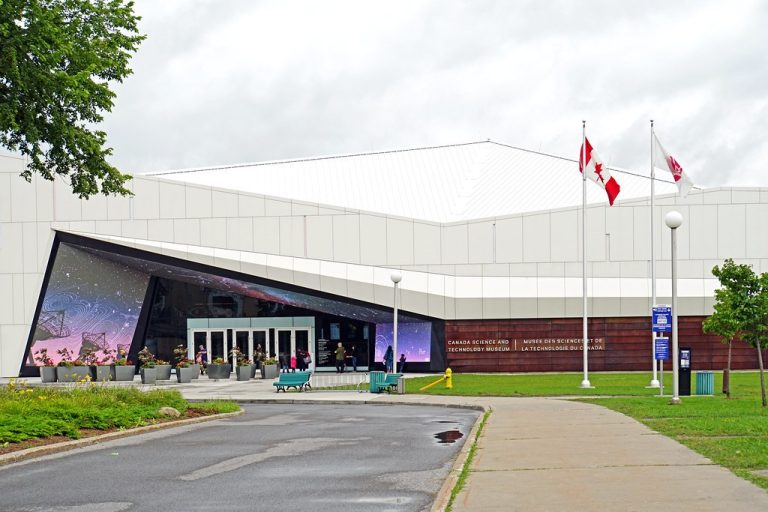
Canada Science and Technology Museum, Ottawa.
CA-K1645Culture & sport

Canada Science and Technology Museum, Ottawa

The Canada Science and Technology Museum in Ottawa tells Canada’s story of science and technology through hands-on learning. Its permanent galleries explore steam-powered travel, sound technologies, natural resources and medical innovations.

Factual accuracy review: No recorded challenge

Contributor: Citizen.ca

Verified against cited sourcesVerified on 2026-10-28↗
Photo: Ajadams94 · Photo licence: CC BY-SA 4.0 · Credit & context
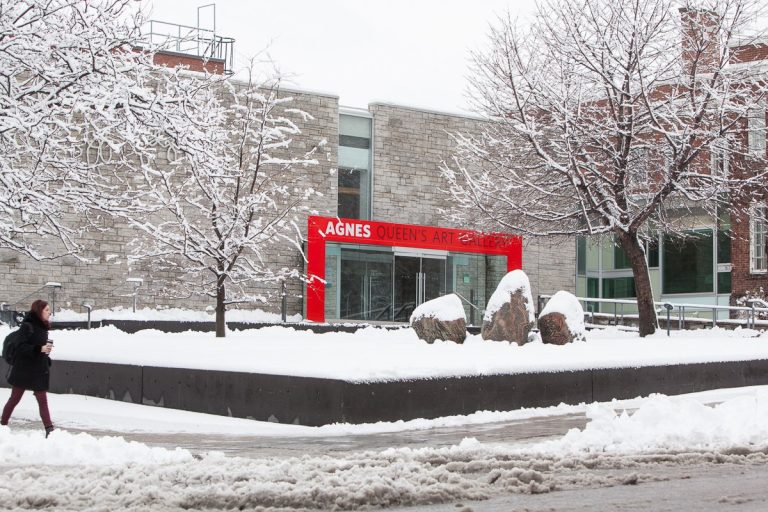
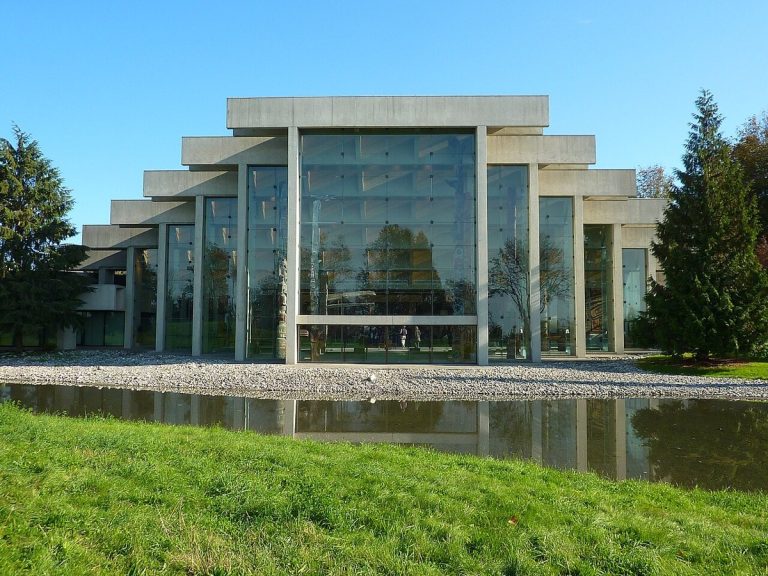
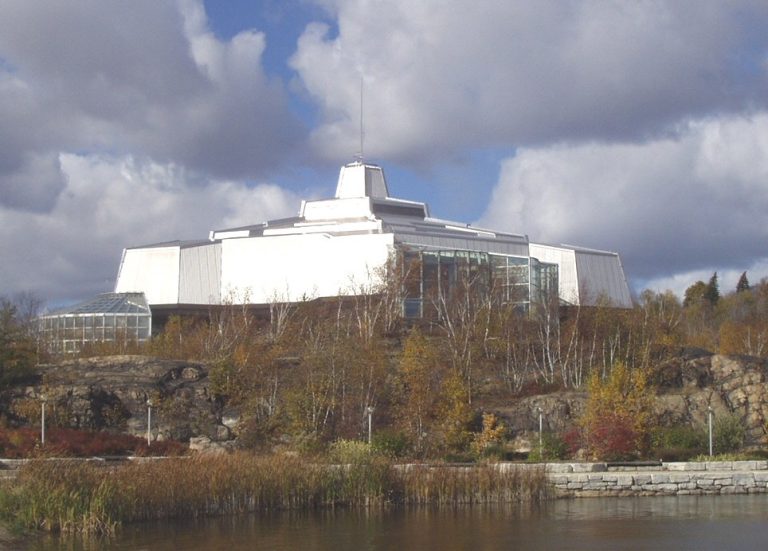
The museum from the north, with its reflecting pool.
CA-K1642Culture & sport

Museum of Anthropology at UBC, Vancouver

The Museum of Anthropology at the University of British Columbia supports the principles of the United Nations Declaration on the Rights of Indigenous Peoples by building close working relationships with Indigenous peoples who have a claim to, or interest in, the material in its care.

Factual accuracy review: No recorded challenge

Contributor: Citizen.ca

Verified against cited sourcesVerified on 2026-10-28↗
Photo: Rr parker · Photo licence: CC BY-SA 3.0 · Credit & context
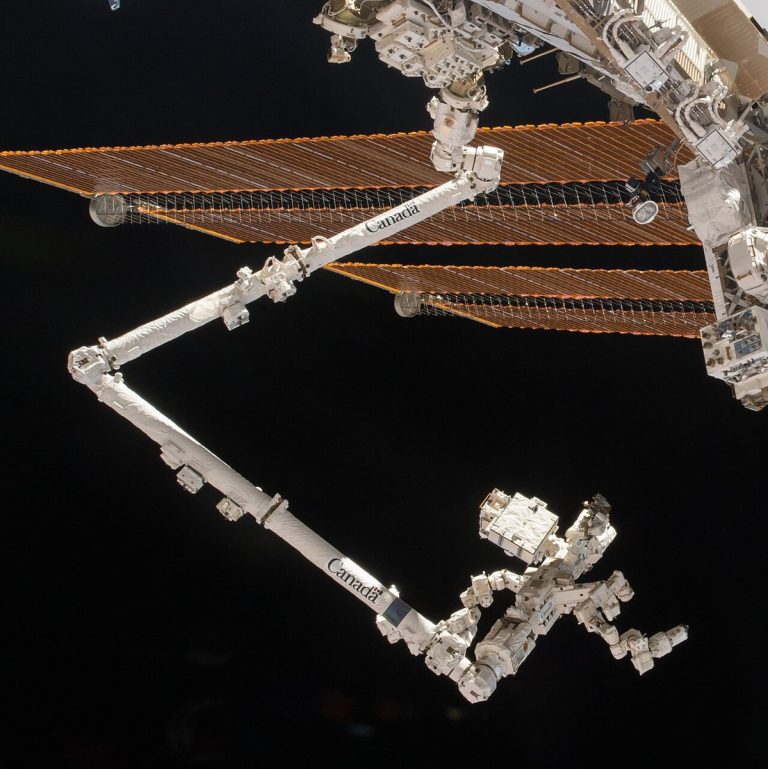
Canadarm2 holding the Dextre robot on the International Space Station.
CA-K1580History

Canadarm2 on the International Space Station

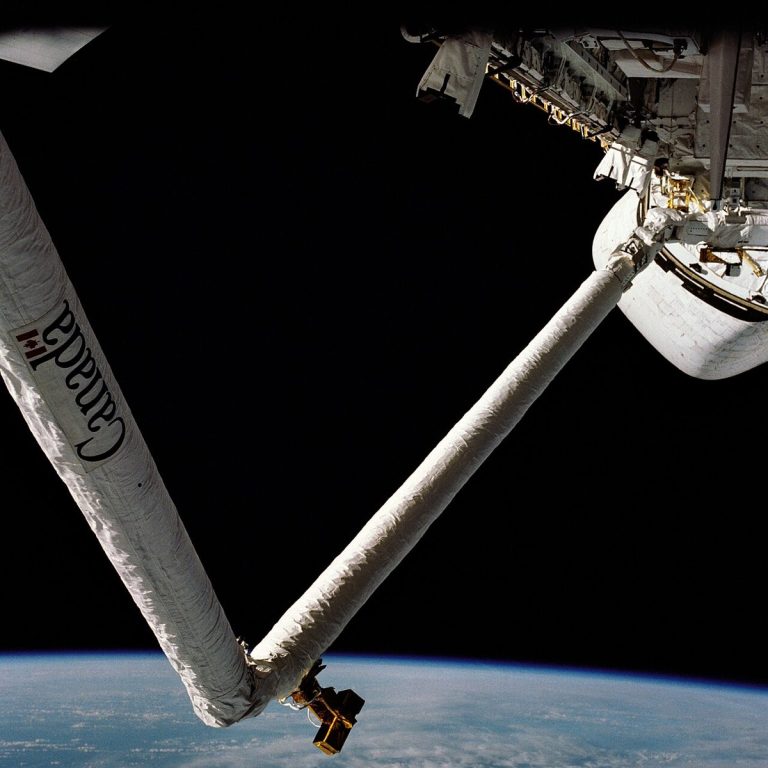
Canadarm2, a 17-metre robotic arm, is part of Canada’s contribution to the International Space Station and was extensively involved in assembling it. It moves end-over-end around the station, can handle loads of up to 116,000 kg, and grapples visiting spacecraft; with Dextre and the Mobile Base System it makes up Canada’s robotic contribution.

Factual accuracy review: No recorded challenge

Contributor: Citizen.ca

Verified against cited sourcesVerified on 2026-10-27↗
Photo: NASA · Photo licence: Public domain · Credit & context
James Till in 2018.
CA-K1577History

James Till, Ernest McCulloch and the discovery of stem cells

In 1961 James Till and Ernest McCulloch, scientists at the Ontario Cancer Institute in Toronto, reported cautious findings they called “spleen colony-forming units.” In later years they and their collaborators established that these were stem cells and explained their properties, setting the stage for all later stem-cell research.

Factual accuracy review: No recorded challenge

Contributor: Citizen.ca

Verified against cited sourcesVerified on 2026-10-27↗
Photo: Nichefinder · Photo licence: CC BY-SA 4.0 · Credit & context

Pointe-à-la-Renommée, Quebec.
CA-K1565History

The maritime wireless telegraph system, 1904

In 1904 the Marconi Wireless Telegraph Company opened its first Canadian marine station at Pointe-à-la-Renommée, Quebec, one of six stations that began radio communication between ships at sea and the coast. The network grew into an indispensable navigation aid, and the federal government began regulating the airwaves as early as 1905.

Factual accuracy review: No recorded challenge

Contributor: Citizen.ca

Verified against cited sourcesVerified on 2026-10-27↗
Photo: Hayden Soloviev · Photo licence: CC BY 4.0 · Credit & context

The Bell Homestead National Historic Site, Brantford, Ontario.
CA-K1564History

The invention of the telephone at Brantford, 1874–1876

At his father’s home near Brantford, Ontario, Alexander Graham Bell conceived the fundamental principle of the telephone on 26 July 1874. There, on 3 and 4 August 1876, he publicly demonstrated his patented invention, and on 10 August he made a long-distance call, to Paris, 13 kilometres away.

Factual accuracy review: No recorded challenge

Contributor: Citizen.ca

Verified against cited sourcesVerified on 2026-10-27↗
Photo: K Danko · Photo licence: CC BY-SA 3.0 · Credit & context
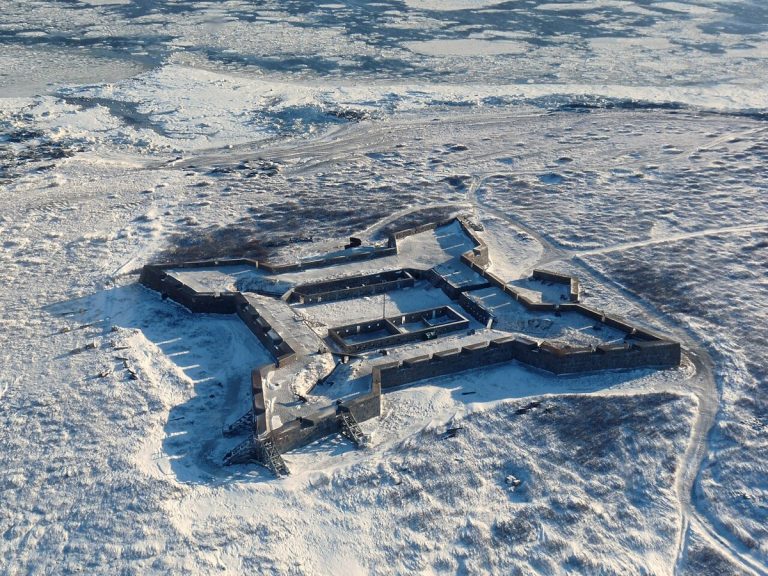
Prince of Wales Fort, Churchill, Manitoba.
CA-K1561History

Early science in Canada’s North, 1768 to about 1810

In 1768 the Hudson’s Bay Company sent two British astronomers to Prince of Wales Fort, on Hudson Bay, to observe the 1769 transit of Venus. It began more than forty years of HBC cooperation with the Royal Society of London in astronomy, meteorology, cartography and natural history in the North, with Indigenous collaborators sharing their deep knowledge of the land, plants and animals.

Factual accuracy review: No recorded challenge

Contributor: Citizen.ca

Verified against cited sourcesVerified on 2026-10-27↗
Photo: Peterfitzgerald · Photo licence: CC BY-SA 3.0 · Credit & context