An independent Canadian knowledge project

Focused and Verified

Canadian knowledge base

Search by keyword

Choose one keyword, or combine two. Broader keywords include their descendants.

Keywords: Industry and commerce

Clear search
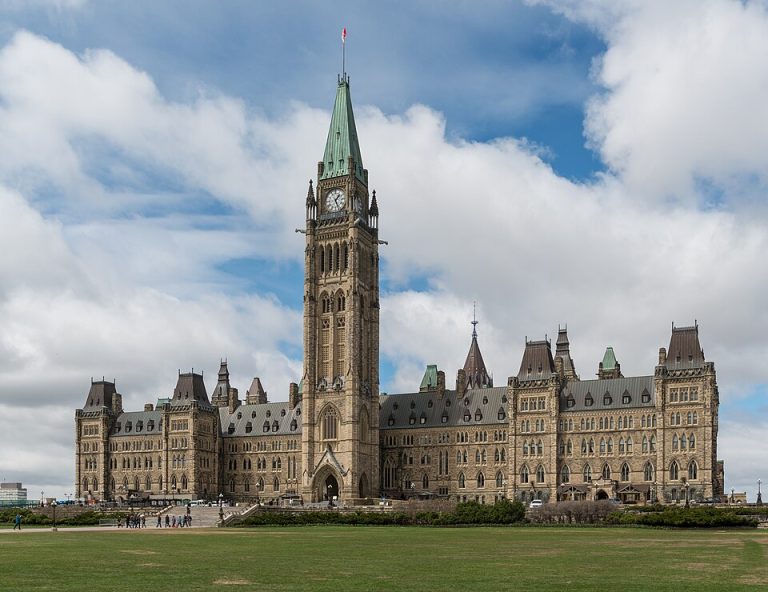
Centre Block on Parliament Hill in Ottawa, photographed in 2017; an institutional illustration, not a depiction of a vote, ceremony or constitutional text.
CA-K1822Citizenship Test

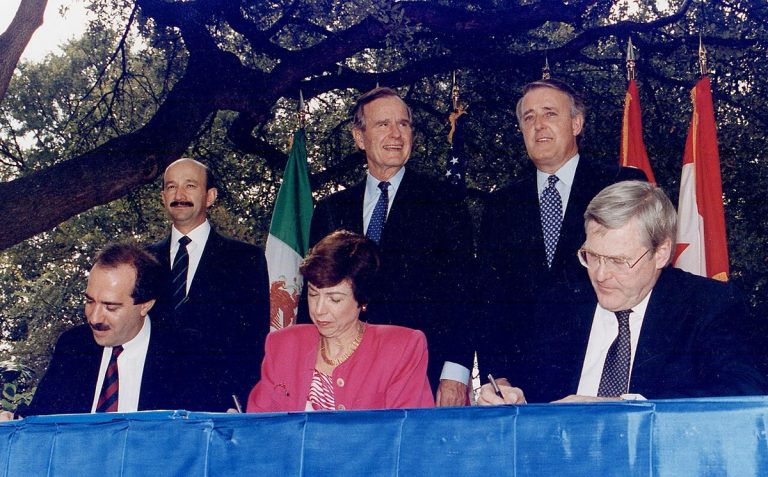
Trade agreements and the change from G 8 to G 7

The citizenship guide describes North American free trade and the former G 8. CUSMA replaced NAFTA in 2020, and current official Canadian information describes the G 7 rather than treating Russia as a current member of that group.

Factual accuracy review: No recorded challenge

Contributor: Citizen.ca

Verified against cited sourcesVerified on 2026-11-01↗
Photo: DXR / Daniel Vorndran · Photo licence: CC BY-SA 4.0 · Credit & context
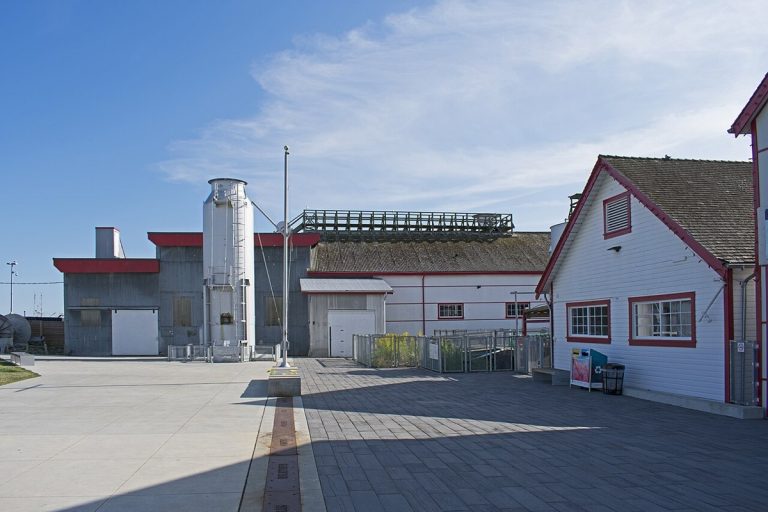
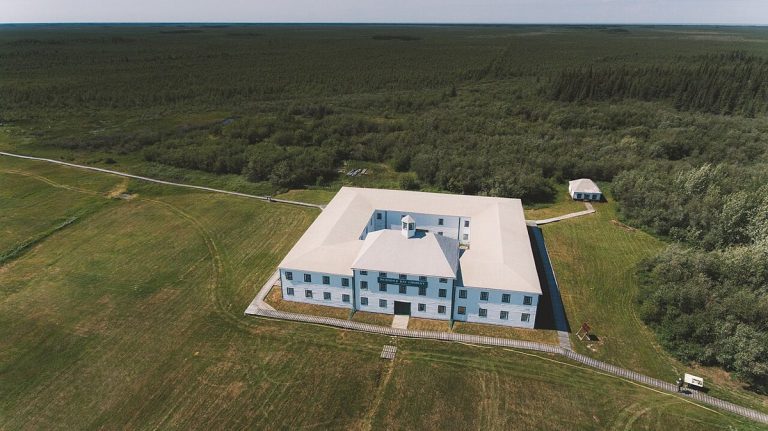
The Gulf of Georgia Cannery in Steveston, Richmond, British Columbia, photographed in 2019.
CA-K1821Citizenship Test

Three types of industry in the citizenship study guide

Discover Canada distinguishes service industries, manufacturing and natural-resource industries. Services provide activities such as banking, education and tourism; manufacturing makes products; resource industries develop materials and energy from the natural environment.

Factual accuracy review: No recorded challenge

Contributor: Citizen.ca

Verified against cited sourcesVerified on 2026-11-01↗
Photo: Ymblanter · Photo licence: CC BY-SA 4.0 · Credit & context
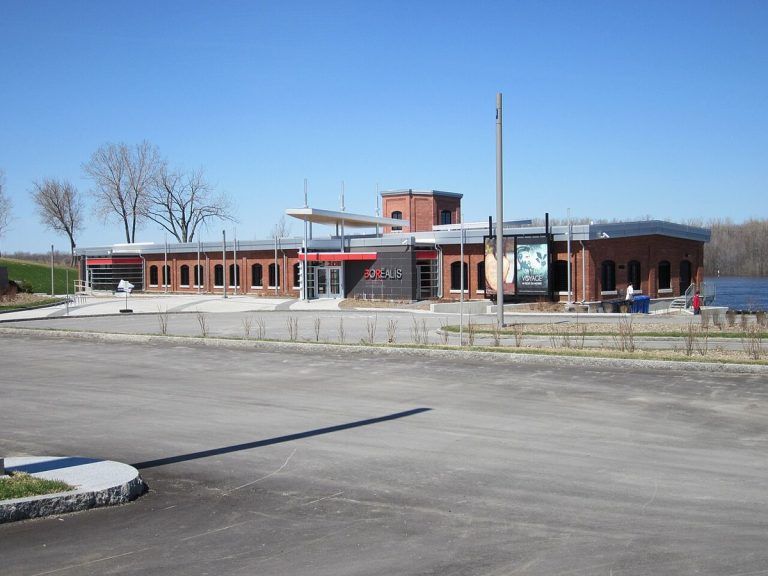
The Musée Boréalis in the former CIP filtration plant.
CA-K1777Culture & sport

Musée Boréalis, Trois-Rivières

The Musée Boréalis in Trois-Rivières, Quebec, occupies the Canadian International Paper filtration plant, built in the early 1920s to pump, filter and store water for the paper mill. It tells the story of Quebec’s pulp and paper industry, designated a national historic event on August 3, 2006.

Factual accuracy review: No recorded challenge

Contributor: Citizen.ca

Verified against cited sourcesVerified on 2026-10-28↗
Photo: Fralambert · Photo licence: CC BY-SA 3.0 · Credit & context
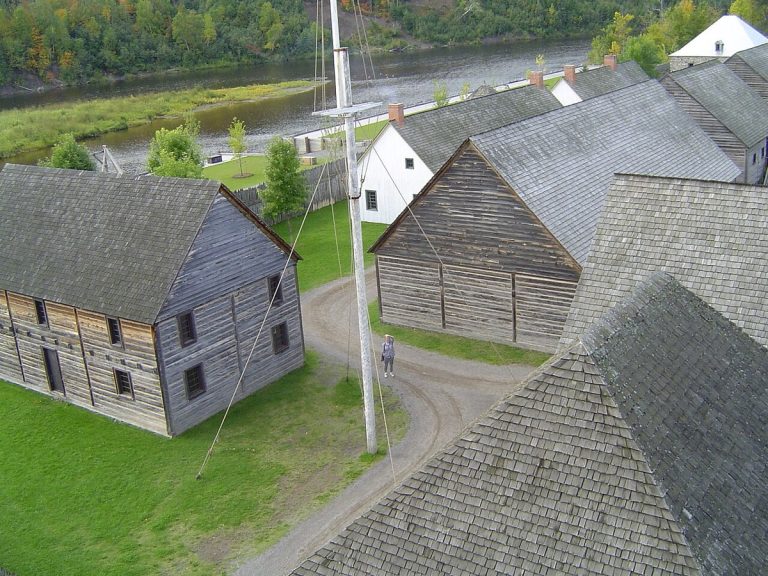
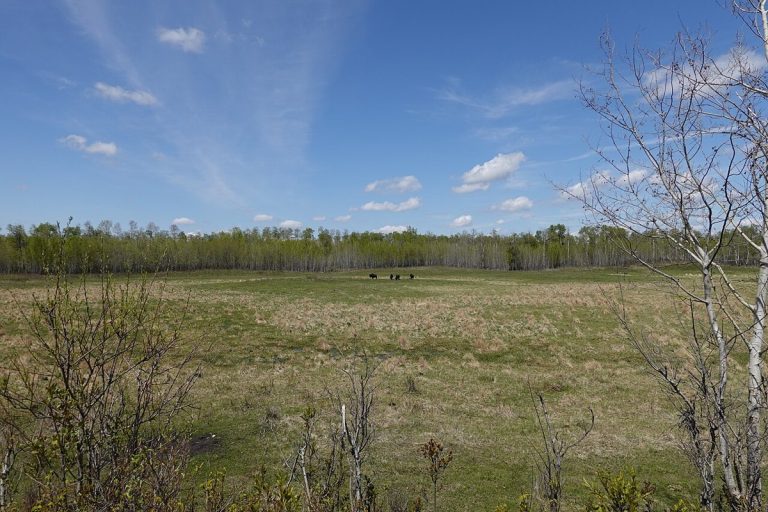
A grassland landscape in Elk Island National Park.
CA-K1002Places & geography

Elk Island National Park, near Edmonton

Elk Island National Park lies about 48 kilometres east of downtown Edmonton, in Treaty 6 territory and the Métis homeland. Its rolling hills, lakes and dark skies form a landscape Indigenous Peoples have long used for sustenance, ceremony, trade and travel. The park supports bison, elk and more than 250 bird species.

Factual accuracy review: No recorded challenge

Contributor: Citizen.ca

Verified against cited sourcesVerified on 2026-10-27↗
Photo: Khoshhat · Photo licence: CC0 · Credit & context
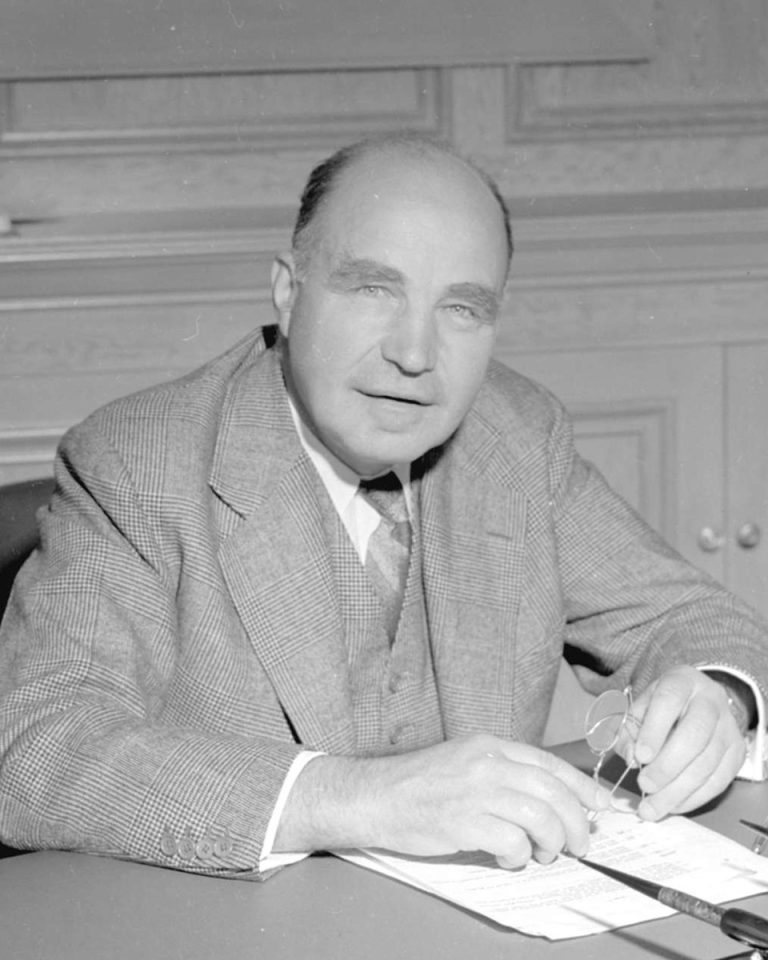
H.R. MacMillan at his desk, 1944.
CA-K989Economy & trade

H.R. MacMillan, forester and lumber industrialist

Harvey Reginald MacMillan, educated at Yale as one of Canada’s first professional foresters, became British Columbia’s Chief Forester in 1912. In 1919 he founded his own company to sell lumber abroad, taking part in a huge expansion of the industry, and its 1951 merger with Bloedel, Stewart and Welch created one of Canada’s largest forest companies. He was made a CBE for organizing forest production in both world wars.

Factual accuracy review: No recorded challenge

Contributor: Citizen.ca

Verified against cited sourcesVerified on 2026-10-27↗
Photo: Don Coltman or Steffens Colmer · Photo licence: Public domain · Credit & context
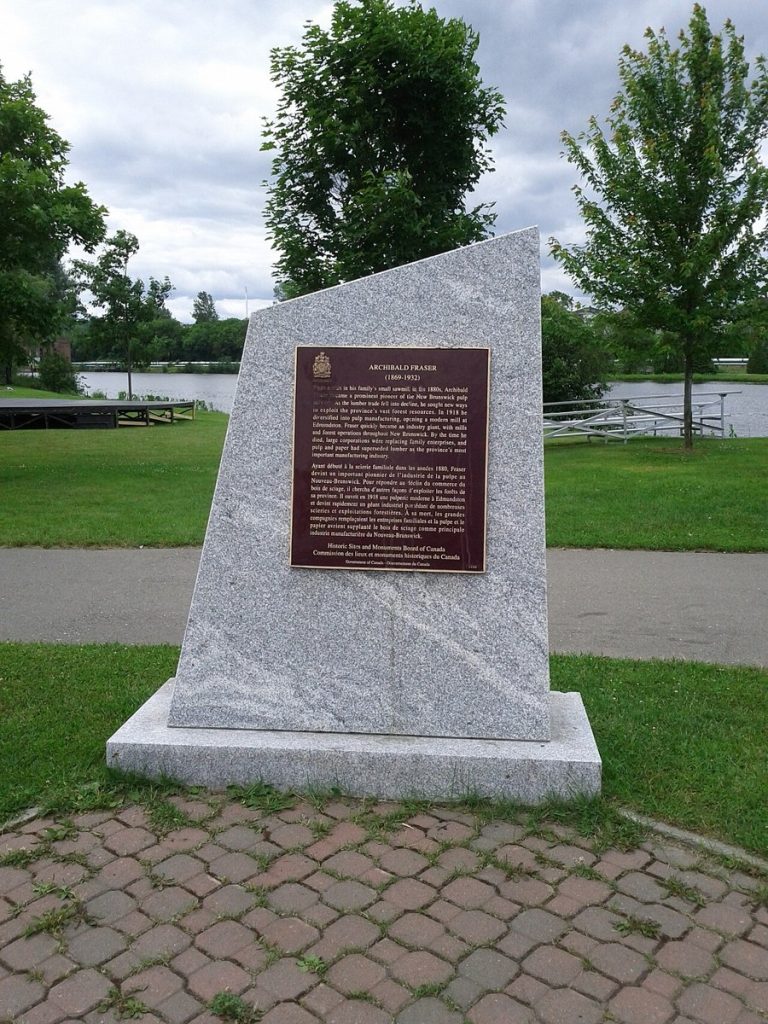
Monument to Archibald Fraser, Edmundston.
CA-K982Economy & trade

Archibald Fraser, pulp pioneer of New Brunswick

Archibald Fraser started in his family’s small sawmill in the 1880s and became a leading pioneer of New Brunswick’s pulp industry. As the lumber trade declined he looked for new uses of the province’s forests, and in 1918 opened a modern pulp mill at Edmundston. He soon became an industry giant, and by his death pulp and paper had replaced lumber as the province’s most important manufacturing industry.

Factual accuracy review: No recorded challenge

Contributor: Citizen.ca

Verified against cited sourcesVerified on 2026-10-27↗
Photo: Bouchecl · Photo licence: CC BY-SA 3.0 · Credit & context
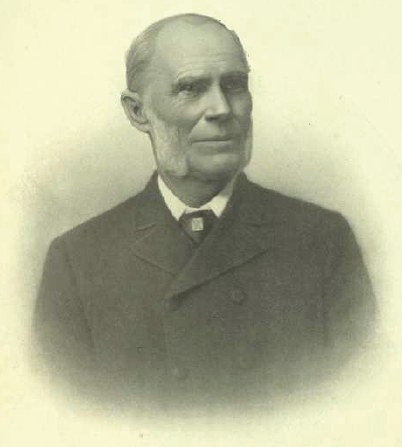
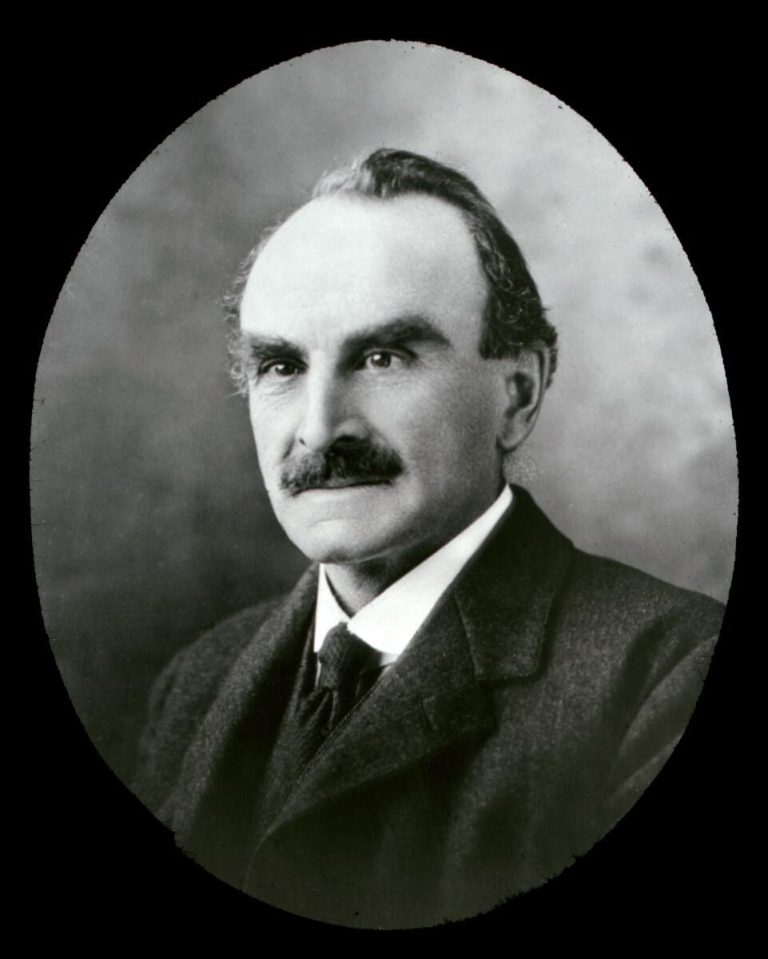
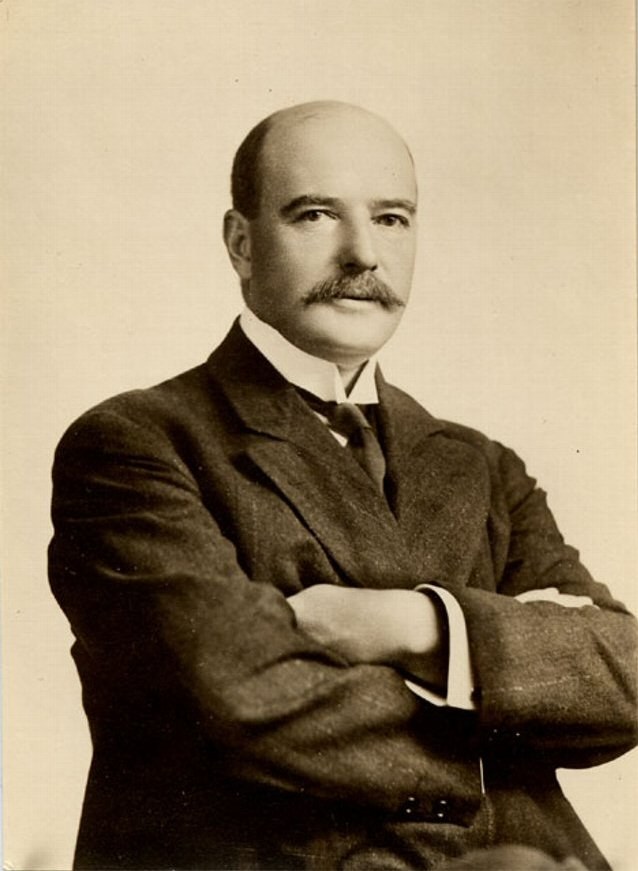
Theodore August Heintzman, portrait.
CA-K971Economy & trade

Theodore Heintzman, piano maker

Theodore August Heintzman, a German immigrant and experienced craftsman, worked in a piano factory in the United States before his own business there failed. Arriving in Toronto almost penniless in 1860, he built a piano in his daughter’s home and used the proceeds to start a factory. His company grew quickly into one of Canada’s longest-lived piano makers, selling across the country and abroad.

Factual accuracy review: No recorded challenge

Contributor: Citizen.ca

Verified against cited sourcesVerified on 2026-10-27↗
Photo: Unknown author · Photo licence: Public domain · Credit & context
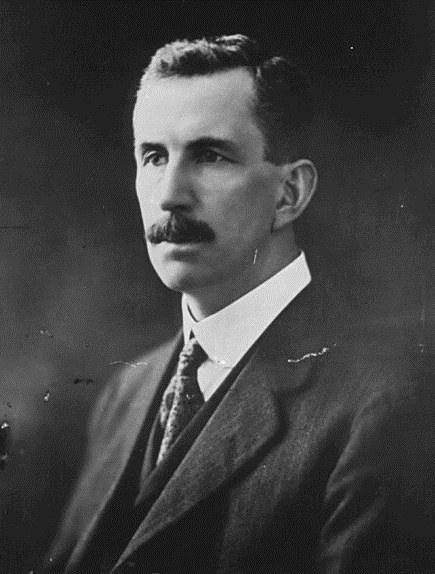
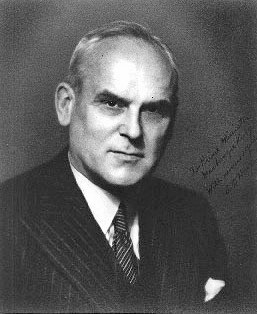
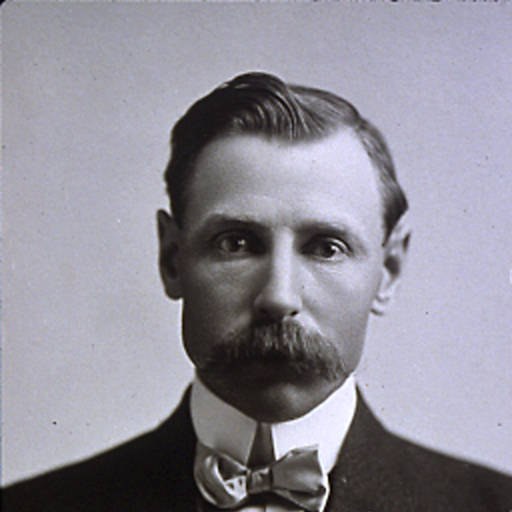
Thomas Alexander Crerar, official portrait, about 1919.
CA-K964Economy & trade

T.A. Crerar, grain trade leader and Progressive

Thomas Alexander Crerar began as an agrarian reformer at Russell, Manitoba. As head of the Grain Growers’ Grain Company he helped shape Canadian grain marketing, and championing western farmers he led the Progressive movement to great influence in the 1921 election, ending the federal two-party system. He later served in Mackenzie King’s cabinets and was an active Senate leader until 1966.

Factual accuracy review: No recorded challenge

Contributor: Citizen.ca

Verified against cited sourcesVerified on 2026-10-27↗
Photo: Unknown photographer; Library and Archives Canada · Photo licence: Public domain · Credit & context
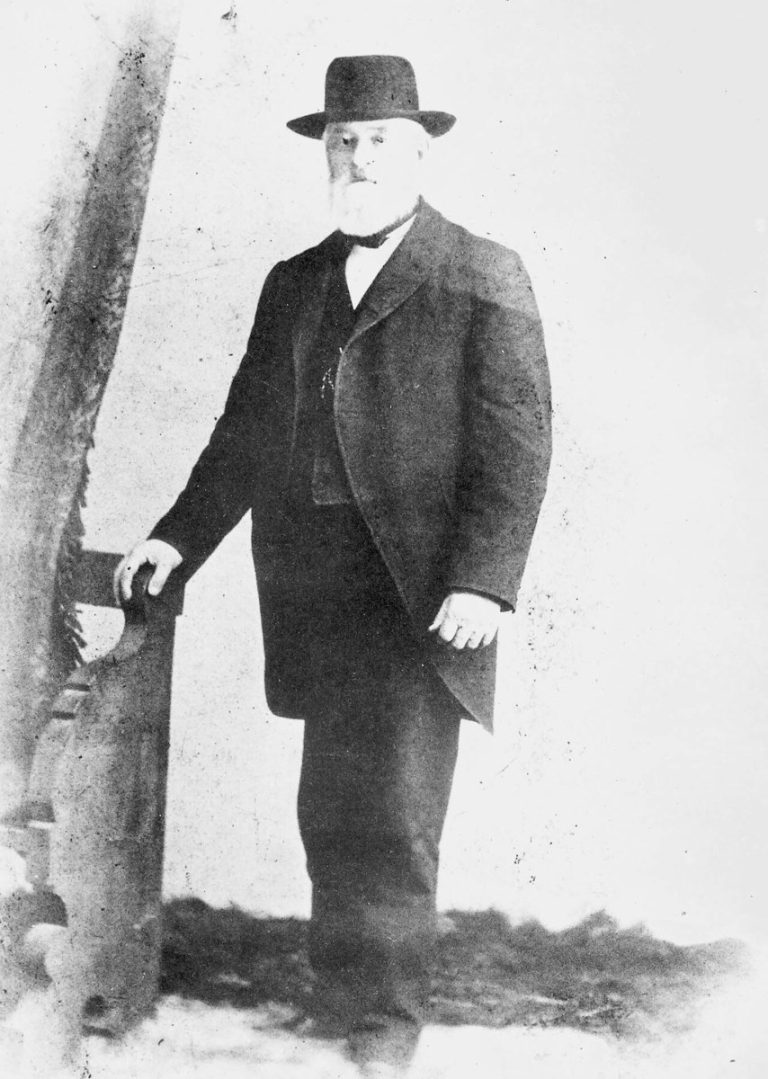
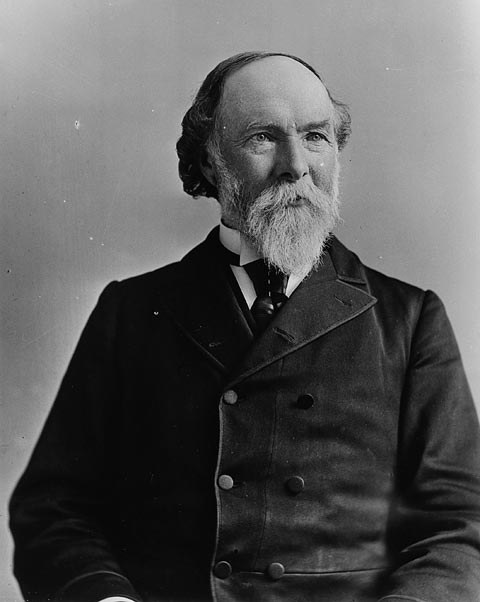
Alexander Gibson, about 1890.
CA-K959Economy & trade

Alexander “Boss” Gibson, New Brunswick’s Lumber King

Alexander Gibson, lumber and railway baron and generous benefactor, was a pivotal figure in the Maritime economy as it was integrated into the national economy. A leading New Brunswick entrepreneur, he expanded from lumber into cotton, developing Marysville into one of Canada’s first model company towns. Though his business foundered under overproduction encouraged by the National Policy, he left the province important railway and industrial infrastructure.

Factual accuracy review: No recorded challenge

Contributor: Citizen.ca

Verified against cited sourcesVerified on 2026-10-27↗
Photo: Unknown author · Photo licence: Public domain · Credit & context
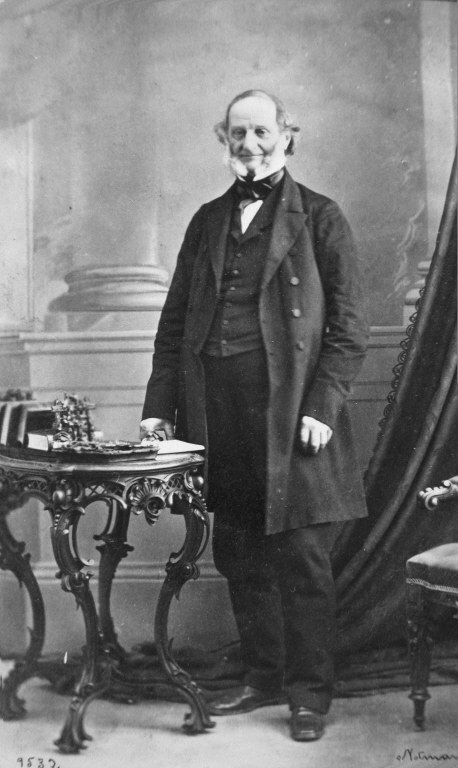
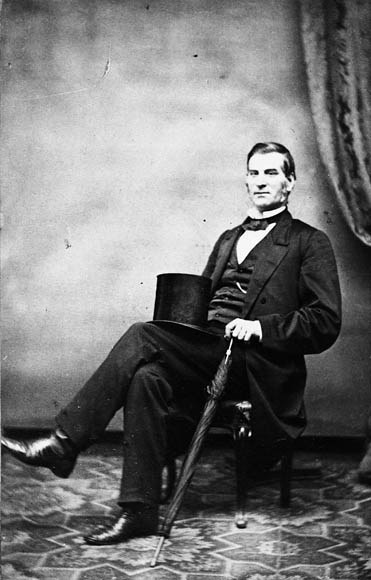
William Molson, 1863 (William Notman).
CA-K942Economy & trade

William Molson, brewer and banker

William Molson, youngest son of Montréal brewer John Molson, helped expand the family empire into distilling, lumber, a foundry, steamships and railways by the mid-19th century. In 1853 he and his brother John founded Molsons Bank, which he led until his death. A leading philanthropist, he was president of the Montreal General Hospital and gave money toward founding and building McGill University, later becoming a governor.

Factual accuracy review: No recorded challenge

Contributor: Citizen.ca

Verified against cited sourcesVerified on 2026-10-27↗
Photo: William Notman · Photo licence: Public domain · Credit & context
Hiram Walker (Hiram Walker and Sons archives).
CA-K938Economy & trade

Hiram Walker and Walkerville

Hiram Walker, born in Massachusetts, was a successful merchant, distiller and grain dealer in Detroit by the 1850s. After Michigan adopted prohibition in 1855 he bought land across the river in Canada and built a distillery and mill that grew into the company town of Walkerville, later adding cattle finishing, a river ferry and a railway. He played an important part in western Ontario’s economic development.

Factual accuracy review: No recorded challenge

Contributor: Citizen.ca

Verified against cited sourcesVerified on 2026-10-27↗
Photo: Unknown photographer; Hiram Walker and Sons archives · Photo licence: CC0 · Credit & context
C.D. Howe, about 1940.
CA-K922Economy & trade

C.D. Howe, “Minister of Everything”

Clarence Decatur Howe, born in Massachusetts, came to Canada in 1908 and set up an engineering firm in Port Arthur in 1916. Elected in 1935, he dominated Liberal cabinets for more than two decades, tied his party closely to business and drove Canada’s rapid industrialization in war and peace. He led the creation of many Crown corporations, including Trans-Canada Airlines and Atomic Energy of Canada.

Factual accuracy review: No recorded challenge

Contributor: Citizen.ca

Verified against cited sourcesVerified on 2026-10-27↗
Photo: Fayer · Photo licence: Public domain · Credit & context
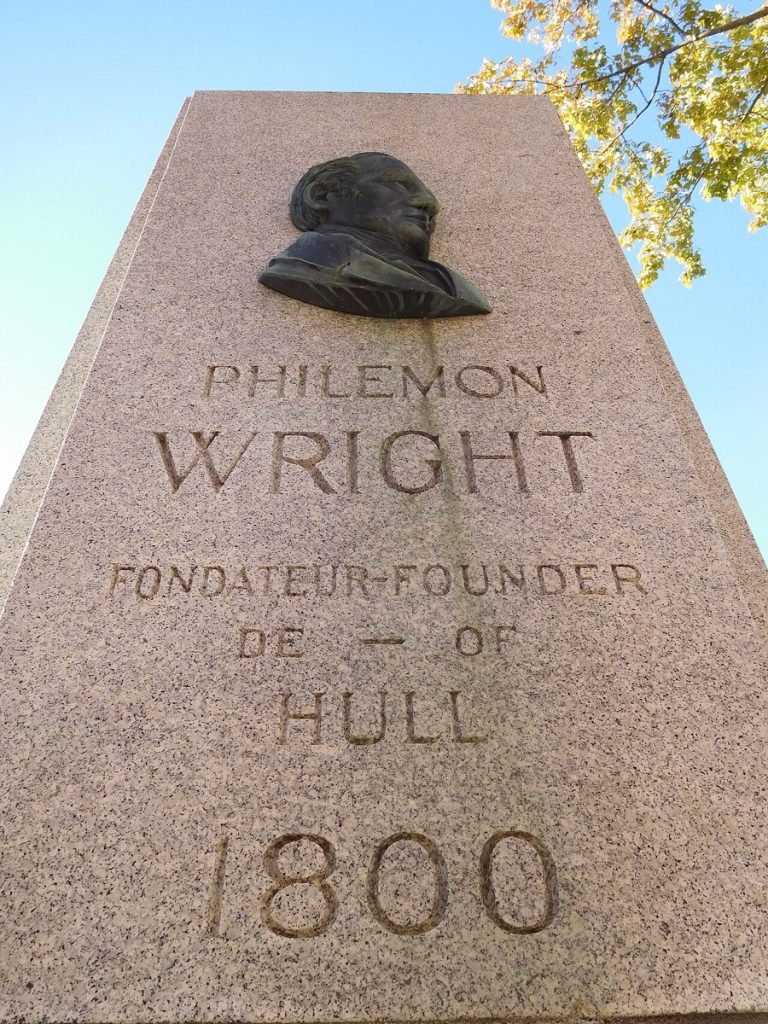
Monument to Philemon Wright, Gatineau.
CA-K895Economy & trade

Philemon Wright, founder of Hull and the Ottawa timber trade

In 1800 the American entrepreneur Philemon Wright founded the farming settlement that became Hull. Turning to the region’s forests for income, he pioneered the Ottawa Valley timber trade, floating his first raft of square timber to Québec in 1806, and later built Canada’s first timber slides to bypass the Chaudière Falls. The Ottawa Valley became a major source of Canadian timber exports in the second quarter of the 19th century.

Factual accuracy review: No recorded challenge

Contributor: Citizen.ca

Verified against cited sourcesVerified on 2026-10-26↗
Photo: Jeangagnon · Photo licence: CC BY-SA 4.0 · Credit & context
Alfred Ernest Cross, 1920 (Curlette).
CA-K872Economy & trade

A.E. Cross, rancher, brewer and Stampede founder

Alfred Ernest Cross, born in Montréal and trained in agriculture and veterinary medicine, came west in 1884 and took up ranching. In 1892 he founded the Calgary Brewing and Malting Company, and he was an early investor in Turner Valley oil and gas. He sat in the North-West Territories Assembly from 1898 to 1902 and was one of the founders of the Calgary Stampede.

Factual accuracy review: No recorded challenge

Contributor: Citizen.ca

Verified against cited sourcesVerified on 2026-10-26↗
Photo: Curlette · Photo licence: Public domain · Credit & context
William Henry Steeves, portrait.
CA-K857History

William Henry Steeves, New Brunswick merchant and Father of Confederation

William Henry Steeves, born in Hillsborough, was a leading merchant and lumberman before entering politics. He sat in New Brunswick’s Assembly and Legislative Council and was almost continuously in cabinet from 1854 to 1865. Bringing a reform-minded business outlook, he supported the Intercolonial Railway and Confederation to aid the province’s economy, and was named to the Senate in 1867.

Factual accuracy review: No recorded challenge

Contributor: Citizen.ca

Verified against cited sourcesVerified on 2026-10-26↗
Photo: Unknown author · Photo licence: Public domain · Credit & context
Sir William Price, about 1924 (Fonds Dubuc).
CA-K853Economy & trade

Sir William Price, from lumber to pulp and paper

William Price joined his family’s lumber business in 1885 and took control in 1899, when it was close to failing. To diversify, he bought a pulp mill at Jonquière and helped lead the shift from lumber to pulp and paper, a sector in which Canada became a world leader by the 1920s. His mill at Kénogami was for years Canada’s top newsprint producer.

Factual accuracy review: No recorded challenge

Contributor: Citizen.ca

Verified against cited sourcesVerified on 2026-10-26↗
Photo: Fonds Dubuc · Photo licence: Public domain · Credit & context
Charles Sherwood Noble, 1918.
CA-K845Economy & trade

Charles Noble and the Noble Blade

Charles Sherwood Noble, farmer, inventor and entrepreneur, showed the farming potential of the drought-prone Palliser Triangle. During the Great Depression he worked with the Dominion Experimental Farm to promote dry-land farming methods, and in 1936 invented the Noble Blade, a cultivator that cut weeds at the roots without disturbing the soil, greatly reducing erosion. His company became Alberta’s largest maker of such implements.

Factual accuracy review: No recorded challenge

Contributor: Citizen.ca

Verified against cited sourcesVerified on 2026-10-26↗
Photo: unknown (Life time: 1910s) · Photo licence: Public domain · Credit & context
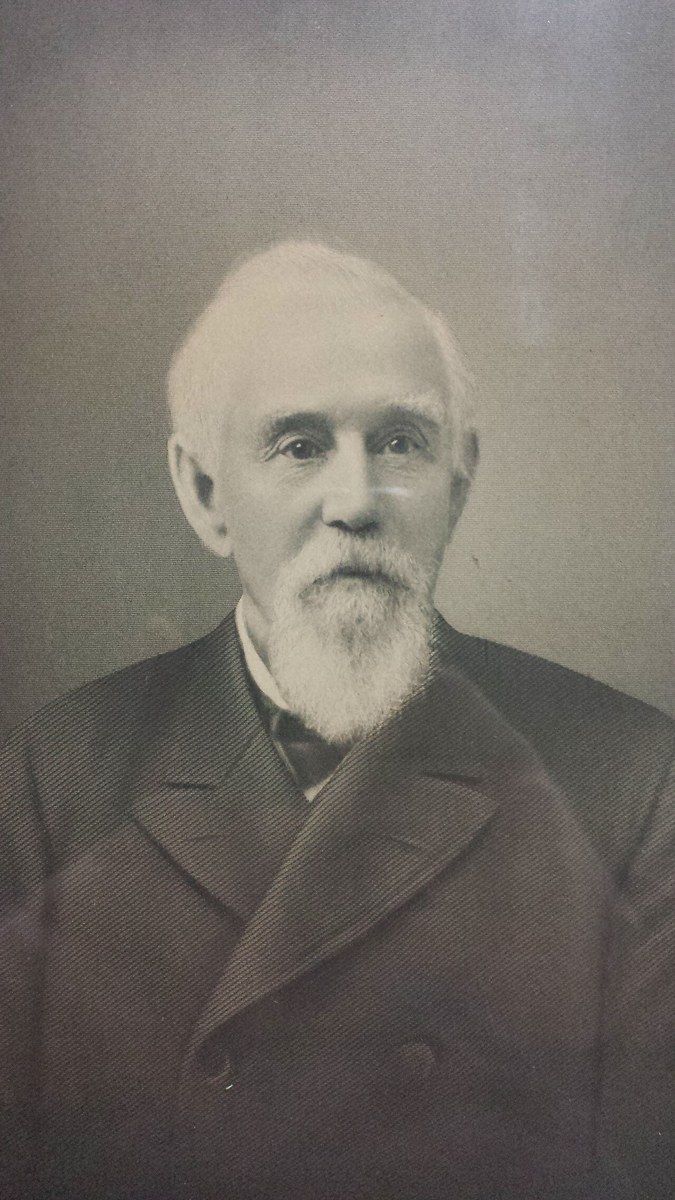
Andrew Archibald Macdonald, 1892 (William James Topley).
CA-K829History

Andrew Archibald Macdonald, note-taker at Quebec

Andrew Archibald Macdonald, a Prince Edward Island merchant and shipbuilder, sat in the Legislative Assembly and Council. He attended the Charlottetown and Quebec conferences of 1864, and his notes from Quebec are one of the few original records of that conference. After the Island joined Confederation he became its Lieutenant-Governor and was later named to the Senate.

Factual accuracy review: No recorded challenge

Contributor: Citizen.ca

Verified against cited sourcesVerified on 2026-10-26↗
Photo: William James Topley · Photo licence: Public domain · Credit & context