An independent Canadian knowledge project

Focused and Verified

Canadian knowledge base

Search by keyword

Choose one keyword, or combine two. Broader keywords include their descendants.

Keywords: 1800–1899

Clear search
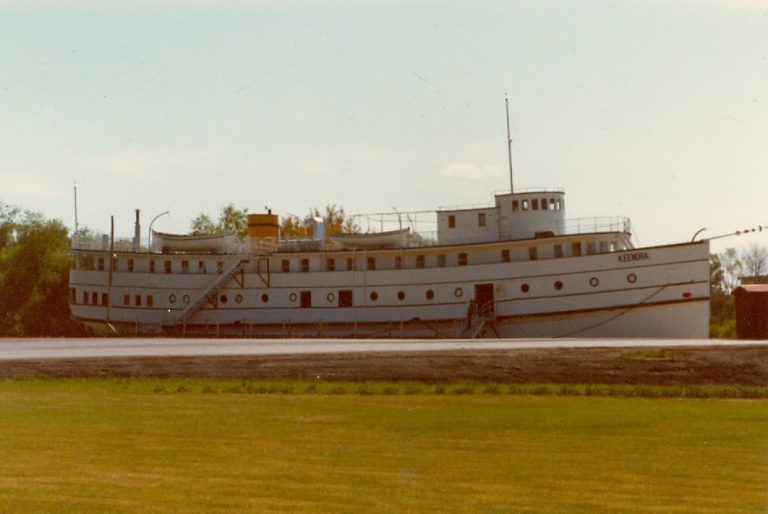
The MS Keenora, one of the museum ships.
CA-K1708Culture & sport

Marine Museum of Manitoba

The Marine Museum of Manitoba, established in 1972, tells the story of shipping on Lake Winnipeg and the Red River from about 1850 to the present day. Visitors can board ships that sailed those waters.

Factual accuracy review: No recorded challenge

Contributor: Citizen.ca

Verified against cited sourcesVerified on 2026-10-28↗
Photo: photo by Brian Westhouse, uploaded in en.wikipedia by Wrecksdale Wreck · Photo licence: CC BY-SA 3.0 · Credit & context

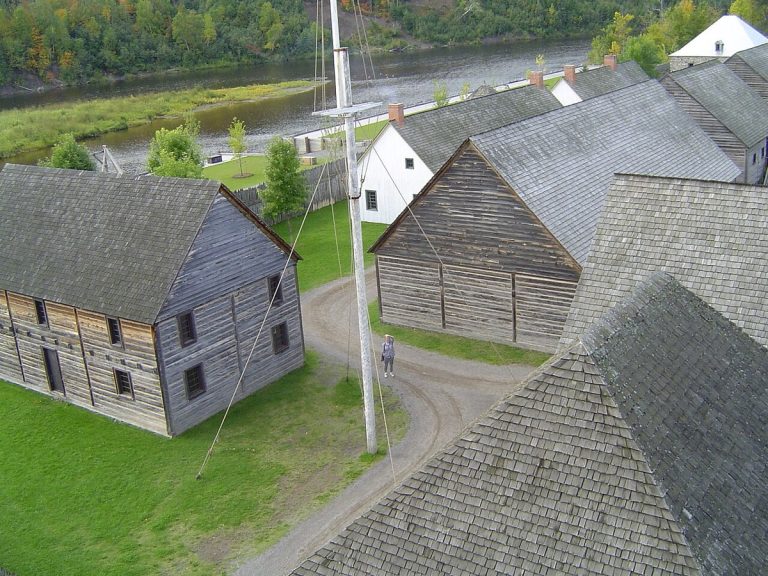
The Bell Homestead National Historic Site, Brantford, Ontario.
CA-K1564History

The invention of the telephone at Brantford, 1874–1876

At his father’s home near Brantford, Ontario, Alexander Graham Bell conceived the fundamental principle of the telephone on 26 July 1874. There, on 3 and 4 August 1876, he publicly demonstrated his patented invention, and on 10 August he made a long-distance call, to Paris, 13 kilometres away.

Factual accuracy review: No recorded challenge

Contributor: Citizen.ca

Verified against cited sourcesVerified on 2026-10-27↗
Photo: K Danko · Photo licence: CC BY-SA 3.0 · Credit & context
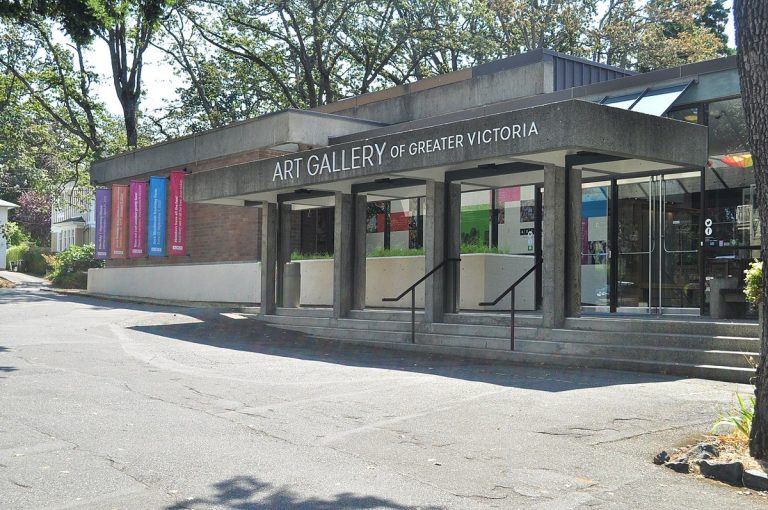
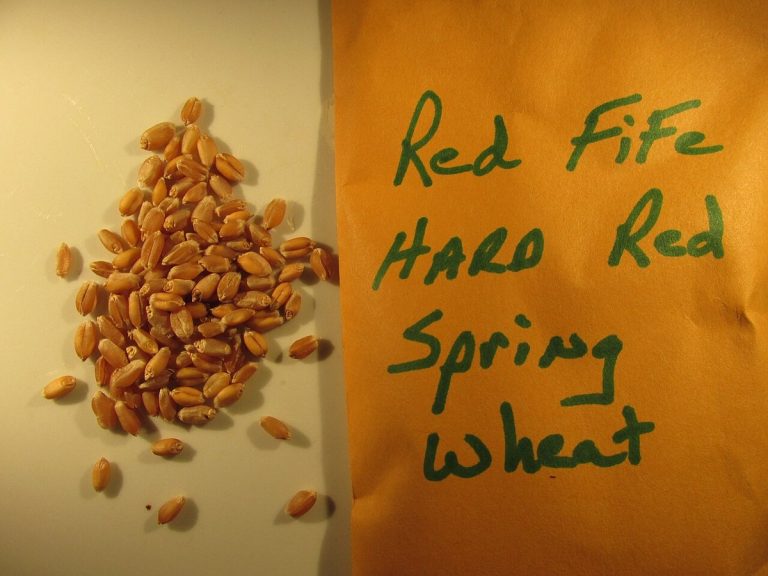
Seeds of Red Fife hard red spring wheat.
CA-K1563History

Red Fife wheat, discovered in 1842

Red Fife, an early-maturing, high-quality wheat, was discovered in 1842 by David Fife in an experimental plot on his farm near Keene, Ontario. For over 60 years it was Canada’s spring wheat; it opened up the grain potential of the West and is a parent of Marquis wheat.

Factual accuracy review: No recorded challenge

Contributor: Citizen.ca

Verified against cited sourcesVerified on 2026-10-27↗
Photo: Forest and Kim Starr · Photo licence: CC BY 3.0 us · Credit & context
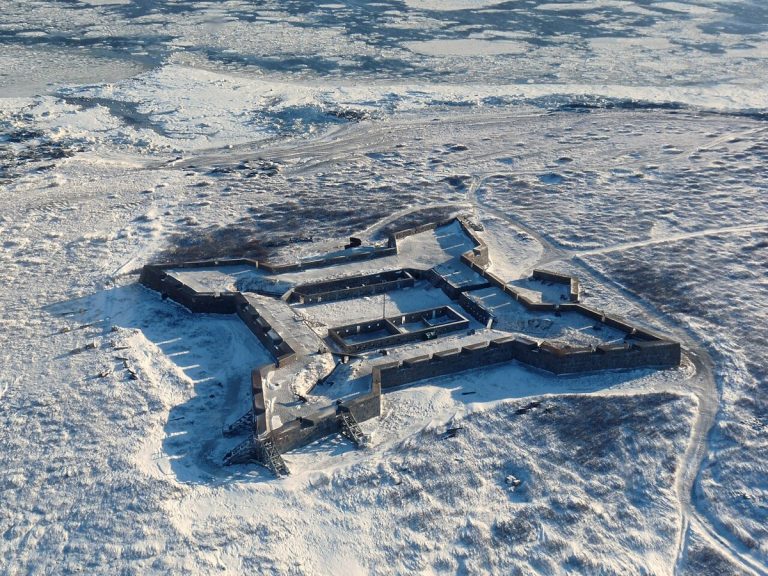
Prince of Wales Fort, Churchill, Manitoba.
CA-K1561History

Early science in Canada’s North, 1768 to about 1810

In 1768 the Hudson’s Bay Company sent two British astronomers to Prince of Wales Fort, on Hudson Bay, to observe the 1769 transit of Venus. It began more than forty years of HBC cooperation with the Royal Society of London in astronomy, meteorology, cartography and natural history in the North, with Indigenous collaborators sharing their deep knowledge of the land, plants and animals.

Factual accuracy review: No recorded challenge

Contributor: Citizen.ca

Verified against cited sourcesVerified on 2026-10-27↗
Photo: Peterfitzgerald · Photo licence: CC BY-SA 3.0 · Credit & context

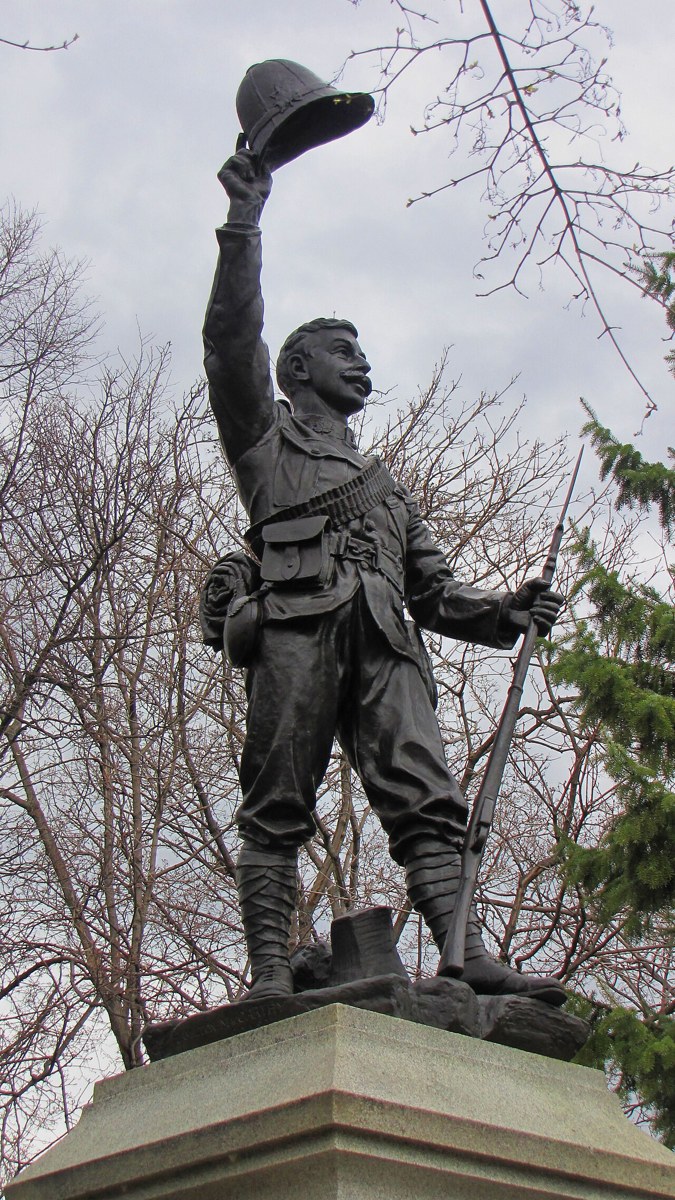
Memorial to soldiers who died in the South African War, by Hamilton MacCarthy, Confederation Park, Ottawa.
CA-K1363History

Canada in the South African War, 1899–1902

The South African War, also known as the Boer War, was fought in southern Africa from 1899 to 1902 between the British Empire and the Boers. More than 7,000 Canadians volunteered to serve alongside British forces, and five earned the Victoria Cross. In February 1900 Canadians played an important role at Paardeberg, the first major British victory of the war.

Factual accuracy review: No recorded challenge

Contributor: Citizen.ca

Verified against cited sourcesVerified on 2026-10-27↗
Photo: D. Gordon E. Robertson · Photo licence: CC BY-SA 3.0 · Credit & context
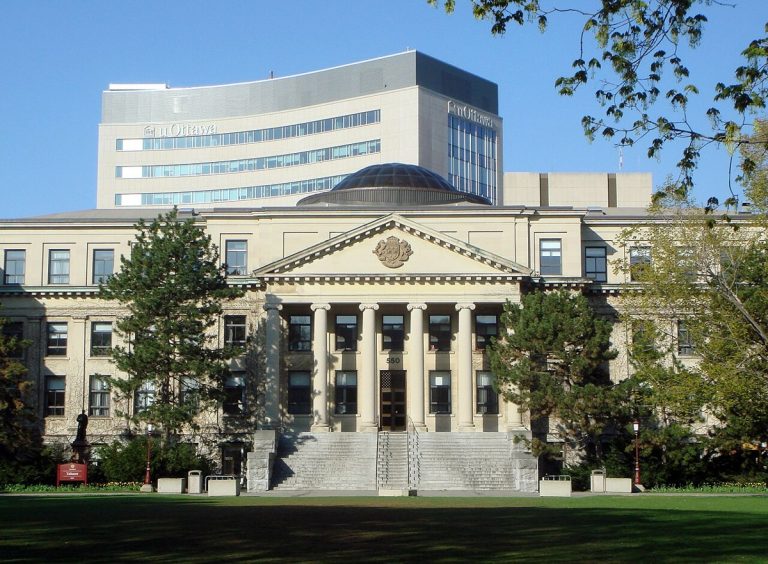
Tabaret Hall, University of Ottawa.
CA-K1224Institutions

University of Ottawa, from the College of Bytown

The University of Ottawa began as the College of Bytown, founded in 1848 by the Oblates of Mary Immaculate as a bilingual Catholic college where students studied in English and French. Renamed the College of Ottawa, it received university status by royal charter in 1866 and a pontifical charter in 1889.

Factual accuracy review: No recorded challenge

Contributor: Citizen.ca

Verified against cited sourcesVerified on 2026-10-27↗
Photo: RobCA · Photo licence: Public domain · Credit & context
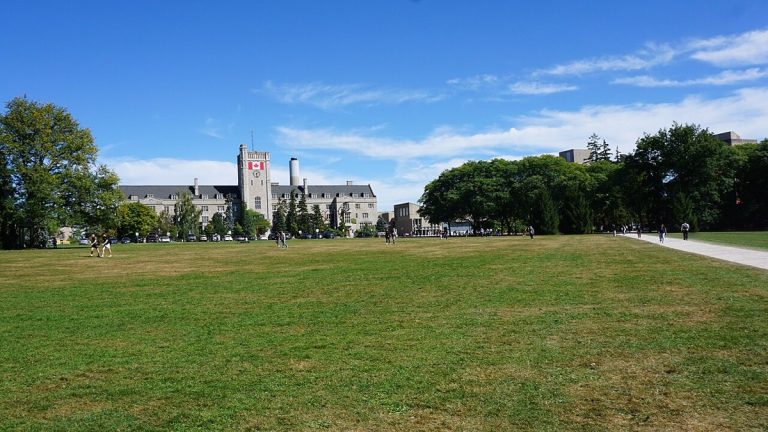
Johnston Green, University of Guelph.
CA-K1223Institutions

University of Guelph

The University of Guelph was established in 1964 from the Ontario Agricultural College, the Ontario Veterinary College and the Macdonald Institute. The agricultural college traces its origins to the Ontario School of Agriculture and Experimental Farm, opened in May 1874.

Factual accuracy review: No recorded challenge

Contributor: Citizen.ca

Verified against cited sourcesVerified on 2026-10-27↗
Photo: JFVoll · Photo licence: CC BY-SA 3.0 · Credit & context
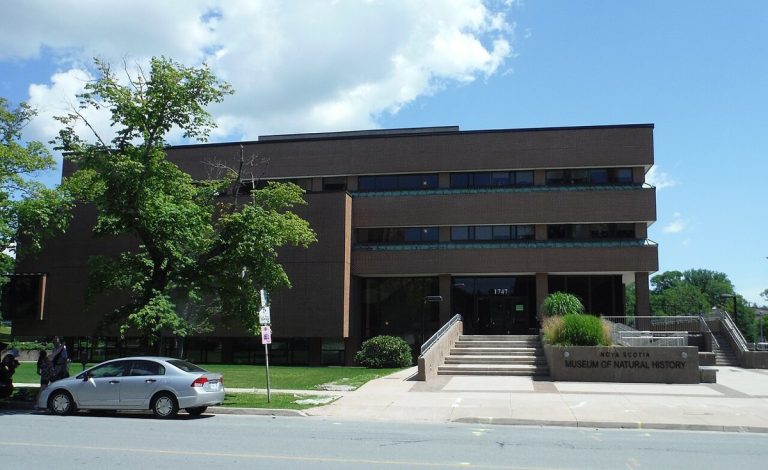
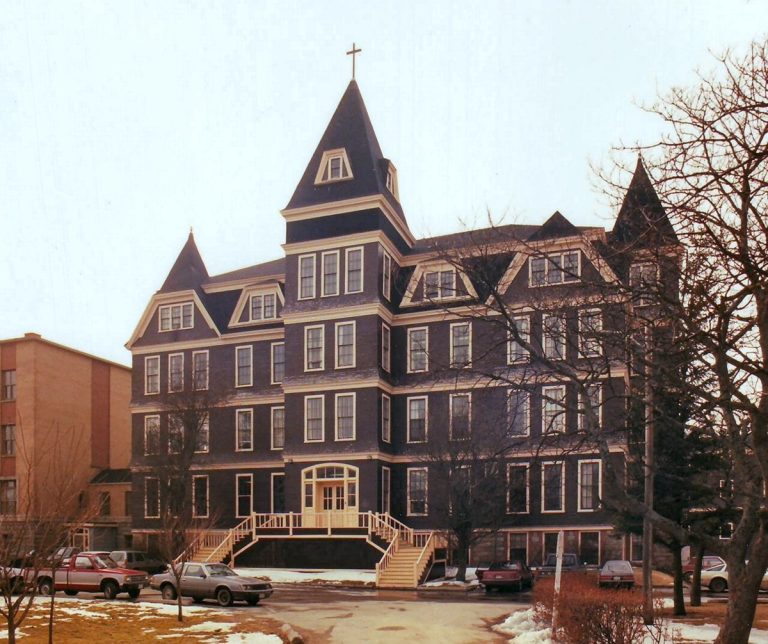
Saint Mary’s University, Halifax.
CA-K1219Institutions

Saint Mary’s University, Halifax

Saint Mary’s University traces its beginnings to 1802, when the Reverend Edmund Burke taught young men at the Glebe House in Halifax. The boys’ school grew into a college and then a university, and received degree-granting status from the Nova Scotia House of Assembly in 1841.

Factual accuracy review: No recorded challenge

Contributor: Citizen.ca

Verified against cited sourcesVerified on 2026-10-27↗
Photo: Robert Alfers · Photo licence: Public domain · Credit & context