An independent Canadian knowledge project

Focused and Verified

Canadian knowledge base

Search by keyword

Choose one keyword, or combine two. Broader keywords include their descendants.

Keywords: People and roles

Clear search
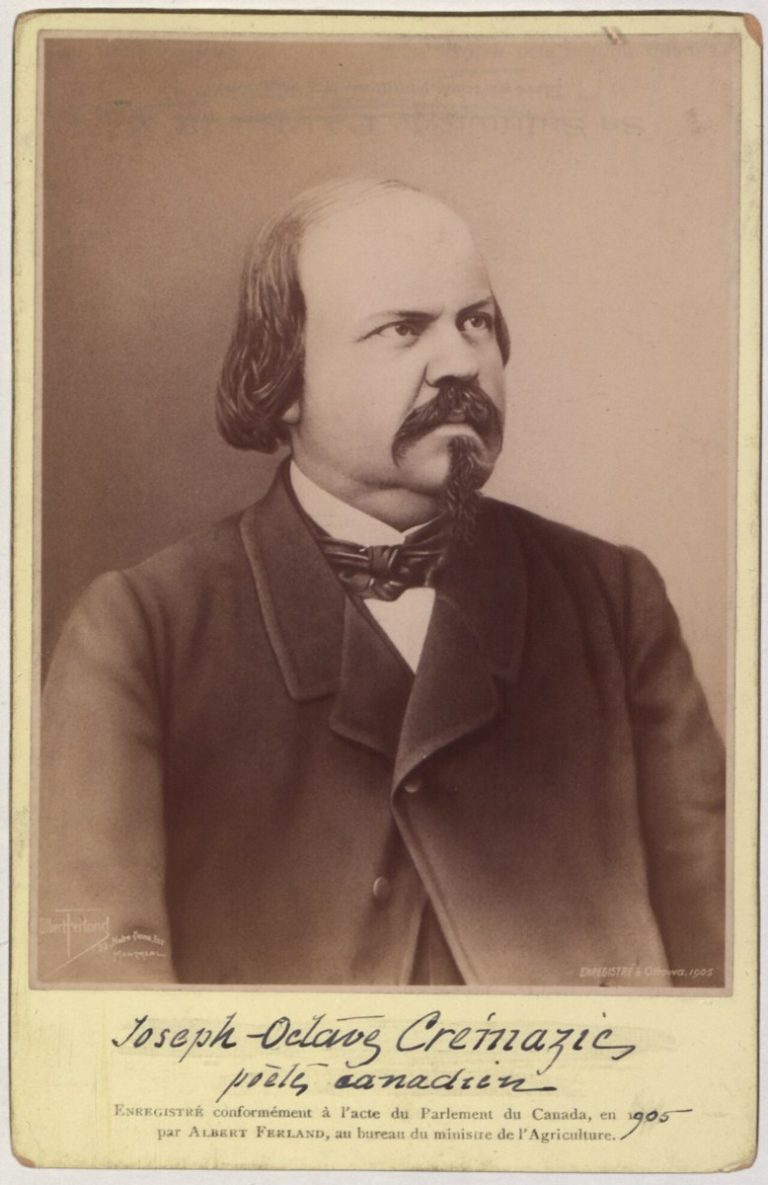
Octave Crémazie, published in 1905.
CA-K779Culture & sport

Octave Crémazie, national poet of French Canada

Octave Crémazie of Québec, a founder of the Institut canadien de Québec, ran a bookstore with his brother that became the cradle of a literary movement inspired by French Romanticism. His poem “Le Drapeau de Carillon” made him French Canada’s national poet; financial trouble exiled him to France in 1862, where he wrote his Journal du siège de Paris.

Factual accuracy review: No recorded challenge

Contributor: Citizen.ca

Verified against cited sourcesVerified on 2026-10-26↗
Photo: Albert Ferlland · Photo licence: Public domain · Credit & context
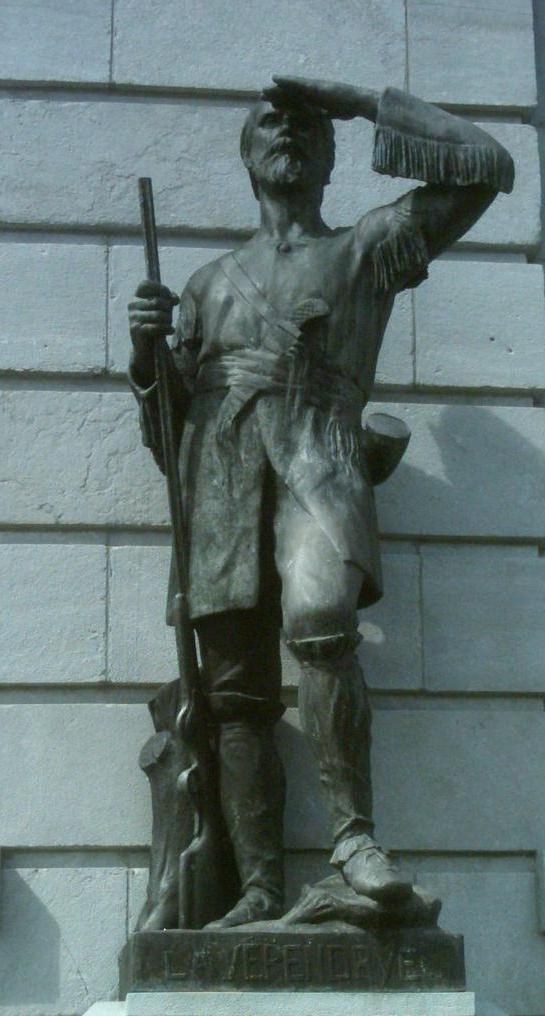
Statue of La Vérendrye on the façade of the Parliament Building, Québec City.
CA-K759Places & geography

La Vérendrye and the posts of the West

Pierre Gaultier de La Vérendrye of Trois-Rivières, soldier, trader and explorer, founded with his sons between 1731 and 1743 a series of posts beyond Lake Superior that became bases for French exploration of the West. They included Forts Saint-Pierre, Rouge and La Reine, at today’s Fort Frances, Winnipeg and Portage la Prairie.

Factual accuracy review: No recorded challenge

Contributor: Citizen.ca

Verified against cited sourcesVerified on 2026-10-26↗
Photo: sculpteur:Jean Bailleul / photo: Jean Gagnon · Photo licence: CC BY-SA 3.0 · Credit & context
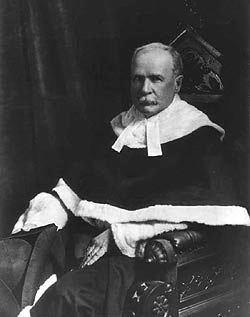
Charles Fitzpatrick, Chief Justice of Canada (Supreme Court of Canada).
CA-K755Institutions

Sir Charles Fitzpatrick, chief justice of Canada

Charles Fitzpatrick held Université Laval’s chair of criminal law for nearly 30 years and served Laurier as Solicitor General and Minister of Justice. He became Chief Justice of the Supreme Court of Canada in 1906 and was lieutenant-governor of Quebec from 1918 to 1923.

Factual accuracy review: No recorded challenge

Contributor: Citizen.ca

Verified against cited sourcesVerified on 2026-10-26↗
Photo: Unknown author · Photo licence: Public domain · Credit & context
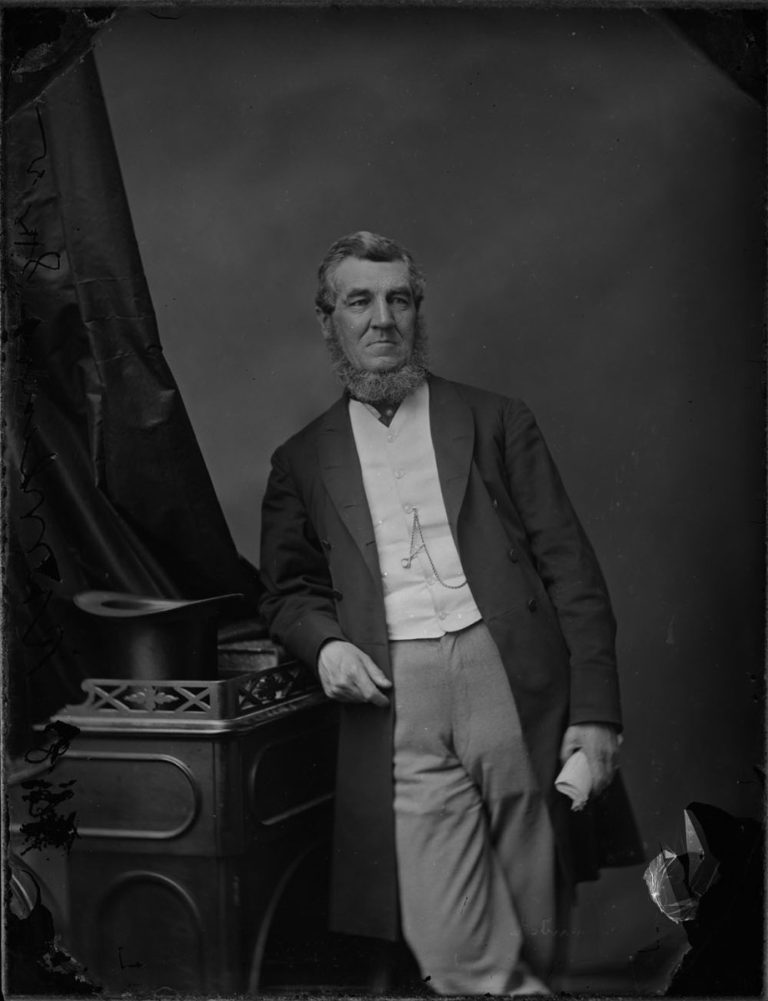
Robert Duncan Wilmot, May 1868 (Topley Studio).
CA-K752History

Robert Duncan Wilmot, New Brunswick Father of Confederation

Robert Duncan Wilmot of Saint John sat in New Brunswick’s legislature from 1846 to 1861. Elected in 1865 as an opponent of Confederation, he changed sides and attended the London Conference in 1866; he was then appointed to the Senate, became its Speaker in 1878 and was lieutenant-governor of New Brunswick from 1880.

Factual accuracy review: No recorded challenge

Contributor: Citizen.ca

Verified against cited sourcesVerified on 2026-10-26↗
Photo: William James Topley · Photo licence: Public domain · Credit & context
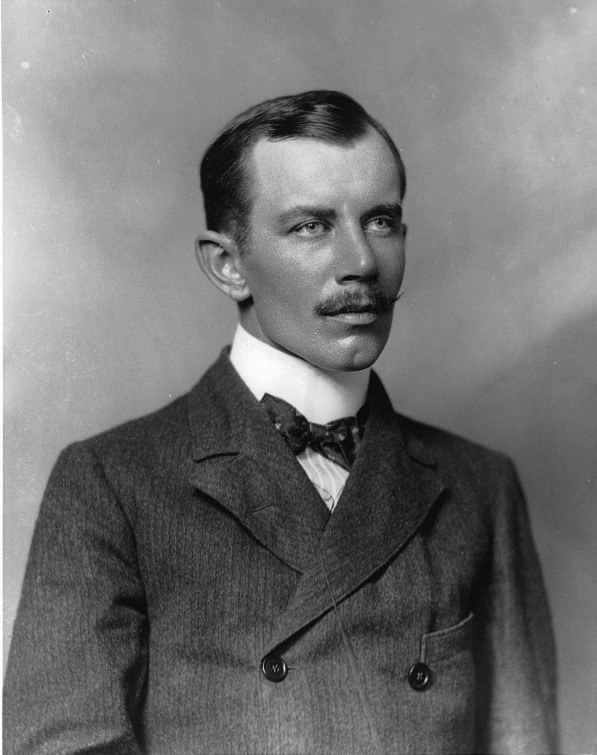
Percy Girouard in 1899 (Wm. Notman & Son, McCord Museum).
CA-K749History

Sir Percy Girouard, railway engineer of empire

Percy Girouard of Montréal, a graduate of the Royal Military College in Kingston, joined the Royal Engineers in 1888. He built the Wadi Halfa–Khartoum railway from 1896, directed railways in South Africa and oversaw the line to Kano in Northern Nigeria, later serving as governor of Northern Nigeria and of East Africa and as Britain’s director general of munitions supply.

Factual accuracy review: No recorded challenge

Contributor: Citizen.ca

Verified against cited sourcesVerified on 2026-10-26↗
Photo: Studio Wn. Notman & Son · Photo licence: Public domain · Credit & context
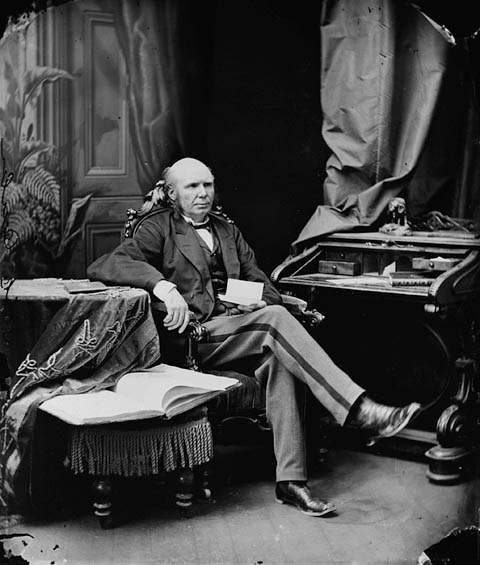
Frederick B. T. Carter, Premier of Newfoundland, June 1869 (Topley Studio).
CA-K746History

Sir Frederick Carter, Newfoundland Father of Confederation

Frederick Carter of St. John’s, Speaker of Newfoundland’s House of Assembly, was a delegate to the Québec Conference in 1864 and, convinced of the merits of union with Canada, formed a coalition government in 1865 to pursue it. Defeated by Charles Fox Bennett’s anti-Confederates in 1869, he later returned as premier and became chief justice of Newfoundland in 1880.

Factual accuracy review: No recorded challenge

Contributor: Citizen.ca

Verified against cited sourcesVerified on 2026-10-26↗
Photo: William James Topley · Photo licence: Public domain · Credit & context
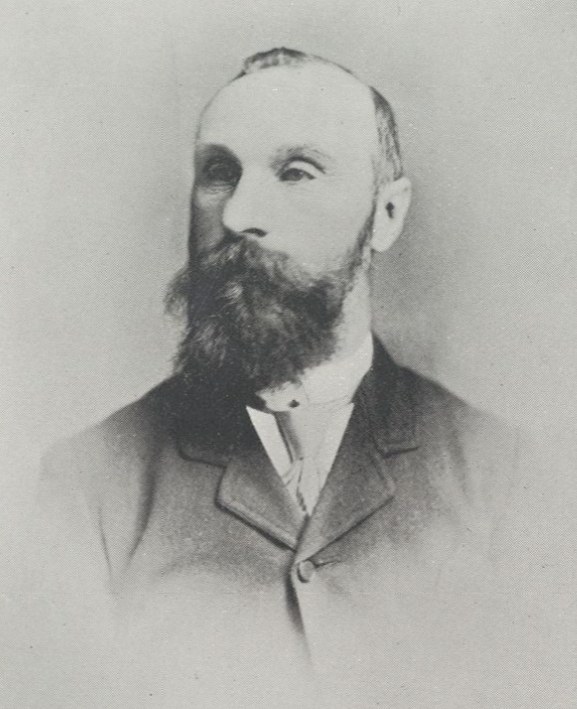
James Patrick Howley, portrait published in 1894.
CA-K745History

James P. Howley, geologist and historian of the Beothuk

James Patrick Howley greatly advanced knowledge of Newfoundland’s geology, minerals and geography through fieldwork for the Geological and Topographical Survey of Newfoundland from 1868 to 1909, and is considered founder and first curator of the Newfoundland Museum. His 1915 study of the Beothuk remains a cornerstone of Beothuk scholarship.

Factual accuracy review: No recorded challenge

Contributor: Citizen.ca

Verified against cited sourcesVerified on 2026-10-26↗
Photo: Unknown author · Photo licence: Public domain · Credit & context
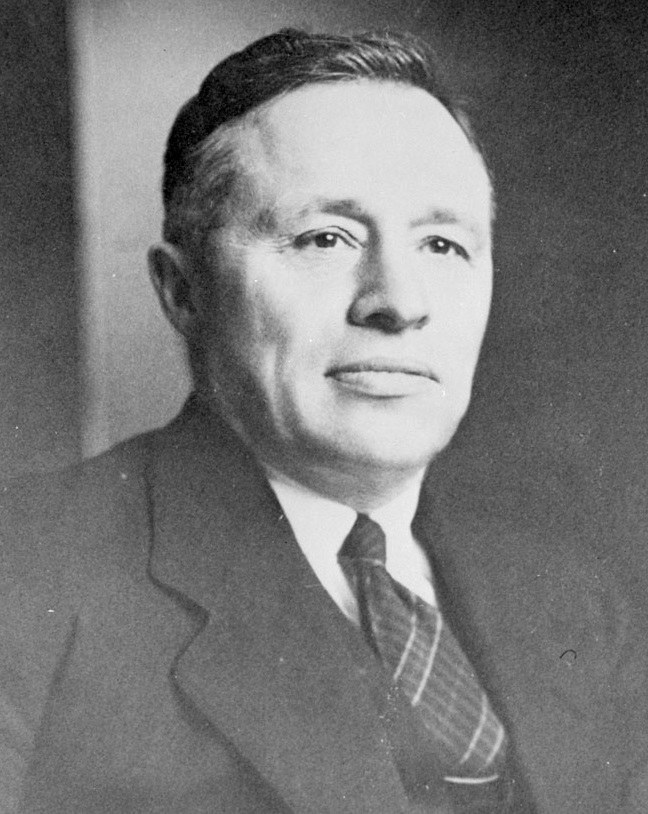
James Garfield Gardiner (Alexandra Studio, Library and Archives Canada).
CA-K739Institutions

Jimmy Gardiner, voice of the Prairie farmer

James Garfield “Jimmy” Gardiner, first elected to Saskatchewan’s legislature as a Liberal in 1914, was twice premier of the province and federal Minister of Agriculture from 1936 to 1957. A combative, intensely partisan politician, he was for years his party’s bulwark in the West and the voice of the Prairie farmer in Ottawa.

Factual accuracy review: No recorded challenge

Contributor: Citizen.ca

Verified against cited sourcesVerified on 2026-10-26↗
Photo: Alexandra Studio / Library and Archives Canada · Photo licence: Public domain · Credit & context
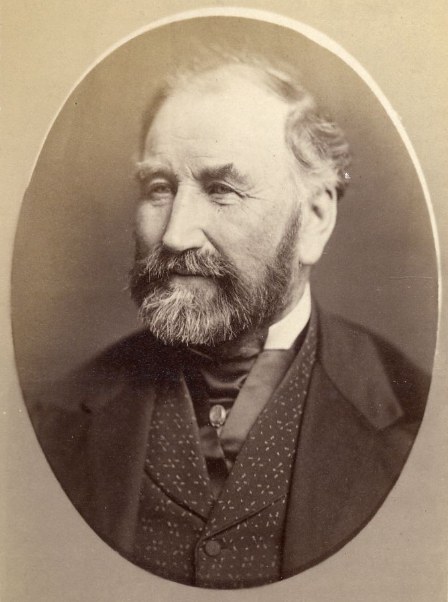
George Browne, 1875 (Studio Inglis, BAnQ).
CA-K736Culture & sport

George Browne, architect of Kingston City Hall

George Browne, who emigrated from Belfast in 1830, became one of the most gifted architects of 19th-century Canada, known for an original mastery of Neoclassicism. His many commissions adapted the major styles of his time to local settings, and his imposing Kingston City Hall and civic buildings in Montréal and Québec City projected prosperity and strength.

Factual accuracy review: No recorded challenge

Contributor: Citizen.ca

Verified against cited sourcesVerified on 2026-10-26↗
Photo: Studio of Inglis (Montréal, Québec) · Photo licence: Public domain · Credit & context
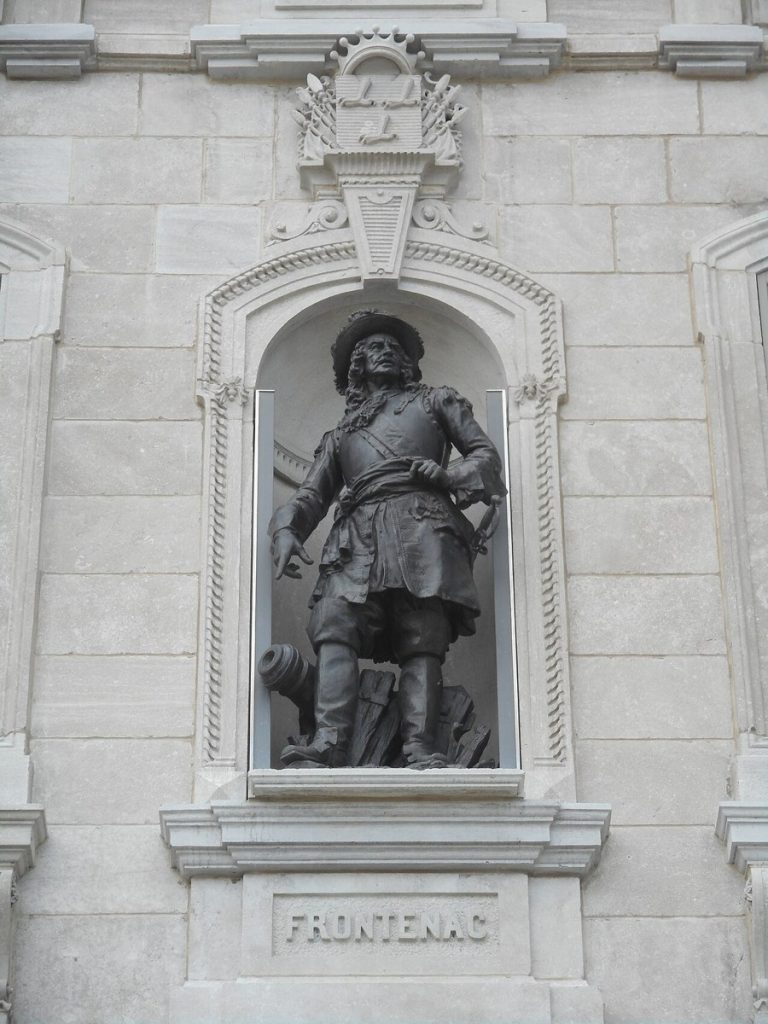
Statue of Frontenac on the façade of the Parliament Building, Québec City, 2015.
CA-K735History

Frontenac, governor of New France

Louis de Buade de Frontenac, governor of New France from 1672 to 1682 and 1689 to 1698, shaped the colony’s military destiny: he resisted the British attack of 1690 and invaded Haudenosaunee territory in 1696. To profit from the fur trade he defied policy against westward expansion, founding Fort Frontenac (Cataraqui) in 1673 and starting a network of posts; he remains a controversial, legendary figure.

Factual accuracy review: No recorded challenge

Contributor: Citizen.ca

Verified against cited sourcesVerified on 2026-10-26↗
Photo: Photo: Jean Gagnon · Photo licence: CC BY-SA 3.0 · Credit & context
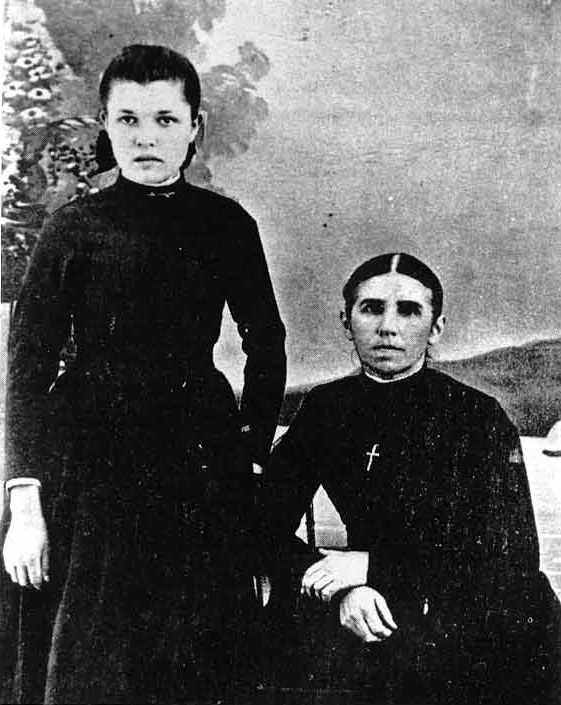
Onésime Dorval (seated) with her adopted daughter Georgine d’Amours, late 1800s.
CA-K721Institutions

Onésime Dorval, Saskatchewan’s first certified teacher

Onésime Dorval, born in Quebec, came west in 1877 and became Saskatchewan’s first certified teacher. For over 40 years she taught at Oblate missions in Manitoba and at St-Laurent-Grandin, Battleford, Batoche and Duck Lake, was a talented painter and woodworker, and is fondly remembered in Métis and francophone communities.

Factual accuracy review: No recorded challenge

Contributor: Citizen.ca

Verified against cited sourcesVerified on 2026-10-26↗
Photo: Unspecified; from St. Vital Parish, Battleford, Saskatchewan. · Photo licence: Public domain · Credit & context
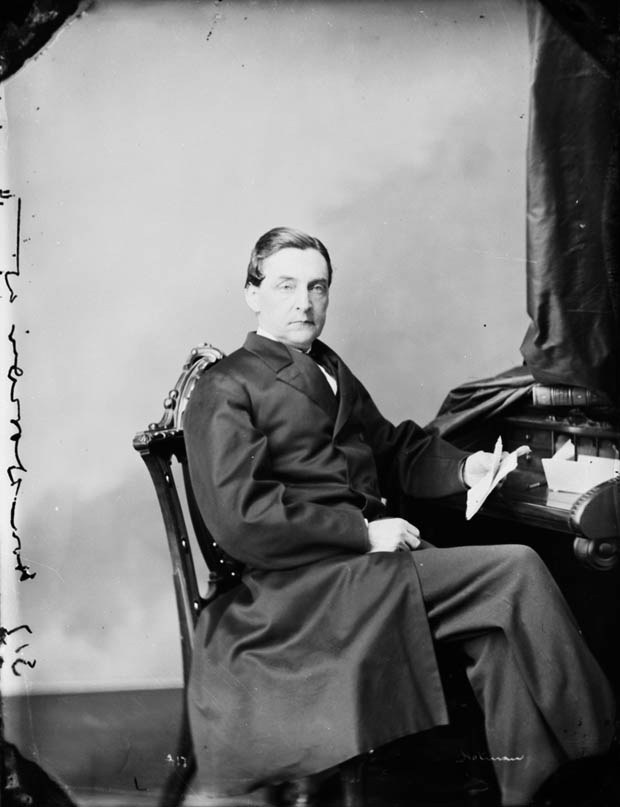
Antoine-Aimé Dorion, Ottawa, March 1868.
CA-K720Institutions

Sir Antoine-Aimé Dorion, Liberal leader and chief justice

Antoine-Aimé Dorion of Sainte-Anne-de-la-Pérade, a civil law professor and president of the Bar, succeeded Papineau as leader of the Liberals and co-led the Macdonald–Dorion ministry in 1863. Though he opposed Confederation, he became federal Minister of Justice under Mackenzie in 1873 and was chief justice of Quebec from 1874 until his death.

Factual accuracy review: No recorded challenge

Contributor: Citizen.ca

Verified against cited sourcesVerified on 2026-10-26↗
Photo: Unknown author · Photo licence: Public domain · Credit & context
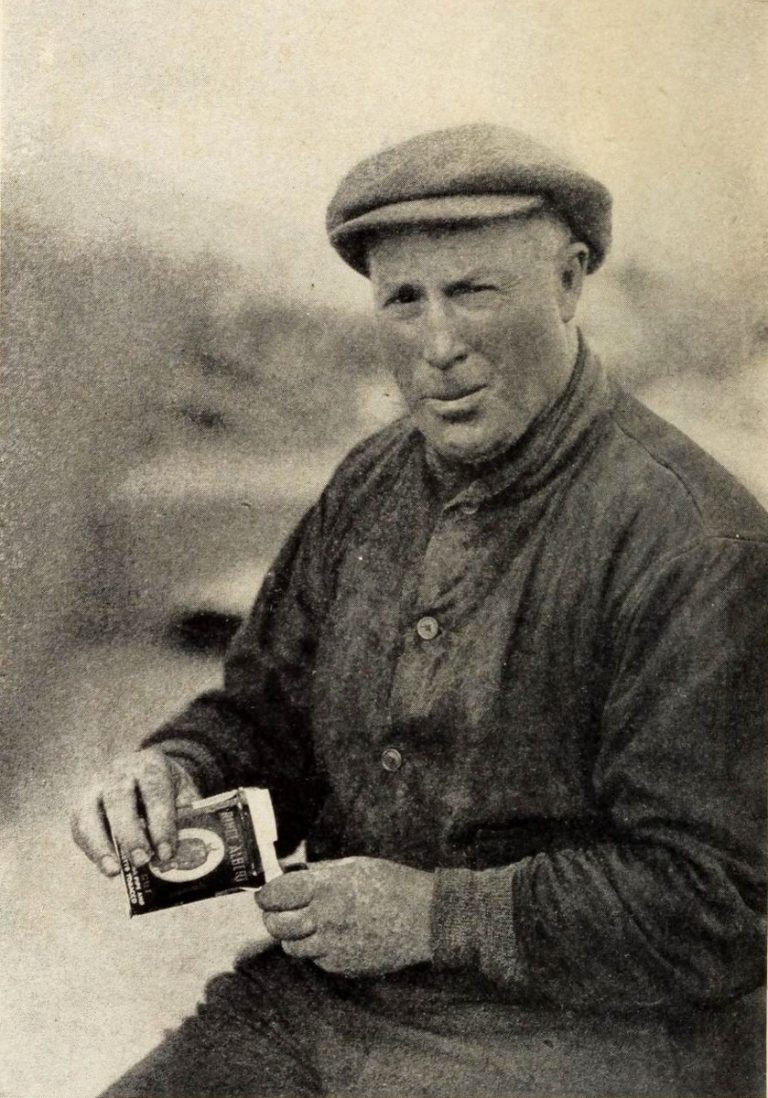
Captain Bob Bartlett, around 1926.
CA-K717Places & geography

Captain Bob Bartlett, Arctic navigator

Robert Abram “Captain Bob” Bartlett of Brigus, Newfoundland, commanded the Roosevelt on Peary’s 1905–1906 expedition, accompanied Peary to the last relay point on the 1908–1909 trek toward the Pole, and commanded the Karluk in the Canadian Arctic Expedition. From 1926 to 1945 his annual Arctic voyages contributed greatly to knowledge of northern waters and wildlife.

Factual accuracy review: No recorded challenge

Contributor: Citizen.ca

Verified against cited sourcesVerified on 2026-10-26↗
Photo: Unknown photographer · Photo licence: Public domain · Credit & context
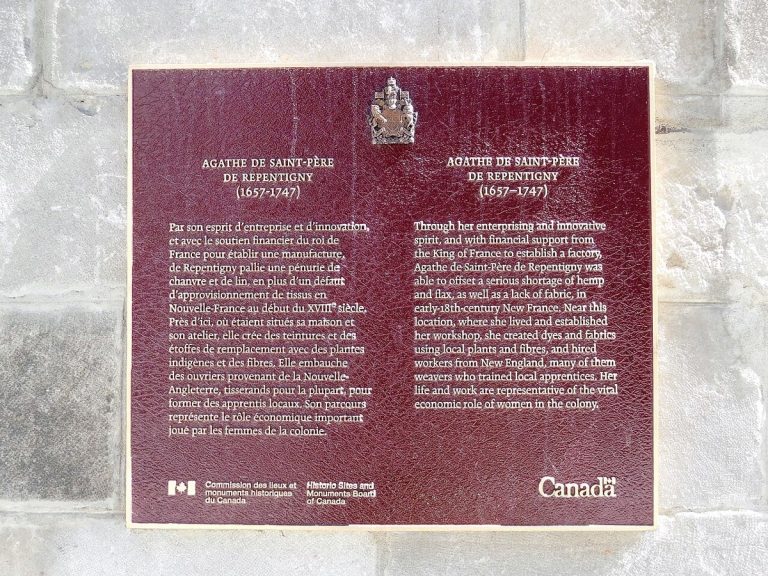
The commemorative plaque to Agathe de Saint-Père de Repentigny in Montréal, 2020.
CA-K715Economy & trade

Agathe de Saint-Père de Repentigny, textile entrepreneur of New France

Agathe de Saint-Père de Repentigny established a textile workshop in early-18th-century Montréal to address a shortage of fabric in New France. She developed dyes and cloth from local plants and fibres, and ransomed and hired English weavers who had been taken captive, pairing them with Canadian apprentices.

Factual accuracy review: No recorded challenge

Contributor: Citizen.ca

Verified against cited sourcesVerified on 2026-10-26↗
Photo: Jeangagnon · Photo licence: CC BY-SA 4.0 · Credit & context
Max Aitken, Lord Beaverbrook, around 1918.
CA-K714Economy & trade

Max Aitken, Lord Beaverbrook

Max Aitken, Lord Beaverbrook, was an important and controversial Canadian financier and the outspoken owner of a British newspaper empire. In the First World War he shaped how Canada’s effort was seen and remembered through the war art program; as Britain’s Minister of Aircraft Production in the Second World War he drove Spitfire production, and he was a leading benefactor of the University of New Brunswick and founder of the Beaverbrook Art Gallery.

Factual accuracy review: No recorded challenge

Contributor: Citizen.ca

Verified against cited sourcesVerified on 2026-10-26↗
Photo: M. S. Kay, Bolton · Photo licence: Public domain · Credit & context
Harold Adams Innis, 1910s.
CA-K711Culture & sport

Harold Innis, historian of staples and communications

Harold Adams Innis, one of Canada’s great scholars, joined the University of Toronto in 1920 and headed its Department of Political Economy from 1937. Through works such as The Fur Trade in Canada, The Cod Fisheries and Empire and Communications, he deeply influenced the study of economics, history, geography, politics and communications.

Factual accuracy review: No recorded challenge

Contributor: Citizen.ca

Verified against cited sourcesVerified on 2026-10-26↗
Photo: Unknown photographer (1910s) · Photo licence: Public domain · Credit & context
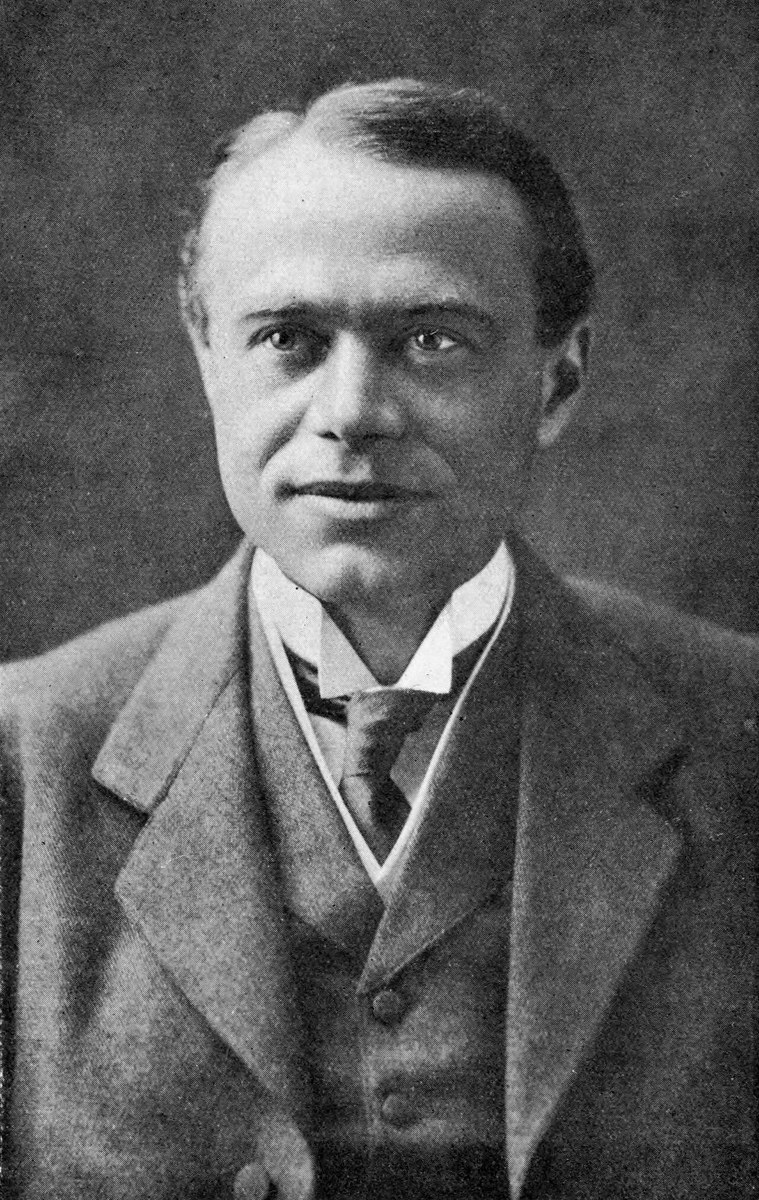
Dora Dworkin in her nurse’s uniform, around 1909 (Ontario Jewish Archives).
CA-K706History

Dorothy Dworkin, nurse and community builder

Dorothy Dworkin, a nurse, midwife and entrepreneur, managed Toronto’s free Jewish Dispensary and helped found Mount Sinai Hospital in the 1920s, which served Jewish Canadians and employed doctors often shut out of hospitals by antisemitism. During the Holocaust she led relief fundraising and, through her family’s steamship agency, helped hundreds of Eastern European Jews settle in Canada.

Factual accuracy review: No recorded challenge

Contributor: Citizen.ca

Verified against cited sourcesVerified on 2026-10-26↗
Photo: Unknown author · Photo licence: Public domain · Credit & context
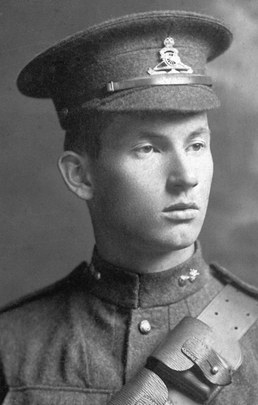
Archibald MacMechan, 1897 (Dalhousie University Archives).
CA-K705Culture & sport

Archibald MacMechan, man of letters at Dalhousie

Archibald MacMechan, born in Berlin (now Kitchener), Ontario, was professor of English at Dalhousie University from 1889 until his death. A book critic for the Montreal Standard for 20 years, he wrote several books about Nova Scotia and edited works by Tennyson and Carlyle, and received the Lorne Pierce Medal in 1932.

Factual accuracy review: No recorded challenge

Contributor: Citizen.ca

Verified against cited sourcesVerified on 2026-10-26↗
Photo: Unknown author · Photo licence: Public domain · Credit & context
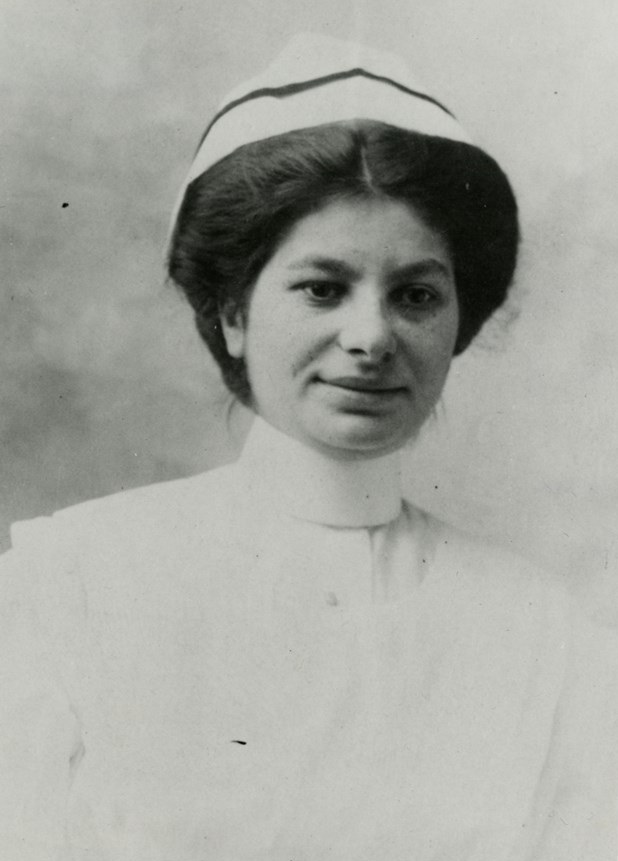
Sir Étienne-Paschal Taché (J.-I. Benoît, Library and Archives Canada).
CA-K702History

Sir Étienne-Paschal Taché, who presided at the Québec Conference

Étienne-Paschal Taché of Montmagny, a physician and soldier who fought at Châteauguay and Plattsburgh in the War of 1812, sat in the legislature and Legislative Council of the Province of Canada. In 1864 he headed the Taché–Macdonald coalition, presided at the Québec Conference and sponsored the Québec Resolutions in the Legislative Council.

Factual accuracy review: No recorded challenge

Contributor: Citizen.ca

Verified against cited sourcesVerified on 2026-10-26↗
Photo: Jules-Isaïe Benoît · Photo licence: Public domain · Credit & context
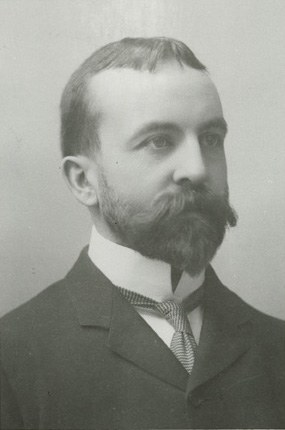
Charles Tupper, 1896 (Topley Studio).
CA-K686Institutions

Sir Charles Tupper, Father of Confederation and prime minister

Charles Tupper of Amherst, a physician, became premier of Nova Scotia in 1864 and, allied with John A. Macdonald, advocated Confederation despite substantial opposition in Nova Scotia. After federal cabinet posts and 11 years as High Commissioner in London, he succeeded Bowell as prime minister in 1896, then led the opposition after his party’s defeat that year.

Factual accuracy review: No recorded challenge

Contributor: Citizen.ca

Verified against cited sourcesVerified on 2026-10-26↗
Photo: William James Topley · Photo licence: Public domain · Credit & context
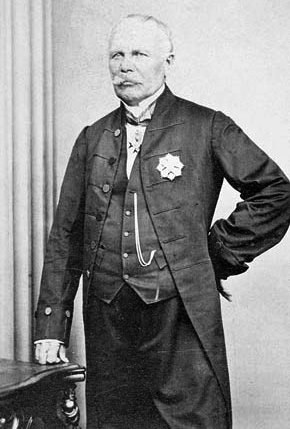
Pierre-Amand Landry, MP, February 1884 (Topley Studio).
CA-K685History

Sir Pierre-Amand Landry, Acadian leader

Pierre-Amand Landry of Memramcook, a lawyer, politician and judge, defended Acadians’ rights in the New Brunswick legislature, the House of Commons and the courts, notably during the crisis over the Common Schools Act of 1871. A leader of the Acadian Renaissance who promoted tolerance between French and English, he presided over the first three Acadian National Conventions and was the first Acadian knighted.

Factual accuracy review: No recorded challenge

Contributor: Citizen.ca

Verified against cited sourcesVerified on 2026-10-26↗
Photo: William James Topley · Photo licence: Public domain · Credit & context
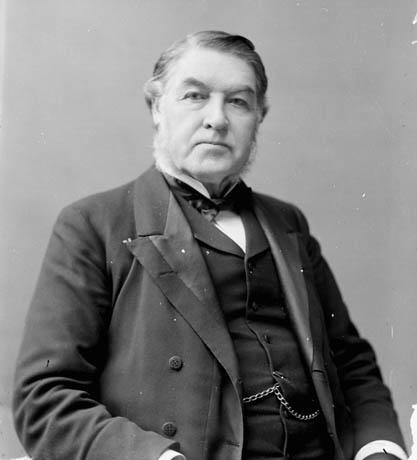
Charles Gavan Power, between 1936 and 1942.
CA-K675History

“Chubby” Power and the wartime RCAF

Charles Gavan “Chubby” Power, a First World War veteran and longtime Quebec MP, was Minister of National Defence for Air from 1940 to 1944. He oversaw wartime RCAF expansion, supported distinct Canadian squadrons, helped establish the Air Cadets and advanced the British Commonwealth Air Training Plan, which trained more than 130,000 Allied aircrew in Canada.

Factual accuracy review: No recorded challenge

Contributor: Citizen.ca

Verified against cited sourcesVerified on 2026-10-26↗
Photo: Canadian Government Motion Picture Bureau · Photo licence: Public domain · Credit & context
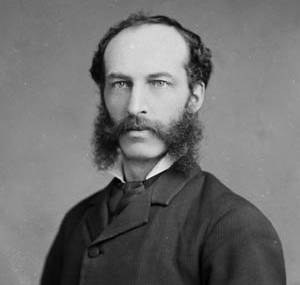
Honoré Mercier, around 1880 (J.-E. Livernois).
CA-K668Institutions

Honoré Mercier, premier of Quebec

Honoré Mercier, a lawyer and orator from Saint-Hyacinthe, led the Parti national formed in 1885 by Liberals and Conservatives outraged by the Riel affair. As premier of Quebec from 1887 to 1891 he encouraged agricultural settlement, convened the first conference of premiers and fiercely defended provincial autonomy.

Factual accuracy review: No recorded challenge

Contributor: Citizen.ca

Verified against cited sourcesVerified on 2026-10-26↗
Photo: Jules-Ernest Livernois · Photo licence: Public domain · Credit & context
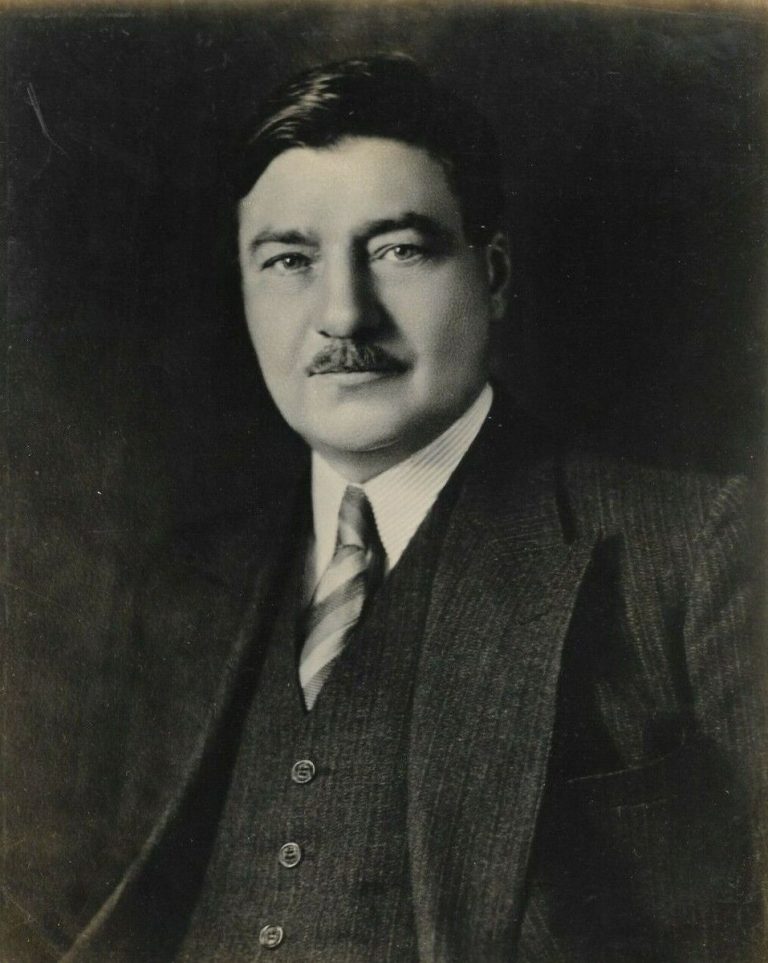
Joseph Trutch, June 1870 (Topley Studio).
CA-K663Indigenous peoples & reconciliation

Joseph Trutch and First Nations lands in British Columbia

Joseph Trutch, a British-born engineer who believed Indigenous Peoples inferior, was British Columbia’s chief commissioner of lands and works from 1864 to 1871. Representing settler interests, he cut existing reserves, allotted minimal land to new ones, denied Aboriginal title and refused treaties, denying First Nations access to their territories; he became the province’s first lieutenant-governor in 1871.

Factual accuracy review: No recorded challenge

Contributor: Citizen.ca

Verified against cited sourcesVerified on 2026-10-26↗
Photo: William James Topley (June 1870); Library and Archives Canada · Photo licence: Public domain · Credit & context