
An independent Canadian knowledge project

Focused and Verified

Canadian knowledge base

Search by keyword

Choose one keyword, or combine two. Broader keywords include their descendants.

Keywords: 1900–1999

Clear search
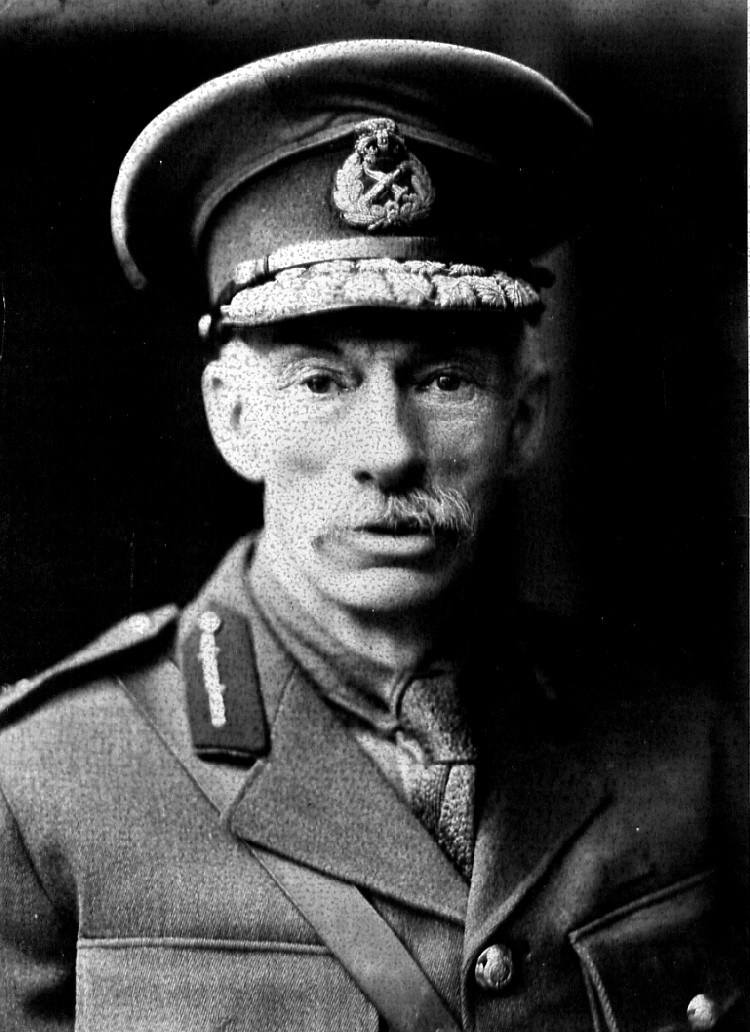
Brigadier-General Ernest Alexander Cruikshank.
CA-K965Institutions

E.A. Cruikshank, soldier and historian

Ernest Alexander Cruikshank, born in Bertie Township, Ontario, was a journalist and translator before joining the militia in 1877, rising to brigadier-general in 1915 and directing the general staff’s historical section. He chaired the Historic Sites and Monuments Board of Canada from its creation in 1919 until his death, and wrote many papers and books on Ontario and Canadian history.

Factual accuracy review: No recorded challenge

Contributor: Citizen.ca

Verified against cited sourcesVerified on 2026-10-27↗
Photo: Unknown author · Photo licence: Public domain · Credit & context
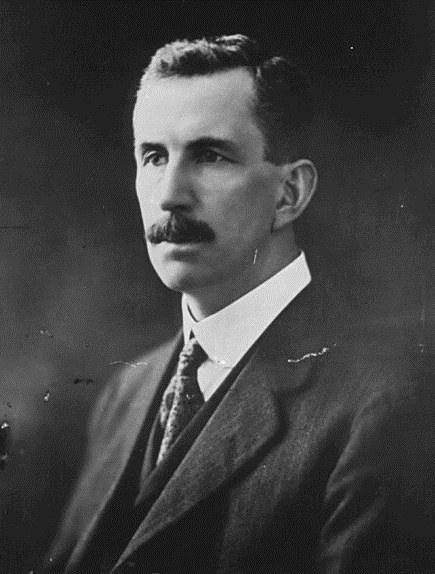
Thomas Alexander Crerar, official portrait, about 1919.
CA-K964Economy & trade

T.A. Crerar, grain trade leader and Progressive

Thomas Alexander Crerar began as an agrarian reformer at Russell, Manitoba. As head of the Grain Growers’ Grain Company he helped shape Canadian grain marketing, and championing western farmers he led the Progressive movement to great influence in the 1921 election, ending the federal two-party system. He later served in Mackenzie King’s cabinets and was an active Senate leader until 1966.

Factual accuracy review: No recorded challenge

Contributor: Citizen.ca

Verified against cited sourcesVerified on 2026-10-27↗
Photo: Unknown photographer; Library and Archives Canada · Photo licence: Public domain · Credit & context
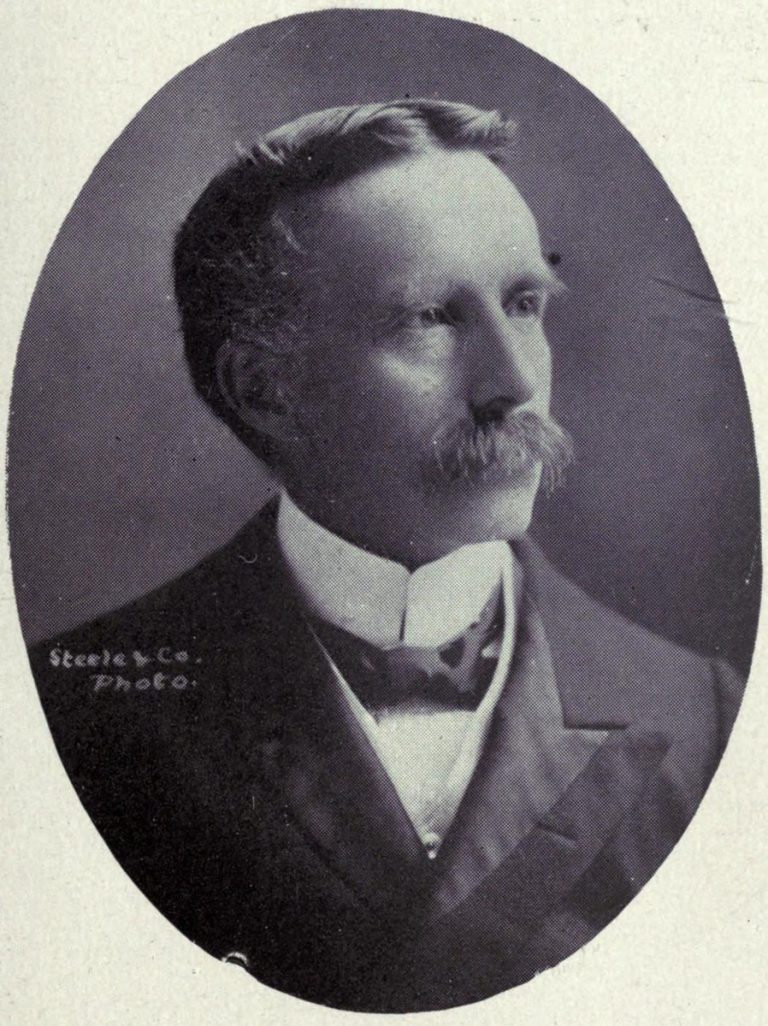
John Skirving Ewart, about 1902.
CA-K962History

J.S. Ewart, lawyer and advocate of Canadian autonomy

John Skirving Ewart, a noted constitutional lawyer born in Toronto, practised in Winnipeg from 1882 to 1904, founding the Manitoba Law Journal and serving on Louis Riel’s appeal defence team. He was counsel for Manitoba’s Roman Catholic minority in the schools dispute of the 1890s, then argued cases before the Supreme Court and Privy Council from Ottawa. He was an early, ardent advocate of Canadian autonomy at home and abroad.

Factual accuracy review: No recorded challenge

Contributor: Citizen.ca

Verified against cited sourcesVerified on 2026-10-27↗
Photo: Unknown photographer · Photo licence: Public domain · Credit & context
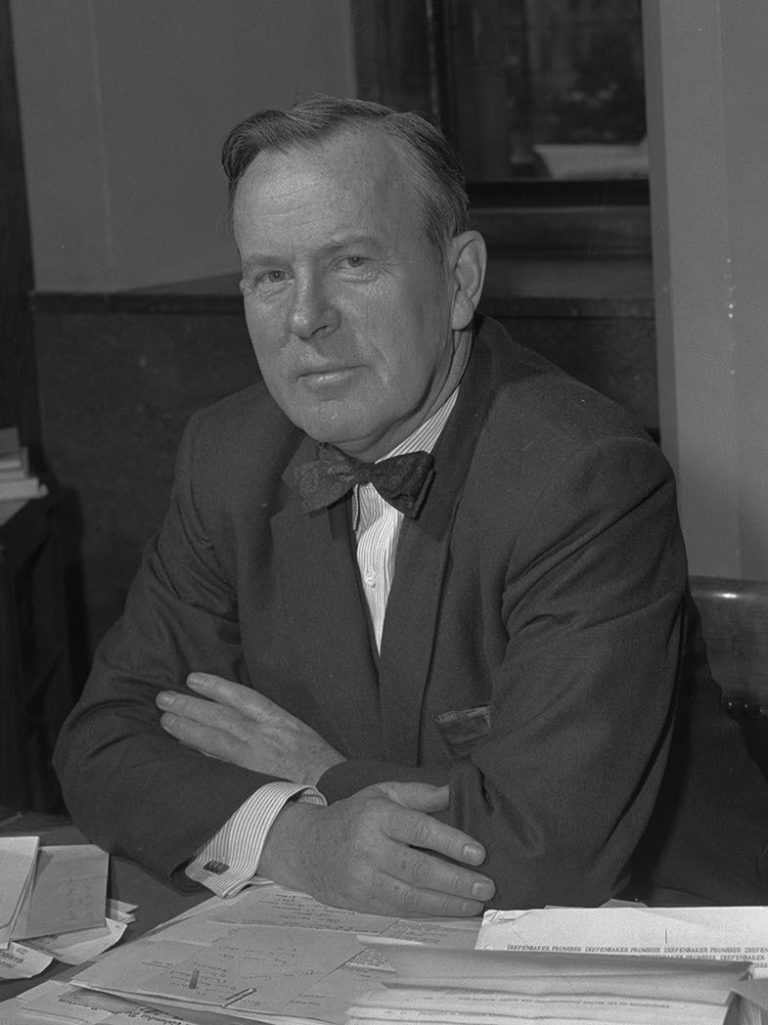
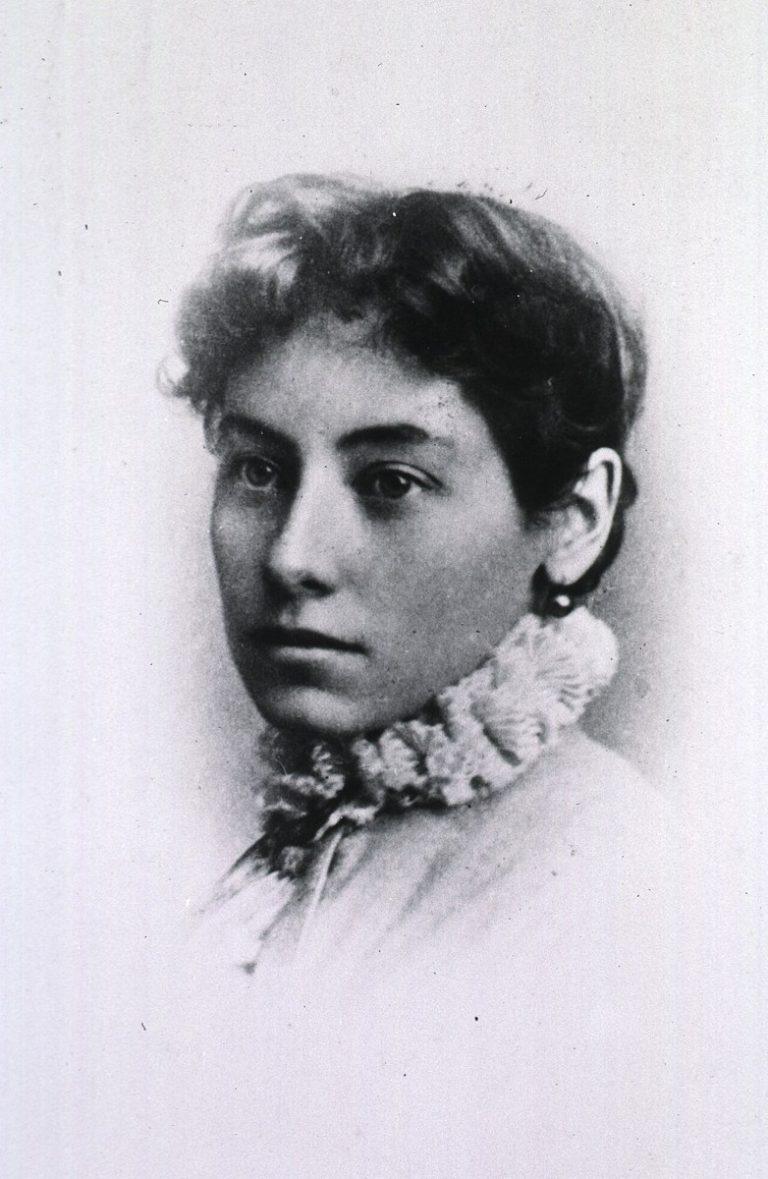
Margaret Charlton, portrait (U.S. National Library of Medicine).
CA-K952Institutions

Margaret Charlton, pioneer medical librarian

Margaret Charlton, librarian at McGill University’s Medical Library (1895–1914) and Toronto’s Academy of Medicine Library (1914–22), advanced modern library methods in the profession’s formative years. In 1898 she co-founded the Medical Library Association, which became an international leader in specialized librarianship. She also wrote on the medical history of New France, and her success in a male-dominated field opened the way for other professional women.

Factual accuracy review: No recorded challenge

Contributor: Citizen.ca

Verified against cited sourcesVerified on 2026-10-27↗
Photo: Unknown photographer · Photo licence: Public domain · Credit & context
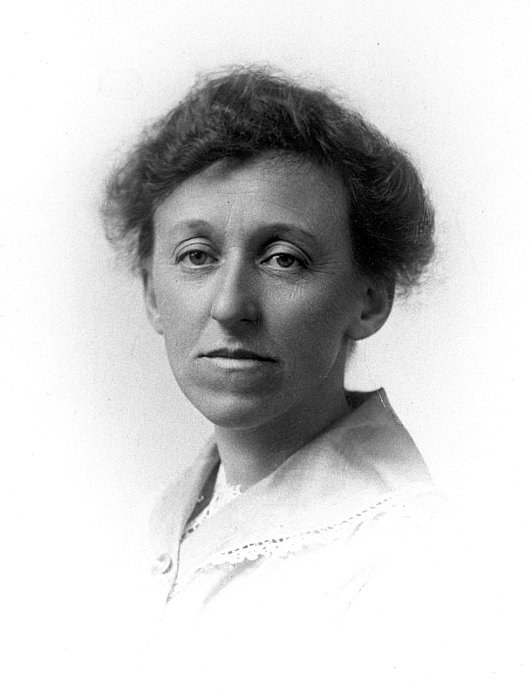
Lester B. Pearson in a photograph published in a 1957 National Film Board photostory about his Nobel Peace Prize.
CA-K951History

Lester B. Pearson, diplomat and prime minister

Lester B. “Mike” Pearson, Canada’s fourteenth prime minister, was an influential diplomat who became Secretary of State for External Affairs in 1948, helped form NATO and won the 1957 Nobel Peace Prize for his leadership at the United Nations during the Suez crisis. Liberal leader from 1958 and prime minister from 1963 to 1968, he promoted bilingualism, championed the new flag, and brought in universal medicare and the Canada Pension Plan.

Factual accuracy review: No recorded challenge

Contributor: Citizen.ca

Verified against cited sourcesVerified on 2026-10-27↗
Photo: Capital Press · Photo licence: Public domain · Credit & context
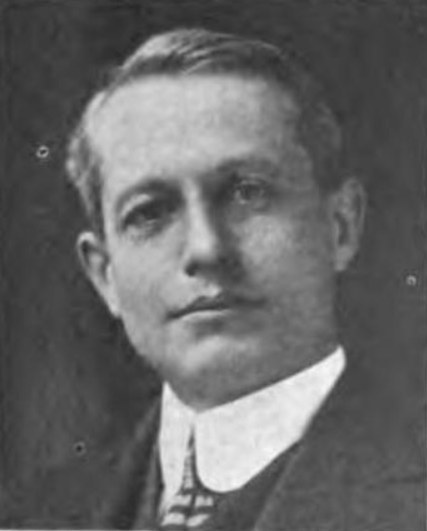
Violet McNaughton, about 1910 (University of Saskatchewan Archives).
CA-K950Economy & trade

Violet McNaughton, farm women’s leader

Violet McNaughton, a leader in the women’s, peace and co-operative movements, drew on her life as a farm wife to organize the Women Grain Growers and help develop the Wheat Pool. She led the fight in Saskatchewan for women’s right to vote and for publicly funded medical care, and from 1926 to 1960 promoted agrarian feminism, pacifism and co-operation as a journalist with The Western Producer.

Factual accuracy review: No recorded challenge

Contributor: Citizen.ca

Verified against cited sourcesVerified on 2026-10-27↗
Photo: Unknown author · Photo licence: Public domain · Credit & context
James Bernard Harkin, 1914.
CA-K947Places & geography

J.B. Harkin, first parks commissioner

James Bernard Harkin, born in Vankleek Hill, Ontario, became commissioner of the new Dominion Parks Branch in 1911 and over 25 years built a nationwide system of parks open to as many Canadians as possible. An ardent conservationist, he made important advances in wildlife protection, and on his advice the Historic Sites and Monuments Board of Canada was created in 1919, with him as an original member.

Factual accuracy review: No recorded challenge

Contributor: Citizen.ca

Verified against cited sourcesVerified on 2026-10-27↗
Photo: Unknown author · Photo licence: Public domain · Credit & context
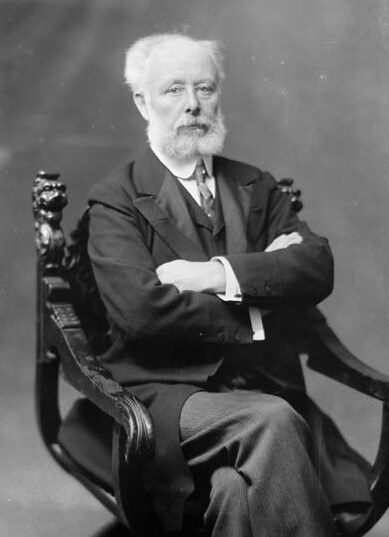
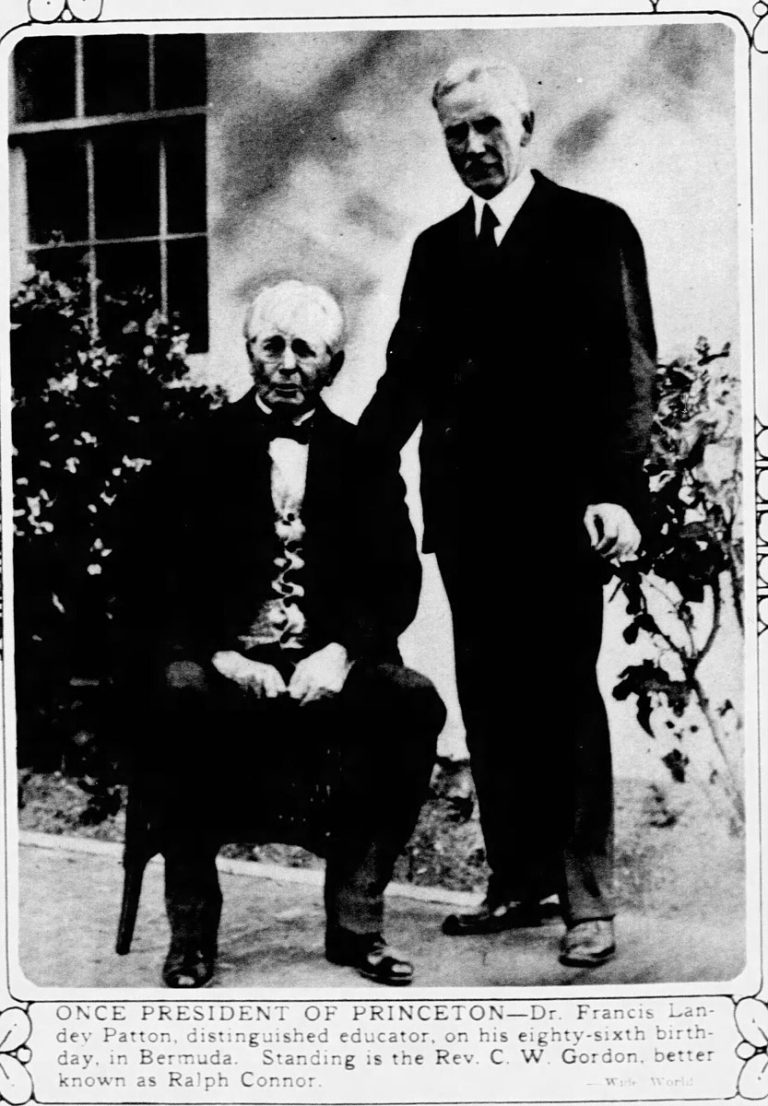
Rev. C.W. Gordon (Ralph Connor), right, with Dr. Francis Landey Patton, 1929.
CA-K946Culture & sport

Ralph Connor, novelist and churchman

Charles William Gordon, born in Glengarry, Ontario, was a Presbyterian minister and pastor of St. Stephen’s Church in Winnipeg from 1894 to 1924. As “Ralph Connor” he entertained and instructed millions with novels, many about the settlement of western Canada. An ardent Canadian nationalist, he worked for causes such as temperance and help for immigrants, and his optimism reflected the views of many Canadians of his time.

Factual accuracy review: No recorded challenge

Contributor: Citizen.ca

Verified against cited sourcesVerified on 2026-10-27↗
Photo: Wide World Photos · Photo licence: Public domain · Credit & context
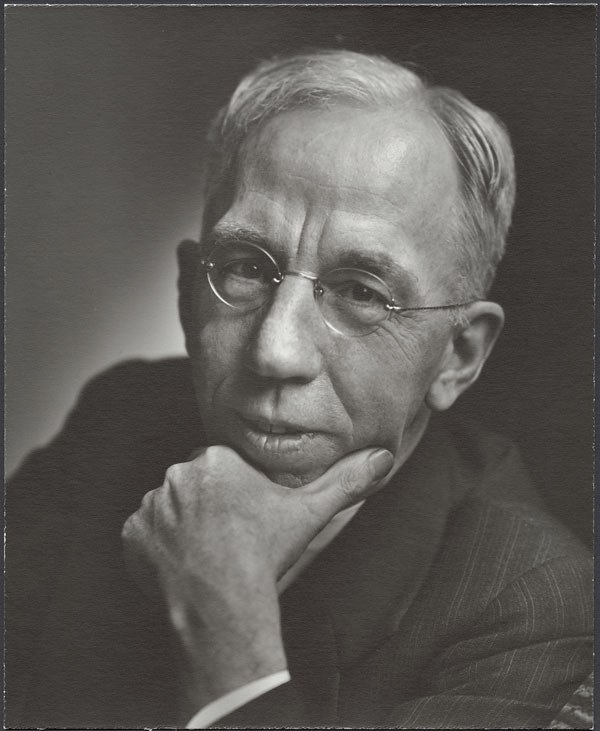
Sir Louis Henry Davies, 1903 (William James Topley).
CA-K944History

Sir Louis Davies, Island premier and Chief Justice

Louis Henry Davies, born in Charlottetown, was premier of Prince Edward Island from 1876 to 1879, defending tenant farmers while working to settle the land question. He served as counsel to the International Fisheries Commission at Halifax in 1877, sat in the House of Commons and became Minister of Marine and Fisheries in 1896. Named to the Supreme Court in 1901, he became Chief Justice of Canada in 1918.

Factual accuracy review: No recorded challenge

Contributor: Citizen.ca

Verified against cited sourcesVerified on 2026-10-27↗
Photo: William James Topley · Photo licence: Public domain · Credit & context
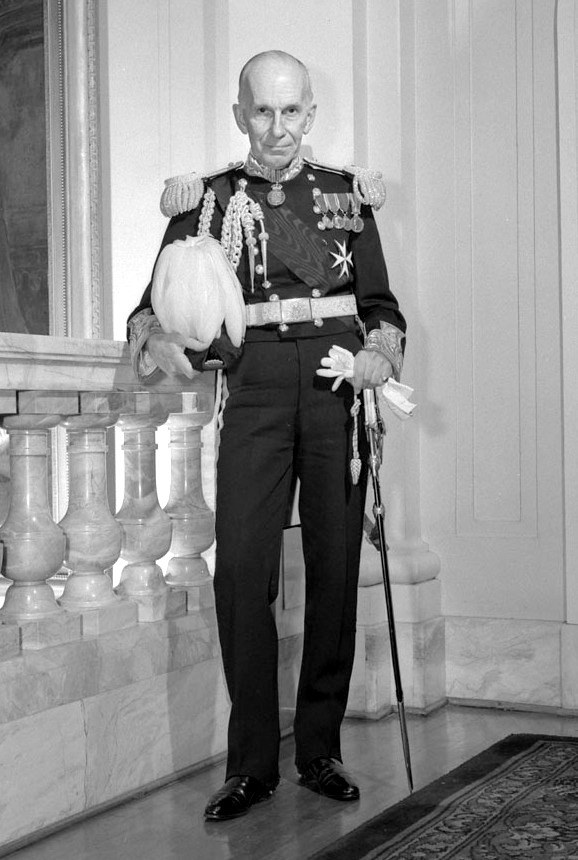
B.K. Sandwell (Yousuf Karsh).
CA-K936Culture & sport

B.K. Sandwell, editor of Saturday Night

B.K. Sandwell was a journalist, essayist, lecturer and academic who edited Saturday Night from 1932 to 1951. He used the magazine to express English Canadian liberal ideas and defend civil liberties, and wrote extensively on literary and social questions.

Factual accuracy review: No recorded challenge

Contributor: Citizen.ca

Verified against cited sourcesVerified on 2026-10-27↗
Photo: Yousuf Karsh; Library and Archives Canada · Photo licence: CC BY 2.0 · Credit & context
Governor General Vincent Massey, 1956 (Gar Lunney).
CA-K934History

Vincent Massey, first Canadian-born Governor General

Vincent Massey, diplomat, philanthropist and patron of the arts, was Canada’s first diplomatic minister to Washington (1926–30) and High Commissioner in London (1935–46). He chaired the Royal Commission on National Development in the Arts, Letters and Sciences, whose 1951 report was a landmark in Canada’s cultural history. In 1952 he became the first Canadian-born Governor General, serving until 1959.

Factual accuracy review: No recorded challenge

Contributor: Citizen.ca

Verified against cited sourcesVerified on 2026-10-27↗
Photo: Gar Lunney · Photo licence: Public domain · Credit & context
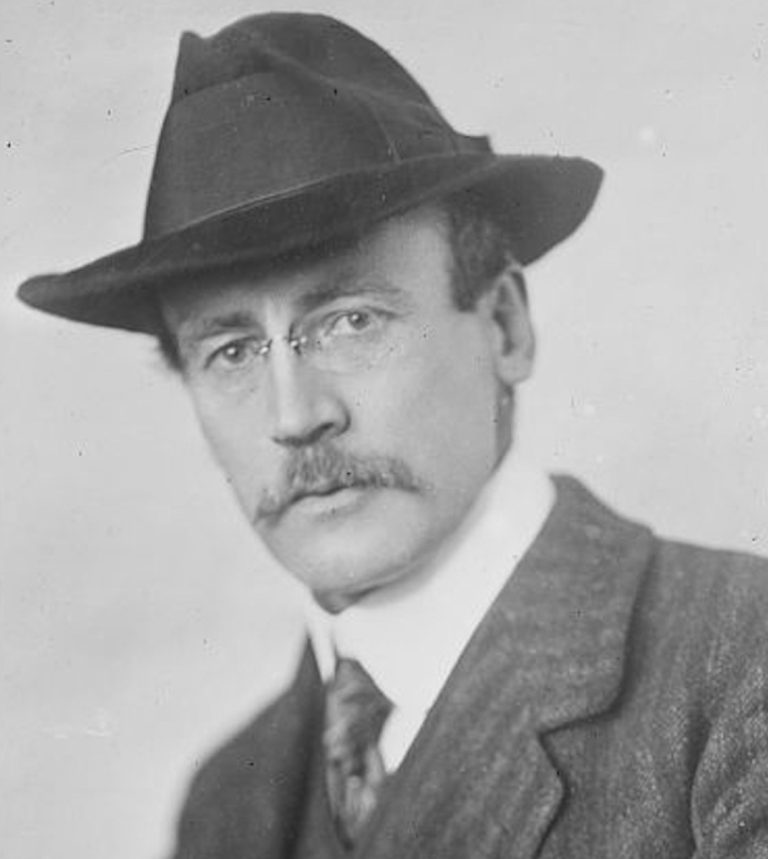
R. Tait McKenzie (Bain News Service).
CA-K926Culture & sport

R. Tait McKenzie, surgeon, educator and sculptor

Robert Tait McKenzie, born in Lanark County, Ontario, graduated in medicine at McGill and became its medical director of physical training in 1894. A pioneer of physical education, he served as a surgeon in the First World War and developed widely adopted rehabilitation methods. He won international acclaim for sculptures of athletes; his medallion The Joy of Effort was set in Stockholm’s Olympic Stadium in 1912.

Factual accuracy review: No recorded challenge

Contributor: Citizen.ca

Verified against cited sourcesVerified on 2026-10-27↗
Photo: Bain News Service · Photo licence: Public domain · Credit & context
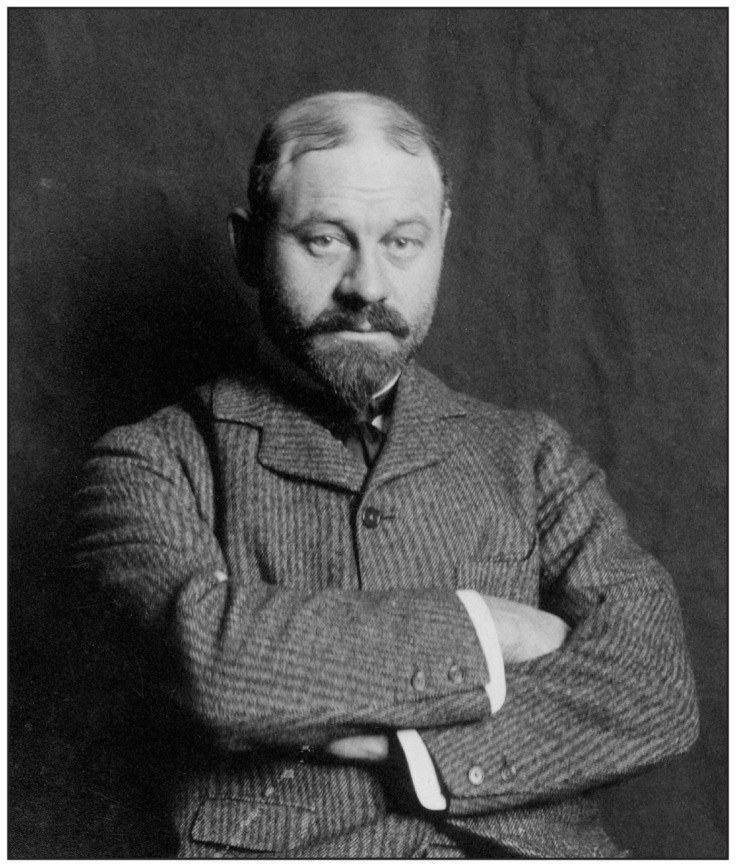
Dr. Andrew Macphail, about 1907.
CA-K925Culture & sport

Sir Andrew Macphail, doctor and essayist

Andrew Macphail, born at Orwell, Prince Edward Island, became a distinguished doctor and writer and McGill’s first professor of the history of medicine (1907–37). Knighted for his service with the Canadian Army Medical Corps in the First World War, he founded and edited the University Magazine and wrote books, plays and poems sharply criticizing the modern age, contrasting the rural life of his childhood with urban industrialism.

Factual accuracy review: No recorded challenge

Contributor: Citizen.ca

Verified against cited sourcesVerified on 2026-10-27↗
Photo: Unknown author · Photo licence: Public domain · Credit & context
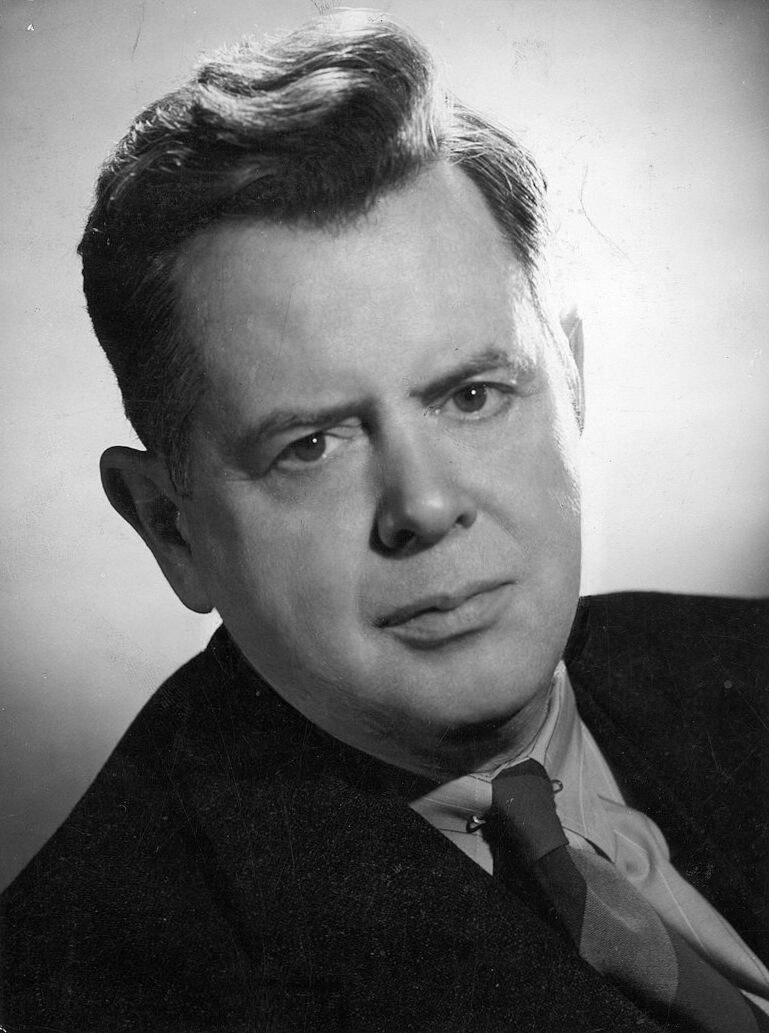
Sir Ernest MacMillan, 1940 (Noel Rubie).
CA-K924Culture & sport

Sir Ernest MacMillan, conductor and champion of Canadian music

Ernest MacMillan, composer and organist, was knighted in 1935 for services to music in Canada. For many years he conducted the Toronto Symphony Orchestra and the Toronto Mendelssohn Choir, led the Toronto Conservatory of Music and was dean of music at the University of Toronto. He promoted music at every level, supporting national music organizations, publishing, and conducting and judging festivals across the country.

Factual accuracy review: No recorded challenge

Contributor: Citizen.ca

Verified against cited sourcesVerified on 2026-10-27↗
Photo: Noel Rubie · Photo licence: Public domain · Credit & context
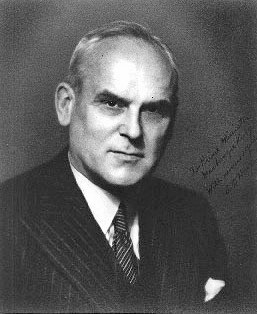
C.D. Howe, about 1940.
CA-K922Economy & trade

C.D. Howe, “Minister of Everything”

Clarence Decatur Howe, born in Massachusetts, came to Canada in 1908 and set up an engineering firm in Port Arthur in 1916. Elected in 1935, he dominated Liberal cabinets for more than two decades, tied his party closely to business and drove Canada’s rapid industrialization in war and peace. He led the creation of many Crown corporations, including Trans-Canada Airlines and Atomic Energy of Canada.

Factual accuracy review: No recorded challenge

Contributor: Citizen.ca

Verified against cited sourcesVerified on 2026-10-27↗
Photo: Fayer · Photo licence: Public domain · Credit & context
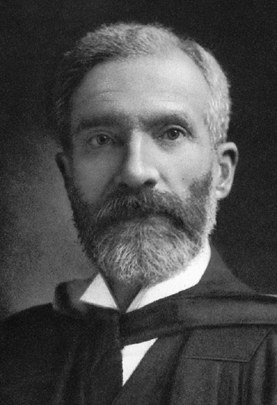
Archibald Byron Macallum, about 1900.
CA-K918Culture & sport

A.B. Macallum, pioneer of scientific medicine

Archibald Byron Macallum, born at Belmont, Upper Canada, and educated at Toronto and Johns Hopkins, set up Canada’s first physiological laboratory at the University of Toronto. Professor of biochemistry at Toronto and later McGill, and chairman of the National Research Council from 1916 to 1920, he was a pioneer of scientific medicine and an authority on cellular microchemistry.

Factual accuracy review: No recorded challenge

Contributor: Citizen.ca

Verified against cited sourcesVerified on 2026-10-27↗
Photo: Jreeland, Toronto · Photo licence: Public domain · Credit & context
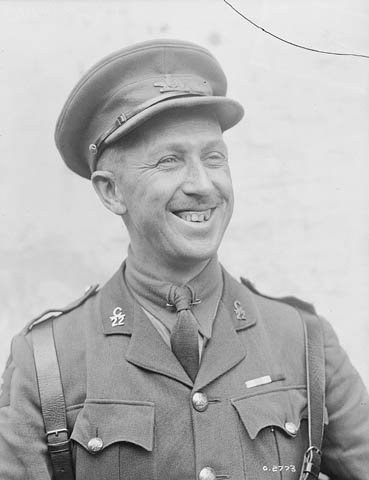
Major Georges P. Vanier, 22nd Battalion, 1918.
CA-K913History

Georges Vanier, soldier, diplomat and Governor General

Georges Vanier helped found the Royal 22e Régiment, served with it in the First World War and commanded it from 1925 to 1928. He represented Canada at the League of Nations, in London and in Paris, becoming Canada’s first ambassador to France in 1944. As Governor General from 1959 to 1967, the first French Canadian in that role since Confederation, he devoted himself to national unity.

Factual accuracy review: No recorded challenge

Contributor: Citizen.ca

Verified against cited sourcesVerified on 2026-10-27↗
Photo: Canada. Dept. of National Defence. Unknown photographer. · Photo licence: Public domain · Credit & context
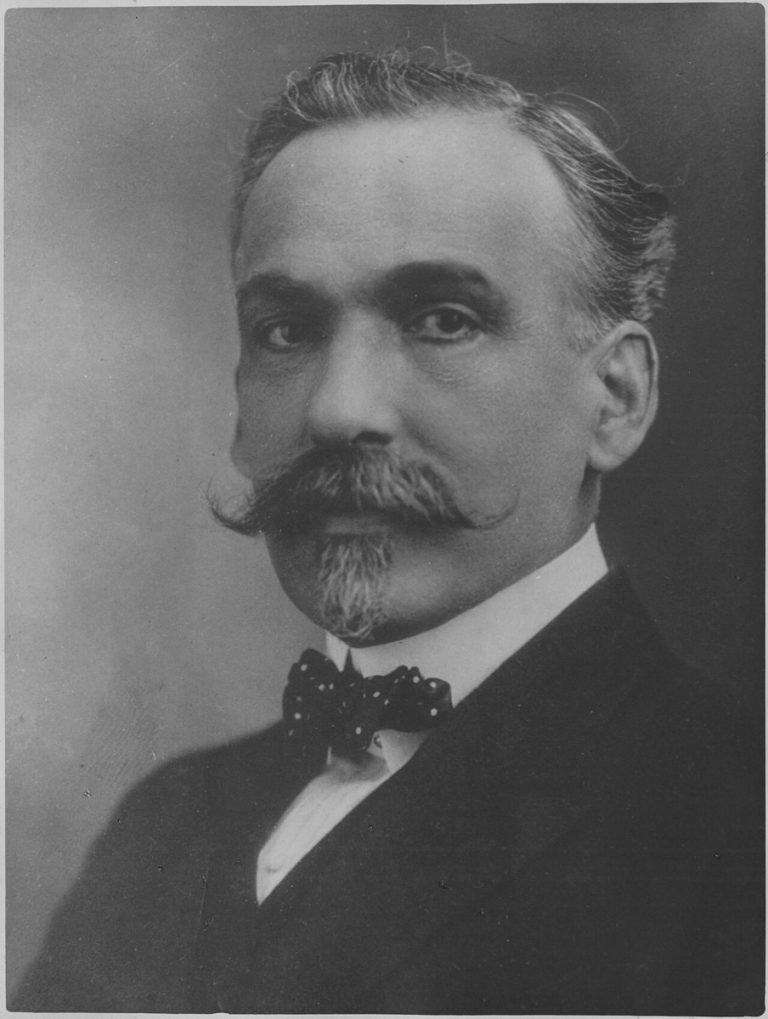
Charles Marega, 1929 (Archives of Ontario).
CA-K880Culture & sport

Charles Marega, sculptor of Vancouver

Charles Marega, an Italian-Canadian sculptor, created many notable monuments in British Columbia after arriving in 1909, first in the Beaux-Arts style and later in Art Deco. He helped found both the Vancouver Art Gallery and the Vancouver School of Decorative and Applied Arts. The lions of the Lions Gate Bridge, his last public work in the city, are among Vancouver’s best-known icons.

Factual accuracy review: No recorded challenge

Contributor: Citizen.ca

Verified against cited sourcesVerified on 2026-10-26↗
Photo: Unknown photographer; Archives of Ontario · Photo licence: Public domain · Credit & context
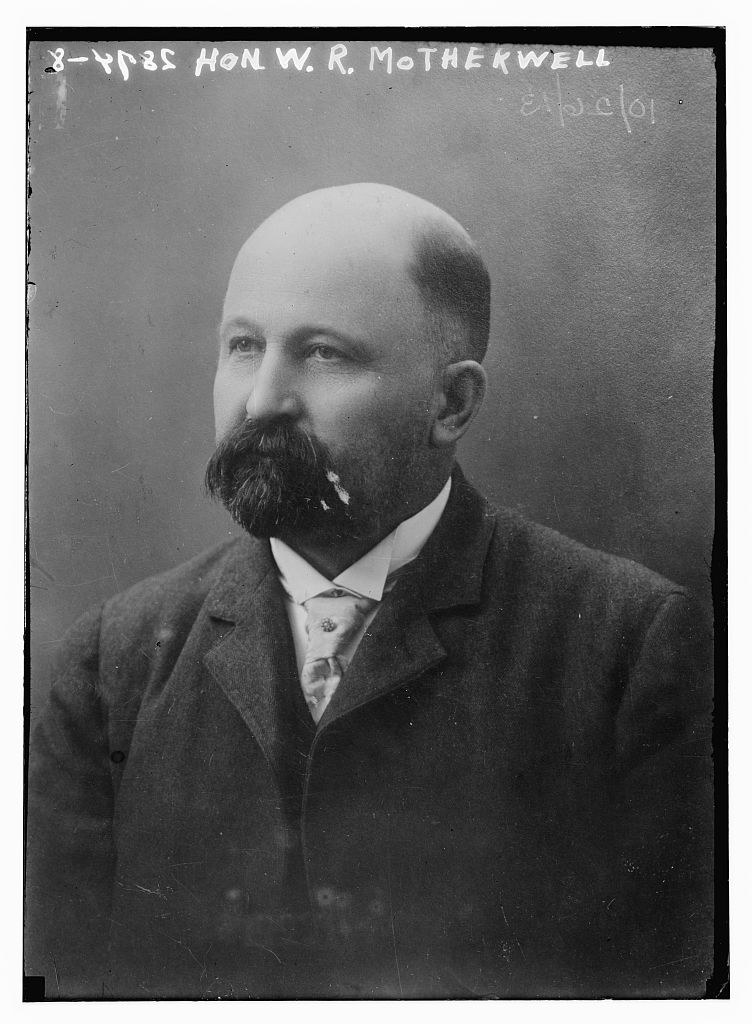
W.R. Motherwell, 1913 (Bain News Service).
CA-K878Economy & trade

W.R. Motherwell, champion of the western farmer

William Richard Motherwell, born in Perth, Ontario, settled at Abernethy and advocated for western farmers. In 1901 he helped initiate the Territorial Grain Growers’ Association, which sought better grain inspection and shipping. As Saskatchewan’s agriculture minister from 1905 to 1918, he supported agricultural education and co-operative grain handling; he later served as Canada’s agriculture minister.

Factual accuracy review: No recorded challenge

Contributor: Citizen.ca

Verified against cited sourcesVerified on 2026-10-26↗
Photo: Bain News Service, publisher · Photo licence: Public domain · Credit & context
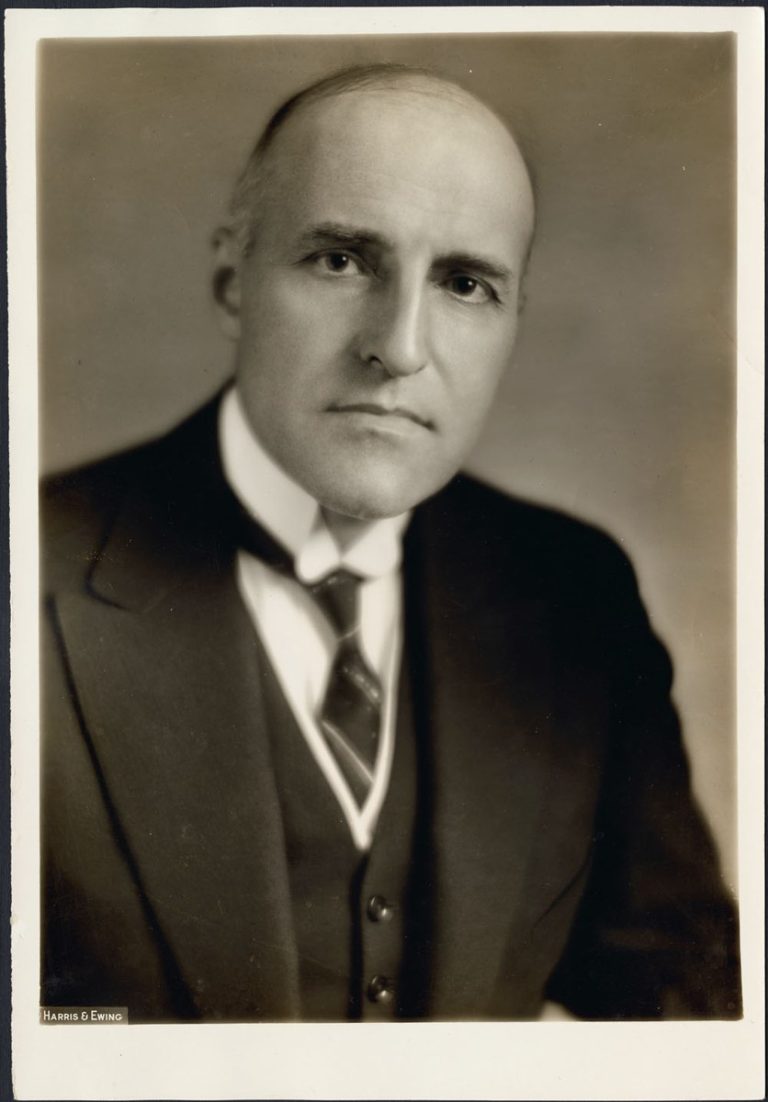
James L. Ralston, 1921 (Harris & Ewing).
CA-K873History

J.L. Ralston, Minister of National Defence

James Layton Ralston, born in Amherst, Nova Scotia, was a lawyer, provincial legislator and decorated First World War veteran. He became Minister of National Defence in Mackenzie King’s government in 1926 and again in 1940. His support for conscription for overseas service was opposed by King, and he was forced to resign from cabinet in 1944.

Factual accuracy review: No recorded challenge

Contributor: Citizen.ca

Verified against cited sourcesVerified on 2026-10-26↗
Photo: Harris & Ewing · Photo licence: Public domain · Credit & context
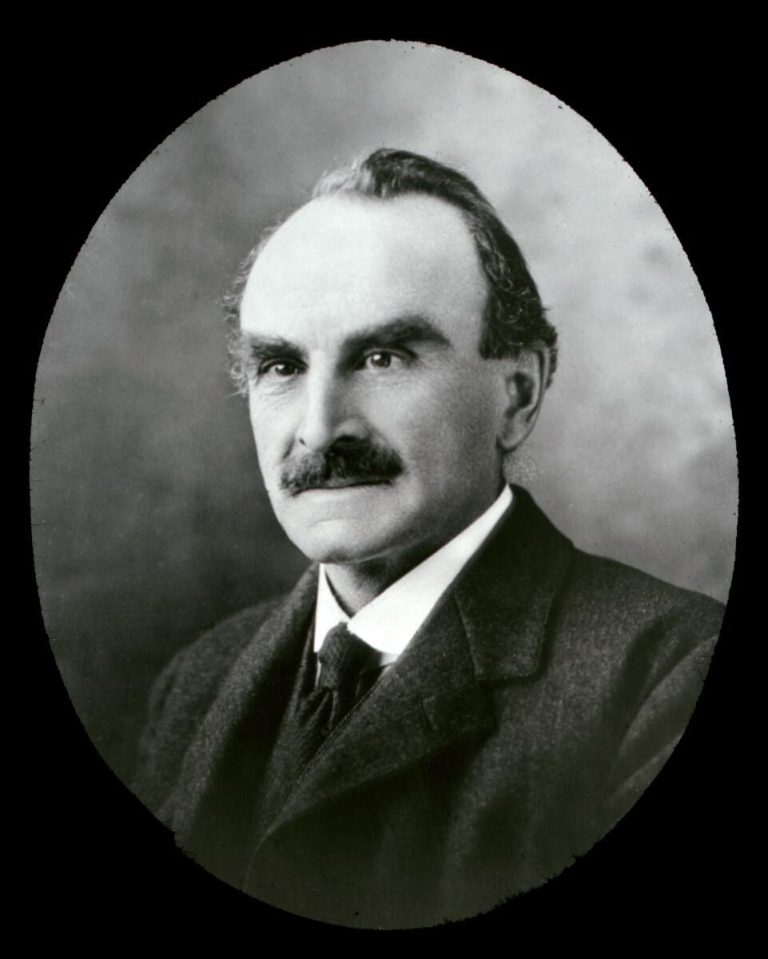
Alfred Ernest Cross, 1920 (Curlette).
CA-K872Economy & trade

A.E. Cross, rancher, brewer and Stampede founder

Alfred Ernest Cross, born in Montréal and trained in agriculture and veterinary medicine, came west in 1884 and took up ranching. In 1892 he founded the Calgary Brewing and Malting Company, and he was an early investor in Turner Valley oil and gas. He sat in the North-West Territories Assembly from 1898 to 1902 and was one of the founders of the Calgary Stampede.

Factual accuracy review: No recorded challenge

Contributor: Citizen.ca

Verified against cited sourcesVerified on 2026-10-26↗
Photo: Curlette · Photo licence: Public domain · Credit & context
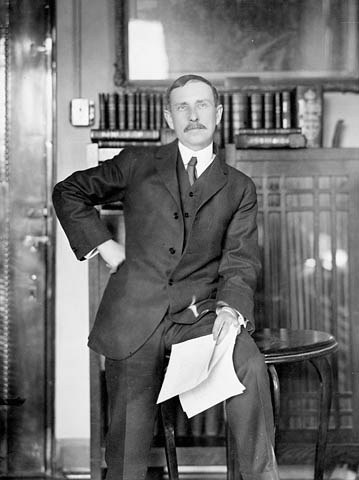
Arthur G. Doughty in his office.
CA-K863Institutions

Sir Arthur Doughty, Dominion Archivist

Arthur Doughty became the second Dominion Archivist in 1904 and saw the Archives as vital to Canadians’ sense of their history. He collected every form of documentation, served both historians and the public, and through energetic acquisitions at home and abroad and the publication of documents greatly expanded the Archives and Canadian historical writing. He was knighted in 1935.

Factual accuracy review: No recorded challenge

Contributor: Citizen.ca

Verified against cited sourcesVerified on 2026-10-26↗
Photo: Unknown author · Photo licence: Public domain · Credit & context
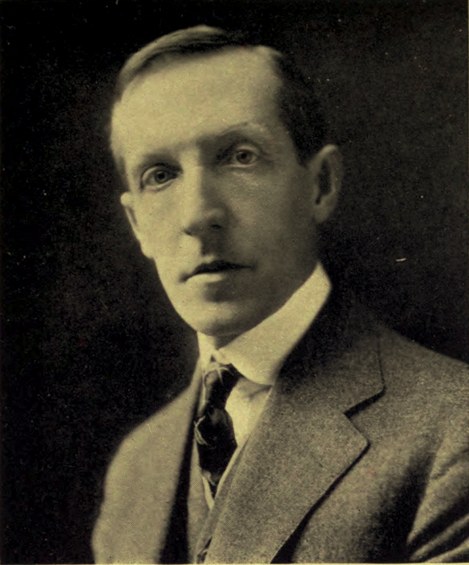
Duncan Campbell Scott, 1916.
CA-K860Indigenous peoples & reconciliation

Duncan Campbell Scott and the residential school system

As Deputy Superintendent General of Indian Affairs from 1913 to 1932, Duncan Campbell Scott aggressively pursued policies meant to assimilate First Nations, banning cultural practices and restricting political activity, which did widespread, lasting harm. He was the chief federal official responsible for expanding and running the residential school system, whose neglect and abuse caused hunger, illness and death. In his day he was also celebrated as a Confederation poet.

Factual accuracy review: No recorded challenge

Contributor: Citizen.ca

Verified against cited sourcesVerified on 2026-10-26↗
Photo: Photographer not named. · Photo licence: Public domain · Credit & context
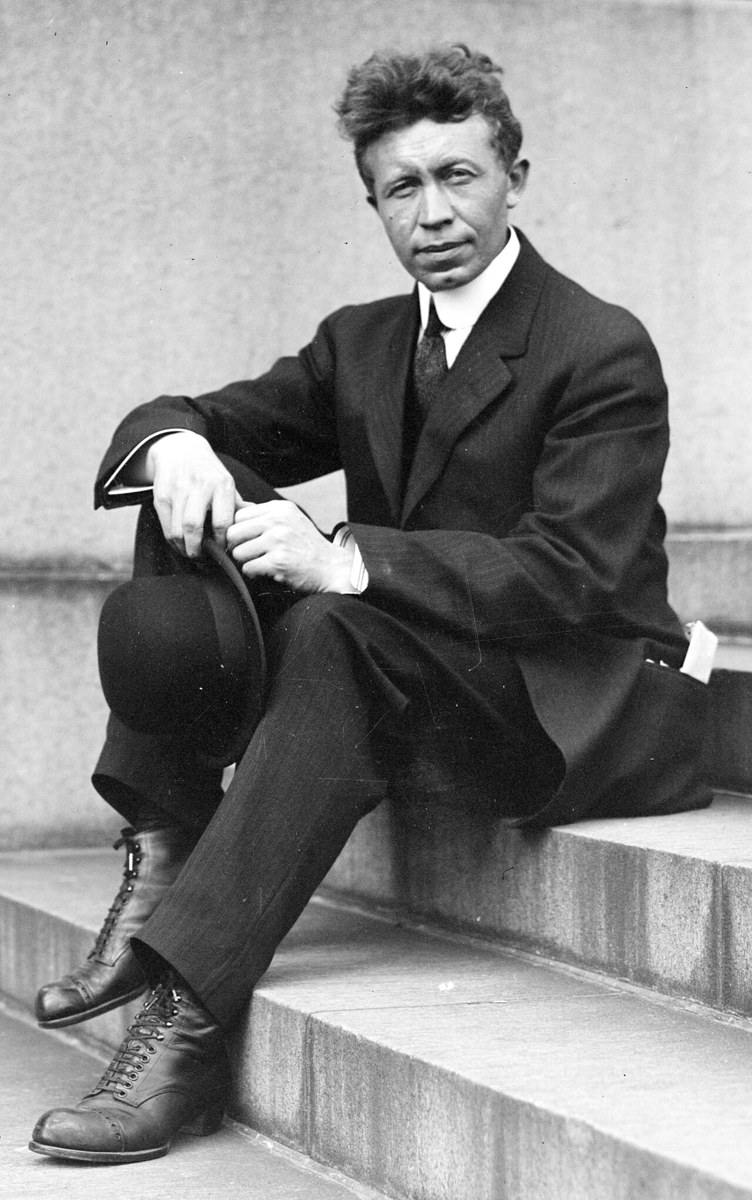
Vilhjálmur Stefánsson (Bain News Service).
CA-K855Places & geography

Vilhjálmur Stefánsson, Arctic explorer

Vilhjálmur Stefánsson, born at Arnes, Manitoba, in 1879 to an Icelandic family, made three expeditions to the Canadian Arctic between 1906 and 1918 and wrote widely about the land and its Indigenous Peoples. Inuit support was essential to his success; his Iñupiaq partner Panigavluk worked as informant, hunter and seamstress, yet he abandoned his family. A controversial figure, he promoted the idea of a “friendly Arctic”.

Factual accuracy review: No recorded challenge

Contributor: Citizen.ca

Verified against cited sourcesVerified on 2026-10-26↗
Photo: Unknown (Bain News Service, publisher) · Photo licence: Public domain · Credit & context