
An independent Canadian knowledge project

Focused and Verified

Canadian knowledge base

Search by keyword

Choose one keyword, or combine two. Broader keywords include their descendants.

Keywords: People and roles

Clear search
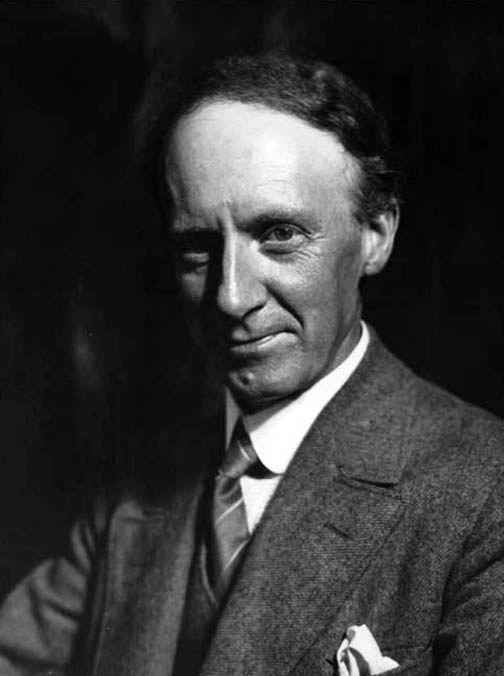
J. E. H. MacDonald (Archives of Ontario).
CA-K579Culture & sport

J. E. H. MacDonald, painter of the Group of Seven

J. E. H. MacDonald, painter, designer and poet, was a founding member of the Group of Seven and a key figure in creating a national style of landscape painting. A talented graphic designer of Canadian motifs, he painted southern Ontario farmland, Algoma’s autumn colours, Nova Scotia shores and the Rockies, and inspired students at the Ontario College of Art.

Factual accuracy review: No recorded challenge

Contributor: Citizen.ca

Verified against cited sourcesVerified on 2026-10-26↗
Photo: Unknown photographer; Archives of Ontario · Photo licence: Public domain · Credit & context
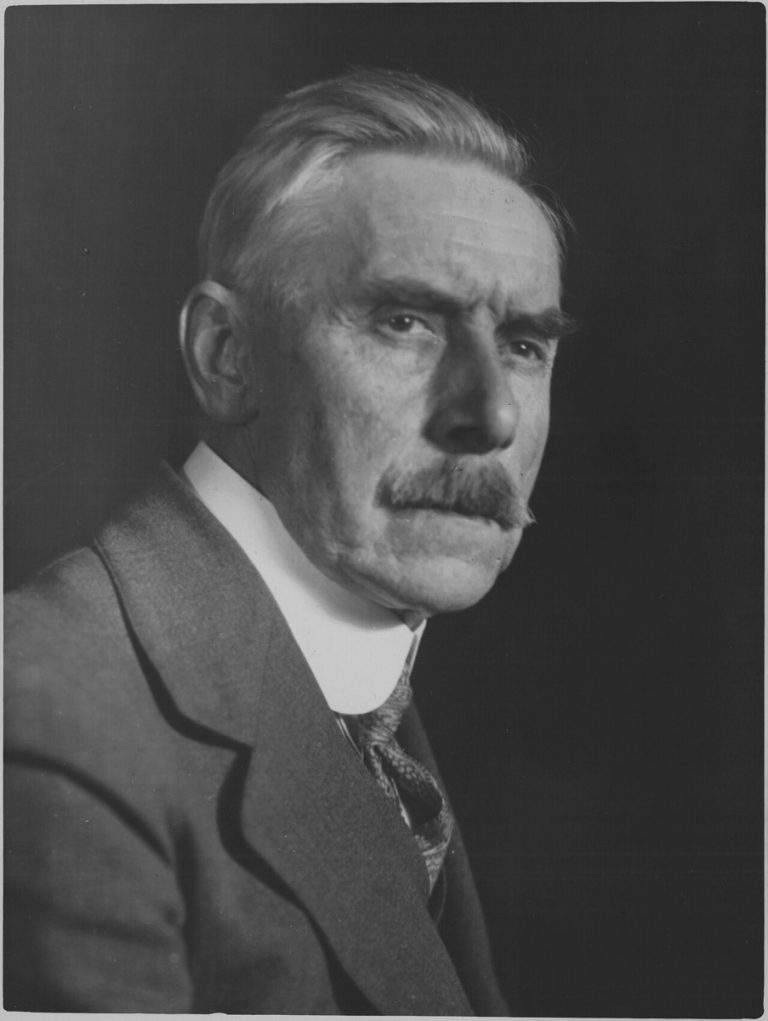
Charles William Jefferys, 1930 (M. O. Hammond, Archives of Ontario).
CA-K578Culture & sport

C. W. Jefferys, illustrator of Canadian history

Charles William Jefferys, who came to Canada from England in 1879, was a writer, artist and illustrator of historical novels and textbooks and taught drawing and painting at the University of Toronto from 1912 to 1939. He is best known for his carefully researched historical drawings, such as those in his three-volume Picture Gallery of Canadian History.

Factual accuracy review: No recorded challenge

Contributor: Citizen.ca

Verified against cited sourcesVerified on 2026-10-26↗
Photo: Melvin Ormond Hammond · Photo licence: Public domain · Credit & context
David Mills, January 1899 (Topley Studio).
CA-K577Institutions

David Mills, minister and constitutional scholar

David Mills of Oxford, Upper Canada, was a school superintendent before representing Bothwell in the House of Commons from 1867 to 1896. He was Minister of the Interior in 1876–1878 and Minister of Justice in 1897–1902, taught constitutional law at the University of Toronto, and was appointed to the Supreme Court of Canada in 1902.

Factual accuracy review: No recorded challenge

Contributor: Citizen.ca

Verified against cited sourcesVerified on 2026-10-26↗
Photo: William James Topley · Photo licence: Public domain · Credit & context
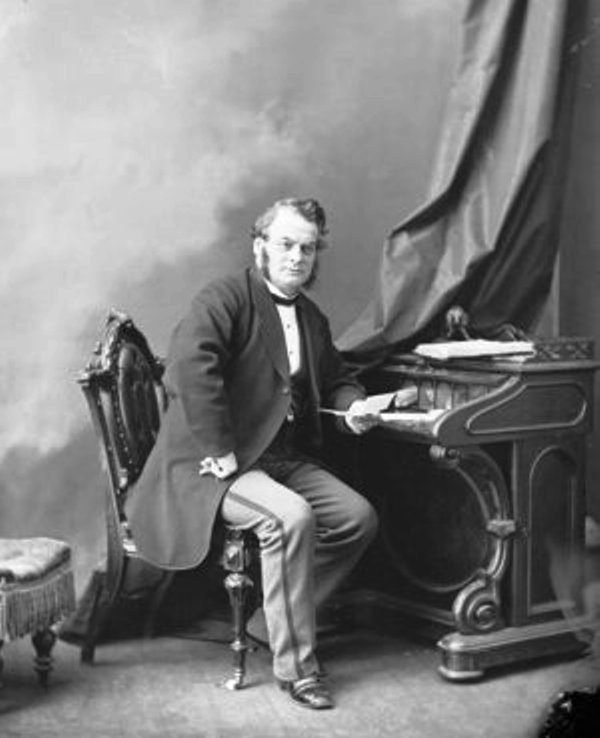
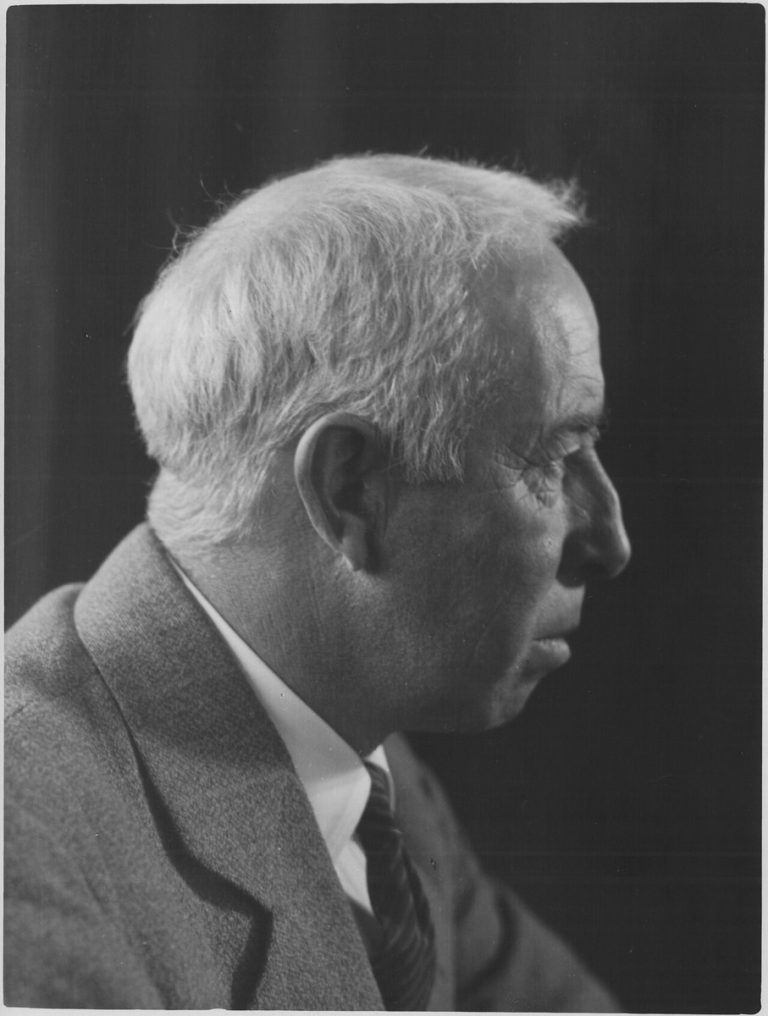
A. Y. Jackson, 1930 (Archives of Ontario).
CA-K574Culture & sport

A. Y. Jackson, painter of the Group of Seven

A. Y. Jackson, born in Montréal, studied painting there and in Paris, served overseas in the First World War and was a member of the Group of Seven from 1920 to 1933. His simple, rounded forms in wilderness landscapes gave a powerful image of Canada, and he greatly influenced a generation of Canadian artists.

Factual accuracy review: No recorded challenge

Contributor: Citizen.ca

Verified against cited sourcesVerified on 2026-10-26↗
Photo: Unknown photographer (1930); Archives of Ontario, I0007815 · Photo licence: Public domain · Credit & context
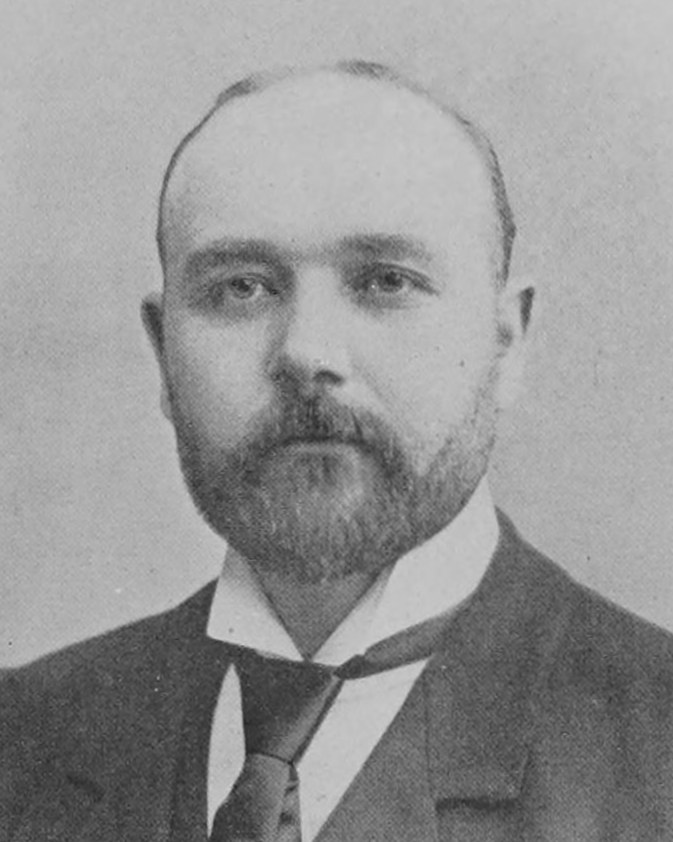
Samuel Leonard Tilley, February 1869 (Topley Studio).
CA-K568History

Sir Leonard Tilley, New Brunswick Father of Confederation

Samuel Leonard Tilley of Gagetown led New Brunswick’s government and was a delegate to the Charlottetown, Québec and London conferences, an architect of the British North America Act and leader of the province’s pro-Confederation forces. As federal Minister of Finance he drafted the National Policy, and he twice served as lieutenant-governor of New Brunswick.

Factual accuracy review: No recorded challenge

Contributor: Citizen.ca

Verified against cited sourcesVerified on 2026-10-26↗
Photo: William James Topley · Photo licence: Public domain · Credit & context
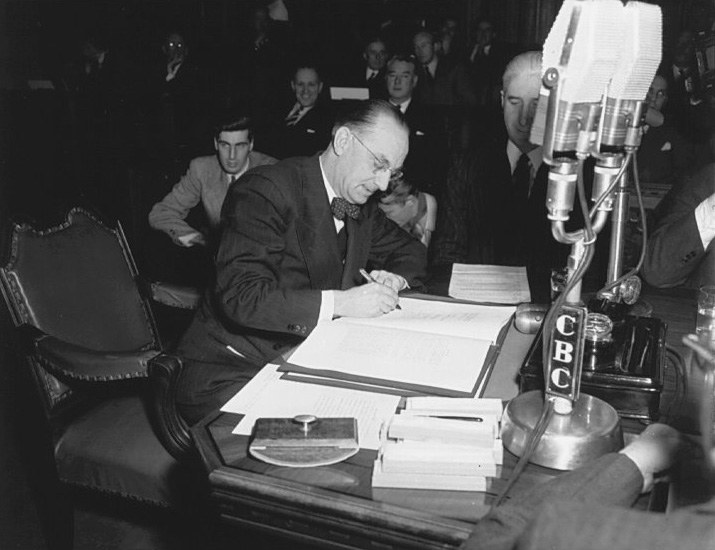
William Roper Hull, portrait published in 1903.
CA-K564Economy & trade

William Roper Hull, Alberta cattleman

William Roper Hull, a cattleman, entrepreneur and land developer, was the first in Alberta to combine cattle raising, meat processing and retailing on a large scale in the late 1880s. He built several ranches and city holdings in Calgary and made the Bow Valley Ranch a regional showpiece known for its irrigation and its social events.

Factual accuracy review: No recorded challenge

Contributor: Citizen.ca

Verified against cited sourcesVerified on 2026-10-26↗
Photo: Unknown author · Photo licence: Public domain · Credit & context
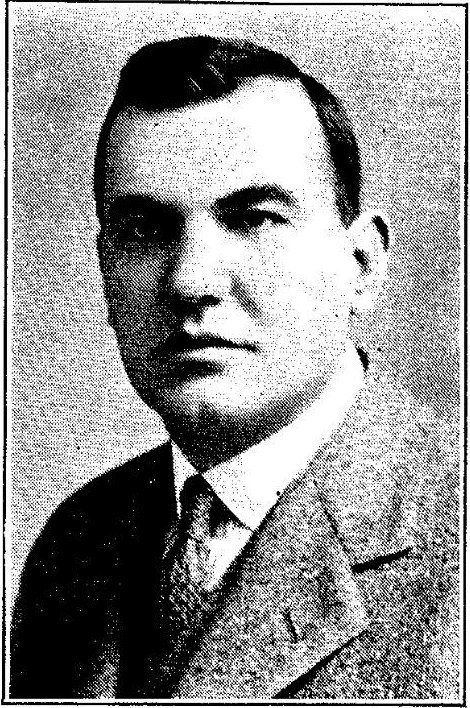
Joey Smallwood signing the agreement admitting Newfoundland into Confederation, Ottawa, December 1948 (National Film Board).
CA-K563History

Joey Smallwood, Newfoundland’s Father of Confederation

Joseph “Joey” Smallwood, born at Gambo and a journalist, labour organizer and broadcaster, played a decisive role in bringing Newfoundland into Confederation in 1949. He became a passionate advocate of union from 1946, helped negotiate the terms and dominated the referendum campaigns, then served as premier from 1949 to 1972.

Factual accuracy review: No recorded challenge

Contributor: Citizen.ca

Verified against cited sourcesVerified on 2026-10-26↗
Photo: NFB · Photo licence: Public domain · Credit & context
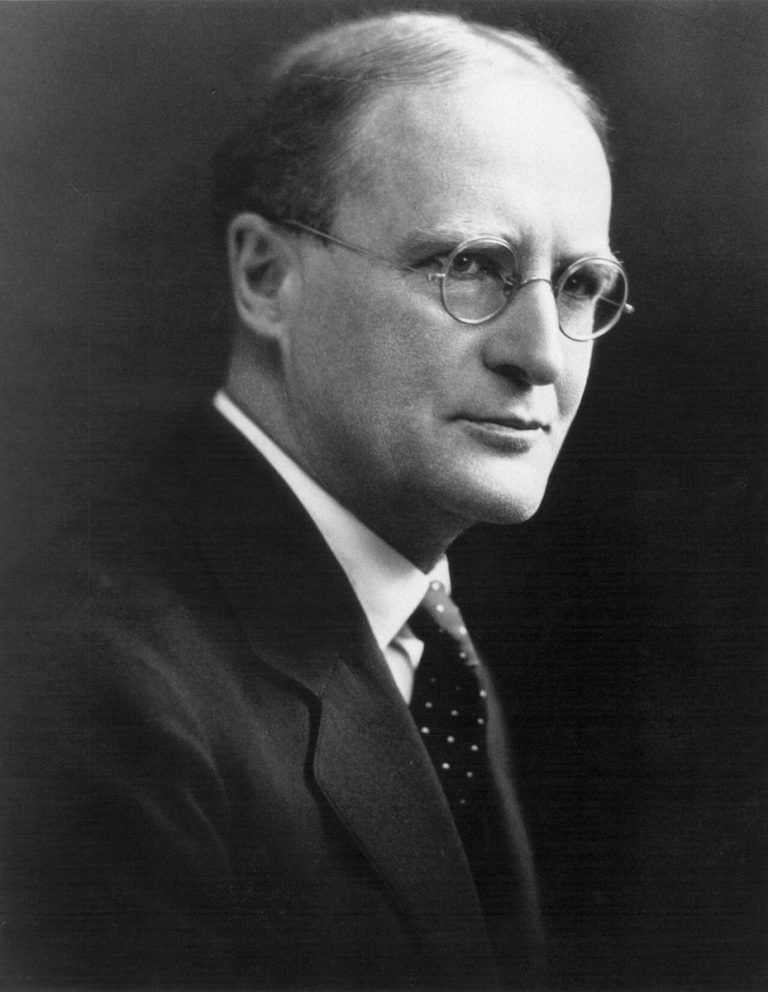
Édouard Lacroix, 1927.
CA-K560Economy & trade

Édouard Lacroix, Beauce industrialist

Édouard Lacroix, a business leader from the Beauce, built an industrial empire in Quebec, the Maritimes and New England, opening up Appalachian forests and helping integrate the lumber and pulp and paper industries of the Saint John River basin. A rare francophone among interwar industrial leaders, he was also an MP from 1925 to 1944.

Factual accuracy review: No recorded challenge

Contributor: Citizen.ca

Verified against cited sourcesVerified on 2026-10-26↗
Photo: Philippe Angers · Photo licence: Public domain · Credit & context
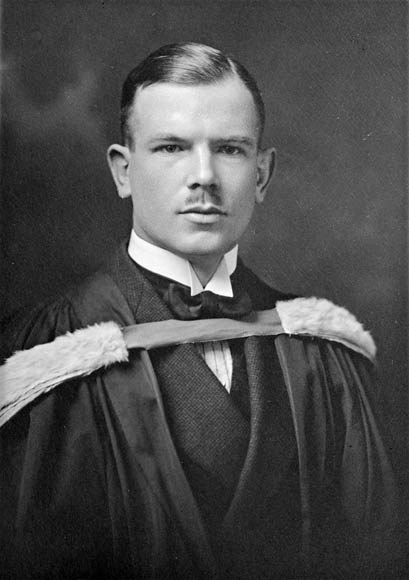
Dr. Oscar D. Skelton (Lafayette, Library and Archives Canada).
CA-K558Institutions

O. D. Skelton and the Department of External Affairs

Oscar Douglas Skelton, a Queen’s University professor of history and economics, left in 1924 to join the young Department of External Affairs and organized it on an enduring basis. He advised prime ministers Meighen, King and Bennett on foreign policy, advocating an independent Canadian position distinct from Britain’s.

Factual accuracy review: No recorded challenge

Contributor: Citizen.ca

Verified against cited sourcesVerified on 2026-10-26↗
Photo: Lafayette / Library and Archives Canada · Photo licence: Public domain · Credit & context
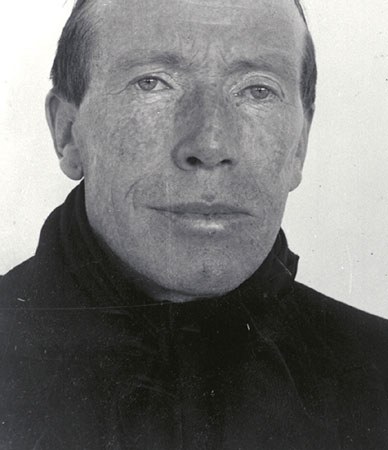
Norman Bethune’s graduation photo, around 1922 (Library and Archives Canada).
CA-K550History

Dr. Norman Bethune, surgeon and activist

Norman Bethune made significant contributions to thoracic surgery in Canada and was an early advocate of socialized medicine. Embracing communism, he led a Canadian team that pioneered front-line blood transfusions in the Spanish Civil War, then served as a battlefield surgeon with Mao Zedong’s Eighth Route Army; after his death in 1939 he became a national hero in China.

Factual accuracy review: No recorded challenge

Contributor: Citizen.ca

Verified against cited sourcesVerified on 2026-10-26↗
Photo: Credit: Library and Archives Canada/PA-160708Copyright: Expired · Photo licence: Public domain · Credit & context
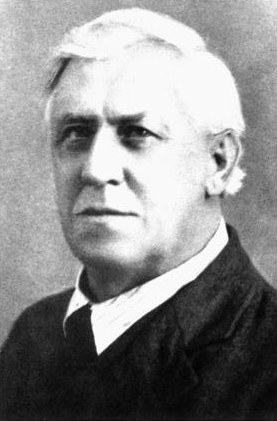
James Teit, before 1922.
CA-K547Indigenous peoples & reconciliation

James Teit, ethnographer of the Interior Salish

James Teit, a Shetlander who came to Spences Bridge, British Columbia, in 1884 and married into the Nlaka’pamux Nation, was the leading ethnographer of the Interior Salish. Encouraged by Franz Boas, he recorded oral traditions of the Salish, Dene and Ktunaxa, and as a champion of Indigenous land rights he served as special agent for the Allied Tribes of British Columbia.

Factual accuracy review: No recorded challenge

Contributor: Citizen.ca

Verified against cited sourcesVerified on 2026-10-26↗
Photo: unknown (self-portrait?) · Photo licence: Public domain · Credit & context
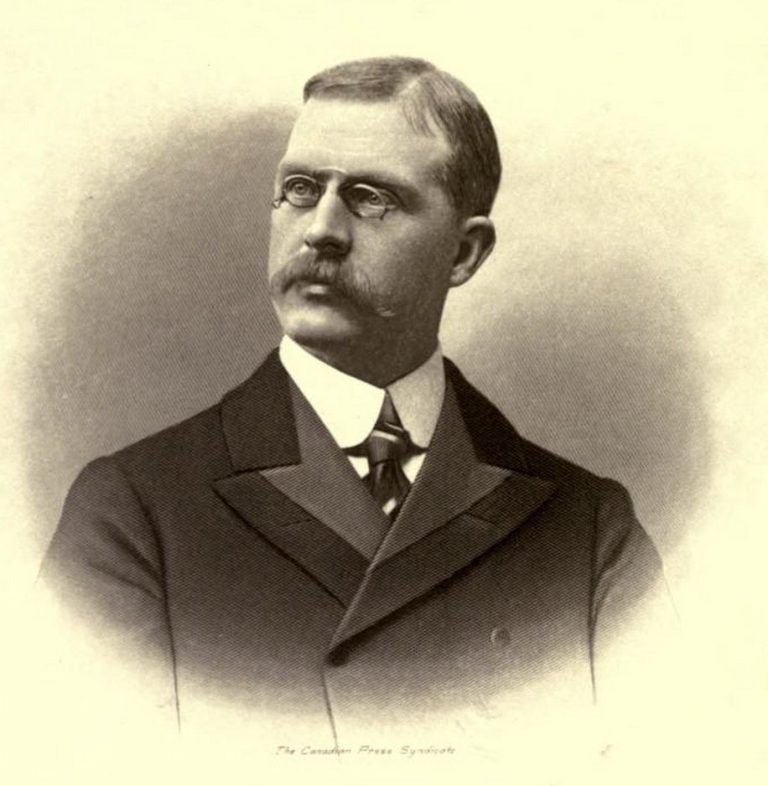
Edward Alexander Partridge (Saskatchewan Archives Board).
CA-K546Economy & trade

E. A. Partridge, prairie farm leader

E. A. Partridge, a farmer at Sintaluta, Saskatchewan, led farmers who banded together to defend their interests in the wheat boom. He helped found the Grain Growers’ Grain Company in 1905–1906 and was founding editor of the Grain Growers’ Guide in 1908, championing co-operative grain marketing, wheat pools and farmer–worker co-operation.

Factual accuracy review: No recorded challenge

Contributor: Citizen.ca

Verified against cited sourcesVerified on 2026-10-26↗
Photo: Saskatchewan Archives Board · Photo licence: Public domain · Credit & context
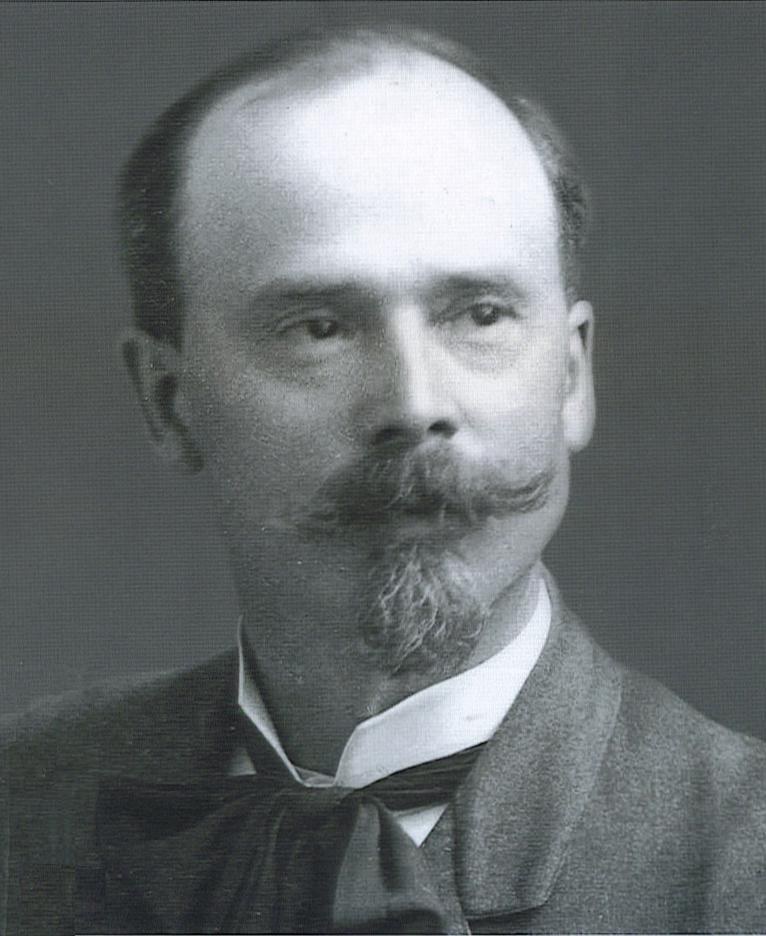
J. B. Tyrrell (Canadian Press Syndicate).
CA-K545History

J. B. Tyrrell, geologist and explorer

Joseph Burr Tyrrell of the Geological Survey of Canada (1882–1899) surveyed much of Western Canada and conducted scientific fieldwork in the Hudson Bay region and the northern tundra. Later a mining consultant in the Klondike and Northern Ontario, he is recognized for his work on glacial geology and for recovering and publishing David Thompson’s journal.

Factual accuracy review: No recorded challenge

Contributor: Citizen.ca

Verified against cited sourcesVerified on 2026-10-26↗
Photo: Canadian Press Syndicate · Photo licence: Public domain · Credit & context
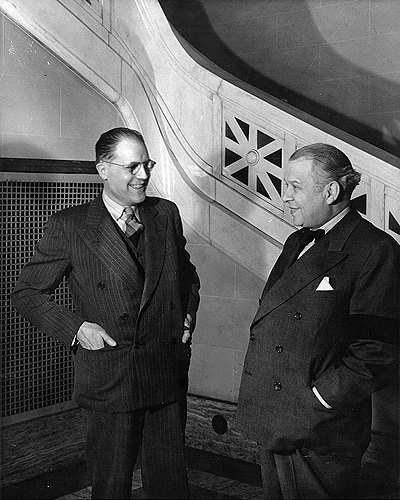
Louis-Philippe Hébert, around 1898 (Wm. Notman & Son).
CA-K538Culture & sport

Louis-Philippe Hébert, sculptor

Louis-Philippe Hébert was a Canadian sculptor known for public monuments. After carving wood figures for churches in Ottawa and Montréal, he made bronze statues such as Cartier on Parliament Hill and won renown for the sculptures on the façade of the Quebec legislature, his Maisonneuve monument in Montréal and the Macdonald monument in Ottawa.

Factual accuracy review: No recorded challenge

Contributor: Citizen.ca

Verified against cited sourcesVerified on 2026-10-26↗
Photo: William Notman & Son · Photo licence: Public domain · Credit & context
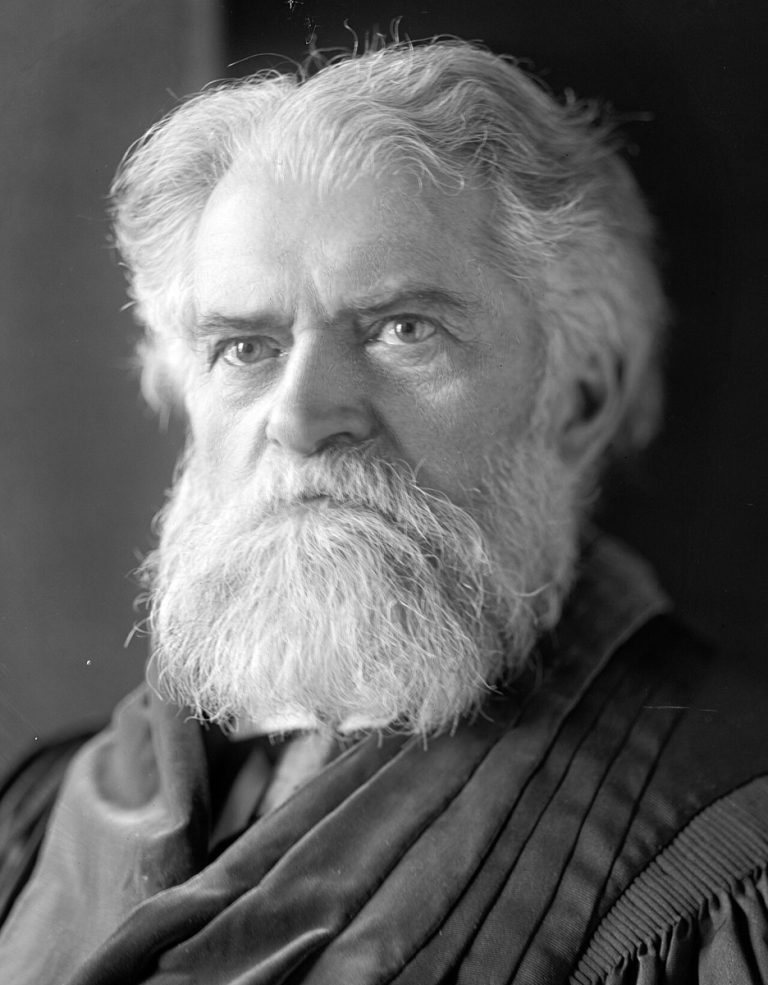
Wilfrid Pelletier (right) with Claude Champagne at the opening of the Conservatoire, 1943.
CA-K537Culture & sport

Wilfrid Pelletier, conductor and founder of the Conservatoire

Wilfrid Pelletier, an internationally renowned conductor, contributed greatly to Quebec’s musical life, especially in opera and through the Montréal Festivals and the Matinées symphoniques for young people. He was first director of the Conservatoire de musique du Québec and artistic director of the Montréal and Québec symphony orchestras; the Salle Wilfrid-Pelletier at Place des Arts bears his name.

Factual accuracy review: No recorded challenge

Contributor: Citizen.ca

Verified against cited sourcesVerified on 2026-10-26↗
Photo: Unknown author · Photo licence: Public domain · Credit & context
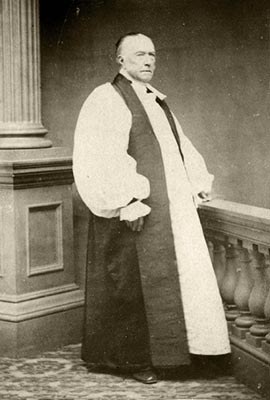
Simon Newcomb, between 1905 and 1909 (Harris & Ewing, Library of Congress).
CA-K530History

Simon Newcomb, astronomer from Nova Scotia

Simon Newcomb, born at Wallace Bridge, Nova Scotia, moved to the United States in 1853 and became a leading authority on mathematical astronomy at the U.S. Naval Observatory. As director of the Nautical Almanac from 1877 to 1897, his revision of lunar and planetary tables simplified nautical almanacs worldwide.

Factual accuracy review: No recorded challenge

Contributor: Citizen.ca

Verified against cited sourcesVerified on 2026-10-26↗
Photo: Harris & Ewing · Photo licence: Public domain · Credit & context
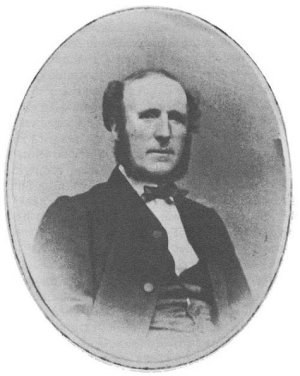
John Strachan, 1855.
CA-K525Institutions

Bishop John Strachan, King’s College and Trinity College

John Strachan, born in Scotland, came to Kingston in 1799, taught at Cornwall and became rector of York in 1812 and first Anglican Bishop of Toronto in 1839. A central figure of the Family Compact, he promoted public schooling and in 1827 secured a charter for King’s College; when it became the secular University of Toronto in 1849, he founded the Anglican Trinity College in 1851.

Factual accuracy review: No recorded challenge

Contributor: Citizen.ca

Verified against cited sourcesVerified on 2026-10-26↗
Photo: Unknown author · Photo licence: Public domain · Credit & context
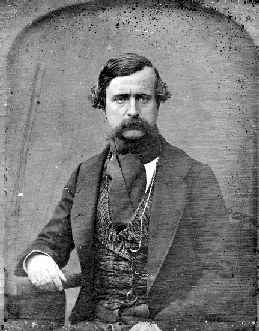
Sir Ambrose Shea (Library and Archives Canada).
CA-K521History

Sir Ambrose Shea, Newfoundland Father of Confederation

Ambrose Shea of St. John’s sat in Newfoundland’s House of Assembly almost continuously from 1848 to 1882. An advocate of union with the other British North American colonies, he was a delegate to the Québec Conference of 1864, though his pro-Confederation coalition was defeated in 1869; his career also included service as Speaker and governor of the Bahamas.

Factual accuracy review: No recorded challenge

Contributor: Citizen.ca

Verified against cited sourcesVerified on 2026-10-26↗
Photo: Unknown photographer; Library and Archives Canada · Photo licence: Public domain · Credit & context
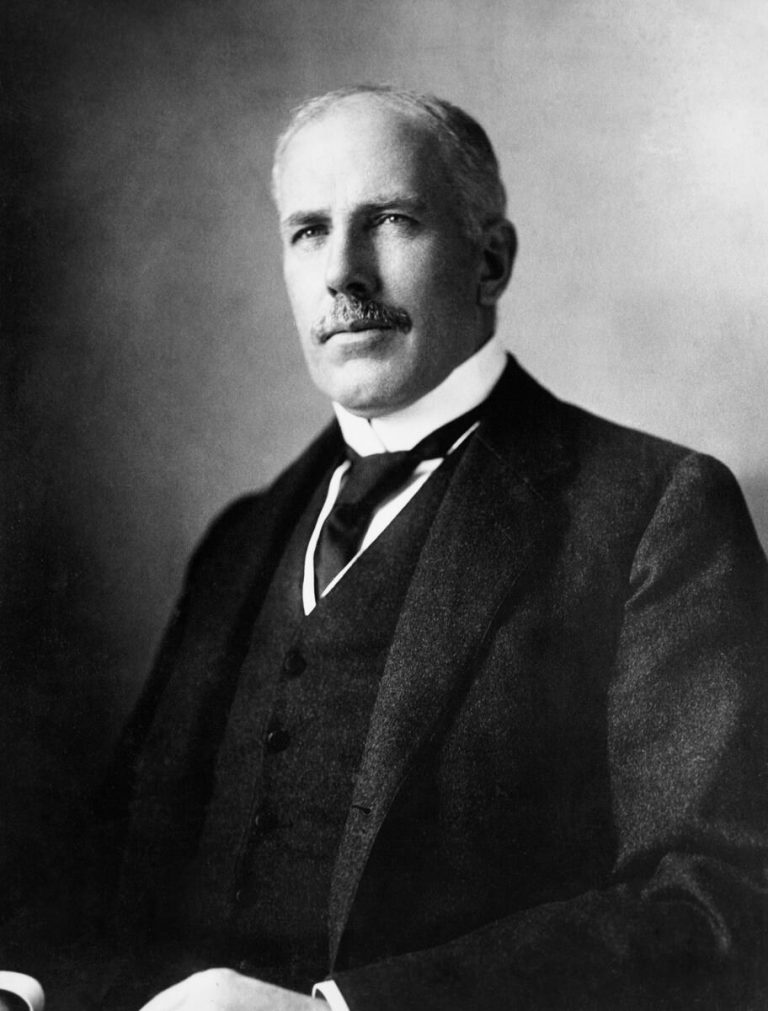
Richard Blanshard, around 1850.
CA-K512Institutions

Richard Blanshard, first governor of Vancouver Island

Richard Blanshard, an English barrister, was appointed first governor of Vancouver Island in 1849 and took office in March 1850. Disappointed by conditions in the colony, where the California gold rush slowed growth, and in poor health, he resigned that November, though slow communications kept him in Victoria until 1851.

Factual accuracy review: No recorded challenge

Contributor: Citizen.ca

Verified against cited sourcesVerified on 2026-10-26↗
Photo: Unknown author · Photo licence: Public domain · Credit & context
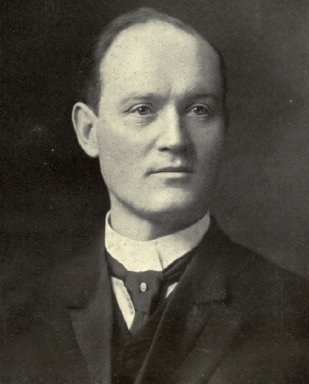
Mayor Charles A. Magrath of Lethbridge, Alberta (Glenbow Archives).
CA-K511History

Charles Magrath, surveyor and first mayor of Lethbridge

Charles Alexander Magrath took part in the foundation surveys of the North-West Territories from 1878 to 1885, then joined Sir Alexander Galt’s pioneer enterprises. He was the first mayor of Lethbridge, a territorial legislator and MP for Medicine Hat, and later chaired Ontario Hydro and the Canadian section of the International Joint Commission.

Factual accuracy review: No recorded challenge

Contributor: Citizen.ca

Verified against cited sourcesVerified on 2026-10-26↗
Photo: British and Colonial Photographic Company · Photo licence: Public domain · Credit & context
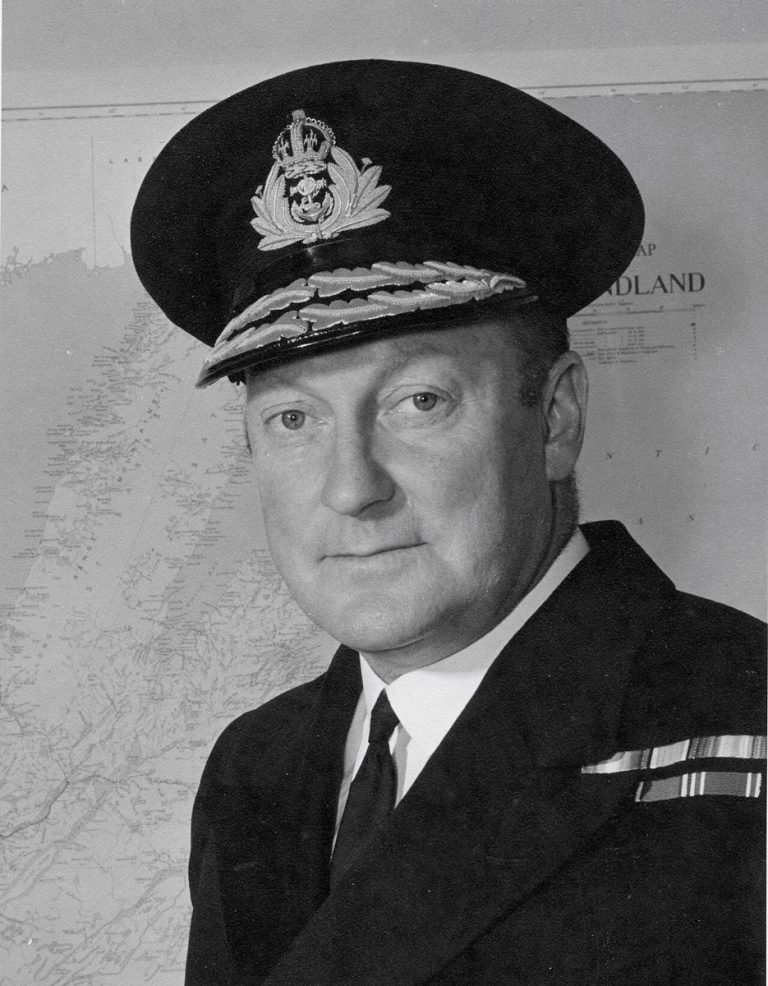
Rear Admiral Leonard Murray in 1943 (Department of National Defence).
CA-K509History

Rear Admiral Leonard Murray and the Atlantic convoys

Leonard Warren Murray of Pictou County joined the navy as a cadet in 1911. As commander of the Newfoundland Escort Force and, from 1943, Commander-in-Chief Canadian North West Atlantic, he was a principal architect of the Allies’ North Atlantic convoy system in the Second World War.

Factual accuracy review: No recorded challenge

Contributor: Citizen.ca

Verified against cited sourcesVerified on 2026-10-26↗
Photo: Unknown author · Photo licence: Public domain · Credit & context
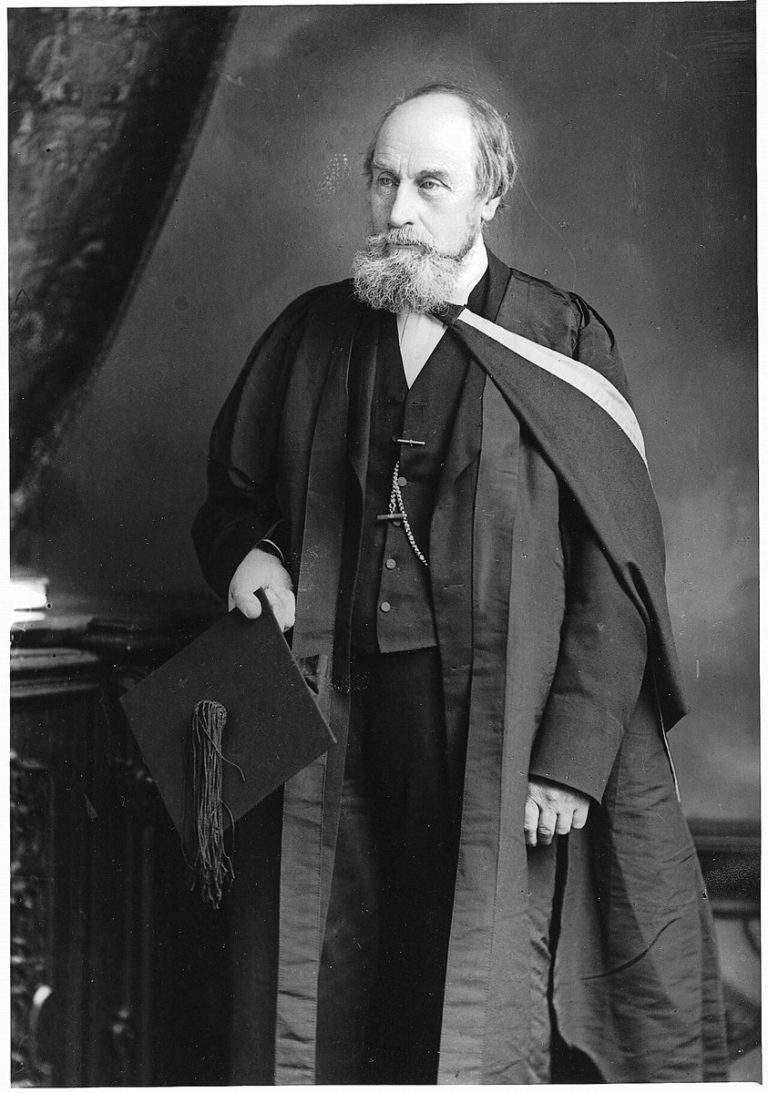
Sir John William Dawson in 1885 (William Notman and Son, McCord Stewart Museum).
CA-K508Institutions

Sir William Dawson, principal of McGill

Sir John William Dawson of Pictou, Nova Scotia, studied in Edinburgh, worked with the geologist Lyell and became Nova Scotia’s first superintendent of education. As principal and professor of natural history at McGill University from 1855 to 1893 he profoundly influenced Canadian education and science, and he was first president of the Royal Society of Canada in 1882.

Factual accuracy review: No recorded challenge

Contributor: Citizen.ca

Verified against cited sourcesVerified on 2026-10-26↗
Photo: William Notman and Son · Photo licence: Public domain · Credit & context
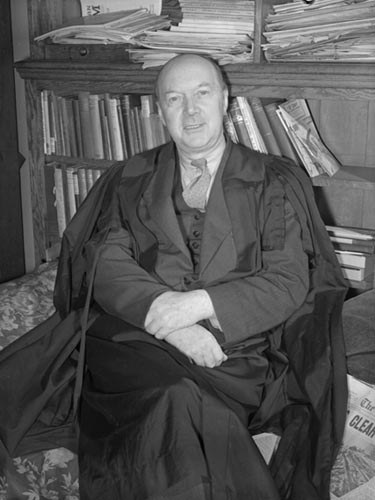
E. J. Pratt in Toronto, 1944 (Gordon W. Powley).
CA-K506Culture & sport

E. J. Pratt, poet from Newfoundland

E. J. Pratt, born at Western Bay, Newfoundland, taught and briefly served as a Methodist minister before spending his career at Victoria College in Toronto. By the 1930s he was a prominent Canadian poet, writing on grand themes such as evolution and human struggle against nature, with images of sea and rock that echo his Newfoundland roots.

Factual accuracy review: No recorded challenge

Contributor: Citizen.ca

Verified against cited sourcesVerified on 2026-10-26↗
Photo: Gordon W. Powley · Photo licence: Public domain · Credit & context
Robert Falconer, portrait published by the Empire Club of Canada.
CA-K503Institutions

Sir Robert Falconer, president of the University of Toronto

Sir Robert Falconer, born in Charlottetown, was an educator, writer and lecturer. After serving as principal of Pine Hill College in Halifax, he was president of the University of Toronto from 1907 to 1932 and wrote many books and articles on education and public questions.

Factual accuracy review: No recorded challenge

Contributor: Citizen.ca

Verified against cited sourcesVerified on 2026-10-26↗
Photo: Empire Club of Canada · Photo licence: Public domain · Credit & context