
An independent Canadian knowledge project

Focused and Verified

Canadian knowledge base

Search by keyword

Choose one keyword, or combine two. Broader keywords include their descendants.

Keywords: 1900–1999

Clear search
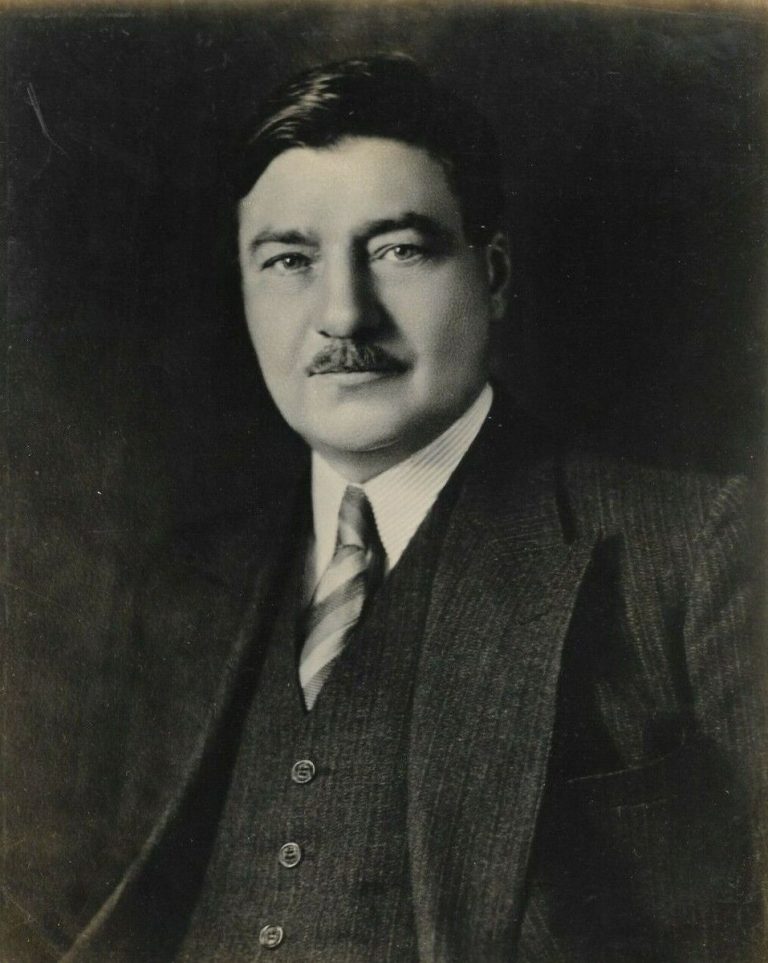
Charles Gavan Power, between 1936 and 1942.
CA-K675History

“Chubby” Power and the wartime RCAF

Charles Gavan “Chubby” Power, a First World War veteran and longtime Quebec MP, was Minister of National Defence for Air from 1940 to 1944. He oversaw wartime RCAF expansion, supported distinct Canadian squadrons, helped establish the Air Cadets and advanced the British Commonwealth Air Training Plan, which trained more than 130,000 Allied aircrew in Canada.

Factual accuracy review: No recorded challenge

Contributor: Citizen.ca

Verified against cited sourcesVerified on 2026-10-26↗
Photo: Canadian Government Motion Picture Bureau · Photo licence: Public domain · Credit & context
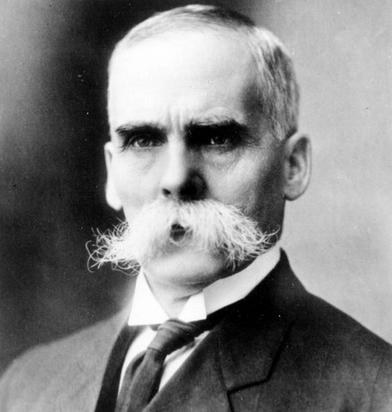
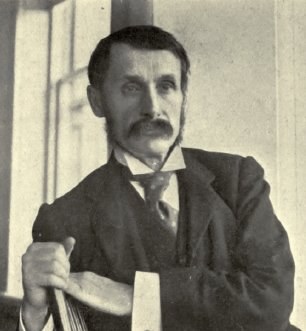
Frank Oliver (City of Edmonton Archives).
CA-K662Indigenous peoples & reconciliation

Frank Oliver, Edmonton editor and interior minister

Frank Oliver, owner and editor of the Edmonton Bulletin from 1880, championed a West shaped for white British and American settlers. As Minister of the Interior from 1905 to 1911 he promoted immigration policies aimed at excluding Black and Asian immigrants, and as superintendent of Indian Affairs he oversaw an expansion of residential schools and amended the Indian Act to allow forced surrender of reserve lands near towns.

Factual accuracy review: No recorded challenge

Contributor: Citizen.ca

Verified against cited sourcesVerified on 2026-10-26↗
Photo: Alfred Biyth · Photo licence: Public domain · Credit & context
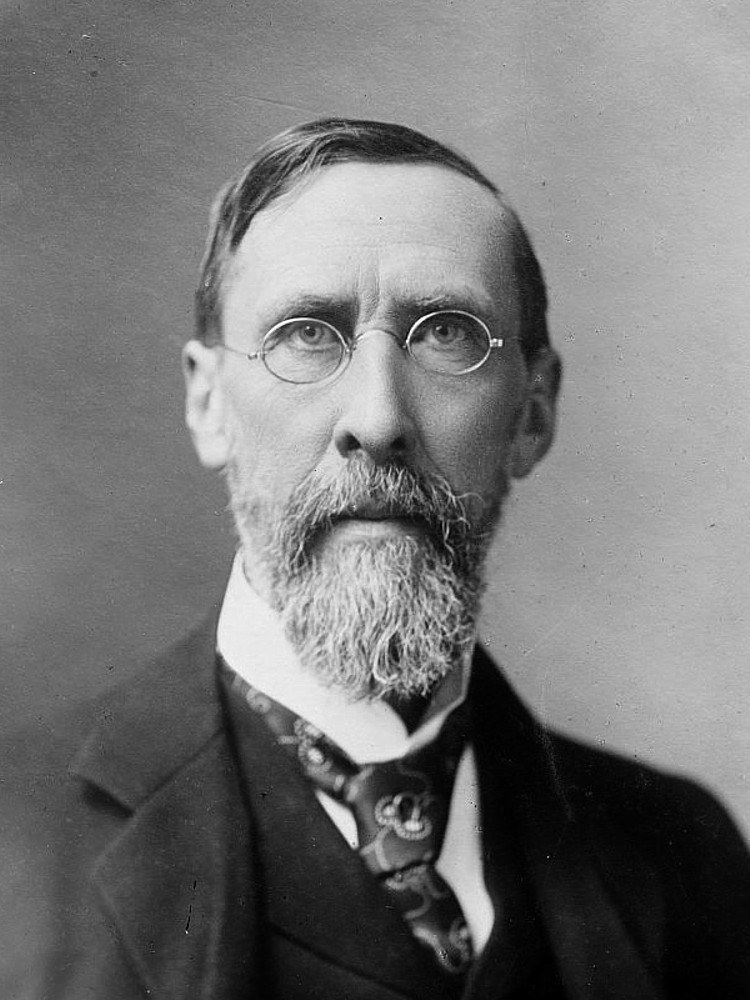
George Robert Parkin, 1910.
CA-K655Institutions

Sir George Parkin, imperial federationist and Rhodes secretary

George Parkin of Salisbury, New Brunswick, a school headmaster, became principal of Upper Canada College in 1895 and was organizing secretary of the Rhodes Scholarship Trust from 1902 to 1920. A powerful advocate of a federal union of the British Empire, he lectured and wrote widely, including Imperial Federation (1892).

Factual accuracy review: No recorded challenge

Contributor: Citizen.ca

Verified against cited sourcesVerified on 2026-10-26↗
Photo: Unknown photographer; published by the Empire Club of Canada (1910) · Photo licence: Public domain · Credit & context
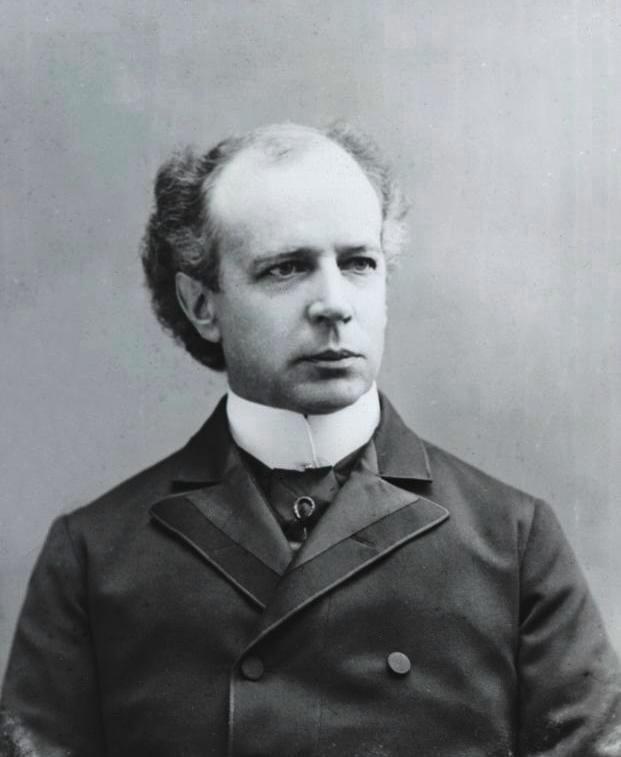
George Eulas Foster, around 1920 (Bain, Library of Congress).
CA-K651Institutions

Sir George Foster, Conservative finance minister

George Eulas Foster of Carleton County, New Brunswick, a former classics professor, sat in the House of Commons for most of 1882–1921. A central Conservative figure and orator, he was Minister of Finance under five prime ministers and Minister of Commerce under Borden and Meighen, and supported the League of Nations.

Factual accuracy review: No recorded challenge

Contributor: Citizen.ca

Verified against cited sourcesVerified on 2026-10-26↗
Photo: Bain · Photo licence: Public domain · Credit & context
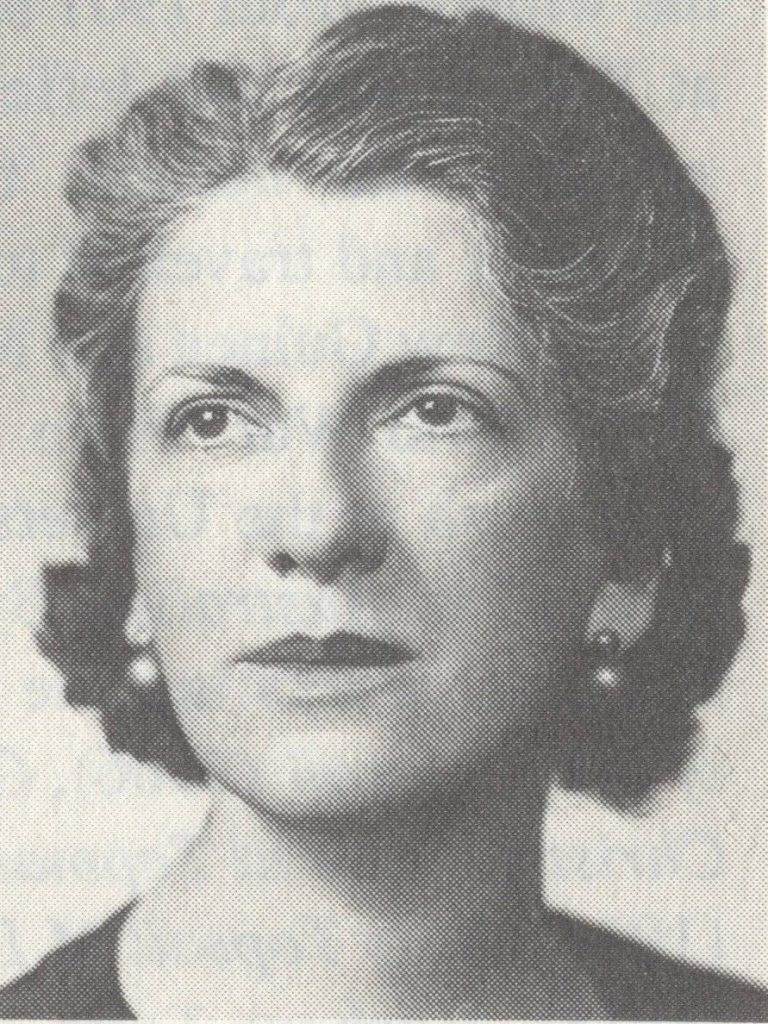
Wilfrid Laurier, about 1890 (Topley Studio, McCord Museum).
CA-K642Institutions

Sir Wilfrid Laurier, first francophone prime minister

Wilfrid Laurier of Saint-Lin, Quebec, was Canada’s first francophone prime minister, an MP for 45 years and Liberal leader for 32. As prime minister from 1896 to 1911 he presided over the settlement of the West, created Alberta and Saskatchewan and founded the Canadian Navy, and he worked to win greater autonomy for Canada and common ground between English and French Canadians.

Factual accuracy review: No recorded challenge

Contributor: Citizen.ca

Verified against cited sourcesVerified on 2026-10-26↗
Photo: Topley Studio · Photo licence: Public domain · Credit & context
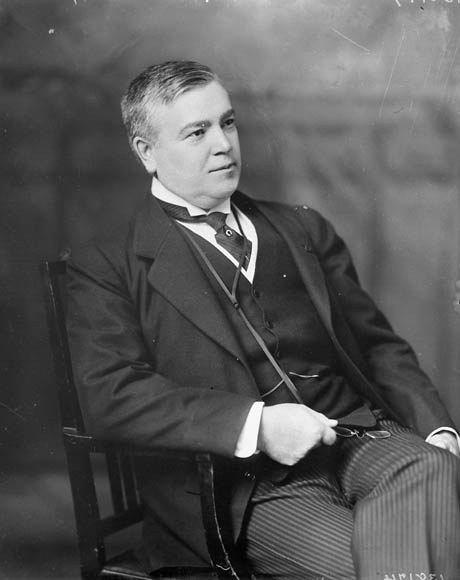
Margaret Duley, 1941.
CA-K637Culture & sport

Margaret Duley, Newfoundland novelist

Margaret Iris Duley of St. John’s, who wrote mainly in the 1930s and 1940s, was the first Newfoundland novelist to gain international recognition, with readers in Canada and England as well as at home. Novels such as Cold Pastoral and Highway to Valour vividly portray the beauty and harshness of early 20th-century Newfoundland and Labrador.

Factual accuracy review: No recorded challenge

Contributor: Citizen.ca

Verified against cited sourcesVerified on 2026-10-26↗
Photo: Anonymous (photographer unidentified) · Photo licence: Public domain · Credit & context
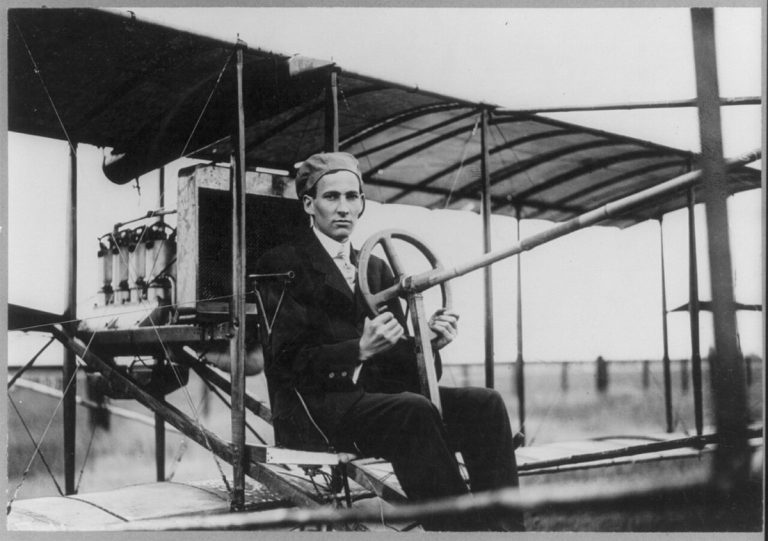
Rodolphe Lemieux, April 1917 (Topley Studio).
CA-K628Institutions

Rodolphe Lemieux and the Lemieux Act

Rodolphe Lemieux, MP for Gaspé and Rouville, served as Solicitor General, Postmaster General, Minister of Labour and Minister of Marine, and was Speaker of the House of Commons from 1922 to 1930. His Lemieux Act of 1907 introduced arbitration to Canadian labour relations, and as Laurier’s principal Quebec lieutenant he opposed conscription while urging voluntary enlistment.

Factual accuracy review: No recorded challenge

Contributor: Citizen.ca

Verified against cited sourcesVerified on 2026-10-26↗
Photo: William James Topley · Photo licence: Public domain · Credit & context
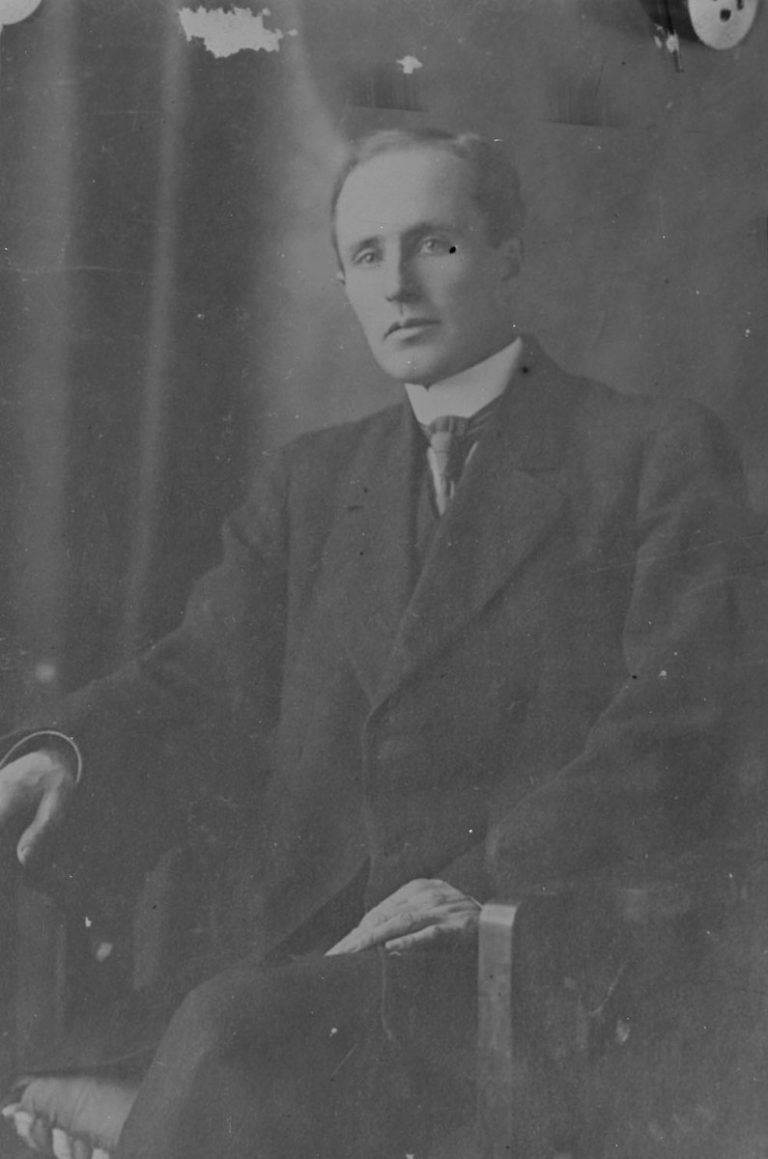
J. A. D. McCurdy, 1911 (Library of Congress).
CA-K626History

J. A. D. McCurdy, pilot of the Silver Dart

John A. D. McCurdy of Baddeck, an early associate of Alexander Graham Bell, piloted the Silver Dart on 23 February 1909 in Canada’s first successful powered flight. A pioneer of the aircraft industry, he later oversaw aircraft production in the Second World War and served as lieutenant-governor of Nova Scotia.

Factual accuracy review: No recorded challenge

Contributor: Citizen.ca

Verified against cited sourcesVerified on 2026-10-26↗
Photo: Miscellaneous Items in High Demand, PPOC, Library of Congress · Photo licence: Public domain · Credit & context
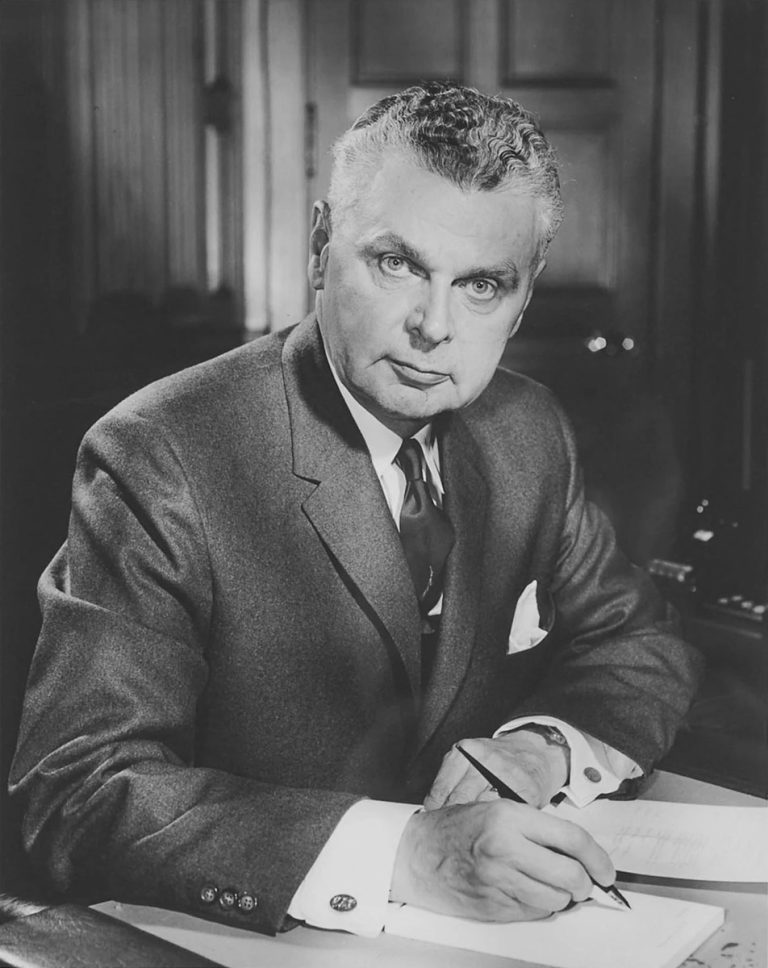
Arthur Meighen, between about 1914 and 1919 (Library and Archives Canada).
CA-K621Institutions

Arthur Meighen, prime minister and debater

Arthur Meighen, born in Ontario, moved west to practise law and was first elected for Portage la Prairie in 1908. Prime minister in 1920–1921 and again in 1926, he was known as the ablest debater of his generation and led the Conservative Party from 1920 to 1926.

Factual accuracy review: No recorded challenge

Contributor: Citizen.ca

Verified against cited sourcesVerified on 2026-10-26↗
Photo: Unknown author · Photo licence: Public domain · Credit & context
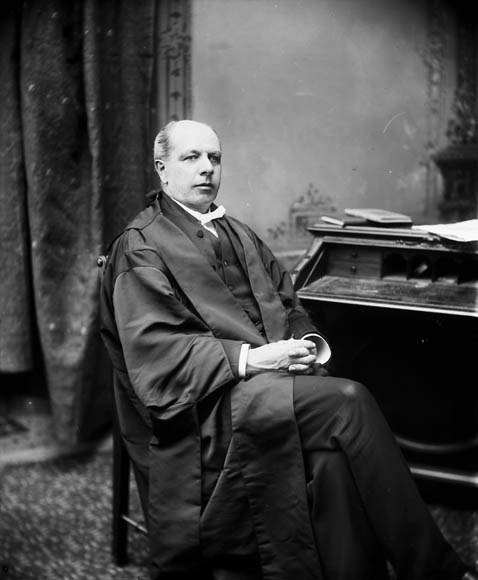
Prime Minister John G. Diefenbaker, 1957 (Gar Lunney).
CA-K616Institutions

John Diefenbaker, 13th prime minister

John Diefenbaker, a charismatic orator raised in Saskatchewan, was a defence lawyer and MP for some 40 years and Canada’s 13th prime minister from 1957 to 1963. He revived the Progressive Conservative Party, winning a landslide in 1958, and his government extended social programs, promoted Northern development and championed human rights at home and abroad.

Factual accuracy review: No recorded challenge

Contributor: Citizen.ca

Verified against cited sourcesVerified on 2026-10-26↗
Photo: Gar Lunney · Photo licence: Public domain · Credit & context
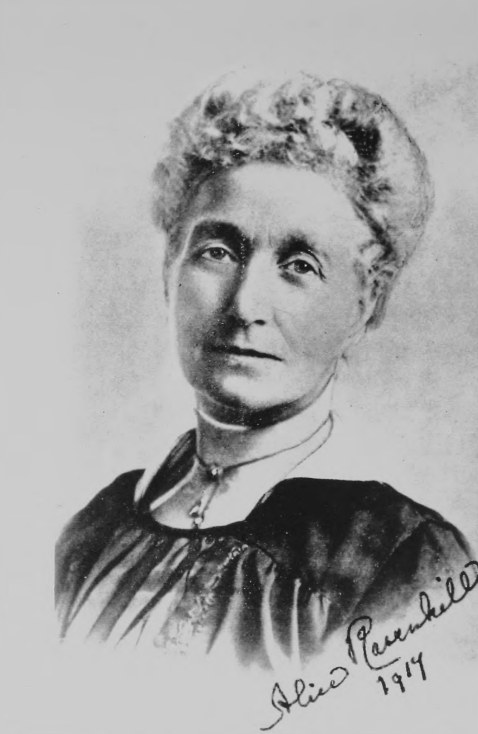
John George Bourinot, 1888 (Topley Studio).
CA-K613Institutions

Sir John Bourinot, Clerk of the House of Commons

John George Bourinot of Sydney, Nova Scotia, a journalist and legislative reporter, joined Parliament’s staff in Ottawa in 1868 and was Clerk of the House of Commons from 1880 to 1902, a recognized authority on parliamentary procedure. A founding member of the Royal Society of Canada, he wrote widely on history and the constitution.

Factual accuracy review: No recorded challenge

Contributor: Citizen.ca

Verified against cited sourcesVerified on 2026-10-26↗
Photo: William James Topley · Photo licence: Public domain · Credit & context
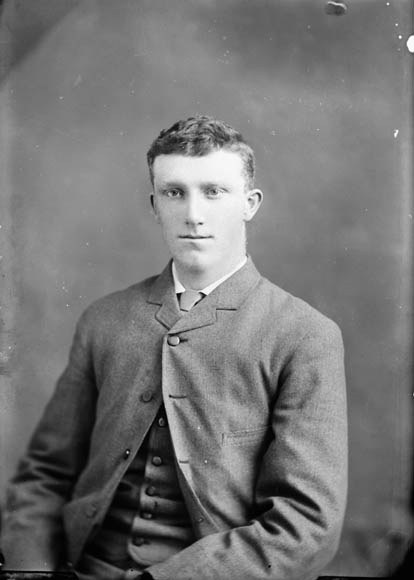
Alice Ravenhill in 1917.
CA-K610Institutions

Alice Ravenhill, educator and reformer

Alice Ravenhill, an educator and social reformer prominent in public health and home economics in Britain, came to Canada in 1910 and worked with the University of British Columbia, Victoria College, the Women’s Institutes and the province on educational reform. Later she wrote a pioneering school text on Indigenous societies and founded a society to promote British Columbia Indigenous arts and crafts.

Factual accuracy review: No recorded challenge

Contributor: Citizen.ca

Verified against cited sourcesVerified on 2026-10-26↗
Photo: Unknown author · Photo licence: Public domain · Credit & context
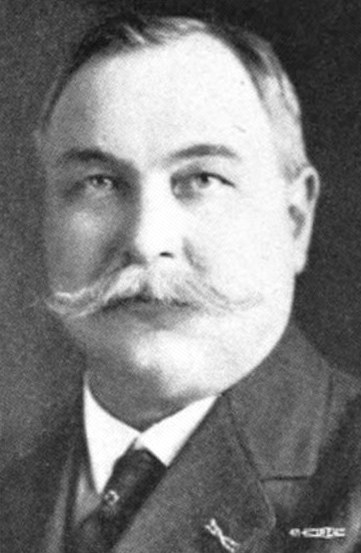
John Wesley Dafoe, April 1885 (Topley Studio).
CA-K609Culture & sport

John W. Dafoe of the Winnipeg Free Press

John Wesley Dafoe, one of Canada’s leading journalists, became editor-in-chief of the Manitoba Free Press in Winnipeg in 1901 and influenced Canadian opinion until his death. A Liberal who helped form the Union government in 1917, he championed an active Canadian role in world affairs and served on the Rowell-Sirois Commission from 1937 to 1939.

Factual accuracy review: No recorded challenge

Contributor: Citizen.ca

Verified against cited sourcesVerified on 2026-10-26↗
Photo: Topley Studio · Photo licence: Public domain · Credit & context
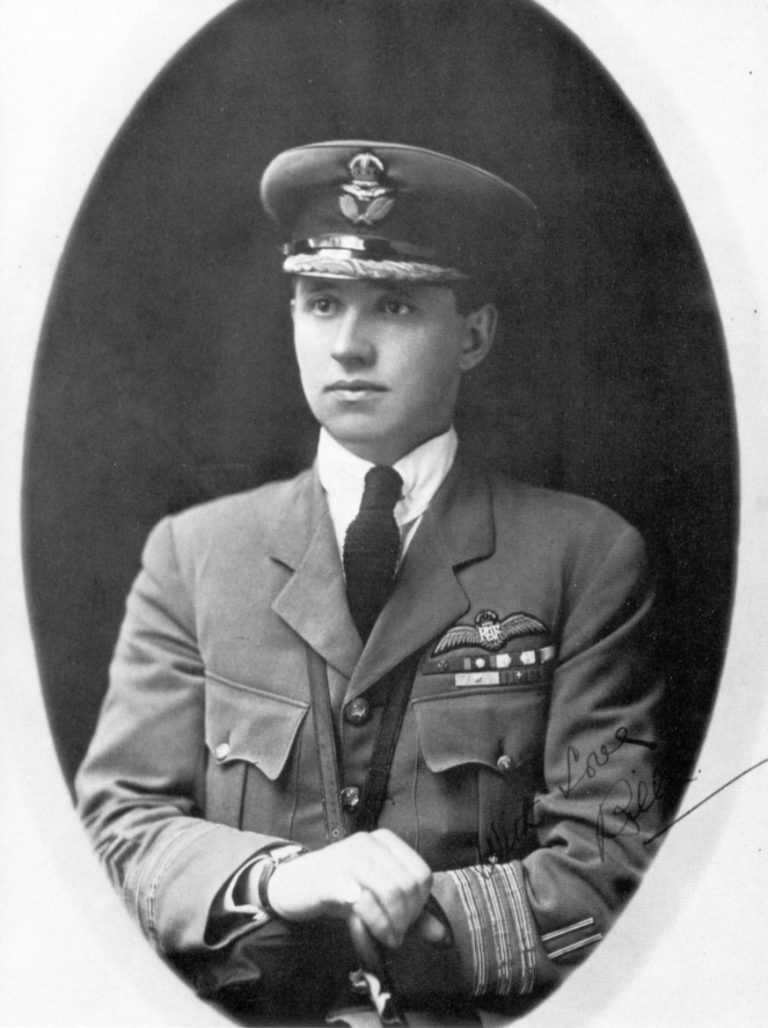
Gustave Francq, portrait published in 1924.
CA-K601Economy & trade

Gustave Francq, labour leader

Gustave Francq, a typographer and journalist, was a key figure of international unionism in Quebec and Canada, campaigning for a minimum wage for women, better workers’ compensation and free compulsory education. In 1916 he founded Le Monde ouvrier/The Labor World, which became the official newspaper of the Quebec Federation of Labour.

Factual accuracy review: No recorded challenge

Contributor: Citizen.ca

Verified against cited sourcesVerified on 2026-10-26↗
Photo: Unknown author · Photo licence: Public domain · Credit & context
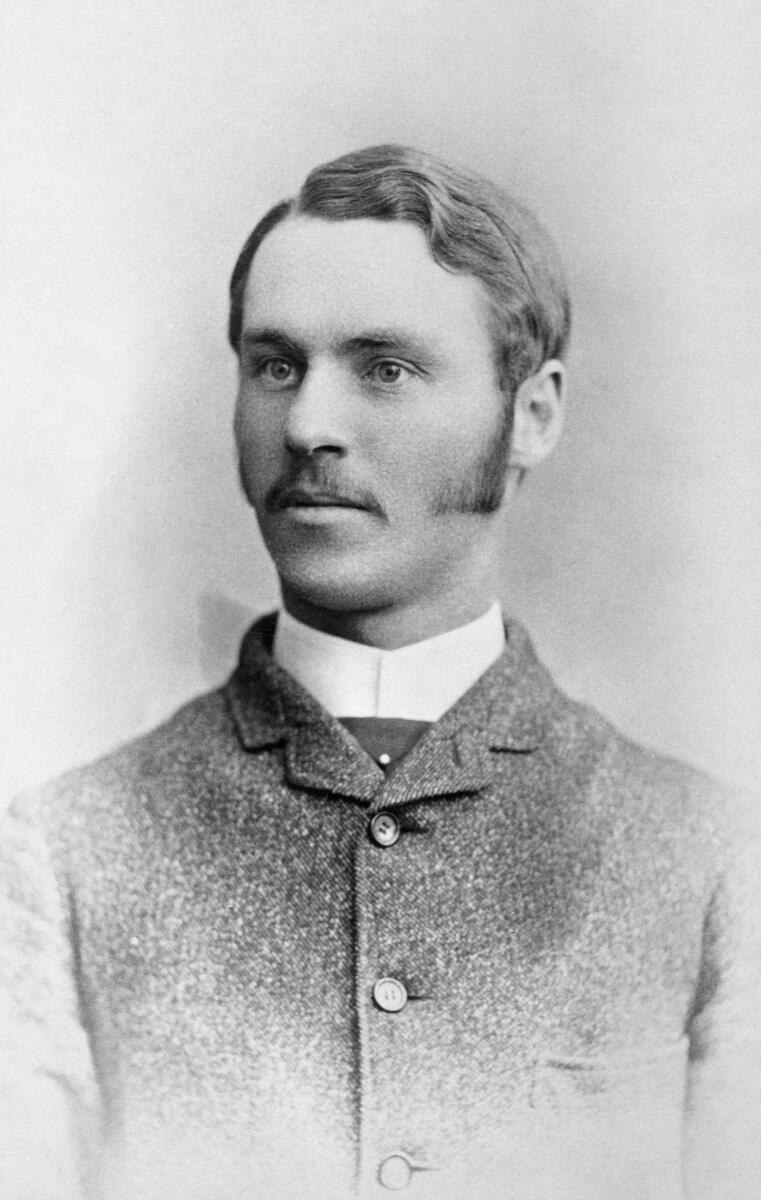
Lieutenant-Colonel William George Barker, VC, 1918–1919.
CA-K595History

Billy Barker, VC, air ace

William “Billy” Barker of Dauphin, Manitoba, joined the Canadian Expeditionary Force in 1914 and later the Royal Flying Corps, becoming one of the great air aces of the First World War. He downed 50 enemy aircraft, was the leading fighter pilot on the Italian front, and with the Victoria Cross and eight other gallantry medals is one of Canada’s most decorated servicemen.

Factual accuracy review: No recorded challenge

Contributor: Citizen.ca

Verified against cited sourcesVerified on 2026-10-26↗
Photo: not identified · Photo licence: Public domain · Credit & context
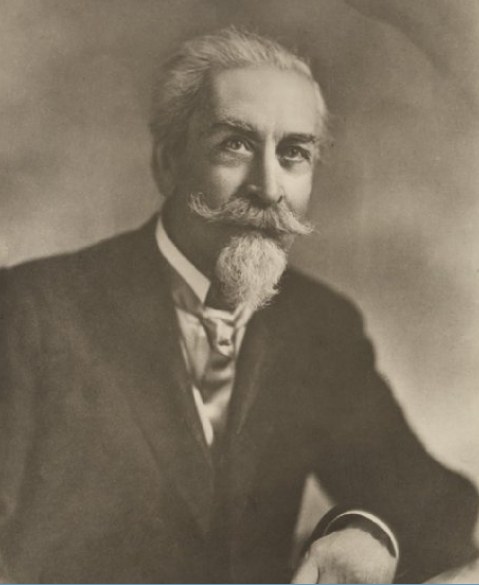
Frederick W. G. Haultain, May 1884 (Glenbow Archives).
CA-K589Institutions

Sir Frederick Haultain, premier of the North-West Territories

Frederick Haultain, a Fort Macleod lawyer, sat in the North-West Territories council and assembly from 1887 to 1905 and led the push for responsible government and provincial status. He was premier of the Territories from 1897 to 1905, then opposition leader in Saskatchewan and chief justice of Saskatchewan from 1912.

Factual accuracy review: No recorded challenge

Contributor: Citizen.ca

Verified against cited sourcesVerified on 2026-10-26↗
Photo: Sproule, G. B. · Photo licence: Public domain · Credit & context
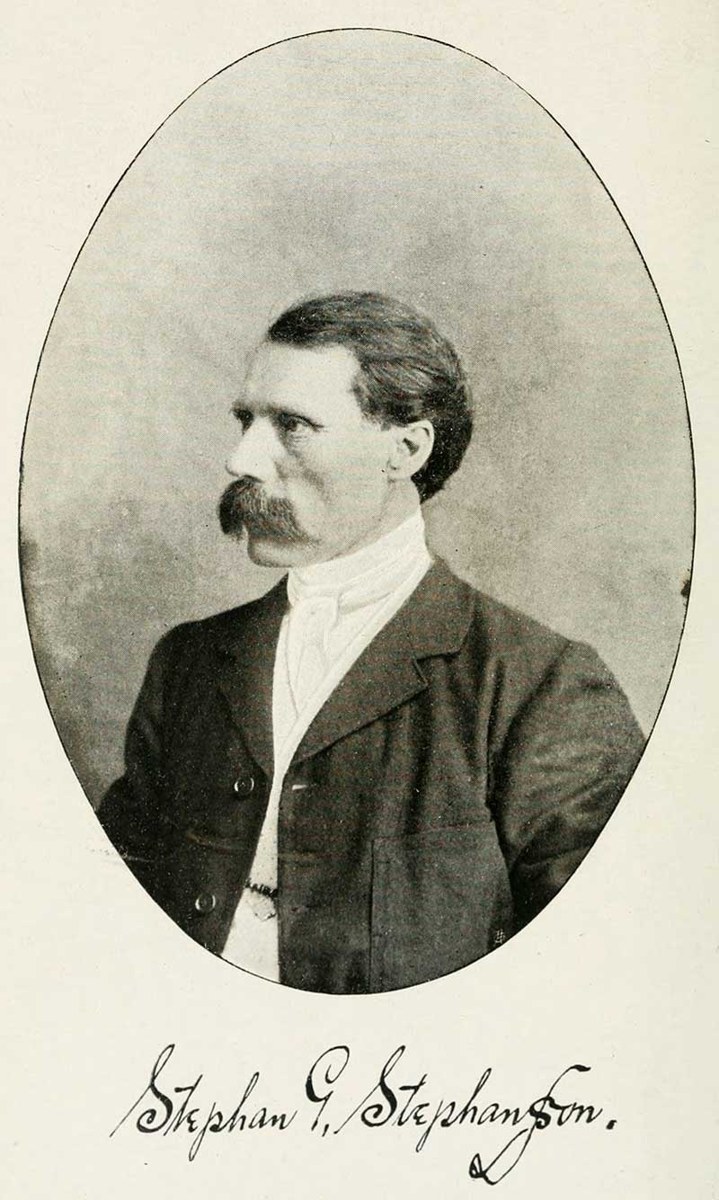
Benjamin Sulte (BAnQ).
CA-K585Culture & sport

Benjamin Sulte, historian of French Canada

Benjamin Sulte of Trois-Rivières, a public servant in the Department of Militia, devoted himself to history, publishing works such as Histoire des Canadiens-français and La Bataille de Châteauguay. A founding member of the Royal Society of Canada in 1882, he became its president in 1904.

Factual accuracy review: No recorded challenge

Contributor: Citizen.ca

Verified against cited sourcesVerified on 2026-10-26↗
Photo: Unknown author · Photo licence: Public domain · Credit & context
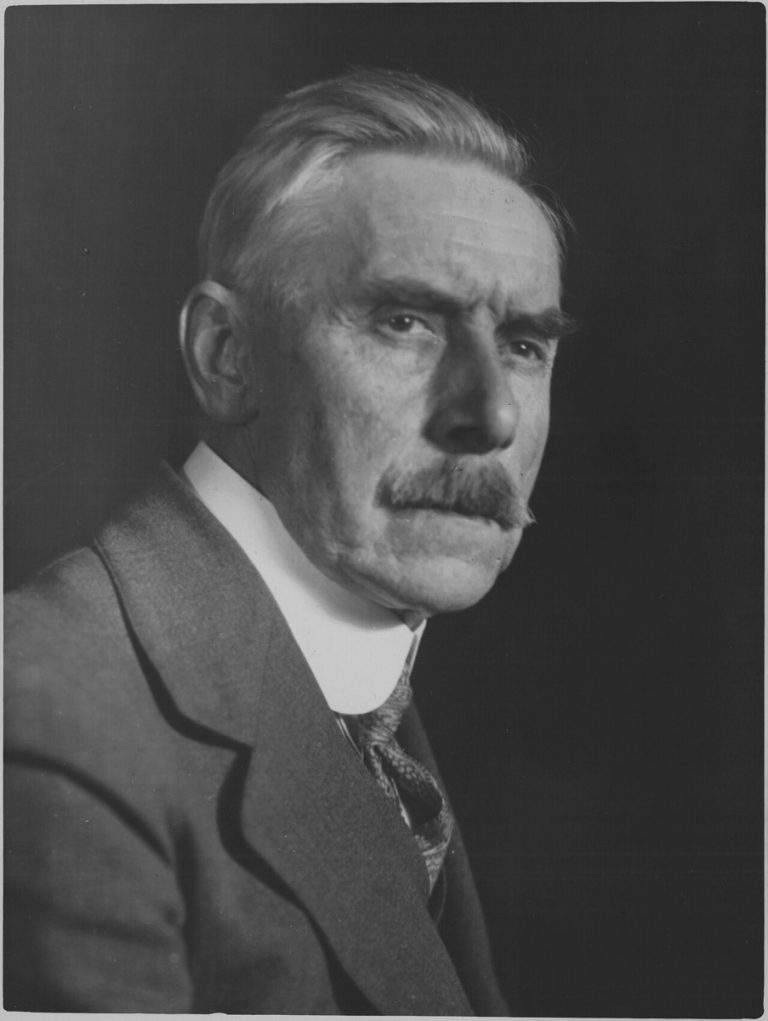
Stephan G. Stephansson, before 1909.
CA-K583Culture & sport

Stephan G. Stephansson, Icelandic poet of Alberta

Stephan G. Stephansson, born in Iceland, settled near Markerville, Alberta, in 1889 after living in the United States. A pioneer farmer and self-taught scholar of Scandinavian literature, he published seven volumes of poetry from 1900 to 1920 and was ranked among the greatest Icelandic poets since the Middle Ages.

Factual accuracy review: No recorded challenge

Contributor: Citizen.ca

Verified against cited sourcesVerified on 2026-10-26↗
Photo: Unknown photographer · Photo licence: Public domain · Credit & context
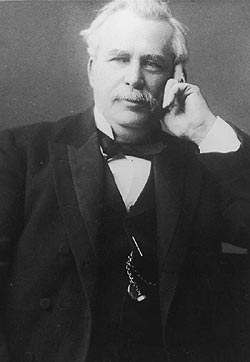
Charles William Jefferys, 1930 (M. O. Hammond, Archives of Ontario).
CA-K578Culture & sport

C. W. Jefferys, illustrator of Canadian history

Charles William Jefferys, who came to Canada from England in 1879, was a writer, artist and illustrator of historical novels and textbooks and taught drawing and painting at the University of Toronto from 1912 to 1939. He is best known for his carefully researched historical drawings, such as those in his three-volume Picture Gallery of Canadian History.

Factual accuracy review: No recorded challenge

Contributor: Citizen.ca

Verified against cited sourcesVerified on 2026-10-26↗
Photo: Melvin Ormond Hammond · Photo licence: Public domain · Credit & context
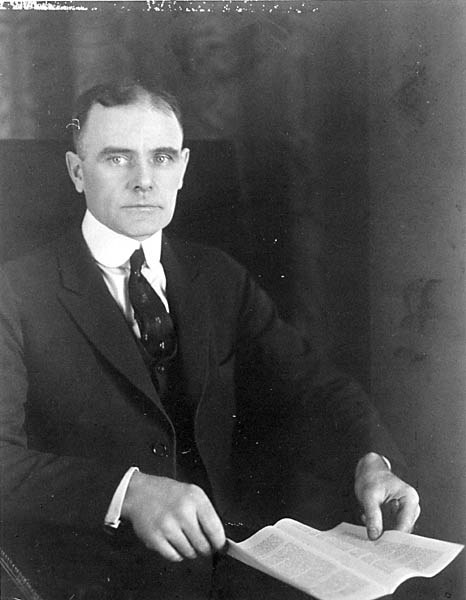
David Mills, January 1899 (Topley Studio).
CA-K577Institutions

David Mills, minister and constitutional scholar

David Mills of Oxford, Upper Canada, was a school superintendent before representing Bothwell in the House of Commons from 1867 to 1896. He was Minister of the Interior in 1876–1878 and Minister of Justice in 1897–1902, taught constitutional law at the University of Toronto, and was appointed to the Supreme Court of Canada in 1902.

Factual accuracy review: No recorded challenge

Contributor: Citizen.ca

Verified against cited sourcesVerified on 2026-10-26↗
Photo: William James Topley · Photo licence: Public domain · Credit & context
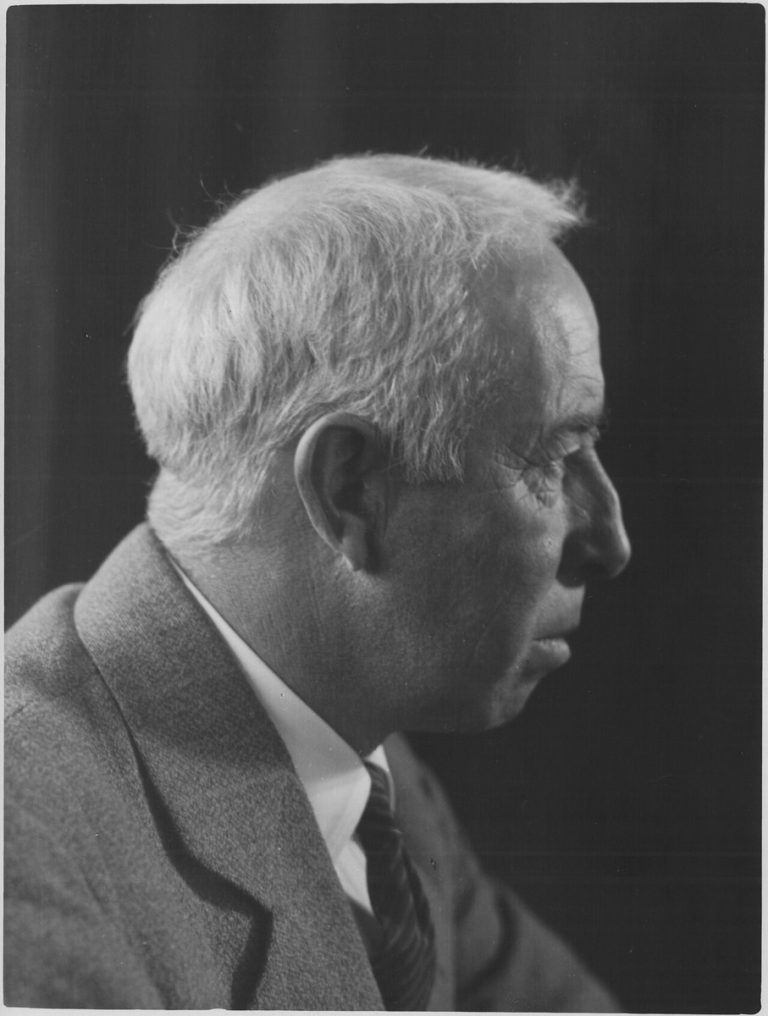
Alexander James McPhail (University of Saskatchewan Archives).
CA-K575Economy & trade

A. J. McPhail and the Saskatchewan Wheat Pool

Alexander James McPhail, who came west from Ontario in 1899, worked to organize Prairie farmers politically and economically. As secretary of the Saskatchewan Grain Growers’ Association he worked tirelessly to create the Saskatchewan Wheat Pool, becoming its first president in 1924, and helped form the Central Sales Agency for the three Prairie provinces’ crops.

Factual accuracy review: No recorded challenge

Contributor: Citizen.ca

Verified against cited sourcesVerified on 2026-10-26↗
Photo: University of Saskatchewan · Photo licence: Public domain · Credit & context
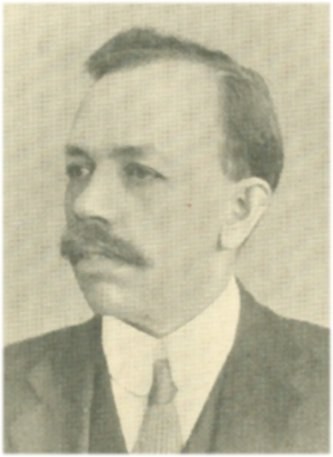
A. Y. Jackson, 1930 (Archives of Ontario).
CA-K574Culture & sport

A. Y. Jackson, painter of the Group of Seven

A. Y. Jackson, born in Montréal, studied painting there and in Paris, served overseas in the First World War and was a member of the Group of Seven from 1920 to 1933. His simple, rounded forms in wilderness landscapes gave a powerful image of Canada, and he greatly influenced a generation of Canadian artists.

Factual accuracy review: No recorded challenge

Contributor: Citizen.ca

Verified against cited sourcesVerified on 2026-10-26↗
Photo: Unknown photographer (1930); Archives of Ontario, I0007815 · Photo licence: Public domain · Credit & context
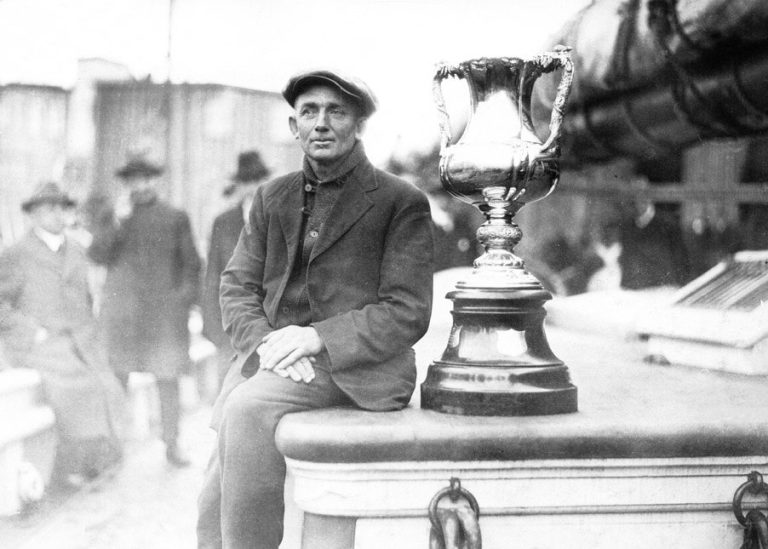
John Stanley Plaskett, 1917.
CA-K569History

John Stanley Plaskett and the Dominion Astrophysical Observatory

John Stanley Plaskett began Canada’s first astrophysical research at the Dominion Observatory in Ottawa in 1905, then urged the creation of the Dominion Astrophysical Observatory near Victoria, designed its main instruments and became its first director in 1917. With its 1.85-metre telescope he observed stellar motions fundamental to the first measurement of our galaxy’s rotation.

Factual accuracy review: No recorded challenge

Contributor: Citizen.ca

Verified against cited sourcesVerified on 2026-10-26↗
Photo: Unknown author · Photo licence: Public domain · Credit & context
Captain Angus Walters with the International Fishermen’s Trophy on the deck of Bluenose, 1921 (W. R. MacAskill).
CA-K566Culture & sport

Captain Angus Walters of the Bluenose

Captain Angus J. Walters of Lunenburg, a legendary sailor and fisherman, won five consecutive International Fishermen’s Races at the helm of the schooner Bluenose between 1921 and 1938, a great source of pride during the Depression. A top fishing captain, he brought international attention to the Atlantic Canadian fishery.

Factual accuracy review: No recorded challenge

Contributor: Citizen.ca

Verified against cited sourcesVerified on 2026-10-26↗
Photo: W.R. MacAskill (1890-1956) · Photo licence: Public domain · Credit & context