An independent Canadian knowledge project

Focused and Verified

Canadian knowledge base

Search by keyword

Choose one keyword, or combine two. Broader keywords include their descendants.

Keywords: Time periods

Clear search
Louis St. Laurent and Mackenzie King at the United Nations Conference, San Francisco, May 1945 (Nicholas Morant).
CA-K1054History

Mackenzie King leads Canada’s delegation to San Francisco, 1945

In 1945, Prime Minister Mackenzie King led the Canadian delegation to the United Nations Conference in San Francisco, which ran from April 25 to June 26.

Factual accuracy review: No recorded challenge

Contributor: Citizen.ca

Verified against cited sourcesVerified on 2026-10-27↗
Photo: Nicholas Morant / National Film Board of Canada. Phototheque / Library and Archives Canada / C-022717 · Photo licence: Public domain · Credit & context
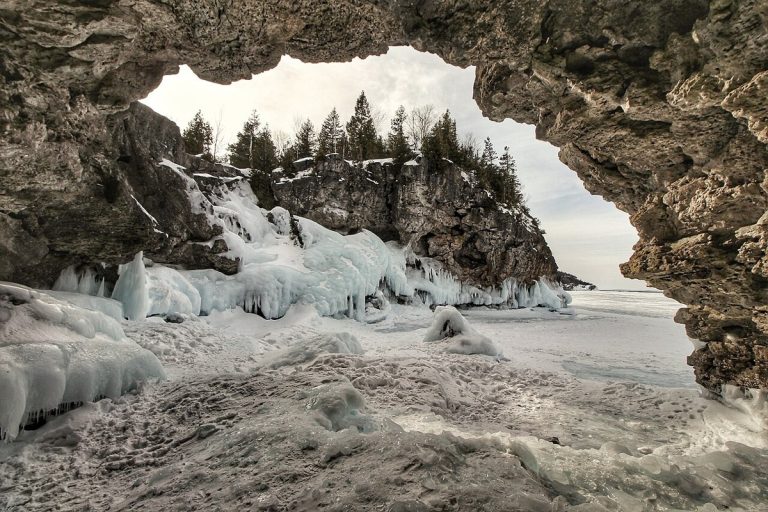
The Grotto in winter, Bruce Peninsula National Park.
CA-K1029Places & geography

Bruce Peninsula National Park and the Niagara Escarpment

Bruce Peninsula National Park, established in 1987, is the core protected area of the UNESCO Niagara Escarpment World Biosphere Reserve and holds the longest stretch of undeveloped Niagara Escarpment and Lake Huron shoreline. Its dolomite bedrock, lakes and mixed forest form a mosaic of habitats, including globally rare alvars.

Factual accuracy review: No recorded challenge

Contributor: Citizen.ca

Verified against cited sourcesVerified on 2026-10-27↗
Photo: Dunmaghlas · Photo licence: CC BY-SA 4.0 · Credit & context
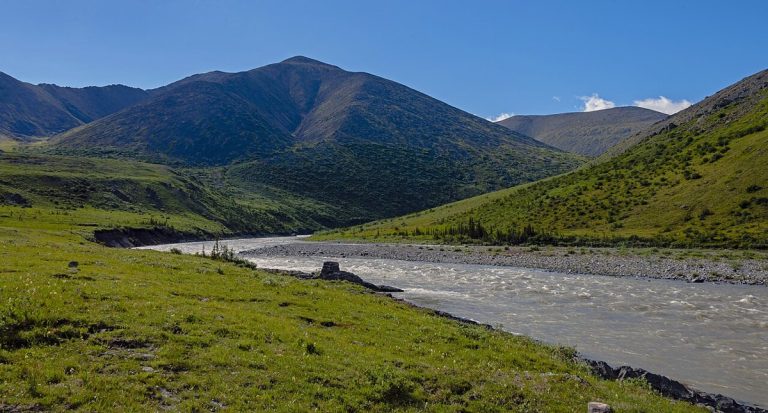
The Firth River, Ivvavik National Park.
CA-K1012Places & geography

Ivvavik, the first national park created by a land claim

Ivvavik National Park, in the far northwest of Yukon above the Arctic Circle, takes its name from the Inuvialuktun word for “a place for giving birth, a nursery.” It was the first national park in Canada created through an Indigenous land claim agreement, the Inuvialuit Final Agreement of 1984, and it protects part of the calving grounds of the Porcupine caribou herd.

Factual accuracy review: No recorded challenge

Contributor: Citizen.ca

Verified against cited sourcesVerified on 2026-10-27↗
Photo: Daniel Case · Photo licence: CC BY-SA 3.0 · Credit & context
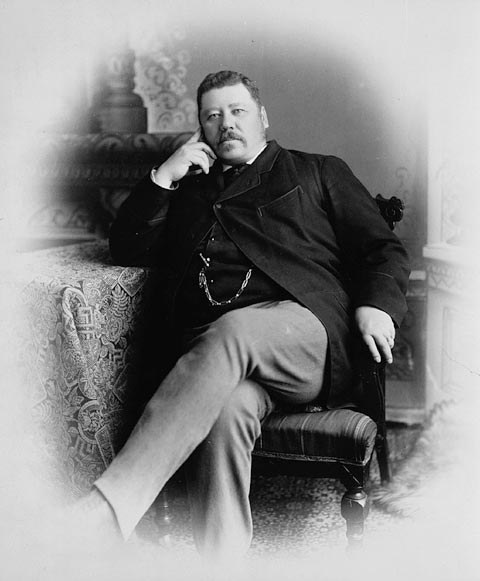
John Norquay, Premier of Manitoba, about 1878.
CA-K1000History

John Norquay, Métis premier of Manitoba

John Norquay, a Métis statesman born at St. Andrew’s in the Red River settlement, was elected to Manitoba’s first assembly in 1870 and became premier in 1878. His government, built on shared French and English participation, won an extended Manitoba boundary and better financial terms from Ottawa, and built railways in defiance of the Canadian Pacific charter and federal disallowance. He resigned as premier in 1887 but sat as a member until his death.

Factual accuracy review: No recorded challenge

Contributor: Citizen.ca

Verified against cited sourcesVerified on 2026-10-27↗
Photo: Unknown author · Photo licence: Public domain · Credit & context
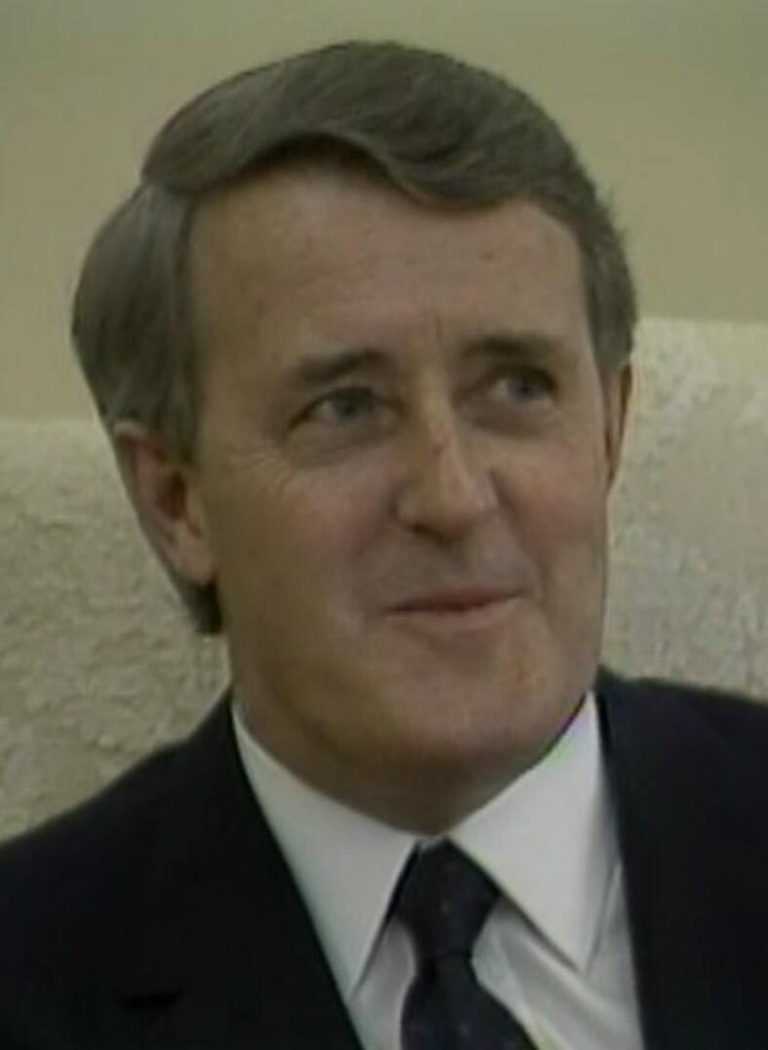
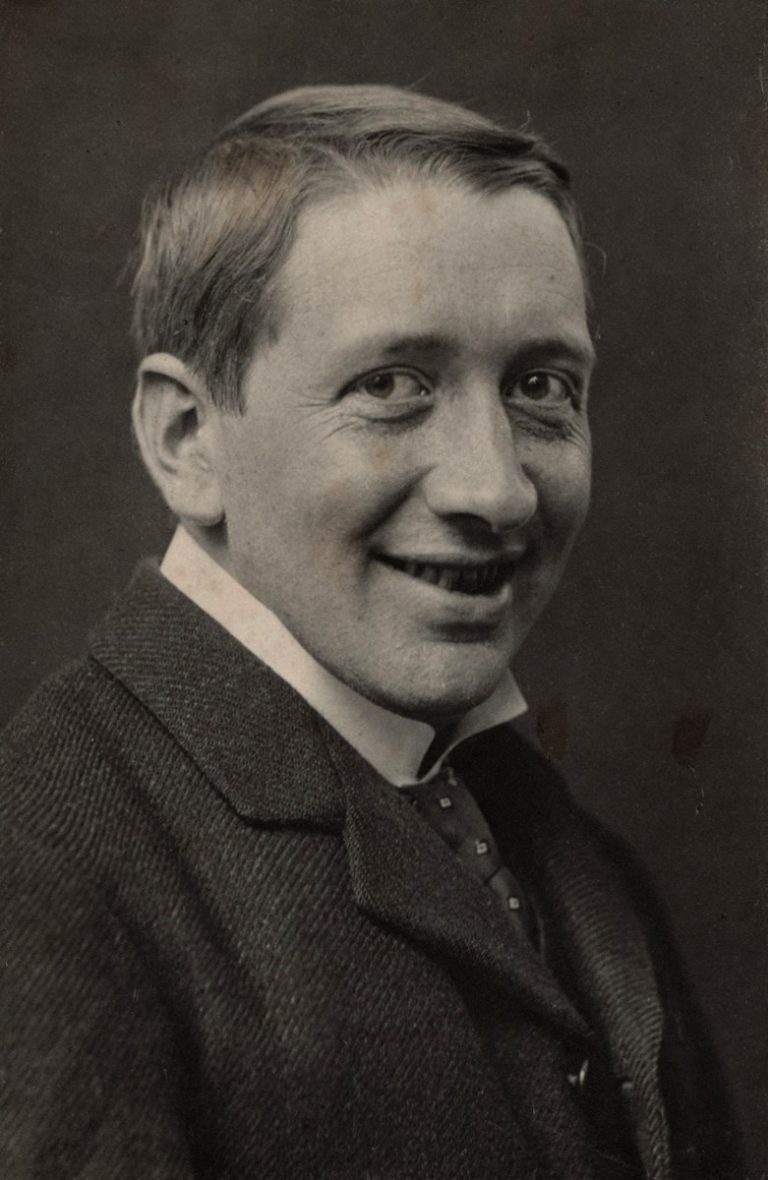
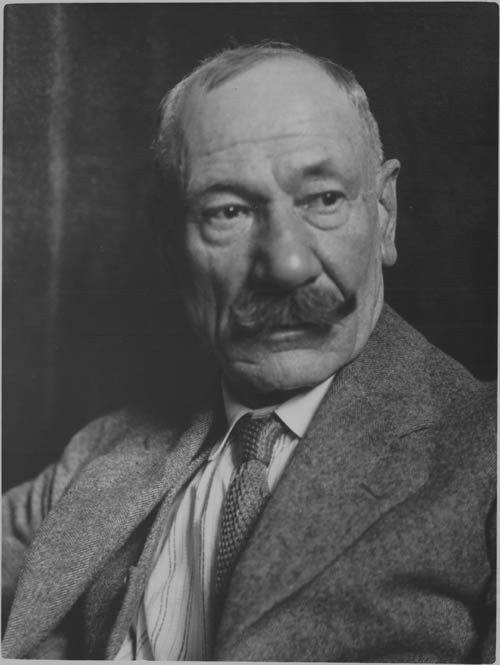
John Murray Gibbon, photograph by Olive Edis.
CA-K999Culture & sport

John Murray Gibbon and the Canadian mosaic

John Murray Gibbon, born in Ceylon and educated in Scotland and Germany, turned from painting to journalism. As the Canadian Pacific Railway’s publicity agent from 1913 to 1945, he combined advertising with promoting a Canadian identity and popularized the image of Canadian society as a mosaic. He organized folk festivals, helped start the Trail Riders of the Canadian Rockies at Banff, and in 1921 helped found the Canadian Authors’ Association.

Factual accuracy review: No recorded challenge

Contributor: Citizen.ca

Verified against cited sourcesVerified on 2026-10-27↗
Photo: Olive Edis · Photo licence: Public domain · Credit & context
Sir William Coaker, 1930.
CA-K997Economy & trade

Sir William Coaker and the Fishermen’s Protective Union

William Coaker founded the Fishermen’s Protective Union in 1908 to unite the fishers, sealers and loggers of rural Newfoundland under the motto “To Each His Own.” Under him the union set up trading stores, a newspaper and a political party that fought for social and economic reform, and founded Port Union as its headquarters in 1916. A member of several governments from 1917, he was a major force in Newfoundland politics until the mid-1920s.

Factual accuracy review: No recorded challenge

Contributor: Citizen.ca

Verified against cited sourcesVerified on 2026-10-27↗
Photo: Richard Hibbs · Photo licence: Public domain · Credit & context
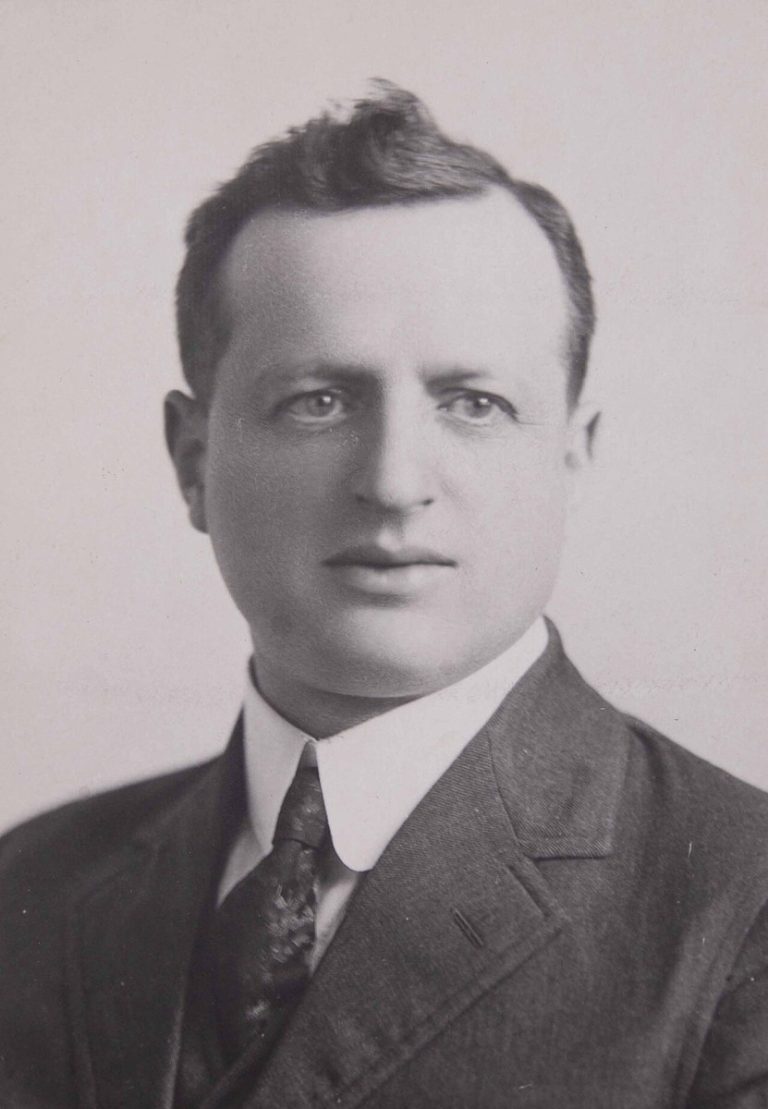
A.A. Heaps, Winnipeg alderman, 1921.
CA-K996History

A.A. Heaps, labour leader and MP

Abraham Albert Heaps, labour leader and politician, fought for workers and spoke for the Jewish community. One of the more moderate leaders of the 1919 Winnipeg General Strike, he pressed for workers’ rights while seeking a peaceful settlement. As MP for Winnipeg North (1925–40) he fought antisemitism, sought reform of immigration policy and the admission of Jewish refugees, and championed old age pensions and unemployment insurance.

Factual accuracy review: No recorded challenge

Contributor: Citizen.ca

Verified against cited sourcesVerified on 2026-10-27↗
Photo: City of Winnipeg · Photo licence: Public domain · Credit & context
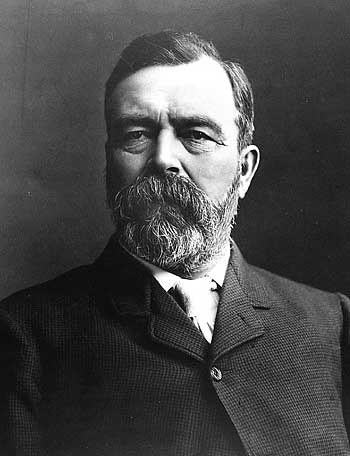
William Ogilvie, F.R.G.S., portrait.
CA-K995Places & geography

William Ogilvie, surveyor and Commissioner of the Yukon

William Ogilvie of Ottawa became a Dominion Land Surveyor in 1872. He worked on the Canada–Alaska boundary survey and explored the Mackenzie River, contributing to mapping Canada’s northwest. He wrote The Klondike Official Guide (1898) and served as Commissioner of the Yukon from 1898 to 1901, during the Klondike Gold Rush.

Factual accuracy review: No recorded challenge

Contributor: Citizen.ca

Verified against cited sourcesVerified on 2026-10-27↗
Photo: Unknown author · Photo licence: Public domain · Credit & context
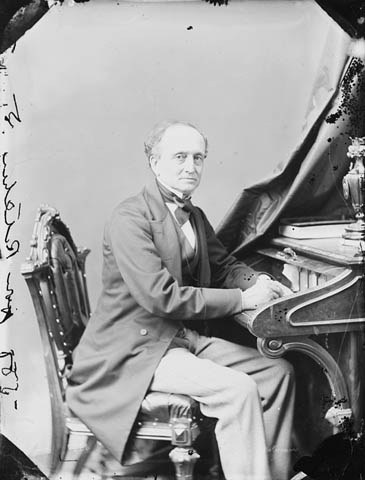
John William Ritchie, portrait.
CA-K994History

John William Ritchie, Nova Scotia Father of Confederation

John William Ritchie, a gifted lawyer, legislator and judge, helped pave the way for Nova Scotia’s reluctant entry into Confederation. A member of the colony’s legislature and solicitor general (1864–67), he was a delegate to the London Conference of 1866–67, which finalized the terms of union. After championing Confederation in the Legislative Council, he was named to the first Senate and later sat on the Nova Scotia Supreme Court.

Factual accuracy review: No recorded challenge

Contributor: Citizen.ca

Verified against cited sourcesVerified on 2026-10-27↗
Photo: Unknown artist · Photo licence: Public domain · Credit & context
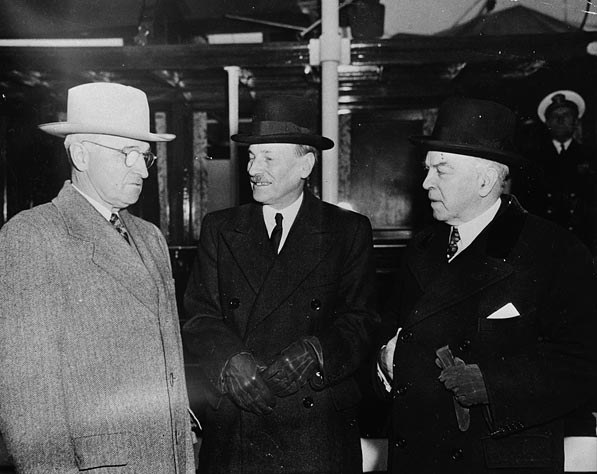
Horatio Walker, R.C.A., 1931 (M.O. Hammond).
CA-K992Culture & sport

Horatio Walker, painter of rural Quebec

Horatio Walker, born at Listowel, Ontario, learned watercolour in Toronto and was largely self-taught. In 1883 he settled on Île d’Orléans, where for more than fifty years he painted rural life. Elected to the Royal Canadian Academy in 1918, he became its president in 1925. His traditional portrayals of people and animals won international acclaim and hang in major American galleries and the National Gallery of Canada.

Factual accuracy review: No recorded challenge

Contributor: Citizen.ca

Verified against cited sourcesVerified on 2026-10-27↗
Photo: Melvin Ormond Hammond (1876 - 1934) · Photo licence: Public domain · Credit & context
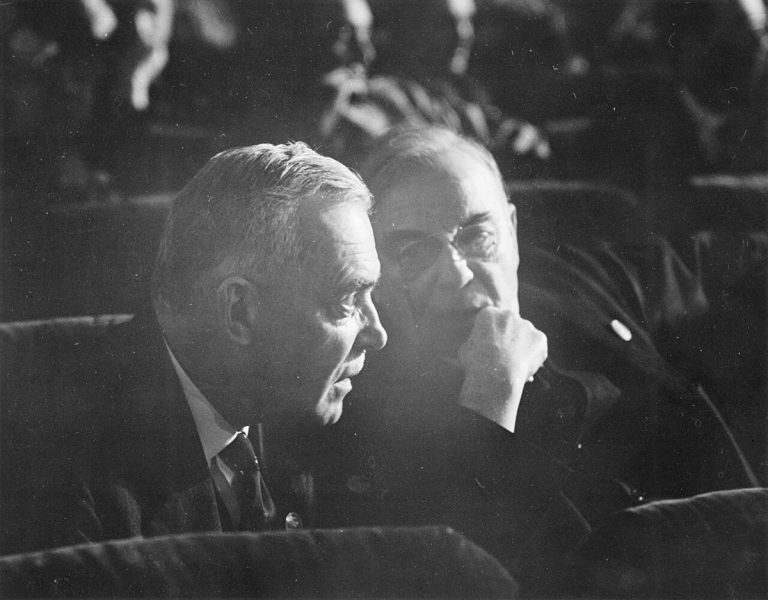
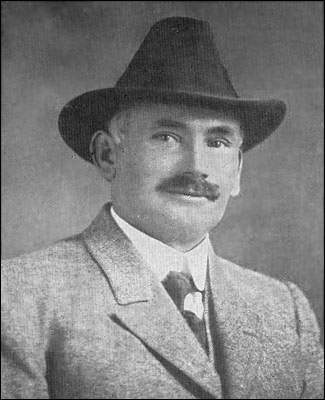
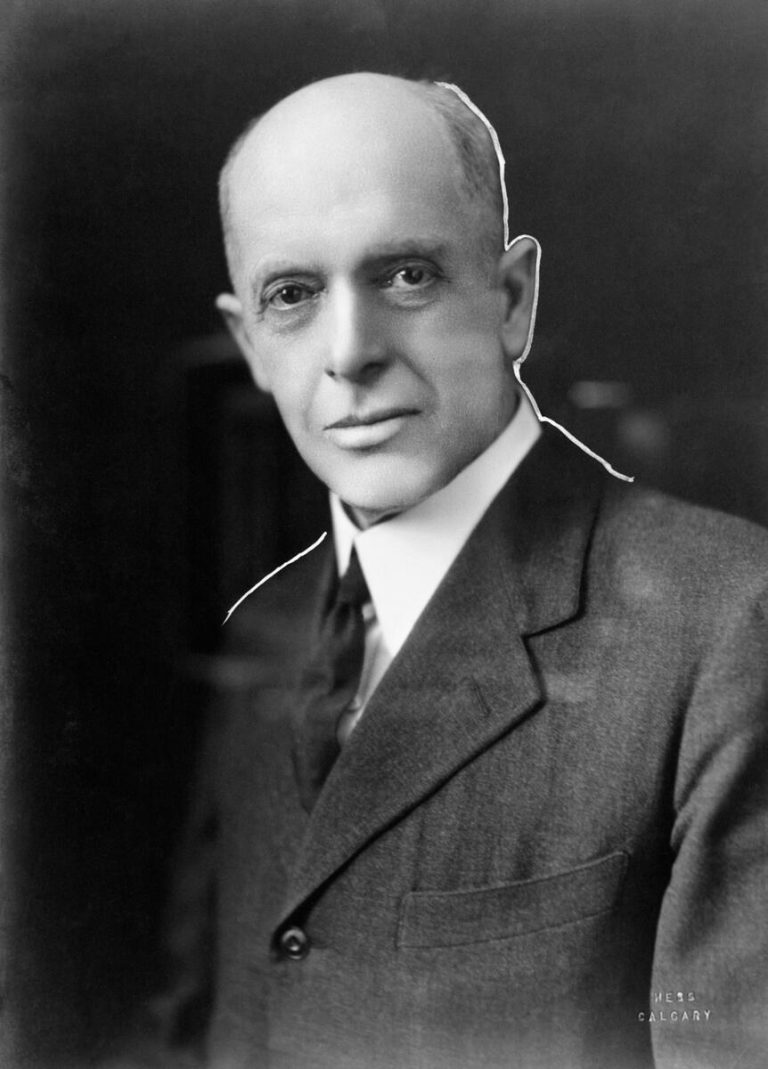
Henry Wise Wood, about 1920 (A.L. Hess).
CA-K991Economy & trade

Henry Wise Wood, prairie farm leader

Henry Wise Wood, born in Missouri, settled in the Carstairs district of Alberta in 1905. He was president of the United Farmers of Alberta from 1916 to 1931, a founder of the prairie wheat pools and first chairman of the Alberta Wheat Pool (1923–37). An advocate of economic group government, he shaped agrarian political thought and helped the United Farmers win and hold power in Alberta from 1921 to 1935.

Factual accuracy review: No recorded challenge

Contributor: Citizen.ca

Verified against cited sourcesVerified on 2026-10-27↗
Photo: Hess, A.L. · Photo licence: Public domain · Credit & context
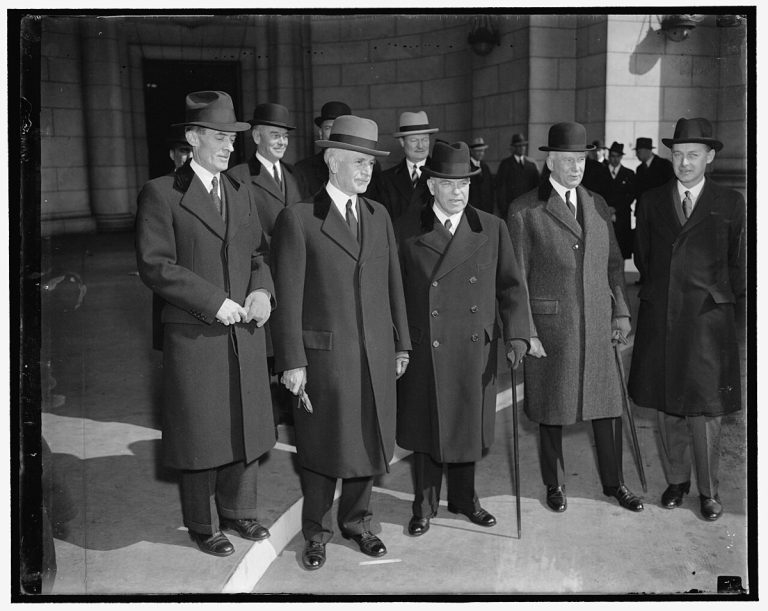
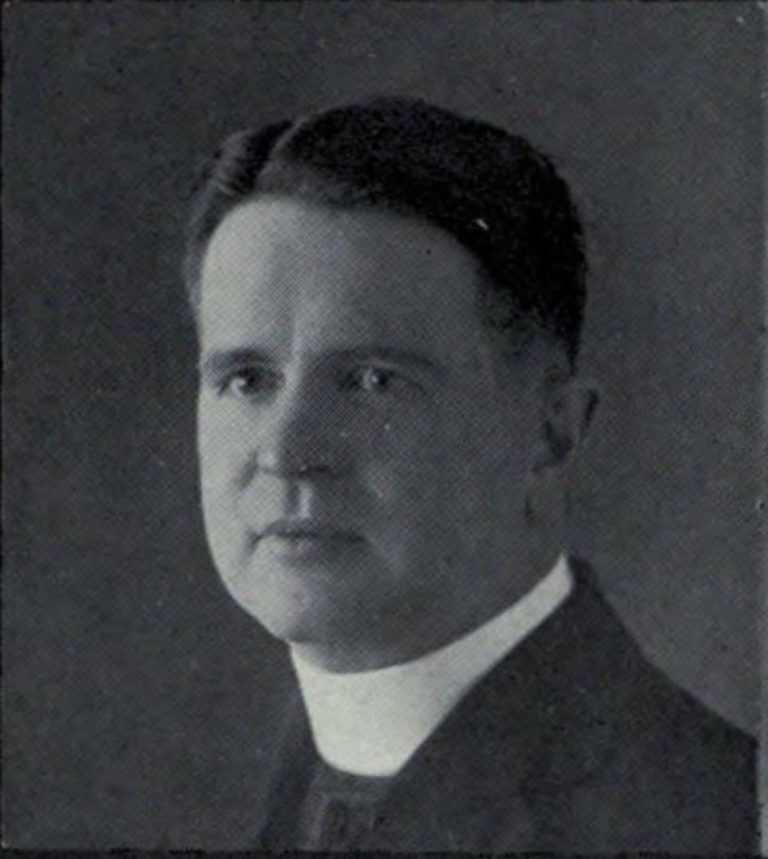
Father Henry Carr, C.S.B., 1915.
CA-K990Institutions

Father Henry Carr and St. Michael’s College

Father Henry Carr, a priest of the Congregation of St. Basil, promoted Catholic colleges within secular universities in Canada. In the early 1900s he modernized St. Michael’s College, turning it into a noted arts college federated with the University of Toronto, and later led similar Catholic colleges at the universities of Saskatchewan and British Columbia. In 1929 he co-founded what became the Pontifical Institute of Mediaeval Studies.

Factual accuracy review: No recorded challenge

Contributor: Citizen.ca

Verified against cited sourcesVerified on 2026-10-27↗
Photo: Unknown author · Photo licence: Public domain · Credit & context
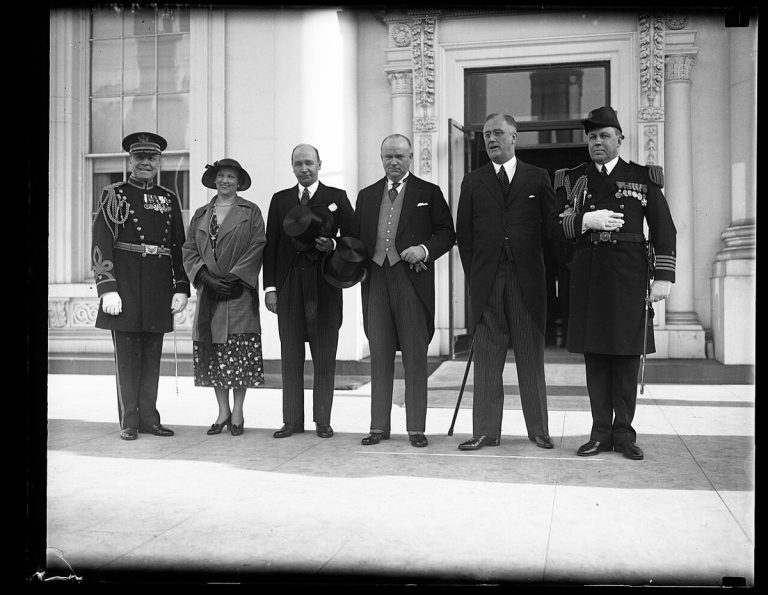
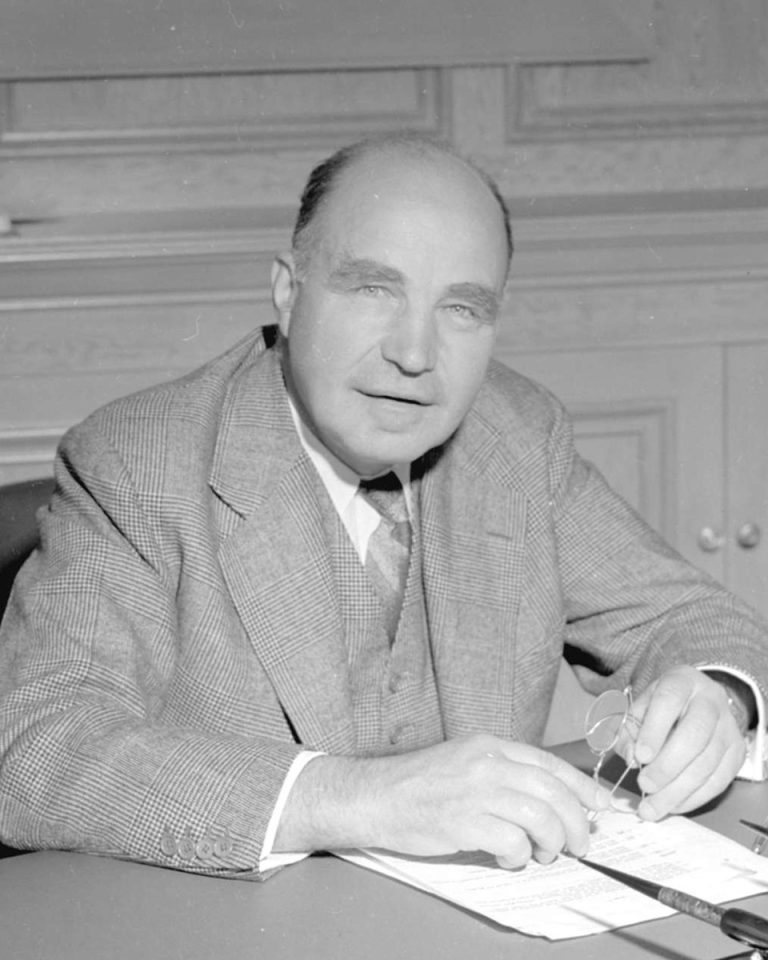
H.R. MacMillan at his desk, 1944.
CA-K989Economy & trade

H.R. MacMillan, forester and lumber industrialist

Harvey Reginald MacMillan, educated at Yale as one of Canada’s first professional foresters, became British Columbia’s Chief Forester in 1912. In 1919 he founded his own company to sell lumber abroad, taking part in a huge expansion of the industry, and its 1951 merger with Bloedel, Stewart and Welch created one of Canada’s largest forest companies. He was made a CBE for organizing forest production in both world wars.

Factual accuracy review: No recorded challenge

Contributor: Citizen.ca

Verified against cited sourcesVerified on 2026-10-27↗
Photo: Don Coltman or Steffens Colmer · Photo licence: Public domain · Credit & context