
An independent Canadian knowledge project

Focused and Verified

Canadian knowledge base

Search by keyword

Choose one keyword, or combine two. Broader keywords include their descendants.

Keywords: People and roles

Clear search
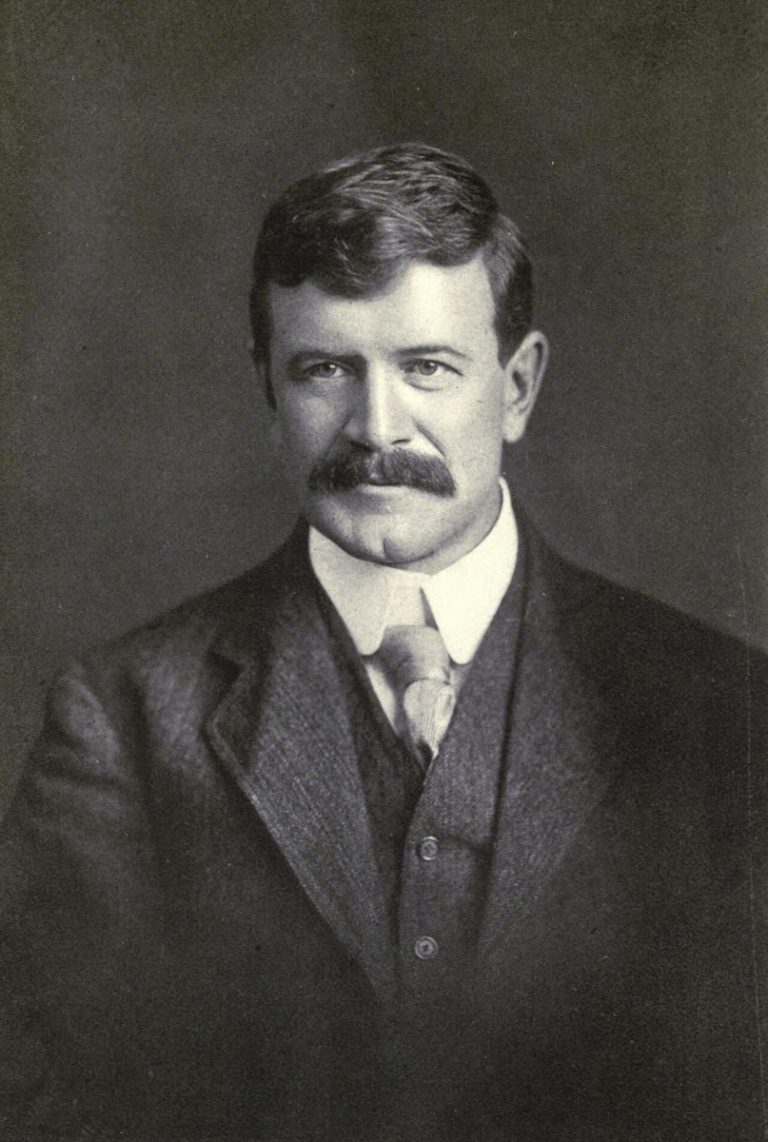
Stephen Leacock, portrait published in 1913.
CA-K440Culture & sport

Stephen Leacock, humorist

Stephen Leacock spent most of his career at McGill University teaching history and political science, but he is chiefly known as a humorist. Sunshine Sketches of a Little Town (1912) made his reputation across the English-speaking world, and his work finds humour in ordinary people in everyday situations through exaggeration and incongruity.

Factual accuracy review: No recorded challenge

Contributor: Citizen.ca

Verified against cited sourcesVerified on 2026-10-26↗
Photo: The Arts & Letters Club of Toronto · Photo licence: Public domain · Credit & context
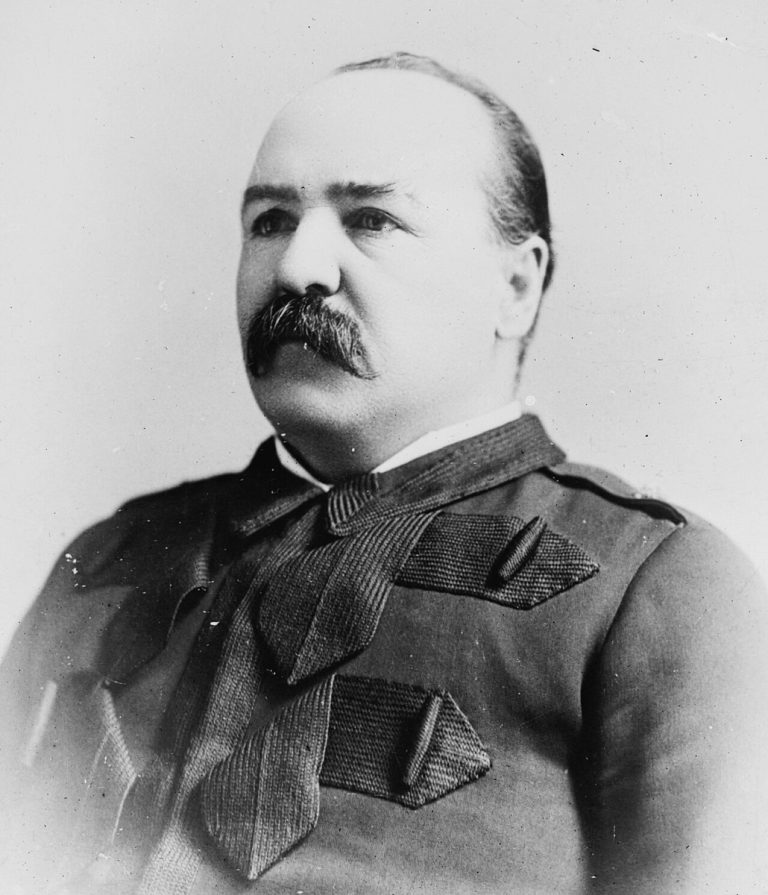
Captain Joseph-Elzéar Bernier (Bain News Service).
CA-K438Places & geography

Captain Joseph-Elzéar Bernier and Arctic sovereignty

Captain Joseph-Elzéar Bernier of L’Islet, Quebec, a skilled navigator, travelled widely in the Canadian North between 1904 and 1925. On seven of these expeditions he commanded the government ship CGS Arctic, affirming Canadian sovereignty over the Arctic Archipelago.

Factual accuracy review: No recorded challenge

Contributor: Citizen.ca

Verified against cited sourcesVerified on 2026-10-26↗
Photo: George Grantham Bain Collection · Photo licence: Public domain · Credit & context
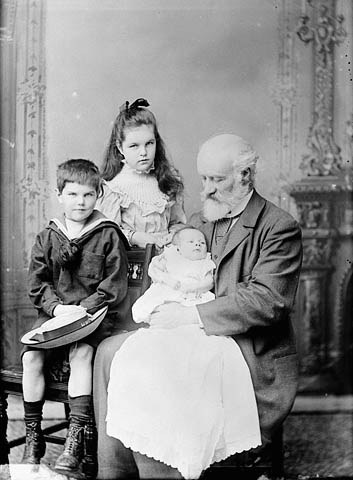
Sir Sandford Fleming with his grandchildren, July 1893 (Topley Studio).
CA-K436History

Sir Sandford Fleming, engineer and champion of standard time

Sir Sandford Fleming, born in Scotland, came to Canada in 1845 and became survey and construction engineer for the Intercolonial Railway and the Canadian Pacific. A man of wide interests and an ardent imperialist, he advocated the Pacific telegraph cable, designed the first Canadian postage stamp in 1851, and was an early champion of standard time.

Factual accuracy review: No recorded challenge

Contributor: Citizen.ca

Verified against cited sourcesVerified on 2026-10-26↗
Photo: William James Topley · Photo licence: Public domain · Credit & context
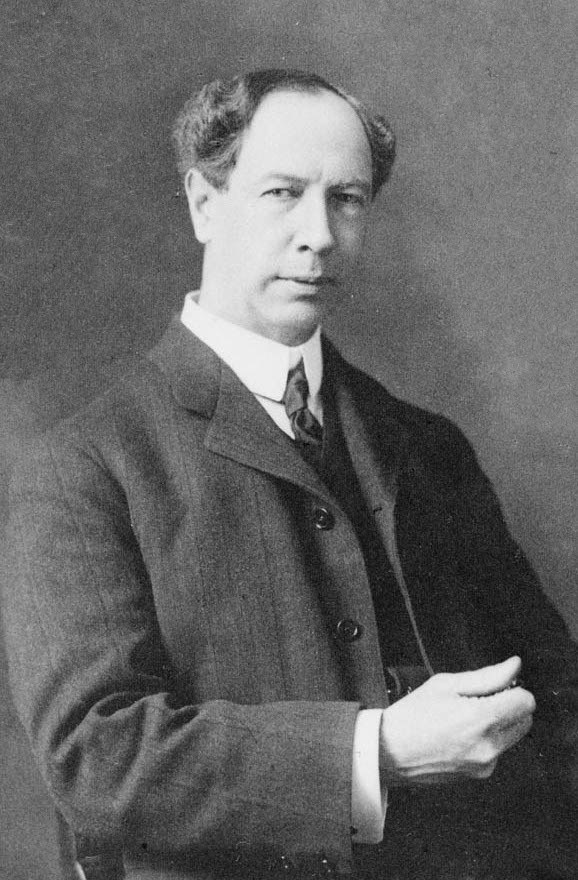
Thomas “Carbide” Willson in Ottawa, around 1914 (Library and Archives Canada).
CA-K432Economy & trade

Thomas “Carbide” Willson and acetylene

Thomas “Carbide” Willson, a largely self-educated inventor from Oxford County, Upper Canada, discovered in 1892 a method of mass-producing calcium carbide. Acetylene gas made from it was used for lighting and as a source of other industrial chemicals, and his discovery helped lay the foundation of the electrochemical industry in the early 20th century.

Factual accuracy review: No recorded challenge

Contributor: Citizen.ca

Verified against cited sourcesVerified on 2026-10-26↗
Photo: Unknown author · Photo licence: Public domain · Credit & context
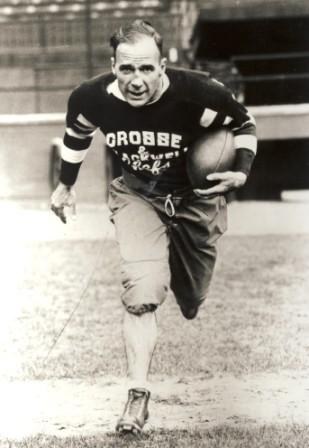
Lionel Conacher as a football player in Toronto, 1933.
CA-K430Culture & sport

Lionel Conacher, the “Big Train”

Lionel “Big Train” Conacher excelled at six professional sports and was voted Canada’s all-round male athlete of the half-century in 1950. A star of football and lacrosse who helped win the 1921 Grey Cup, he played in the National Hockey League from 1925 to 1937 on two Stanley Cup-winning teams, then was elected to the Ontario legislature and, in 1949, to the House of Commons.

Factual accuracy review: No recorded challenge

Contributor: Citizen.ca

Verified against cited sourcesVerified on 2026-10-26↗
Photo: Unknown author · Photo licence: Public domain · Credit & context
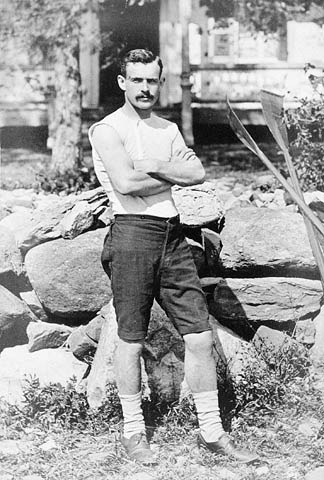
Ned Hanlan, world rowing champion, around 1878 (Notman & Sandham).
CA-K427Culture & sport

Ned Hanlan, world rowing champion

Ned Hanlan of Toronto was a champion rower in an era when rowing was a hugely popular spectator sport. He won the world sculling title in 1880 and held it until 1884, and by his retirement in 1897 had lost only about six of some 350 races. Known as “The Boy in Blue”, he was one of Canada’s first national sporting heroes.

Factual accuracy review: No recorded challenge

Contributor: Citizen.ca

Verified against cited sourcesVerified on 2026-10-26↗
Photo: Notman & Sandham · Photo licence: Public domain · Credit & context
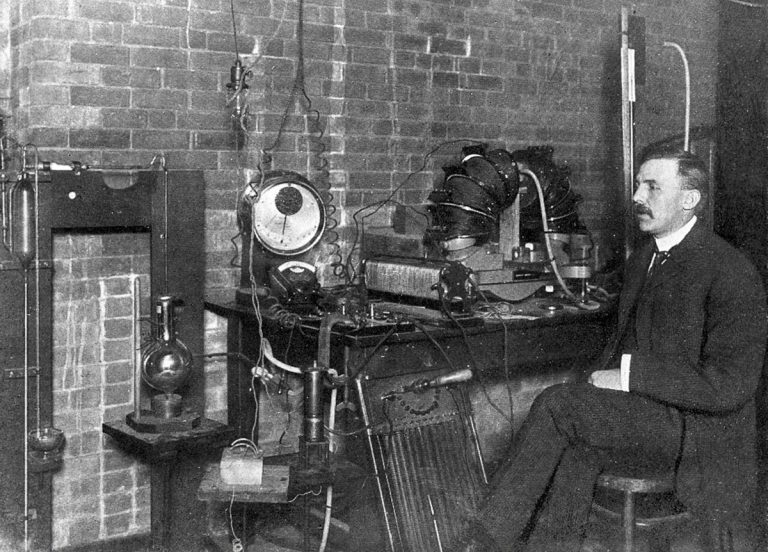
Ernest Rutherford at McGill University, 1905.
CA-K426History

Ernest Rutherford’s radioactivity research at McGill

As Macdonald Professor of Physics at McGill University from 1898 to 1907, Ernest Rutherford, working with Frederick Soddy, made fundamental discoveries about radioactivity that made McGill an important centre of atomic physics research. He later led laboratories at Manchester and Cambridge and received the Nobel Prize in Chemistry in 1908.

Factual accuracy review: No recorded challenge

Contributor: Citizen.ca

Verified against cited sourcesVerified on 2026-10-26↗
Photo: Unknown, published in 1939 in Rutherford : being the life and letters of the Rt. Hon. Lord Rutherford, O. M · Photo licence: Public domain · Credit & context
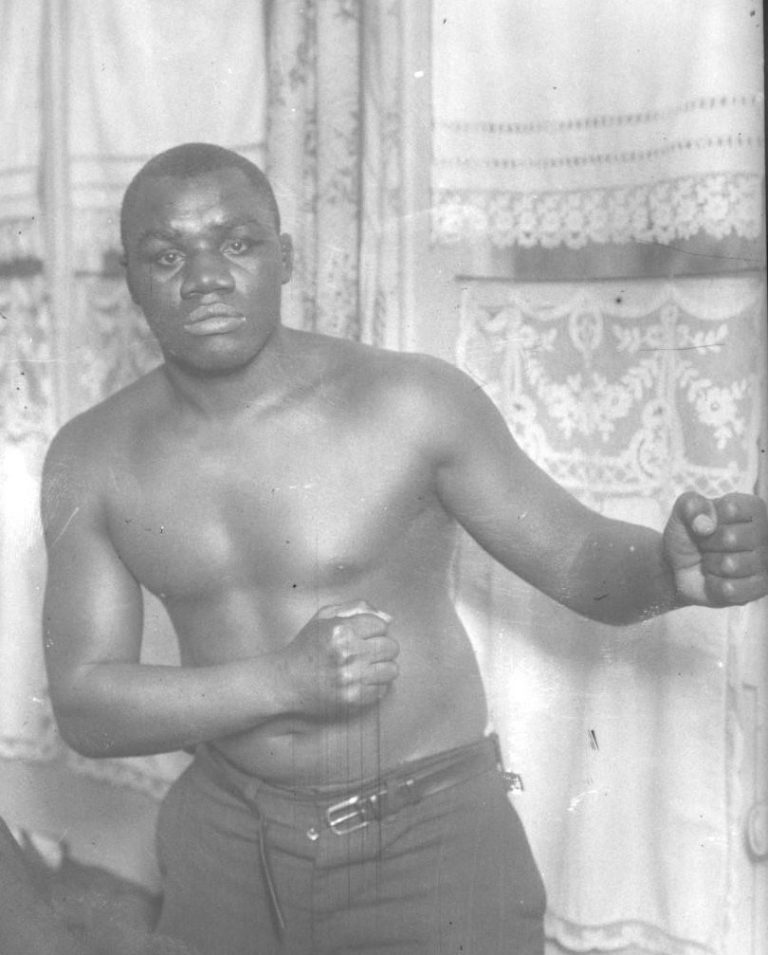
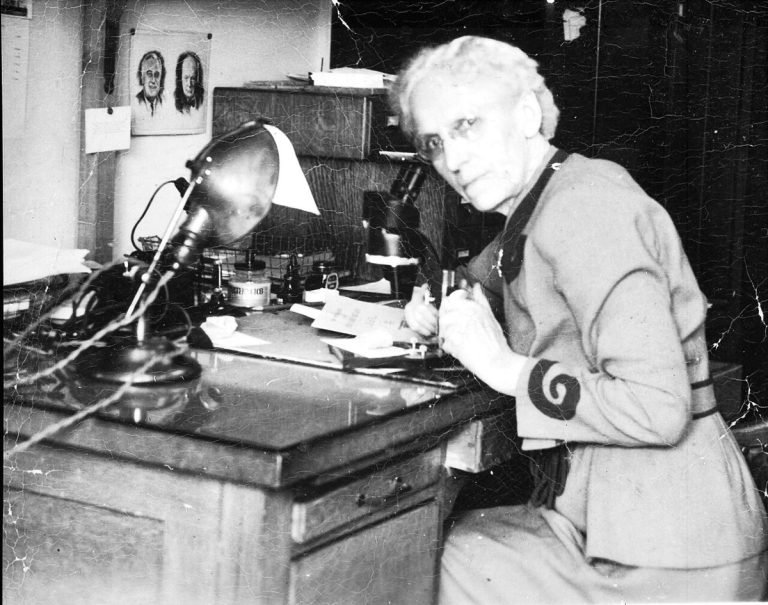
Alice Wilson at her desk with a microscope, Geological Survey of Canada, before 1946.
CA-K424History

Alice Wilson, the first woman geologist at the Geological Survey

Alice Wilson, a paleontologist and geologist who studied the Ottawa–St. Lawrence Lowlands, was the first woman employed as a geologist at the Geological Survey of Canada. She earned a doctorate in 1929 with support from the Canadian Federation of University Women, became the first female Fellow of the Royal Society of Canada, and helped open science and the federal public service to women.

Factual accuracy review: No recorded challenge

Contributor: Citizen.ca

Verified against cited sourcesVerified on 2026-10-26↗
Photo: Unknown author · Photo licence: Public domain · Credit & context
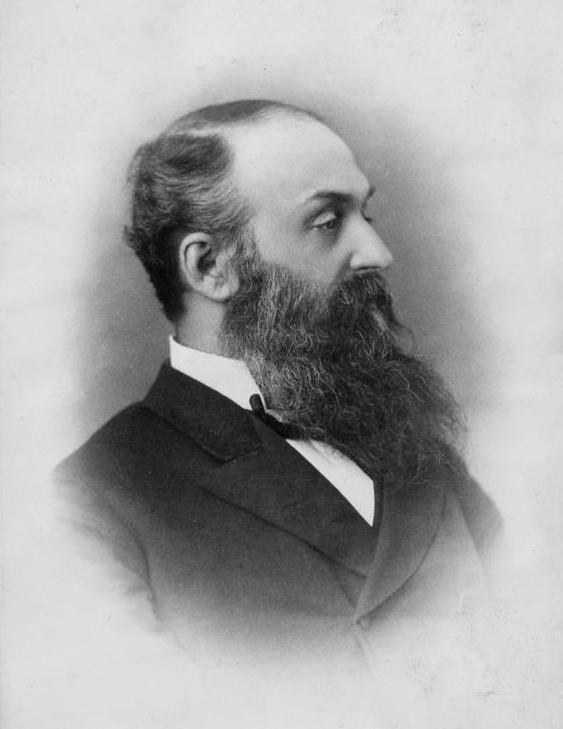
Sam Langford in 1913 (Agence Rol).
CA-K419Culture & sport

Sam Langford, boxer from Weymouth Falls

Sam Langford, a Black boxer from Weymouth Falls, Nova Scotia, fought professionally from 1902 to 1923 in divisions ranging from lightweight to heavyweight. Despite his achievements, he was denied the opportunity to challenge for the leading world heavyweight championship.

Factual accuracy review: No recorded challenge

Contributor: Citizen.ca

Verified against cited sourcesVerified on 2026-10-26↗
Photo: Agence Rol · Photo licence: Public domain · Credit & context
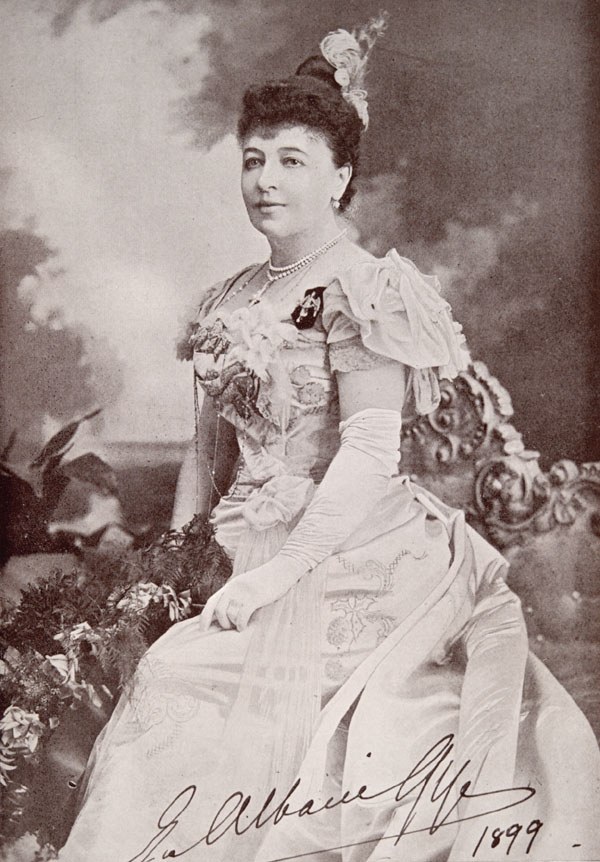
Alphonse Desjardins in Montréal, April 1882 (Notman & Sandham).
CA-K417Economy & trade

Alphonse Desjardins and the caisses populaires

Alphonse Desjardins of Lévis, a journalist and parliamentary stenographer, founded the caisse populaire movement in Quebec. Concerned about ordinary people’s finances and the lack of French-Canadian banks, he devised co-operative savings and loan societies organized by parish, founded the first in Lévis in 1900, and spent the last 20 years of his life spreading the movement.

Factual accuracy review: No recorded challenge

Contributor: Citizen.ca

Verified against cited sourcesVerified on 2026-10-26↗
Photo: Notman & Sandham · Photo licence: Public domain · Credit & context
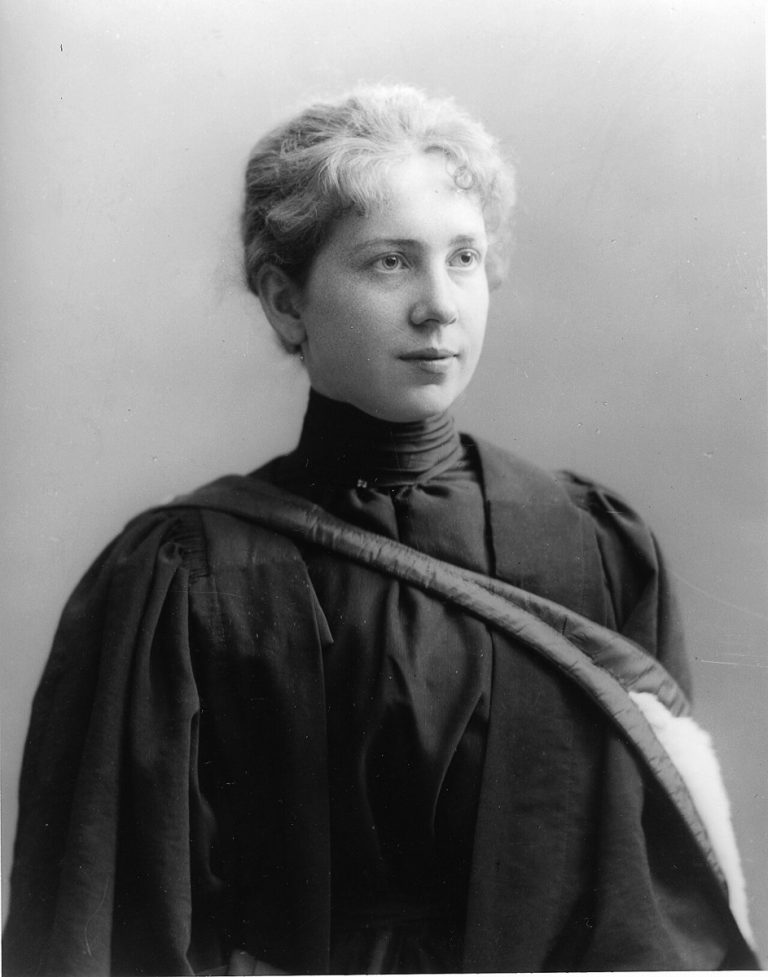
Emma Albani in 1899 (Talma and Company, Melbourne).
CA-K412Culture & sport

Emma Albani, soprano from Chambly

Emma Albani, born Emma Lajeunesse at Chambly, Quebec, was one of the great sopranos of her generation. For 24 years a principal artist at Covent Garden in London and a favourite of Queen Victoria, she sang Italian, French, German and English repertoire, from oratorio to Wagner, and was made a Dame Commander of the British Empire in 1925.

Factual accuracy review: No recorded challenge

Contributor: Citizen.ca

Verified against cited sourcesVerified on 2026-10-26↗
Photo: Talma and Company, Melbourne, Australia (Active: ca. 1899 - ca. 1912) · Photo licence: Public domain · Credit & context
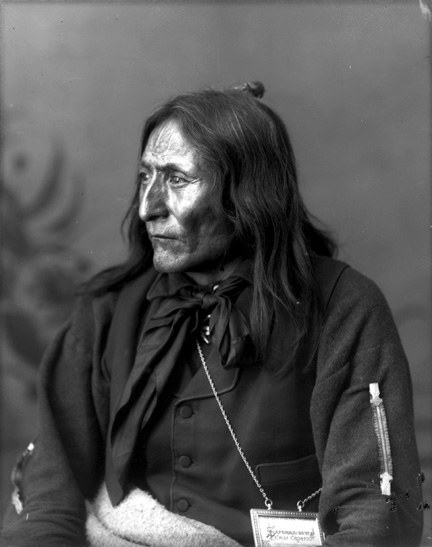
Portrait of Crowfoot, head chief of the Siksika, around 1885.
CA-K409Indigenous peoples & reconciliation

Isapo-Muxika (Crowfoot), Siksika peacemaker

Isapo-Muxika (Crowfoot), born Kainai and raised among the Siksika (Blackfoot), became a leading chief known as a warrior, orator and peacemaker. Convinced that peace served his people best, he made peace with the Plains Cree, adopting Poundmaker as his son, and persuaded the Siksika to sign Treaty 7 in 1877.

Factual accuracy review: No recorded challenge

Contributor: Citizen.ca

Verified against cited sourcesVerified on 2026-10-26↗
Photo: Alex Ross · Photo licence: Public domain · Credit & context
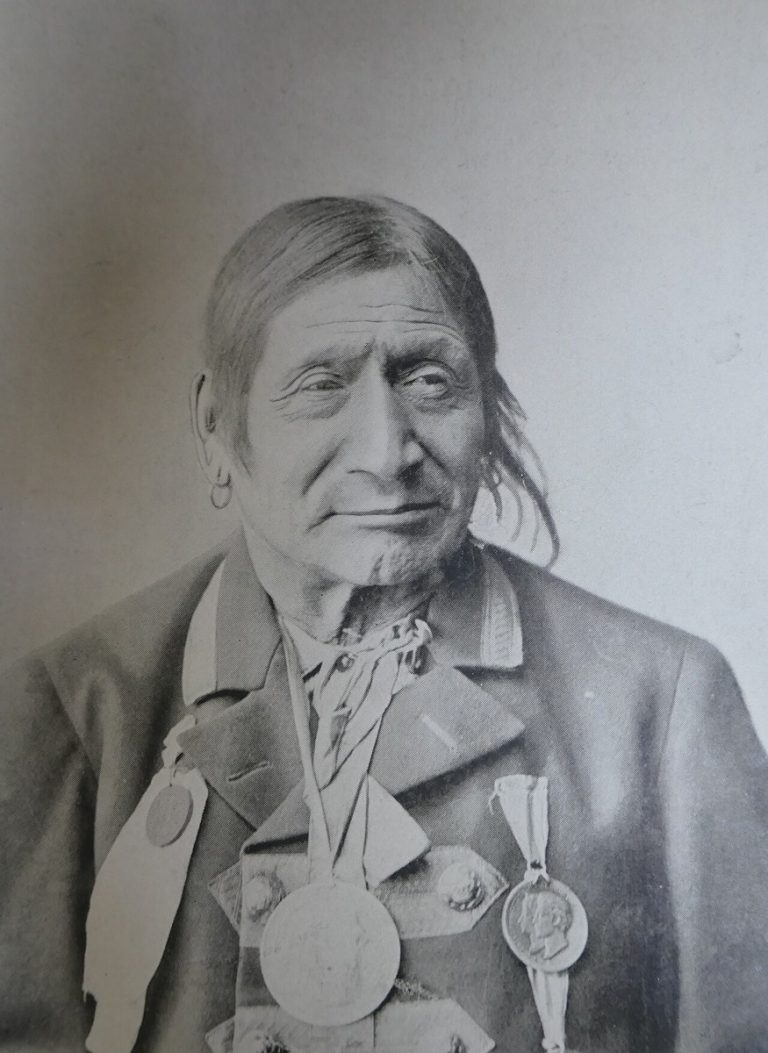
Red Crow in 1895.
CA-K405Indigenous peoples & reconciliation

Red Crow, head chief of the Kainai

Red Crow, warrior and statesman, became a head chief of the Kainai (Blood) in 1870. After first boycotting the negotiations, he signed Treaty 7 in 1877 on behalf of his people and chose the site of the Blood Reserve, the largest in Canada; his leadership helped the Kainai keep their proud and independent spirit.

Factual accuracy review: No recorded challenge

Contributor: Citizen.ca

Verified against cited sourcesVerified on 2026-10-26↗
Photo: Unknown author · Photo licence: Public domain · Credit & context
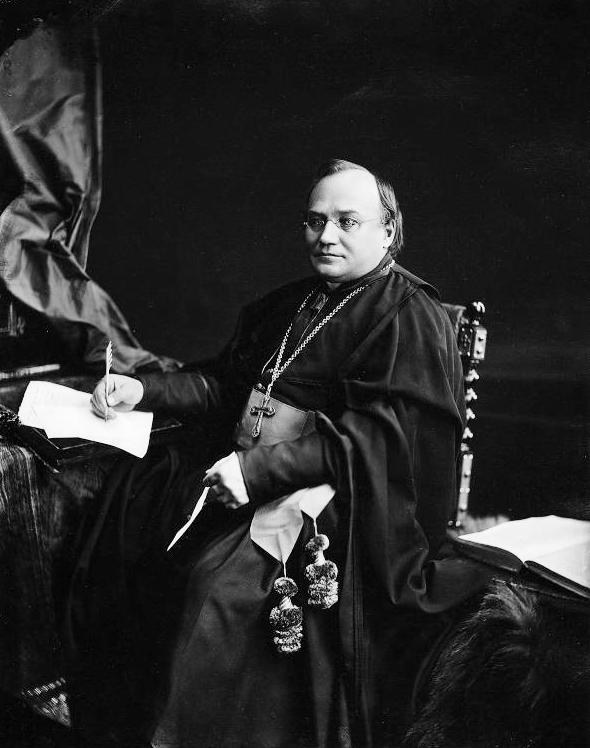
Archbishop Alexandre-Antonin Taché in 1873 (William Notman).
CA-K401Language & names

Archbishop Taché and French education in Manitoba

Alexandre-Antonin Taché, Bishop and then Archbishop of St. Boniface from 1853 to 1894, was the foremost Catholic leader in the West and oversaw missions, day schools and residential schools that sought to convert and assimilate Indigenous Peoples. He helped secure Catholic and French education rights in the Manitoba Act of 1870 and fought in vain to restore them after they were eroded from 1890.

Factual accuracy review: No recorded challenge

Contributor: Citizen.ca

Verified against cited sourcesVerified on 2026-10-26↗
Photo: William Notman · Photo licence: Public domain · Credit & context
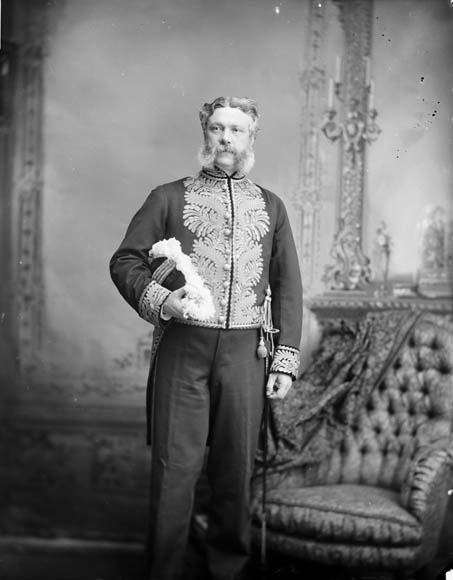
Lieutenant-Governor Edgar Dewdney, April 1883 (Topley Studio).
CA-K400Indigenous peoples & reconciliation

Edgar Dewdney and Indigenous policy on the Prairies

As Indian Commissioner (1879–1888) and Lieutenant-Governor of the North-West Territories, Edgar Dewdney withheld rations from starving First Nations until they settled on government-selected reserves, causing malnutrition, disease and death. After 1885 he helped impose the extralegal pass system and helped shape the residential school system, with devastating consequences for Indigenous children, families and communities.

Factual accuracy review: No recorded challenge

Contributor: Citizen.ca

Verified against cited sourcesVerified on 2026-10-26↗
Photo: Topley Studio / Library and Archives Canada / PA-027070 · Photo licence: Public domain · Credit & context
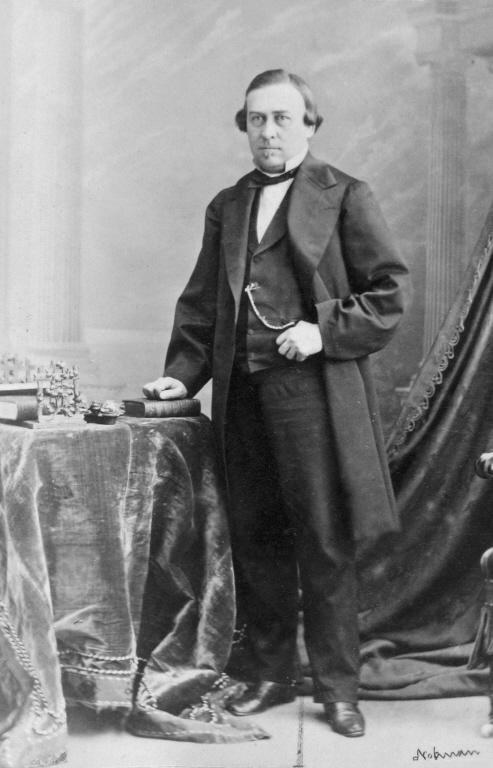
Hector-Louis Langevin in Montréal, 1865 (William Notman).
CA-K399Institutions

Sir Hector-Louis Langevin, Confederation and residential schools

Sir Hector-Louis Langevin, a Father of Confederation, attended all three conferences leading to 1867, helped draft the 72 Resolutions and led the Quebec Conservatives for nearly two decades. As Minister of Public Works, he called in 1883 for Indigenous children to be removed from their homes for assimilation and announced three industrial schools in the Northwest, part of the residential school system’s devastating expansion.

Factual accuracy review: No recorded challenge

Contributor: Citizen.ca

Verified against cited sourcesVerified on 2026-10-26↗
Photo: William Notman · Photo licence: Public domain · Credit & context
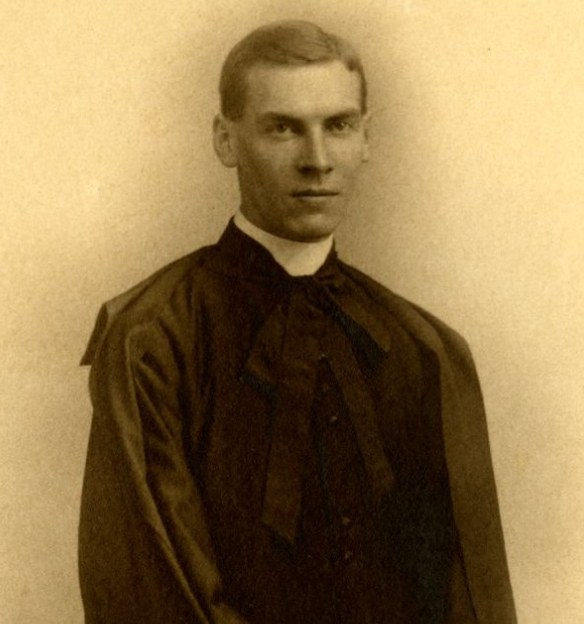
Alexandre Vachon as a young priest, around 1910.
CA-K397Language & names

Monsignor Alexandre Vachon, science in French

Monsignor Alexandre Vachon (1885–1953) was a strong advocate of scientific education and the promotion of science for French-speaking Canadians. He founded scientific institutions, served as faculty dean and president of Université Laval, and as Archbishop of Ottawa defended the rights of Franco-Ontarians.

Factual accuracy review: No recorded challenge

Contributor: Citizen.ca

Verified against cited sourcesVerified on 2026-10-26↗
Photo: Montminy & Cie · Photo licence: Public domain · Credit & context
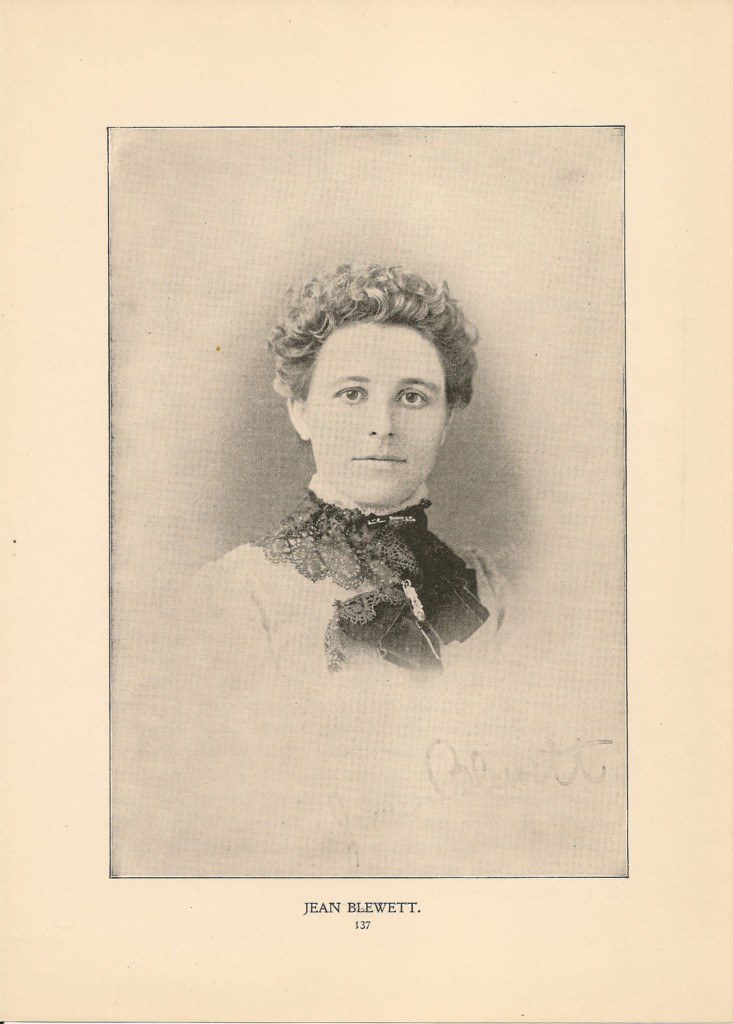
Jean Blewett, portrait from a book published around 1896.
CA-K392Culture & sport

Jean Blewett, poet and journalist

Jean (McKishnie) Blewett (1862–1934), born at Scotia, Upper Canada, was a popular early 20th-century poet and journalist. For many years on the staff of the Toronto Globe, she worked as a journalist until 1925 and published several volumes of poetry between 1897 and 1922, admired for their directness and simplicity.

Factual accuracy review: No recorded challenge

Contributor: Citizen.ca

Verified against cited sourcesVerified on 2026-10-26↗
Photo: Unknown author · Photo licence: Public domain · Credit & context
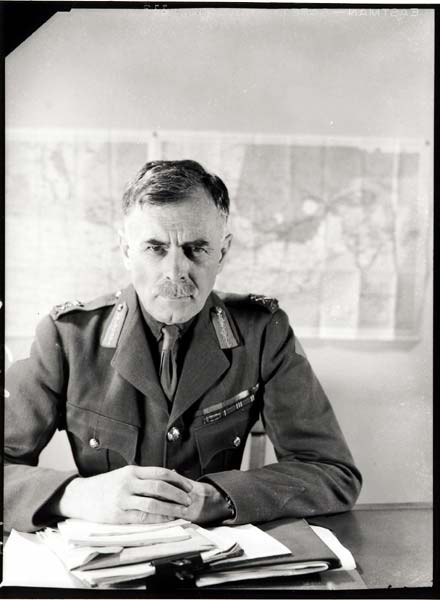
Lieutenant-General A. G. L. McNaughton in March 1942 (Department of National Defence).
CA-K387History

A. G. L. McNaughton, soldier and scientist

A. G. L. McNaughton (1887–1966), born in Moosomin in today’s Saskatchewan, played a notable role in Canadian life as a scientist, soldier, politician and diplomat. He served as an artillery officer in the First World War, co-invented the forerunner of radar, led the National Research Council, and represented Canada in senior diplomatic roles after the Second World War.

Factual accuracy review: No recorded challenge

Contributor: Citizen.ca

Verified against cited sourcesVerified on 2026-10-26↗
Photo: Unknown author · Photo licence: Public domain · Credit & context
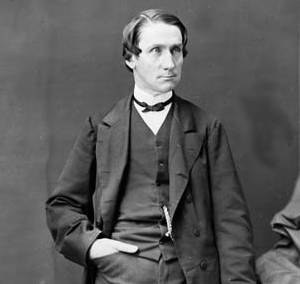
Alexander Morris in Ottawa, December 1869 (Topley Studio).
CA-K386Indigenous peoples & reconciliation

Alexander Morris and the Numbered Treaties

Alexander Morris, a supporter of Confederation and lieutenant-governor of Manitoba and the North-West Territories, negotiated Treaties 3, 4, 5 and 6 with First Nations from 1873 to 1876. First Nations sought a reciprocal relationship that safeguarded their autonomy, while Canada’s main goal was territorial expansion for settlers; Morris pressed the government to keep its spoken promises.

Factual accuracy review: No recorded challenge

Contributor: Citizen.ca

Verified against cited sourcesVerified on 2026-10-26↗
Photo: William James Topley · Photo licence: Public domain · Credit & context
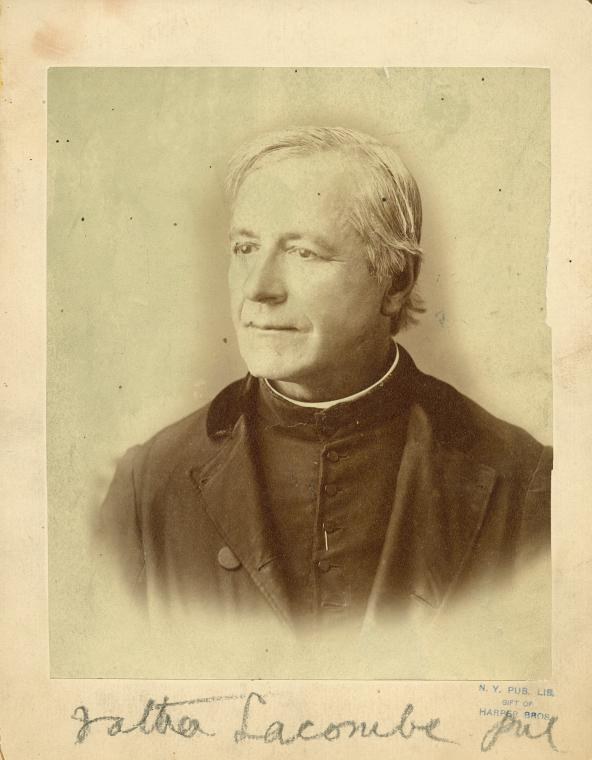
Father Albert Lacombe, photographed before 1916.
CA-K385Indigenous peoples & reconciliation

Father Albert Lacombe, missionary in the West

From 1852, Oblate priest Albert Lacombe spent over 60 years seeking to convert Indigenous Peoples in western Canada to Christianity, founding missions such as St. Albert with Métis and Cree help and acting as a go-between during Treaty 8 talks. He was the first principal of the High River Industrial School in 1884–1885 and advocated separating children from their families and suppressing Indigenous languages.

Factual accuracy review: No recorded challenge

Contributor: Citizen.ca

Verified against cited sourcesVerified on 2026-10-26↗
Photo: Unknown author · Photo licence: Public domain · Credit & context
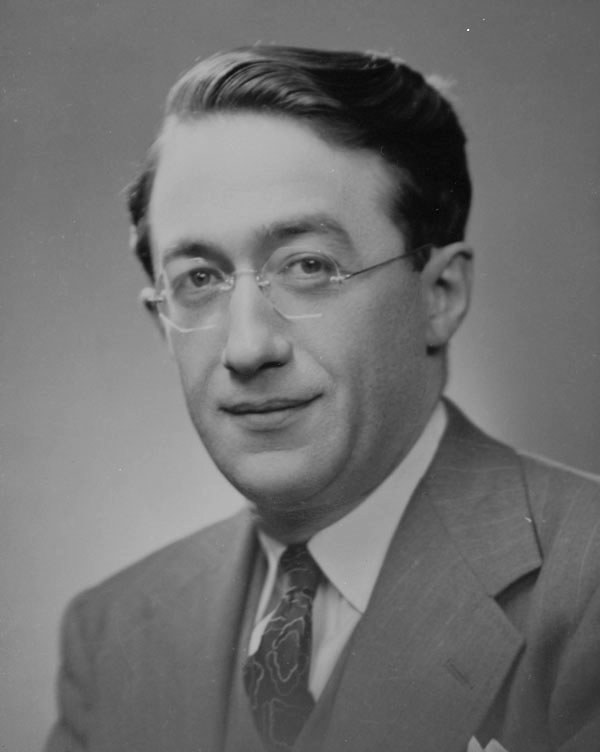
A. M. Klein in the mid-1940s (Library and Archives Canada).
CA-K383Culture & sport

A. M. Klein, poet of Jewish Montréal

A. M. Klein (1909–1972) combined modernism with Jewish literary traditions in poetry that portrayed his downtown Montréal neighbourhood. His collection The Rocking Chair and Other Poems, depicting Quebec and its people, won the Governor General’s Award in 1949.

Factual accuracy review: No recorded challenge

Contributor: Citizen.ca

Verified against cited sourcesVerified on 2026-10-26↗
Photo: Library and Archives Canada · Photo licence: Public domain · Credit & context
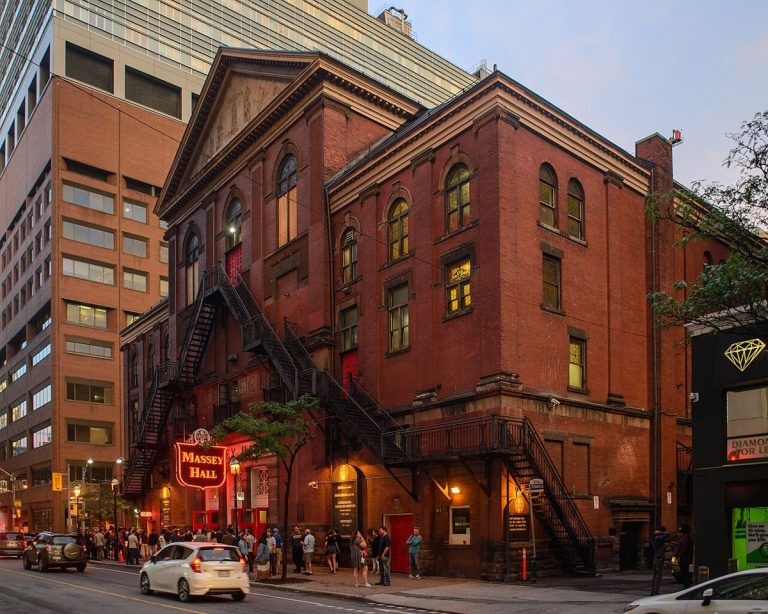
Massey Hall in downtown Toronto, photographed in 2017.
CA-K317Culture & sport

Massey Hall, Toronto’s concert hall since 1894

Massey Hall, a red-brick concert hall in downtown Toronto that opened in 1894, was a gift to the city from industrialist Hart Massey. Toronto’s major concert hall for much of the 20th century, it is one of Canada’s most important cultural institutions and renowned for its outstanding acoustics.

Factual accuracy review: No recorded challenge

Contributor: Citizen.ca

Verified against cited sourcesVerified on 2026-10-26↗
Photo: Arild Vågen · Photo licence: CC BY-SA 4.0 · Credit & context