An independent Canadian knowledge project

Focused and Verified

Canadian knowledge base

Search by keyword

Choose one keyword, or combine two. Broader keywords include their descendants.

Keywords: People and roles

Clear search
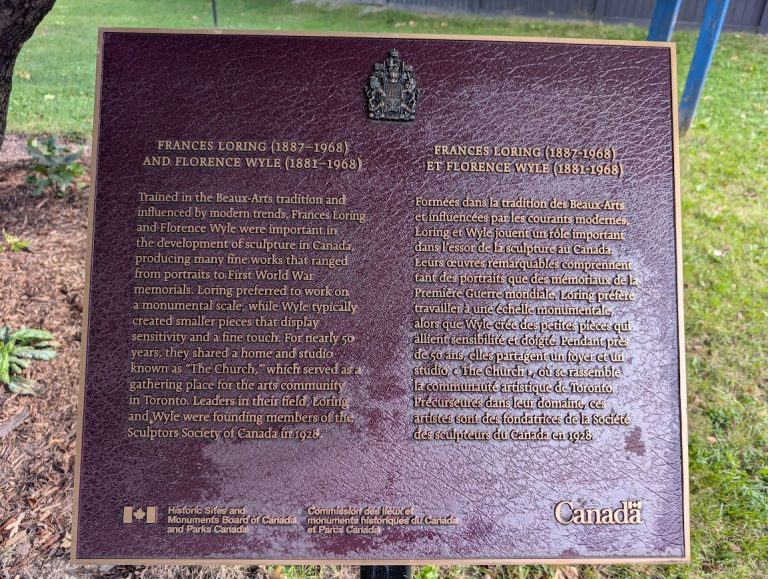
The commemorative plaque in Loring Wyle Parkette, Toronto, photographed in 2026.
CA-K228Culture & sport

Frances Loring and Florence Wyle, sculptors

Sculptors Frances Loring (1887–1968) and Florence Wyle (1881–1968) were important in the development of Canadian sculpture, creating works from portraits to First World War memorials. For nearly 50 years they shared a Toronto home and studio known as “The Church,” a gathering place for artists; both were founding members of the Sculptors Society of Canada in 1928.

Factual accuracy review: No recorded challenge

Contributor: Citizen.ca

Verified against cited sourcesVerified on 2026-10-26↗
Photo: JRB76D · Photo licence: CC BY-SA 4.0 · Credit & context
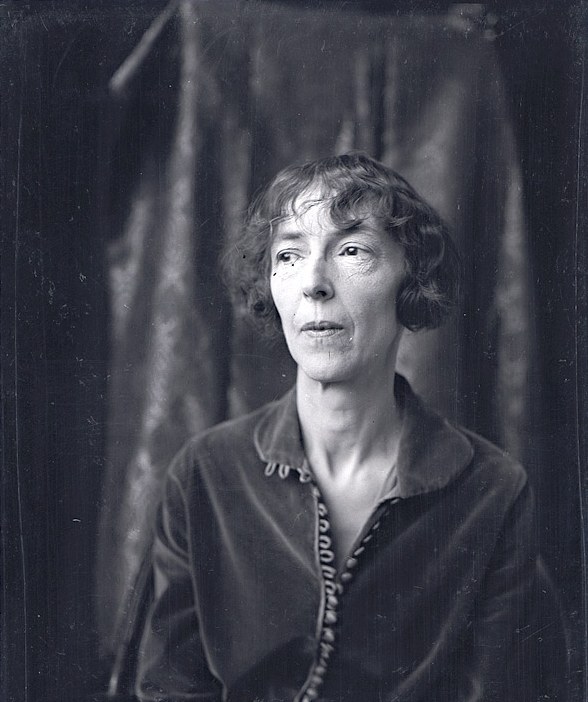
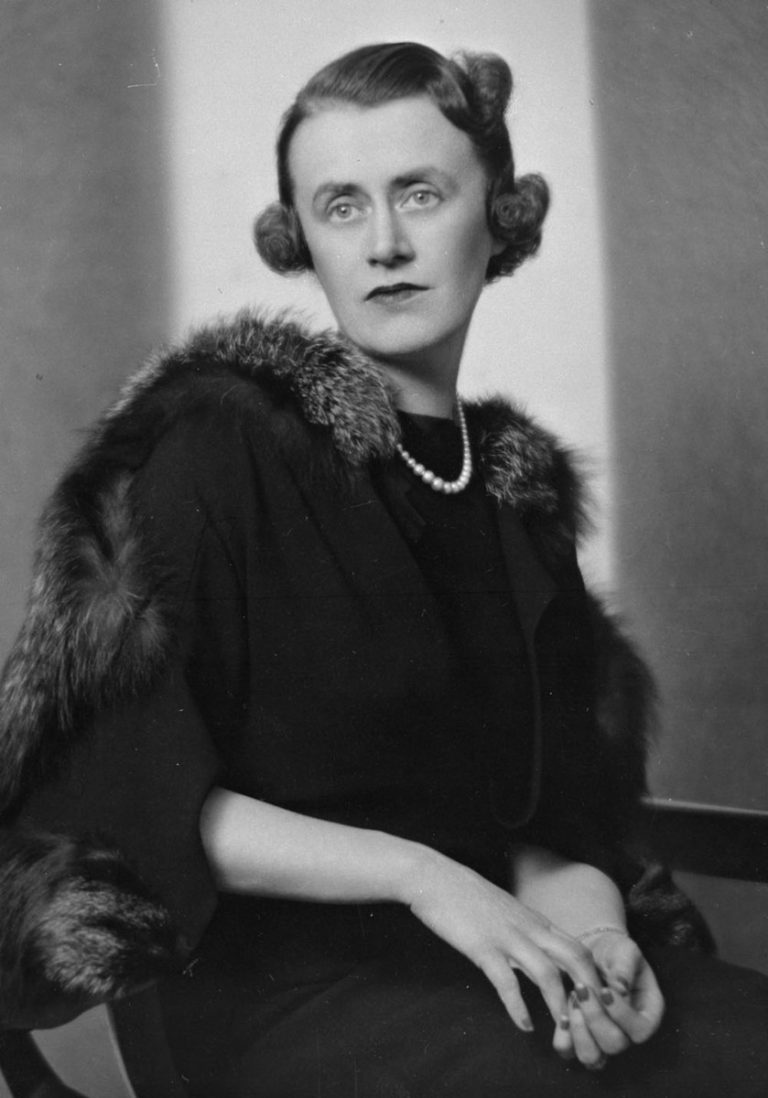
Mazo de la Roche photographed by M. O. Hammond on 18 December 1927 (Archives of Ontario).
CA-K227Culture & sport

Mazo de la Roche and the Jalna novels

Mazo de la Roche (1879–1961), born in Newmarket, Ontario, won the Atlantic Monthly prize in 1927 for Jalna, the first of sixteen novels about the Whiteoak family. Translated into many languages and adapted for stage, screen and television, the series made her one of the most widely read Canadian authors of her time.

Factual accuracy review: No recorded challenge

Contributor: Citizen.ca

Verified against cited sourcesVerified on 2026-10-26↗
Photo: · Photo licence: Public domain · Credit & context
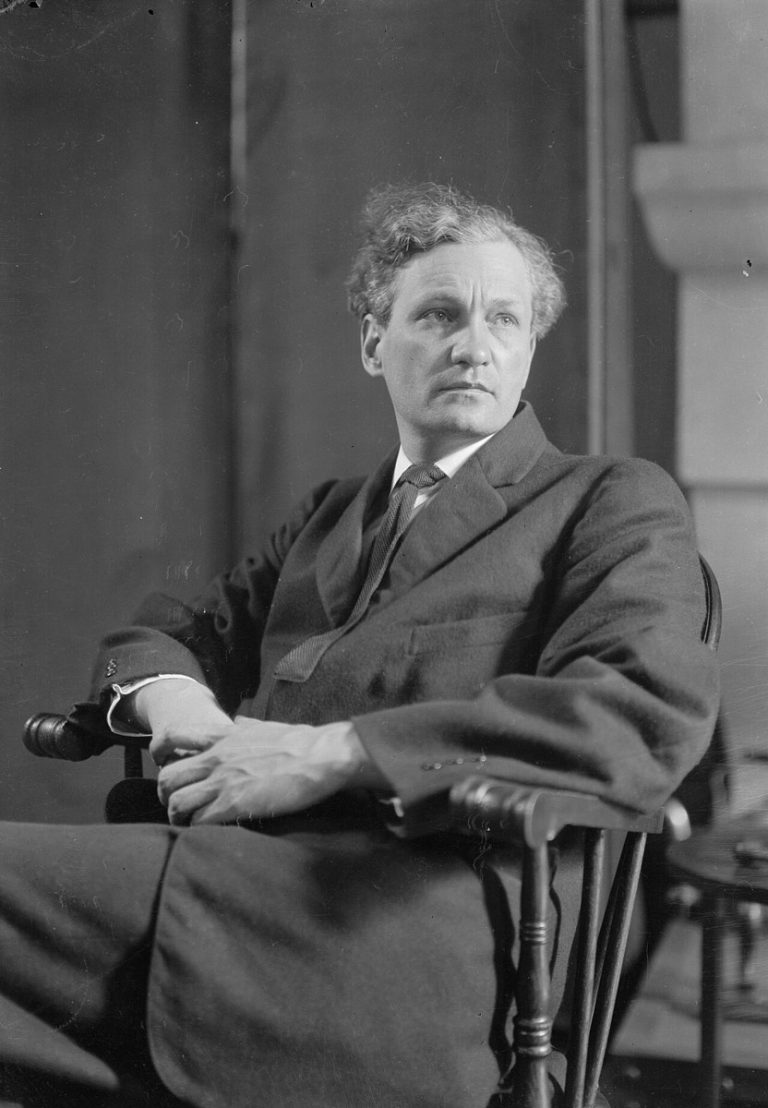
Walter Allward in July 1913 (Archives of Ontario).
CA-K225Culture & sport

Walter Allward, sculptor of the Vimy Memorial

Walter Allward (1876–1955), sculptor of some of Canada’s finest public monuments, is best known for his masterpiece, the Canadian National Vimy Memorial in France. A leading figure in the shift from Victorian sculptural conventions to 20th-century forms, he combined expressive classical figures with dramatic settings in works such as the Bell Memorial.

Factual accuracy review: No recorded challenge

Contributor: Citizen.ca

Verified against cited sourcesVerified on 2026-10-26↗
Photo: · Photo licence: Public domain · Credit & context
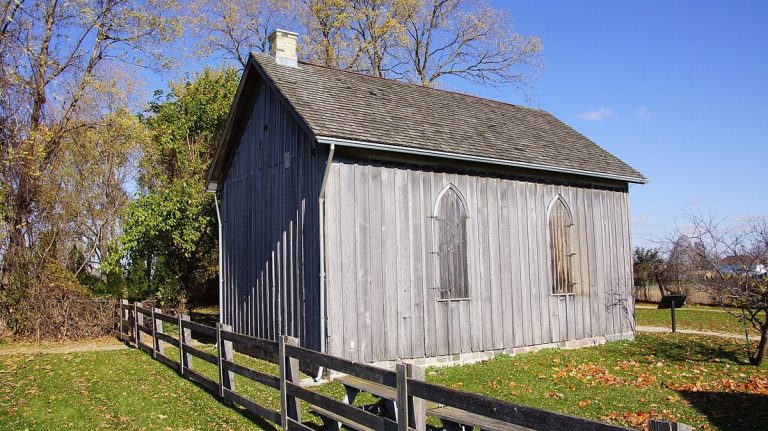
Salem Chapel British Methodist Episcopal Church in St. Catharines, Ontario, a centre of 19th-century abolitionist activity, photographed in 2012.
CA-K217History

Harriet Tubman led freedom-seekers to Canada

Harriet Tubman (c. 1822–1913), who escaped slavery in Maryland, was the most famous “conductor” on the Underground Railroad, leading many people on dangerous journeys to freedom in Canada and helping them settle. She became the public face of the Underground Railroad in British North America, drawing attention and funding to the abolition movement.

Factual accuracy review: No recorded challenge

Contributor: Citizen.ca

Verified against cited sourcesVerified on 2026-10-26↗
Photo: Gr82c · Photo licence: CC BY-SA 3.0 · Credit & context
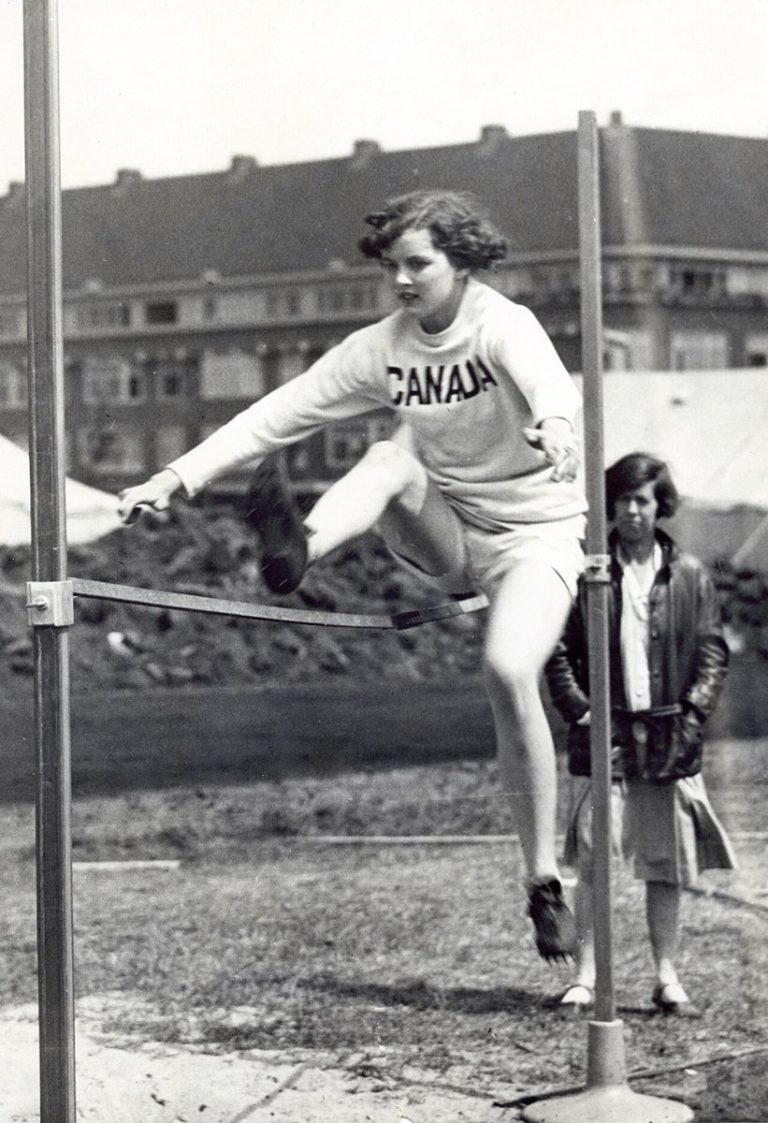
Ethel Catherwood training at the 1928 Summer Olympics in Amsterdam.
CA-K213Culture & sport

Ethel Catherwood, 1928 Olympic high jump champion

Ethel Catherwood (1908–1987) set national and world records in high jump and javelin between 1926 and 1930 and won the high jump gold medal at the 1928 Amsterdam Olympics, the first Games to allow women in track and field. With her “Matchless Six” teammates she earned Canada four medals, helping secure women’s place in Olympic track and field.

Factual accuracy review: No recorded challenge

Contributor: Citizen.ca

Verified against cited sourcesVerified on 2026-10-26↗
Photo: Unknown authorUnknown author · Photo licence: Public domain · Credit & context
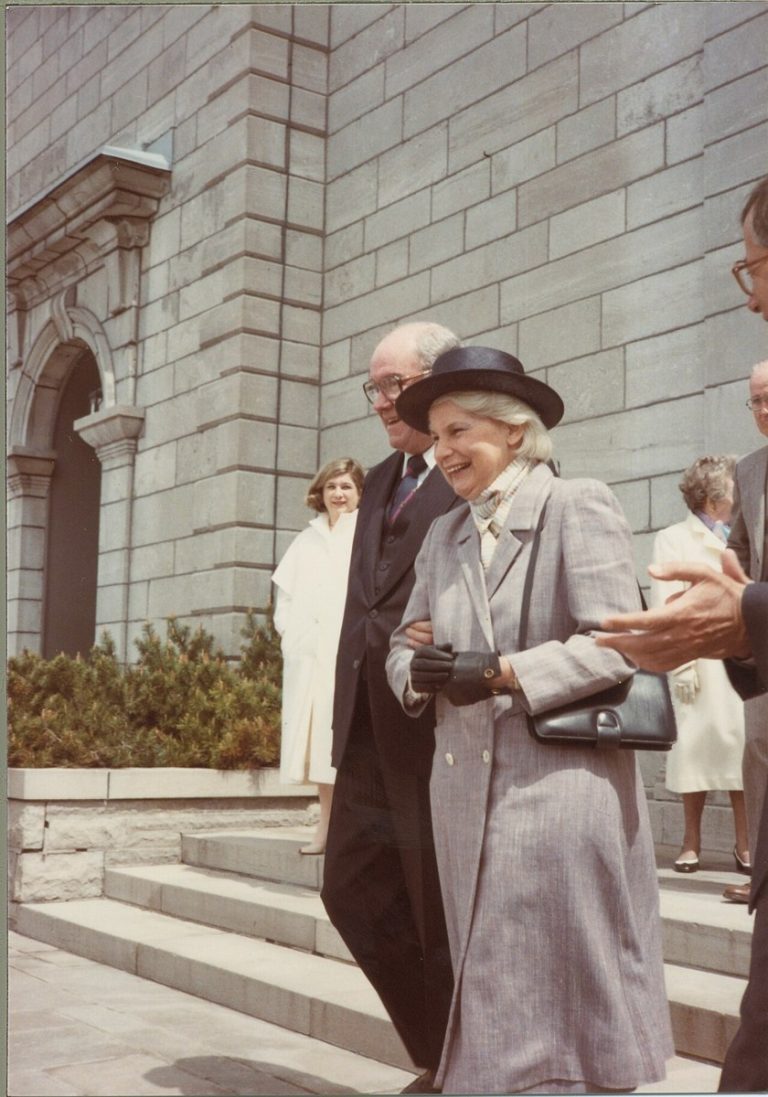
Governor General Jeanne Sauvé with her husband Maurice Sauvé in Ottawa, 1984.
CA-K212Institutions

Jeanne Sauvé, first woman Governor General

Jeanne Sauvé (1922–1993), a Fransaskois journalist and commentator from 1952 to 1972, was elected to the House of Commons in 1972 and served as minister of several departments. She became the first woman Speaker of the House of Commons and the first woman appointed Governor General of Canada.

Factual accuracy review: No recorded challenge

Contributor: Citizen.ca

Verified against cited sourcesVerified on 2026-10-26↗
Photo: proacguy1 from Montreal, Canada · Photo licence: CC BY 2.0 · Credit & context
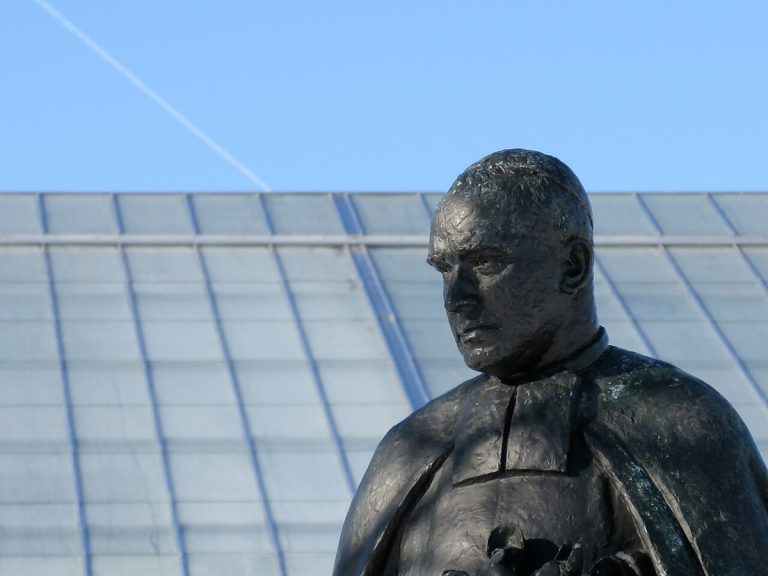
A statue of Brother Marie-Victorin at the Montréal Botanical Garden, photographed in 2009.
CA-K210Culture & sport

Brother Marie-Victorin and Flore laurentienne

Brother Marie-Victorin (1885–1944), a botanist, author and educator, wrote Flore laurentienne (1935) and founded the Institut botanique de l’Université de Montréal and the Montréal Botanical Garden. His discoveries and new approach to botany were of international importance, and he helped improve science teaching at every level.

Factual accuracy review: No recorded challenge

Contributor: Citizen.ca

Verified against cited sourcesVerified on 2026-10-26↗
Photo: Jean-Philippe Boulet · Photo licence: CC BY 3.0 · Credit & context
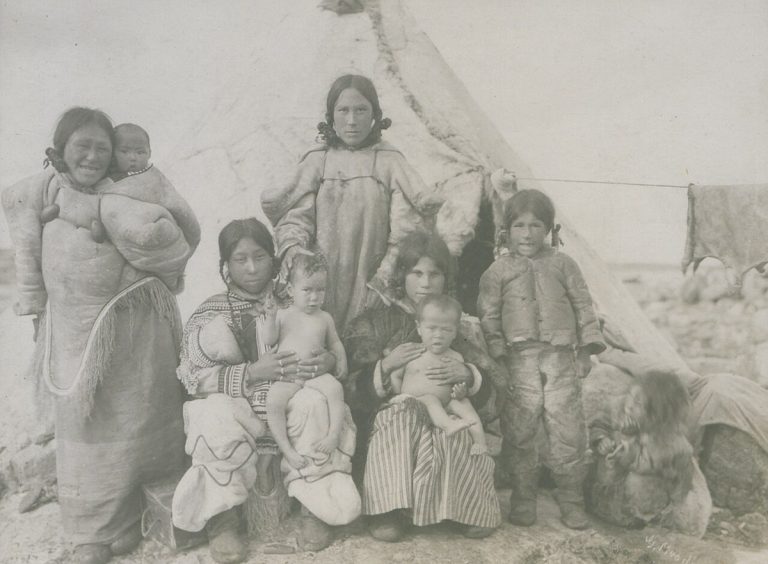
Inuit women and children at Fullerton (Qatiktalik), Nunavut, photographed by Geraldine Moodie in 1906.
CA-K209Culture & sport

Geraldine Moodie, photographer of the North-West and North

Geraldine Moodie (1854–1945), an entrepreneur in a male-dominated field, owned and operated at least three commercial photography studios. As the wife of a North-West Mounted Police officer she had unprecedented access to Indigenous communities, and her photographs are valued historical records of First Nations and Inuit lifeways around 1900.

Factual accuracy review: No recorded challenge

Contributor: Citizen.ca

Verified against cited sourcesVerified on 2026-10-26↗
Photo: Geraldine Moodie · Photo licence: Public domain · Credit & context
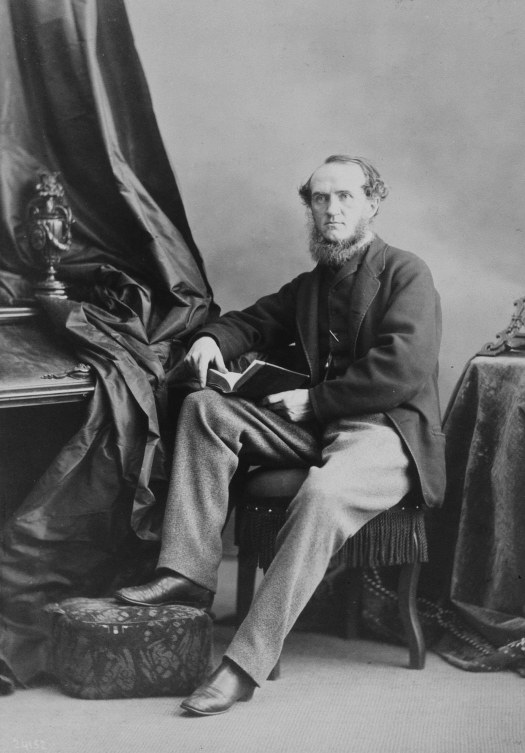
A self-portrait by William Notman, Montréal, 1866–1867.
CA-K208Culture & sport

William Notman, “Photographer to the Queen”

William Notman (1826–1891), born in Scotland, came to Montréal in 1856 and became one of the most successful Canadian photographers of the 19th century. His photographs of the Prince of Wales’s 1860 visit won him the title “Photographer to the Queen,” and his studios eventually extended from Montréal to Ottawa, Toronto, Saint John, Albany and Boston.

Factual accuracy review: No recorded challenge

Contributor: Citizen.ca

Verified against cited sourcesVerified on 2026-10-26↗
Photo: William Notman · Photo licence: Public domain · Credit & context
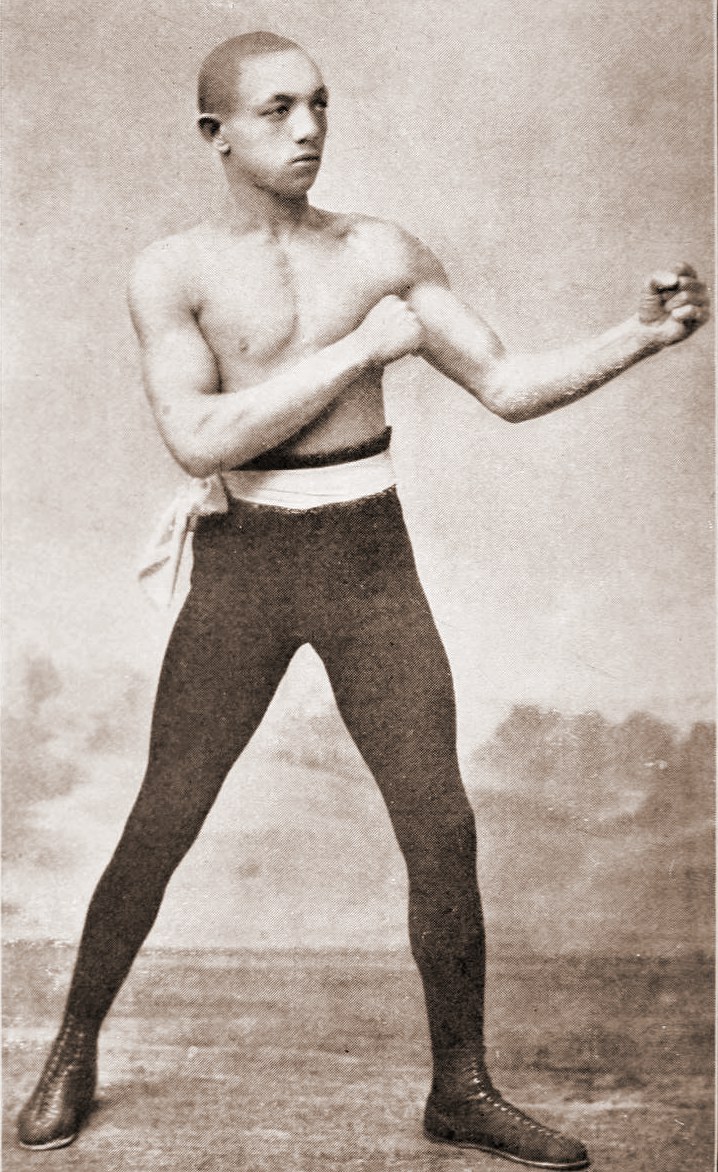
A photograph of George Dixon, taken before 1909.
CA-K201Culture & sport

George Dixon, first Black world boxing champion

George Dixon (1870–1908), born in Africville, Nova Scotia, was the first Black boxer and the first Canadian to win a world title, taking the bantamweight title in 1890 and the featherweight title in 1891. His training innovations, including shadowboxing, are still in use, and he used his popularity to open opportunities for Black boxers.

Factual accuracy review: No recorded challenge

Contributor: Citizen.ca

Verified against cited sourcesVerified on 2026-10-26↗
Photo: unattributed · Photo licence: Public domain · Credit & context
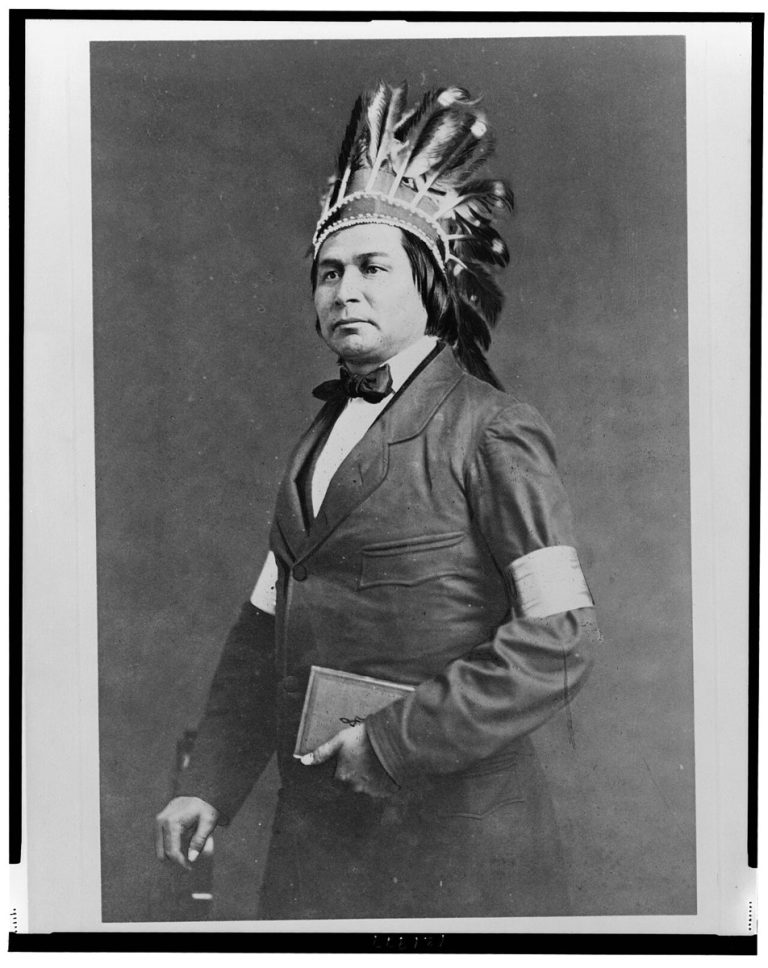
A hand-coloured portrait of Kahgegagahbowh (George Copway), about 1860 (Library of Congress).
CA-K197Indigenous peoples & reconciliation

Kahgegagahbowh (George Copway), Anishinaabe author

Kahgegagahbowh (George Copway, 1818–1869), a Mississauga Anishinaabe author, lecturer and activist, gained international literary celebrity for popular non-fiction books in the late 1840s and early 1850s. His writing and lectures gave readers in Canada and abroad insight into Mississauga spirituality, history and culture, and he spoke for Indigenous peoples at the 1850 Peace Congress in Frankfurt.

Factual accuracy review: No recorded challenge

Contributor: Citizen.ca

Verified against cited sourcesVerified on 2026-10-26↗
Photo: Marian S. Carson Collection (Library of Congress) · Photo licence: Public domain · Credit & context
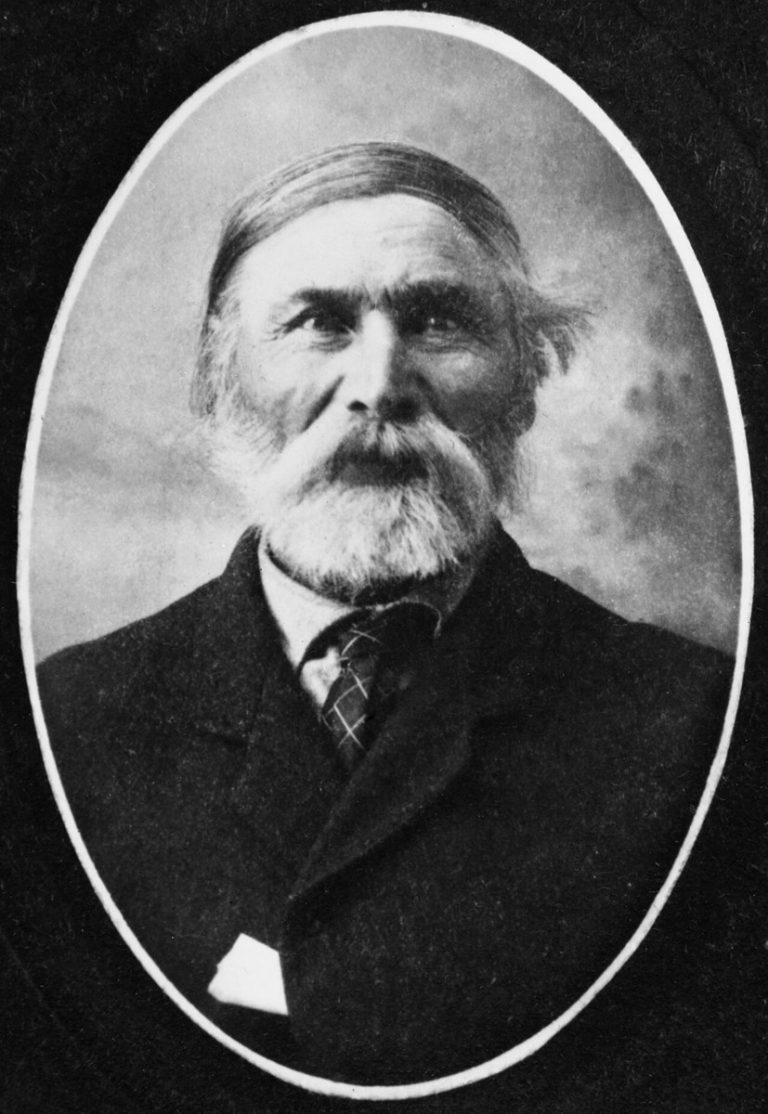
A portrait of James Isbister, taken before 1915.
CA-K196Indigenous peoples & reconciliation

James Isbister, English Métis leader

James Isbister (1833–1915), an English Métis leader, founded the Isbister Métis settlement at Prince Albert, where he and Margaret Bear began farming in 1862. He helped unite English and French Métis in seeking recognition of their land rights, and in 1884 was one of four delegates who travelled to Montana to invite Louis Riel to lead the Métis protest movement.

Factual accuracy review: No recorded challenge

Contributor: Citizen.ca

Verified against cited sourcesVerified on 2026-10-26↗
Photo: Unknown authorUnknown author · Photo licence: Public domain · Credit & context
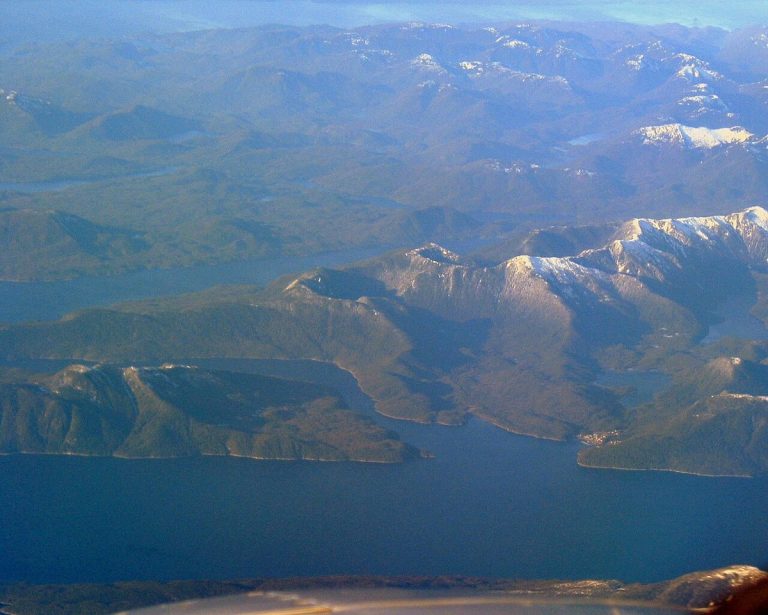
Hartley Bay, British Columbia, home of the Gitga’at First Nation, photographed in 2007.
CA-K195Indigenous peoples & reconciliation

‘Wii Niisł Puuntk (Lucille Clifton), Gitga’at matriarch

‘Wii Niisł Puuntk (Lucille Clifton, 1876–1962), a Laxsgiik (Eagle Clan) matriarch, exemplifies the centuries-old leadership role of prominent women in matrilineal Gitga’at (Tsimshian) society. A healer and midwife with deep knowledge of plants, she passed on ancestral knowledge and cultural practices as Hartley Bay faced land loss and disruptive government policies.

Factual accuracy review: No recorded challenge

Contributor: Citizen.ca

Verified against cited sourcesVerified on 2026-10-26↗
Photo: Shawn from Airdrie, Canada · Photo licence: CC BY-SA 2.0 · Credit & context
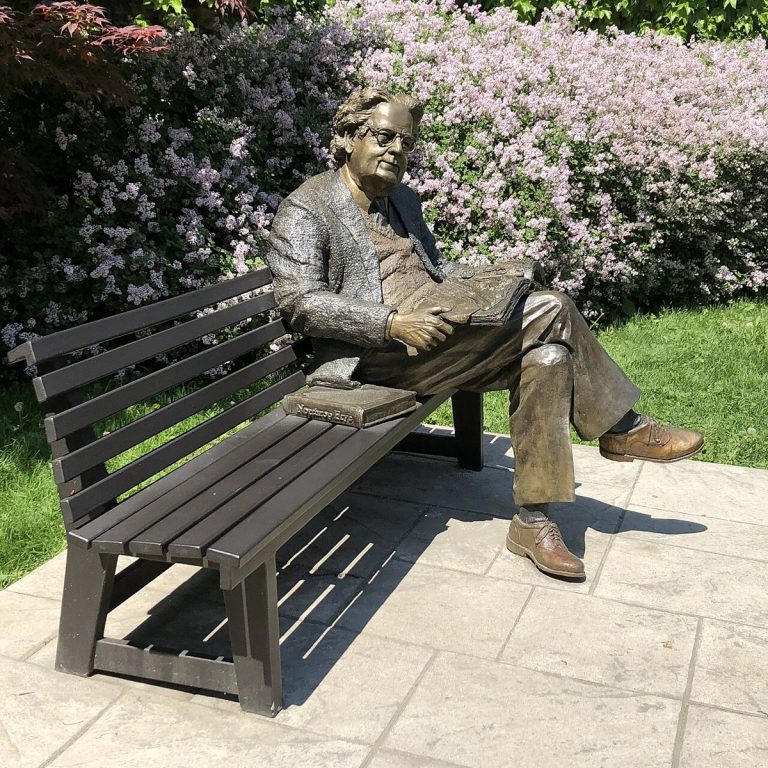
A seated statue of Northrop Frye at Victoria College, University of Toronto, photographed in 2018.
CA-K194Culture & sport

Northrop Frye, literary theorist

Northrop Frye (1912–1991), based at Victoria College, University of Toronto, from 1939 to 1991, was a pre-eminent literary theorist and critic. His systematic study of the myths and symbols underlying literature, and his work on the Bible as literature, had significant international influence, and his idea of a “garrison mentality” shaped English-Canadian literature.

Factual accuracy review: No recorded challenge

Contributor: Citizen.ca

Verified against cited sourcesVerified on 2026-10-26↗
Photo: Maksim Sokolov (maxergon.com) · Photo licence: CC BY-SA 4.0 · Credit & context
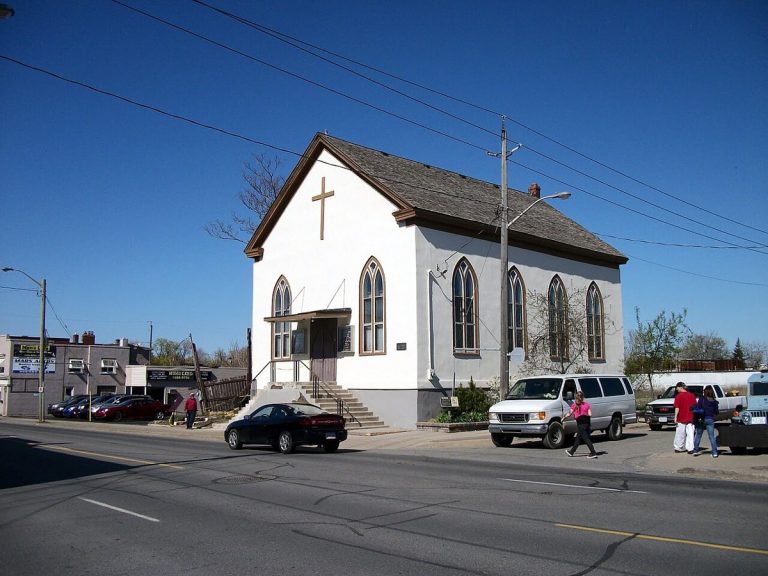
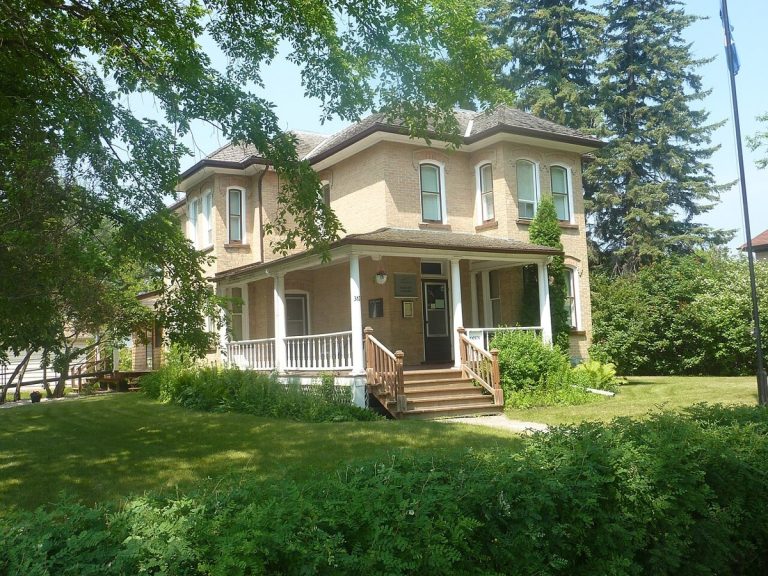
Margaret Laurence House in Neepawa, Manitoba, photographed in 2012.
CA-K193Culture & sport

Margaret Laurence and Manawaka

Margaret Laurence (1926–1987), one of Canada’s most esteemed authors, set her best-known novels in the fictional prairie town of Manawaka, with characters such as Hagar Shipley of The Stone Angel. She said Neepawa, Manitoba, where she lived from 1935 to 1944, shaped her “way of viewing,” and she helped found the Writers’ Trust of Canada and the Writers’ Union of Canada.

Factual accuracy review: No recorded challenge

Contributor: Citizen.ca

Verified against cited sourcesVerified on 2026-10-26↗
Photo: Amqui · Photo licence: CC BY-SA 3.0 · Credit & context
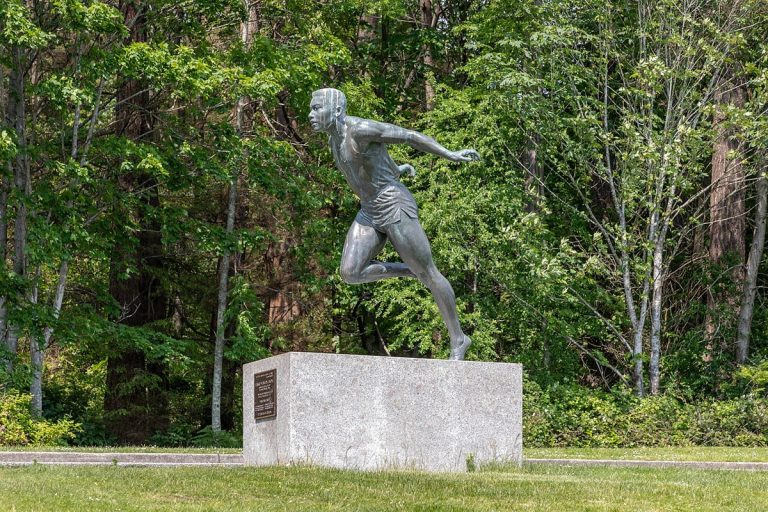
The Harry Jerome statue by Jack Harman in Stanley Park, Vancouver, photographed in 2022.
CA-K192Culture & sport

Harry Jerome, sprinter

Harry Jerome (1940–1982) was one of the fastest men in the world for much of the 1960s, holding multiple world sprint records, including the 100 metres in ten seconds flat. He later made major contributions to amateur sport and fitness in Canada, and remains a point of pride for African Canadians.

Factual accuracy review: No recorded challenge

Contributor: Citizen.ca

Verified against cited sourcesVerified on 2026-10-26↗
Photo: Dietmar Rabich · Photo licence: CC BY-SA 4.0 · Credit & context
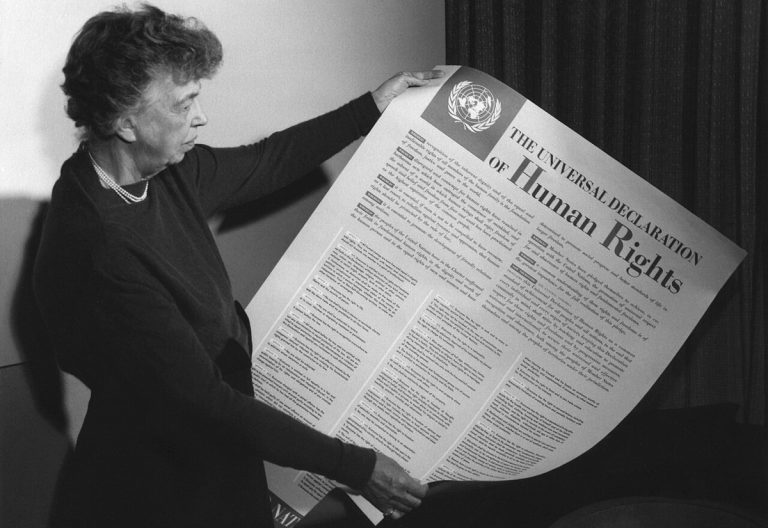
Eleanor Roosevelt holding a poster of the Universal Declaration of Human Rights, 1949; Humphrey does not appear in the photo.
CA-K189Institutions

John P. Humphrey and the Universal Declaration of Human Rights

John P. Humphrey (1905–1995), a McGill law professor, was the first director of the United Nations Human Rights Division from 1946 to 1966. The 48-article “Secretariat Outline” he prepared with his staff for the UN Human Rights Commission laid the foundations for the Universal Declaration of Human Rights of 1948.

Factual accuracy review: No recorded challenge

Contributor: Citizen.ca

Verified against cited sourcesVerified on 2026-10-26↗
Photo: FDR Presidential Library & Museum · Photo licence: CC BY 2.0 · Credit & context
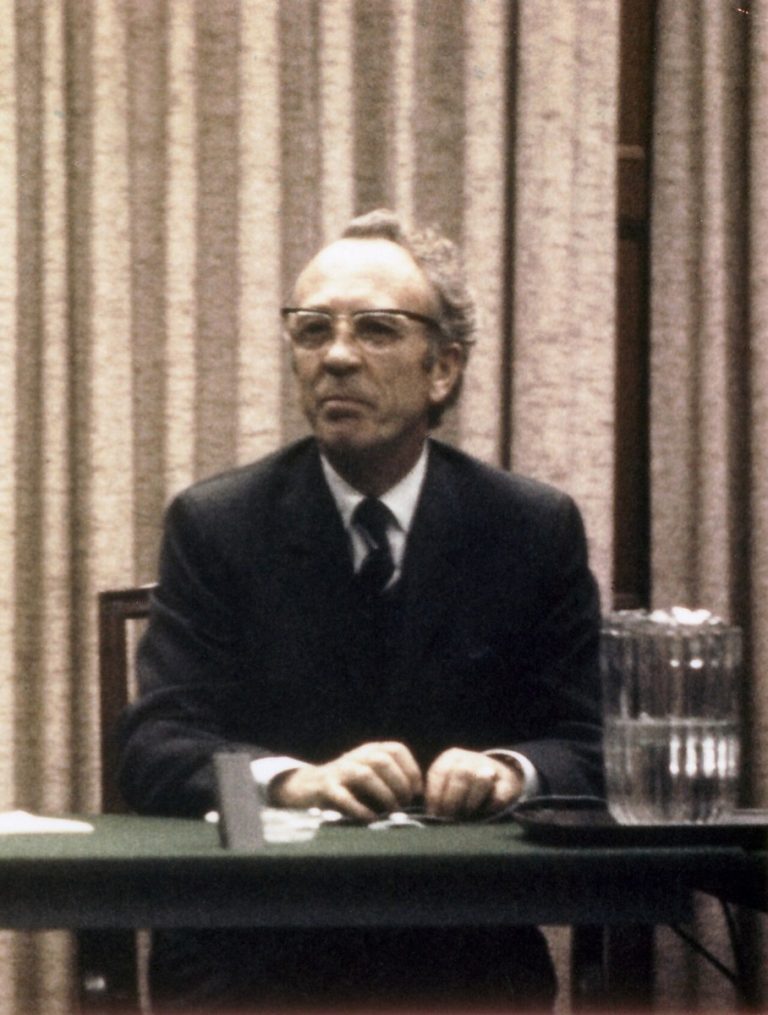
Tommy Douglas, former Premier of Saskatchewan, around 1971.
CA-K188Institutions

Tommy Douglas and the roots of medicare

Tommy Douglas (1904–1986) was Premier of Saskatchewan from 1944 to 1961, leading Canada’s only Co-operative Commonwealth Federation government. Under him the province pioneered publicly funded hospital insurance, laying the foundations for national medicare; he later became the first leader of the federal New Democratic Party.

Factual accuracy review: No recorded challenge

Contributor: Citizen.ca

Verified against cited sourcesVerified on 2026-10-26↗
Photo: Themightyquill · Photo licence: CC BY-SA 3.0 · Credit & context
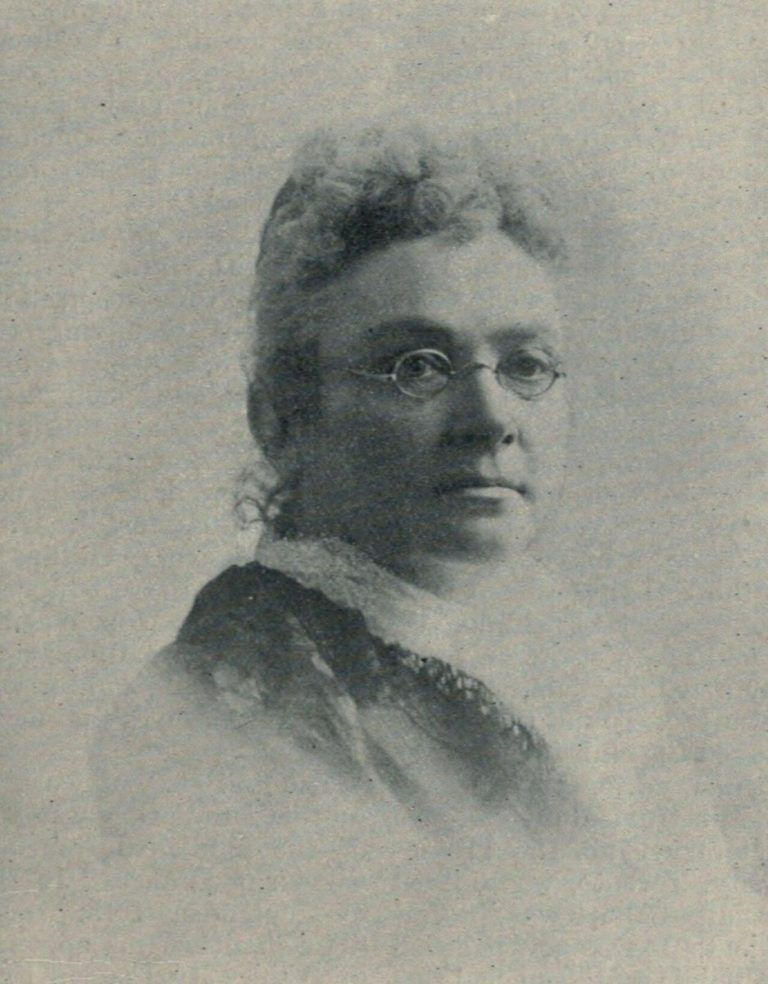
A portrait of Emily Stowe, no later than 1895.
CA-K187History

Emily Stowe, Canada’s first woman doctor in private practice

Denied university entry in Canada because she was a woman, Emily Stowe (1831–1903) studied medicine in New York City and in 1867 opened the first private medical practice in Canada run by a woman doctor, in Toronto. She led the drive to found Woman’s Medical College in 1883 and, through the Dominion Women’s Enfranchisement Association, kept suffrage in the public eye.

Factual accuracy review: No recorded challenge

Contributor: Citizen.ca

Verified against cited sourcesVerified on 2026-10-26↗
Photo: Unknown authorUnknown author · Photo licence: Public domain · Credit & context
Thérèse Casgrain photographed by George Nakash (Library and Archives Canada).
CA-K185History

Thérèse Casgrain and the Quebec vote for women, 1940

Thérèse Casgrain (1896–1981), a pioneer of Quebec feminism, led the Ligue des droits de la femme from 1928 to 1942 and played a pivotal role in winning women the right to vote in Quebec provincial elections in 1940. The Fédération des femmes du Québec, founded under her guidance in 1966, launched a new wave of organized feminism.

Factual accuracy review: No recorded challenge

Contributor: Citizen.ca

Verified against cited sourcesVerified on 2026-10-26↗
Photo: George Nakash (1892-1976) · Photo licence: CC BY 2.0 · Credit & context
Uncle Tom’s Cabin Historic Site near Dresden, Ontario, now the Josiah Henson Museum of African-Canadian History, photographed in 2014.
CA-K181History

Josiah Henson and the Dawn settlement

After escaping slavery in Kentucky to Upper Canada, Reverend Josiah Henson (1789–1883) became an Underground Railroad conductor and abolitionist, founded the Black settlement of Dawn and established the British American Institute school. Harriet Beecher Stowe said his 1849 memoirs supplied ideas and incidents for Uncle Tom’s Cabin, raising awareness of Canada as a haven from slavery.

Factual accuracy review: No recorded challenge

Contributor: Citizen.ca

Verified against cited sourcesVerified on 2026-10-26↗
Photo: NearEMPTiness · Photo licence: CC BY-SA 4.0 · Credit & context
The Six Nations Sports & Cultural Memorial Centre in Ohsweken, Six Nations of the Grand River, in 2024.
CA-K179Indigenous peoples & reconciliation

Edith Anderson Monture, nurse and veteran

Charlotte Edith Anderson Monture (1890–1996), a Kanien’kehá:ka (Mohawk) woman from Six Nations of the Grand River, was among the first generation of hospital-trained professional nurses from First Nations in Canada. After nursing with the American Expeditionary Force in the First World War, she was among the female veterans granted the federal vote in 1917, and returned home in 1919 as a nurse and midwife.

Factual accuracy review: No recorded challenge

Contributor: Citizen.ca

Verified against cited sourcesVerified on 2026-10-26↗
Photo: JFVoll · Photo licence: CC BY-SA 4.0 · Credit & context
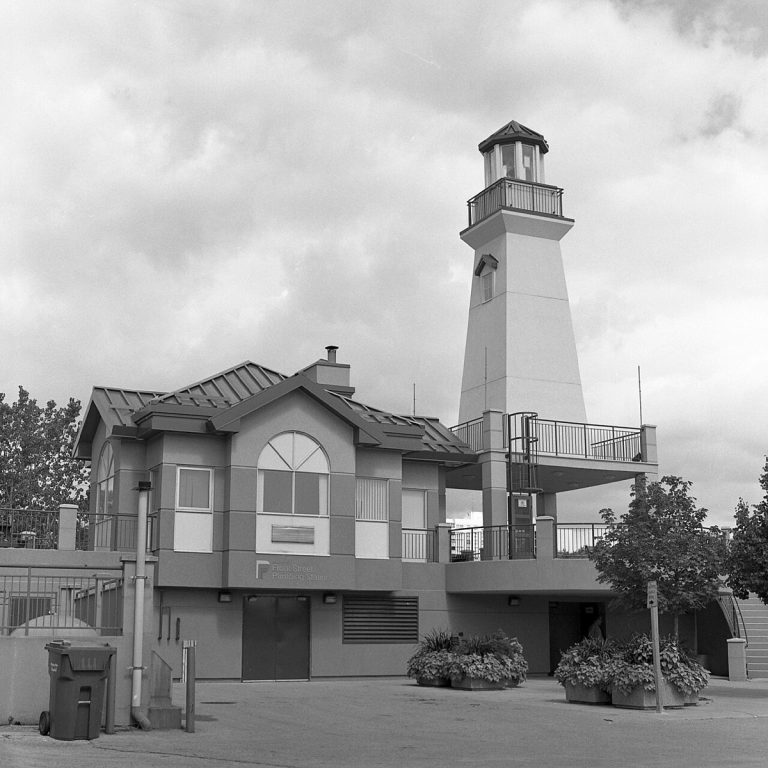
The Port Credit lighthouse in Mississauga, Ontario, near the Credit River, photographed in 2011.
CA-K178Indigenous peoples & reconciliation

Nahnebahweequay (Catharine Sutton) appealed to Queen Victoria

Nahnebahweequay (Catharine Sutton, 1824–1865), a Mississauga (Ojibwe) advocate raised at the Credit Mission, fought for Indigenous land title and against the loss of First Nations women’s status through marriage to non-Indigenous men. In defiance of colonial officials, she travelled to London and appealed directly to Queen Victoria in 1860.

Factual accuracy review: No recorded challenge

Contributor: Citizen.ca

Verified against cited sourcesVerified on 2026-10-26↗
Photo: ^ Missi ^ from Mississauga, Canada · Photo licence: CC BY 2.0 · Credit & context
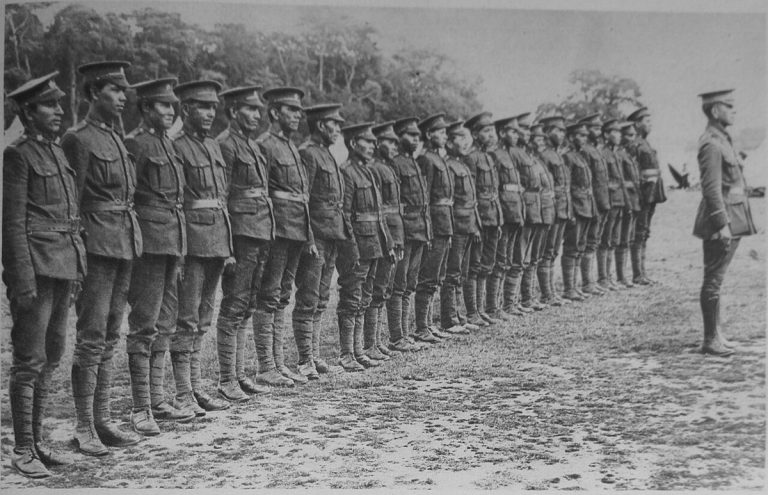
Onondeyoh (Frederick Ogilvie Loft) with soldiers, as published in the French magazine Le Miroir in August 1917.
CA-K177Indigenous peoples & reconciliation

Onondeyoh (Frederick Ogilvie Loft) and the League of Indians

Onondeyoh (Frederick Ogilvie Loft, 1861–1934) founded the League of Indians of Canada in 1919, the first pan-Indigenous political organization, advocating for land rights and better education. He lobbied for self-government and day schools in place of residential schools, and protested forced enfranchisement and the expropriation of reserve lands.

Factual accuracy review: No recorded challenge

Contributor: Citizen.ca

Verified against cited sourcesVerified on 2026-10-26↗
Photo: Unknown · Photo licence: Public domain · Credit & context