An independent Canadian knowledge project

Focused and Verified

Canadian knowledge base

Search by keyword

Choose one keyword, or combine two. Broader keywords include their descendants.

Keywords: Themes, values and contributions

Clear search
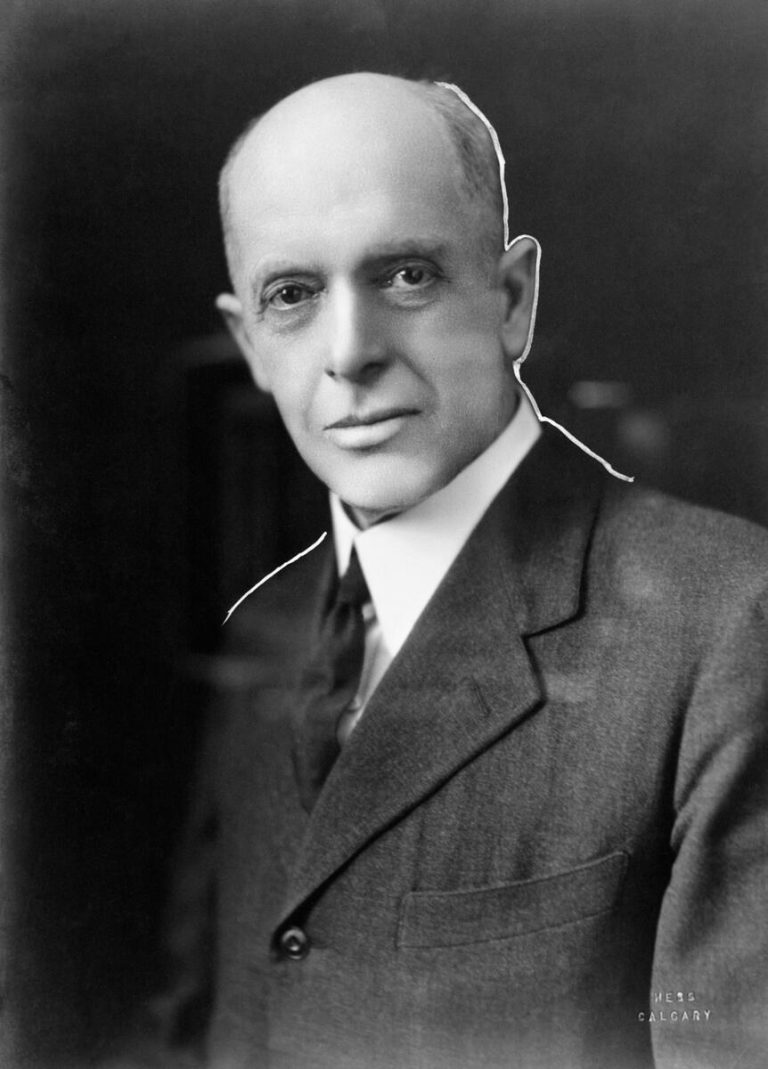
Henry Wise Wood, about 1920 (A.L. Hess).
CA-K991Economy & trade

Henry Wise Wood, prairie farm leader

Henry Wise Wood, born in Missouri, settled in the Carstairs district of Alberta in 1905. He was president of the United Farmers of Alberta from 1916 to 1931, a founder of the prairie wheat pools and first chairman of the Alberta Wheat Pool (1923–37). An advocate of economic group government, he shaped agrarian political thought and helped the United Farmers win and hold power in Alberta from 1921 to 1935.

Factual accuracy review: No recorded challenge

Contributor: Citizen.ca

Verified against cited sourcesVerified on 2026-10-27↗
Photo: Hess, A.L. · Photo licence: Public domain · Credit & context
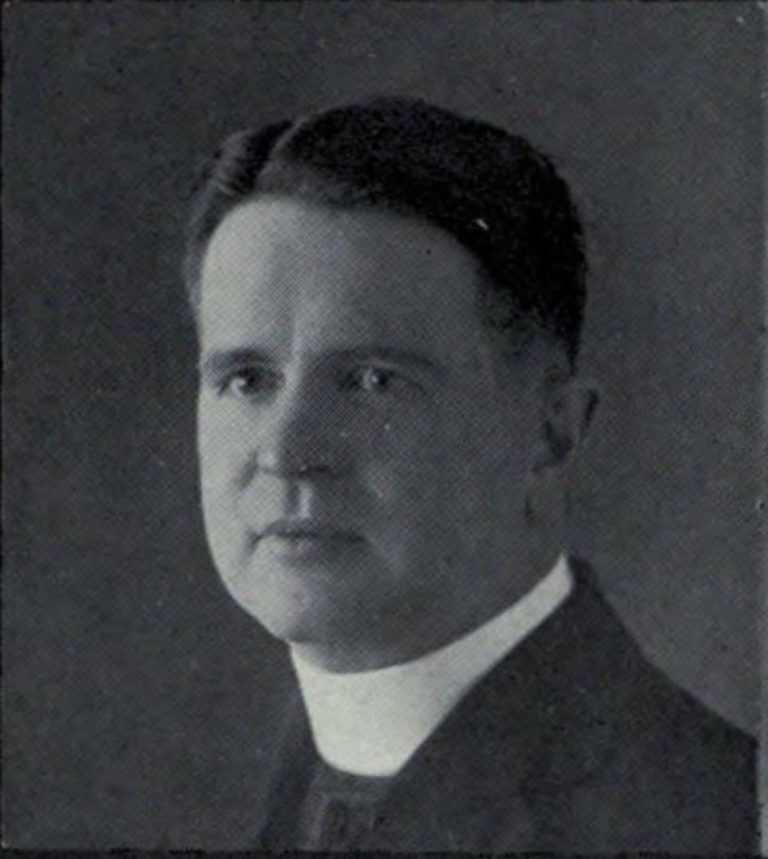
Father Henry Carr, C.S.B., 1915.
CA-K990Institutions

Father Henry Carr and St. Michael’s College

Father Henry Carr, a priest of the Congregation of St. Basil, promoted Catholic colleges within secular universities in Canada. In the early 1900s he modernized St. Michael’s College, turning it into a noted arts college federated with the University of Toronto, and later led similar Catholic colleges at the universities of Saskatchewan and British Columbia. In 1929 he co-founded what became the Pontifical Institute of Mediaeval Studies.

Factual accuracy review: No recorded challenge

Contributor: Citizen.ca

Verified against cited sourcesVerified on 2026-10-27↗
Photo: Unknown author · Photo licence: Public domain · Credit & context
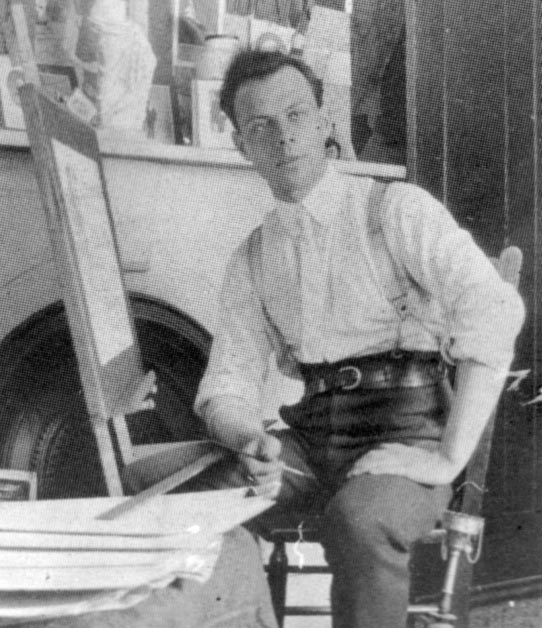
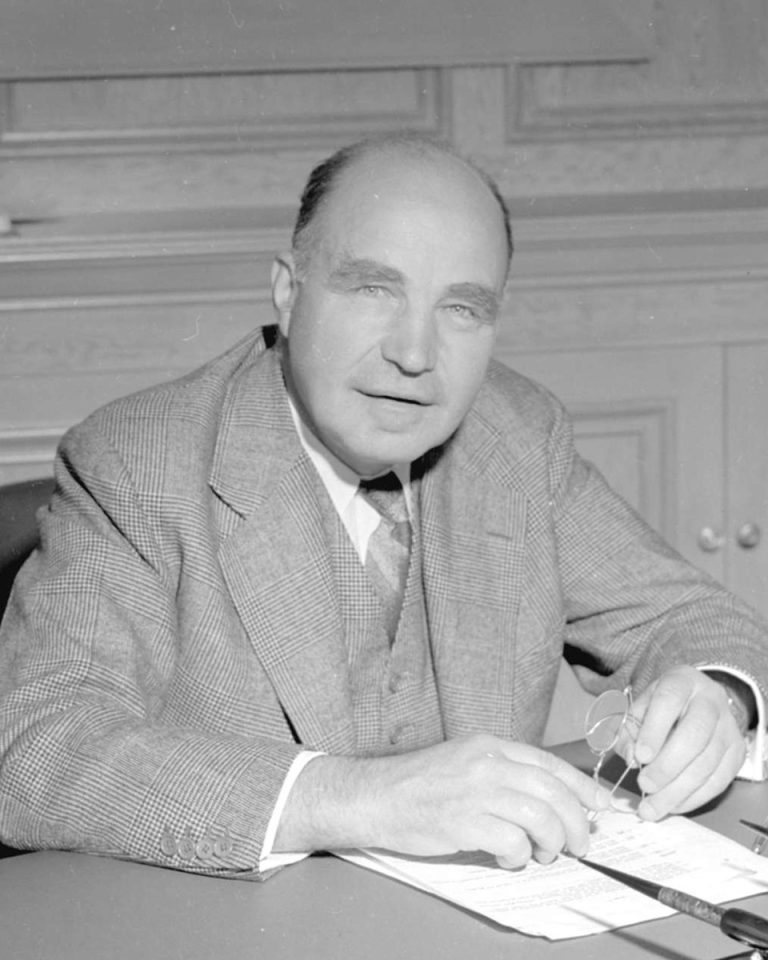
H.R. MacMillan at his desk, 1944.
CA-K989Economy & trade

H.R. MacMillan, forester and lumber industrialist

Harvey Reginald MacMillan, educated at Yale as one of Canada’s first professional foresters, became British Columbia’s Chief Forester in 1912. In 1919 he founded his own company to sell lumber abroad, taking part in a huge expansion of the industry, and its 1951 merger with Bloedel, Stewart and Welch created one of Canada’s largest forest companies. He was made a CBE for organizing forest production in both world wars.

Factual accuracy review: No recorded challenge

Contributor: Citizen.ca

Verified against cited sourcesVerified on 2026-10-27↗
Photo: Don Coltman or Steffens Colmer · Photo licence: Public domain · Credit & context
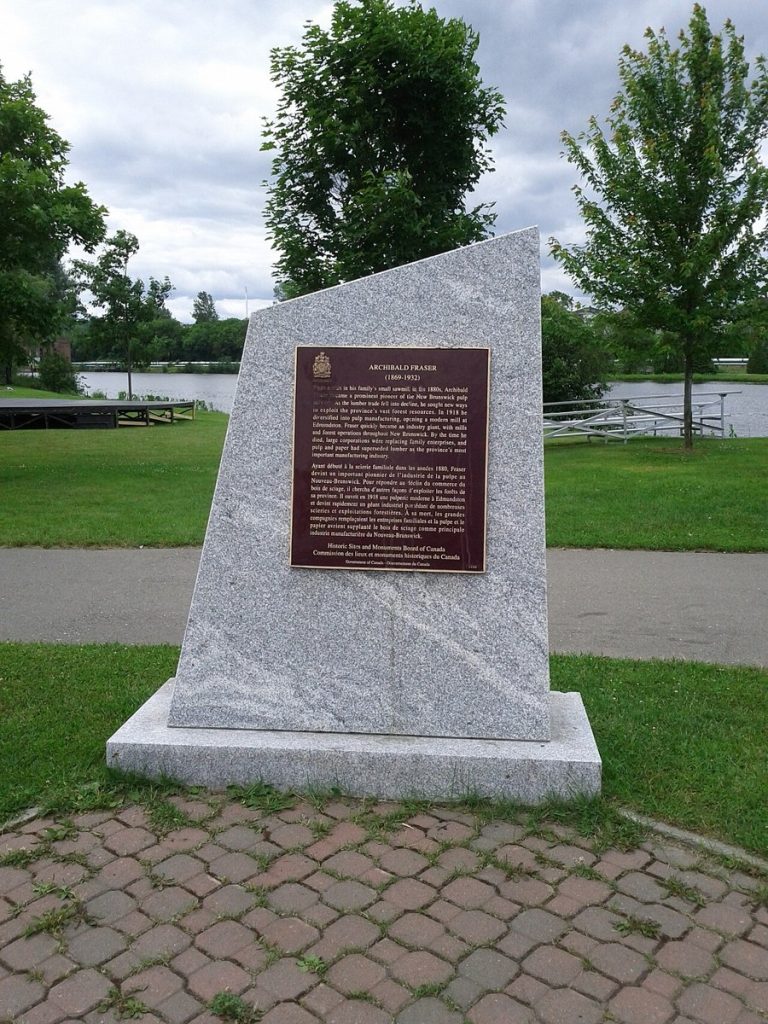
David Milne, New York, 1909.
CA-K983Culture & sport

David Milne, modernist painter

David Milne was one of the first Canadian artists to explore modernist styles and subjects, in paintings, watercolours and prints built on subtle arrangements of colour, space and line. He left Paisley, Ontario, for New York in 1903 and showed at the Armory Show in 1913, then became a Canadian war artist in the First World War. Returning to Ontario in 1929, he painted at Temagami, Palgrave, Six Mile Lake, Toronto, Uxbridge and Bancroft.

Factual accuracy review: No recorded challenge

Contributor: Citizen.ca

Verified against cited sourcesVerified on 2026-10-27↗
Photo: Unknown author · Photo licence: Public domain · Credit & context
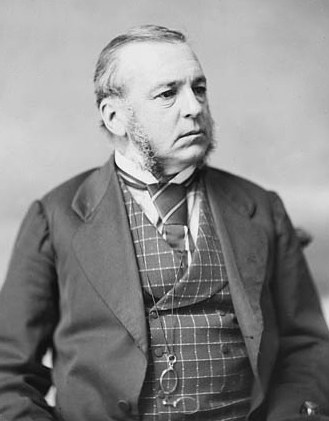
Monument to Archibald Fraser, Edmundston.
CA-K982Economy & trade

Archibald Fraser, pulp pioneer of New Brunswick

Archibald Fraser started in his family’s small sawmill in the 1880s and became a leading pioneer of New Brunswick’s pulp industry. As the lumber trade declined he looked for new uses of the province’s forests, and in 1918 opened a modern pulp mill at Edmundston. He soon became an industry giant, and by his death pulp and paper had replaced lumber as the province’s most important manufacturing industry.

Factual accuracy review: No recorded challenge

Contributor: Citizen.ca

Verified against cited sourcesVerified on 2026-10-27↗
Photo: Bouchecl · Photo licence: CC BY-SA 3.0 · Credit & context
James Cockburn, 1873 (William James Topley).
CA-K980History

James Cockburn, first Speaker of the House of Commons

James Cockburn came to Montréal from England in 1832, was educated in Toronto and set up a law practice in Cobourg. Elected for Northumberland West in 1861, he attended the Quebec Conference of 1864 as a cabinet minister and is one of the Fathers of Confederation. When the first Parliament of Canada met in November 1867, he was elected Speaker of the House of Commons, serving until 1874.

Factual accuracy review: No recorded challenge

Contributor: Citizen.ca

Verified against cited sourcesVerified on 2026-10-27↗
Photo: William James Topley · Photo licence: Public domain · Credit & context
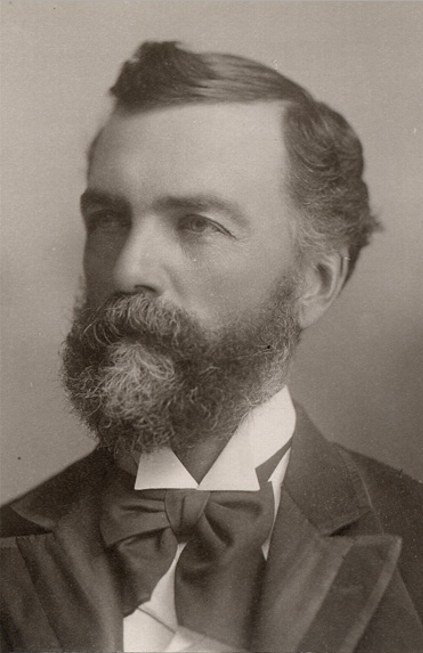
Joseph-Israël Tarte, about 1890 (Jules-Isaïe Benoît).
CA-K977History

Israël Tarte, architect of Laurier’s 1896 victory

Joseph-Israël Tarte, a brilliant polemicist, journalist and politician, took part in every major political battle of his time, working under various banners to protect French and Catholic minorities and strengthen Canada’s place in the Empire. Elected in 1891, he engineered Laurier’s 1896 triumph in Quebec. As Minister of Public Works (1896–1902) he improved St. Lawrence navigation and made Montréal the country’s leading port.

Factual accuracy review: No recorded challenge

Contributor: Citizen.ca

Verified against cited sourcesVerified on 2026-10-27↗
Photo: Jules-Isaïe Benoît · Photo licence: Public domain · Credit & context
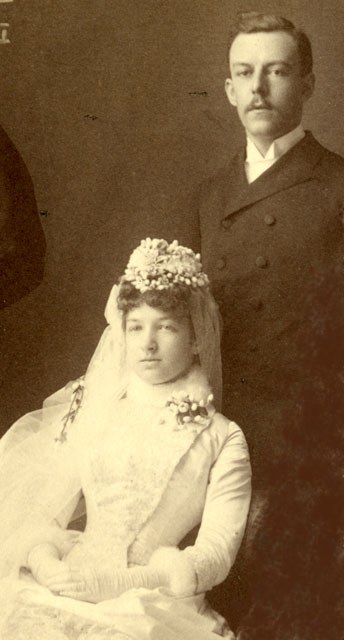
Marie Lacoste with Henri Gérin-Lajoie, January 1887.
CA-K976History

Marie Lacoste-Gérin-Lajoie, Quebec feminist

For more than 40 years Marie Lacoste-Gérin-Lajoie worked to improve the lives of women in Quebec. In 1907 she co-founded the Fédération nationale Saint-Jean-Baptiste, an important French-Canadian feminist association, which she led from 1913 to 1933 while writing for its review La Bonne Parole. She campaigned for women’s suffrage, access to higher education and, through the 1931 Civil Code reform, the rights of married women.

Factual accuracy review: No recorded challenge

Contributor: Citizen.ca

Verified against cited sourcesVerified on 2026-10-27↗
Photo: Unknown author · Photo licence: Public domain · Credit & context
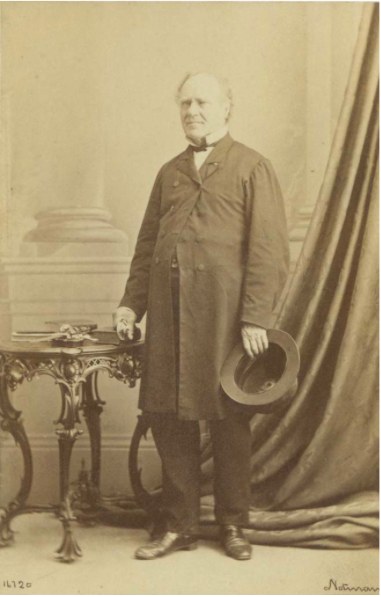
Joseph Howe, 1865 (William Notman).
CA-K973History

Joseph Howe, “Tribune of Nova Scotia”

Joseph Howe, born in Halifax and largely self-taught, became publisher of the Novascotian and by 1836 was his province’s leading journalist and orator. Elected that year, he led the struggle that won responsible government in 1848. An eloquent opponent of Confederation in the 1860s, he joined the federal cabinet in 1869 after negotiating “better terms” for Nova Scotia, and shortly before his death in 1873 became its lieutenant governor.

Factual accuracy review: No recorded challenge

Contributor: Citizen.ca

Verified against cited sourcesVerified on 2026-10-27↗
Photo: William Notman · Photo licence: Public domain · Credit & context
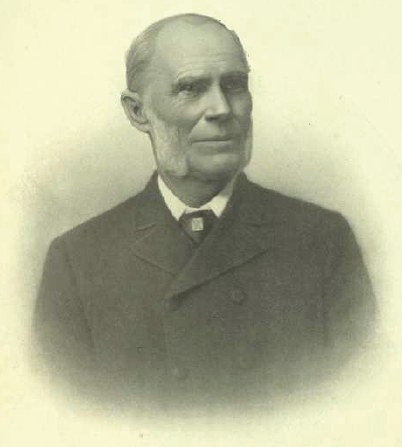
Theodore August Heintzman, portrait.
CA-K971Economy & trade

Theodore Heintzman, piano maker

Theodore August Heintzman, a German immigrant and experienced craftsman, worked in a piano factory in the United States before his own business there failed. Arriving in Toronto almost penniless in 1860, he built a piano in his daughter’s home and used the proceeds to start a factory. His company grew quickly into one of Canada’s longest-lived piano makers, selling across the country and abroad.

Factual accuracy review: No recorded challenge

Contributor: Citizen.ca

Verified against cited sourcesVerified on 2026-10-27↗
Photo: Unknown author · Photo licence: Public domain · Credit & context
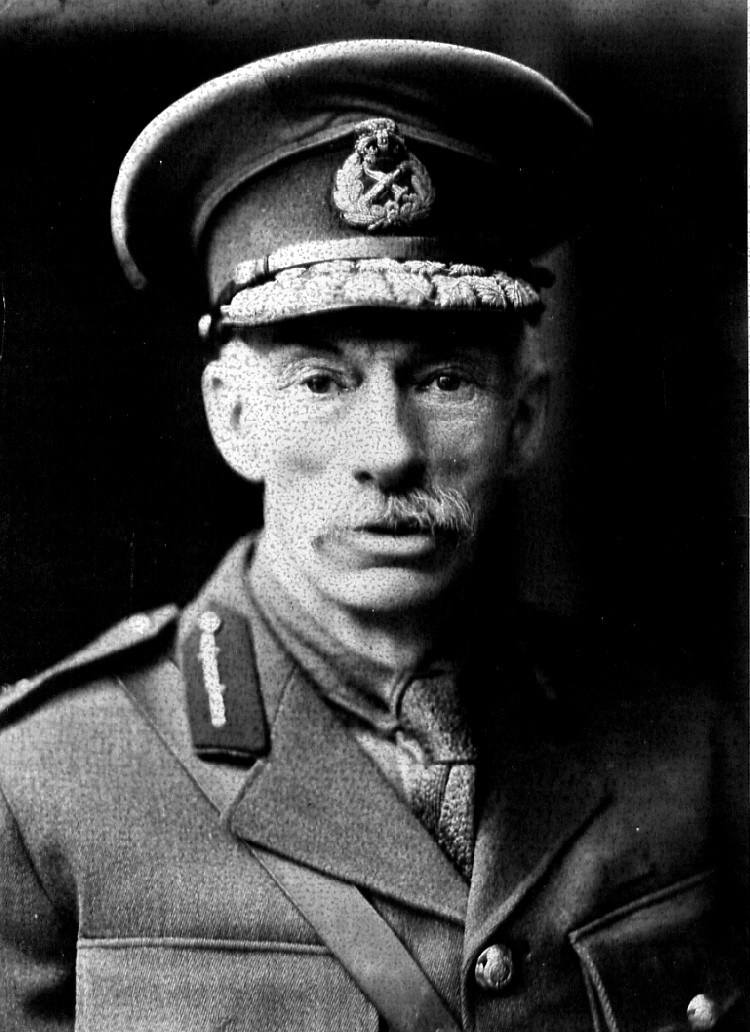
Brigadier-General Ernest Alexander Cruikshank.
CA-K965Institutions

E.A. Cruikshank, soldier and historian

Ernest Alexander Cruikshank, born in Bertie Township, Ontario, was a journalist and translator before joining the militia in 1877, rising to brigadier-general in 1915 and directing the general staff’s historical section. He chaired the Historic Sites and Monuments Board of Canada from its creation in 1919 until his death, and wrote many papers and books on Ontario and Canadian history.

Factual accuracy review: No recorded challenge

Contributor: Citizen.ca

Verified against cited sourcesVerified on 2026-10-27↗
Photo: Unknown author · Photo licence: Public domain · Credit & context
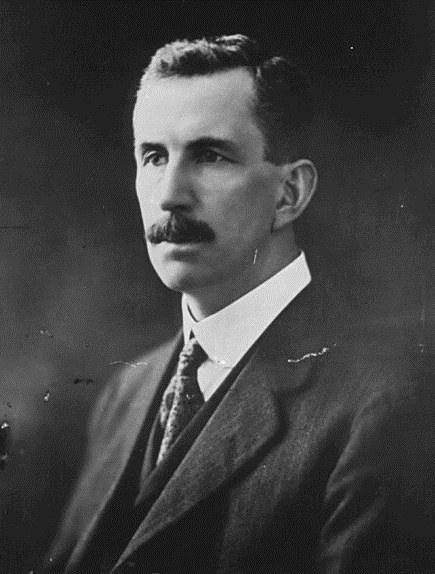
Thomas Alexander Crerar, official portrait, about 1919.
CA-K964Economy & trade

T.A. Crerar, grain trade leader and Progressive

Thomas Alexander Crerar began as an agrarian reformer at Russell, Manitoba. As head of the Grain Growers’ Grain Company he helped shape Canadian grain marketing, and championing western farmers he led the Progressive movement to great influence in the 1921 election, ending the federal two-party system. He later served in Mackenzie King’s cabinets and was an active Senate leader until 1966.

Factual accuracy review: No recorded challenge

Contributor: Citizen.ca

Verified against cited sourcesVerified on 2026-10-27↗
Photo: Unknown photographer; Library and Archives Canada · Photo licence: Public domain · Credit & context
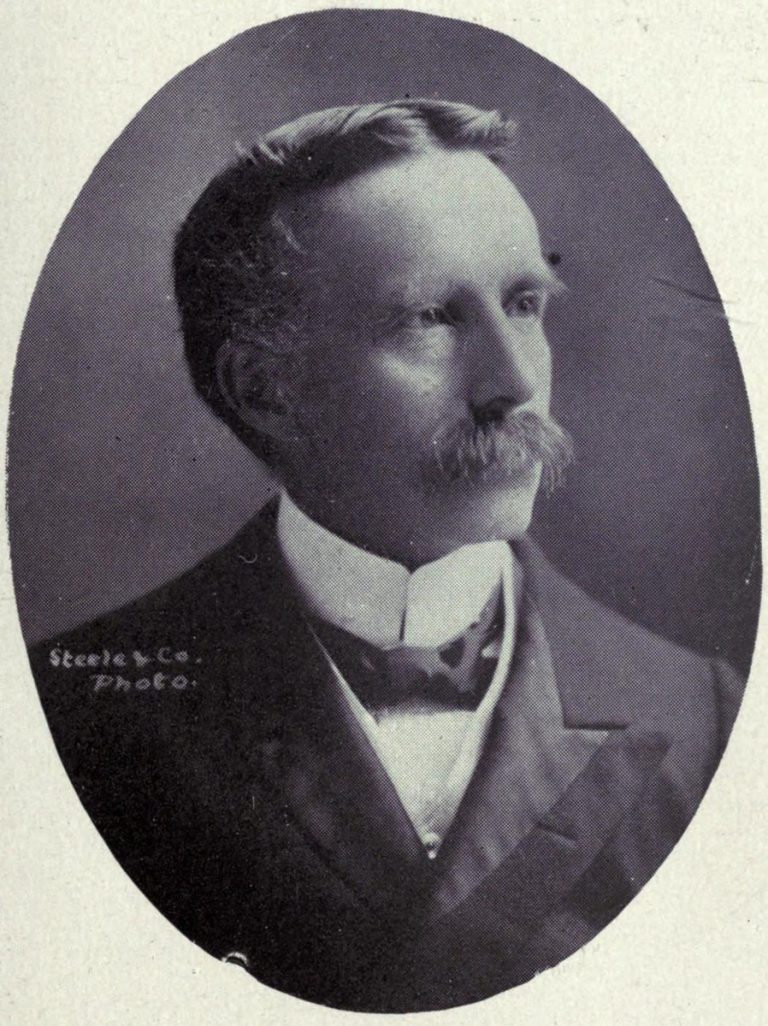
John Skirving Ewart, about 1902.
CA-K962History

J.S. Ewart, lawyer and advocate of Canadian autonomy

John Skirving Ewart, a noted constitutional lawyer born in Toronto, practised in Winnipeg from 1882 to 1904, founding the Manitoba Law Journal and serving on Louis Riel’s appeal defence team. He was counsel for Manitoba’s Roman Catholic minority in the schools dispute of the 1890s, then argued cases before the Supreme Court and Privy Council from Ottawa. He was an early, ardent advocate of Canadian autonomy at home and abroad.

Factual accuracy review: No recorded challenge

Contributor: Citizen.ca

Verified against cited sourcesVerified on 2026-10-27↗
Photo: Unknown photographer · Photo licence: Public domain · Credit & context
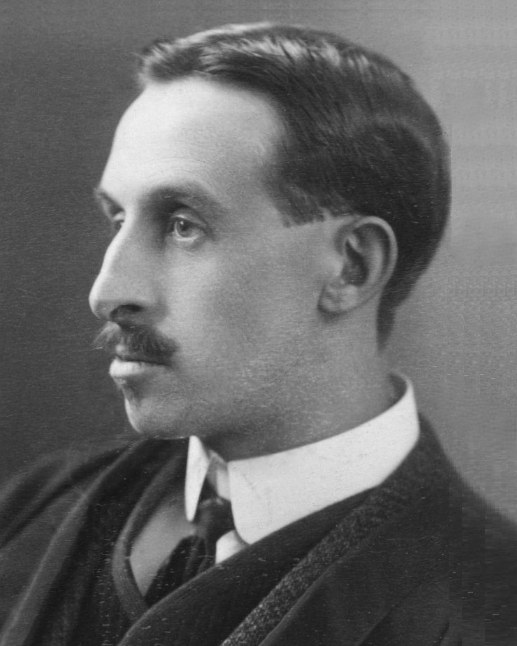
Percy Erskine Nobbs, 1906 (Wm. Notman & Son).
CA-K961Culture & sport

Percy Erskine Nobbs, Arts and Crafts architect

Percy Erskine Nobbs, a Scottish-born architect, educator, writer and critic, helped advance architecture in early 20th-century Canada. He taught at McGill and wrote on town planning, public housing design and Canadian architecture as a national art. His remarkable, finely built designs, inspired by the Arts and Crafts movement, reflect his strong commitment to fine craftsmanship.

Factual accuracy review: No recorded challenge

Contributor: Citizen.ca

Verified against cited sourcesVerified on 2026-10-27↗
Photo: Wm. Notman & Son · Photo licence: CC0 · Credit & context
Captain Sir Leopold McClintock, about 1860.
CA-K960Places & geography

Sir Leopold McClintock and the fate of Franklin

Leopold McClintock sailed as a young lieutenant on the Franklin search expeditions of 1848 and 1850, proving an intrepid sled traveller on Somerset and Melville islands. In 1857 Lady Franklin sent him in the Fox to check the reports of Franklin’s death that Dr. John Rae had received from Inuit. In spring 1859 he found written evidence of Franklin’s fate on the shore of King William Island.

Factual accuracy review: No recorded challenge

Contributor: Citizen.ca

Verified against cited sourcesVerified on 2026-10-27↗
Photo: John Powles Cheyne · Photo licence: Public domain · Credit & context
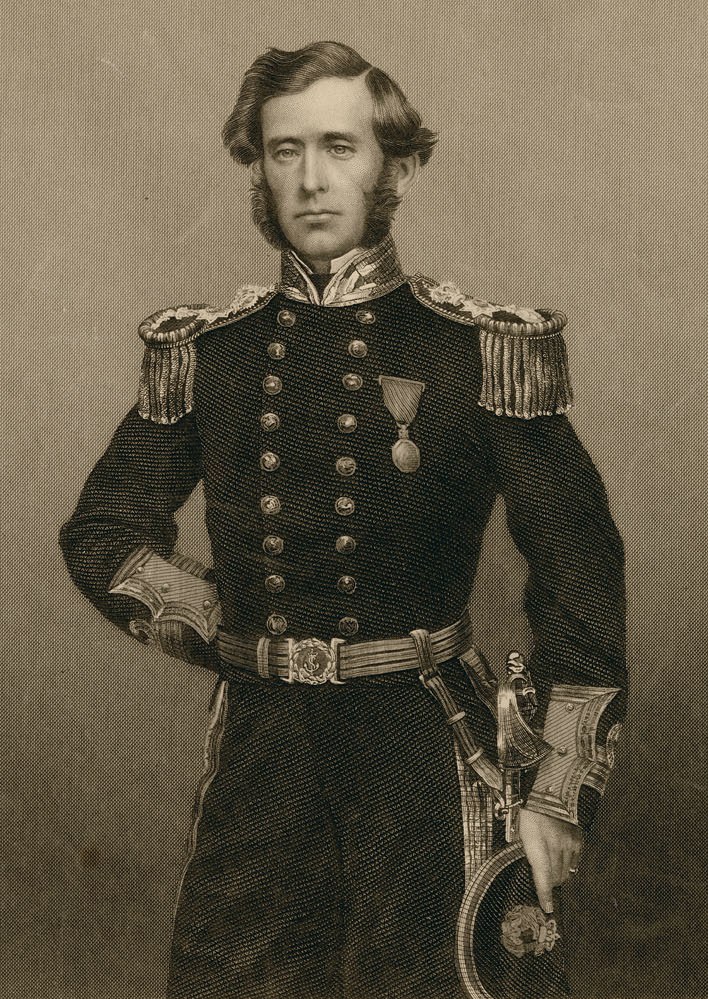
Alexander Gibson, about 1890.
CA-K959Economy & trade

Alexander “Boss” Gibson, New Brunswick’s Lumber King

Alexander Gibson, lumber and railway baron and generous benefactor, was a pivotal figure in the Maritime economy as it was integrated into the national economy. A leading New Brunswick entrepreneur, he expanded from lumber into cotton, developing Marysville into one of Canada’s first model company towns. Though his business foundered under overproduction encouraged by the National Policy, he left the province important railway and industrial infrastructure.

Factual accuracy review: No recorded challenge

Contributor: Citizen.ca

Verified against cited sourcesVerified on 2026-10-27↗
Photo: Unknown author · Photo licence: Public domain · Credit & context
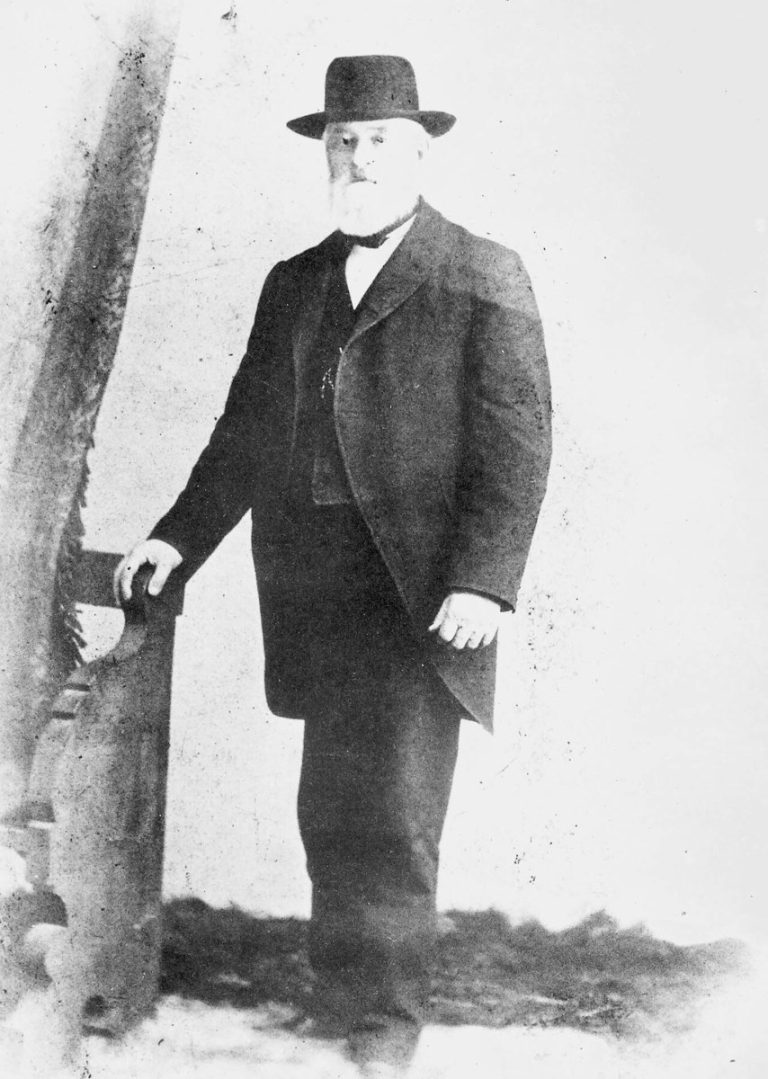
John Robson, portrait (Library and Archives Canada).
CA-K957History

John Robson, newspaperman and premier of British Columbia

John Robson, born in Perth, Ontario, came to British Columbia in 1859. In 1861 he founded the British Columbian at New Westminster, a newspaper on the British Columbia mainland, and used it to demand responsible government. Elected in 1867, he urged the colony to join Confederation, held several cabinet posts and was premier from 1889 until his accidental death in London, working to organize schools and regulate resource development.

Factual accuracy review: No recorded challenge

Contributor: Citizen.ca

Verified against cited sourcesVerified on 2026-10-27↗
Photo: Unknown photographer; Library and Archives Canada · Photo licence: Public domain · Credit & context
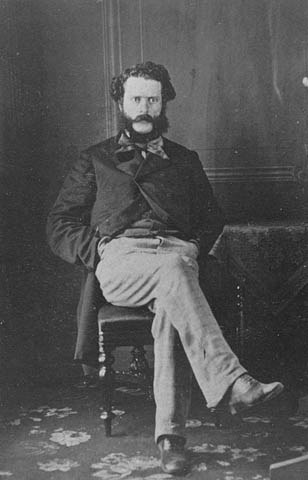
Margaret Charlton, portrait (U.S. National Library of Medicine).
CA-K952Institutions

Margaret Charlton, pioneer medical librarian

Margaret Charlton, librarian at McGill University’s Medical Library (1895–1914) and Toronto’s Academy of Medicine Library (1914–22), advanced modern library methods in the profession’s formative years. In 1898 she co-founded the Medical Library Association, which became an international leader in specialized librarianship. She also wrote on the medical history of New France, and her success in a male-dominated field opened the way for other professional women.

Factual accuracy review: No recorded challenge

Contributor: Citizen.ca

Verified against cited sourcesVerified on 2026-10-27↗
Photo: Unknown photographer · Photo licence: Public domain · Credit & context
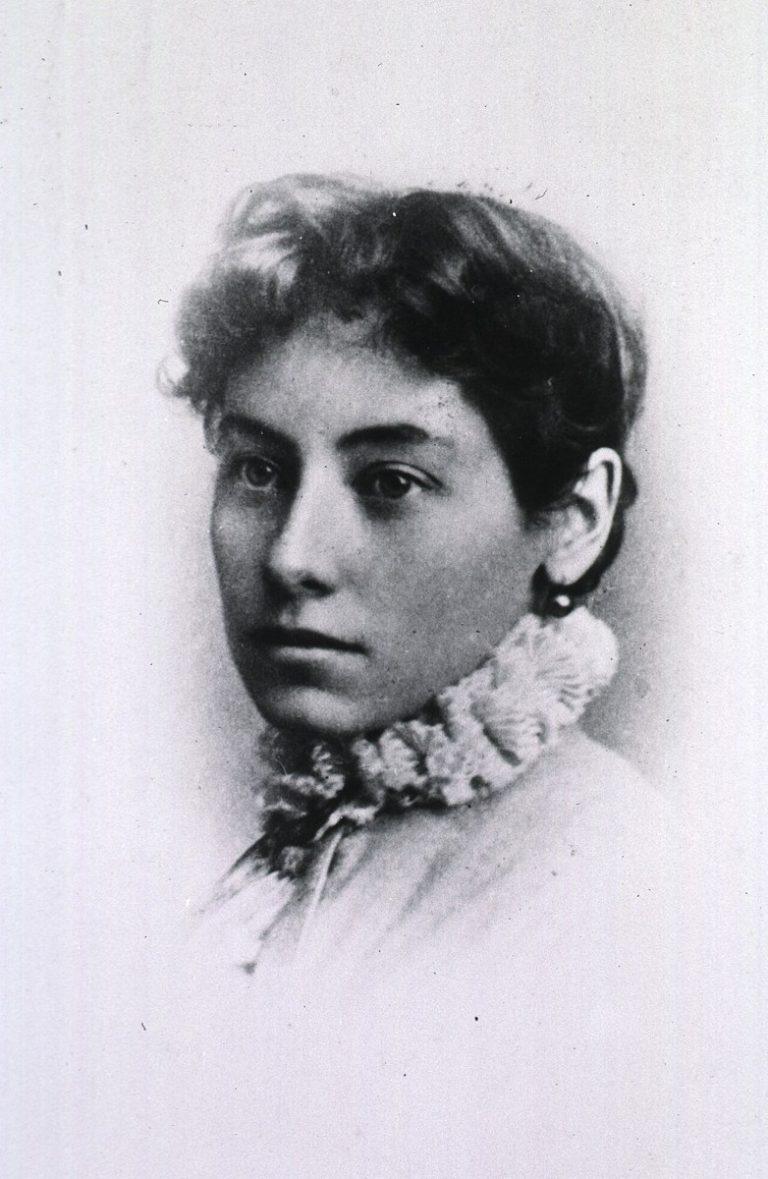
Lester B. Pearson in a photograph published in a 1957 National Film Board photostory about his Nobel Peace Prize.
CA-K951History

Lester B. Pearson, diplomat and prime minister

Lester B. “Mike” Pearson, Canada’s fourteenth prime minister, was an influential diplomat who became Secretary of State for External Affairs in 1948, helped form NATO and won the 1957 Nobel Peace Prize for his leadership at the United Nations during the Suez crisis. Liberal leader from 1958 and prime minister from 1963 to 1968, he promoted bilingualism, championed the new flag, and brought in universal medicare and the Canada Pension Plan.

Factual accuracy review: No recorded challenge

Contributor: Citizen.ca

Verified against cited sourcesVerified on 2026-10-27↗
Photo: Capital Press · Photo licence: Public domain · Credit & context
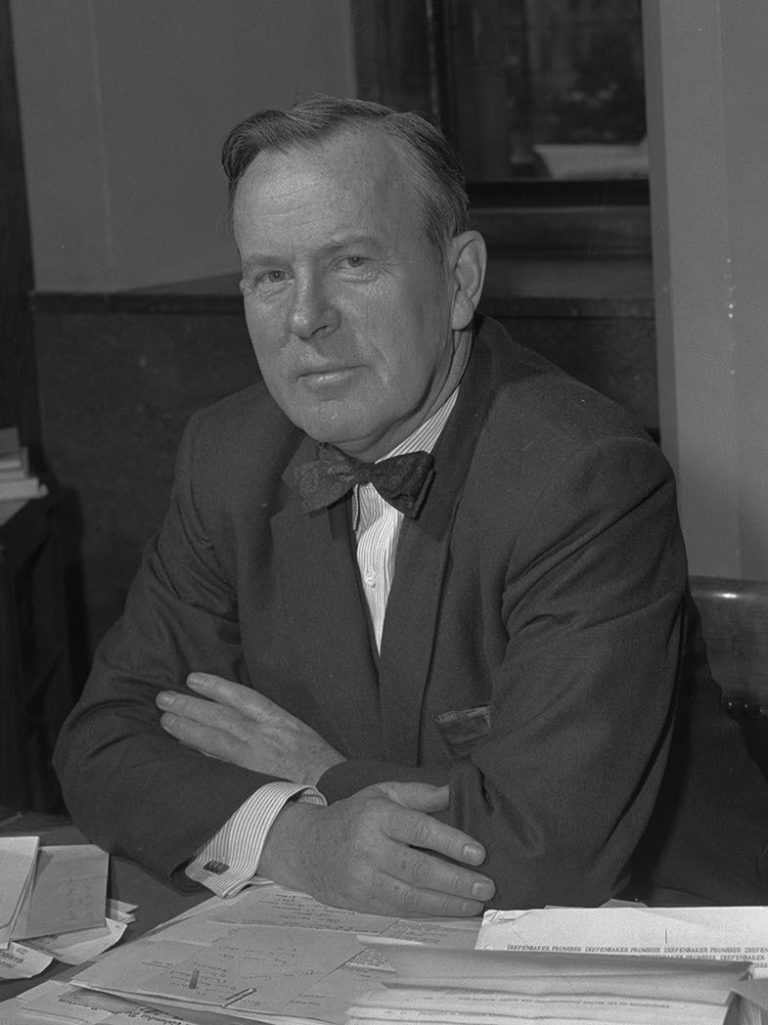
Violet McNaughton, about 1910 (University of Saskatchewan Archives).
CA-K950Economy & trade

Violet McNaughton, farm women’s leader

Violet McNaughton, a leader in the women’s, peace and co-operative movements, drew on her life as a farm wife to organize the Women Grain Growers and help develop the Wheat Pool. She led the fight in Saskatchewan for women’s right to vote and for publicly funded medical care, and from 1926 to 1960 promoted agrarian feminism, pacifism and co-operation as a journalist with The Western Producer.

Factual accuracy review: No recorded challenge

Contributor: Citizen.ca

Verified against cited sourcesVerified on 2026-10-27↗
Photo: Unknown author · Photo licence: Public domain · Credit & context
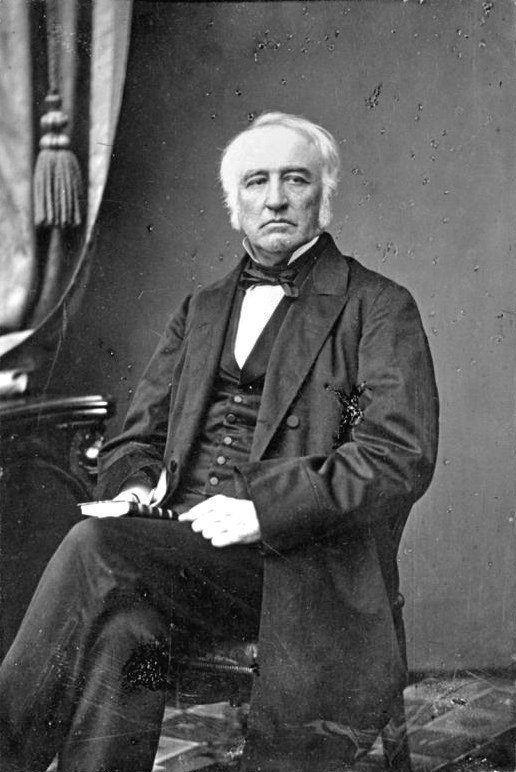
Augustin-Norbert Morin, about 1865 (Jules-Isaïe Benoît).
CA-K949History

Augustin-Norbert Morin, Patriote and co-premier

Augustin-Norbert Morin, lawyer and journalist, entered Lower Canada’s Assembly for Bellechasse in 1830, helped write the Parti patriote’s 92 Resolutions and took part in the Rebellion of 1837. In the Province of Canada he was co-premier with Francis Hincks and Allan MacNab, and in 1854 his government abolished the seigneurial system in Canada East. As a Superior Court judge from 1855, he helped draft the Civil Code of Lower Canada.

Factual accuracy review: No recorded challenge

Contributor: Citizen.ca

Verified against cited sourcesVerified on 2026-10-27↗
Photo: Jules-Isaïe Benoît · Photo licence: Public domain · Credit & context
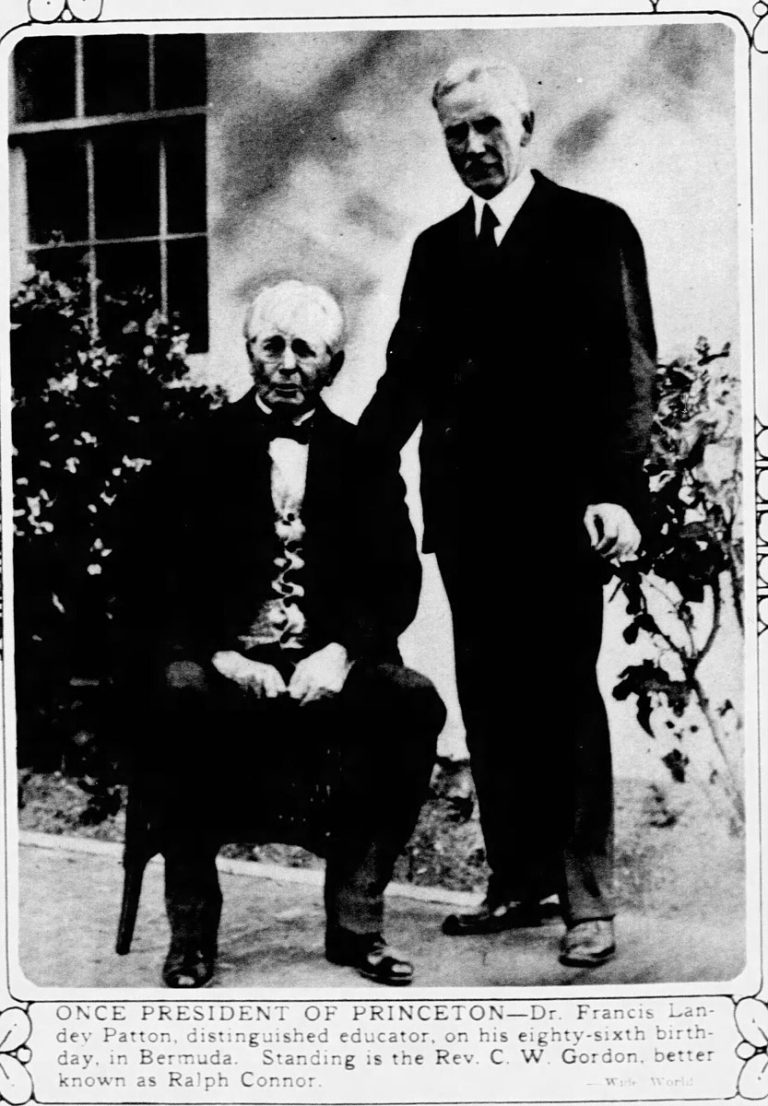
Rev. C.W. Gordon (Ralph Connor), right, with Dr. Francis Landey Patton, 1929.
CA-K946Culture & sport

Ralph Connor, novelist and churchman

Charles William Gordon, born in Glengarry, Ontario, was a Presbyterian minister and pastor of St. Stephen’s Church in Winnipeg from 1894 to 1924. As “Ralph Connor” he entertained and instructed millions with novels, many about the settlement of western Canada. An ardent Canadian nationalist, he worked for causes such as temperance and help for immigrants, and his optimism reflected the views of many Canadians of his time.

Factual accuracy review: No recorded challenge

Contributor: Citizen.ca

Verified against cited sourcesVerified on 2026-10-27↗
Photo: Wide World Photos · Photo licence: Public domain · Credit & context
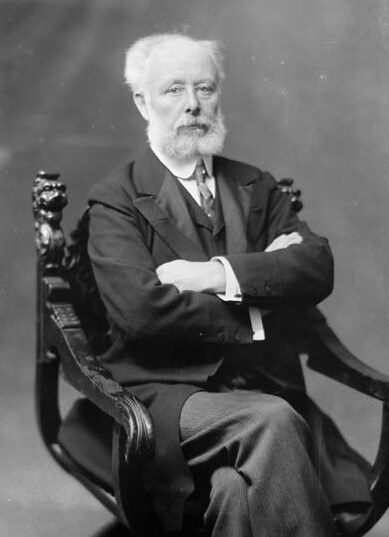
Sir Louis Henry Davies, 1903 (William James Topley).
CA-K944History

Sir Louis Davies, Island premier and Chief Justice

Louis Henry Davies, born in Charlottetown, was premier of Prince Edward Island from 1876 to 1879, defending tenant farmers while working to settle the land question. He served as counsel to the International Fisheries Commission at Halifax in 1877, sat in the House of Commons and became Minister of Marine and Fisheries in 1896. Named to the Supreme Court in 1901, he became Chief Justice of Canada in 1918.

Factual accuracy review: No recorded challenge

Contributor: Citizen.ca

Verified against cited sourcesVerified on 2026-10-27↗
Photo: William James Topley · Photo licence: Public domain · Credit & context
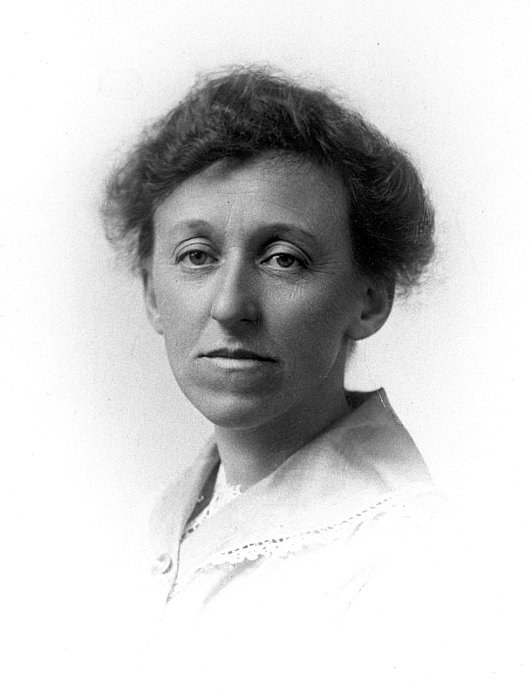
Wilfred Campbell, portrait photograph.
CA-K943Culture & sport

Wilfred Campbell, poet of the Confederation group

William Wilfred Campbell, born in Kitchener, left the Anglican ministry in 1891 to become a civil servant in Ottawa. A member of the Confederation group of poets, he drew inspiration from the Bruce Peninsula of his youth and also wrote novels, histories, plays and travel books. His writing explored nature, faith and Darwinism, as well as imperial ideas of his time.

Factual accuracy review: No recorded challenge

Contributor: Citizen.ca

Verified against cited sourcesVerified on 2026-10-27↗
Photo: Photographer unattributed · Photo licence: Public domain · Credit & context