An independent Canadian knowledge project

Focused and Verified

Canadian knowledge base

Search by keyword

Choose one keyword, or combine two. Broader keywords include their descendants.

Keywords: Themes, values and contributions

Clear search
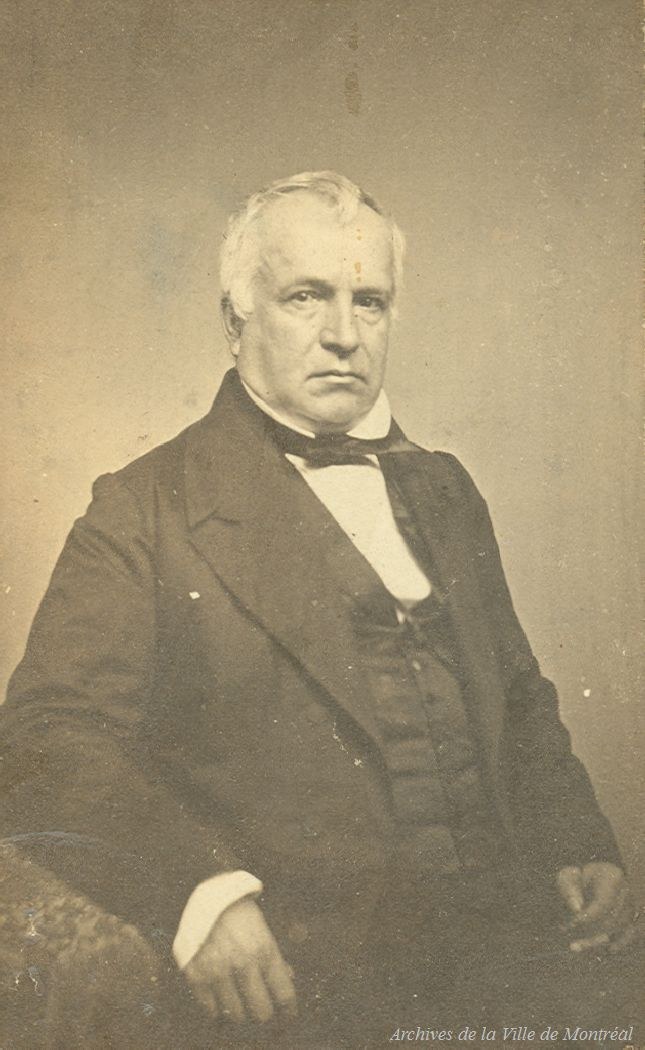
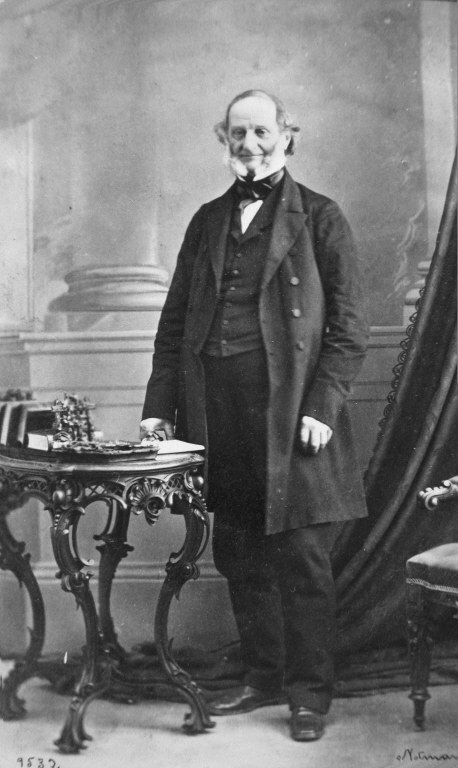
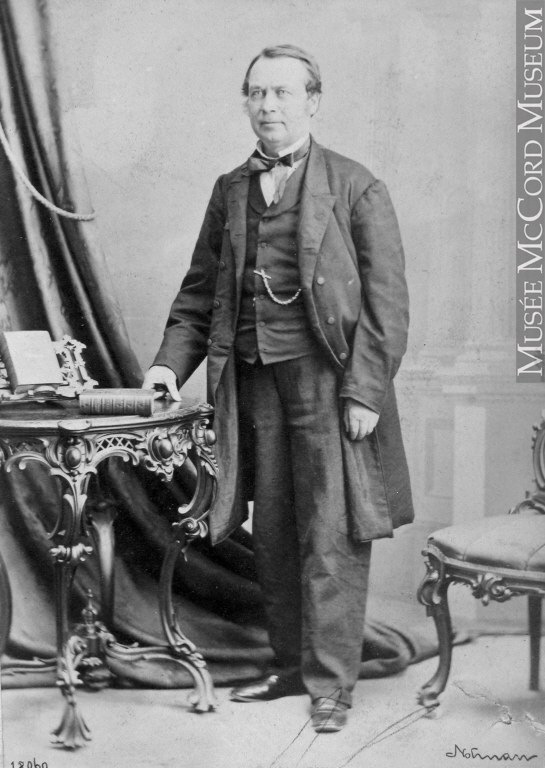
William Molson, 1863 (William Notman).
CA-K942Economy & trade

William Molson, brewer and banker

William Molson, youngest son of Montréal brewer John Molson, helped expand the family empire into distilling, lumber, a foundry, steamships and railways by the mid-19th century. In 1853 he and his brother John founded Molsons Bank, which he led until his death. A leading philanthropist, he was president of the Montreal General Hospital and gave money toward founding and building McGill University, later becoming a governor.

Factual accuracy review: No recorded challenge

Contributor: Citizen.ca

Verified against cited sourcesVerified on 2026-10-27↗
Photo: William Notman · Photo licence: Public domain · Credit & context
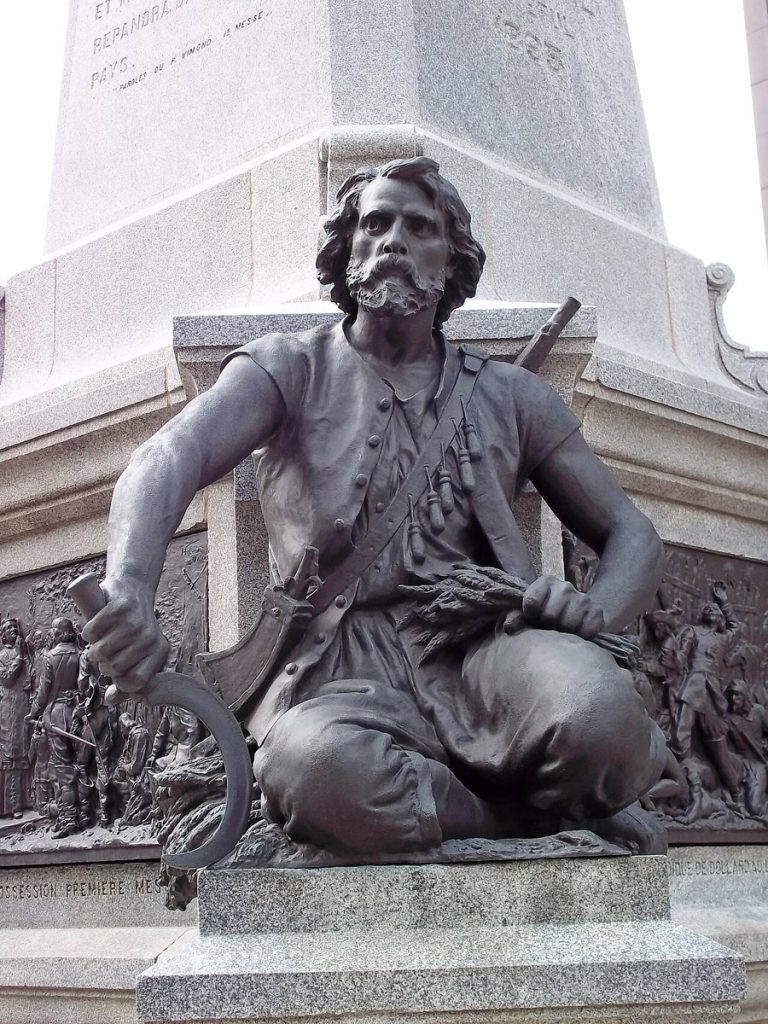
Charles Le Moyne on the Maisonneuve Monument, Place d’Armes, Montréal.
CA-K939History

Charles Le Moyne and his family

Charles Le Moyne de Longueuil et de Châteauguay (1626–1685), soldier, trader and first seigneur of Longueuil, founded a family prominent in the military, commercial and administrative life of New France, ennobled by Louis XIV. His Canadian-born sons, including d’Iberville, de Sainte-Hélène and de Bienville, fought France’s enemies across North America on land and sea and served as colonizers and administrators.

Factual accuracy review: No recorded challenge

Contributor: Citizen.ca

Verified against cited sourcesVerified on 2026-10-27↗
Photo: Jean Gagnon · Photo licence: CC BY-SA 3.0 · Credit & context
Hiram Walker (Hiram Walker and Sons archives).
CA-K938Economy & trade

Hiram Walker and Walkerville

Hiram Walker, born in Massachusetts, was a successful merchant, distiller and grain dealer in Detroit by the 1850s. After Michigan adopted prohibition in 1855 he bought land across the river in Canada and built a distillery and mill that grew into the company town of Walkerville, later adding cattle finishing, a river ferry and a railway. He played an important part in western Ontario’s economic development.

Factual accuracy review: No recorded challenge

Contributor: Citizen.ca

Verified against cited sourcesVerified on 2026-10-27↗
Photo: Unknown photographer; Hiram Walker and Sons archives · Photo licence: CC0 · Credit & context
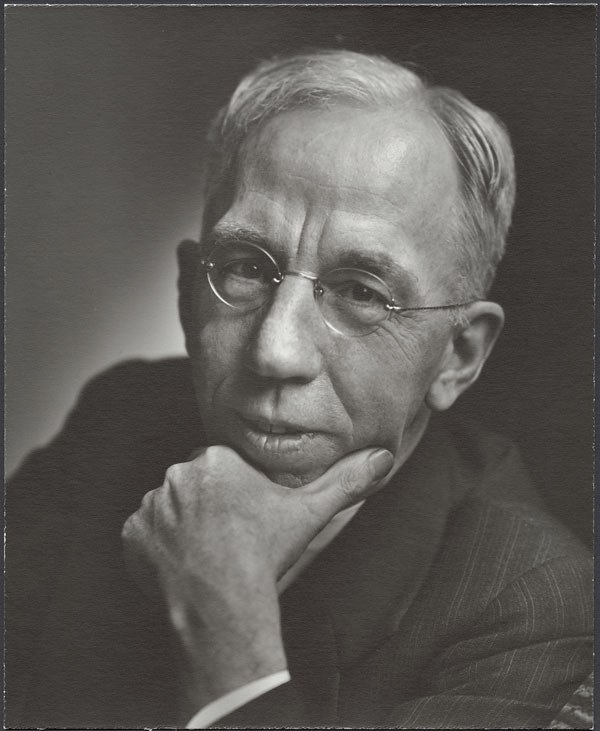
B.K. Sandwell (Yousuf Karsh).
CA-K936Culture & sport

B.K. Sandwell, editor of Saturday Night

B.K. Sandwell was a journalist, essayist, lecturer and academic who edited Saturday Night from 1932 to 1951. He used the magazine to express English Canadian liberal ideas and defend civil liberties, and wrote extensively on literary and social questions.

Factual accuracy review: No recorded challenge

Contributor: Citizen.ca

Verified against cited sourcesVerified on 2026-10-27↗
Photo: Yousuf Karsh; Library and Archives Canada · Photo licence: CC BY 2.0 · Credit & context
Governor General Vincent Massey, 1956 (Gar Lunney).
CA-K934History

Vincent Massey, first Canadian-born Governor General

Vincent Massey, diplomat, philanthropist and patron of the arts, was Canada’s first diplomatic minister to Washington (1926–30) and High Commissioner in London (1935–46). He chaired the Royal Commission on National Development in the Arts, Letters and Sciences, whose 1951 report was a landmark in Canada’s cultural history. In 1952 he became the first Canadian-born Governor General, serving until 1959.

Factual accuracy review: No recorded challenge

Contributor: Citizen.ca

Verified against cited sourcesVerified on 2026-10-27↗
Photo: Gar Lunney · Photo licence: Public domain · Credit & context
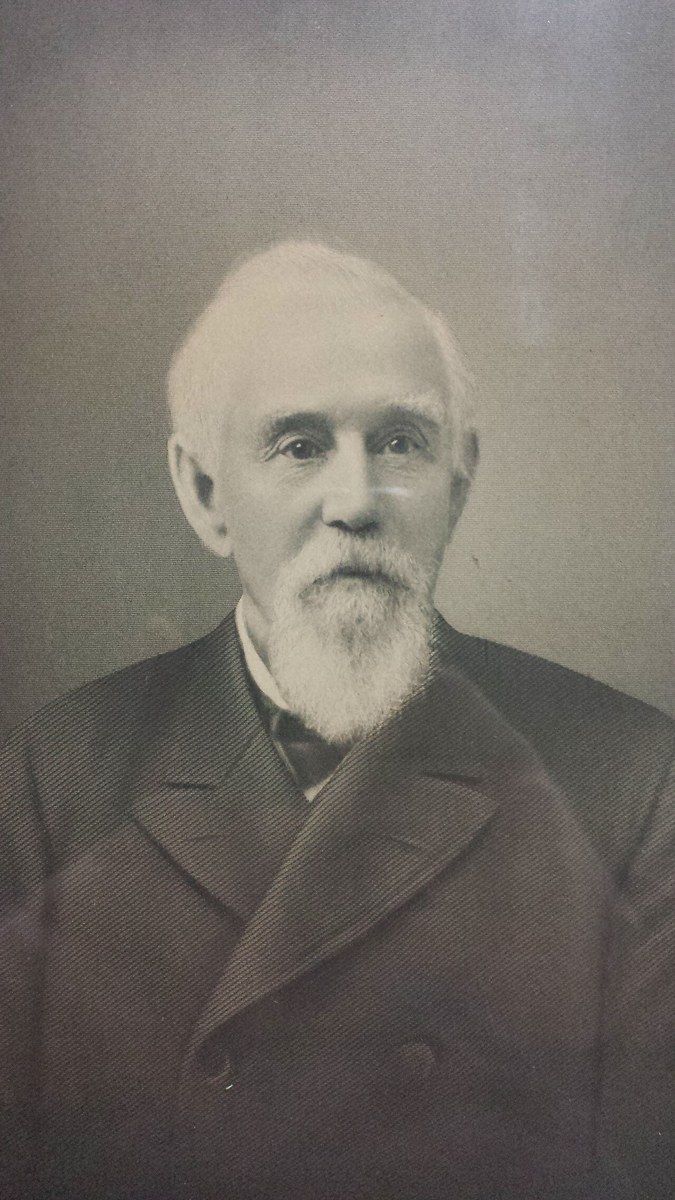
William Kirby, portrait photograph.
CA-K933Culture & sport

William Kirby, author of The Golden Dog

William Kirby, born in England, came to Canada in 1839 and settled at Niagara, where for 20 years he edited the Niagara Mail and was Collector of Customs. A journalist, poet and historian, he is best known for The Golden Dog (1877), a novel of old Quebec that went through thirty editions and was translated into French by Pamphile Le May.

Factual accuracy review: No recorded challenge

Contributor: Citizen.ca

Verified against cited sourcesVerified on 2026-10-27↗
Photo: Photographer unattributed · Photo licence: Public domain · Credit & context
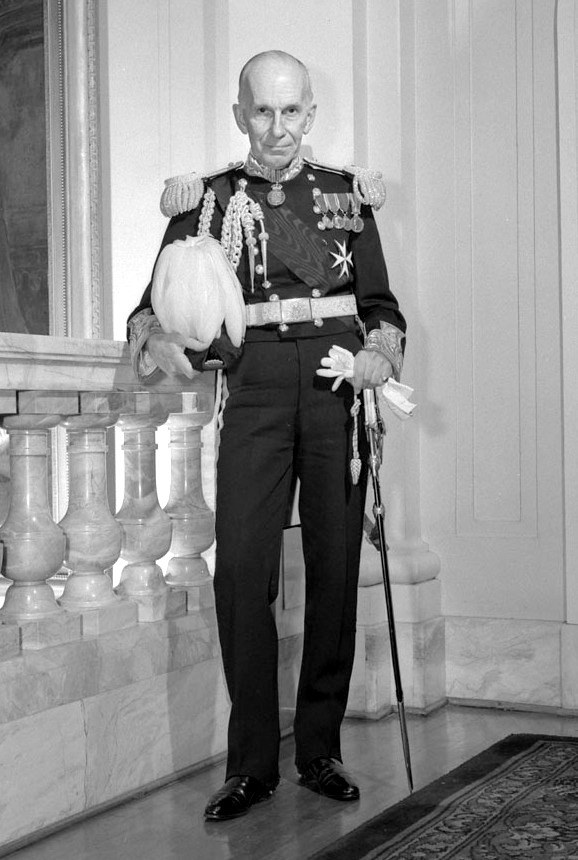
David Ross McCord, 1862 (William Notman).
CA-K932Institutions

David Ross McCord, collector and museum founder

David Ross McCord, of a prominent Montréal family, built one of the earliest and most important collections of objects, images and manuscripts on Canada’s history. Believing that knowing the past strengthens national identity, he spent most of his life and fortune gathering some 15,000 items on Indigenous, French and British history in North America, and left them to McGill University, which founded the museum he had dreamed of.

Factual accuracy review: No recorded challenge

Contributor: Citizen.ca

Verified against cited sourcesVerified on 2026-10-27↗
Photo: William Notman · Photo licence: Public domain · Credit & context
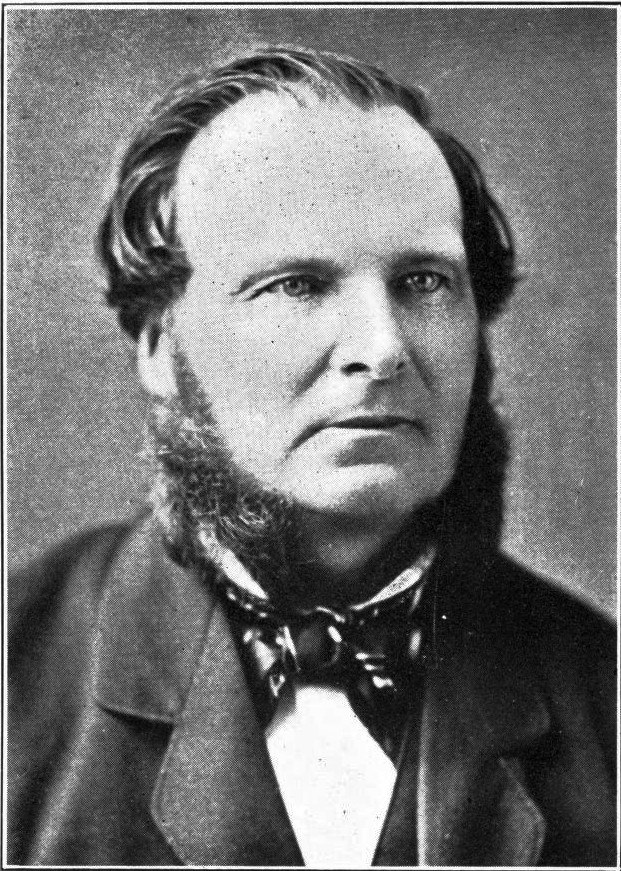
James Wilson Morrice, R.C.A. (Archives of Ontario).
CA-K927Culture & sport

James Wilson Morrice, landscape painter

James Wilson Morrice, born in Montréal, was a landscape painter active in Canada and Europe. Largely self-taught and influenced by contemporaries such as Whistler and Matisse, he used and transformed light to convey atmosphere. He lived in Paris, showed his work in many cities including Montréal, and his paintings were reviewed by leading critics and acquired by major museums.

Factual accuracy review: No recorded challenge

Contributor: Citizen.ca

Verified against cited sourcesVerified on 2026-10-27↗
Photo: Unknown photographer; Archives of Ontario · Photo licence: Public domain · Credit & context
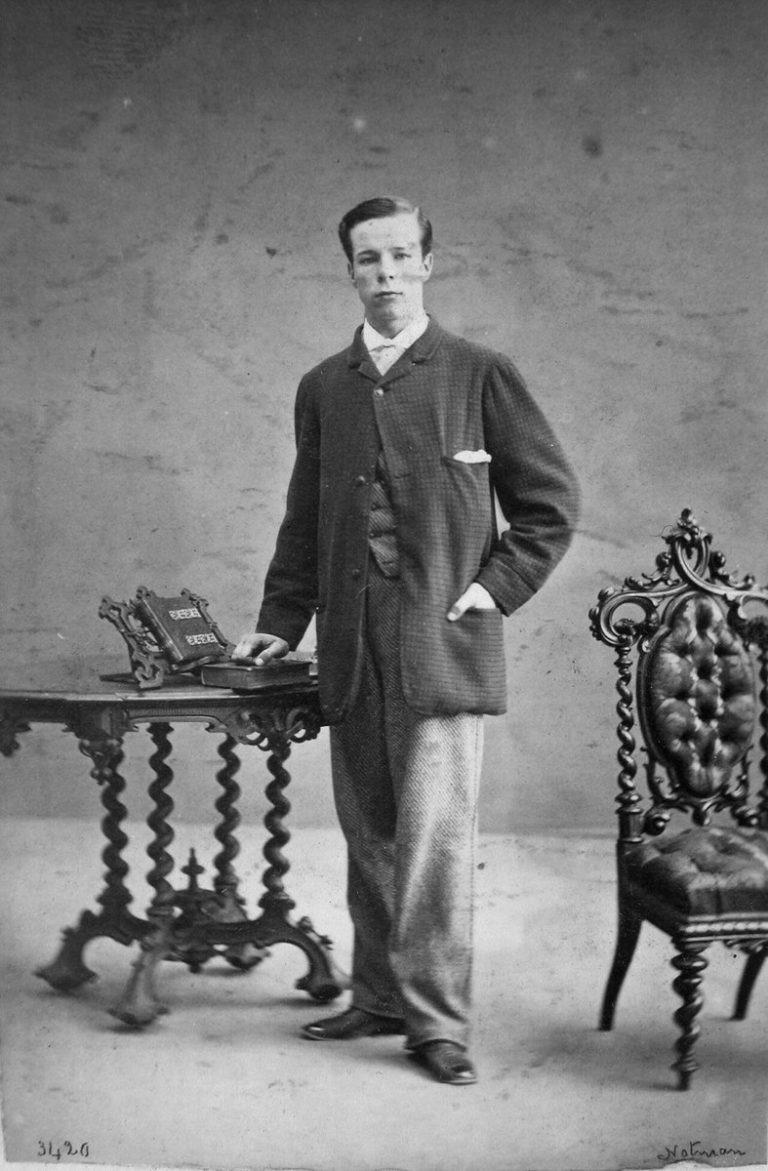
R. Tait McKenzie (Bain News Service).
CA-K926Culture & sport

R. Tait McKenzie, surgeon, educator and sculptor

Robert Tait McKenzie, born in Lanark County, Ontario, graduated in medicine at McGill and became its medical director of physical training in 1894. A pioneer of physical education, he served as a surgeon in the First World War and developed widely adopted rehabilitation methods. He won international acclaim for sculptures of athletes; his medallion The Joy of Effort was set in Stockholm’s Olympic Stadium in 1912.

Factual accuracy review: No recorded challenge

Contributor: Citizen.ca

Verified against cited sourcesVerified on 2026-10-27↗
Photo: Bain News Service · Photo licence: Public domain · Credit & context
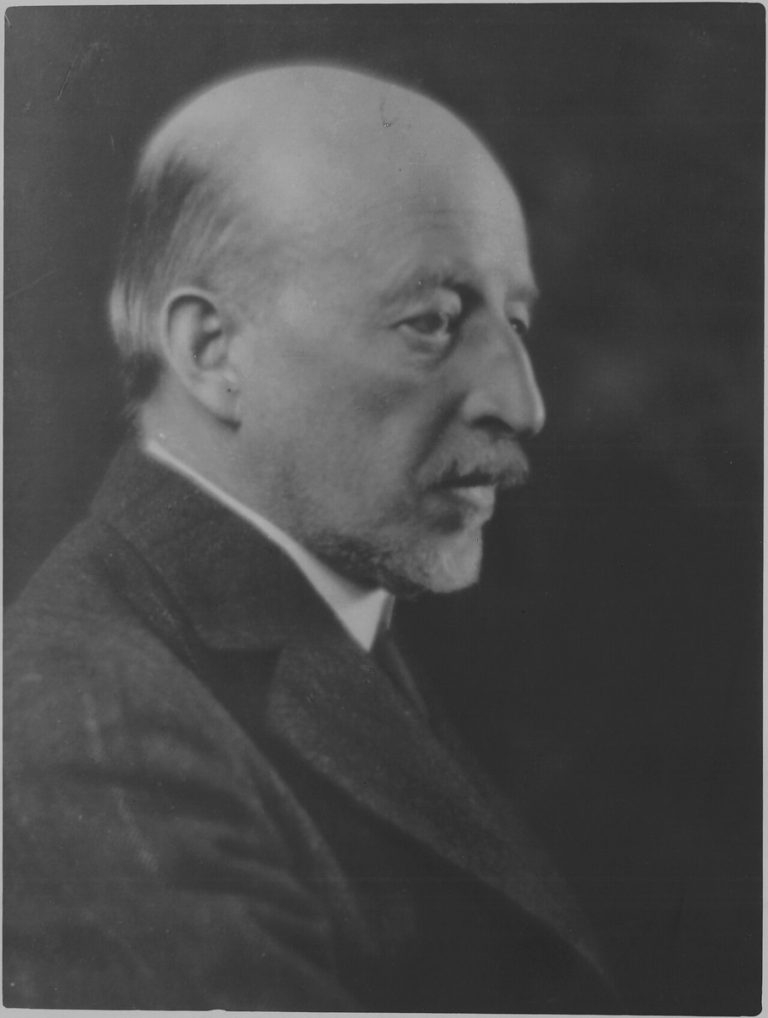
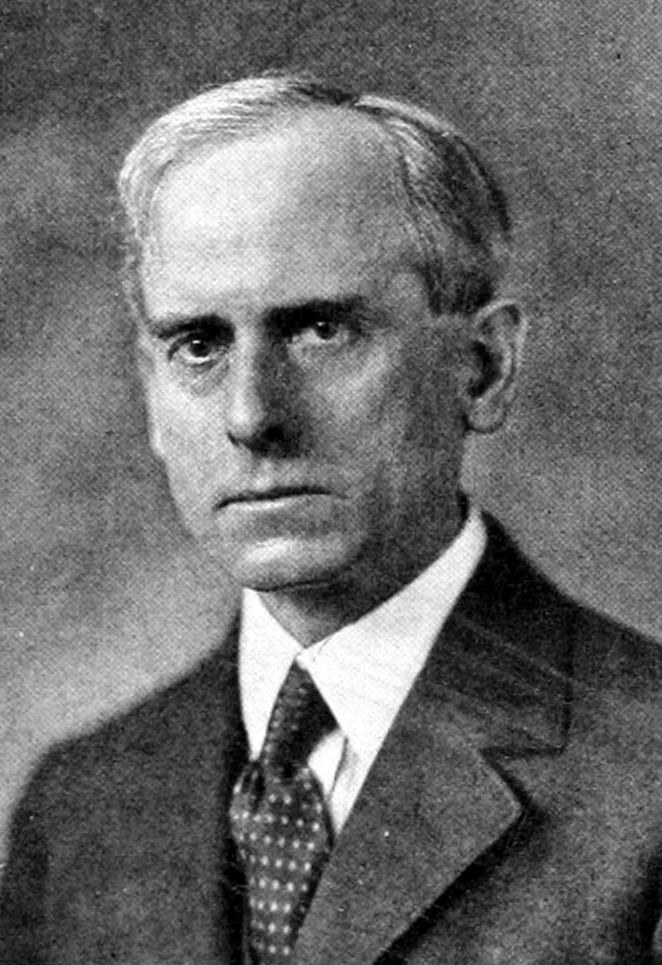
Dr. Andrew Macphail, about 1907.
CA-K925Culture & sport

Sir Andrew Macphail, doctor and essayist

Andrew Macphail, born at Orwell, Prince Edward Island, became a distinguished doctor and writer and McGill’s first professor of the history of medicine (1907–37). Knighted for his service with the Canadian Army Medical Corps in the First World War, he founded and edited the University Magazine and wrote books, plays and poems sharply criticizing the modern age, contrasting the rural life of his childhood with urban industrialism.

Factual accuracy review: No recorded challenge

Contributor: Citizen.ca

Verified against cited sourcesVerified on 2026-10-27↗
Photo: Unknown author · Photo licence: Public domain · Credit & context
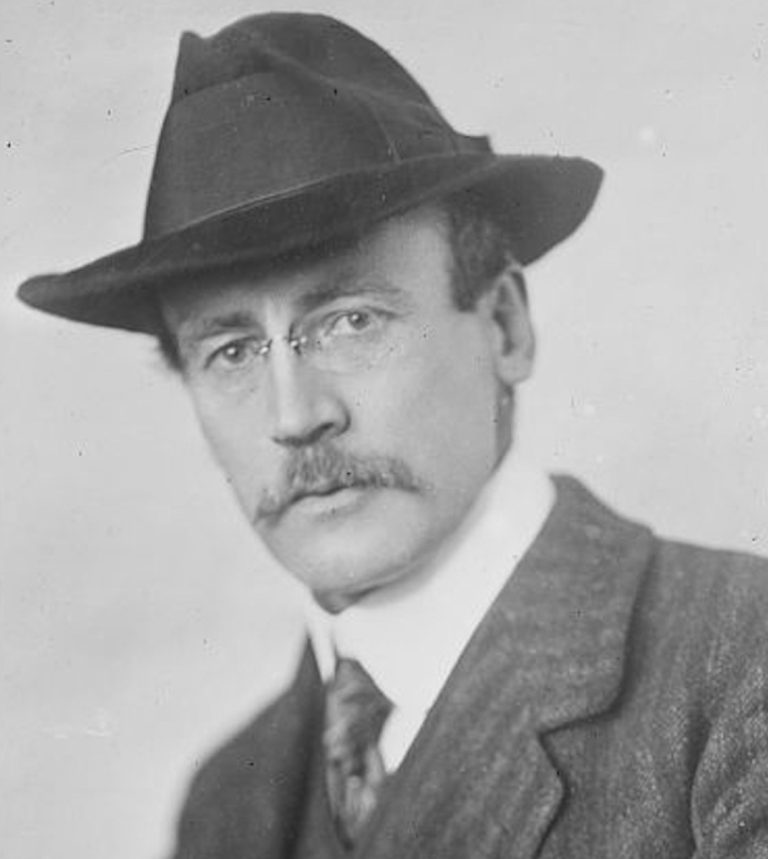
Sir Ernest MacMillan, 1940 (Noel Rubie).
CA-K924Culture & sport

Sir Ernest MacMillan, conductor and champion of Canadian music

Ernest MacMillan, composer and organist, was knighted in 1935 for services to music in Canada. For many years he conducted the Toronto Symphony Orchestra and the Toronto Mendelssohn Choir, led the Toronto Conservatory of Music and was dean of music at the University of Toronto. He promoted music at every level, supporting national music organizations, publishing, and conducting and judging festivals across the country.

Factual accuracy review: No recorded challenge

Contributor: Citizen.ca

Verified against cited sourcesVerified on 2026-10-27↗
Photo: Noel Rubie · Photo licence: Public domain · Credit & context
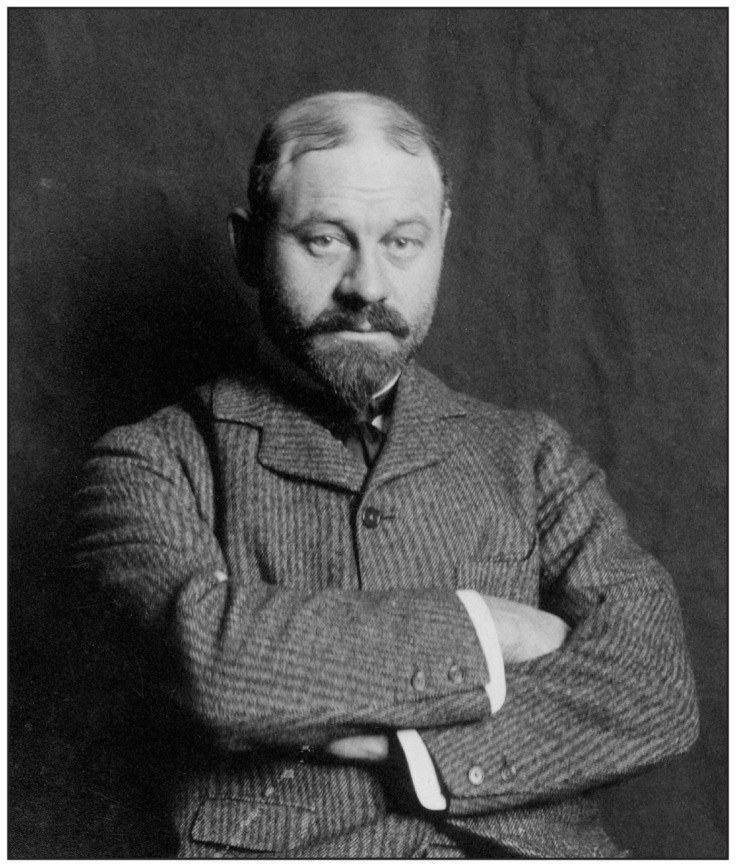
C.D. Howe, about 1940.
CA-K922Economy & trade

C.D. Howe, “Minister of Everything”

Clarence Decatur Howe, born in Massachusetts, came to Canada in 1908 and set up an engineering firm in Port Arthur in 1916. Elected in 1935, he dominated Liberal cabinets for more than two decades, tied his party closely to business and drove Canada’s rapid industrialization in war and peace. He led the creation of many Crown corporations, including Trans-Canada Airlines and Atomic Energy of Canada.

Factual accuracy review: No recorded challenge

Contributor: Citizen.ca

Verified against cited sourcesVerified on 2026-10-27↗
Photo: Fayer · Photo licence: Public domain · Credit & context
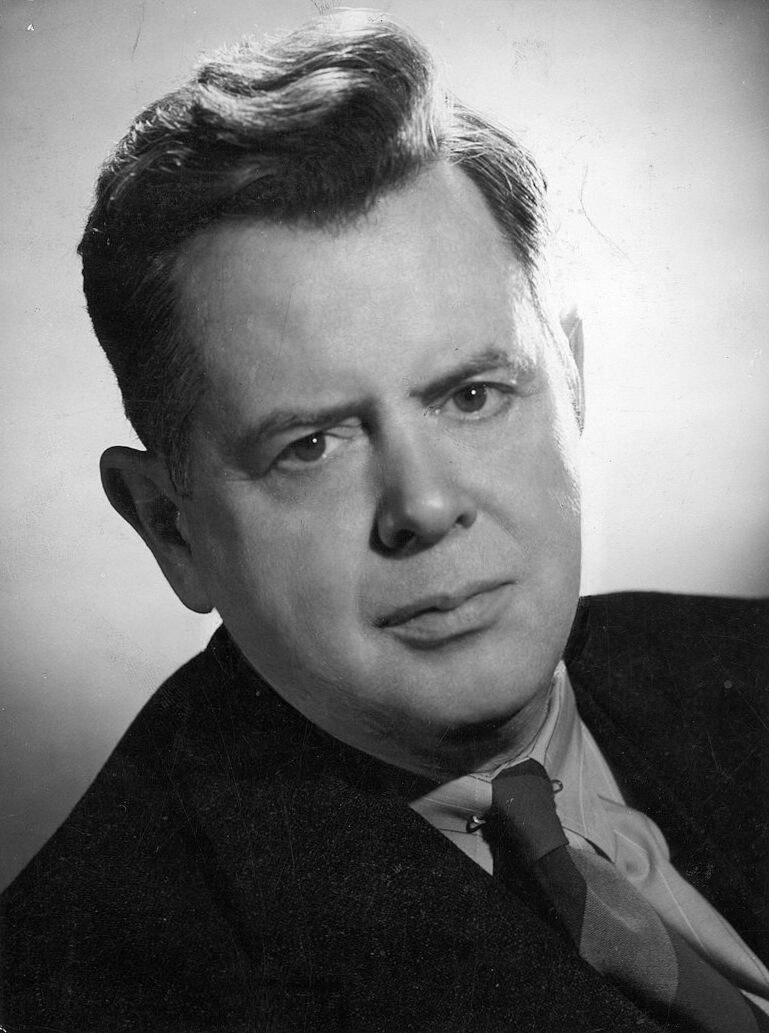
Archibald Byron Macallum, about 1900.
CA-K918Culture & sport

A.B. Macallum, pioneer of scientific medicine

Archibald Byron Macallum, born at Belmont, Upper Canada, and educated at Toronto and Johns Hopkins, set up Canada’s first physiological laboratory at the University of Toronto. Professor of biochemistry at Toronto and later McGill, and chairman of the National Research Council from 1916 to 1920, he was a pioneer of scientific medicine and an authority on cellular microchemistry.

Factual accuracy review: No recorded challenge

Contributor: Citizen.ca

Verified against cited sourcesVerified on 2026-10-27↗
Photo: Jreeland, Toronto · Photo licence: Public domain · Credit & context
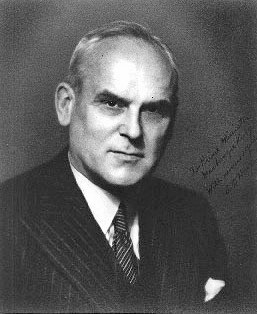
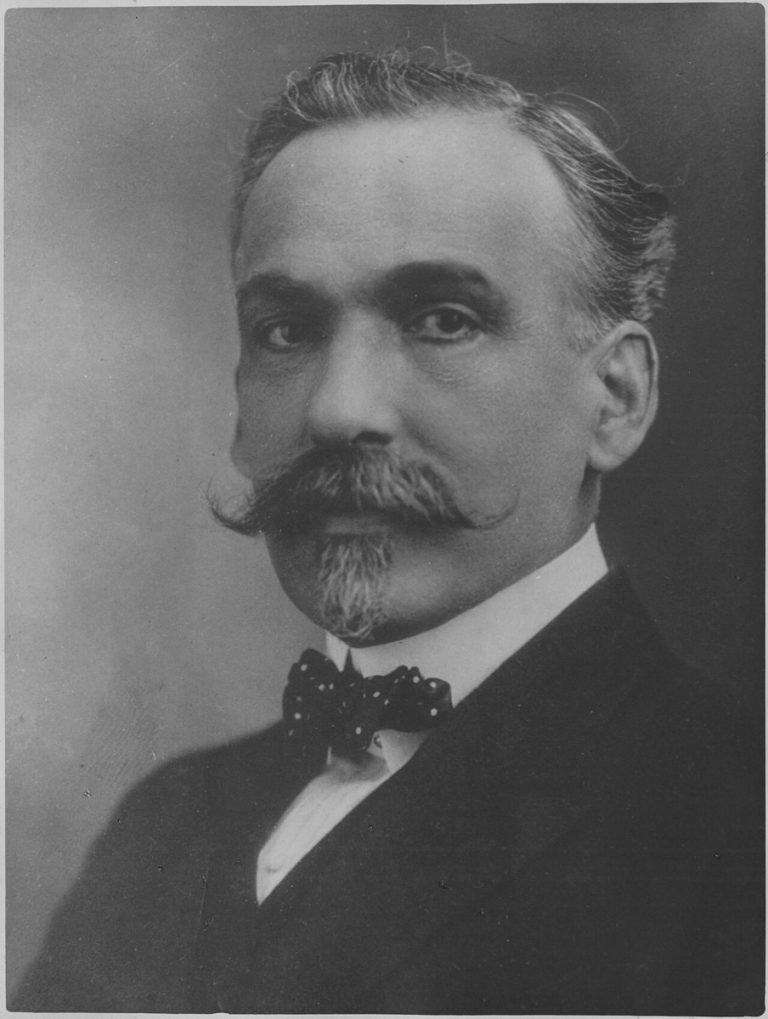
Joseph-Adolphe Chapleau, about 1890.
CA-K914History

Sir Adolphe Chapleau, premier of Quebec

Joseph-Adolphe Chapleau, born at Sainte-Thérèse-de-Blainville, was one of 19th-century Quebec’s most prominent figures. A noted criminal lawyer who supported Métis rights, he defended Ambroise-Dydime Lépine at his 1874 trial at Fort Garry. He was premier of Quebec (1879–82), a federal cabinet minister (1882–92) and Lieutenant Governor of Quebec (1892–97), and spoke for Montréal during a key period of its growth.

Factual accuracy review: No recorded challenge

Contributor: Citizen.ca

Verified against cited sourcesVerified on 2026-10-27↗
Photo: Aegidius Fauteux · Photo licence: Public domain · Credit & context
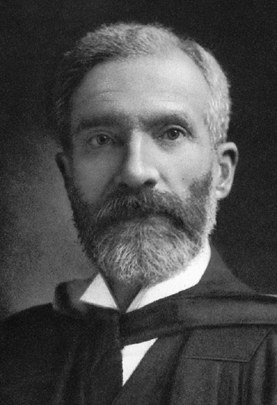
Major Georges P. Vanier, 22nd Battalion, 1918.
CA-K913History

Georges Vanier, soldier, diplomat and Governor General

Georges Vanier helped found the Royal 22e Régiment, served with it in the First World War and commanded it from 1925 to 1928. He represented Canada at the League of Nations, in London and in Paris, becoming Canada’s first ambassador to France in 1944. As Governor General from 1959 to 1967, the first French Canadian in that role since Confederation, he devoted himself to national unity.

Factual accuracy review: No recorded challenge

Contributor: Citizen.ca

Verified against cited sourcesVerified on 2026-10-27↗
Photo: Canada. Dept. of National Defence. Unknown photographer. · Photo licence: Public domain · Credit & context
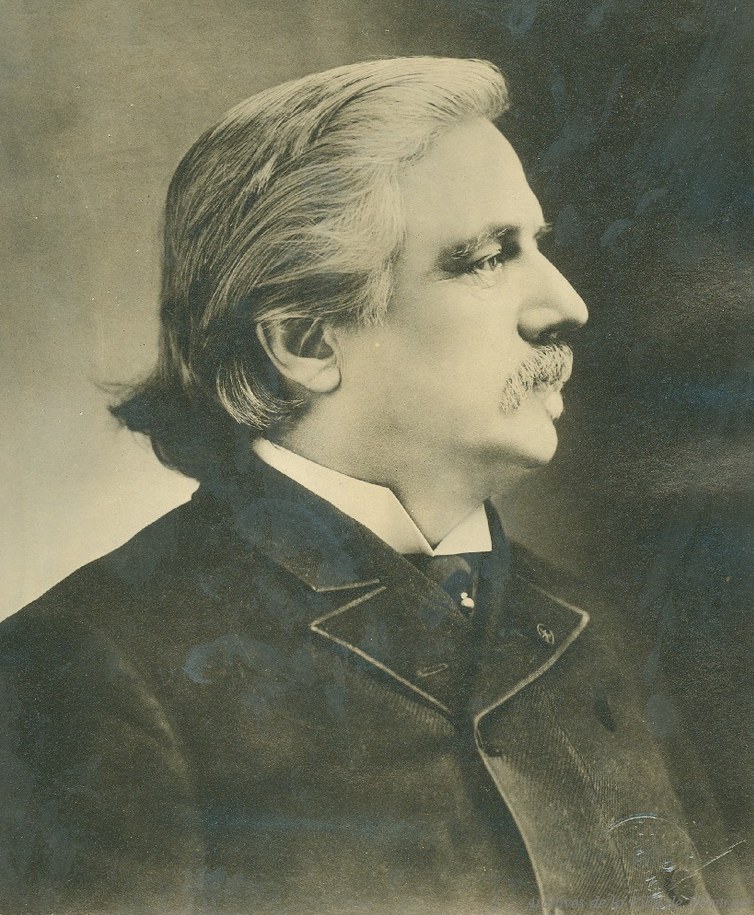
Plaque honouring Douglas at the New Brunswick Legislative Building.
CA-K911History

Sir Howard Douglas, founder of King’s College

Howard Douglas, born in England, was Lieutenant-Governor and Commander in Chief of New Brunswick from 1823 to 1831. He encouraged agriculture, steam navigation and lighthouse building, and in 1828 founded King’s College, now the University of New Brunswick. He dealt firmly with armed incursions from Maine and upheld the province’s rights in the boundary dispute of 1826–28, and wrote important books on military and political subjects.

Factual accuracy review: No recorded challenge

Contributor: Citizen.ca

Verified against cited sourcesVerified on 2026-10-27↗
Photo: JJonahJackalope · Photo licence: CC BY-SA 4.0 · Credit & context
Edward Whelan, 1864 (William Notman).
CA-K900History

Edward Whelan, journalist and Father of Confederation

Edward Whelan, an Irish-born journalist, came to Halifax about 1836 and became a protégé of Joseph Howe. He founded the Examiner in Charlottetown in 1847. A co-founder of Prince Edward Island’s Liberal Party with George Coles and an advocate of responsible government, he attended the Quebec Conference in 1864 and compiled The Union of the British Provinces (1865).

Factual accuracy review: No recorded challenge

Contributor: Citizen.ca

Verified against cited sourcesVerified on 2026-10-26↗
Photo: William Notman · Photo licence: Public domain · Credit & context
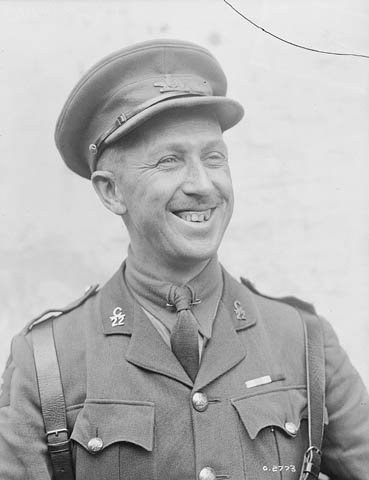
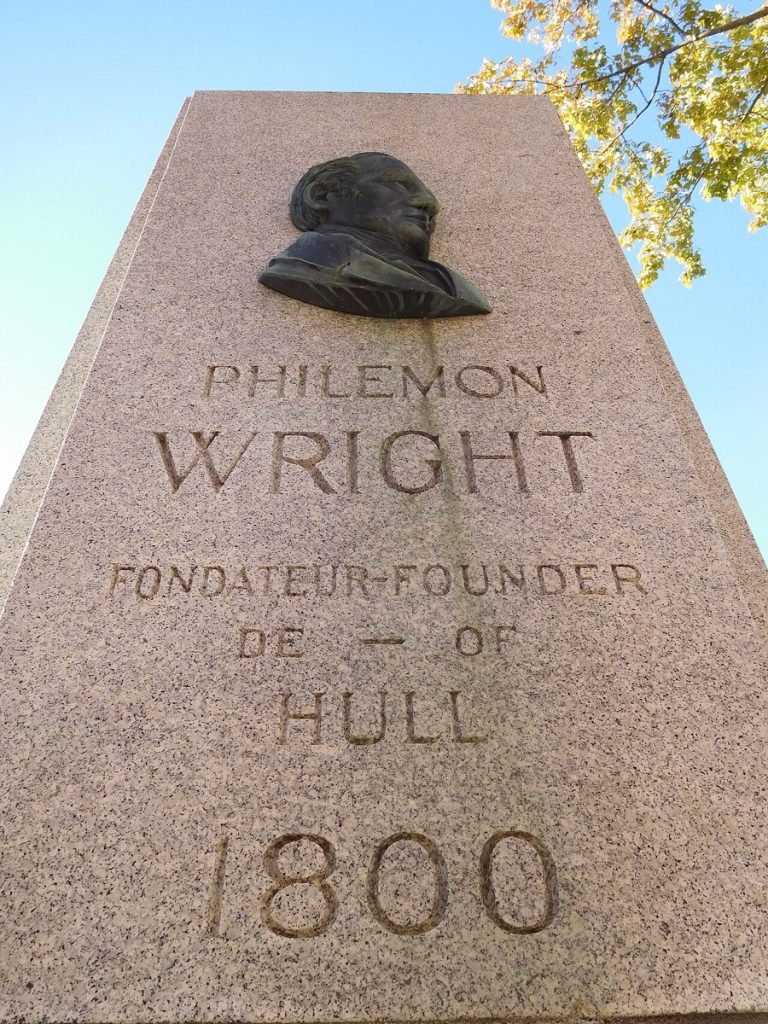
Monument to Philemon Wright, Gatineau.
CA-K895Economy & trade

Philemon Wright, founder of Hull and the Ottawa timber trade

In 1800 the American entrepreneur Philemon Wright founded the farming settlement that became Hull. Turning to the region’s forests for income, he pioneered the Ottawa Valley timber trade, floating his first raft of square timber to Québec in 1806, and later built Canada’s first timber slides to bypass the Chaudière Falls. The Ottawa Valley became a major source of Canadian timber exports in the second quarter of the 19th century.

Factual accuracy review: No recorded challenge

Contributor: Citizen.ca

Verified against cited sourcesVerified on 2026-10-26↗
Photo: Jeangagnon · Photo licence: CC BY-SA 4.0 · Credit & context
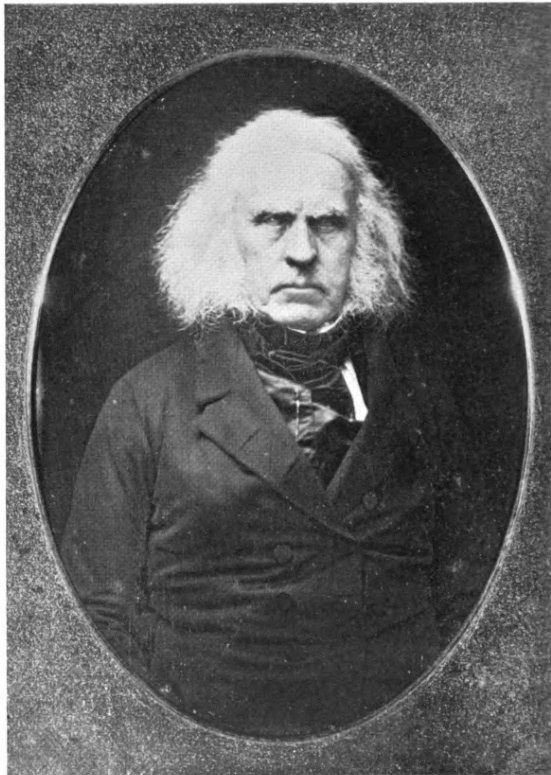
Dr. John McLoughlin, from an 1857 daguerreotype.
CA-K893Economy & trade

Dr. John McLoughlin, “Father of Oregon”

John McLoughlin, born in Rivière-du-Loup, was a physician before joining the North West Company in 1806, becoming a wintering partner in 1814. When the company merged with the Hudson’s Bay Company he became a Chief Factor and was put in charge of the Columbia District, with headquarters on the lower Columbia River. He stayed there after retiring, in what became American territory, and is known as the Father of Oregon.

Factual accuracy review: No recorded challenge

Contributor: Citizen.ca

Verified against cited sourcesVerified on 2026-10-26↗
Photo: Unknown author · Photo licence: Public domain · Credit & context
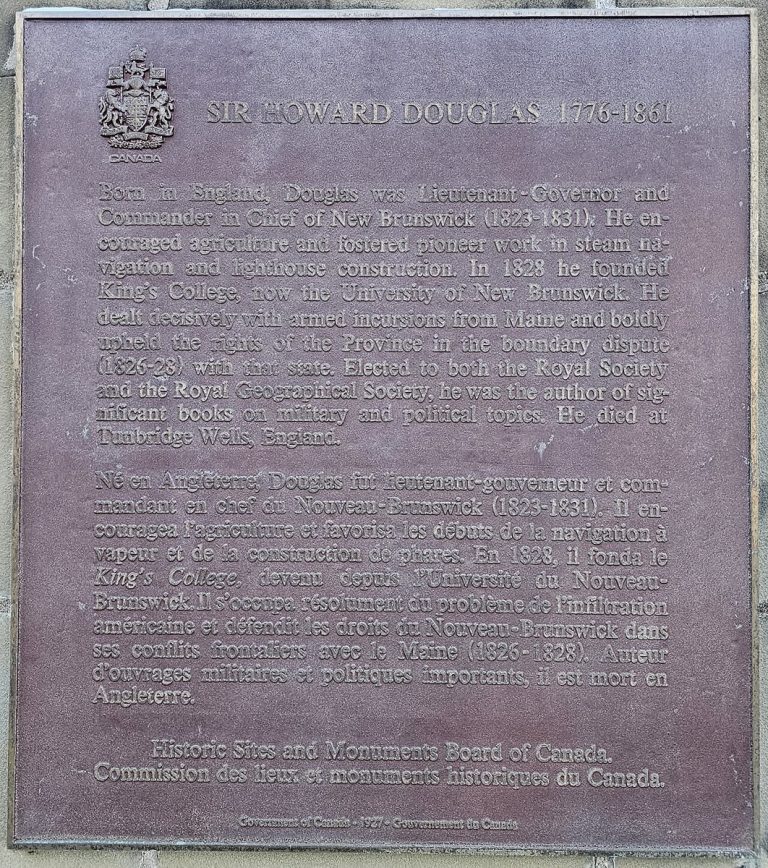
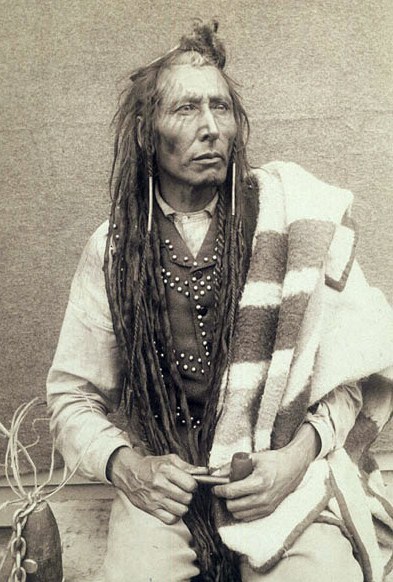
Pitikwahanapiwiyin (Poundmaker), 1885 (O.B. Buell).
CA-K887Indigenous peoples & reconciliation

Pitikwahanapiwiyin (Poundmaker), nehiyaw chief

Pitikwahanapiwiyin (Poundmaker), a nehiyaw (Plains Cree) chief and spokesman, sought better terms for his people and pressed Canada to honour Treaty 6. In 1885 he was drawn into the North-West Resistance when Lieutenant-Colonel Otter’s troops attacked his peaceful camp near Cut Knife Hill. Though he worked to prevent bloodshed and surrendered on May 26, he was imprisoned; he died soon after release and was exonerated in 2019.

Factual accuracy review: No recorded challenge

Contributor: Citizen.ca

Verified against cited sourcesVerified on 2026-10-26↗
Photo: Prof. Buell, O.B. · Photo licence: Public domain · Credit & context
John Clarence Webster, portrait.
CA-K885Culture & sport

John Clarence Webster, surgeon and historian

John Clarence Webster, born at Shediac, trained in medicine and held posts at Edinburgh, McGill and Chicago, becoming chief obstetrician and gynecologist at Chicago’s Presbyterian Hospital. After retiring he turned to history, writing many articles on New Brunswick and helping found museums at Saint John and Fort Beauséjour. He served on the Historic Sites and Monuments Board of Canada.

Factual accuracy review: No recorded challenge

Contributor: Citizen.ca

Verified against cited sourcesVerified on 2026-10-26↗
Photo: New York : J. T. White Company · Photo licence: Public domain · Credit & context
Charles Marega, 1929 (Archives of Ontario).
CA-K880Culture & sport

Charles Marega, sculptor of Vancouver

Charles Marega, an Italian-Canadian sculptor, created many notable monuments in British Columbia after arriving in 1909, first in the Beaux-Arts style and later in Art Deco. He helped found both the Vancouver Art Gallery and the Vancouver School of Decorative and Applied Arts. The lions of the Lions Gate Bridge, his last public work in the city, are among Vancouver’s best-known icons.

Factual accuracy review: No recorded challenge

Contributor: Citizen.ca

Verified against cited sourcesVerified on 2026-10-26↗
Photo: Unknown photographer; Archives of Ontario · Photo licence: Public domain · Credit & context
Louis-Hippolyte LaFontaine, about 1863.
CA-K879History

Sir Louis-Hippolyte LaFontaine, architect of responsible government

Louis-Hippolyte LaFontaine, a jurist and reformer born at Boucherville in 1807, was one of the architects of responsible government in Canada. With Robert Baldwin he led the reform governments of the Province of Canada in 1842 and 1848. He left politics in 1851, became Chief Justice of Lower Canada in 1853 and was made a baronet in 1854.

Factual accuracy review: No recorded challenge

Contributor: Citizen.ca

Verified against cited sourcesVerified on 2026-10-26↗
Photo: Indéterminé · Photo licence: Public domain · Credit & context
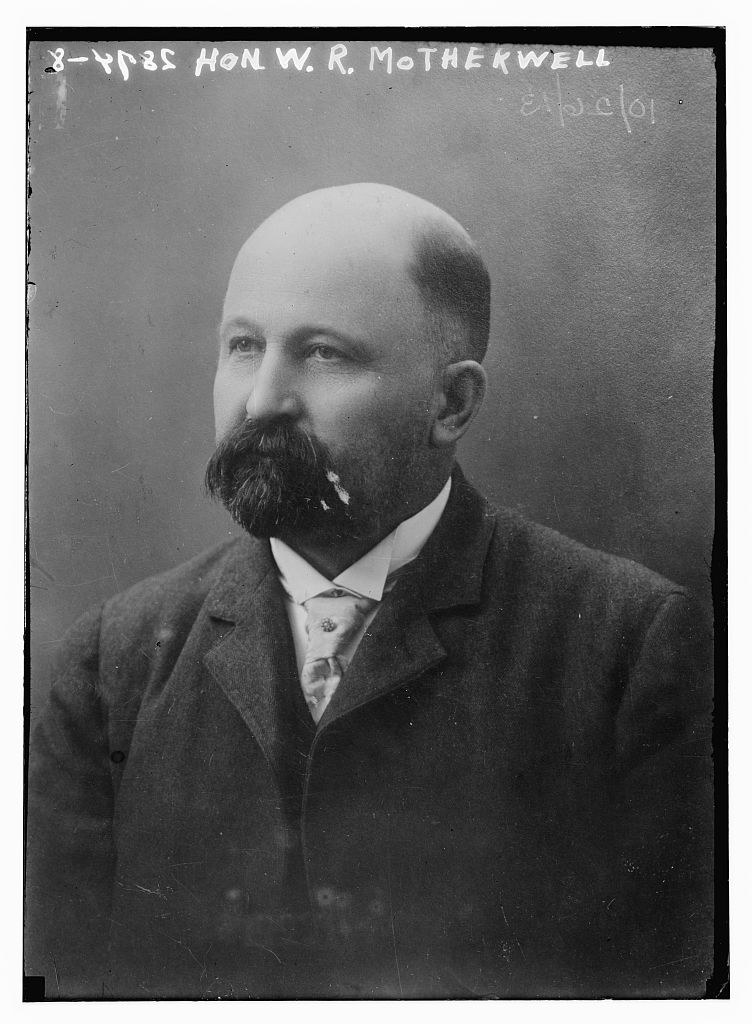
W.R. Motherwell, 1913 (Bain News Service).
CA-K878Economy & trade

W.R. Motherwell, champion of the western farmer

William Richard Motherwell, born in Perth, Ontario, settled at Abernethy and advocated for western farmers. In 1901 he helped initiate the Territorial Grain Growers’ Association, which sought better grain inspection and shipping. As Saskatchewan’s agriculture minister from 1905 to 1918, he supported agricultural education and co-operative grain handling; he later served as Canada’s agriculture minister.

Factual accuracy review: No recorded challenge

Contributor: Citizen.ca

Verified against cited sourcesVerified on 2026-10-26↗
Photo: Bain News Service, publisher · Photo licence: Public domain · Credit & context