An independent Canadian knowledge project

Focused and Verified

Canadian knowledge base

Search by keyword

Choose one keyword, or combine two. Broader keywords include their descendants.

Keywords: 1900–1999

Clear search
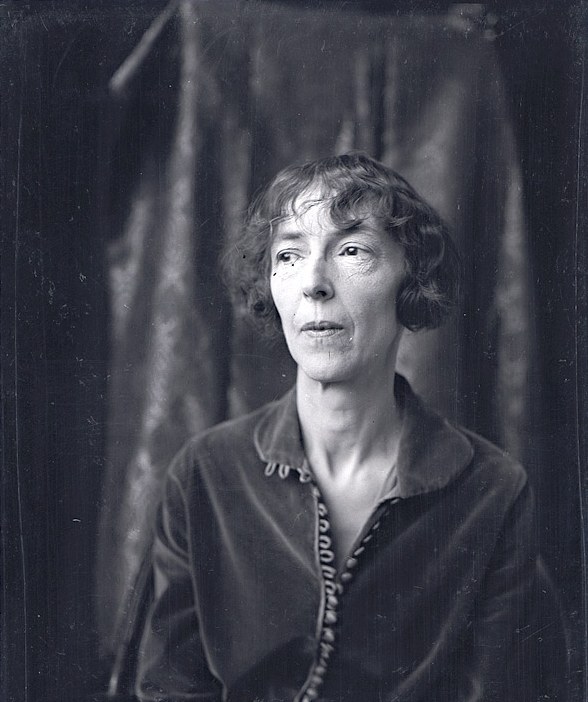
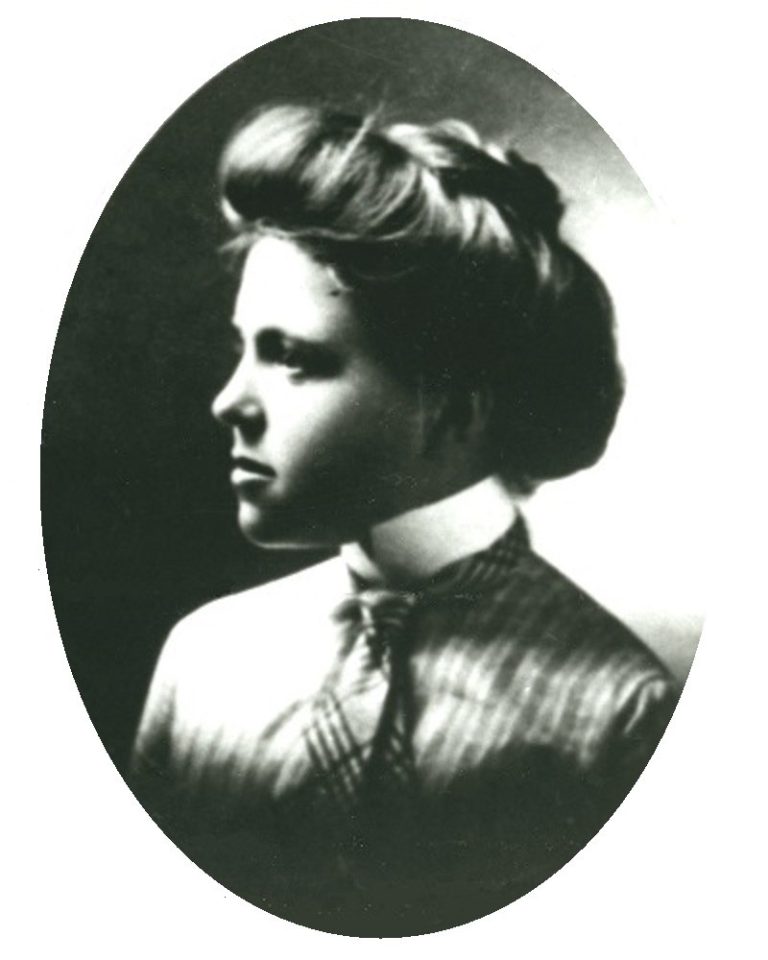
Mazo de la Roche photographed by M. O. Hammond on 18 December 1927 (Archives of Ontario).
CA-K227Culture & sport

Mazo de la Roche and the Jalna novels

Mazo de la Roche (1879–1961), born in Newmarket, Ontario, won the Atlantic Monthly prize in 1927 for Jalna, the first of sixteen novels about the Whiteoak family. Translated into many languages and adapted for stage, screen and television, the series made her one of the most widely read Canadian authors of her time.

Factual accuracy review: No recorded challenge

Contributor: Citizen.ca

Verified against cited sourcesVerified on 2026-10-26↗
Photo: · Photo licence: Public domain · Credit & context
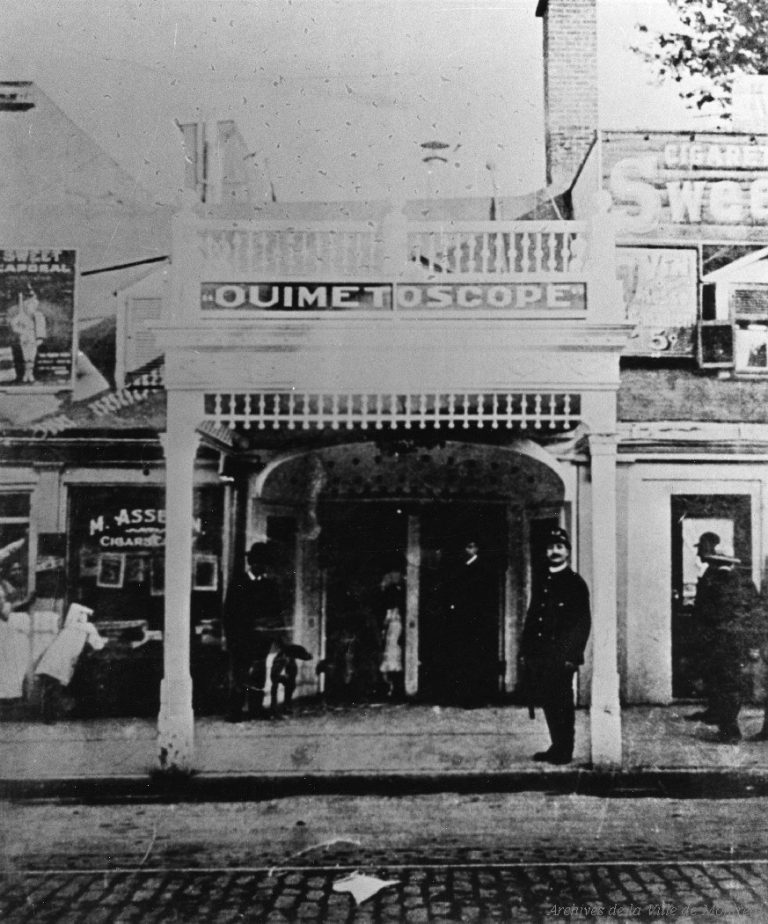
The first Ouimetoscope hall in Montréal, 1906 (Cinémathèque québécoise).
CA-K226Culture & sport

Léo-Ernest Ouimet and the Ouimetoscope

Léo-Ernest Ouimet (1877–1972) helped lay the foundations of the Canadian film industry. He founded what is considered Canada’s first film distribution company, opened the luxurious Ouimetoscope in Montréal in 1907, one of the first large theatres built for motion pictures, and produced some of the earliest Canadian newsreels.

Factual accuracy review: No recorded challenge

Contributor: Citizen.ca

Verified against cited sourcesVerified on 2026-10-26↗
Photo: Léon H. Bélanger · Photo licence: Public domain · Credit & context
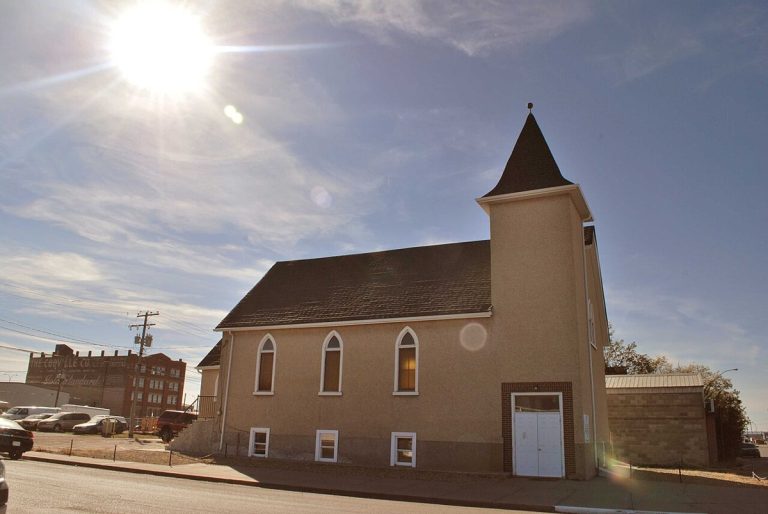
The Chinese United Church in Moose Jaw, Saskatchewan, photographed in 2012.
CA-K223History

The Quong Wing legal challenge, 1912–1914

Quong Wing challenged his conviction under Saskatchewan’s 1912 Act to Prevent the Employment of Female Labour in Certain Capacities, which barred him from employing women identified as “white” at his Moose Jaw restaurant. The courts upheld the Act, revealing the judicial system’s limits in the face of institutional racism, but the case exemplified Chinese Canadians’ efforts to fight discrimination in court.

Factual accuracy review: No recorded challenge

Contributor: Citizen.ca

Verified against cited sourcesVerified on 2026-10-26↗
Photo: Photojw · Photo licence: CC BY-SA 3.0 · Credit & context
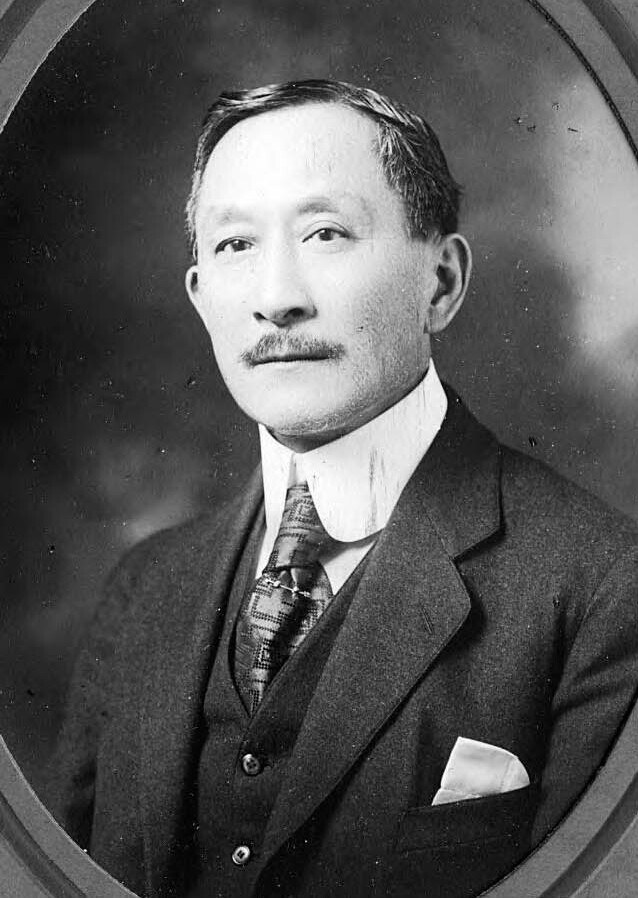
Won Alexander Cumyow in 1910, photographed by Yucho Chow.
CA-K222History

Won Alexander Cumyow, first known Chinese Canadian born in Canada

Won Alexander Cumyow (1861–1955), born at Port Douglas in the colony of British Columbia, was the first known person of Chinese descent born in what would become Canada. Barred from voting and from the legal profession by discriminatory laws, he worked as a court interpreter and community broker, fought racist voting laws, and finally cast his vote in 1949.

Factual accuracy review: No recorded challenge

Contributor: Citizen.ca

Verified against cited sourcesVerified on 2026-10-26↗
Photo: Yucho Chow · Photo licence: Public domain · Credit & context
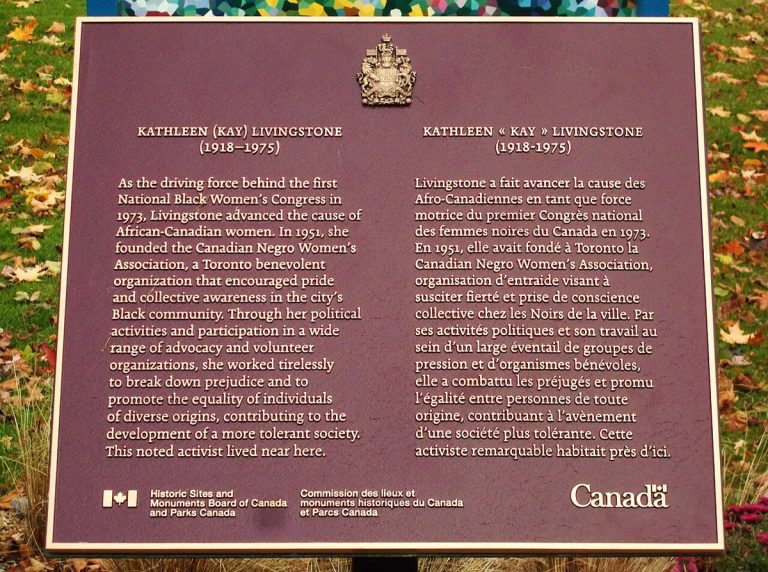
The federal historical marker to Kay Livingstone in Toronto, photographed in 2017.
CA-K221History

Kay Livingstone and the National Black Women’s Congress

Kathleen “Kay” Livingstone (1918–1975) founded the Canadian Negro Women’s Association in Toronto in 1951, encouraging pride and collective awareness in the city’s Black community. She was the driving force behind the first National Black Women’s Congress in 1973, advancing the cause of African Canadian women.

Factual accuracy review: No recorded challenge

Contributor: Citizen.ca

Verified against cited sourcesVerified on 2026-10-26↗
Photo: Yoho2001 · Photo licence: CC BY-SA 4.0 · Credit & context
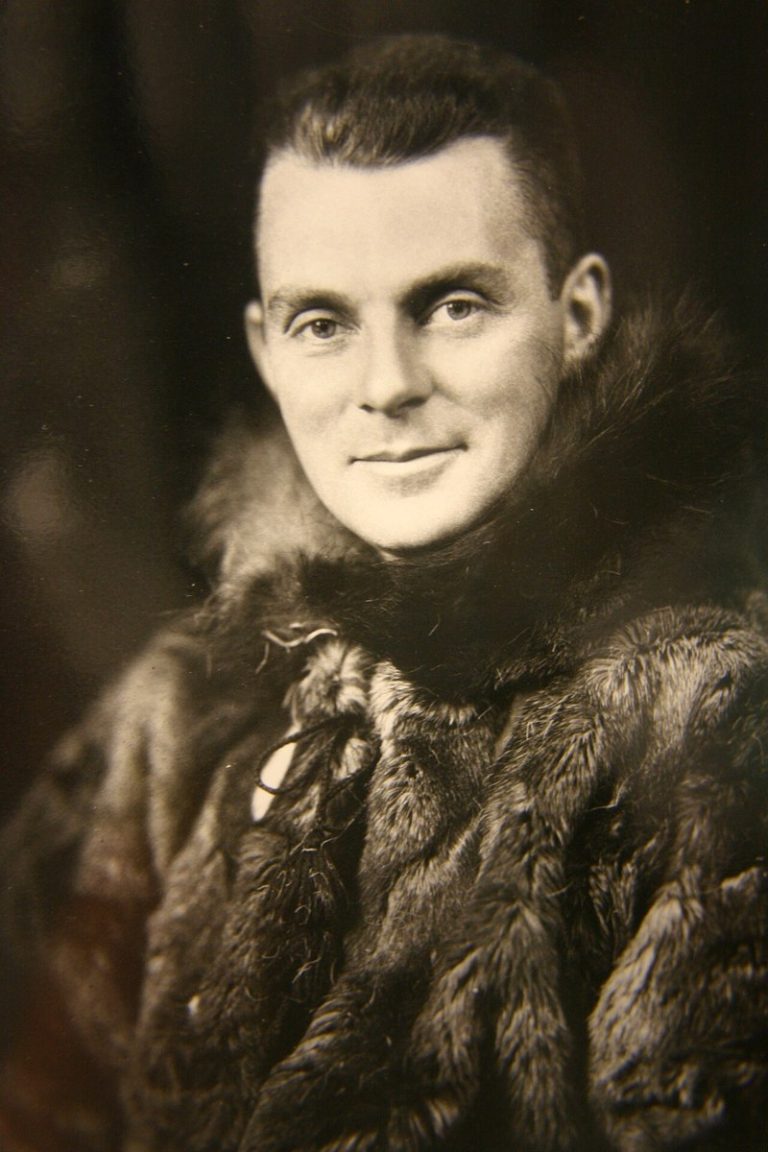
A photograph of C.H. “Punch” Dickins, Canadian First World War pilot.
CA-K214History

“Punch” Dickins, pioneering bush pilot

C.H. “Punch” Dickins (1899–1995), a distinguished First World War airman, became a pioneering bush pilot in the 1920s and 1930s, flying vast distances in Canada’s North and proving flight possible in remote areas and extreme cold. In the 1940s he contributed to the design of the de Havilland Beaver, helping make Canada a world leader in frontier aviation.

Factual accuracy review: No recorded challenge

Contributor: Citizen.ca

Verified against cited sourcesVerified on 2026-10-26↗
Photo: Bzuk at English Wikipedia · Photo licence: Public domain · Credit & context
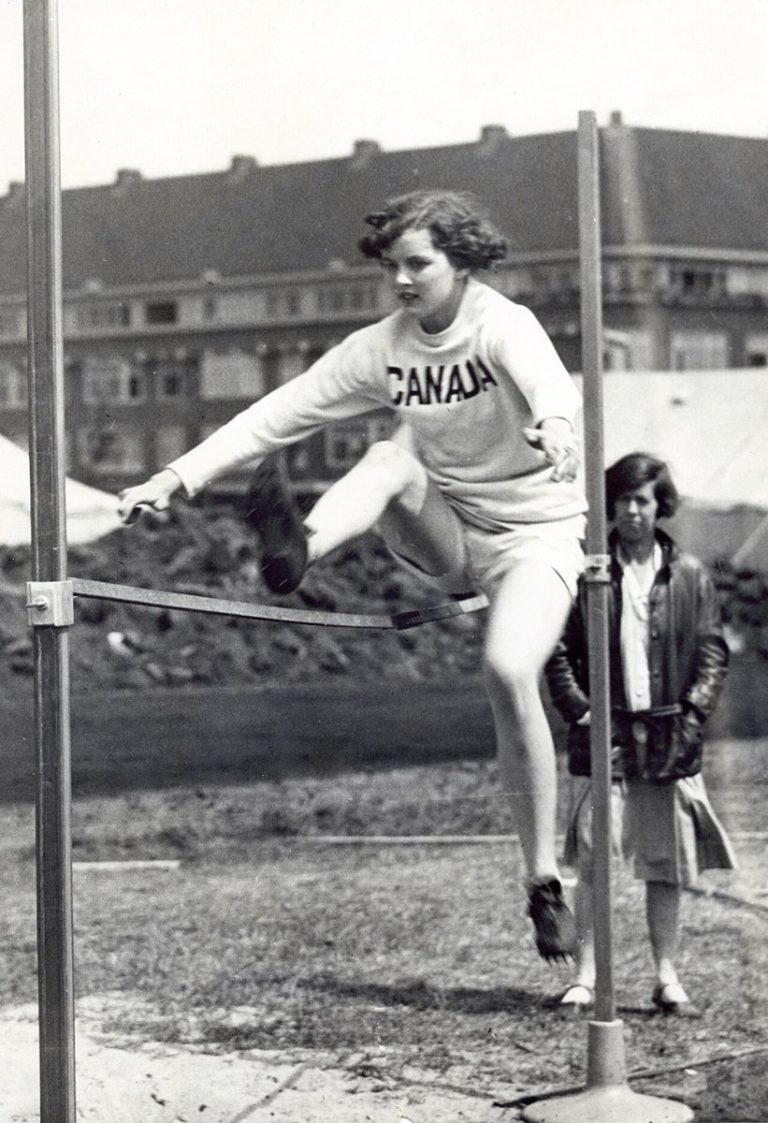
Ethel Catherwood training at the 1928 Summer Olympics in Amsterdam.
CA-K213Culture & sport

Ethel Catherwood, 1928 Olympic high jump champion

Ethel Catherwood (1908–1987) set national and world records in high jump and javelin between 1926 and 1930 and won the high jump gold medal at the 1928 Amsterdam Olympics, the first Games to allow women in track and field. With her “Matchless Six” teammates she earned Canada four medals, helping secure women’s place in Olympic track and field.

Factual accuracy review: No recorded challenge

Contributor: Citizen.ca

Verified against cited sourcesVerified on 2026-10-26↗
Photo: Unknown authorUnknown author · Photo licence: Public domain · Credit & context
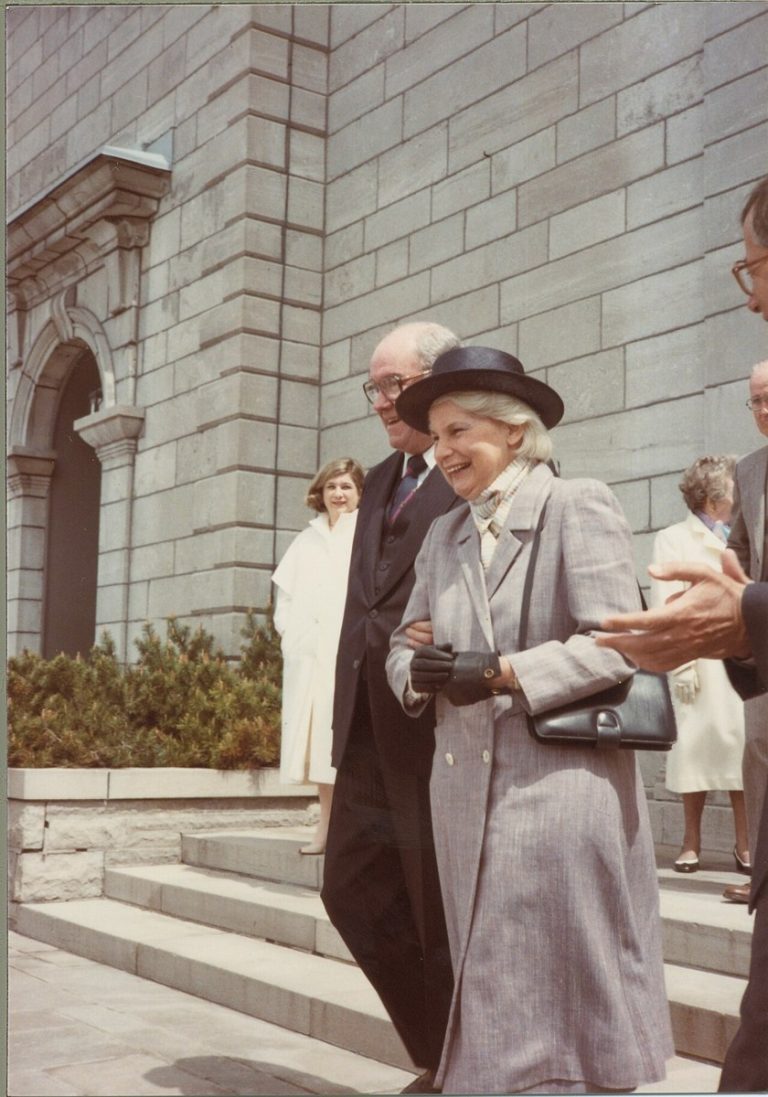
Governor General Jeanne Sauvé with her husband Maurice Sauvé in Ottawa, 1984.
CA-K212Institutions

Jeanne Sauvé, first woman Governor General

Jeanne Sauvé (1922–1993), a Fransaskois journalist and commentator from 1952 to 1972, was elected to the House of Commons in 1972 and served as minister of several departments. She became the first woman Speaker of the House of Commons and the first woman appointed Governor General of Canada.

Factual accuracy review: No recorded challenge

Contributor: Citizen.ca

Verified against cited sourcesVerified on 2026-10-26↗
Photo: proacguy1 from Montreal, Canada · Photo licence: CC BY 2.0 · Credit & context
Irma LeVasseur around 1900 (Bibliothèque et Archives nationales du Québec).
CA-K211History

Dr. Irma LeVasseur, pioneer of paediatrics

Because francophone universities were closed to women, Irma LeVasseur (1877–1964) studied medicine in the United States and in 1903 became the first female physician licensed to practise in Quebec. A pioneer of paediatrics in Canada, she initiated Sainte-Justine Hospital in Montréal and the Hôpital de l’Enfant-Jésus and Centre Cardinal-Villeneuve in Québec City.

Factual accuracy review: No recorded challenge

Contributor: Citizen.ca

Verified against cited sourcesVerified on 2026-10-26↗
Photo: Bibliothèque et Archives nationales du Québec P655,S2,SS6,D8 · Photo licence: Public domain · Credit & context
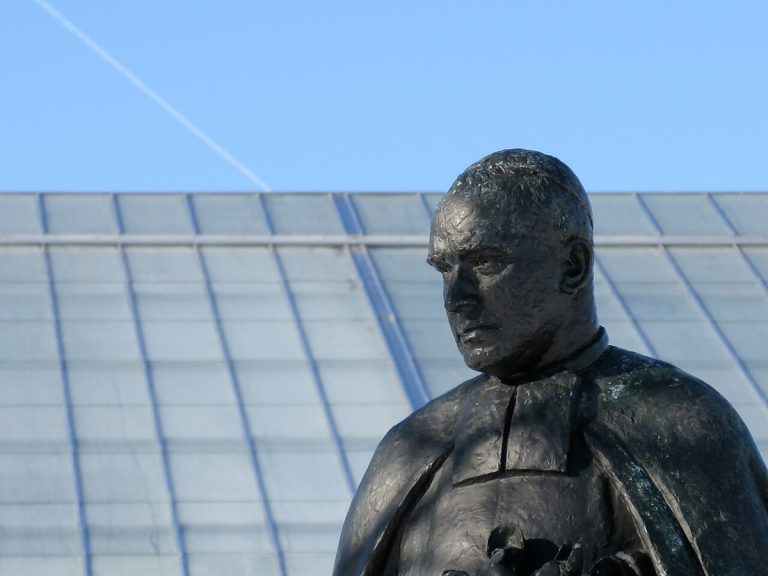
A statue of Brother Marie-Victorin at the Montréal Botanical Garden, photographed in 2009.
CA-K210Culture & sport

Brother Marie-Victorin and Flore laurentienne

Brother Marie-Victorin (1885–1944), a botanist, author and educator, wrote Flore laurentienne (1935) and founded the Institut botanique de l’Université de Montréal and the Montréal Botanical Garden. His discoveries and new approach to botany were of international importance, and he helped improve science teaching at every level.

Factual accuracy review: No recorded challenge

Contributor: Citizen.ca

Verified against cited sourcesVerified on 2026-10-26↗
Photo: Jean-Philippe Boulet · Photo licence: CC BY 3.0 · Credit & context
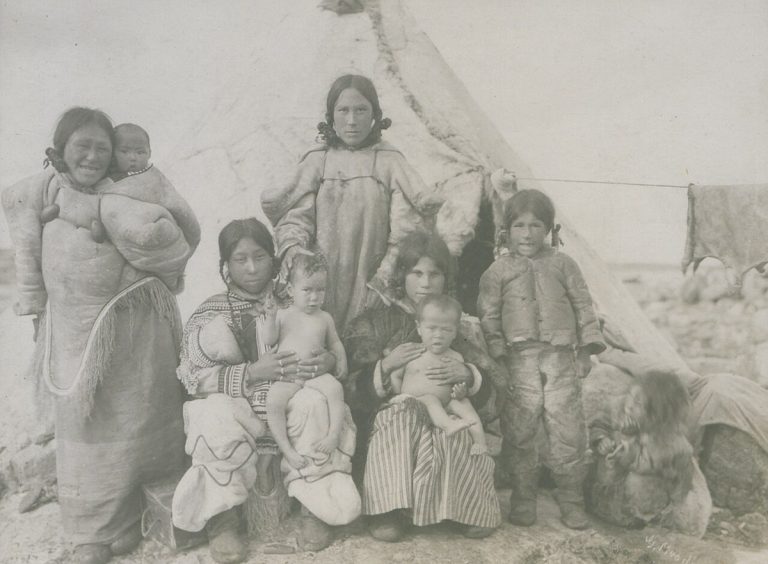
Inuit women and children at Fullerton (Qatiktalik), Nunavut, photographed by Geraldine Moodie in 1906.
CA-K209Culture & sport

Geraldine Moodie, photographer of the North-West and North

Geraldine Moodie (1854–1945), an entrepreneur in a male-dominated field, owned and operated at least three commercial photography studios. As the wife of a North-West Mounted Police officer she had unprecedented access to Indigenous communities, and her photographs are valued historical records of First Nations and Inuit lifeways around 1900.

Factual accuracy review: No recorded challenge

Contributor: Citizen.ca

Verified against cited sourcesVerified on 2026-10-26↗
Photo: Geraldine Moodie · Photo licence: Public domain · Credit & context
A vein of waste rock in the former iron ore mine on Bell Island, photographed in 2013.
CA-K206History

U-boat attacks at Bell Island, 1942

In 1942, German submarines U-513 and U-518 made two deadly torpedo attacks on Bell Island, Newfoundland, a vital iron-ore mining and shipping centre. The attacks damaged the Scotia pier, sank four ships and killed Allied sailors, bringing the war home to Newfoundlanders.

Factual accuracy review: No recorded challenge

Contributor: Citizen.ca

Verified against cited sourcesVerified on 2026-10-26↗
Photo: The Tedster · Photo licence: CC BY-SA 2.0 · Credit & context
Wild horses on a Sable Island beach, photographed in 2016; the image does not show the historic rescue establishment.
CA-K203History

The Sable Island Humane Establishment, 1801–1958

From 1801 to 1958, the Sable Island Humane Establishment rescued passengers and crews and recovered cargo from hundreds of vessels wrecked on the shifting shoals of Sable Island, about 290 kilometres southeast of Halifax. Founded long before the Canadian Coast Guard, it marked the beginning of government responsibility for marine safety.

Factual accuracy review: No recorded challenge

Contributor: Citizen.ca

Verified against cited sourcesVerified on 2026-10-26↗
Photo: Paul Gierszewski · Photo licence: CC BY-SA 4.0 · Credit & context
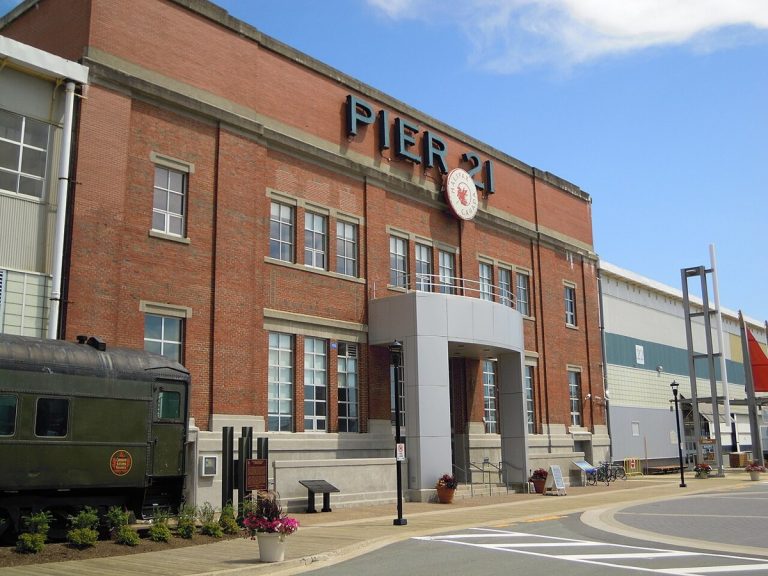
Pier 21 in Halifax, now the Canadian Museum of Immigration, photographed in 2010.
CA-K202History

Some 48,000 war brides arrived at Pier 21

Between 1942 and 1948, some 48,000 women, mostly from Great Britain, and 22,000 children arrived at Pier 21 in Halifax as the families of Canadian servicemen stationed abroad during the Second World War. The federal government provided their transportation and information about Canada, and war bride clubs across the country helped them adapt.

Factual accuracy review: No recorded challenge

Contributor: Citizen.ca

Verified against cited sourcesVerified on 2026-10-26↗
Photo: Skeezix1000 · Photo licence: CC BY-SA 3.0 · Credit & context
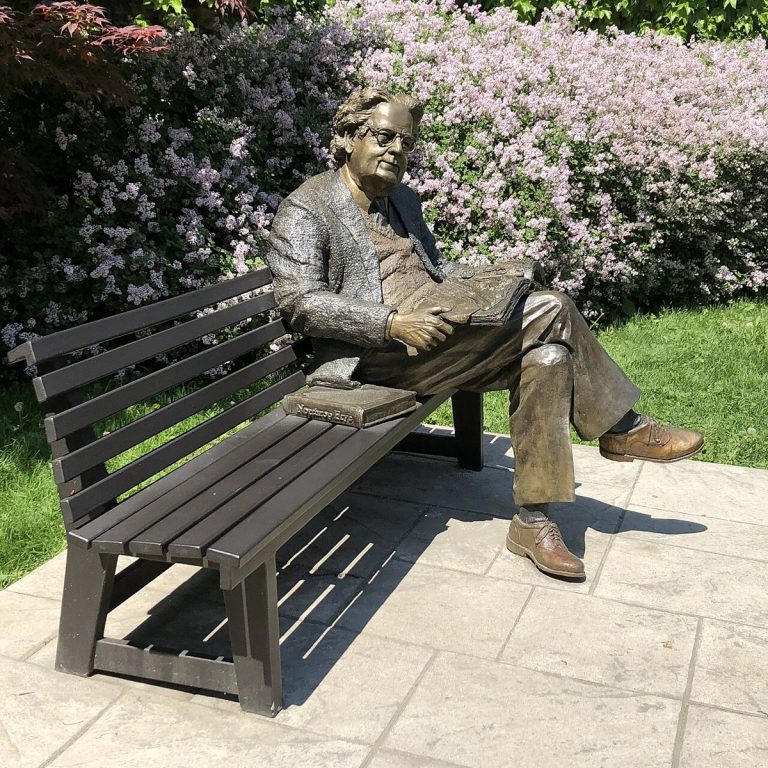
A seated statue of Northrop Frye at Victoria College, University of Toronto, photographed in 2018.
CA-K194Culture & sport

Northrop Frye, literary theorist

Northrop Frye (1912–1991), based at Victoria College, University of Toronto, from 1939 to 1991, was a pre-eminent literary theorist and critic. His systematic study of the myths and symbols underlying literature, and his work on the Bible as literature, had significant international influence, and his idea of a “garrison mentality” shaped English-Canadian literature.

Factual accuracy review: No recorded challenge

Contributor: Citizen.ca

Verified against cited sourcesVerified on 2026-10-26↗
Photo: Maksim Sokolov (maxergon.com) · Photo licence: CC BY-SA 4.0 · Credit & context
Margaret Laurence House in Neepawa, Manitoba, photographed in 2012.
CA-K193Culture & sport

Margaret Laurence and Manawaka

Margaret Laurence (1926–1987), one of Canada’s most esteemed authors, set her best-known novels in the fictional prairie town of Manawaka, with characters such as Hagar Shipley of The Stone Angel. She said Neepawa, Manitoba, where she lived from 1935 to 1944, shaped her “way of viewing,” and she helped found the Writers’ Trust of Canada and the Writers’ Union of Canada.

Factual accuracy review: No recorded challenge

Contributor: Citizen.ca

Verified against cited sourcesVerified on 2026-10-26↗
Photo: Amqui · Photo licence: CC BY-SA 3.0 · Credit & context
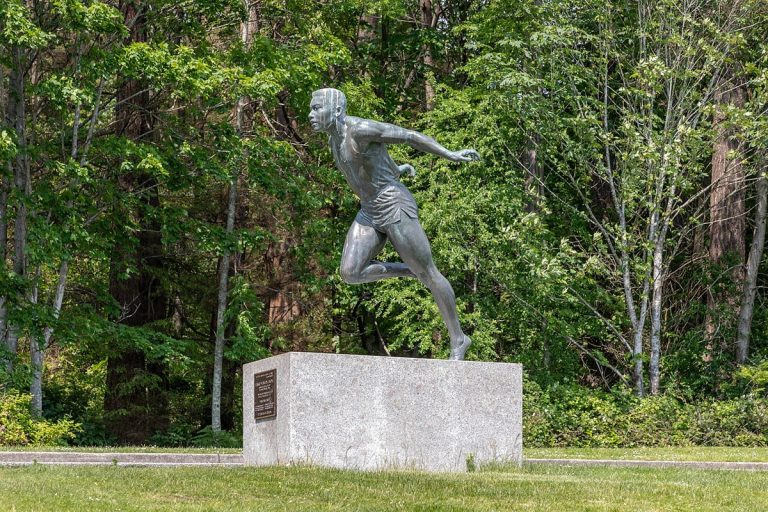
The Harry Jerome statue by Jack Harman in Stanley Park, Vancouver, photographed in 2022.
CA-K192Culture & sport

Harry Jerome, sprinter

Harry Jerome (1940–1982) was one of the fastest men in the world for much of the 1960s, holding multiple world sprint records, including the 100 metres in ten seconds flat. He later made major contributions to amateur sport and fitness in Canada, and remains a point of pride for African Canadians.

Factual accuracy review: No recorded challenge

Contributor: Citizen.ca

Verified against cited sourcesVerified on 2026-10-26↗
Photo: Dietmar Rabich · Photo licence: CC BY-SA 4.0 · Credit & context
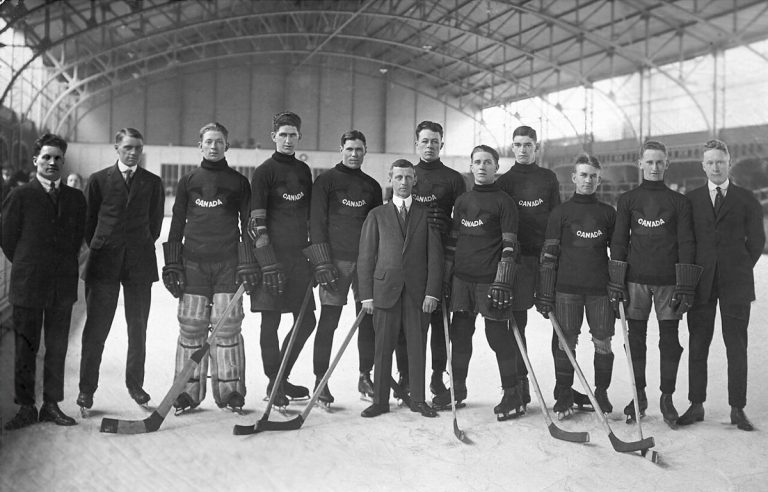
The Winnipeg Falcons team at the 1920 Summer Olympics in Antwerp.
CA-K191Culture & sport

The Winnipeg Falcons won the first Olympic hockey gold, 1920

The Winnipeg Falcons, a hockey club made up almost entirely of Icelandic Canadian players, won the Allan Cup as Canada’s senior amateur champions in 1920. That year they represented Canada in Antwerp, Belgium, and won the first Olympic gold medal for hockey.

Factual accuracy review: No recorded challenge

Contributor: Citizen.ca

Verified against cited sourcesVerified on 2026-10-26↗
Photo: Unknown authorUnknown author · Photo licence: Public domain · Credit & context
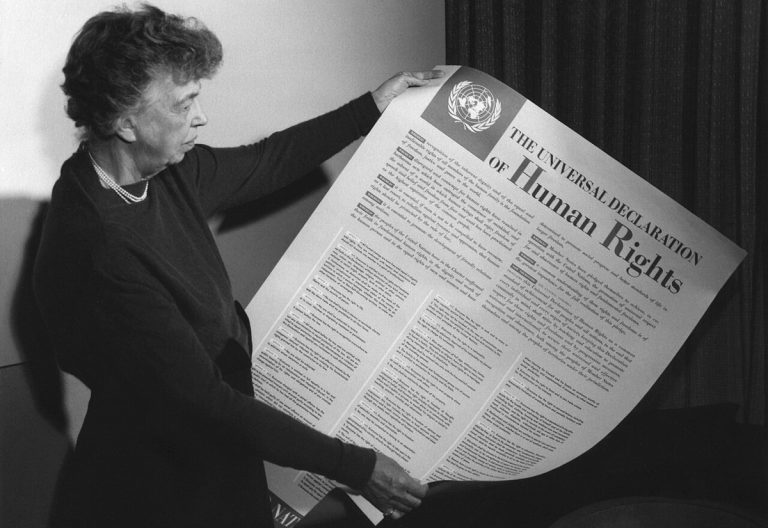
Eleanor Roosevelt holding a poster of the Universal Declaration of Human Rights, 1949; Humphrey does not appear in the photo.
CA-K189Institutions

John P. Humphrey and the Universal Declaration of Human Rights

John P. Humphrey (1905–1995), a McGill law professor, was the first director of the United Nations Human Rights Division from 1946 to 1966. The 48-article “Secretariat Outline” he prepared with his staff for the UN Human Rights Commission laid the foundations for the Universal Declaration of Human Rights of 1948.

Factual accuracy review: No recorded challenge

Contributor: Citizen.ca

Verified against cited sourcesVerified on 2026-10-26↗
Photo: FDR Presidential Library & Museum · Photo licence: CC BY 2.0 · Credit & context
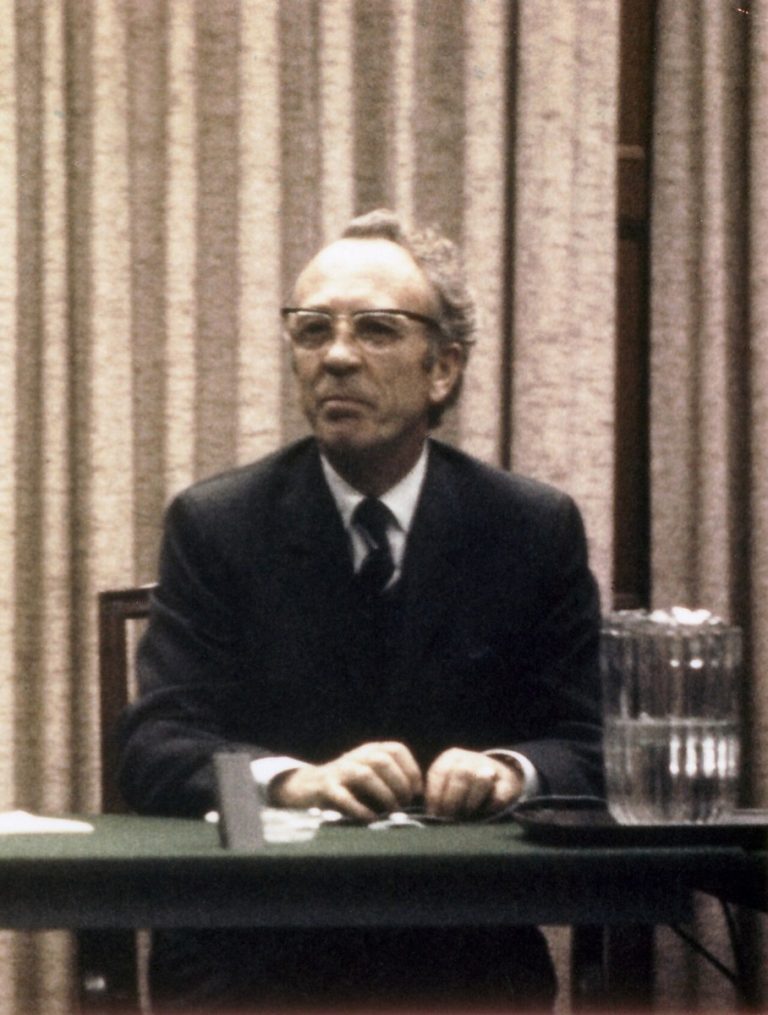
Tommy Douglas, former Premier of Saskatchewan, around 1971.
CA-K188Institutions

Tommy Douglas and the roots of medicare

Tommy Douglas (1904–1986) was Premier of Saskatchewan from 1944 to 1961, leading Canada’s only Co-operative Commonwealth Federation government. Under him the province pioneered publicly funded hospital insurance, laying the foundations for national medicare; he later became the first leader of the federal New Democratic Party.

Factual accuracy review: No recorded challenge

Contributor: Citizen.ca

Verified against cited sourcesVerified on 2026-10-26↗
Photo: Themightyquill · Photo licence: CC BY-SA 3.0 · Credit & context
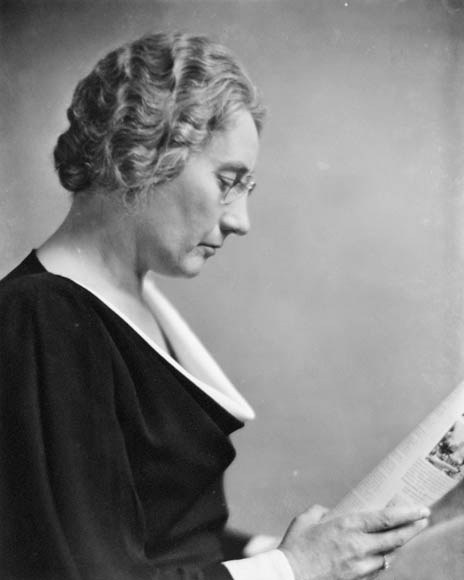
Agnes Macphail, MP, photographed by Yousuf Karsh on 14 May 1934.
CA-K186Institutions

Agnes Macphail, first woman elected to the House of Commons

Agnes Macphail (1890–1954), a rural schoolteacher, became the first woman elected to the House of Commons when she won Grey County as a Progressive in the 1921 federal election. In Ottawa she fought for penal reform, disarmament and social welfare, and later sat in the Ontario legislature from 1943 to 1951.

Factual accuracy review: No recorded challenge

Contributor: Citizen.ca

Verified against cited sourcesVerified on 2026-10-26↗
Photo: Yousuf Karsh · Photo licence: Public domain · Credit & context
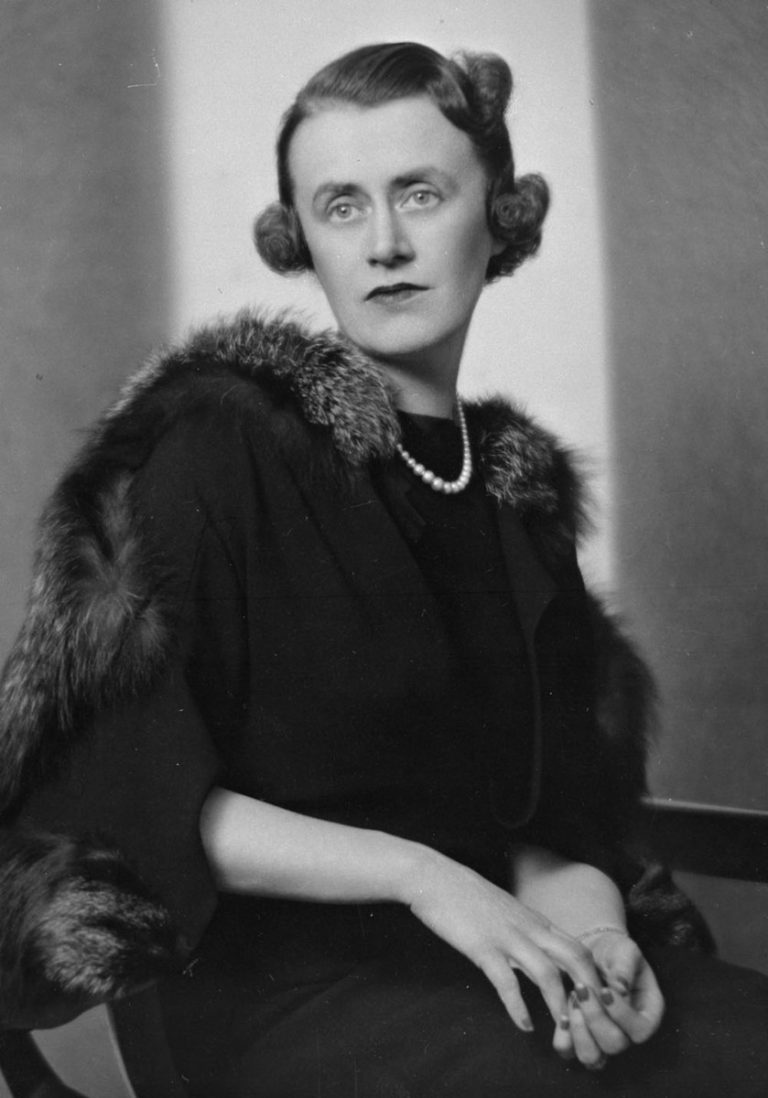
Thérèse Casgrain photographed by George Nakash (Library and Archives Canada).
CA-K185History

Thérèse Casgrain and the Quebec vote for women, 1940

Thérèse Casgrain (1896–1981), a pioneer of Quebec feminism, led the Ligue des droits de la femme from 1928 to 1942 and played a pivotal role in winning women the right to vote in Quebec provincial elections in 1940. The Fédération des femmes du Québec, founded under her guidance in 1966, launched a new wave of organized feminism.

Factual accuracy review: No recorded challenge

Contributor: Citizen.ca

Verified against cited sourcesVerified on 2026-10-26↗
Photo: George Nakash (1892-1976) · Photo licence: CC BY 2.0 · Credit & context
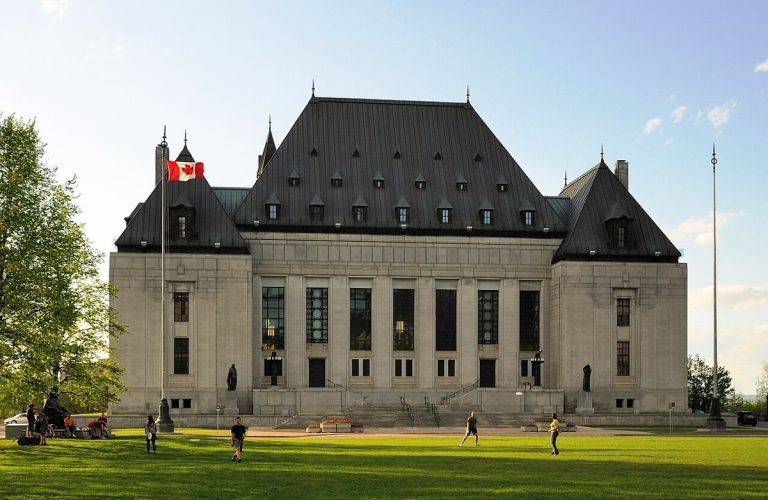
The Supreme Court of Canada building in Ottawa, photographed in 2009.
CA-K184History

The Klippert case, 1967

In Klippert v. the Queen (1967), Everett Klippert appealed his indefinite imprisonment as a dangerous sexual offender for gross indecency, under a Criminal Code that made sex between men illegal. The Supreme Court ruled against him, but the case exposed legal discrimination against gay men and contributed to the partial decriminalization of same-gender sexual acts in 1969.

Factual accuracy review: No recorded challenge

Contributor: Citizen.ca

Verified against cited sourcesVerified on 2026-10-26↗
Photo: Wladyslaw · Photo licence: CC BY-SA 3.0 · Credit & context
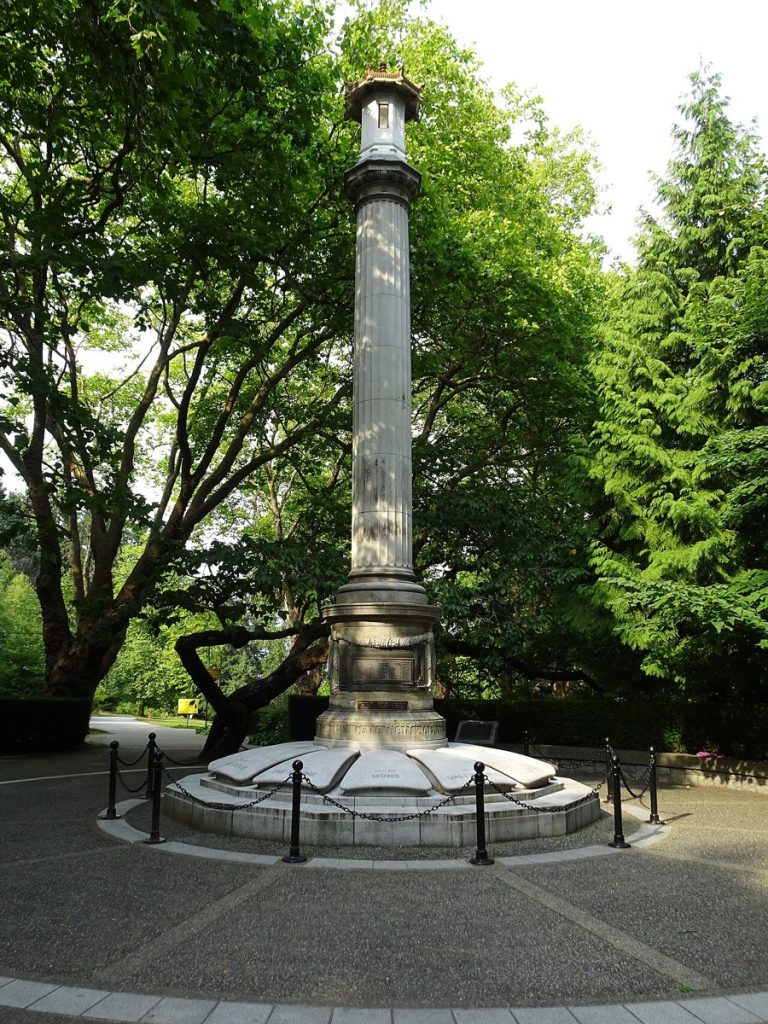
The Japanese Canadian War Memorial in Stanley Park, Vancouver, photographed in 2026.
CA-K182History

Japanese Canadian soldiers and the 1931 vote

During the First World War, 222 Japanese Canadian soldiers overcame barriers to enlistment and prejudice to fight on the Western Front between 1916 and 1918; a quarter of them died in battle. In 1931, the returning veterans became the first group of Asian Canadians to win the right to vote in British Columbia.

Factual accuracy review: No recorded challenge

Contributor: Citizen.ca

Verified against cited sourcesVerified on 2026-10-26↗
Photo: Spudgun67 · Photo licence: CC0 · Credit & context