An independent Canadian knowledge project

Focused and Verified

Canadian knowledge base

Search by keyword

Choose one keyword, or combine two. Broader keywords include their descendants.

Keywords: Governance, rights and responsibilities

Clear search
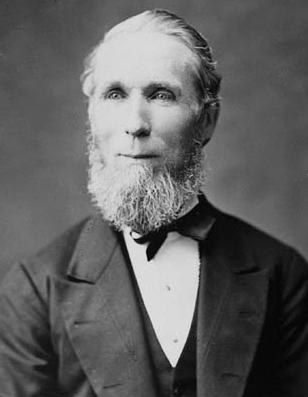
John Robson, portrait (Library and Archives Canada).
CA-K957History

John Robson, newspaperman and premier of British Columbia

John Robson, born in Perth, Ontario, came to British Columbia in 1859. In 1861 he founded the British Columbian at New Westminster, a newspaper on the British Columbia mainland, and used it to demand responsible government. Elected in 1867, he urged the colony to join Confederation, held several cabinet posts and was premier from 1889 until his accidental death in London, working to organize schools and regulate resource development.

Factual accuracy review: No recorded challenge

Contributor: Citizen.ca

Verified against cited sourcesVerified on 2026-10-27↗
Photo: Unknown photographer; Library and Archives Canada · Photo licence: Public domain · Credit & context
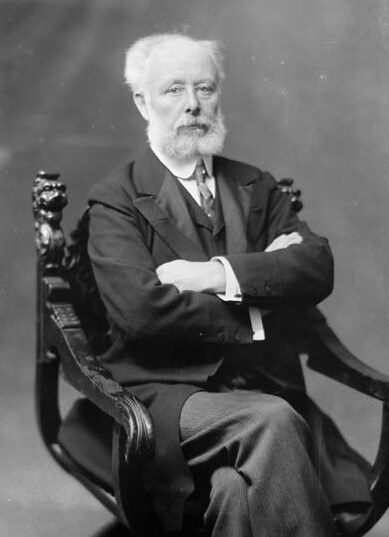
Sir Louis Henry Davies, 1903 (William James Topley).
CA-K944History

Sir Louis Davies, Island premier and Chief Justice

Louis Henry Davies, born in Charlottetown, was premier of Prince Edward Island from 1876 to 1879, defending tenant farmers while working to settle the land question. He served as counsel to the International Fisheries Commission at Halifax in 1877, sat in the House of Commons and became Minister of Marine and Fisheries in 1896. Named to the Supreme Court in 1901, he became Chief Justice of Canada in 1918.

Factual accuracy review: No recorded challenge

Contributor: Citizen.ca

Verified against cited sourcesVerified on 2026-10-27↗
Photo: William James Topley · Photo licence: Public domain · Credit & context
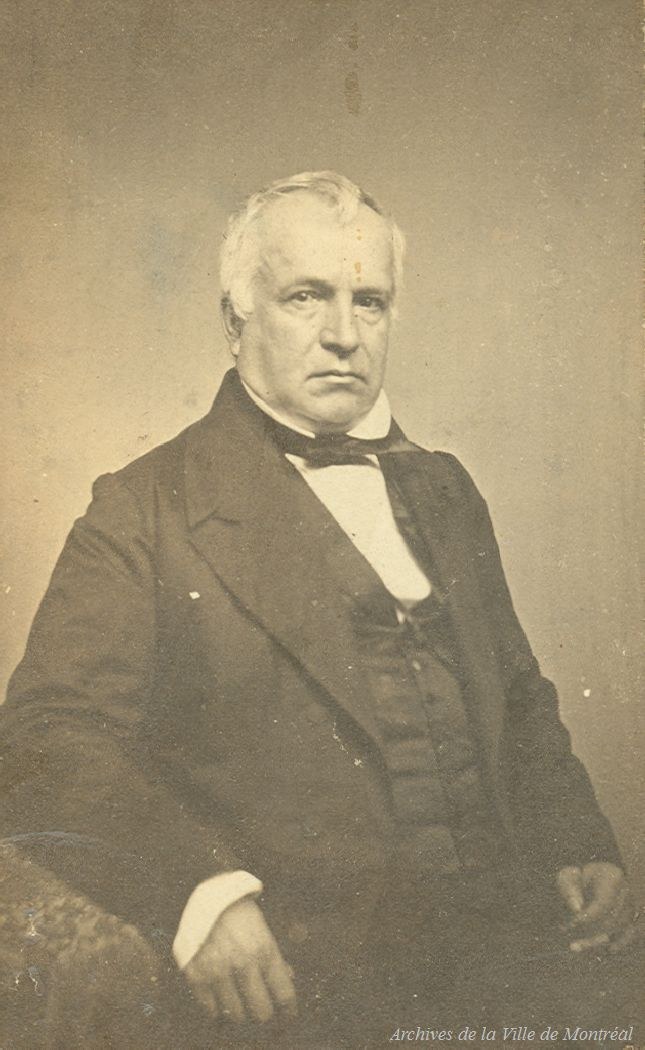
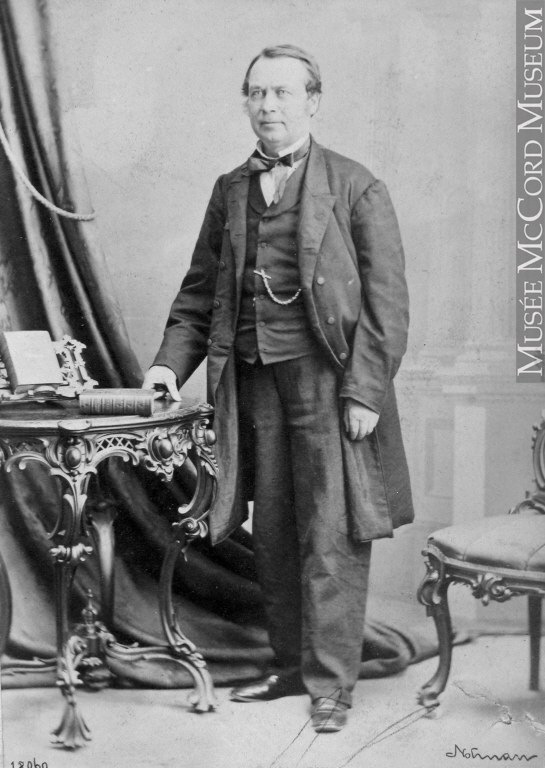
Edward Whelan, 1864 (William Notman).
CA-K900History

Edward Whelan, journalist and Father of Confederation

Edward Whelan, an Irish-born journalist, came to Halifax about 1836 and became a protégé of Joseph Howe. He founded the Examiner in Charlottetown in 1847. A co-founder of Prince Edward Island’s Liberal Party with George Coles and an advocate of responsible government, he attended the Quebec Conference in 1864 and compiled The Union of the British Provinces (1865).

Factual accuracy review: No recorded challenge

Contributor: Citizen.ca

Verified against cited sourcesVerified on 2026-10-26↗
Photo: William Notman · Photo licence: Public domain · Credit & context
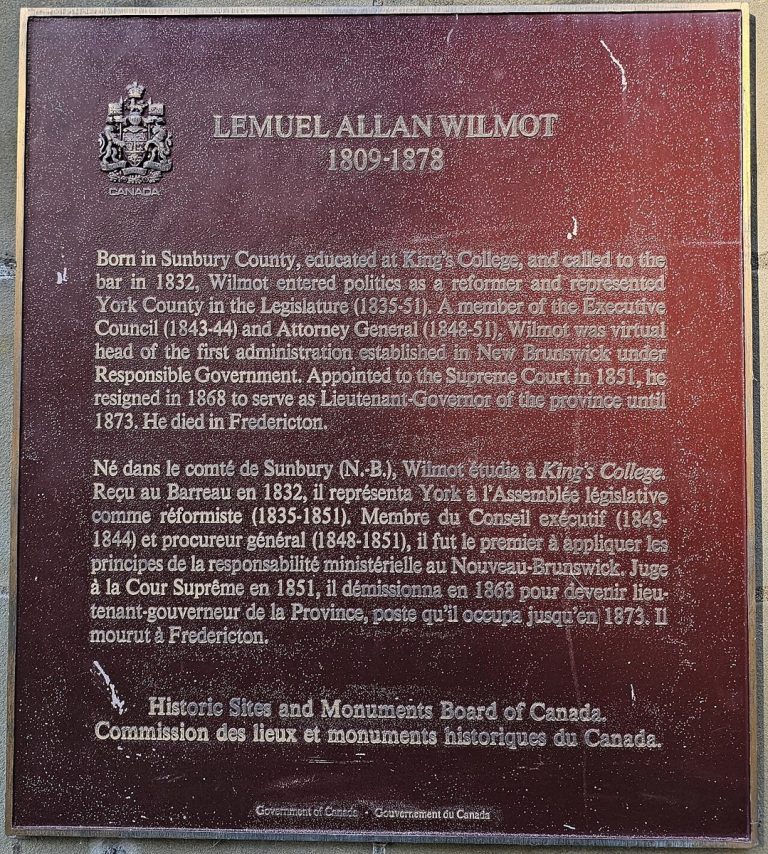
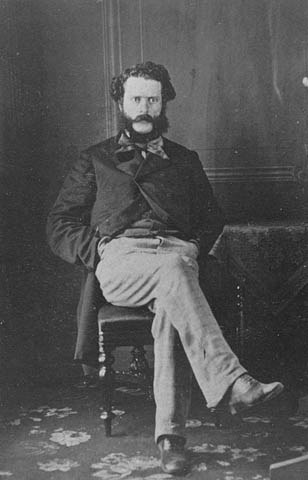
Louis-Hippolyte LaFontaine, about 1863.
CA-K879History

Sir Louis-Hippolyte LaFontaine, architect of responsible government

Louis-Hippolyte LaFontaine, a jurist and reformer born at Boucherville in 1807, was one of the architects of responsible government in Canada. With Robert Baldwin he led the reform governments of the Province of Canada in 1842 and 1848. He left politics in 1851, became Chief Justice of Lower Canada in 1853 and was made a baronet in 1854.

Factual accuracy review: No recorded challenge

Contributor: Citizen.ca

Verified against cited sourcesVerified on 2026-10-26↗
Photo: Indéterminé · Photo licence: Public domain · Credit & context
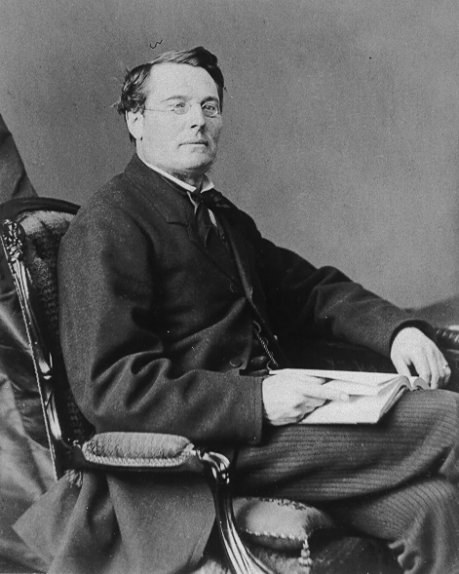
Plaque honouring Wilmot at the New Brunswick Legislative Building.
CA-K874History

Lemuel Allan Wilmot, reformer and Lieutenant-Governor

Lemuel Allan Wilmot, born in Sunbury County, entered politics as a Reformer and represented York County from 1835 to 1851. As Attorney General he was in effect the head of New Brunswick’s first government under responsible government. Named to the Supreme Court in 1851, he resigned in 1868 to become Lieutenant-Governor until 1873.

Factual accuracy review: No recorded challenge

Contributor: Citizen.ca

Verified against cited sourcesVerified on 2026-10-26↗
Photo: JJonahJackalope · Photo licence: CC BY-SA 4.0 · Credit & context
Edward Blake, portrait.
CA-K832History

Edward Blake, Ontario premier and Liberal leader

Edward Blake, a lawyer born in Middlesex County, Upper Canada, and a leading member of the Canada First movement, was the second premier of Ontario (1871–72). In 22 years in the House of Commons he was Minister of Justice under Alexander Mackenzie and led the federal Liberals from 1880 to 1887. A constitutional authority, he later sat in the British Parliament as an Irish Nationalist.

Factual accuracy review: No recorded challenge

Contributor: Citizen.ca

Verified against cited sourcesVerified on 2026-10-26↗
Photo: Ewing · Photo licence: Public domain · Credit & context
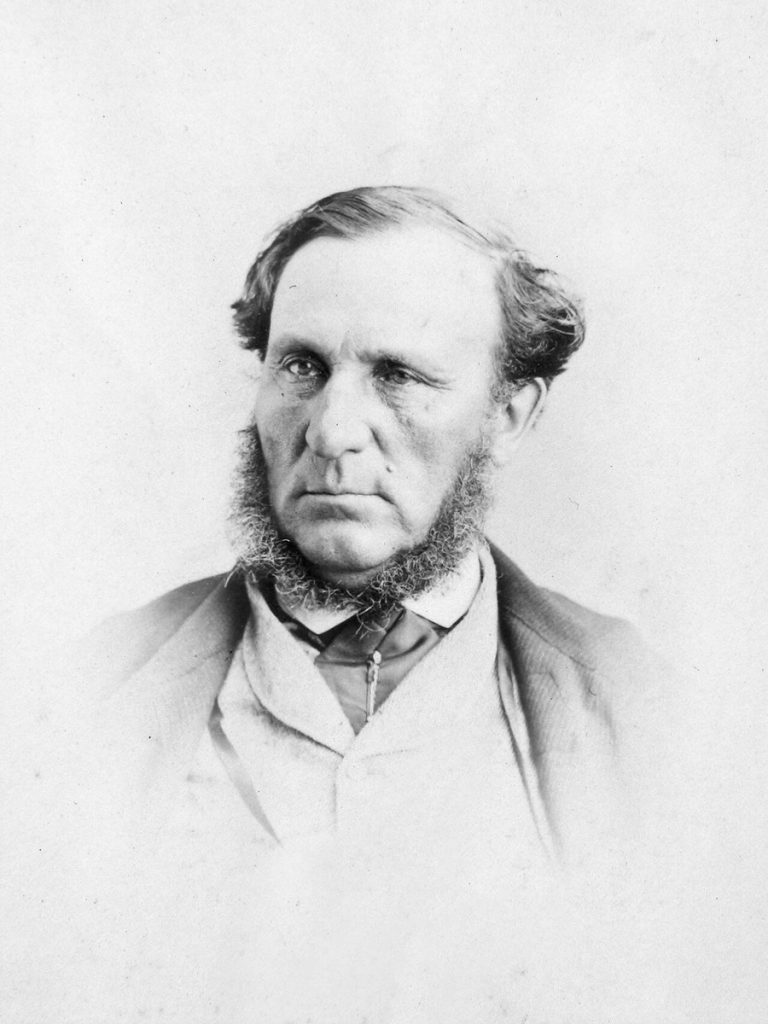
George Coles, 1865 (William Notman).
CA-K807History

George Coles, premier of Prince Edward Island

George Coles, a native Prince Edward Islander, represented Queen’s in the House of Assembly from 1842 to 1868. Co-founder of the Liberal Party with Edward Whelan and a strong advocate of responsible government, he became premier when it was granted in 1851 and held office three times. A Father of Confederation, he attended the Charlottetown and Quebec conferences of 1864.

Factual accuracy review: No recorded challenge

Contributor: Citizen.ca

Verified against cited sourcesVerified on 2026-10-26↗
Photo: William Notman · Photo licence: Public domain · Credit & context
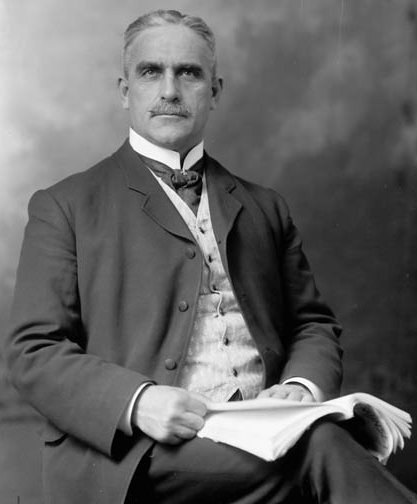
Col. Sam Hughes, 1905 (William James Topley).
CA-K801History

Sir Sam Hughes, Minister of Militia

Sam Hughes, soldier, journalist and Member of Parliament for Lindsay from 1892 to 1921, helped create a distinctly Canadian army. As Minister of Militia and Defence from 1911 to 1916, he raised the Canadian Expeditionary Force that fought in the First World War and was knighted, but disputes with colleagues and subordinates forced him from Cabinet in 1916.

Factual accuracy review: No recorded challenge

Contributor: Citizen.ca

Verified against cited sourcesVerified on 2026-10-26↗
Photo: William James Topley · Photo licence: Public domain · Credit & context
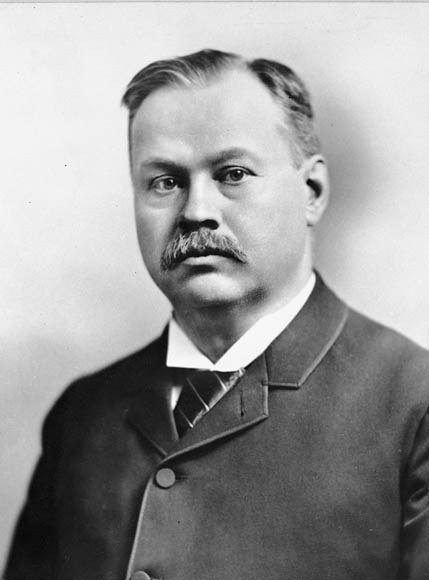
Louis-Honoré Fréchette, 1900.
CA-K790Culture & sport

Louis Fréchette, poet of French Canada

Louis Fréchette, born at Lévis, was a noted polemicist and a prominent French-Canadian poet of the 19th century. His collections Les Fleurs boréales and Les Oiseaux de neige won the Académie française’s Prix Montyon in 1880, and he also wrote the epic La Légende d’un peuple. He sat in the House of Commons for Lévis and later was Clerk of the Quebec Legislative Council.

Factual accuracy review: No recorded challenge

Contributor: Citizen.ca

Verified against cited sourcesVerified on 2026-10-26↗
Photo: Royal Society Portraits · Photo licence: Public domain · Credit & context
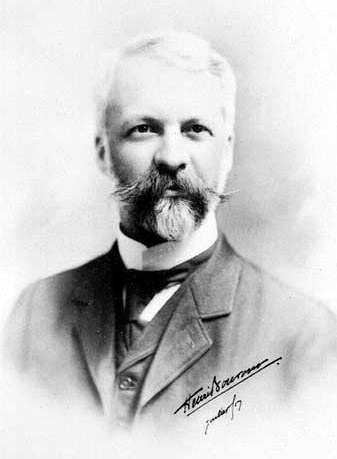
Henri Bourassa, 1917.
CA-K785Culture & sport

Henri Bourassa, founder of Le Devoir

Henri Bourassa, a noted orator and writer, sat in the House of Commons and the Quebec Legislative Assembly. He broke with Laurier and the Liberals over the Boer War, founded the Montréal daily Le Devoir in 1910 and edited it until 1932. Throughout his career he championed a nationalism based on Canada’s autonomy and cultural duality.

Factual accuracy review: No recorded challenge

Contributor: Citizen.ca

Verified against cited sourcesVerified on 2026-10-26↗
Photo: Unknown author · Photo licence: Public domain · Credit & context
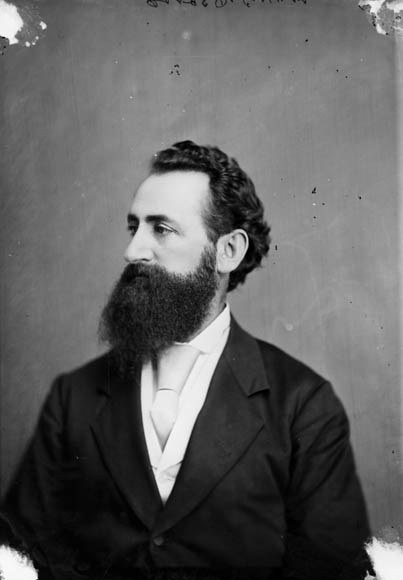
Amor De Cosmos, September 1874 (Library and Archives Canada).
CA-K719History

Amor De Cosmos, “lover of the universe”

Amor De Cosmos, born William Smith in Windsor, Nova Scotia, took his name in the California goldfields and in 1858 founded the opposition newspaper the Colonist in Victoria. For two decades his pen and oratory championed responsible government and Confederation; he sat in the colonial and federal legislatures and was premier of British Columbia from 1872 to 1874.

Factual accuracy review: No recorded challenge

Contributor: Citizen.ca

Verified against cited sourcesVerified on 2026-10-26↗
Photo: Unknown author · Photo licence: Public domain · Credit & context
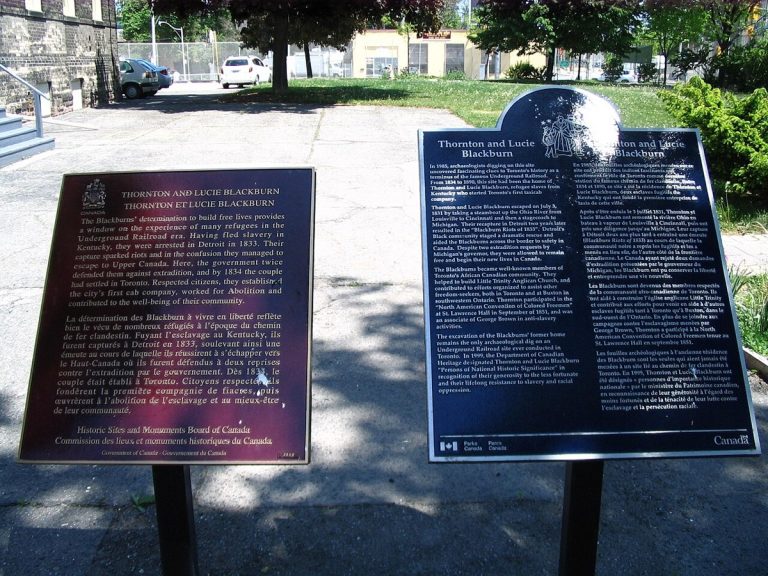
Plaques commemorating Thornton and Lucie Blackburn in Toronto, 2009.
CA-K712History

Thornton and Lucie Blackburn, freedom-seekers in Toronto

Thornton and Lucie Blackburn fled slavery in Kentucky and were arrested in Detroit in 1833; riots over their capture let them escape to Upper Canada, whose government twice refused their extradition. Settling in Toronto by 1834, they founded the city’s first cab company and worked for abolition and their community.

Factual accuracy review: No recorded challenge

Contributor: Citizen.ca

Verified against cited sourcesVerified on 2026-10-26↗
Photo: Loozrboy from Toronto, Canada · Photo licence: CC BY-SA 2.0 · Credit & context
Pierre-Amand Landry, MP, February 1884 (Topley Studio).
CA-K685History

Sir Pierre-Amand Landry, Acadian leader

Pierre-Amand Landry of Memramcook, a lawyer, politician and judge, defended Acadians’ rights in the New Brunswick legislature, the House of Commons and the courts, notably during the crisis over the Common Schools Act of 1871. A leader of the Acadian Renaissance who promoted tolerance between French and English, he presided over the first three Acadian National Conventions and was the first Acadian knighted.

Factual accuracy review: No recorded challenge

Contributor: Citizen.ca

Verified against cited sourcesVerified on 2026-10-26↗
Photo: William James Topley · Photo licence: Public domain · Credit & context
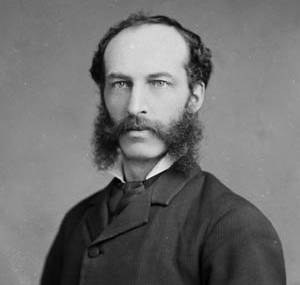
George Eulas Foster, around 1920 (Bain, Library of Congress).
CA-K651Institutions

Sir George Foster, Conservative finance minister

George Eulas Foster of Carleton County, New Brunswick, a former classics professor, sat in the House of Commons for most of 1882–1921. A central Conservative figure and orator, he was Minister of Finance under five prime ministers and Minister of Commerce under Borden and Meighen, and supported the League of Nations.

Factual accuracy review: No recorded challenge

Contributor: Citizen.ca

Verified against cited sourcesVerified on 2026-10-26↗
Photo: Bain · Photo licence: Public domain · Credit & context
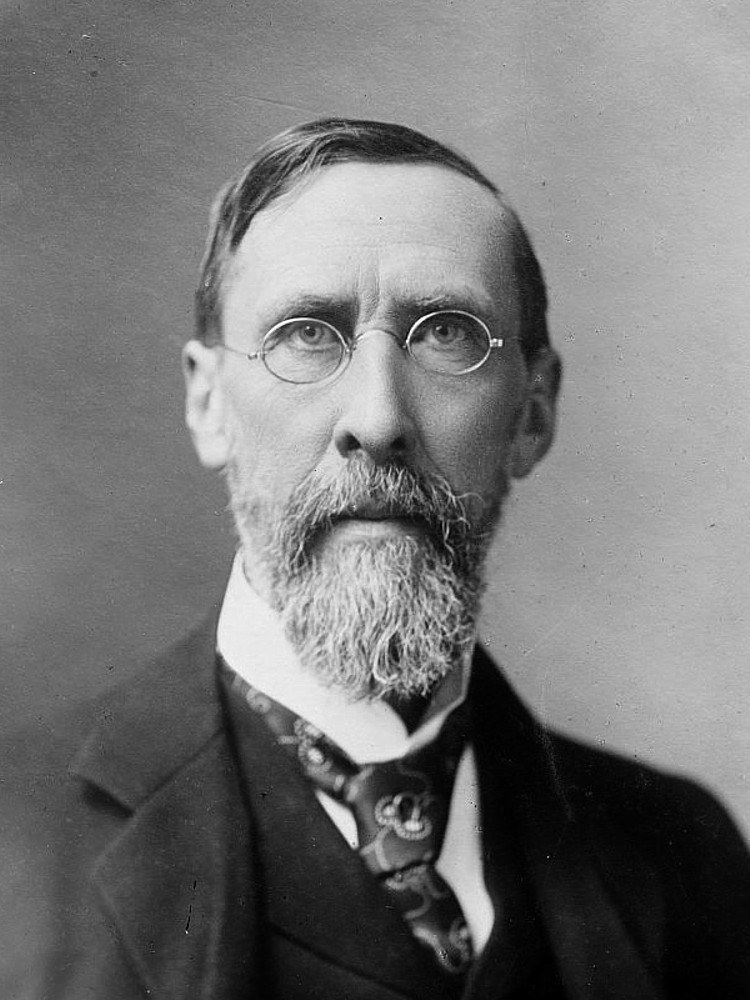
Rodolphe Lemieux, April 1917 (Topley Studio).
CA-K628Institutions

Rodolphe Lemieux and the Lemieux Act

Rodolphe Lemieux, MP for Gaspé and Rouville, served as Solicitor General, Postmaster General, Minister of Labour and Minister of Marine, and was Speaker of the House of Commons from 1922 to 1930. His Lemieux Act of 1907 introduced arbitration to Canadian labour relations, and as Laurier’s principal Quebec lieutenant he opposed conscription while urging voluntary enlistment.

Factual accuracy review: No recorded challenge

Contributor: Citizen.ca

Verified against cited sourcesVerified on 2026-10-26↗
Photo: William James Topley · Photo licence: Public domain · Credit & context
Prime Minister John G. Diefenbaker, 1957 (Gar Lunney).
CA-K616Institutions

John Diefenbaker, 13th prime minister

John Diefenbaker, a charismatic orator raised in Saskatchewan, was a defence lawyer and MP for some 40 years and Canada’s 13th prime minister from 1957 to 1963. He revived the Progressive Conservative Party, winning a landslide in 1958, and his government extended social programs, promoted Northern development and championed human rights at home and abroad.

Factual accuracy review: No recorded challenge

Contributor: Citizen.ca

Verified against cited sourcesVerified on 2026-10-26↗
Photo: Gar Lunney · Photo licence: Public domain · Credit & context
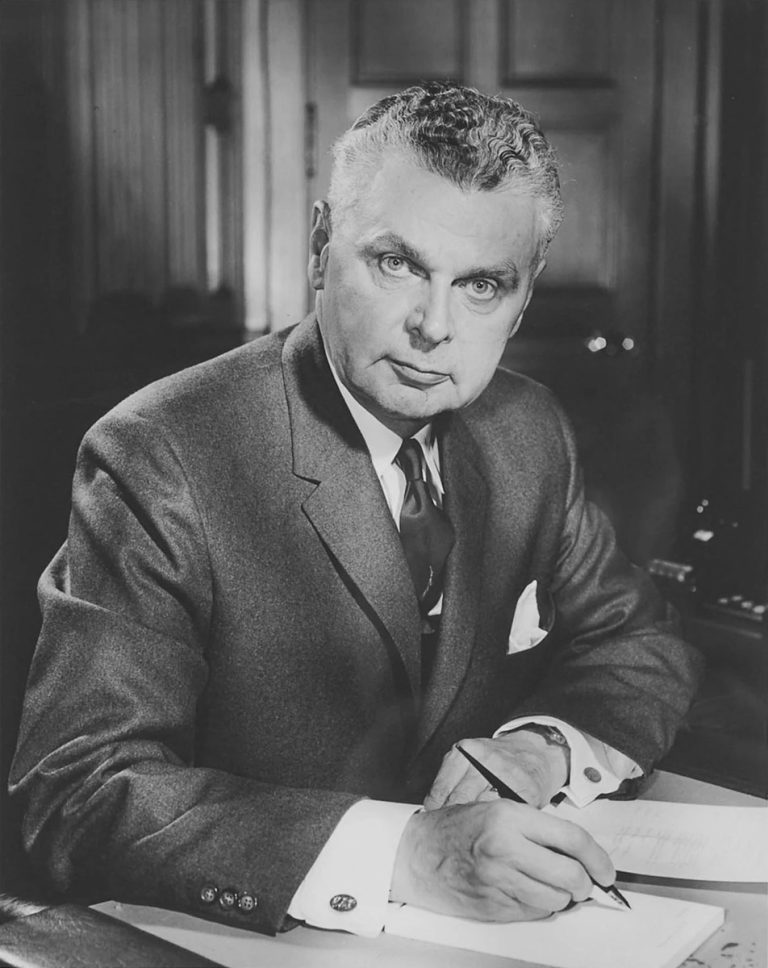
John George Bourinot, 1888 (Topley Studio).
CA-K613Institutions

Sir John Bourinot, Clerk of the House of Commons

John George Bourinot of Sydney, Nova Scotia, a journalist and legislative reporter, joined Parliament’s staff in Ottawa in 1868 and was Clerk of the House of Commons from 1880 to 1902, a recognized authority on parliamentary procedure. A founding member of the Royal Society of Canada, he wrote widely on history and the constitution.

Factual accuracy review: No recorded challenge

Contributor: Citizen.ca

Verified against cited sourcesVerified on 2026-10-26↗
Photo: William James Topley · Photo licence: Public domain · Credit & context
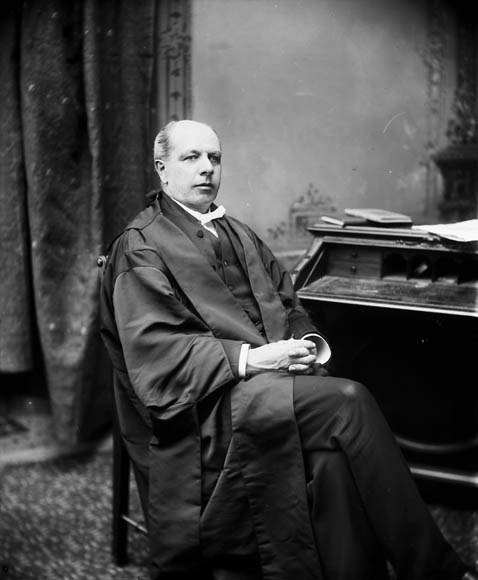
Sir Richard John Cartwright, December 1908 (Topley Studio).
CA-K606Institutions

Sir Richard Cartwright, Liberal finance minister

Richard John Cartwright of Kingston, grandson of a Loyalist merchant, sat in the House of Commons as a Liberal for 37 years. He was Minister of Finance under Mackenzie (1873–1878) and Minister of Trade and Commerce under Laurier (1896–1904), and as a free trader he designed the Liberals’ 1891 policy of unrestricted reciprocity with the United States.

Factual accuracy review: No recorded challenge

Contributor: Citizen.ca

Verified against cited sourcesVerified on 2026-10-26↗
Photo: William James Topley · Photo licence: Public domain · Credit & context
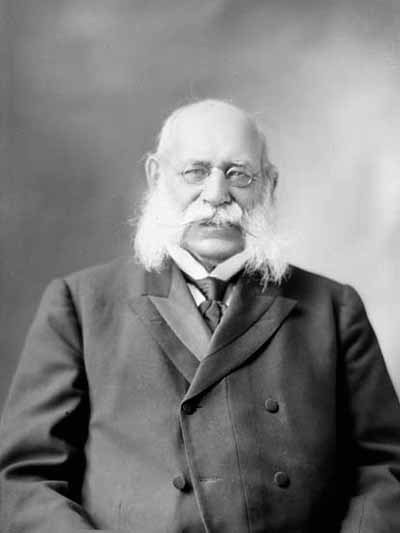
Frederick W. G. Haultain, May 1884 (Glenbow Archives).
CA-K589Institutions

Sir Frederick Haultain, premier of the North-West Territories

Frederick Haultain, a Fort Macleod lawyer, sat in the North-West Territories council and assembly from 1887 to 1905 and led the push for responsible government and provincial status. He was premier of the Territories from 1897 to 1905, then opposition leader in Saskatchewan and chief justice of Saskatchewan from 1912.

Factual accuracy review: No recorded challenge

Contributor: Citizen.ca

Verified against cited sourcesVerified on 2026-10-26↗
Photo: Sproule, G. B. · Photo licence: Public domain · Credit & context
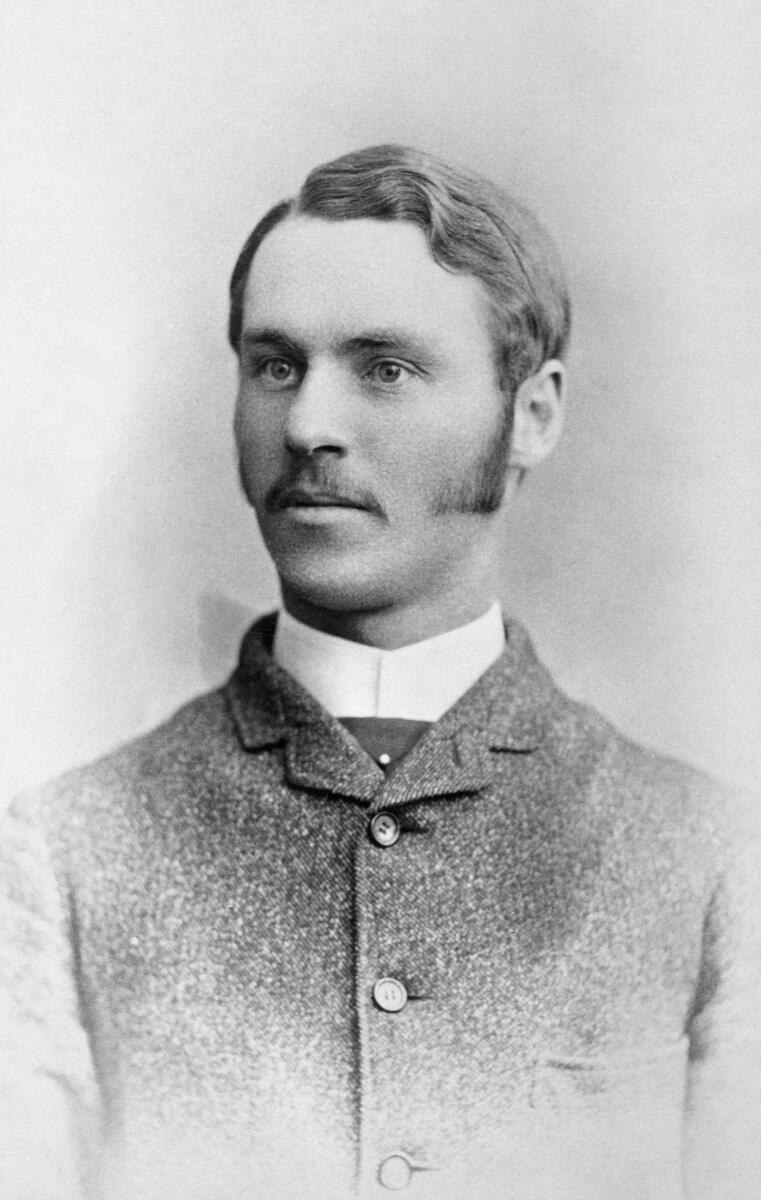
David Mills, January 1899 (Topley Studio).
CA-K577Institutions

David Mills, minister and constitutional scholar

David Mills of Oxford, Upper Canada, was a school superintendent before representing Bothwell in the House of Commons from 1867 to 1896. He was Minister of the Interior in 1876–1878 and Minister of Justice in 1897–1902, taught constitutional law at the University of Toronto, and was appointed to the Supreme Court of Canada in 1902.

Factual accuracy review: No recorded challenge

Contributor: Citizen.ca

Verified against cited sourcesVerified on 2026-10-26↗
Photo: William James Topley · Photo licence: Public domain · Credit & context
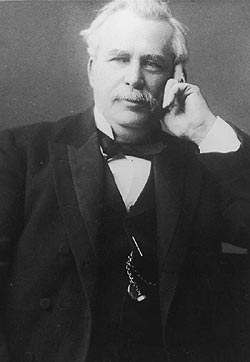
Louis-Philippe Hébert, around 1898 (Wm. Notman & Son).
CA-K538Culture & sport

Louis-Philippe Hébert, sculptor

Louis-Philippe Hébert was a Canadian sculptor known for public monuments. After carving wood figures for churches in Ottawa and Montréal, he made bronze statues such as Cartier on Parliament Hill and won renown for the sculptures on the façade of the Quebec legislature, his Maisonneuve monument in Montréal and the Macdonald monument in Ottawa.

Factual accuracy review: No recorded challenge

Contributor: Citizen.ca

Verified against cited sourcesVerified on 2026-10-26↗
Photo: William Notman & Son · Photo licence: Public domain · Credit & context
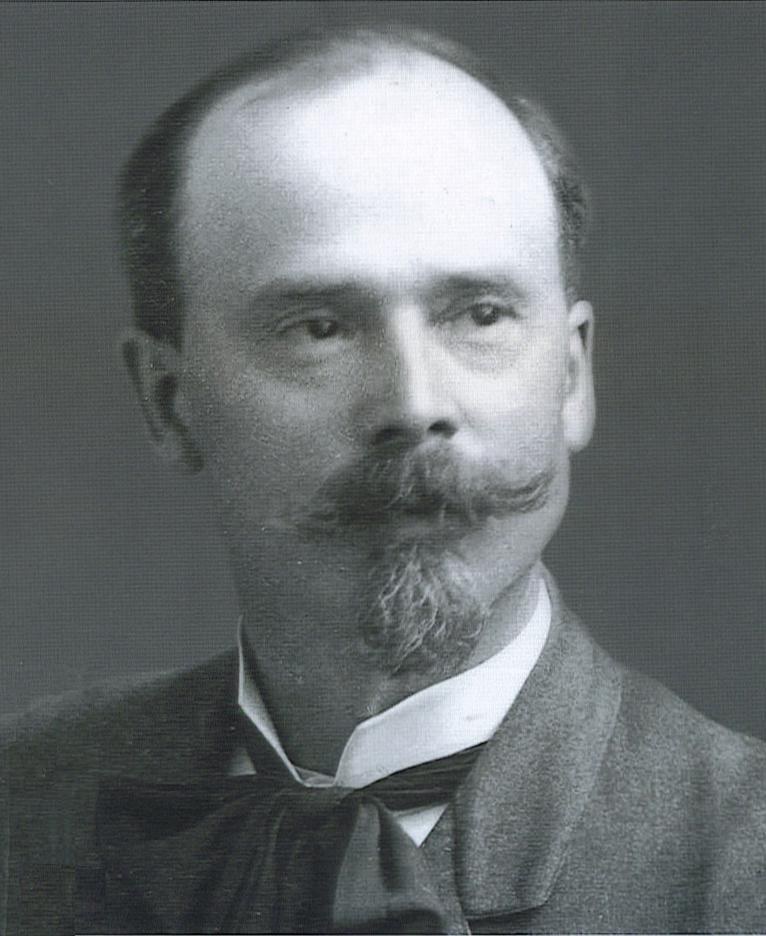
R. B. Bennett, prime minister (Library and Archives Canada).
CA-K499Institutions

R. B. Bennett, prime minister in the Depression

Richard Bedford Bennett, born at Hopewell Hill, New Brunswick, moved to Calgary in 1897 and sat in the North-West Territories and Alberta legislatures before entering the House of Commons in 1911. Conservative leader from 1927, he was prime minister from 1930 to 1935, and his government’s association with the Depression contributed to its defeat.

Factual accuracy review: No recorded challenge

Contributor: Citizen.ca

Verified against cited sourcesVerified on 2026-10-26↗
Photo: Library and Archives Canada / C-008098 · Photo licence: Public domain · Credit & context
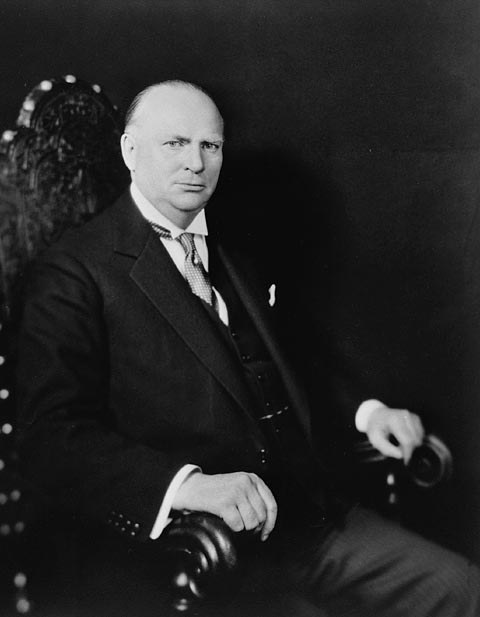
Philip Francis Little, from D. W. Prowse’s History of Newfoundland (1896).
CA-K474Institutions

Philip Francis Little, Newfoundland’s first premier

Philip Francis Little, elected to Newfoundland’s Assembly in 1850, campaigned for responsible government and united the Liberal Party behind it. In 1855 he became the colony’s first premier under responsible government, and he advanced Newfoundland’s interests through the Reciprocity Treaty with the United States.

Factual accuracy review: No recorded challenge

Contributor: Citizen.ca

Verified against cited sourcesVerified on 2026-10-26↗
Photo: Unknown author · Photo licence: Public domain · Credit & context
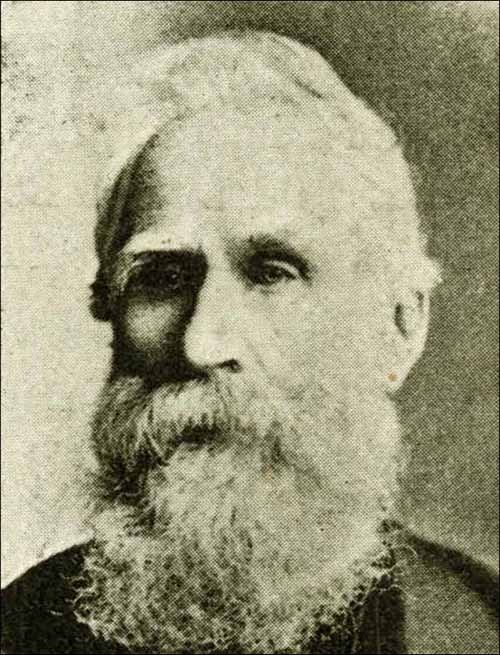
Alexander Mackenzie in March 1878 (Topley Studio).
CA-K467Institutions

Alexander Mackenzie, second prime minister

Alexander Mackenzie came to Canada from Scotland in 1842 and worked as a building contractor in Kingston and Sarnia. Elected for Lambton in 1861 and to the first House of Commons in 1867, he was Canada’s second prime minister from 1873 to 1878 and worked to consolidate the new Dominion.

Factual accuracy review: No recorded challenge

Contributor: Citizen.ca

Verified against cited sourcesVerified on 2026-10-26↗
Photo: William James Topley · Photo licence: Public domain · Credit & context