An independent Canadian knowledge project

Focused and Verified

Canadian knowledge base

Search by keyword

Choose one keyword, or combine two. Broader keywords include their descendants.

Keywords: Constitutional government

Clear search
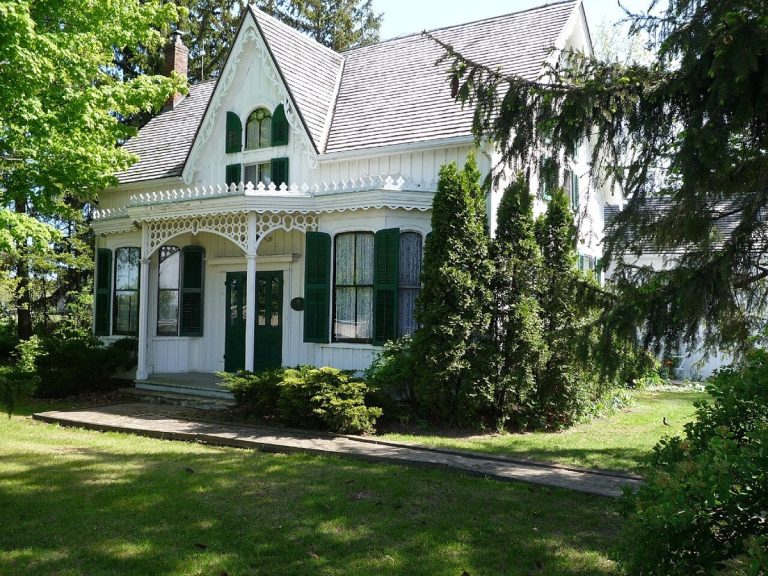
The Erland Lee Museum in Stoney Creek, Ontario, the farmhouse where the constitution was drafted, photographed in 2008.
CA-K205History

The first Women’s Institute, Stoney Creek, 1897

In 1897, inspired by domestic science reformer Adelaide Hoodless, Janet Lee drafted the constitution of the Stoney Creek Women’s Institute at her farmhouse in Ontario. The Women’s Institutes spread across Canada and the world, bringing rural women together to learn skills, promote civic reform and break the isolation of rural life.

Factual accuracy review: No recorded challenge

Contributor: Citizen.ca

Verified against cited sourcesVerified on 2026-10-26↗
Photo: Kristenkerr · Photo licence: Public domain · Credit & context
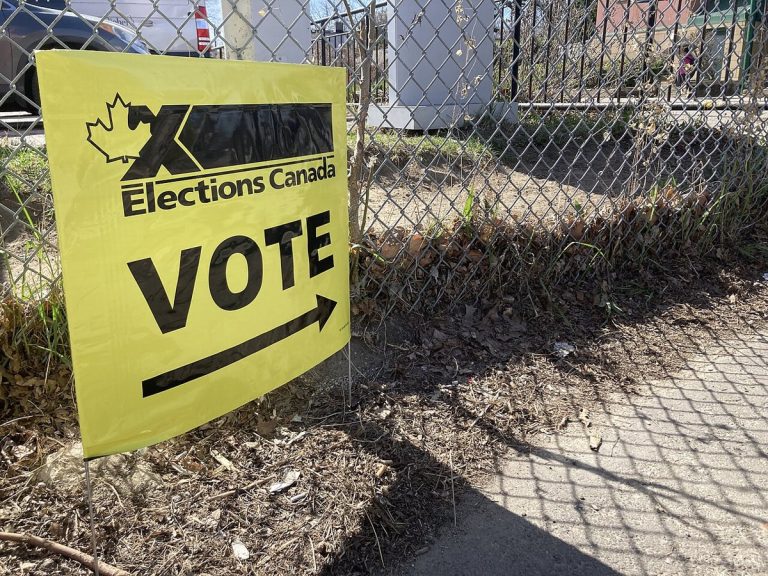
An Elections Canada polling station sign in Toronto during the 2025 federal election.
CA-K108Institutions

Elections Canada, an independent agency of Parliament

Elections Canada is an independent, non-partisan agency of Parliament, headed by the Chief Electoral Officer. The position of Chief Electoral Officer was created in 1920 by the Dominion Elections Act, largely to end political partisanship in the administration of federal elections.

Factual accuracy review: No recorded challenge

Contributor: Citizen.ca

Verified against cited sourcesVerified on 2026-10-26↗
Photo: Can Pac Swire · Photo licence: CC BY-SA 2.0 · Credit & context
Lava beds in the Nass Valley, British Columbia, photographed in 2017; a landscape in the region, not a depiction of the treaty.
CA-K095Indigenous peoples & reconciliation

The Nisg̱a’a Treaty took effect on 11 May 2000

The Nisg̱a’a Treaty, British Columbia’s first modern treaty, took effect on 11 May 2000. It recognizes about 2,000 square kilometres of Nisg̱a’a Lands and was the first treaty in British Columbia to provide constitutional certainty for self-government.

Factual accuracy review: No recorded challenge

Contributor: Citizen.ca

Verified against cited sourcesVerified on 2026-10-26↗
Photo: Darren Kirby · Photo licence: CC BY-SA 2.0 · Credit & context
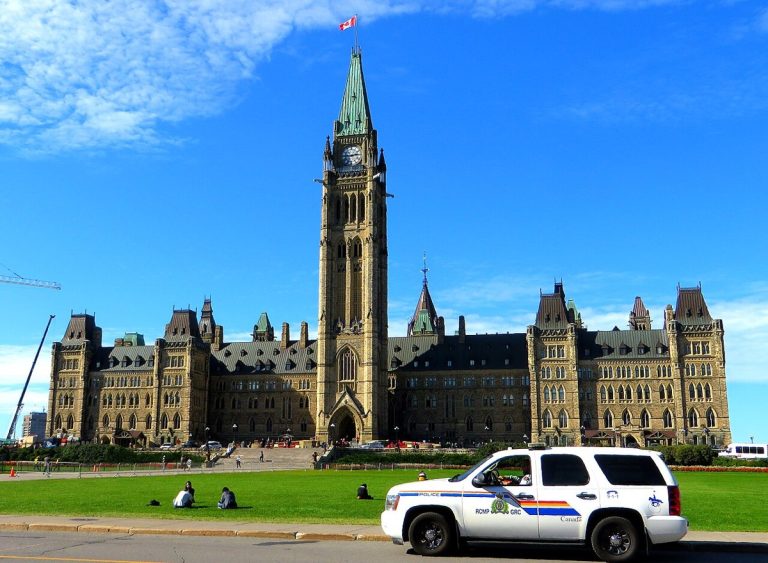
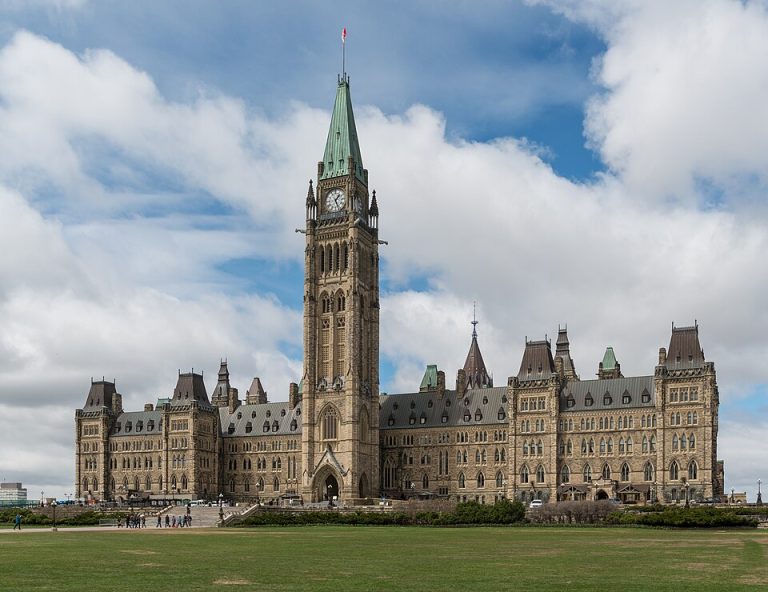
The Centre Block on Parliament Hill, Ottawa, photographed in 2016; a general image of the federal Parliament, not of the Equalization program.
CA-K070Economy & trade

Equalization addresses fiscal disparities among provinces

Equalization is the Government of Canada’s transfer program for addressing fiscal disparities among provinces. It began in 1957, its payments are unconditional, and section 36(2) of the Constitution Act, 1982 commits Parliament and the Government of Canada to the principle of making equalization payments.

Factual accuracy review: No recorded challenge

Contributor: Citizen.ca

Verified against cited sourcesVerified on 2026-10-26↗
Photo: Ken Lund from Reno, Nevada, USA · Photo licence: CC BY-SA 2.0 · Credit & context