
An independent Canadian knowledge project

Focused and Verified

Canadian knowledge base

Search by keyword

Choose one keyword, or combine two. Broader keywords include their descendants.

Keywords: Visual arts and design

Clear search
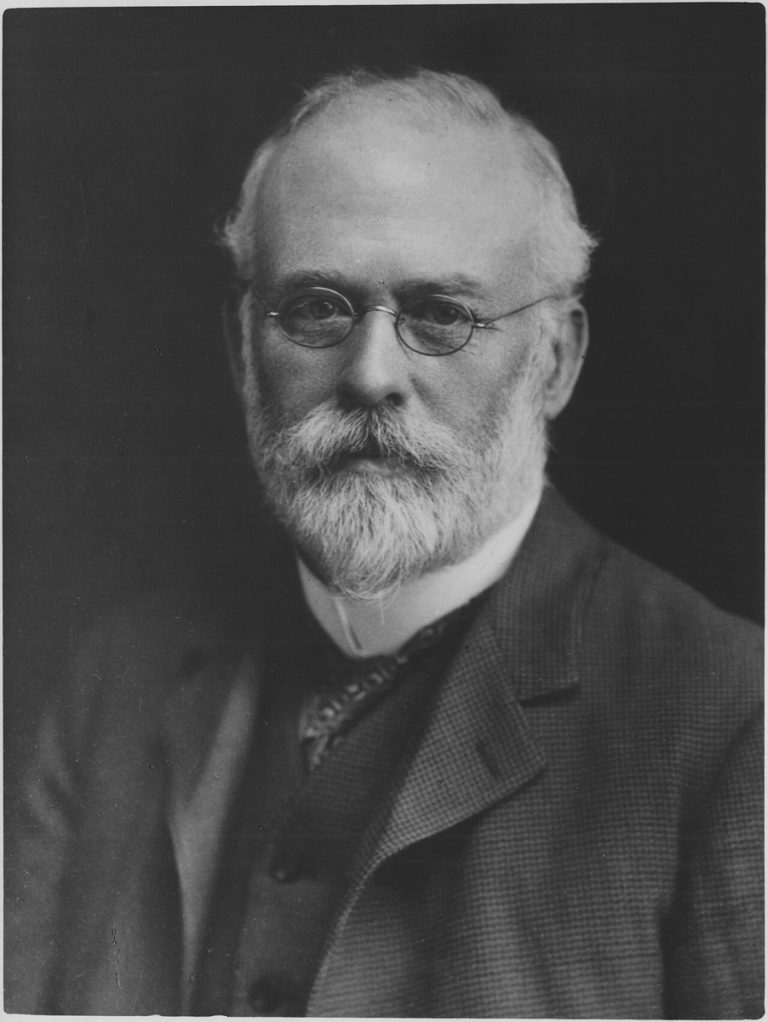
Robert Harris, C.M.G., R.C.A. (Archives of Ontario).
CA-K835Culture & sport

Robert Harris, painter of the Fathers of Confederation

Robert Harris, born in Wales, came to Prince Edward Island in 1856 and studied art in Charlottetown, Boston, London, Paris and Rome. One of Canada’s leading portrait painters and a long-time teacher, he was an original member of the Royal Canadian Academy and its president from 1890 to 1903. He is best known for his painting of the Fathers of Confederation.

Factual accuracy review: No recorded challenge

Contributor: Citizen.ca

Verified against cited sourcesVerified on 2026-10-26↗
Photo: Unknown photographer; Archives of Ontario · Photo licence: Public domain · Credit & context
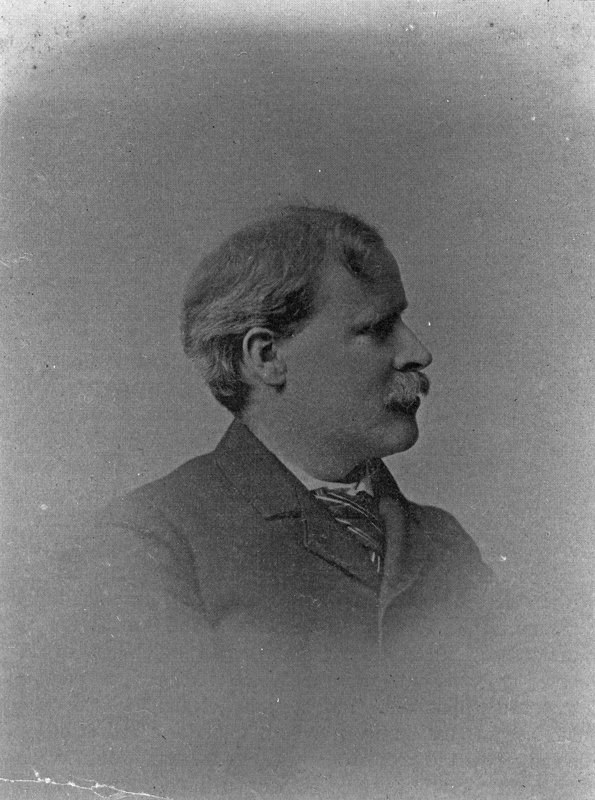
John Wilson Bengough, 1900.
CA-K795Culture & sport

J.W. Bengough, cartoonist of Grip

John Wilson Bengough of Toronto was a cartoonist, journalist, poet and lecturer working in several literary and visual forms. In 1873 he founded Grip, a weekly humour magazine where many of his best-known cartoons first appeared. He later drew for the Montreal Star and the Globe, and published A Caricature History of Canadian Politics (1886) and two books of poems.

Factual accuracy review: No recorded challenge

Contributor: Citizen.ca

Verified against cited sourcesVerified on 2026-10-26↗
Photo: Unknown author · Photo licence: Public domain · Credit & context
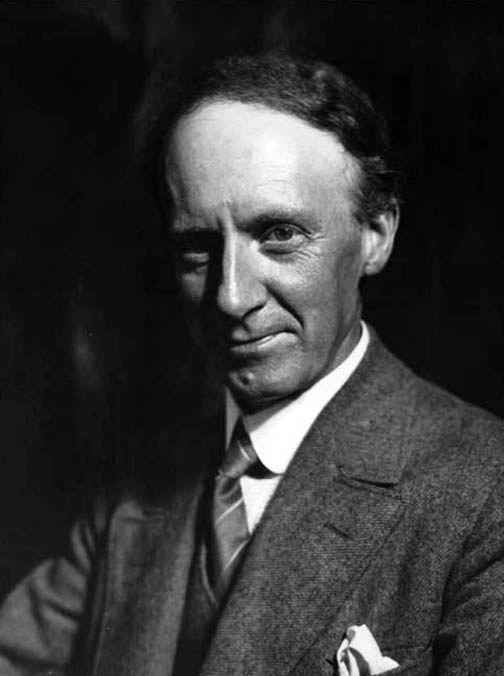
J. E. H. MacDonald (Archives of Ontario).
CA-K579Culture & sport

J. E. H. MacDonald, painter of the Group of Seven

J. E. H. MacDonald, painter, designer and poet, was a founding member of the Group of Seven and a key figure in creating a national style of landscape painting. A talented graphic designer of Canadian motifs, he painted southern Ontario farmland, Algoma’s autumn colours, Nova Scotia shores and the Rockies, and inspired students at the Ontario College of Art.

Factual accuracy review: No recorded challenge

Contributor: Citizen.ca

Verified against cited sourcesVerified on 2026-10-26↗
Photo: Unknown photographer; Archives of Ontario · Photo licence: Public domain · Credit & context
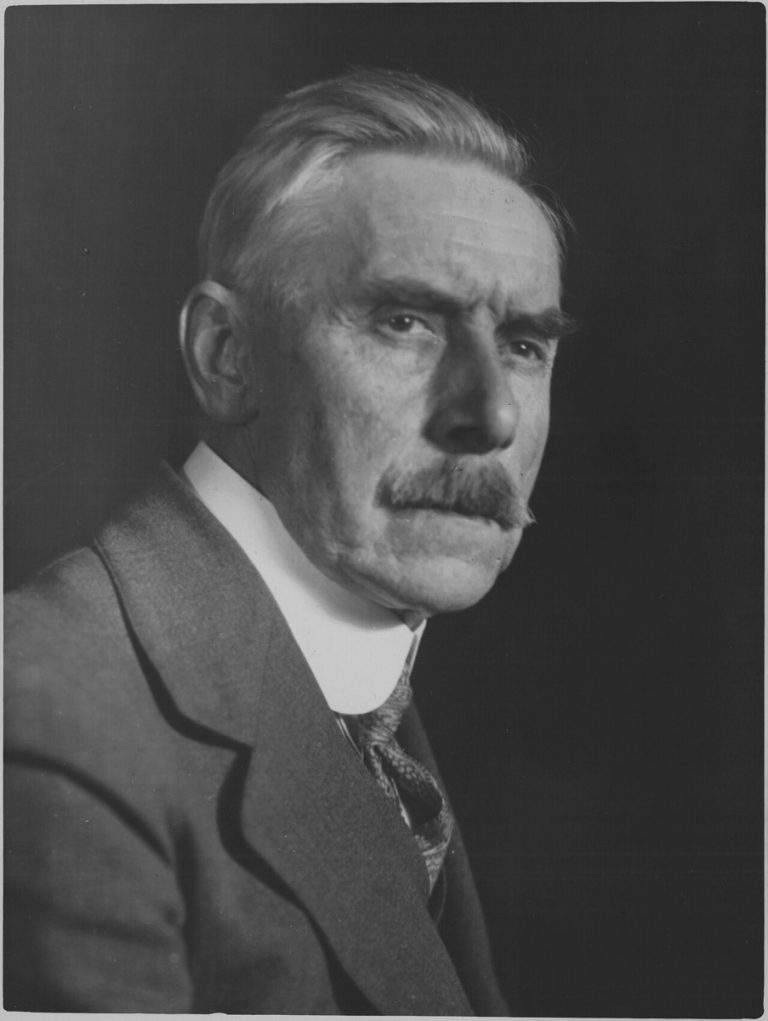
Charles William Jefferys, 1930 (M. O. Hammond, Archives of Ontario).
CA-K578Culture & sport

C. W. Jefferys, illustrator of Canadian history

Charles William Jefferys, who came to Canada from England in 1879, was a writer, artist and illustrator of historical novels and textbooks and taught drawing and painting at the University of Toronto from 1912 to 1939. He is best known for his carefully researched historical drawings, such as those in his three-volume Picture Gallery of Canadian History.

Factual accuracy review: No recorded challenge

Contributor: Citizen.ca

Verified against cited sourcesVerified on 2026-10-26↗
Photo: Melvin Ormond Hammond · Photo licence: Public domain · Credit & context
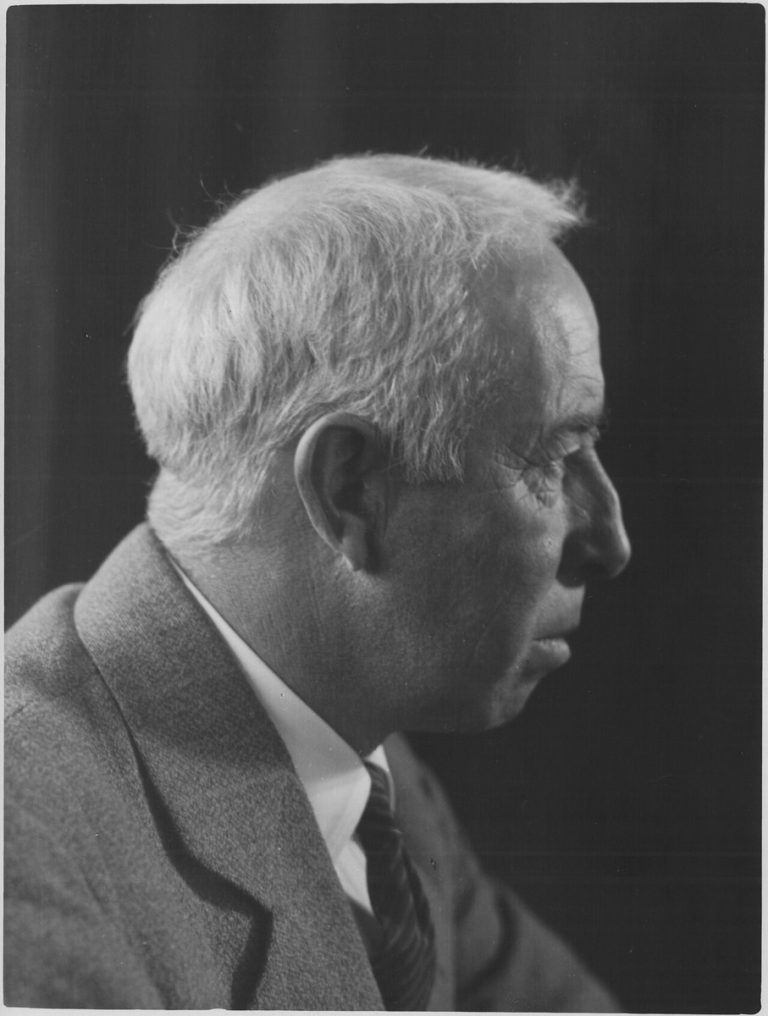
A. Y. Jackson, 1930 (Archives of Ontario).
CA-K574Culture & sport

A. Y. Jackson, painter of the Group of Seven

A. Y. Jackson, born in Montréal, studied painting there and in Paris, served overseas in the First World War and was a member of the Group of Seven from 1920 to 1933. His simple, rounded forms in wilderness landscapes gave a powerful image of Canada, and he greatly influenced a generation of Canadian artists.

Factual accuracy review: No recorded challenge

Contributor: Citizen.ca

Verified against cited sourcesVerified on 2026-10-26↗
Photo: Unknown photographer (1930); Archives of Ontario, I0007815 · Photo licence: Public domain · Credit & context
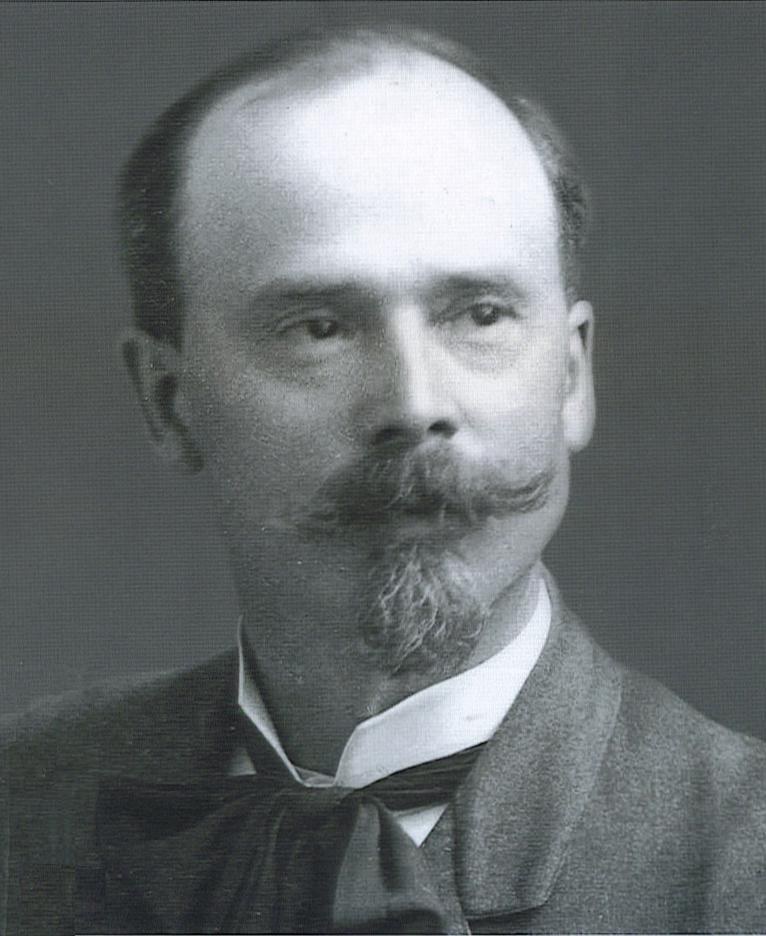
Louis-Philippe Hébert, around 1898 (Wm. Notman & Son).
CA-K538Culture & sport

Louis-Philippe Hébert, sculptor

Louis-Philippe Hébert was a Canadian sculptor known for public monuments. After carving wood figures for churches in Ottawa and Montréal, he made bronze statues such as Cartier on Parliament Hill and won renown for the sculptures on the façade of the Quebec legislature, his Maisonneuve monument in Montréal and the Macdonald monument in Ottawa.

Factual accuracy review: No recorded challenge

Contributor: Citizen.ca

Verified against cited sourcesVerified on 2026-10-26↗
Photo: William Notman & Son · Photo licence: Public domain · Credit & context
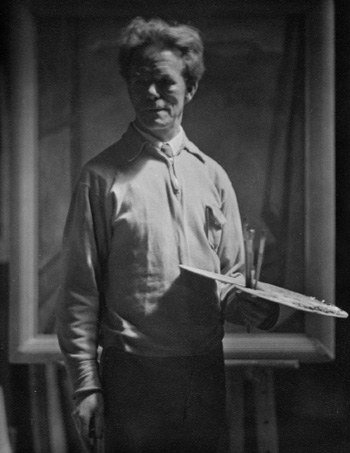
Frederick Varley, probably in Vancouver, 1927 (John Vanderpant).
CA-K484Culture & sport

Frederick Varley, painter of the Group of Seven

Frederick Varley, a founding member of the Group of Seven, helped establish a national style of painting the Canadian landscape. A masterful portraitist and an official First World War artist, he moved to teach on the West Coast in 1926, and his unconventional use of colour to convey emotion is a singular contribution to Canadian art.

Factual accuracy review: No recorded challenge

Contributor: Citizen.ca

Verified against cited sourcesVerified on 2026-10-26↗
Photo: John Vanderpant · Photo licence: Public domain · Credit & context
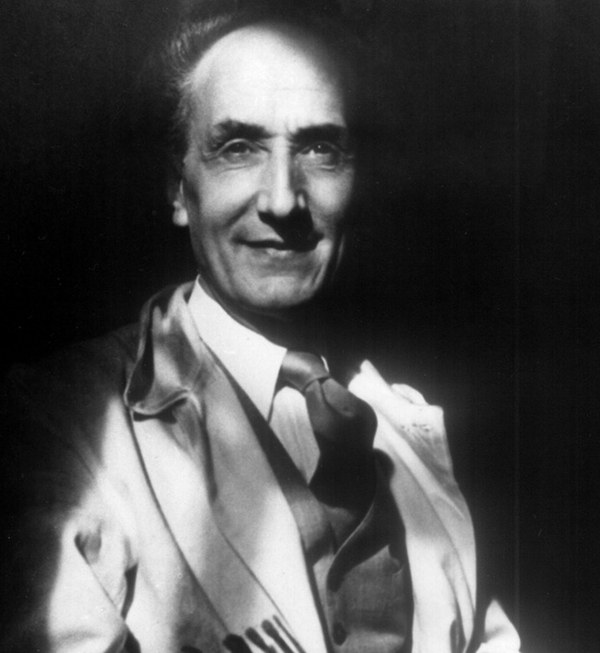
Guido Nincheri, around 1945.
CA-K462Culture & sport

Guido Nincheri, church artist of Montréal

Guido Nincheri had a major impact on church decoration in Canada in the first half of the 20th century, mastering buon fresco, painting on fresh plaster, which was rarely used in North America, and designing many church interiors and stained-glass windows. Detained during the internment of Italian Canadians in the Second World War, he later worked in the United States while keeping his Montréal studio.

Factual accuracy review: No recorded challenge

Contributor: Citizen.ca

Verified against cited sourcesVerified on 2026-10-26↗
Photo: Paul Provencher [2] (dead link) [3] (1902-1982) [4] · Photo licence: Public domain · Credit & context
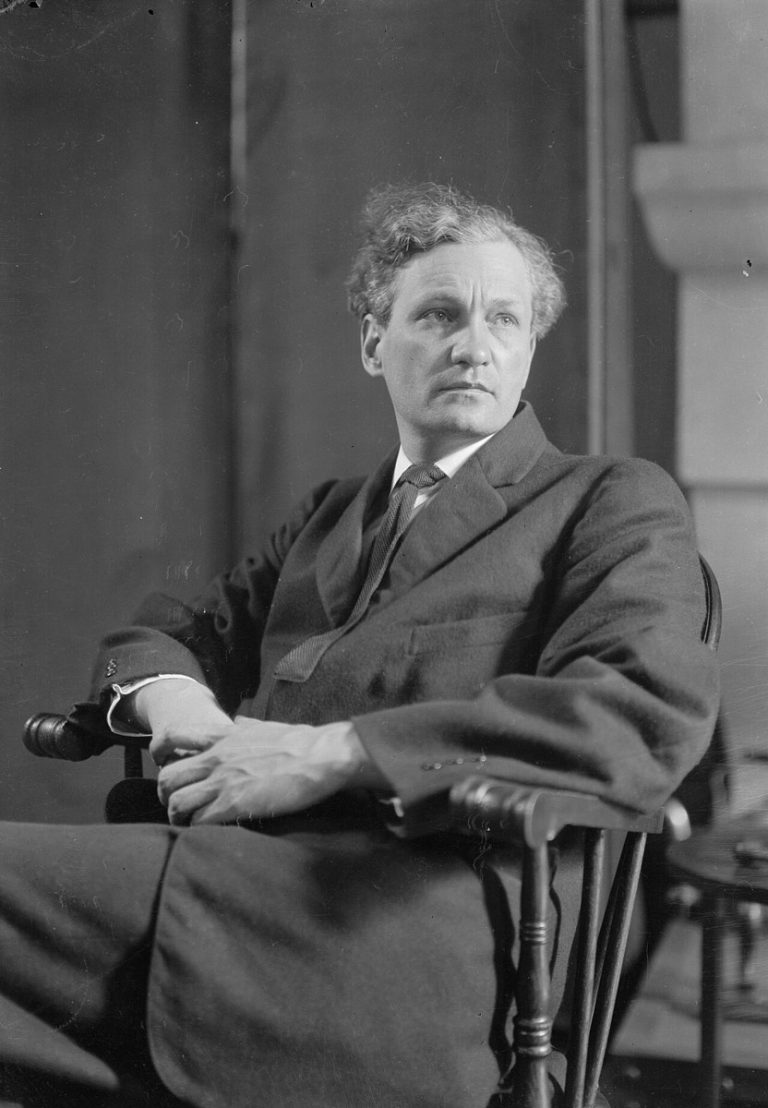
Walter Allward in July 1913 (Archives of Ontario).
CA-K225Culture & sport

Walter Allward, sculptor of the Vimy Memorial

Walter Allward (1876–1955), sculptor of some of Canada’s finest public monuments, is best known for his masterpiece, the Canadian National Vimy Memorial in France. A leading figure in the shift from Victorian sculptural conventions to 20th-century forms, he combined expressive classical figures with dramatic settings in works such as the Bell Memorial.

Factual accuracy review: No recorded challenge

Contributor: Citizen.ca

Verified against cited sourcesVerified on 2026-10-26↗
Photo: · Photo licence: Public domain · Credit & context