An independent Canadian knowledge project

Focused and Verified

Canadian knowledge base

Search by keyword

Choose one keyword, or combine two. Broader keywords include their descendants.

Keywords: Military service and remembrance

Clear search
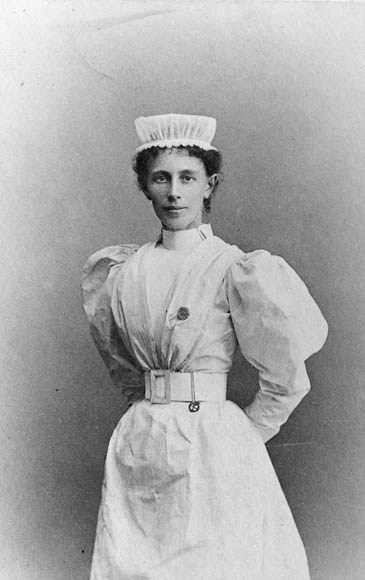
Georgina Pope, head nurse of the first Canadian contingent, around 1898.
CA-K520History

Georgina Fane Pope and Canadian military nursing

Georgina Fane Pope of Charlottetown was chosen in 1899 to lead Canada’s military nurses in the South African War and became the first Canadian to receive the Royal Red Cross. Appointed to the permanent Army Medical Corps in 1906, she became Canada’s first military nursing matron in 1908, in charge of all Canadian military nurses.

Factual accuracy review: No recorded challenge

Contributor: Citizen.ca

Verified against cited sourcesVerified on 2026-10-26↗
Photo: A.G. Pittaway · Photo licence: Public domain · Credit & context
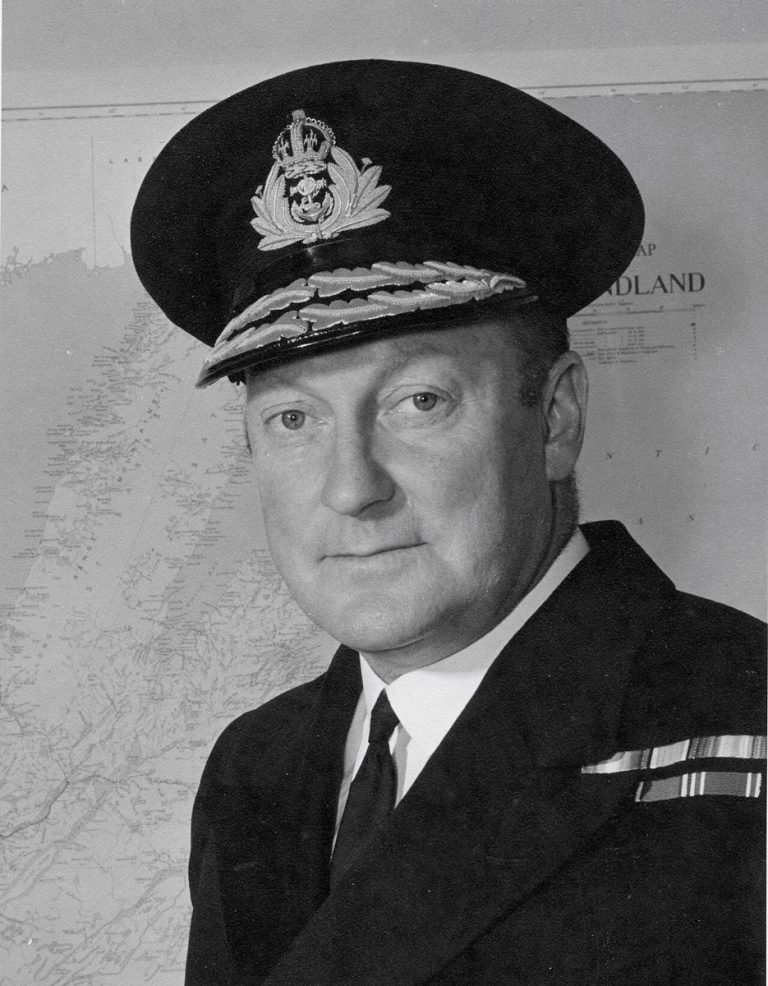
Rear Admiral Leonard Murray in 1943 (Department of National Defence).
CA-K509History

Rear Admiral Leonard Murray and the Atlantic convoys

Leonard Warren Murray of Pictou County joined the navy as a cadet in 1911. As commander of the Newfoundland Escort Force and, from 1943, Commander-in-Chief Canadian North West Atlantic, he was a principal architect of the Allies’ North Atlantic convoy system in the Second World War.

Factual accuracy review: No recorded challenge

Contributor: Citizen.ca

Verified against cited sourcesVerified on 2026-10-26↗
Photo: Unknown author · Photo licence: Public domain · Credit & context
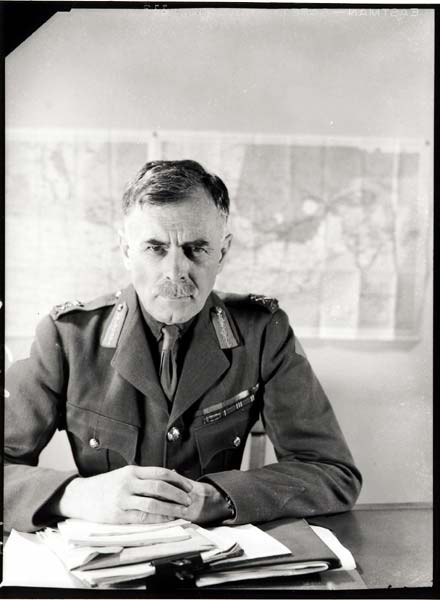
Lieutenant-General A. G. L. McNaughton in March 1942 (Department of National Defence).
CA-K387History

A. G. L. McNaughton, soldier and scientist

A. G. L. McNaughton (1887–1966), born in Moosomin in today’s Saskatchewan, played a notable role in Canadian life as a scientist, soldier, politician and diplomat. He served as an artillery officer in the First World War, co-invented the forerunner of radar, led the National Research Council, and represented Canada in senior diplomatic roles after the Second World War.

Factual accuracy review: No recorded challenge

Contributor: Citizen.ca

Verified against cited sourcesVerified on 2026-10-26↗
Photo: Unknown author · Photo licence: Public domain · Credit & context
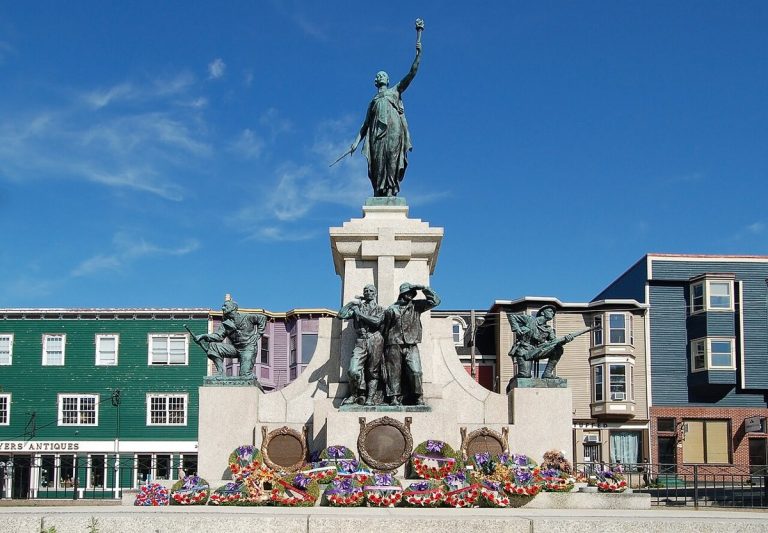
The Newfoundland National War Memorial in St. John’s, photographed in 2008.
CA-K339History

The Newfoundland National War Memorial

The Newfoundland National War Memorial in St. John’s, unveiled in 1924, commemorates the Dominion of Newfoundland’s contributions to the First World War. An allegorical female figure stands above bronze figures representing the Royal Newfoundland Regiment, Royal Naval Reserve, Mercantile Marine and Forestry Corps, beside the harbour where soldiers departed and returned.

Factual accuracy review: No recorded challenge

Contributor: Citizen.ca

Verified against cited sourcesVerified on 2026-10-26↗
Photo: Nilfanion · Photo licence: CC BY-SA 4.0 · Credit & context
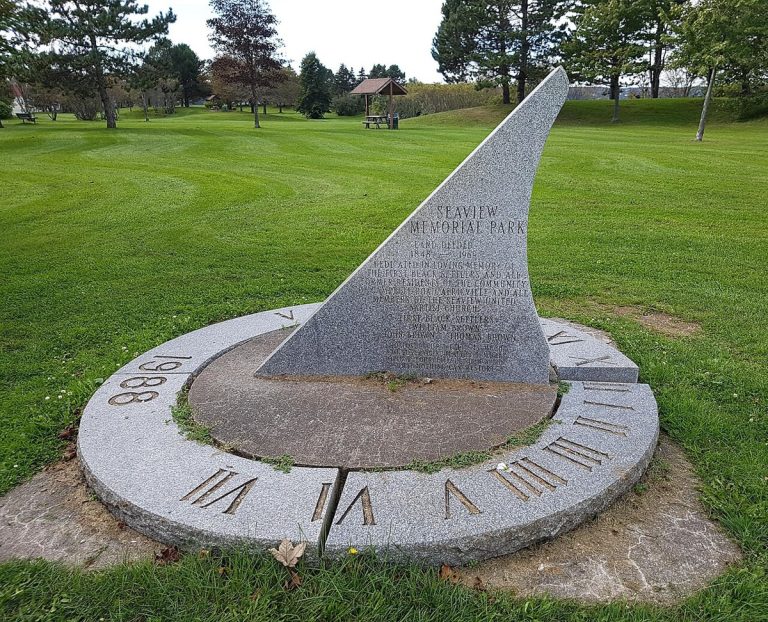
The Africville Monument at Seaview Memorial Park, Halifax, listing the community’s founding families, photographed in 2017.
CA-K311History

Africville, a site of remembrance

Africville, on Bedford Basin in Halifax, was a Black community settled in the 1830s and 1840s, with its own school and church. Its houses were demolished in the 1960s in the name of urban renewal and the land became Seaview Park; the clearance became an enduring symbol to Black Canadians of the need to defend their institutions, and the site is now a place of remembrance and pilgrimage.

Factual accuracy review: No recorded challenge

Contributor: Citizen.ca

Verified against cited sourcesVerified on 2026-10-26↗
Photo: Coastal Elite from Halifax, Canada · Photo licence: CC BY-SA 2.0 · Credit & context
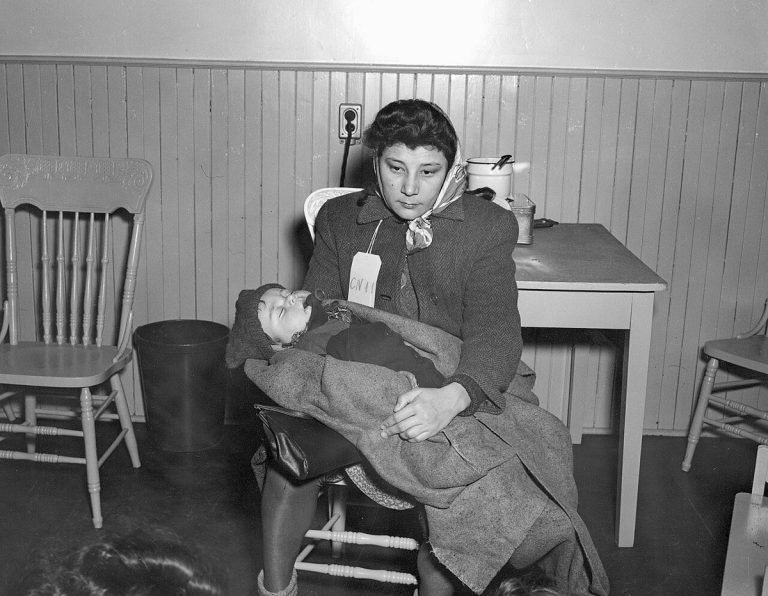
An immigrant woman with her baby at Pier 21, Halifax, in 1948 (photograph by E. A. Bollinger).
CA-K249History

Displaced persons arrive after the Second World War

After the Second World War, nearly 187,000 people fled devastated Europe for Canada, including Holocaust survivors, former prisoners of war and thousands unable or unwilling to return home; most arrived by ship between 1947 and 1952. Many first worked as labourers despite professional training, and their arrival strengthened calls to recognize Canada’s growing cultural diversity.

Factual accuracy review: No recorded challenge

Contributor: Citizen.ca

Verified against cited sourcesVerified on 2026-10-26↗
Photo: E.A. Bollinger · Photo licence: Public domain · Credit & context
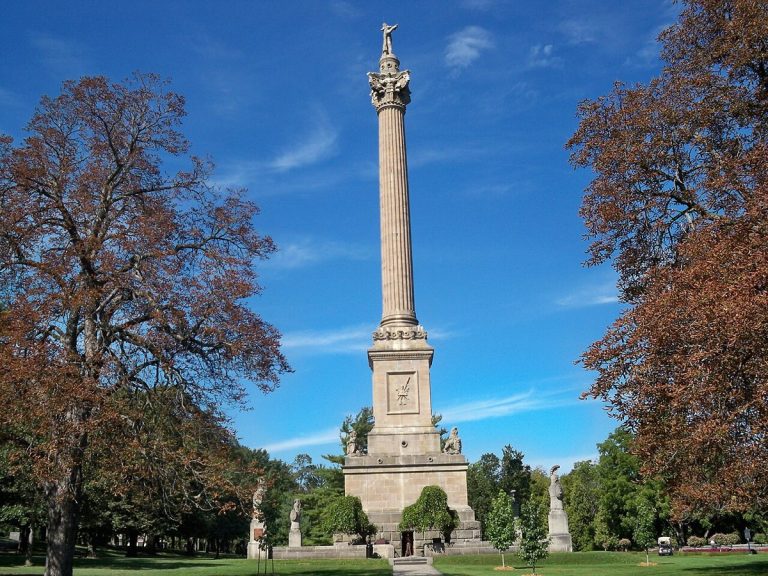
Brock’s Monument at Queenston Heights, Ontario, site of a War of 1812 battle in which the Colored Corps fought, photographed in 2012.
CA-K248History

Black militia units in Upper Canada, 1812–1850

Upper Canadians of African descent served in the militia to share in the duties and rights of British subjects. In the War of 1812, many joined regular units or the segregated Colored Corps, which worked on fortifications and fought at Queenston Heights and other Niagara battles; they also served during the Upper Canada Rebellion, many until 1850.

Factual accuracy review: No recorded challenge

Contributor: Citizen.ca

Verified against cited sourcesVerified on 2026-10-26↗
Photo: Mmcintyre · Photo licence: CC BY-SA 3.0 · Credit & context
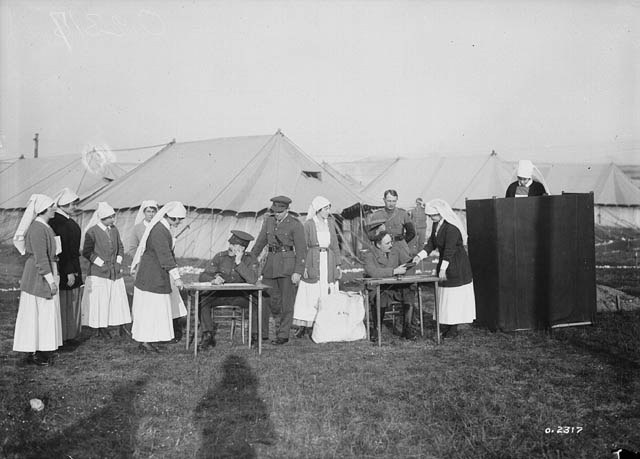
Nursing Sisters at a Canadian hospital in France voting in the 1917 federal election (photograph by William Rider-Rider).
CA-K246History

Nursing Sisters, the first women with military rank

Canadian military nurses have cared for the sick and wounded in battle since 1885. In 1904, professional nurses joined the Canadian Army Medical Corps as Nursing Sisters, the first women in the British Empire to receive military rank; in the two world wars hundreds were decorated and dozens died from enemy action.

Factual accuracy review: No recorded challenge

Contributor: Citizen.ca

Verified against cited sourcesVerified on 2026-10-26↗
Photo: William Rider-Rider · Photo licence: Public domain · Credit & context
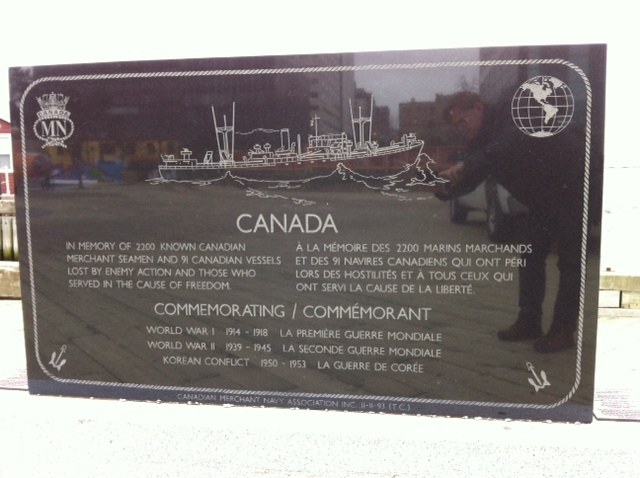
The Merchant Marine Monument at Sackville Landing, Halifax, photographed in 2013.
CA-K245History

The Canadian Merchant Navy in the Second World War

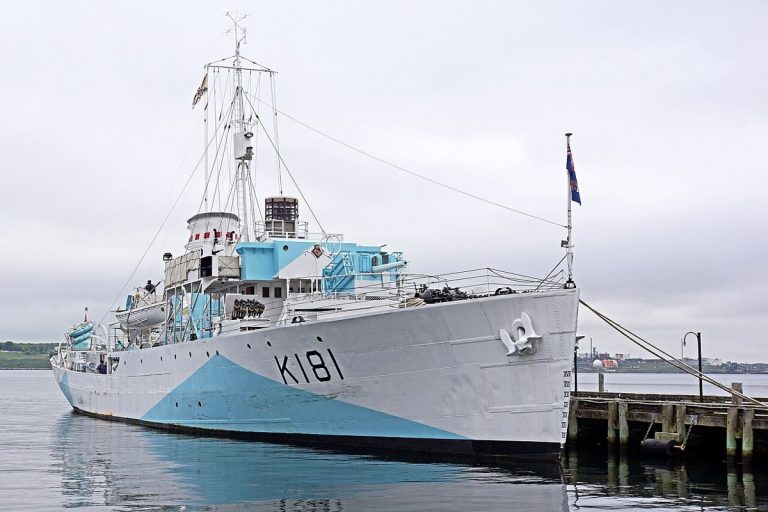
In the Second World War, the Canadian Merchant Navy contributed decisively to Allied victory by carrying troops and supplies to war zones around the world. Merchant mariners, men and women, faced the constant threat of enemy attack as well as the dangers of the open sea, and many lost their lives.

Factual accuracy review: No recorded challenge

Contributor: Citizen.ca

Verified against cited sourcesVerified on 2026-10-26↗
Photo: Hantsheroes · Photo licence: CC BY-SA 3.0 · Credit & context
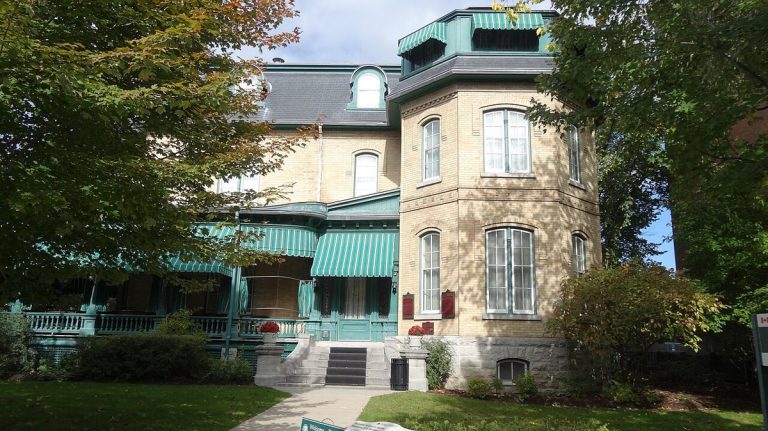
Laurier House in Ottawa, Prime Minister Mackenzie King’s home, next to which the unit worked from 1942 to 1945; photographed in 2014.
CA-K243History

The Examination Unit, Canada’s wartime codebreakers

The Examination Unit (1941–1945) was Canada’s secret civilian cryptographic bureau in the Second World War, working within the National Research Council; women made up about 40% of its staff. It helped the Allies decrypt French, German and Japanese messages and paved the way for the Communications Security Establishment, founded in 1975.

Factual accuracy review: No recorded challenge

Contributor: Citizen.ca

Verified against cited sourcesVerified on 2026-10-26↗
Photo: Suwannee.payne · Photo licence: CC BY-SA 3.0 · Credit & context
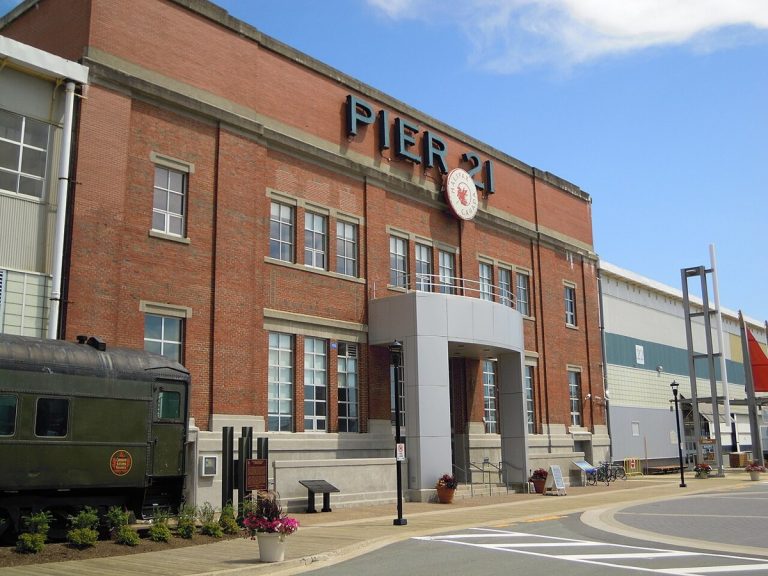
Pier 21 in Halifax, now the Canadian Museum of Immigration, photographed in 2010.
CA-K202History

Some 48,000 war brides arrived at Pier 21

Between 1942 and 1948, some 48,000 women, mostly from Great Britain, and 22,000 children arrived at Pier 21 in Halifax as the families of Canadian servicemen stationed abroad during the Second World War. The federal government provided their transportation and information about Canada, and war bride clubs across the country helped them adapt.

Factual accuracy review: No recorded challenge

Contributor: Citizen.ca

Verified against cited sourcesVerified on 2026-10-26↗
Photo: Skeezix1000 · Photo licence: CC BY-SA 3.0 · Credit & context
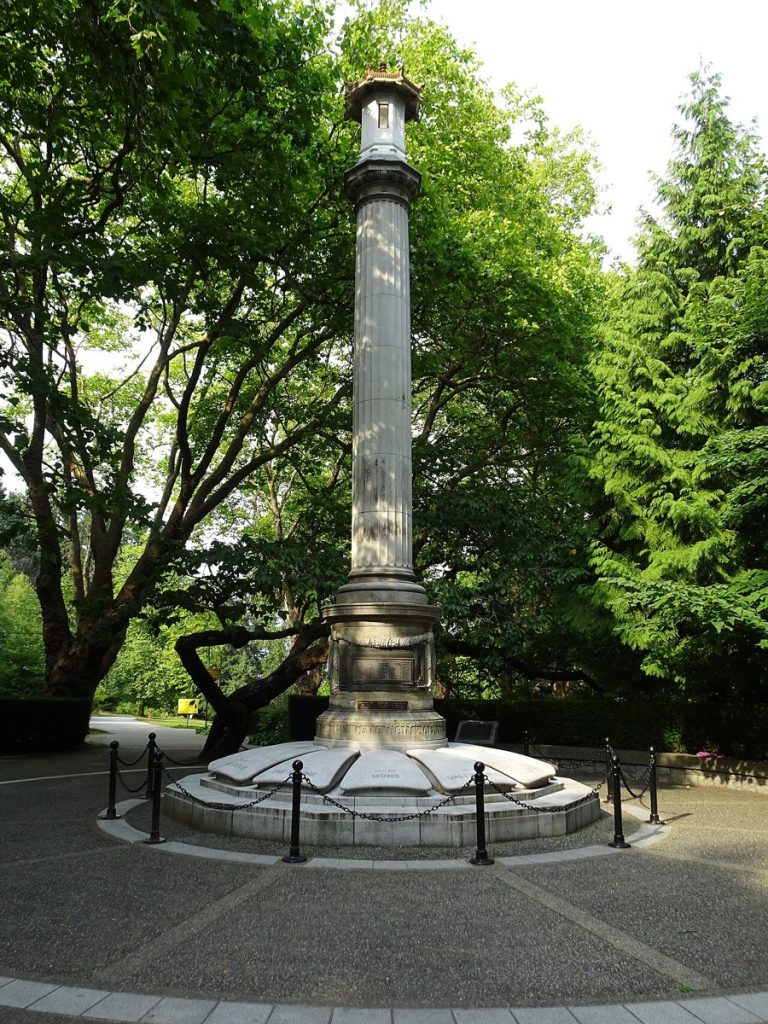
The Japanese Canadian War Memorial in Stanley Park, Vancouver, photographed in 2026.
CA-K182History

Japanese Canadian soldiers and the 1931 vote

During the First World War, 222 Japanese Canadian soldiers overcame barriers to enlistment and prejudice to fight on the Western Front between 1916 and 1918; a quarter of them died in battle. In 1931, the returning veterans became the first group of Asian Canadians to win the right to vote in British Columbia.

Factual accuracy review: No recorded challenge

Contributor: Citizen.ca

Verified against cited sourcesVerified on 2026-10-26↗
Photo: Spudgun67 · Photo licence: CC0 · Credit & context
The Six Nations Sports & Cultural Memorial Centre in Ohsweken, Six Nations of the Grand River, in 2024.
CA-K179Indigenous peoples & reconciliation

Edith Anderson Monture, nurse and veteran

Charlotte Edith Anderson Monture (1890–1996), a Kanien’kehá:ka (Mohawk) woman from Six Nations of the Grand River, was among the first generation of hospital-trained professional nurses from First Nations in Canada. After nursing with the American Expeditionary Force in the First World War, she was among the female veterans granted the federal vote in 1917, and returned home in 1919 as a nurse and midwife.

Factual accuracy review: No recorded challenge

Contributor: Citizen.ca

Verified against cited sourcesVerified on 2026-10-26↗
Photo: JFVoll · Photo licence: CC BY-SA 4.0 · Credit & context
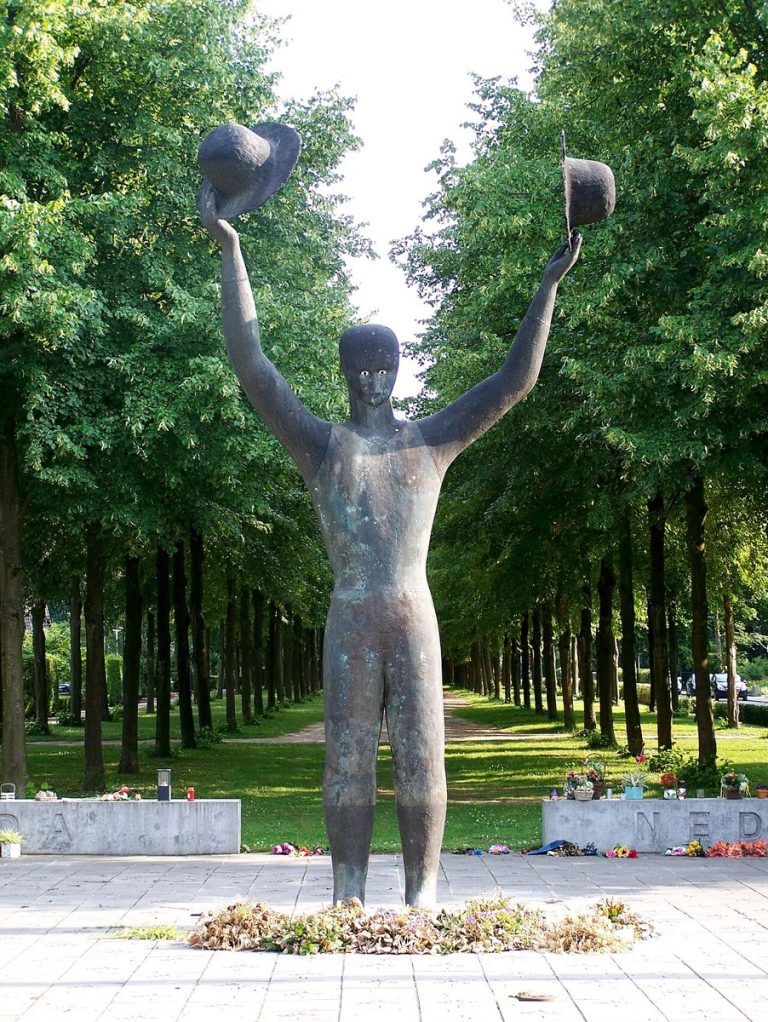
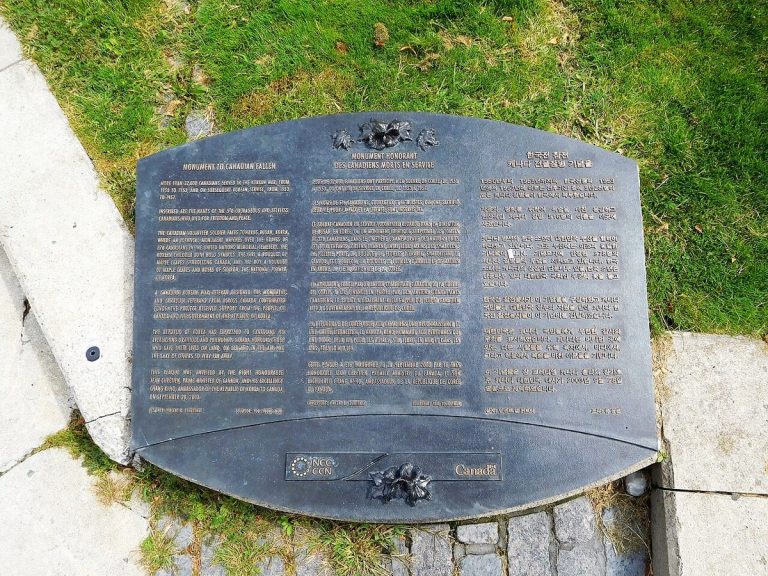
The National Canadian Liberation Monument in Apeldoorn, the Netherlands, photographed in 2009.
CA-K170History

Canadians and the liberation of the Netherlands

Between October 1944 and May 1945, the Canadian military opened the Scheldt estuary and the port of Antwerp to Allied supplies, cleared much of the Netherlands of the enemy and fed a starving Dutch population. On 5 May 1945 in Wageningen, German forces surrendered to Canadian Lieutenant-General Charles Foulkes and Prince Bernhard of the Netherlands.

Factual accuracy review: No recorded challenge

Contributor: Citizen.ca

Verified against cited sourcesVerified on 2026-10-26↗
Photo: Brbbl · Photo licence: CC BY-SA 3.0 · Credit & context
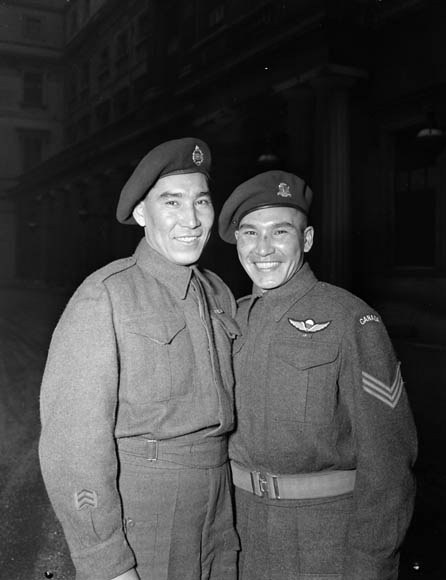
Sergeant Tommy Prince (right) with his brother, Private Morris Prince, at Buckingham Palace, 12 February 1945.
CA-K159Indigenous peoples & reconciliation

Tommy Prince, Anishinaabe veteran and activist

Tommy Prince (1915–1977), an Anishinaabe veteran, was a founding member of the 1st Canadian Parachute Battalion and the First Special Service Force (Devil’s Brigade) in the Second World War, and served in the Korean War. He represented Manitoba First Nations’ interests nationally, and his story illustrates both First Nations soldiers’ contributions and their poor treatment on returning home.

Factual accuracy review: No recorded challenge

Contributor: Citizen.ca

Verified against cited sourcesVerified on 2026-10-26↗
Photo: Christopher J. Woods - Canada. Dept. of National Defence · Photo licence: Public domain · Credit & context
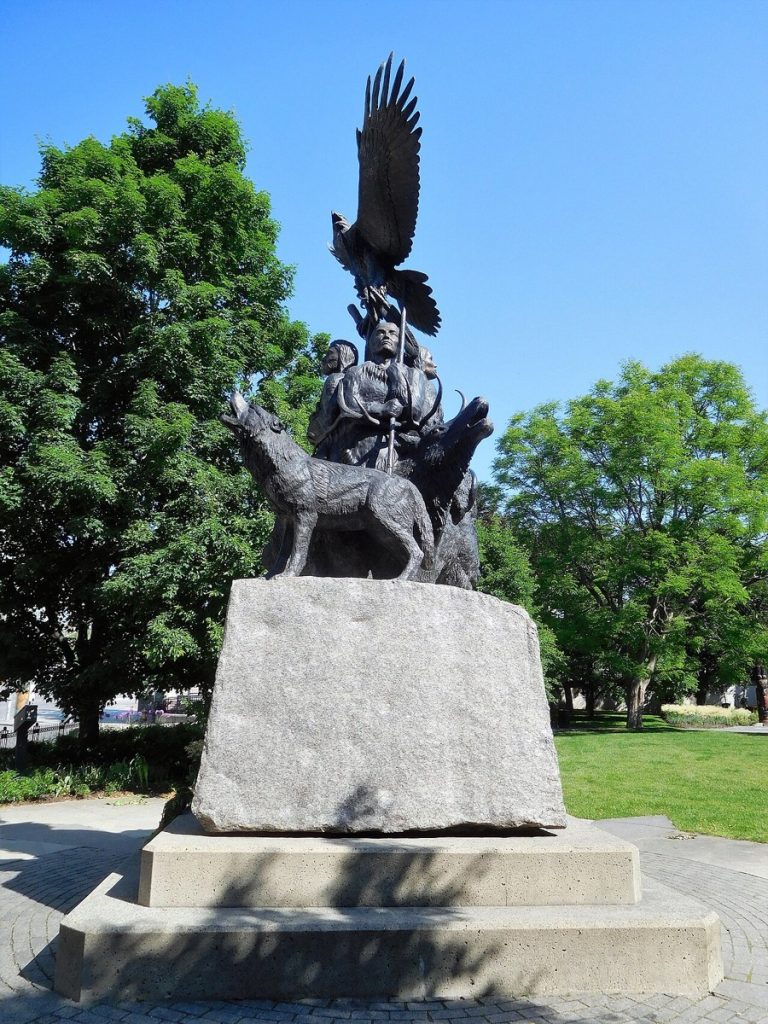
The National Aboriginal Veterans Monument in Confederation Park, Ottawa, photographed in 2019.
CA-K156Indigenous peoples & reconciliation

Indigenous soldiers in the First World War

During the First World War, Indigenous people volunteered in significant numbers, even though many were denied the right to vote; it was the first time Canada’s forces integrated a substantial number of Indigenous men as individual soldiers. As veterans, they were an active force behind the League of Indians of Canada, the first organization to give their communities a national voice.

Factual accuracy review: No recorded challenge

Contributor: Citizen.ca

Verified against cited sourcesVerified on 2026-10-26↗
Photo: Jeangagnon · Photo licence: CC BY-SA 4.0 · Credit & context
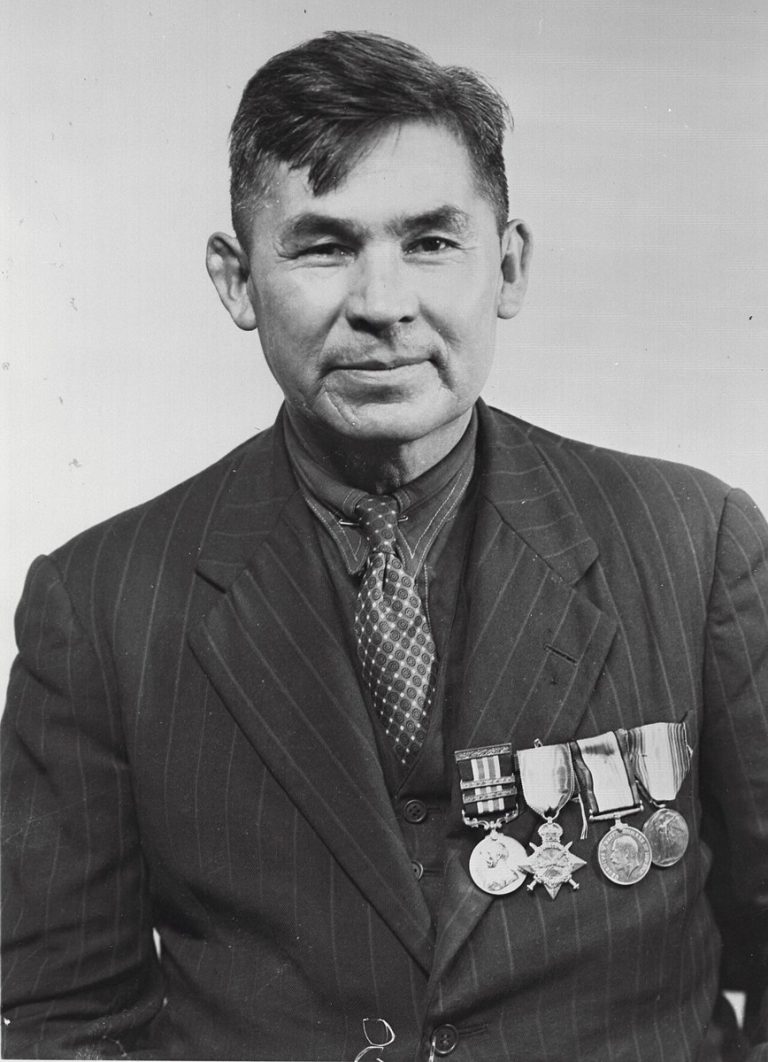
Francis Pegahmagabow in 1945, at a conference in Ottawa, photographed by Marius Barbeau.
CA-K138Indigenous peoples & reconciliation

Francis Pegahmagabow, soldier and rights advocate

Francis Pegahmagabow, an Ojibwe Nishnaabe of Wasauksing First Nation, was a highly decorated First World War sniper and scout who received the Military Medal and two bars for bravery. Facing discrimination under the Indian Act after the war, he became a political leader in his community and nationally, fighting for treaty rights from the 1920s to the 1950s.

Factual accuracy review: No recorded challenge

Contributor: Citizen.ca

Verified against cited sourcesVerified on 2026-10-26↗
Photo: Marius Barbeau · Photo licence: Public domain · Credit & context