An independent Canadian knowledge project

Focused and Verified

Canadian knowledge base

Search by keyword

Choose one keyword, or combine two. Broader keywords include their descendants.

Keywords: Record types

Clear search
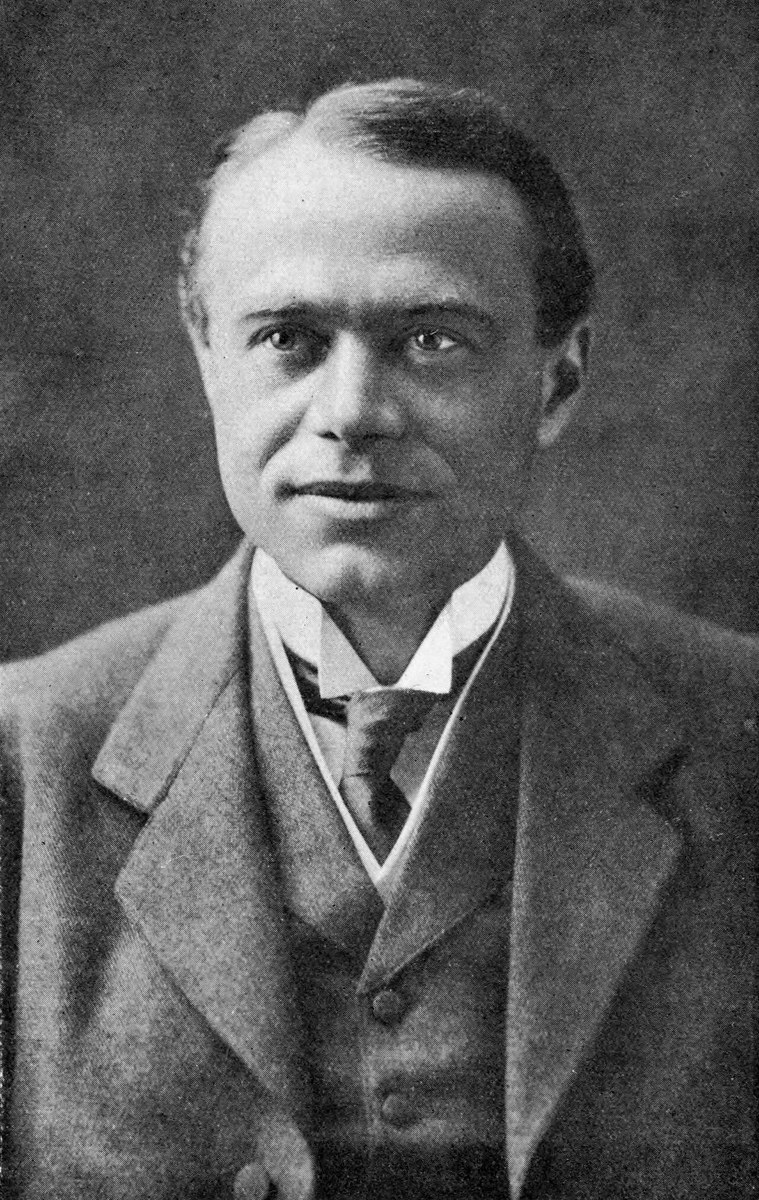
Max Aitken, Lord Beaverbrook, around 1918.
CA-K714Economy & trade

Max Aitken, Lord Beaverbrook

Max Aitken, Lord Beaverbrook, was an important and controversial Canadian financier and the outspoken owner of a British newspaper empire. In the First World War he shaped how Canada’s effort was seen and remembered through the war art program; as Britain’s Minister of Aircraft Production in the Second World War he drove Spitfire production, and he was a leading benefactor of the University of New Brunswick and founder of the Beaverbrook Art Gallery.

Factual accuracy review: No recorded challenge

Contributor: Citizen.ca

Verified against cited sourcesVerified on 2026-10-26↗
Photo: M. S. Kay, Bolton · Photo licence: Public domain · Credit & context
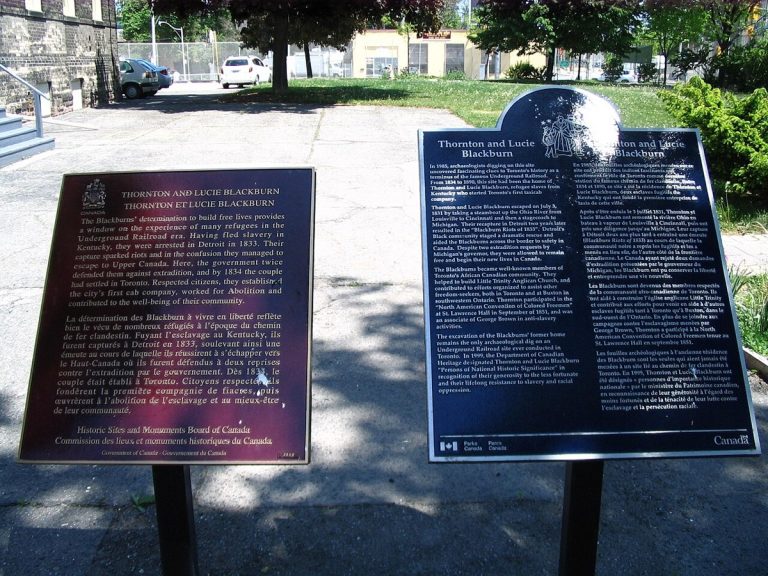
Plaques commemorating Thornton and Lucie Blackburn in Toronto, 2009.
CA-K712History

Thornton and Lucie Blackburn, freedom-seekers in Toronto

Thornton and Lucie Blackburn fled slavery in Kentucky and were arrested in Detroit in 1833; riots over their capture let them escape to Upper Canada, whose government twice refused their extradition. Settling in Toronto by 1834, they founded the city’s first cab company and worked for abolition and their community.

Factual accuracy review: No recorded challenge

Contributor: Citizen.ca

Verified against cited sourcesVerified on 2026-10-26↗
Photo: Loozrboy from Toronto, Canada · Photo licence: CC BY-SA 2.0 · Credit & context
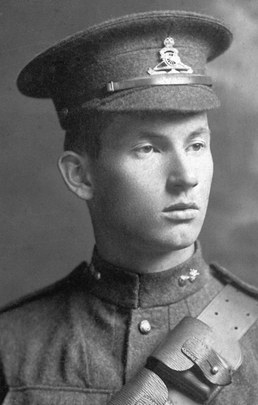
Harold Adams Innis, 1910s.
CA-K711Culture & sport

Harold Innis, historian of staples and communications

Harold Adams Innis, one of Canada’s great scholars, joined the University of Toronto in 1920 and headed its Department of Political Economy from 1937. Through works such as The Fur Trade in Canada, The Cod Fisheries and Empire and Communications, he deeply influenced the study of economics, history, geography, politics and communications.

Factual accuracy review: No recorded challenge

Contributor: Citizen.ca

Verified against cited sourcesVerified on 2026-10-26↗
Photo: Unknown photographer (1910s) · Photo licence: Public domain · Credit & context
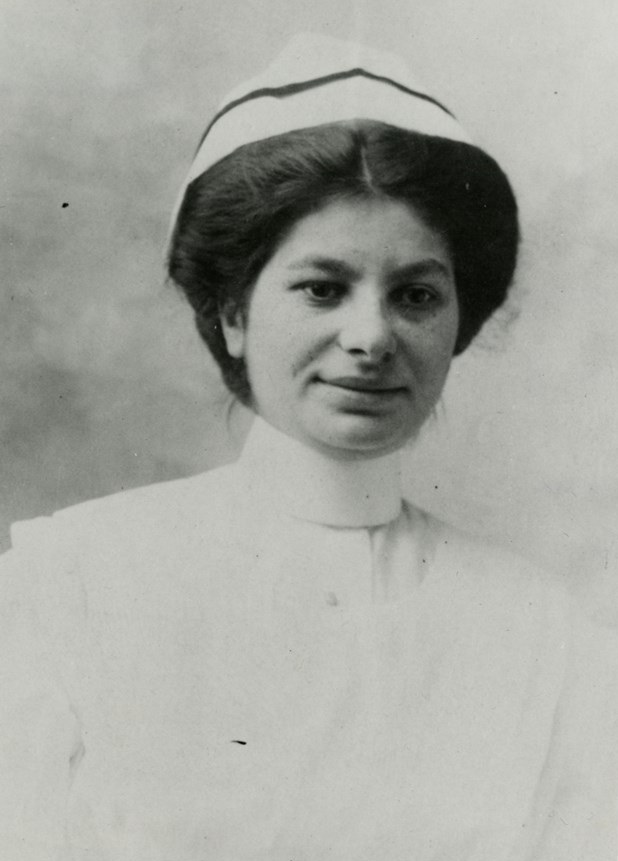
Dora Dworkin in her nurse’s uniform, around 1909 (Ontario Jewish Archives).
CA-K706History

Dorothy Dworkin, nurse and community builder

Dorothy Dworkin, a nurse, midwife and entrepreneur, managed Toronto’s free Jewish Dispensary and helped found Mount Sinai Hospital in the 1920s, which served Jewish Canadians and employed doctors often shut out of hospitals by antisemitism. During the Holocaust she led relief fundraising and, through her family’s steamship agency, helped hundreds of Eastern European Jews settle in Canada.

Factual accuracy review: No recorded challenge

Contributor: Citizen.ca

Verified against cited sourcesVerified on 2026-10-26↗
Photo: Unknown author · Photo licence: Public domain · Credit & context
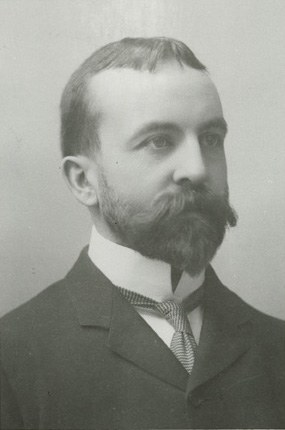
Archibald MacMechan, 1897 (Dalhousie University Archives).
CA-K705Culture & sport

Archibald MacMechan, man of letters at Dalhousie

Archibald MacMechan, born in Berlin (now Kitchener), Ontario, was professor of English at Dalhousie University from 1889 until his death. A book critic for the Montreal Standard for 20 years, he wrote several books about Nova Scotia and edited works by Tennyson and Carlyle, and received the Lorne Pierce Medal in 1932.

Factual accuracy review: No recorded challenge

Contributor: Citizen.ca

Verified against cited sourcesVerified on 2026-10-26↗
Photo: Unknown author · Photo licence: Public domain · Credit & context
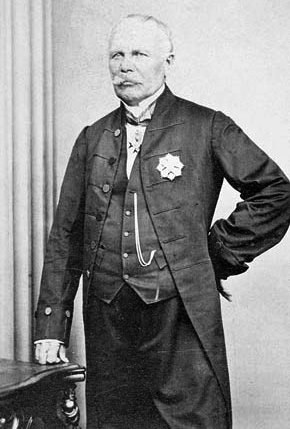
Sir Étienne-Paschal Taché (J.-I. Benoît, Library and Archives Canada).
CA-K702History

Sir Étienne-Paschal Taché, who presided at the Québec Conference

Étienne-Paschal Taché of Montmagny, a physician and soldier who fought at Châteauguay and Plattsburgh in the War of 1812, sat in the legislature and Legislative Council of the Province of Canada. In 1864 he headed the Taché–Macdonald coalition, presided at the Québec Conference and sponsored the Québec Resolutions in the Legislative Council.

Factual accuracy review: No recorded challenge

Contributor: Citizen.ca

Verified against cited sourcesVerified on 2026-10-26↗
Photo: Jules-Isaïe Benoît · Photo licence: Public domain · Credit & context
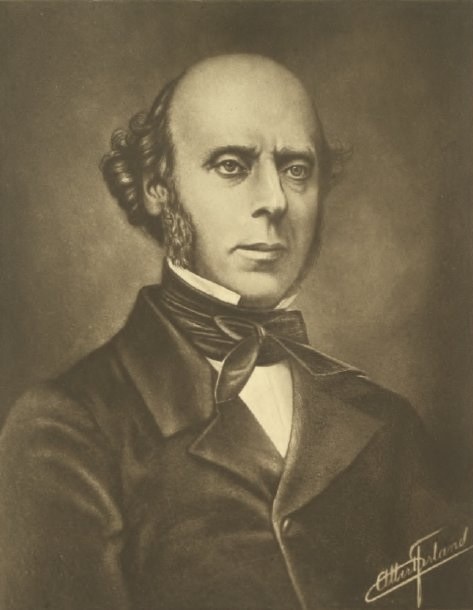
François-Xavier Garneau, portrait published in 1914.
CA-K701Culture & sport

François-Xavier Garneau, historien national

François-Xavier Garneau of Québec City, a notary and city clerk, helped found the Institut canadien de Québec. His History of Canada expressed the surge of French-Canadian national feeling provoked by the Durham Report; his contemporaries called him their historien national, and his work became influential in French-Canadian historical writing.

Factual accuracy review: No recorded challenge

Contributor: Citizen.ca

Verified against cited sourcesVerified on 2026-10-26↗
Photo: Shortt, Adam, 1859-1931 · Photo licence: Public domain · Credit & context
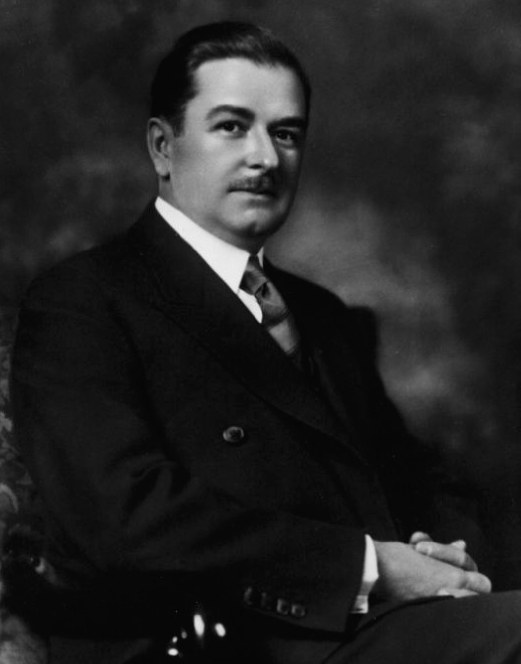
Maurice Duplessis, 1936 (Studio Dupras et Colas).
CA-K700Institutions

Maurice Duplessis and the Union nationale

Maurice Duplessis of Trois-Rivières formed the Union nationale in 1935, an alliance of Conservatives and dissident Liberals that governed Quebec from 1936 to 1939 and from 1944 until his death in 1959. Known as “Le Chef”, he was a colourful and influential figure whose years in office brought frequent controversy, the assertion of Quebec autonomy and major public works.

Factual accuracy review: No recorded challenge

Contributor: Citizen.ca

Verified against cited sourcesVerified on 2026-10-26↗
Photo: Studio Dupras et Colas · Photo licence: Public domain · Credit & context
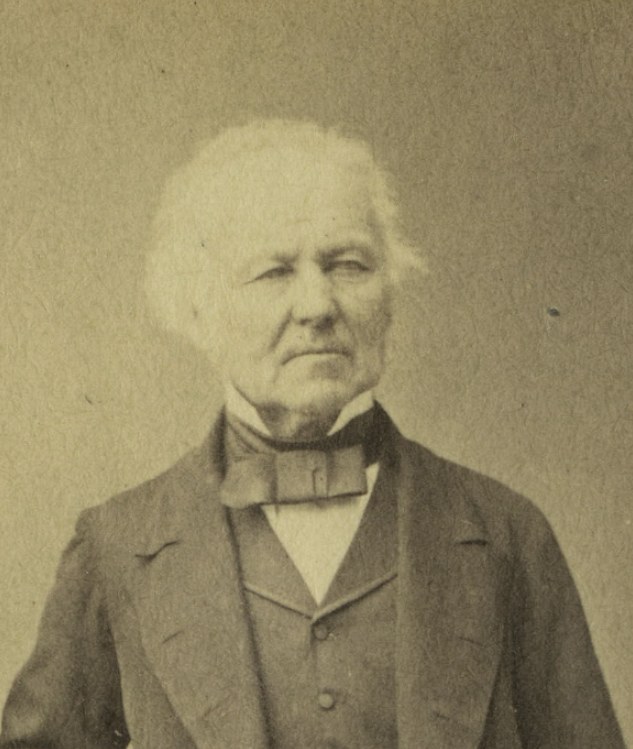
Samuel Cunard, between 1855 and 1865 (Nova Scotia Archives).
CA-K699Economy & trade

Sir Samuel Cunard and transatlantic steamships

Samuel Cunard, born in Halifax of Loyalist parents, built a Maritime empire in banking, lumber, land, coal and above all shipping. A pioneer of transatlantic steam navigation, he won an Admiralty contract in 1839 for scheduled Liverpool–Halifax–Boston mail service, and in July 1840 the Britannia, the first regular Cunarder, crossed in 13 days.

Factual accuracy review: No recorded challenge

Contributor: Citizen.ca

Verified against cited sourcesVerified on 2026-10-26↗
Photo: Unknown author · Photo licence: Public domain · Credit & context
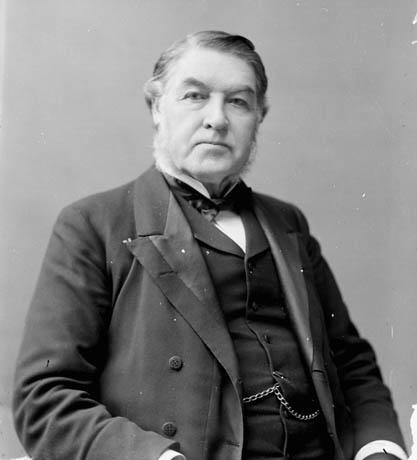
Charles Tupper, 1896 (Topley Studio).
CA-K686Institutions

Sir Charles Tupper, Father of Confederation and prime minister

Charles Tupper of Amherst, a physician, became premier of Nova Scotia in 1864 and, allied with John A. Macdonald, advocated Confederation despite substantial opposition in Nova Scotia. After federal cabinet posts and 11 years as High Commissioner in London, he succeeded Bowell as prime minister in 1896, then led the opposition after his party’s defeat that year.

Factual accuracy review: No recorded challenge

Contributor: Citizen.ca

Verified against cited sourcesVerified on 2026-10-26↗
Photo: William James Topley · Photo licence: Public domain · Credit & context
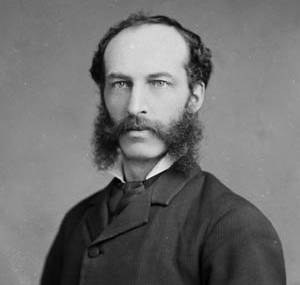
Pierre-Amand Landry, MP, February 1884 (Topley Studio).
CA-K685History

Sir Pierre-Amand Landry, Acadian leader

Pierre-Amand Landry of Memramcook, a lawyer, politician and judge, defended Acadians’ rights in the New Brunswick legislature, the House of Commons and the courts, notably during the crisis over the Common Schools Act of 1871. A leader of the Acadian Renaissance who promoted tolerance between French and English, he presided over the first three Acadian National Conventions and was the first Acadian knighted.

Factual accuracy review: No recorded challenge

Contributor: Citizen.ca

Verified against cited sourcesVerified on 2026-10-26↗
Photo: William James Topley · Photo licence: Public domain · Credit & context
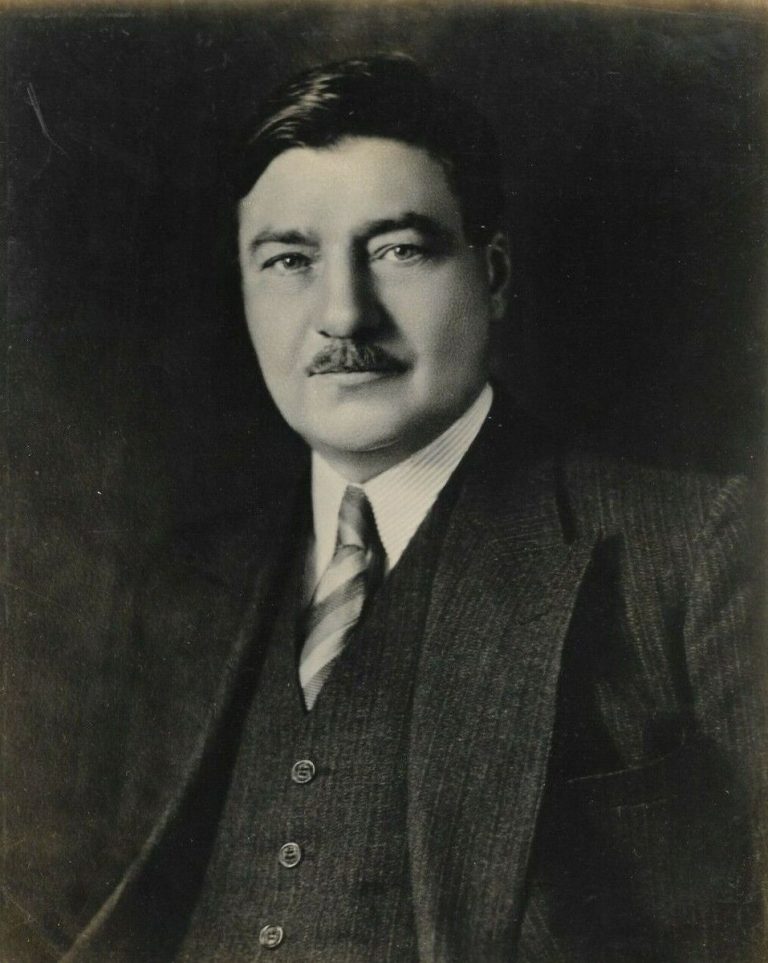
Charles Gavan Power, between 1936 and 1942.
CA-K675History

“Chubby” Power and the wartime RCAF

Charles Gavan “Chubby” Power, a First World War veteran and longtime Quebec MP, was Minister of National Defence for Air from 1940 to 1944. He oversaw wartime RCAF expansion, supported distinct Canadian squadrons, helped establish the Air Cadets and advanced the British Commonwealth Air Training Plan, which trained more than 130,000 Allied aircrew in Canada.

Factual accuracy review: No recorded challenge

Contributor: Citizen.ca

Verified against cited sourcesVerified on 2026-10-26↗
Photo: Canadian Government Motion Picture Bureau · Photo licence: Public domain · Credit & context
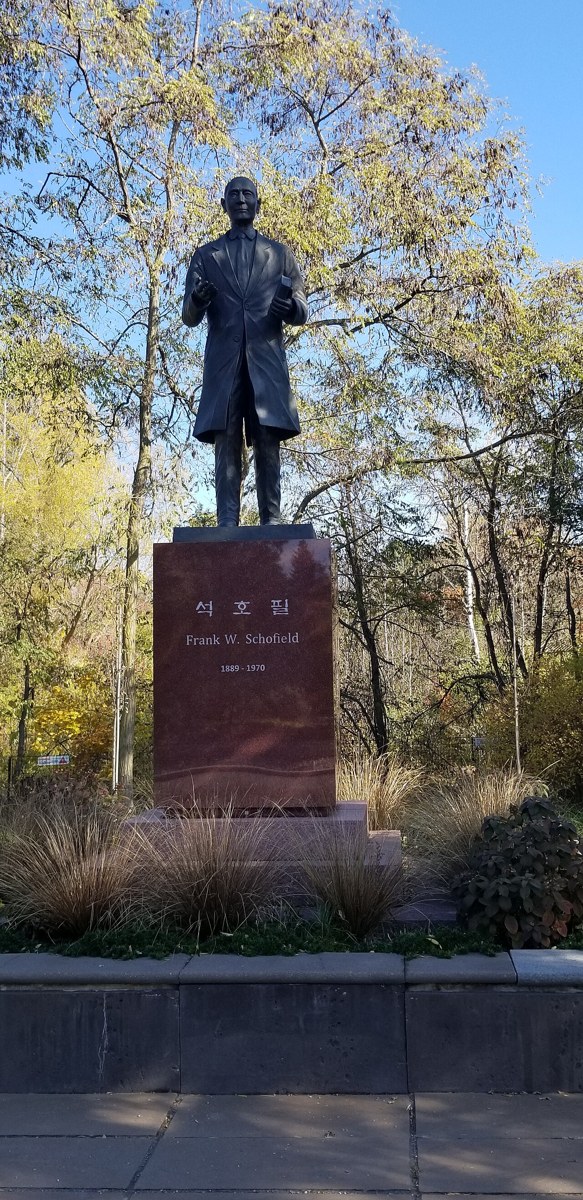
Statue of Dr. Frank W. Schofield at the Toronto Zoo, 2025.
CA-K671History

Dr. Frank Schofield, veterinarian and friend of Korea

Dr. Frank W. Schofield, a veterinarian at the Ontario Veterinary College, was internationally known for discoveries in animal disease; his research on sweet clover poisoning in cattle led to an anticoagulant widely used in human medicine. He also taught and did missionary work in Korea, where he is honoured for his contribution to the country’s democratic development.

Factual accuracy review: No recorded challenge

Contributor: Citizen.ca

Verified against cited sourcesVerified on 2026-10-26↗
Photo: Silver Dovelet · Photo licence: CC BY-SA 4.0 · Credit & context
Honoré Mercier, around 1880 (J.-E. Livernois).
CA-K668Institutions

Honoré Mercier, premier of Quebec

Honoré Mercier, a lawyer and orator from Saint-Hyacinthe, led the Parti national formed in 1885 by Liberals and Conservatives outraged by the Riel affair. As premier of Quebec from 1887 to 1891 he encouraged agricultural settlement, convened the first conference of premiers and fiercely defended provincial autonomy.

Factual accuracy review: No recorded challenge

Contributor: Citizen.ca

Verified against cited sourcesVerified on 2026-10-26↗
Photo: Jules-Ernest Livernois · Photo licence: Public domain · Credit & context
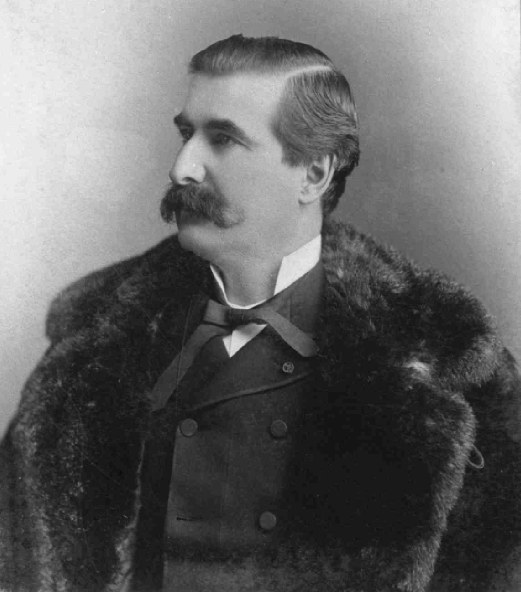
Joseph Trutch, June 1870 (Topley Studio).
CA-K663Indigenous peoples & reconciliation

Joseph Trutch and First Nations lands in British Columbia

Joseph Trutch, a British-born engineer who believed Indigenous Peoples inferior, was British Columbia’s chief commissioner of lands and works from 1864 to 1871. Representing settler interests, he cut existing reserves, allotted minimal land to new ones, denied Aboriginal title and refused treaties, denying First Nations access to their territories; he became the province’s first lieutenant-governor in 1871.

Factual accuracy review: No recorded challenge

Contributor: Citizen.ca

Verified against cited sourcesVerified on 2026-10-26↗
Photo: William James Topley (June 1870); Library and Archives Canada · Photo licence: Public domain · Credit & context
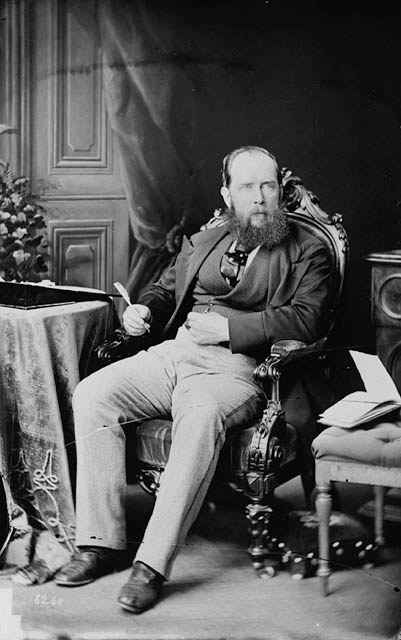
Frank Oliver (City of Edmonton Archives).
CA-K662Indigenous peoples & reconciliation

Frank Oliver, Edmonton editor and interior minister

Frank Oliver, owner and editor of the Edmonton Bulletin from 1880, championed a West shaped for white British and American settlers. As Minister of the Interior from 1905 to 1911 he promoted immigration policies aimed at excluding Black and Asian immigrants, and as superintendent of Indian Affairs he oversaw an expansion of residential schools and amended the Indian Act to allow forced surrender of reserve lands near towns.

Factual accuracy review: No recorded challenge

Contributor: Citizen.ca

Verified against cited sourcesVerified on 2026-10-26↗
Photo: Alfred Biyth · Photo licence: Public domain · Credit & context
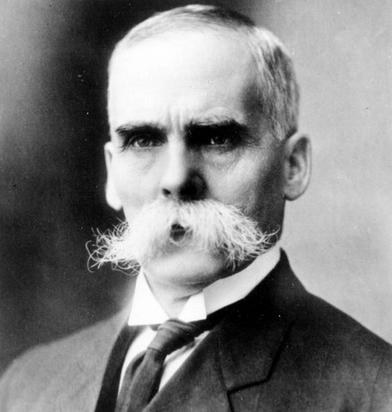
Modeste Demers, around 1860 (J. E. Livernois).
CA-K659Indigenous peoples & reconciliation

Bishop Modeste Demers in the Pacific Northwest

Modeste Demers, a Catholic priest in the Pacific Northwest from 1838, worked in part to convert Indigenous Peoples, part of the region’s colonization, and in 1847 became the first Bishop of Vancouver Island, New Caledonia and Haida Gwaii. The practices of Demers and his Church, together with colonization and assimilation, had drastic consequences for later generations of Indigenous Peoples.

Factual accuracy review: No recorded challenge

Contributor: Citizen.ca

Verified against cited sourcesVerified on 2026-10-26↗
Photo: J.E. Livernois · Photo licence: Public domain · Credit & context
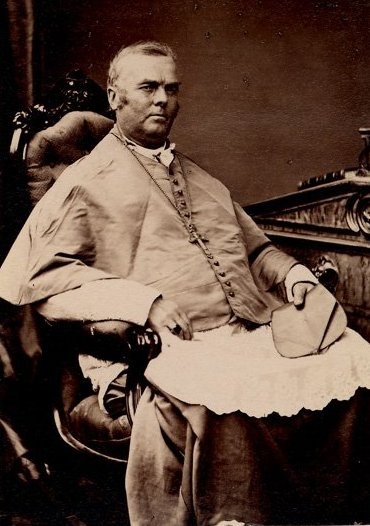
Charles G. D. Roberts, 1904 (Library of Congress).
CA-K656Culture & sport

Sir Charles G. D. Roberts, father of English-Canadian poetry

Charles G. D. Roberts, born in Douglas, New Brunswick, grew up near the Tantramar Marshes that shaped much of his writing. His early poetry inspired the generation of writers known as the Confederation Poets and laid the foundations of a Canadian poetic tradition, earning him the title of father of English-Canadian poetry.

Factual accuracy review: No recorded challenge

Contributor: Citizen.ca

Verified against cited sourcesVerified on 2026-10-26↗
Photo: Unknown author · Photo licence: Public domain · Credit & context
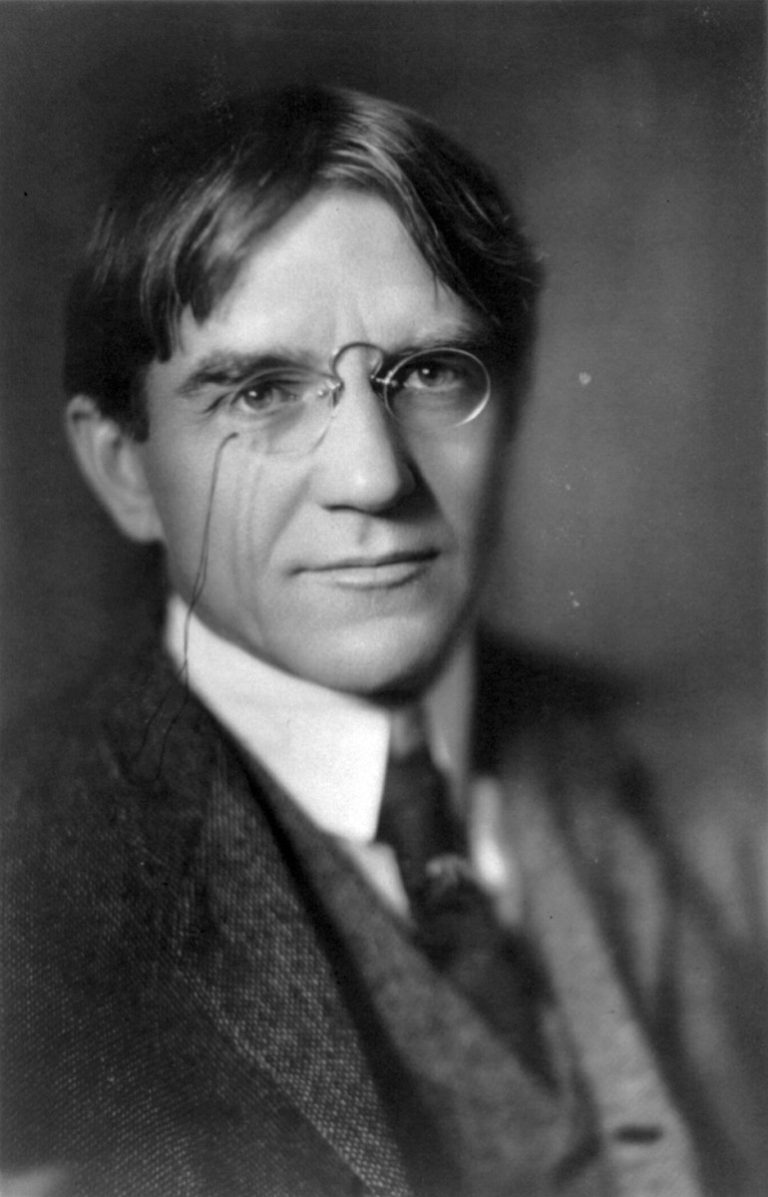
George Robert Parkin, 1910.
CA-K655Institutions

Sir George Parkin, imperial federationist and Rhodes secretary

George Parkin of Salisbury, New Brunswick, a school headmaster, became principal of Upper Canada College in 1895 and was organizing secretary of the Rhodes Scholarship Trust from 1902 to 1920. A powerful advocate of a federal union of the British Empire, he lectured and wrote widely, including Imperial Federation (1892).

Factual accuracy review: No recorded challenge

Contributor: Citizen.ca

Verified against cited sourcesVerified on 2026-10-26↗
Photo: Unknown photographer; published by the Empire Club of Canada (1910) · Photo licence: Public domain · Credit & context
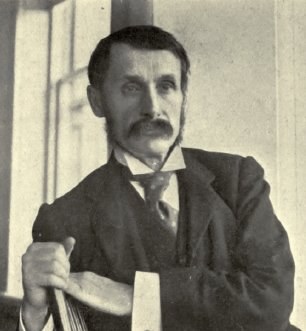
George Eulas Foster, around 1920 (Bain, Library of Congress).
CA-K651Institutions

Sir George Foster, Conservative finance minister

George Eulas Foster of Carleton County, New Brunswick, a former classics professor, sat in the House of Commons for most of 1882–1921. A central Conservative figure and orator, he was Minister of Finance under five prime ministers and Minister of Commerce under Borden and Meighen, and supported the League of Nations.

Factual accuracy review: No recorded challenge

Contributor: Citizen.ca

Verified against cited sourcesVerified on 2026-10-26↗
Photo: Bain · Photo licence: Public domain · Credit & context
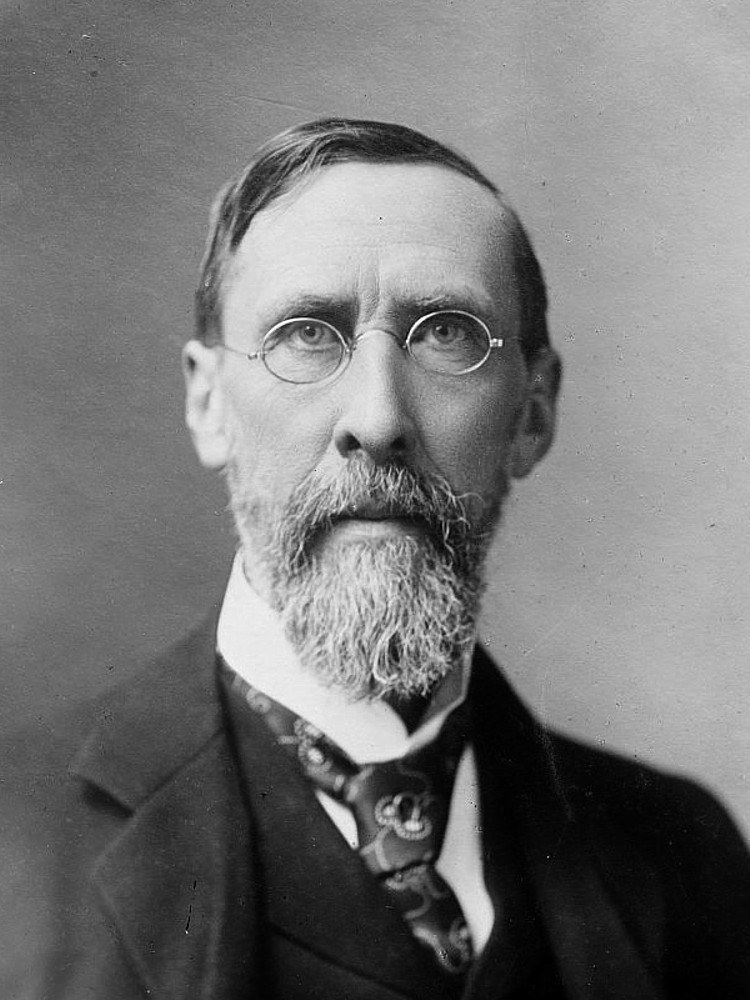
Jean-Charles Chapais, April 1870 (Topley Studio).
CA-K646History

Jean-Charles Chapais, Father of Confederation

Jean-Charles Chapais, a merchant of Saint-Denis de Kamouraska, represented Kamouraska as a Conservative from 1851 to 1867 and was Commissioner of Public Works. A delegate to the Québec Conference and Father of Confederation, he became a senator in 1868 and served in Macdonald’s cabinets as Minister of Agriculture and Receiver General.

Factual accuracy review: No recorded challenge

Contributor: Citizen.ca

Verified against cited sourcesVerified on 2026-10-26↗
Photo: William James Topley · Photo licence: Public domain · Credit & context
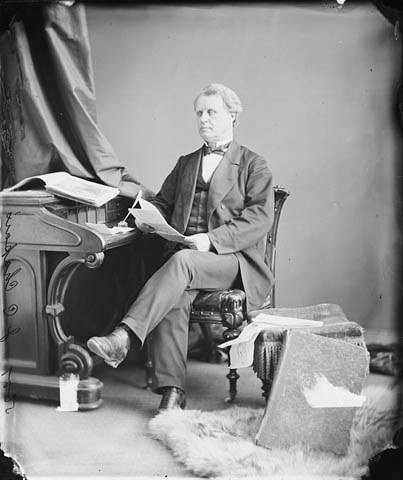
Francis H. Clergue.
CA-K644Economy & trade

Francis Clergue and industrial Sault Ste. Marie

Francis Hector Clergue, a promoter from Maine, transformed Sault Ste. Marie into a major industrial centre. After buying an unfinished hydroelectric station and canal there in 1894, he created his own linked industries to use the power, including a pulp and paper mill, a copper company, Algoma Steel and the Algoma Central Railway.

Factual accuracy review: No recorded challenge

Contributor: Citizen.ca

Verified against cited sourcesVerified on 2026-10-26↗
Photo: Unknown author · Photo licence: Public domain · Credit & context
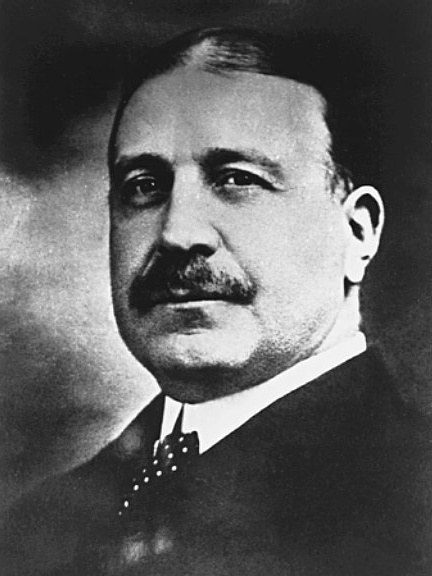
Wilfrid Laurier, about 1890 (Topley Studio, McCord Museum).
CA-K642Institutions

Sir Wilfrid Laurier, first francophone prime minister

Wilfrid Laurier of Saint-Lin, Quebec, was Canada’s first francophone prime minister, an MP for 45 years and Liberal leader for 32. As prime minister from 1896 to 1911 he presided over the settlement of the West, created Alberta and Saskatchewan and founded the Canadian Navy, and he worked to win greater autonomy for Canada and common ground between English and French Canadians.

Factual accuracy review: No recorded challenge

Contributor: Citizen.ca

Verified against cited sourcesVerified on 2026-10-26↗
Photo: Topley Studio · Photo licence: Public domain · Credit & context
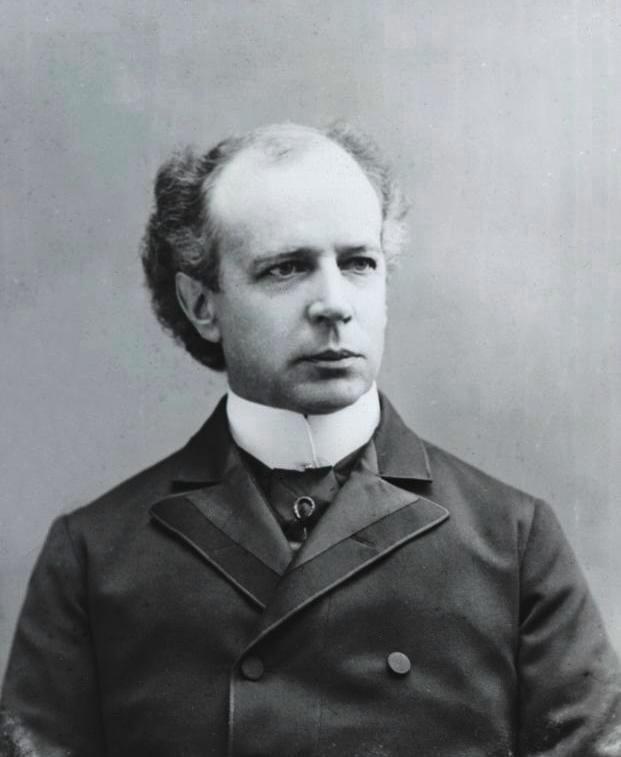
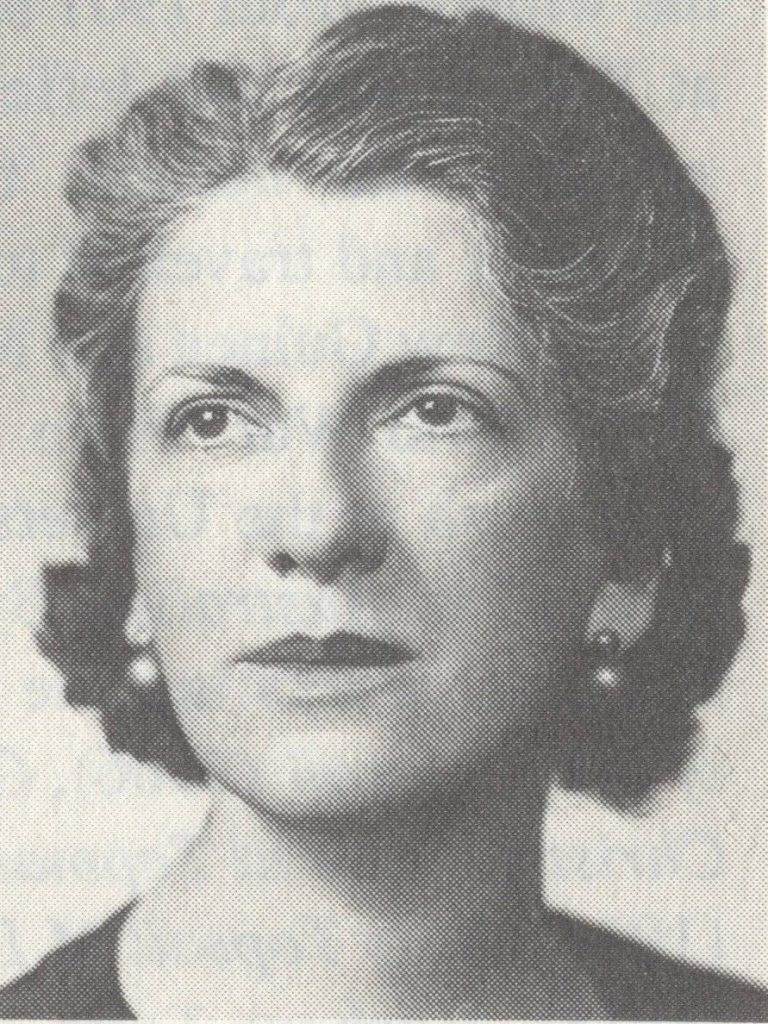
Margaret Duley, 1941.
CA-K637Culture & sport

Margaret Duley, Newfoundland novelist

Margaret Iris Duley of St. John’s, who wrote mainly in the 1930s and 1940s, was the first Newfoundland novelist to gain international recognition, with readers in Canada and England as well as at home. Novels such as Cold Pastoral and Highway to Valour vividly portray the beauty and harshness of early 20th-century Newfoundland and Labrador.

Factual accuracy review: No recorded challenge

Contributor: Citizen.ca

Verified against cited sourcesVerified on 2026-10-26↗
Photo: Anonymous (photographer unidentified) · Photo licence: Public domain · Credit & context