An independent Canadian knowledge project

Focused and Verified

Canadian knowledge base

Search by keyword

Choose one keyword, or combine two. Broader keywords include their descendants.

Keywords: Provinces and territories

Clear search
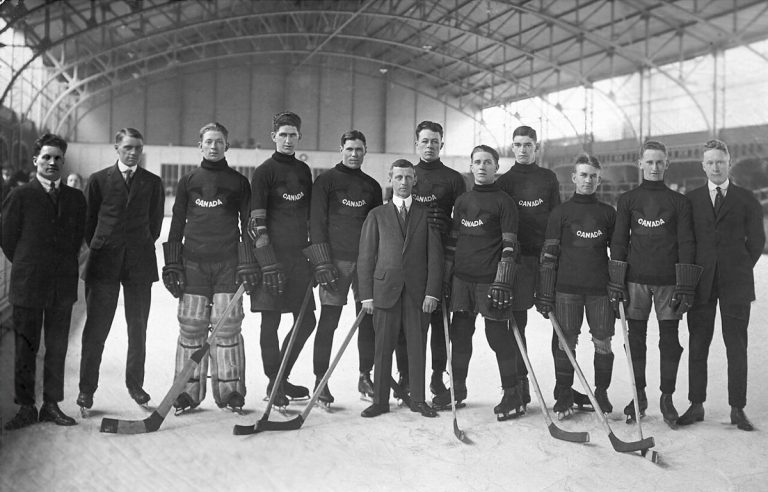
The Winnipeg Falcons team at the 1920 Summer Olympics in Antwerp.
CA-K191Culture & sport

The Winnipeg Falcons won the first Olympic hockey gold, 1920

The Winnipeg Falcons, a hockey club made up almost entirely of Icelandic Canadian players, won the Allan Cup as Canada’s senior amateur champions in 1920. That year they represented Canada in Antwerp, Belgium, and won the first Olympic gold medal for hockey.

Factual accuracy review: No recorded challenge

Contributor: Citizen.ca

Verified against cited sourcesVerified on 2026-10-26↗
Photo: Unknown authorUnknown author · Photo licence: Public domain · Credit & context
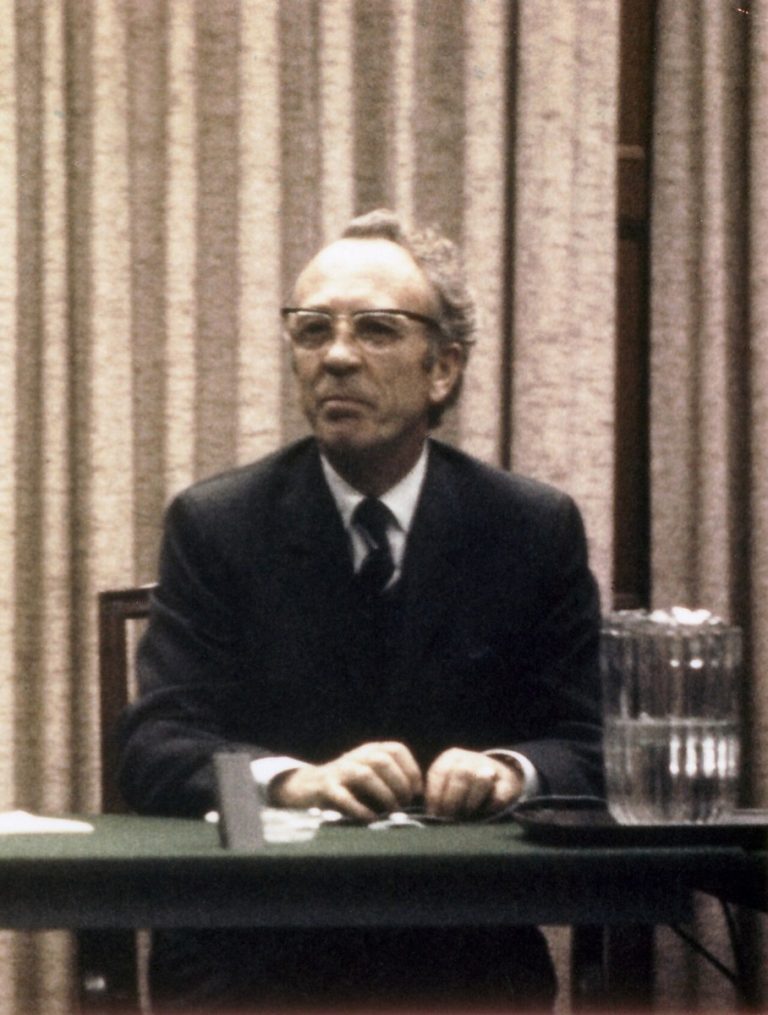
Tommy Douglas, former Premier of Saskatchewan, around 1971.
CA-K188Institutions

Tommy Douglas and the roots of medicare

Tommy Douglas (1904–1986) was Premier of Saskatchewan from 1944 to 1961, leading Canada’s only Co-operative Commonwealth Federation government. Under him the province pioneered publicly funded hospital insurance, laying the foundations for national medicare; he later became the first leader of the federal New Democratic Party.

Factual accuracy review: No recorded challenge

Contributor: Citizen.ca

Verified against cited sourcesVerified on 2026-10-26↗
Photo: Themightyquill · Photo licence: CC BY-SA 3.0 · Credit & context
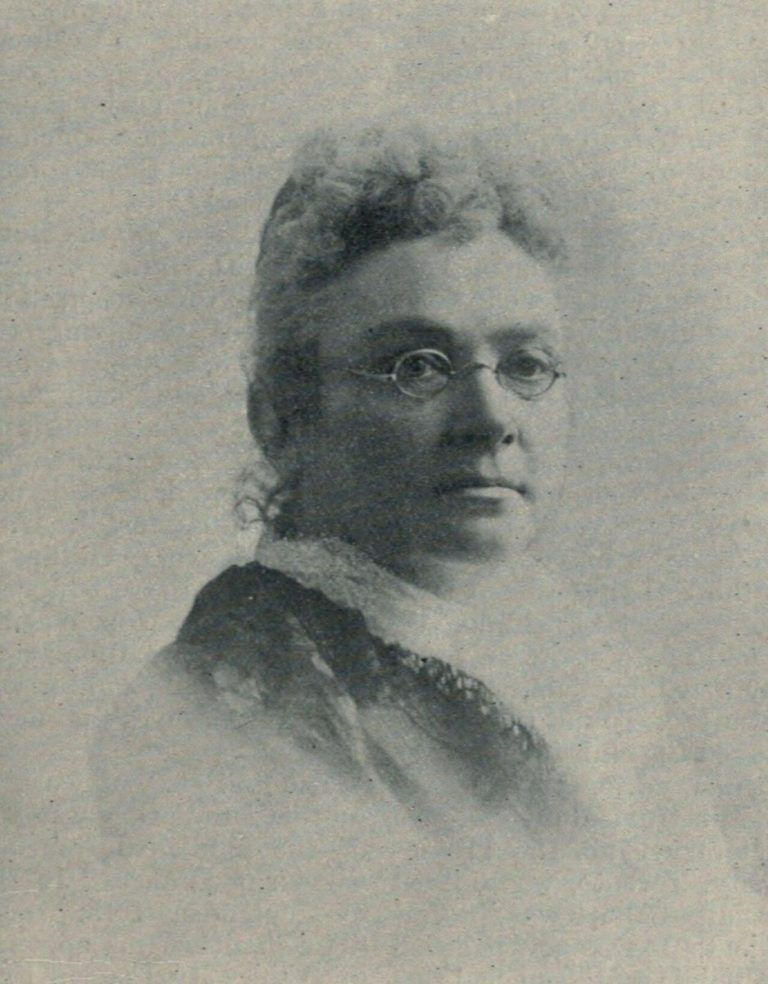
A portrait of Emily Stowe, no later than 1895.
CA-K187History

Emily Stowe, Canada’s first woman doctor in private practice

Denied university entry in Canada because she was a woman, Emily Stowe (1831–1903) studied medicine in New York City and in 1867 opened the first private medical practice in Canada run by a woman doctor, in Toronto. She led the drive to found Woman’s Medical College in 1883 and, through the Dominion Women’s Enfranchisement Association, kept suffrage in the public eye.

Factual accuracy review: No recorded challenge

Contributor: Citizen.ca

Verified against cited sourcesVerified on 2026-10-26↗
Photo: Unknown authorUnknown author · Photo licence: Public domain · Credit & context
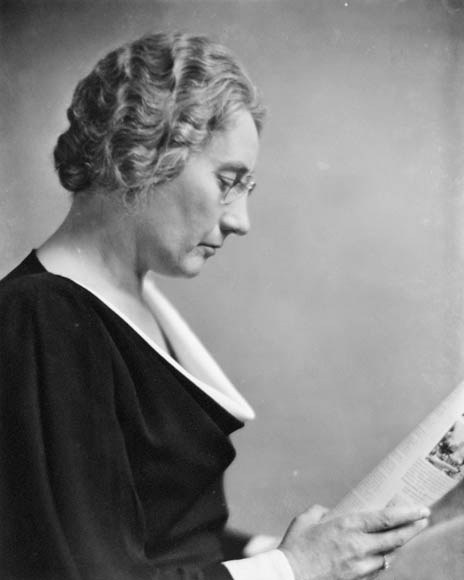
Agnes Macphail, MP, photographed by Yousuf Karsh on 14 May 1934.
CA-K186Institutions

Agnes Macphail, first woman elected to the House of Commons

Agnes Macphail (1890–1954), a rural schoolteacher, became the first woman elected to the House of Commons when she won Grey County as a Progressive in the 1921 federal election. In Ottawa she fought for penal reform, disarmament and social welfare, and later sat in the Ontario legislature from 1943 to 1951.

Factual accuracy review: No recorded challenge

Contributor: Citizen.ca

Verified against cited sourcesVerified on 2026-10-26↗
Photo: Yousuf Karsh · Photo licence: Public domain · Credit & context
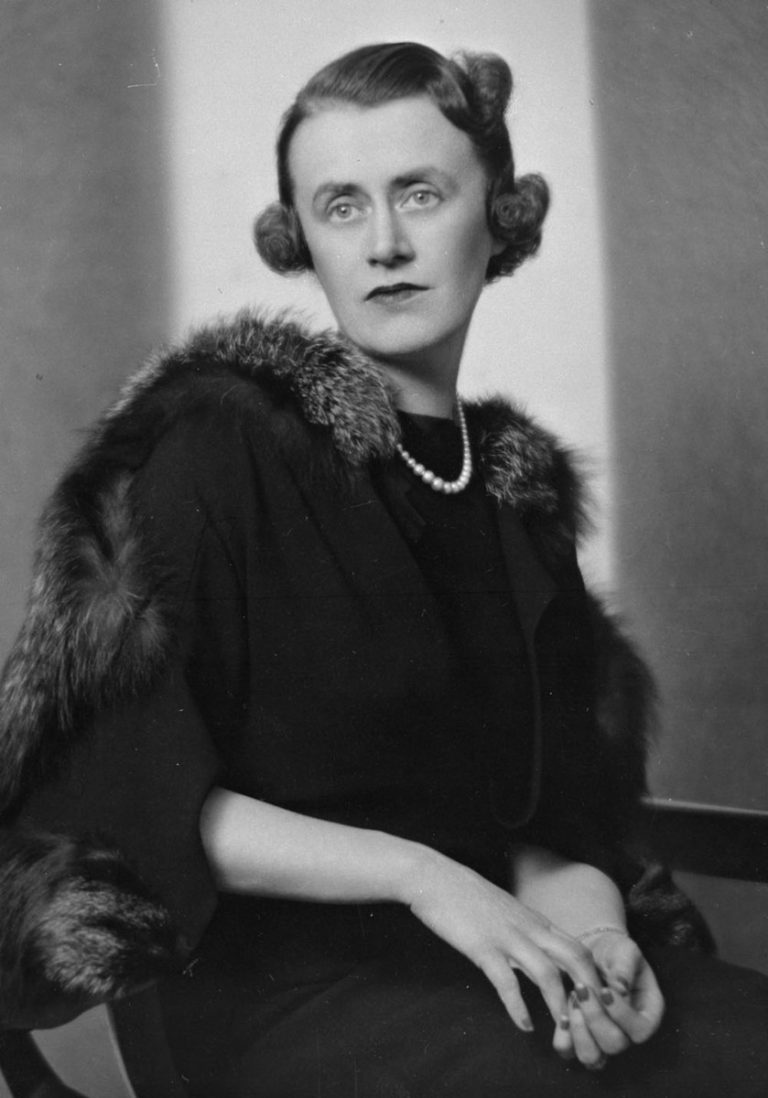
Thérèse Casgrain photographed by George Nakash (Library and Archives Canada).
CA-K185History

Thérèse Casgrain and the Quebec vote for women, 1940

Thérèse Casgrain (1896–1981), a pioneer of Quebec feminism, led the Ligue des droits de la femme from 1928 to 1942 and played a pivotal role in winning women the right to vote in Quebec provincial elections in 1940. The Fédération des femmes du Québec, founded under her guidance in 1966, launched a new wave of organized feminism.

Factual accuracy review: No recorded challenge

Contributor: Citizen.ca

Verified against cited sourcesVerified on 2026-10-26↗
Photo: George Nakash (1892-1976) · Photo licence: CC BY 2.0 · Credit & context
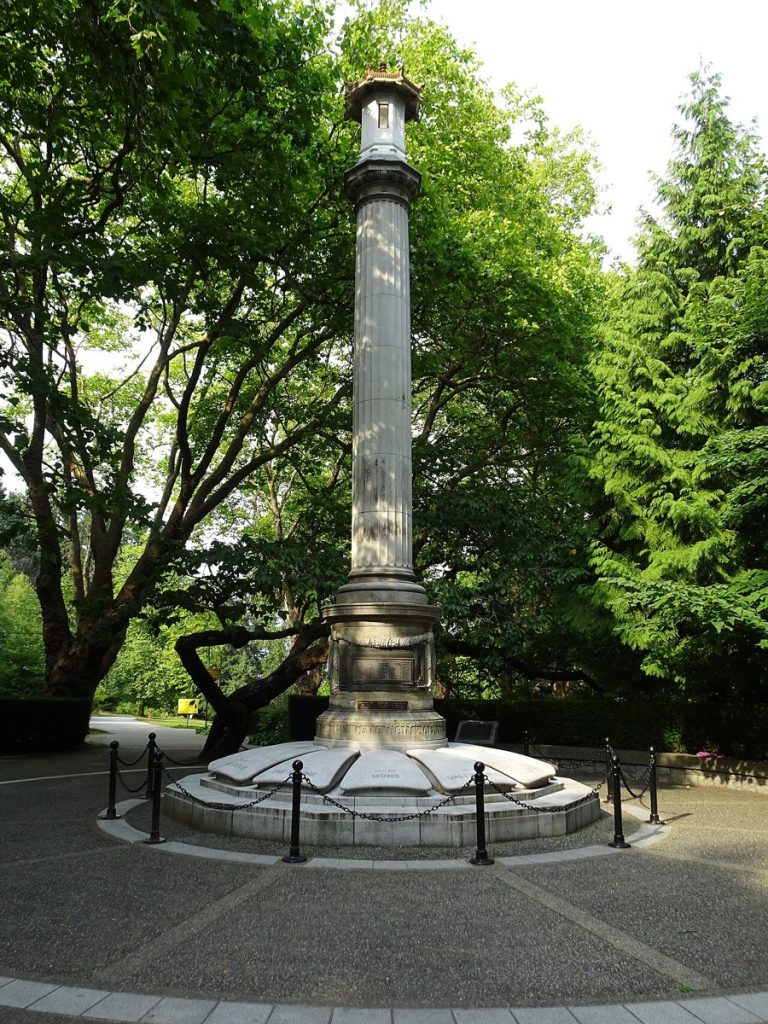
The Japanese Canadian War Memorial in Stanley Park, Vancouver, photographed in 2026.
CA-K182History

Japanese Canadian soldiers and the 1931 vote

During the First World War, 222 Japanese Canadian soldiers overcame barriers to enlistment and prejudice to fight on the Western Front between 1916 and 1918; a quarter of them died in battle. In 1931, the returning veterans became the first group of Asian Canadians to win the right to vote in British Columbia.

Factual accuracy review: No recorded challenge

Contributor: Citizen.ca

Verified against cited sourcesVerified on 2026-10-26↗
Photo: Spudgun67 · Photo licence: CC0 · Credit & context
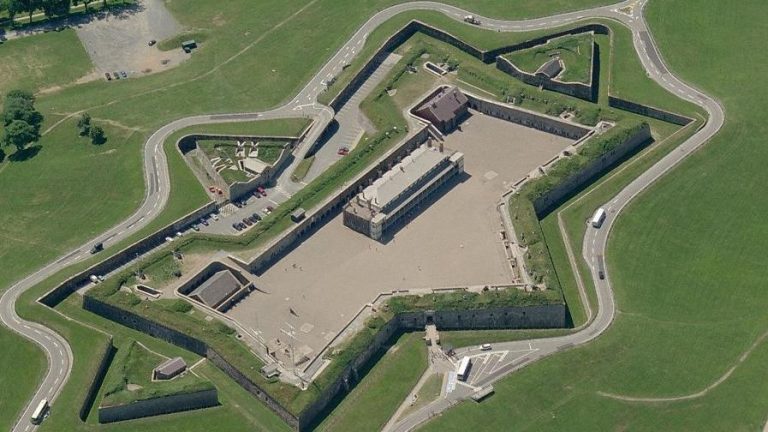
Citadel Hill in Halifax, Nova Scotia, photographed in 2011.
CA-K180History

The Jamaican Maroons in Nova Scotia, 1796–1800

After the Maroon War of 1795–1796, Britain exiled more than 500 Maroons of Trelawny Town, Jamaica, to Nova Scotia. They kept a strong sense of community despite pressure to assimilate and demands for their labour, including at the Halifax Citadel; most were resettled in Sierra Leone in 1800, while a few remained.

Factual accuracy review: No recorded challenge

Contributor: Citizen.ca

Verified against cited sourcesVerified on 2026-10-26↗
Photo: Moneywagon · Photo licence: CC BY-SA 3.0 · Credit & context
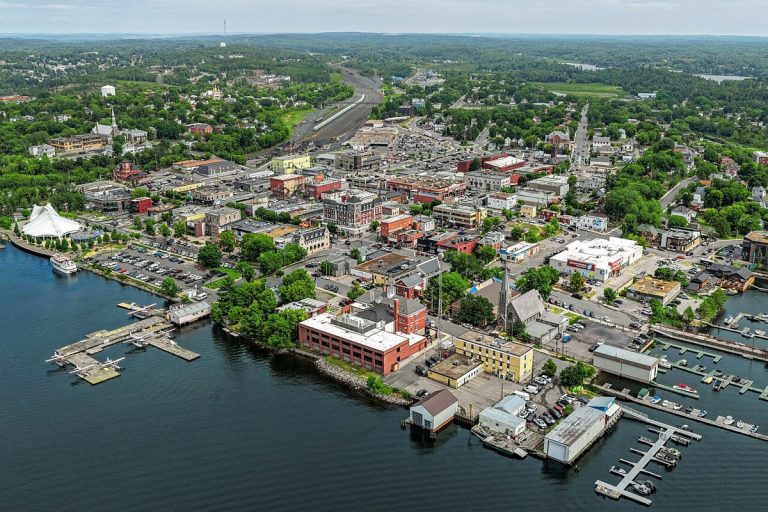
Kenora, Ontario, on Lake of the Woods, from the air in 2026; the photo does not show the former school.
CA-K175Indigenous peoples & reconciliation

Chanie Wenjack (1954–1966)

Chanie Wenjack was an Anishinaabe boy from Marten Falls First Nation who lived for three years at Cecilia Jeffrey Indian Residential School near Kenora, Ontario, and died after escaping. His story represents thousands of children driven by loneliness, abuse and desperation to run away from residential schools, and was amplified at the time by official procedures and national news coverage.

Factual accuracy review: No recorded challenge

Contributor: Citizen.ca

Verified against cited sourcesVerified on 2026-10-26↗
Photo: Quintin Soloviev · Photo licence: CC BY 4.0 · Credit & context
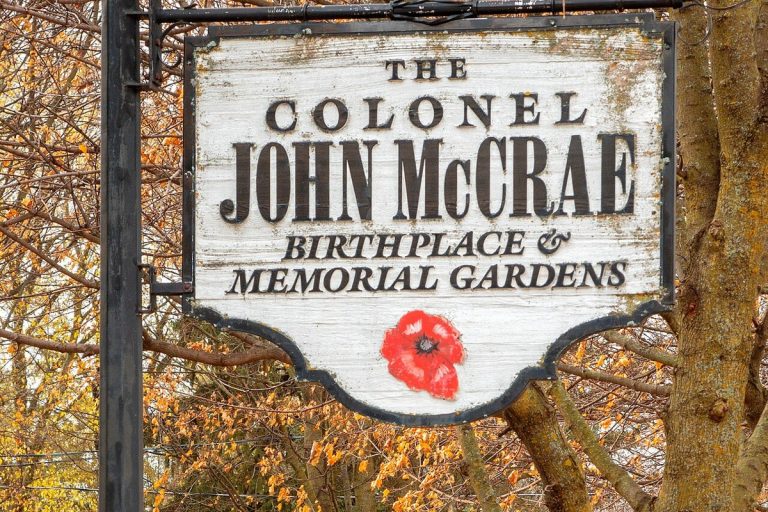
The sign at McCrae House, John McCrae’s birthplace in Guelph, Ontario, on Remembrance Day 2018.
CA-K174Culture & sport

John McCrae and “In Flanders Fields”

John McCrae (1872–1918), a physician born in Guelph, Ontario, joined the Canadian Army Medical Corps in 1914 and served overseas until his death. His poem “In Flanders Fields,” published anonymously in 1915, became one of the most celebrated poems of the First World War and made the poppy a lasting symbol of the Allied soldiers who died.

Factual accuracy review: No recorded challenge

Contributor: Citizen.ca

Verified against cited sourcesVerified on 2026-10-26↗
Photo: Peter K Burian · Photo licence: CC BY-SA 4.0 · Credit & context
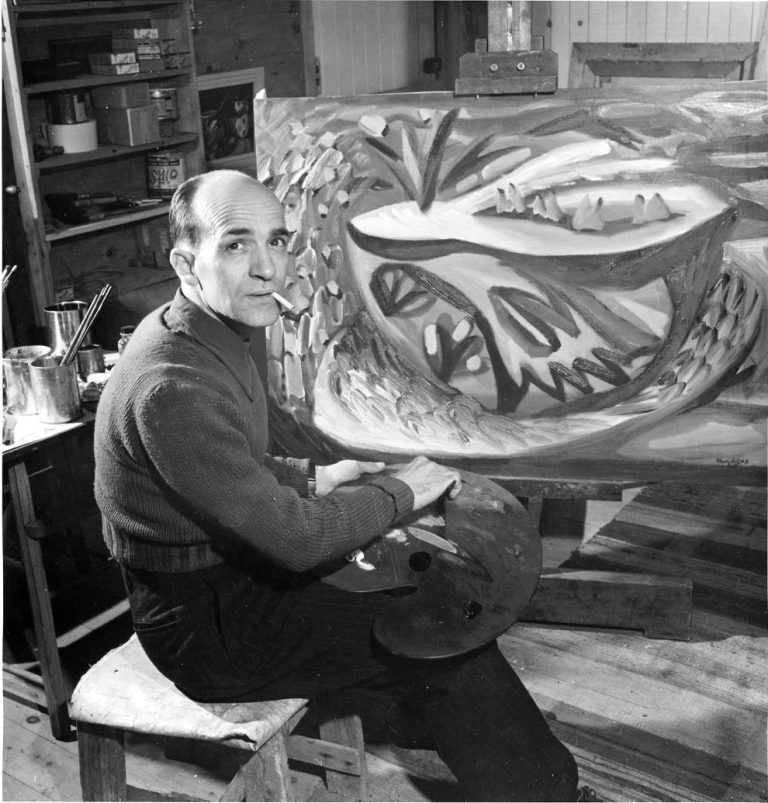
Paul-Émile Borduas in 1946, photographed by Ronny Jaques.
CA-K173Culture & sport

Paul-Émile Borduas and Refus global

Paul-Émile Borduas (1905–1960) was a pioneer of abstract art in Canada and the creator of automatism, an avant-garde movement at the forefront of gestural abstraction in Quebec in the 1940s. He was the main author of Refus global, published in 1948 and co-signed by other artists, which made him a key figure in 20th-century Quebec history.

Factual accuracy review: No recorded challenge

Contributor: Citizen.ca

Verified against cited sourcesVerified on 2026-10-26↗
Photo: Ronny Jaques (1910-2008) · Photo licence: Public domain · Credit & context
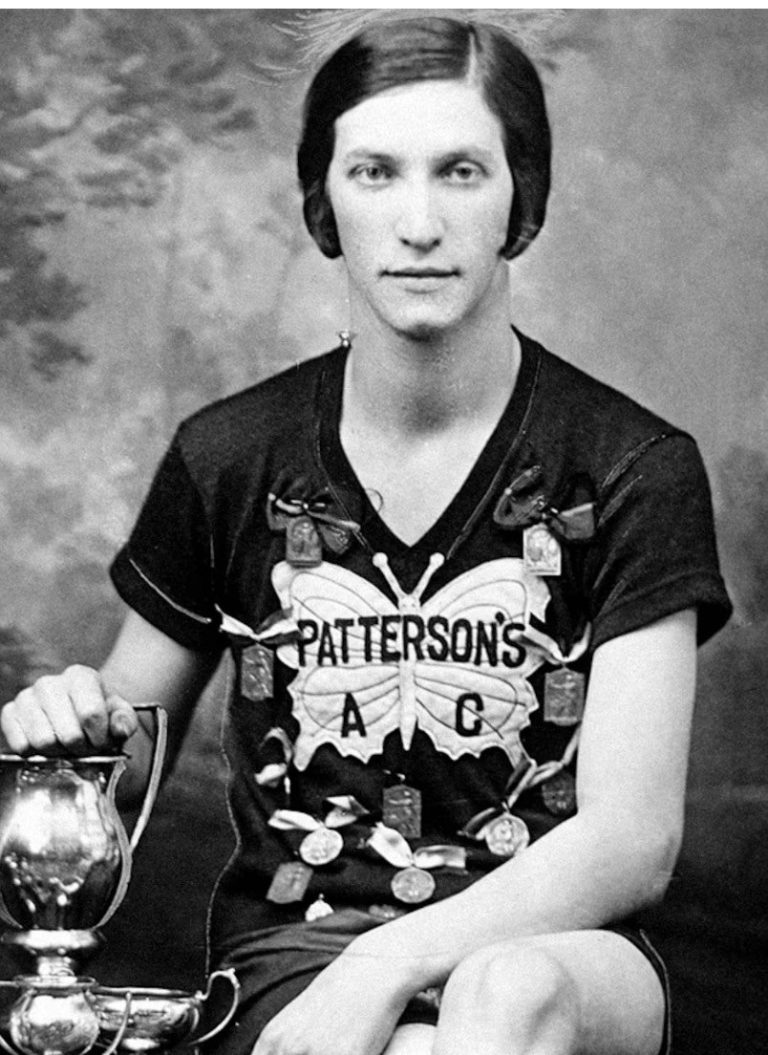
Bobbie Rosenfeld with trophies and medals, around 1928.
CA-K172Culture & sport

Bobbie Rosenfeld, athlete of the half-century

Fanny “Bobbie” Rosenfeld (1903–1969), an all-round athlete who excelled in hockey, basketball, tennis, softball and track, won gold and silver medals at the 1928 Amsterdam Olympics. In 1949 she was chosen Canada’s outstanding female athlete of the half-century, after a later career as a Toronto sports columnist.

Factual accuracy review: No recorded challenge

Contributor: Citizen.ca

Verified against cited sourcesVerified on 2026-10-26↗
Photo: Unknown authorUnknown author · Photo licence: Public domain · Credit & context
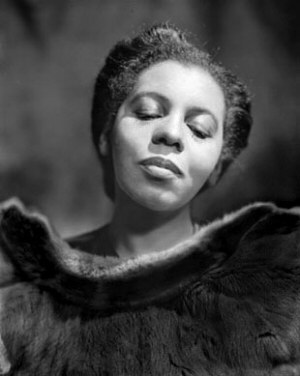
Portia White photographed by Yousuf Karsh in January 1946.
CA-K171Culture & sport

Portia White, contralto

Contralto Portia White (1911–1968), from the Black Nova Scotian community, was the first African-Canadian woman to win international acclaim as a singer. Between 1940 and 1948, her debuts in Toronto and New York and recitals across the Americas and the Caribbean became a source of pride for Canadians.

Factual accuracy review: No recorded challenge

Contributor: Citizen.ca

Verified against cited sourcesVerified on 2026-10-26↗
Photo: Yousuf Karsh · Photo licence: Public domain · Credit & context
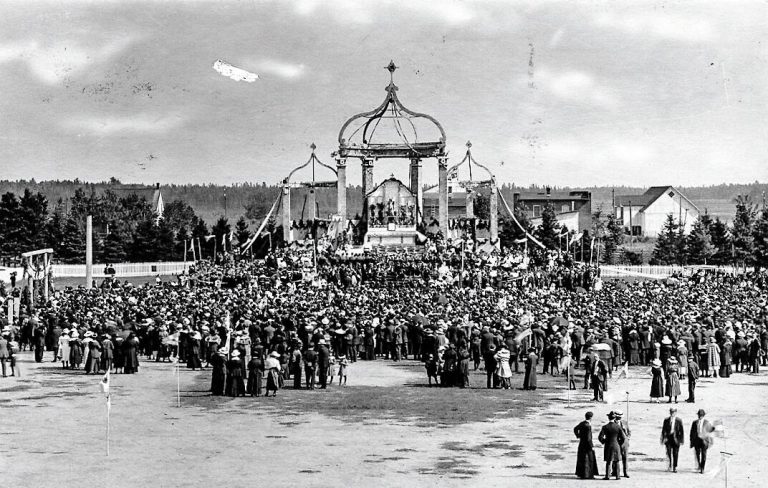
The Eucharistic Congress in Victoriaville, Quebec, in September 1918.
CA-K169History

The Spanish flu in Canada, 1918–1920

The Spanish flu pandemic killed more than 50 million people worldwide, including nearly 50,000 Canadians, between 1918 and 1920. The first civilian cases in Canada were reported in Victoriaville, Quebec, in autumn 1918, and the pandemic led to the creation of the federal Department of Health in 1919.

Factual accuracy review: No recorded challenge

Contributor: Citizen.ca

Verified against cited sourcesVerified on 2026-10-26↗
Photo: Société d'histoire de Victoriaville · Photo licence: Public domain · Credit & context
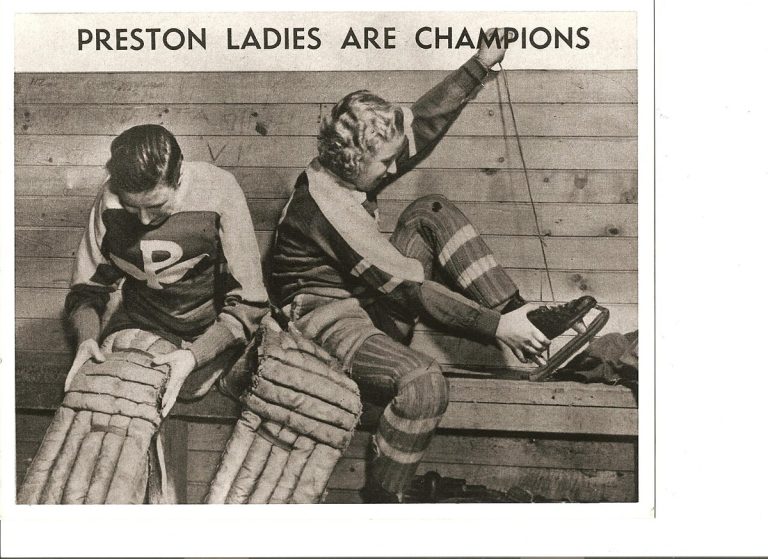
A 1940 Preston Rivulettes postcard.
CA-K168Culture & sport

The Preston Rivulettes, 1931–1940

The Preston Rivulettes of Preston (now Cambridge), Ontario, are considered the most successful early women’s hockey team, winning more than 95% of their games in their ten-year existence. Led by right-winger Hilda Ranscombe, they won most provincial, regional and national championships between 1931 and 1940.

Factual accuracy review: No recorded challenge

Contributor: Citizen.ca

Verified against cited sourcesVerified on 2026-10-26↗
Photo: Preston Rivulettes · Photo licence: Public domain · Credit & context
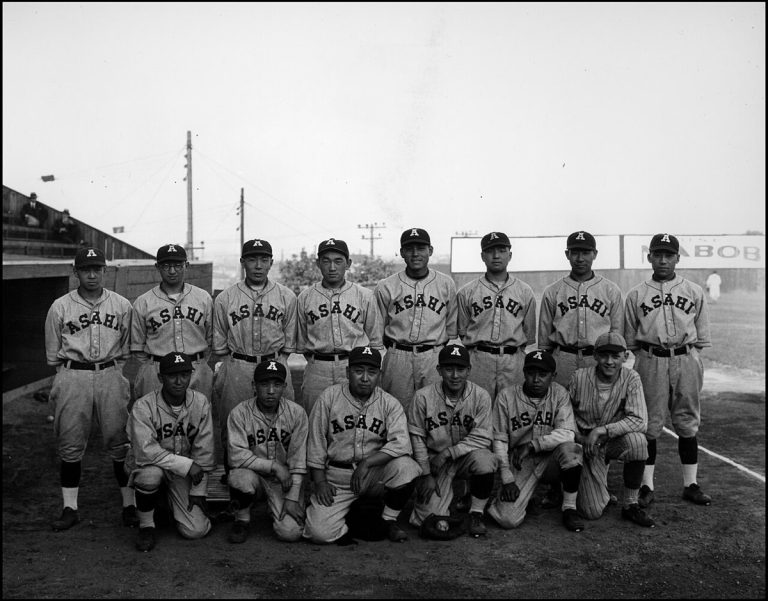
The Asahi Baseball Club seniors team in 1929 (Vancouver Public Library).
CA-K166Culture & sport

Vancouver’s Asahi baseball team, 1914–1941

Between 1914 and 1941, when Japanese Canadians faced racism, Vancouver’s Asahi Baseball Team won championships in senior amateur leagues with its “brain ball” style of bunting and speed. The team became a symbol of the Japanese Canadian struggle for equality and respect, and was disbanded during the Second World War internment.

Factual accuracy review: No recorded challenge

Contributor: Citizen.ca

Verified against cited sourcesVerified on 2026-10-26↗
Photo: Vancouver Public Library Historical Photographs · Photo licence: Public domain · Credit & context
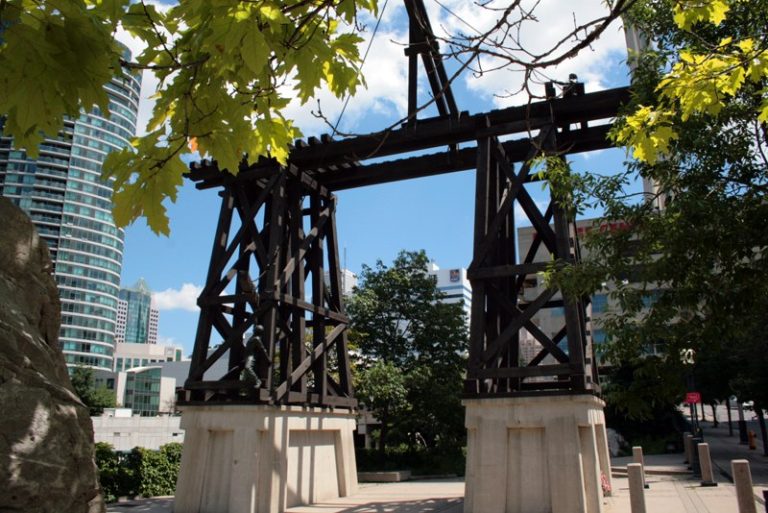
The Memorial to Commemorate the Chinese Railroad Workers in Canada, Toronto, by Eldon Garnet and Francis LeBouthillier, photographed in 2008.
CA-K165History

Chinese workers who built the CPR in British Columbia

In the early 1880s, thousands of labourers from China helped build the Canadian Pacific Railway through British Columbia’s mountains; about three-quarters of the men on the section between the Pacific and Craigellachie were Chinese. They were paid a dollar a day, half a white worker’s pay, and hundreds died from accidents or illness.

Factual accuracy review: No recorded challenge

Contributor: Citizen.ca

Verified against cited sourcesVerified on 2026-10-26↗
Photo: Shaun Merritt · Photo licence: CC BY 2.0 · Credit & context
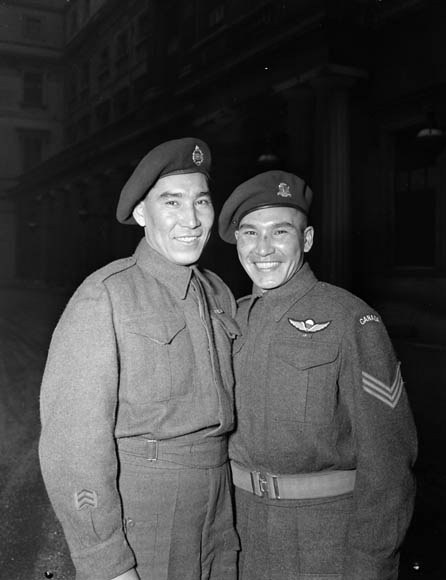
Sergeant Tommy Prince (right) with his brother, Private Morris Prince, at Buckingham Palace, 12 February 1945.
CA-K159Indigenous peoples & reconciliation

Tommy Prince, Anishinaabe veteran and activist

Tommy Prince (1915–1977), an Anishinaabe veteran, was a founding member of the 1st Canadian Parachute Battalion and the First Special Service Force (Devil’s Brigade) in the Second World War, and served in the Korean War. He represented Manitoba First Nations’ interests nationally, and his story illustrates both First Nations soldiers’ contributions and their poor treatment on returning home.

Factual accuracy review: No recorded challenge

Contributor: Citizen.ca

Verified against cited sourcesVerified on 2026-10-26↗
Photo: Christopher J. Woods - Canada. Dept. of National Defence · Photo licence: Public domain · Credit & context
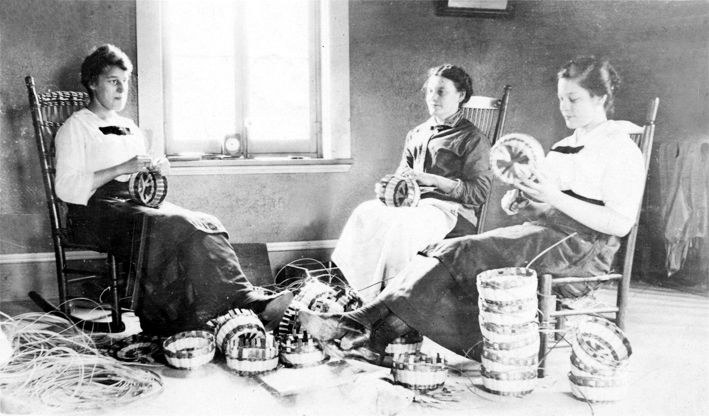
Abenaki basket makers of Odanak, around 1920 (Musée des Abénakis).
CA-K155Indigenous peoples & reconciliation

Abenaki basket-making in Odanak and Wôlinak

Abenaki weavers in Odanak and Wôlinak, Quebec, use black ash splints and sweetgrass to make baskets using skills passed between generations. Basket-making was Odanak’s main source of income from 1870 to 1920 and remains a symbol of Abenaki identity.

Factual accuracy review: No recorded challenge

Contributor: Citizen.ca

Verified against cited sourcesVerified on 2026-10-26↗
Photo: Société historique d'Odanak, Musée des Abénakis, Odanak, Québec, Canada · Photo licence: Public domain · Credit & context
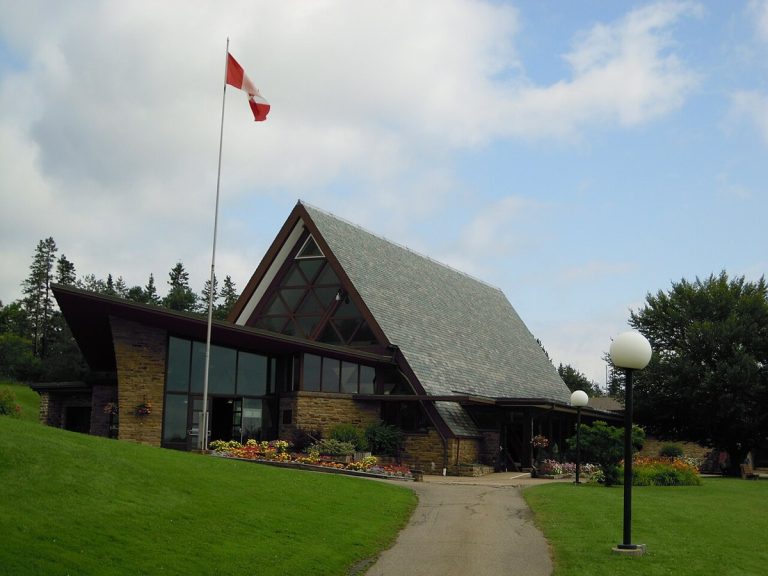
The visitor centre and museum at the Alexander Graham Bell National Historic Site in Baddeck, Nova Scotia, in 2010.
CA-K154History

Alexander Graham Bell in Baddeck

Alexander Graham Bell (1847–1922), best known as the inventor of the telephone, was born in Scotland, became a citizen of the United States and was a longtime resident of Canada. In 1907 he and his wife Mabel co-founded the Aerial Experiment Association, which led to the flight of the Silver Dart; he died at his summer home, Beinn Bhreagh, near Baddeck, Nova Scotia.

Factual accuracy review: No recorded challenge

Contributor: Citizen.ca

Verified against cited sourcesVerified on 2026-10-26↗
Photo: Skeezix1000 · Photo licence: CC BY-SA 3.0 · Credit & context
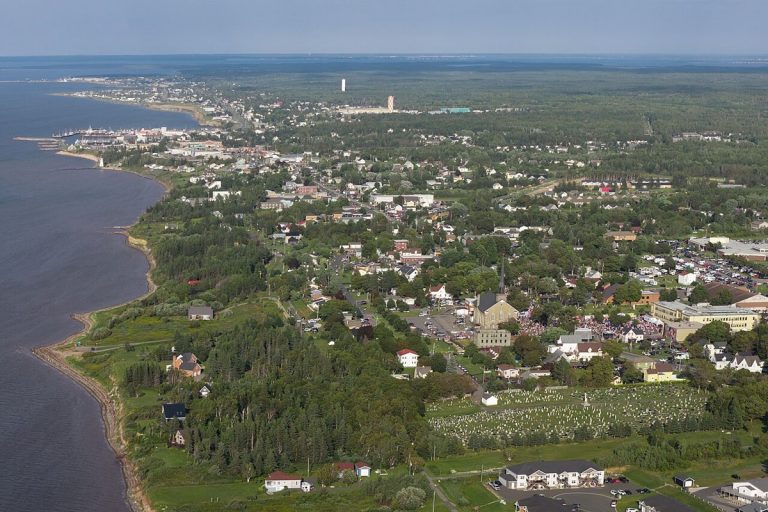
Caraquet, New Brunswick, on the Acadian Peninsula, from the air in 2026.
CA-K153History

The Caraquet Riot of 1875

The riot of the Acadians of Caraquet in January 1875 was the culmination of four years of Catholic opposition to New Brunswick’s Common Schools Act of 1871, which aimed to eliminate denominational schools. After the violent arrest of protesters and the deaths of two men, the law was amended; the riot is an early example of religious and linguistic minorities resisting discrimination.

Factual accuracy review: No recorded challenge

Contributor: Citizen.ca

Verified against cited sourcesVerified on 2026-10-26↗
Photo: Quintin Soloviev · Photo licence: CC BY 4.0 · Credit & context
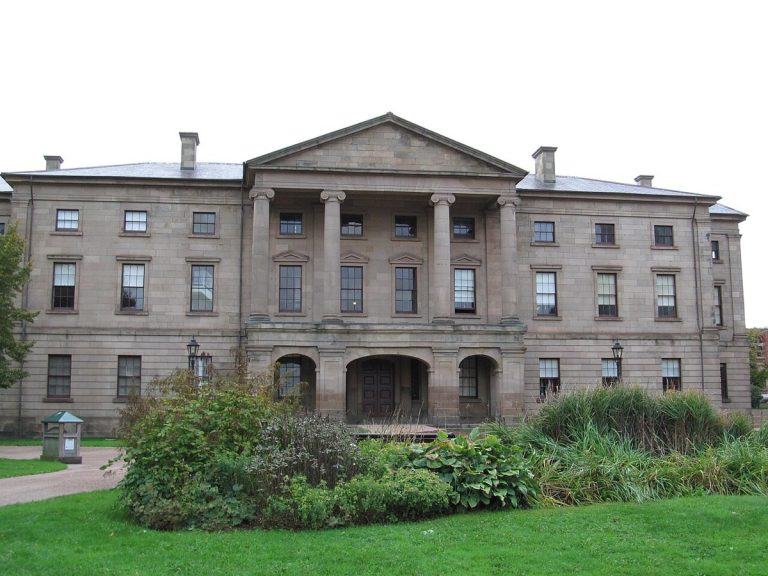
Province House in Charlottetown, Prince Edward Island, photographed in 2012.
CA-K152History

The Charlottetown and Québec Conferences of 1864

In September 1864, the Charlottetown Conference brought together leaders from Prince Edward Island, Nova Scotia, New Brunswick and the Province of Canada, who agreed in principle to a federal union. At the Québec Conference the following month, the delegates drafted the 72 Resolutions, which laid the foundation of the British North America Act.

Factual accuracy review: No recorded challenge

Contributor: Citizen.ca

Verified against cited sourcesVerified on 2026-10-26↗
Photo: Doug Kerr · Photo licence: CC BY-SA 2.0 · Credit & context
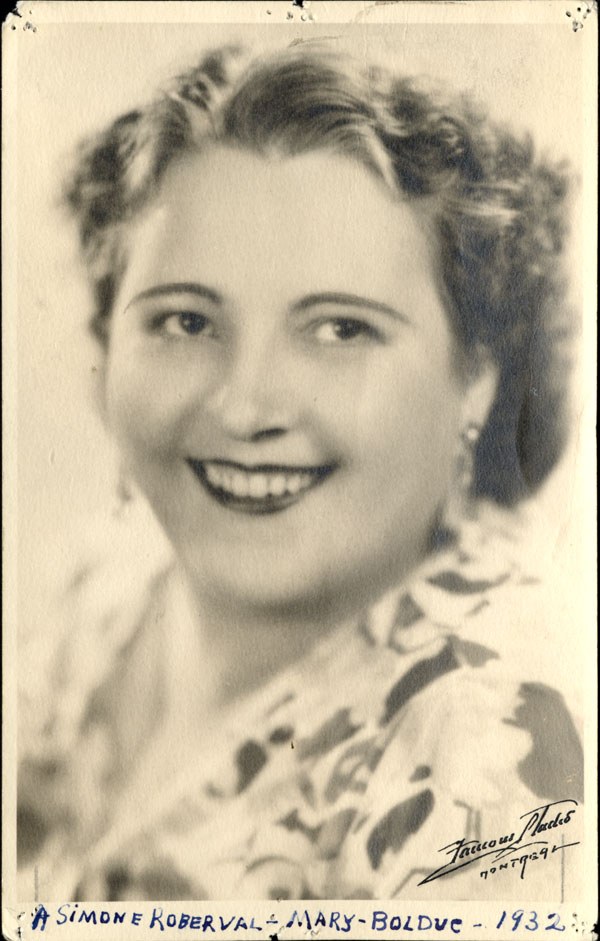
A publicity photograph of La Bolduc from Famous Studio, Montréal, taken before 1942.
CA-K148Culture & sport

La Bolduc, Quebec singer-songwriter

Mary Travers (1894–1941), known as La Bolduc after her husband’s surname, was a singer-songwriter with a tremendous impact on Quebec popular culture. From 1929 to 1939 she recorded close to 100 songs that she composed herself, touching on current events, social conditions and relationships.

Factual accuracy review: No recorded challenge

Contributor: Citizen.ca

Verified against cited sourcesVerified on 2026-10-26↗
Photo: Famous Studio, Montréal · Photo licence: Public domain · Credit & context
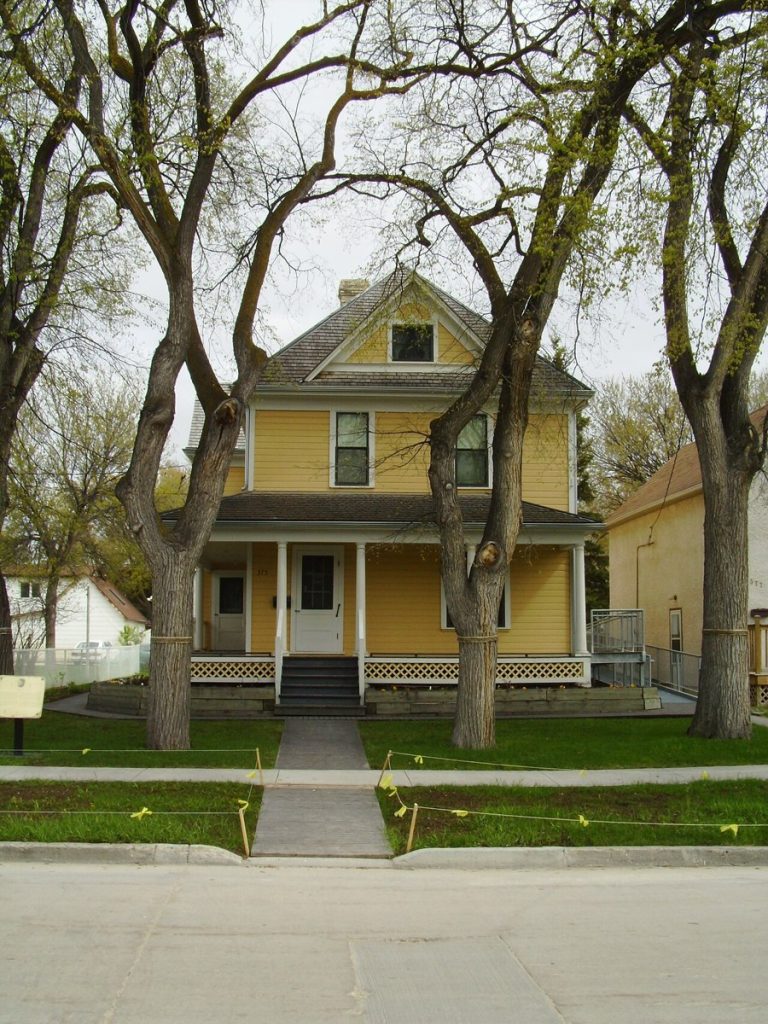
Gabrielle Roy’s childhood home at 375 Deschambault Street, St. Boniface, Manitoba, photographed in 2008.
CA-K147Culture & sport

Gabrielle Roy and The Tin Flute

Gabrielle Roy (1909–1983) gained immediate recognition with her first novel, The Tin Flute (Bonheur d’occasion, 1945), as a pioneer of social realism in Quebec. Born in St. Boniface, Manitoba, she drew on the immigrant experience and her years in the Franco-Manitoban community in later works.

Factual accuracy review: No recorded challenge

Contributor: Citizen.ca

Verified against cited sourcesVerified on 2026-10-26↗
Photo: Miguel Tremblay · Photo licence: CC0 · Credit & context