An independent Canadian knowledge project

Focused and Verified

Canadian knowledge base

Search by keyword

Choose one keyword, or combine two. Broader keywords include their descendants.

Keywords: Themes, values and contributions

Clear search
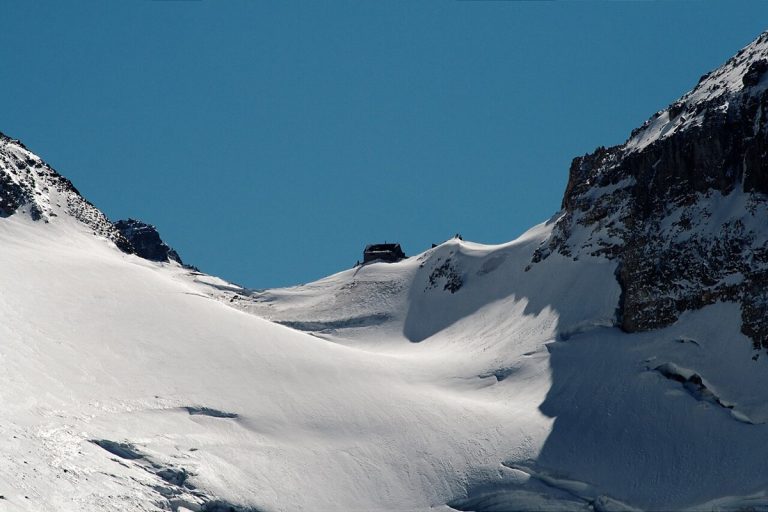
Abbot Pass and the refuge hut, seen from the Alberta side in 2010, before its demolition.
CA-K361Places & geography

The Abbot Pass Refuge Cabin, lost to erosion

The rustic stone Abbot Pass Refuge Cabin, built by the Canadian Pacific Railway in 1922 high in the Rockies between Mount Lefroy and Mount Victoria, sheltered hikers and mountaineers from 1923 until 2018. Erosion of the slope, accelerated by climate change, made the hut unstable and forced its demolition in 2022.

Factual accuracy review: No recorded challenge

Contributor: Citizen.ca

Verified against cited sourcesVerified on 2026-10-26↗
Photo: Florin Chelaru · Photo licence: CC BY 2.0 · Credit & context
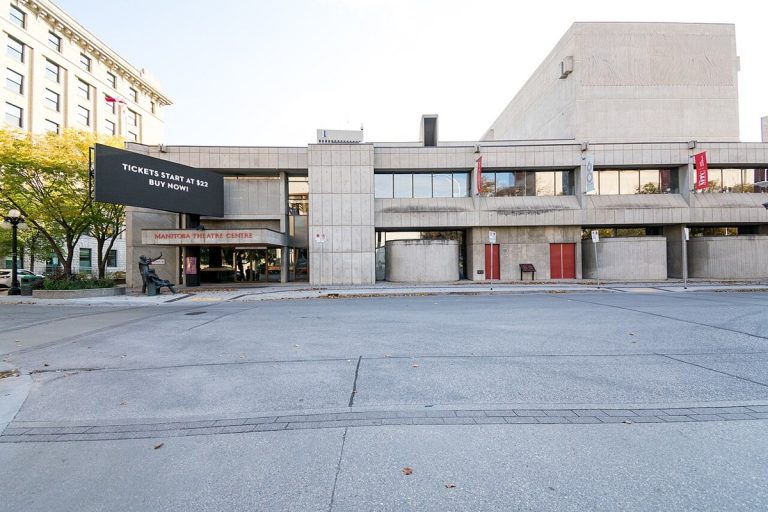
The Royal Manitoba Theatre Centre in Winnipeg, photographed in 2017.
CA-K359Culture & sport

The Royal Manitoba Theatre Centre, Winnipeg

The Royal Manitoba Theatre Centre in Winnipeg is an excellent example of small-scale Brutalist architecture, designed to create an intimate bond between audience and actors. Its company, judged a model regional theatre by the Canada Council for the Arts, helped popularize the regional theatre movement in Canada.

Factual accuracy review: No recorded challenge

Contributor: Citizen.ca

Verified against cited sourcesVerified on 2026-10-26↗
Photo: Jessica Losorata · Photo licence: CC BY-SA 4.0 · Credit & context
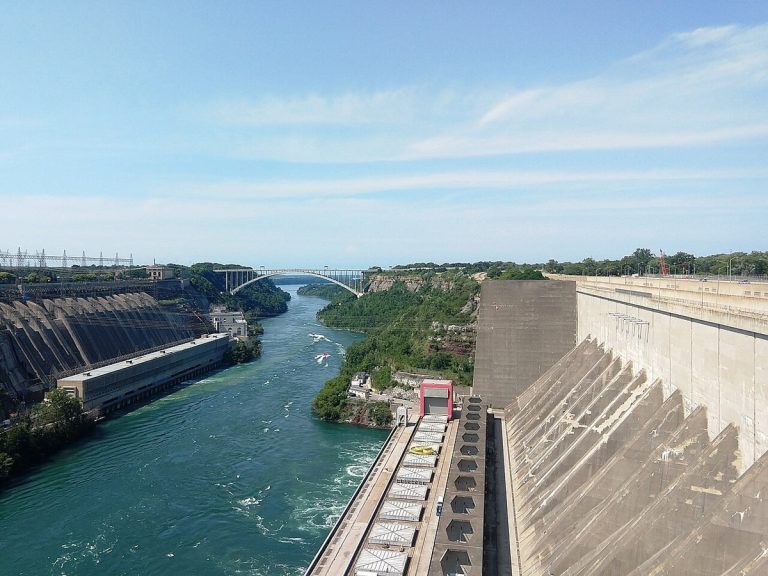
The Sir Adam Beck generating stations at Queenston (Ontario side) with the Robert Moses plant across the Niagara River, photographed in 2023.
CA-K355Economy & trade

The Queenston-Chippawa hydro-electric development

The Queenston-Chippawa hydro-electric development on the Niagara River, planned by Ontario’s Hydro-Electric Power Commission to meet rising demand in Toronto and southwestern Ontario, was an early hydro-electric mega-project. It required construction equipment, power units and a power canal on a scale not seen before.

Factual accuracy review: No recorded challenge

Contributor: Citizen.ca

Verified against cited sourcesVerified on 2026-10-26↗
Photo: Mr. Matté (if there is an issue with this image, contact me using this image's Commons talk page, my Commons user talk page, or my English Wikipedia user talk page; I'll know about it a lot faster) · Photo licence: CC BY-SA 4.0 · Credit & context
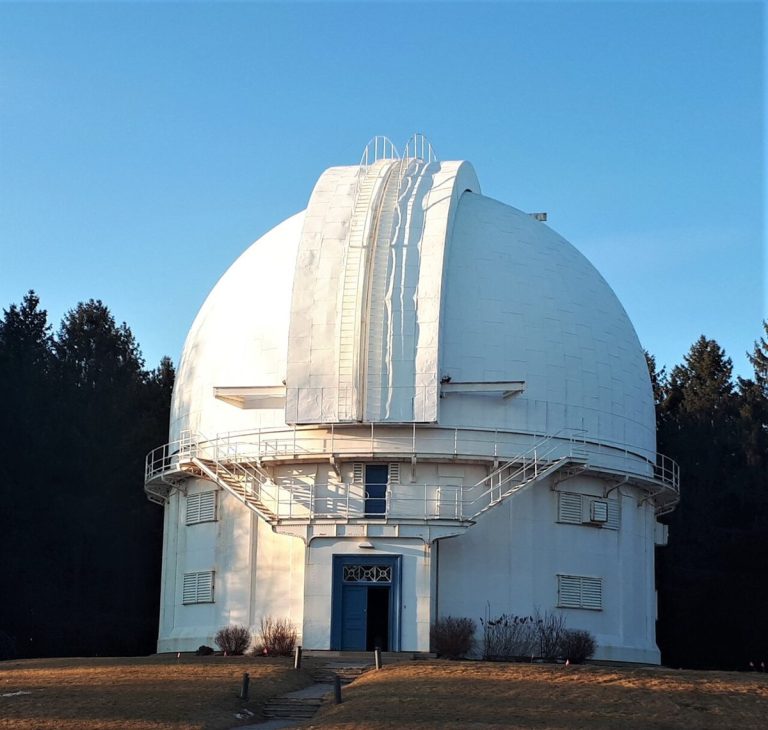
The David Dunlap Observatory in Richmond Hill, Ontario, photographed in 2019.
CA-K353History

The David Dunlap Observatory and black holes

The David Dunlap Observatory in Richmond Hill, Ontario, opened in 1935 for the University of Toronto and helped establish academic astronomy in Canada; its dome housed what was once the world’s second-largest telescope. There Thomas Bolton published evidence for a black hole in 1972, and Helen Sawyer Hogg catalogued star clusters.

Factual accuracy review: No recorded challenge

Contributor: Citizen.ca

Verified against cited sourcesVerified on 2026-10-26↗
Photo: Mhsheikholeslami · Photo licence: CC BY-SA 4.0 · Credit & context
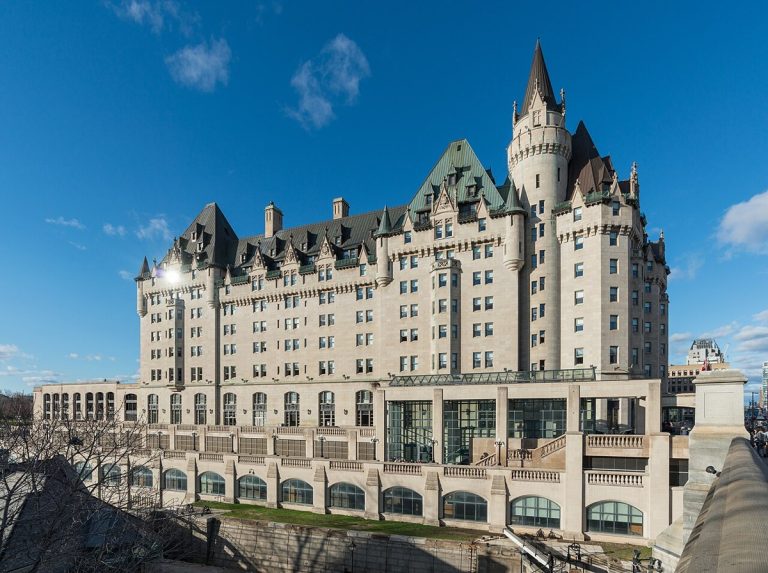
The Château Laurier in Ottawa, south view, photographed in 2017.
CA-K351Culture & sport

Château Laurier and the Château style

The Château Laurier in Ottawa, built between 1908 and 1912, was the first of a series of hotels by the Grand Trunk Pacific Railway to draw tourists to its transcontinental routes. The Château style of Canadian railway hotels evolved into a distinctly Canadian architectural type, and the hotel’s closeness to Parliament made it a model for that style.

Factual accuracy review: No recorded challenge

Contributor: Citizen.ca

Verified against cited sourcesVerified on 2026-10-26↗
Photo: DXR · Photo licence: CC BY-SA 4.0 · Credit & context
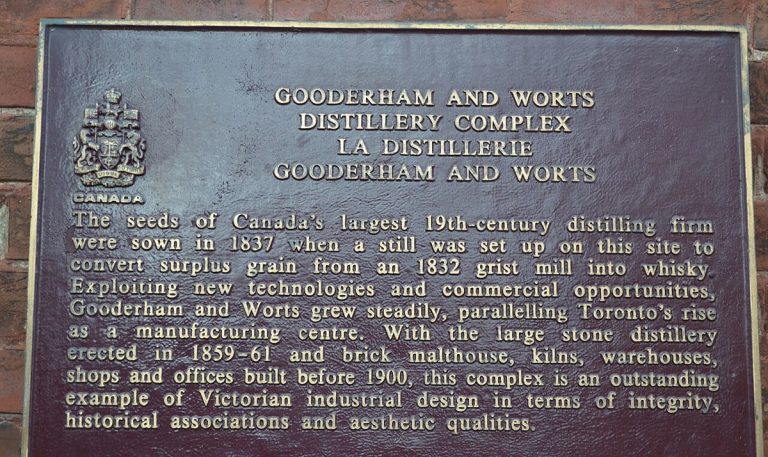
A commemorative plaque for the Gooderham and Worts Distillery in Toronto, photographed in 2015.
CA-K350Economy & trade

The Gooderham and Worts Distillery, Toronto

The Gooderham and Worts Distillery complex in Toronto is an imposing landmark whose buildings together bear witness to the evolution of the Canadian distilling industry. It is remarkably complete, illustrating the whole distilling process from processing raw materials to storing finished products for export.

Factual accuracy review: No recorded challenge

Contributor: Citizen.ca

Verified against cited sourcesVerified on 2026-10-26↗
Photo: Larry Koester · Photo licence: CC BY 2.0 · Credit & context
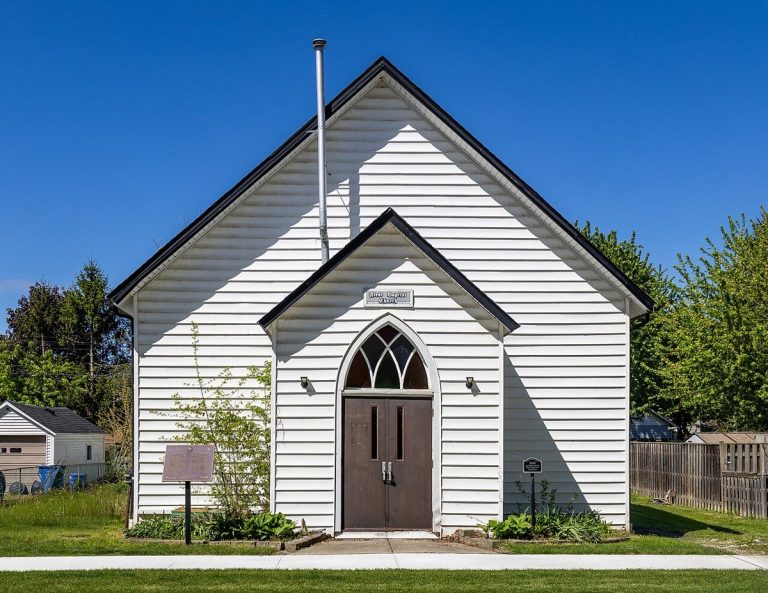
Amherstburg First Baptist Church in Amherstburg, Ontario, photographed in 2026.
CA-K348History

Amherstburg First Baptist Church

Amherstburg First Baptist Church, in Ontario, was a principal Underground Railroad-related Black church and a spiritual home for thousands of Black Baptists. As Mother Church of the Amherstburg Regular Missionary Baptist Association, it played a crucial role in developing Black communities and identity in Ontario.

Factual accuracy review: No recorded challenge

Contributor: Citizen.ca

Verified against cited sourcesVerified on 2026-10-26↗
Photo: Chris Woodrich · Photo licence: CC BY-SA 4.0 · Credit & context
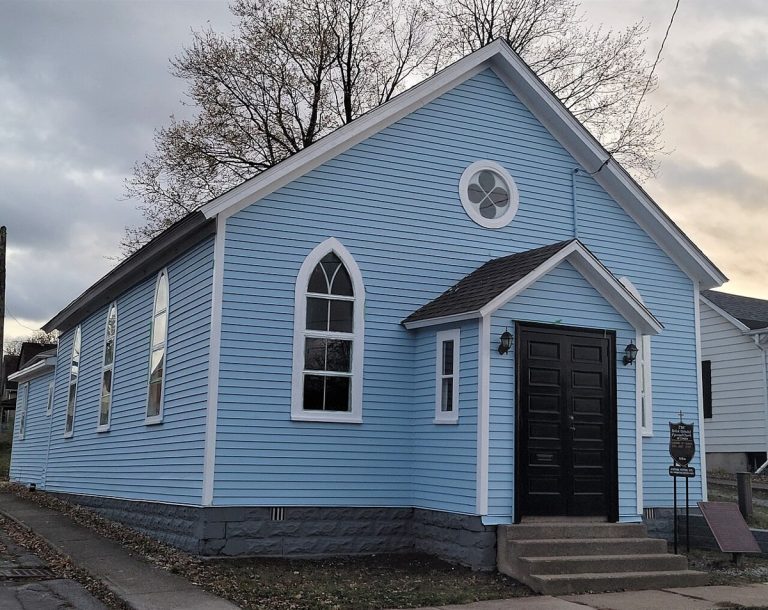
The R. Nathaniel Dett British Methodist Episcopal Church in Niagara Falls, Ontario, photographed in 2022.
CA-K347History

R. Nathaniel Dett BME Church, Niagara Falls

The R. Nathaniel Dett British Methodist Episcopal Church in Niagara Falls, Ontario, built in 1836 and later rolled on logs to its present site, illustrates early Black settlement in the Niagara area and the church’s role in receiving and sheltering Underground Railroad refugees. It is associated with the formative years of R. Nathaniel Dett, a leading figure in 20th-century North American sacred music.

Factual accuracy review: No recorded challenge

Contributor: Citizen.ca

Verified against cited sourcesVerified on 2026-10-26↗
Photo: Mhsheikholeslami · Photo licence: CC BY-SA 4.0 · Credit & context
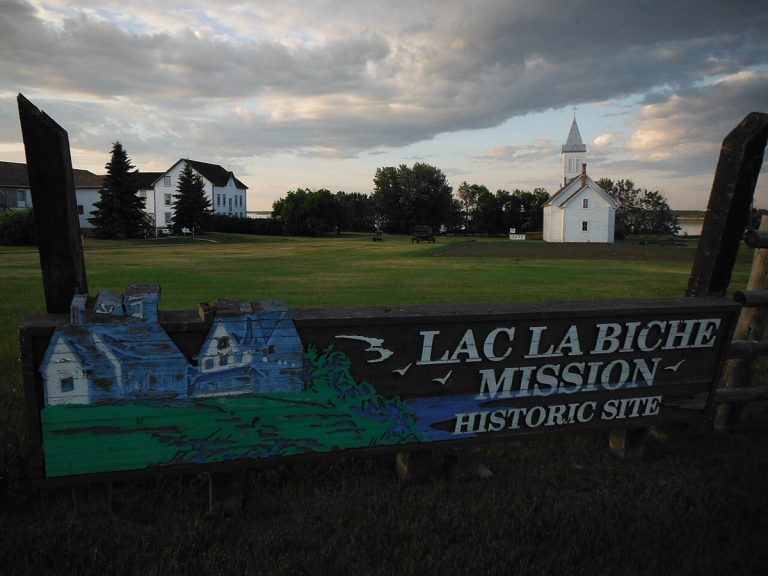
Lac La Biche Mission National Historic Site on the shore of Lac La Biche, Alberta, photographed in 2012.
CA-K345Indigenous peoples & reconciliation

Lac La Biche Mission

Notre Dame des Victoires / Lac La Biche Mission in Alberta, established by the Oblates in 1853 in the lands of the nêhiyawak (Cree) and other First Nations and the Métis homeland, was created to convert First Nations and Métis peoples to Christianity and became a supply hub for northern missions. From the 1860s its school, run by the Grey Nuns, was among the Catholic Church’s earliest experiments in residential education in the northwest.

Factual accuracy review: No recorded challenge

Contributor: Citizen.ca

Verified against cited sourcesVerified on 2026-10-26↗
Photo: Grapher78 · Photo licence: CC BY-SA 3.0 · Credit & context
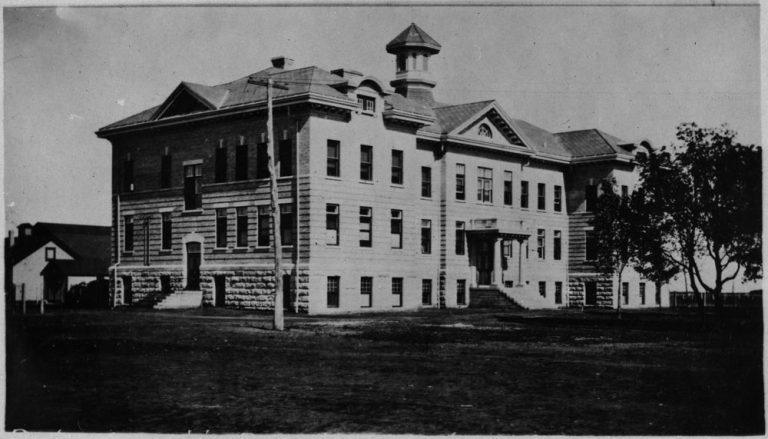
The school building at Portage la Prairie, Manitoba, around 1914–1915 (Library and Archives Canada).
CA-K344Indigenous peoples & reconciliation

The former Portage la Prairie Indian Residential School

At the Portage la Prairie Indian Residential School in Manitoba, built in 1914–1915 and open until 1975, Indigenous children endured abuse, severe discipline, punishment for speaking their languages and isolation from their families. Operated by the Presbyterian and United Churches for the federal government, it was part of a policy the Truth and Reconciliation Commission called cultural genocide; Long Plain First Nation took ownership in 1981 and has made it a place of commemoration and resilience.

Factual accuracy review: No recorded challenge

Contributor: Citizen.ca

Verified against cited sourcesVerified on 2026-10-26↗
Photo: BiblioArchives / LibraryArchives · Photo licence: CC BY 2.0 · Credit & context
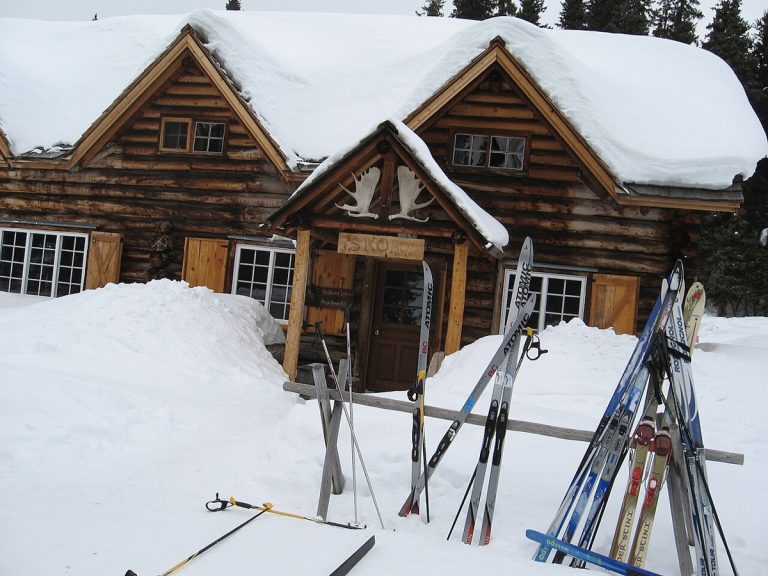
Skoki Lodge in Banff National Park, photographed in 2007.
CA-K341Culture & sport

Skoki Ski Lodge, Banff National Park

Skoki Ski Lodge in Banff National Park, opened in 1931 by a group of ski enthusiasts using timbers cut nearby, was one of the earliest backcountry lodges built for skiers in Canada’s Rocky Mountain parks. It is a fine example of the rustic log building tradition and a rare link with the early days of backcountry skiing.

Factual accuracy review: No recorded challenge

Contributor: Citizen.ca

Verified against cited sourcesVerified on 2026-10-26↗
Photo: Jim Baerg · Photo licence: CC BY-SA 4.0 · Credit & context
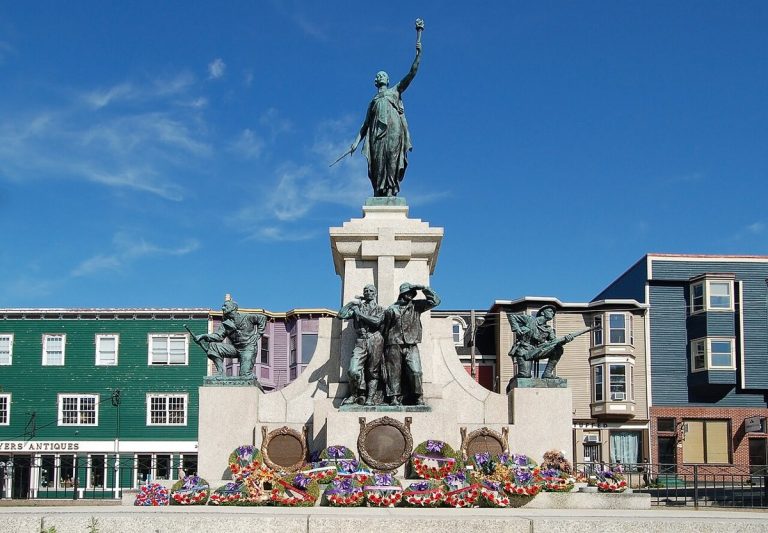
The Newfoundland National War Memorial in St. John’s, photographed in 2008.
CA-K339History

The Newfoundland National War Memorial

The Newfoundland National War Memorial in St. John’s, unveiled in 1924, commemorates the Dominion of Newfoundland’s contributions to the First World War. An allegorical female figure stands above bronze figures representing the Royal Newfoundland Regiment, Royal Naval Reserve, Mercantile Marine and Forestry Corps, beside the harbour where soldiers departed and returned.

Factual accuracy review: No recorded challenge

Contributor: Citizen.ca

Verified against cited sourcesVerified on 2026-10-26↗
Photo: Nilfanion · Photo licence: CC BY-SA 4.0 · Credit & context
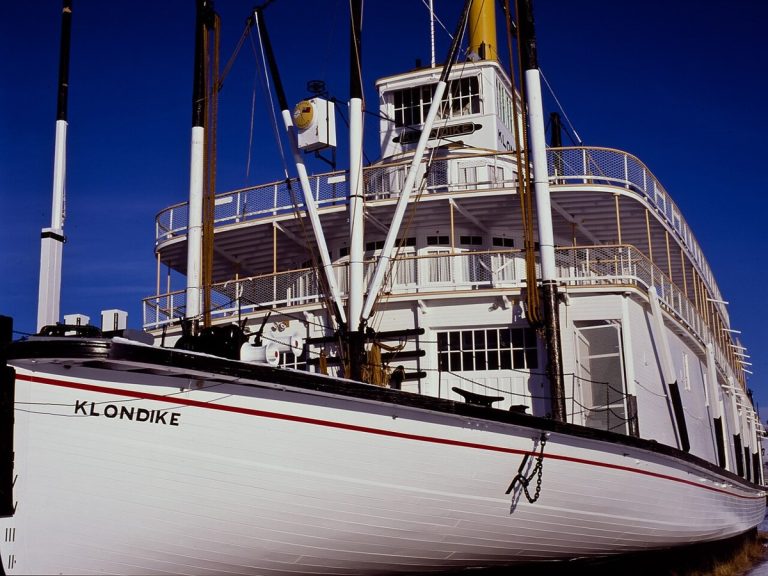
The S.S. Klondike in Whitehorse, Yukon, photographed in winter 2012.
CA-K338History

The S.S. Klondike sternwheeler

The S.S. Klondike, a shallow-draft sternwheeler launched in 1937, carried freight and passengers on the Yukon River until 1955, shortly before commercial navigation on the river ended in 1957. Restored by Parks Canada in Whitehorse, it commemorates inland water transportation in the Yukon.

Factual accuracy review: No recorded challenge

Contributor: Citizen.ca

Verified against cited sourcesVerified on 2026-10-26↗
Photo: Anthony DeLorenzo · Photo licence: CC BY-SA 3.0 · Credit & context
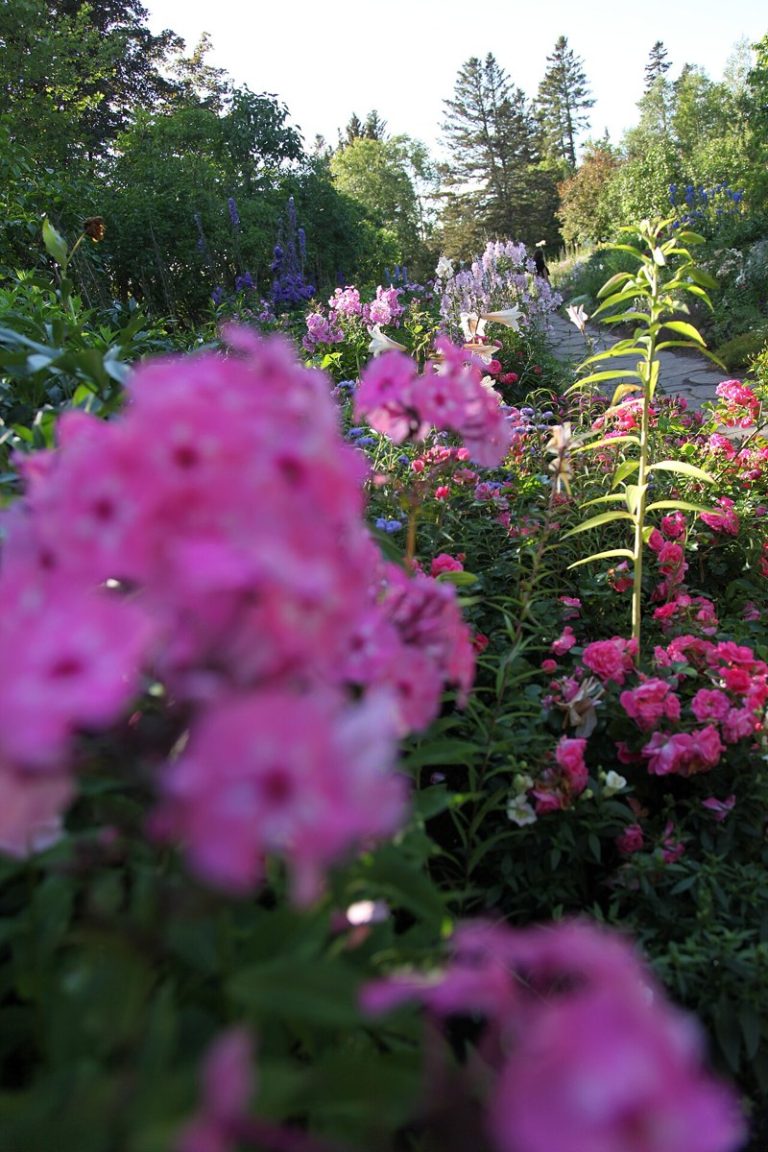
Flower beds and a path at the Jardins de Métis (Reford Gardens), Quebec, photographed in 2015.
CA-K337Culture & sport

Jardins de Métis (Reford Gardens)

The Jardins de Métis (Reford Gardens) in Quebec were created by Elsie Reford from about 1926 to 1958. Their English-inspired design includes specialized gardens, winding paths and an allée royale. The site’s favourable microclimate supports a diverse collection of plants.

Factual accuracy review: No recorded challenge

Contributor: Citizen.ca

Verified against cited sourcesVerified on 2026-10-26↗
Photo: Marc-Lautenbacher · Photo licence: CC BY-SA 4.0 · Credit & context
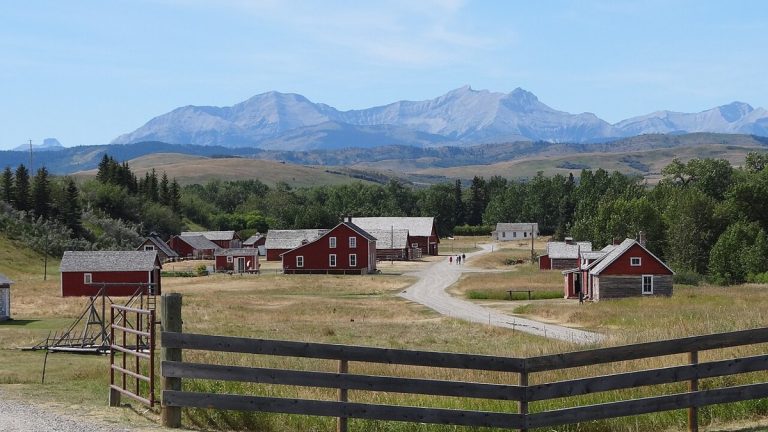
The Bar U Ranch National Historic Site, Alberta, seen from the interpretive centre in 2011.
CA-K336Economy & trade

The Bar U Ranch and Alberta ranching

The Bar U Ranch in the Alberta foothills was established in 1882 under the federal grazing lease policy and played an important role in Canada’s ranching industry. Owned in turn by the North-West Cattle Company, cattleman George Lane and Patrick Burns, the historic ranch represents Alberta ranching from 1880 to 1950.

Factual accuracy review: No recorded challenge

Contributor: Citizen.ca

Verified against cited sourcesVerified on 2026-10-26↗
Photo: David Mathew · Photo licence: CC BY-SA 3.0 · Credit & context
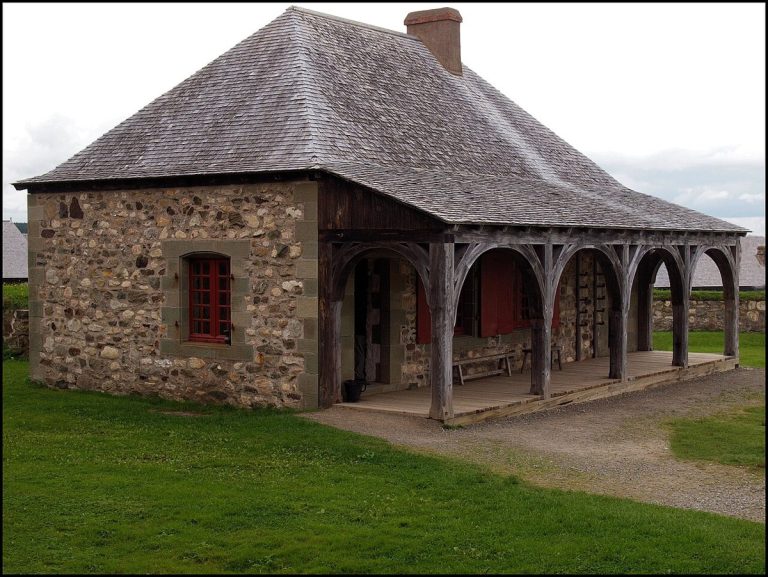
A reconstructed building at the Fortress of Louisbourg, Nova Scotia, photographed in 2016.
CA-K334History

The Fortress of Louisbourg

The Fortress of Louisbourg, on Cape Breton Island, was established by France as a critical fishing, trans-shipment and supply port and served as administrative capital of Île Royale, with a government, garrison and civilian population. Between 1713 and 1768 it was a place of profound significance in the struggle between France and Britain for empire.

Factual accuracy review: No recorded challenge

Contributor: Citizen.ca

Verified against cited sourcesVerified on 2026-10-26↗
Photo: KenCLeBlanc · Photo licence: CC BY-SA 4.0 · Credit & context
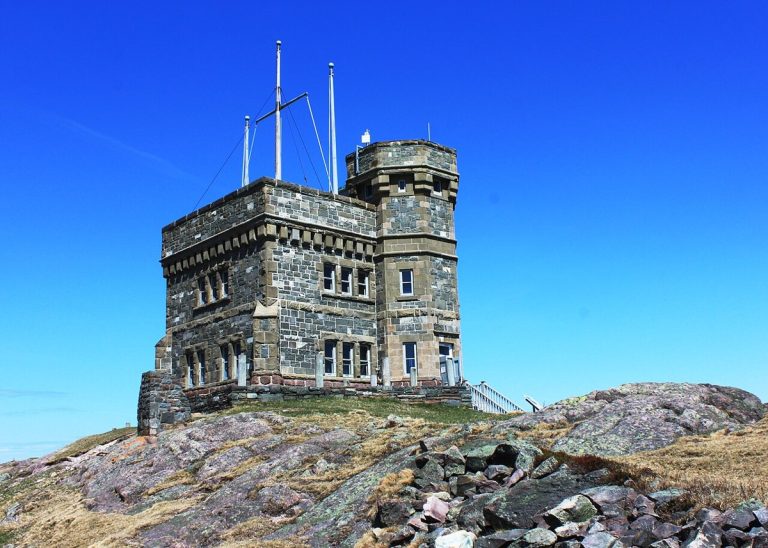
Cabot Tower on Signal Hill, St. John’s, Newfoundland and Labrador, photographed in 2013.
CA-K333History

Signal Hill and Marconi’s 1901 transmission

Signal Hill, overlooking the Narrows into St. John’s Harbour, was important for defence and communications for three centuries, with fortifications built as France and Britain battled for the continent. In 1901, Guglielmo Marconi received the first transatlantic wireless transmission atop the hill, a landmark in global communications history.

Factual accuracy review: No recorded challenge

Contributor: Citizen.ca

Verified against cited sourcesVerified on 2026-10-26↗
Photo: KristaKals · Photo licence: CC BY-SA 3.0 · Credit & context
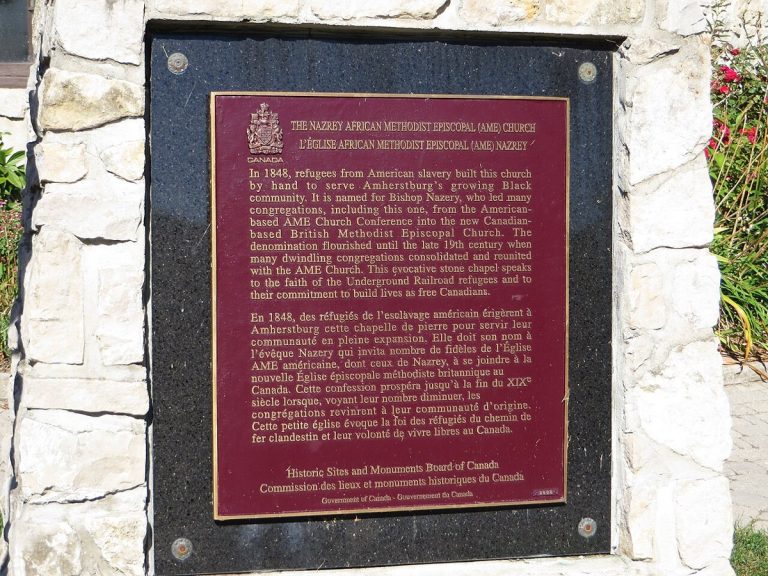
A commemorative plaque at the Nazrey African Methodist Episcopal Church in Amherstburg, Ontario, photographed in 2015.
CA-K330History

Nazrey AME Church, Amherstburg

In 1848, refugees from American slavery built the Nazrey African Methodist Episcopal Church by hand to serve Amherstburg’s growing Black community. The stone chapel is perhaps the building type most representative of Underground Railroad communities, and it is associated with Bishop Willis Nazrey, first leader of the British Methodist Episcopal Church, a wholly Canadian denomination founded by Underground Railroad refugees.

Factual accuracy review: No recorded challenge

Contributor: Citizen.ca

Verified against cited sourcesVerified on 2026-10-26↗
Photo: Ken Lund from Reno, Nevada, USA · Photo licence: CC BY-SA 2.0 · Credit & context
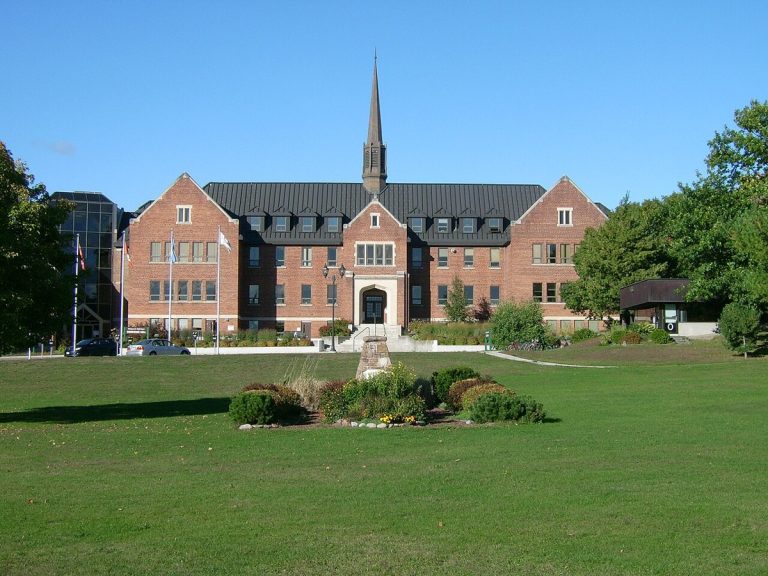
Shingwauk Hall, the former school’s main building, now part of Algoma University in Sault Ste. Marie, photographed in 2012.
CA-K328Indigenous peoples & reconciliation

The former Shingwauk Indian Residential School

The Shingwauk Indian Residential School in Sault Ste. Marie, Ontario, opened by the Anglican Church in 1875 and closed in 1970, was part of the residential school system that sought to assimilate Indigenous children by separating them from their families, cultures and languages. Named for Chief Shingwaukonse, whose vision of education was lost, it was a Shingwauk school “in name only”; its main building, Shingwauk Hall, is one of the few remaining residential school buildings in Canada.

Factual accuracy review: No recorded challenge

Contributor: Citizen.ca

Verified against cited sourcesVerified on 2026-10-26↗
Photo: Fungus Guy · Photo licence: CC BY-SA 3.0 · Credit & context
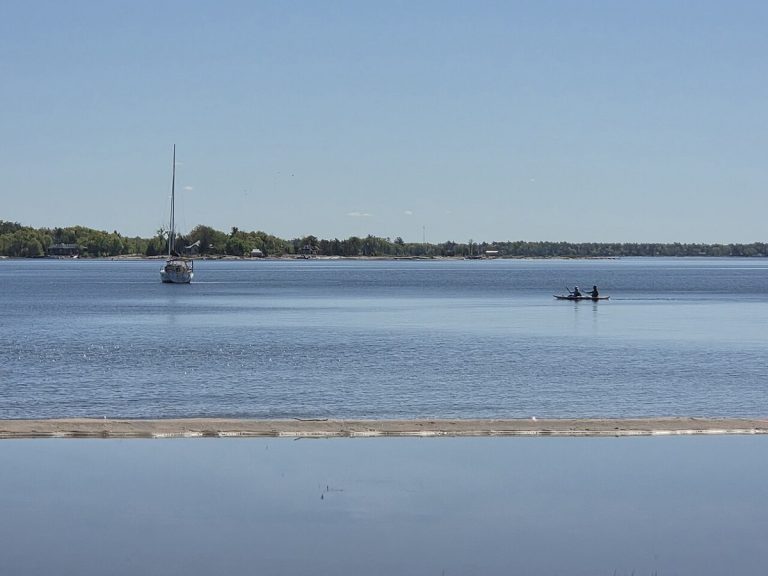
The eastern shore of Beausoleil Island, looking out over Severn Sound, photographed in 2026.
CA-K326Indigenous peoples & reconciliation

Beausoleil Island (Bimadinaagogi), an Anishinaabeg landscape

Beausoleil Island in Georgian Bay, named Bimadinaagogi (“a ridge extending and growing along”) by the Anishinaabeg, is a cultural landscape and place of memory for Indigenous Peoples’ relationships with the land and water. Indigenous narratives record the island’s creation and its importance to Anishinaabeg women who gathered plants and held ceremonies there, after some ten thousand years of occupation.

Factual accuracy review: No recorded challenge

Contributor: Citizen.ca

Verified against cited sourcesVerified on 2026-10-26↗
Photo: Explorers' Edge · Photo licence: CC0 · Credit & context
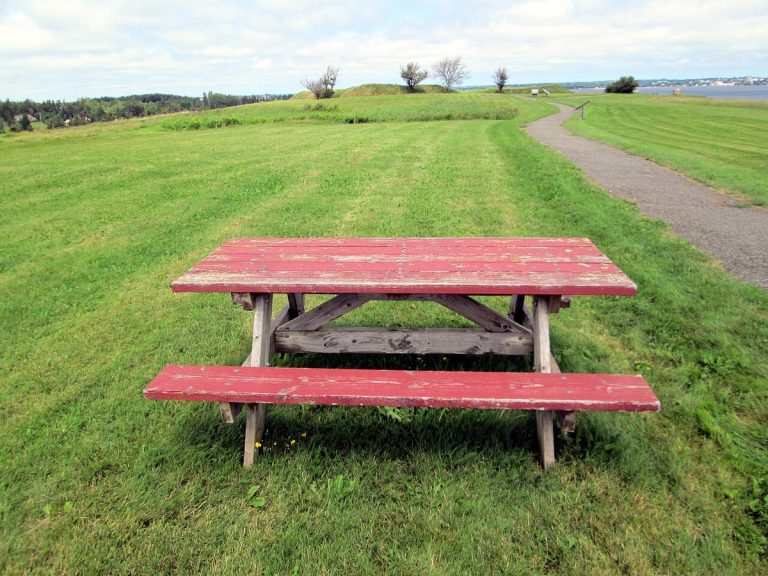
The site of Fort Amherst, Prince Edward Island, photographed in 2013.
CA-K325History

Skmaqn–Port-la-Joye–Fort Amherst

Skmaqn–Port-la-Joye–Fort Amherst, on Prince Edward Island, was the seat of colonial government from 1720 to 1768, first under the French and then the British. It was a port of entry and a place where Mi’kmaq and French leaders renewed their alliance. In 1758, British authorities used Fort Amherst to organize the forcible removal of more than 3,000 Acadians from the island.

Factual accuracy review: No recorded challenge

Contributor: Citizen.ca

Verified against cited sourcesVerified on 2026-10-26↗
Photo: Larry from Charlottetown, PEI, Canada · Photo licence: CC BY 2.0 · Credit & context
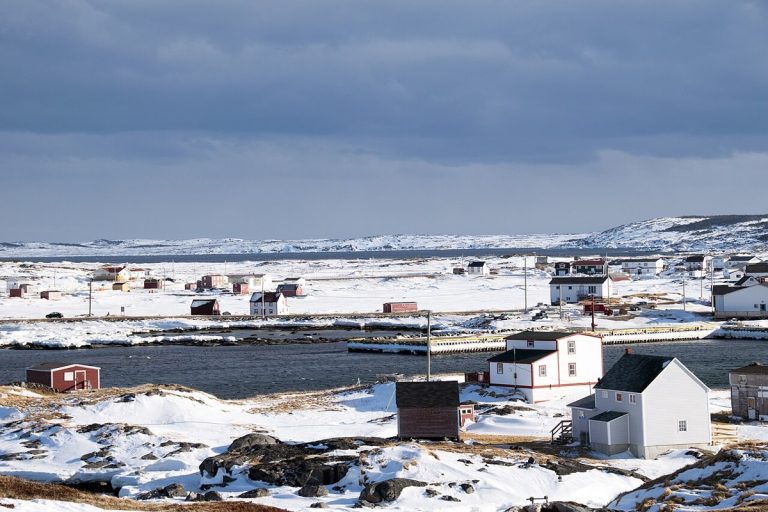
Tilting seen from Tilting Harbour, Fogo Island, photographed in 2017.
CA-K320Places & geography

Tilting, an Irish outport on Fogo Island

Tilting, a fishing community on the east coast of Fogo Island off Newfoundland’s northeast coast, is a living outport landscape of small wooden houses, outbuildings, gardens and pathways around its harbour. Its family neighbourhood clusters and fenced gardens illustrate adaptations of Irish settlement patterns and traditional outport life.

Factual accuracy review: No recorded challenge

Contributor: Citizen.ca

Verified against cited sourcesVerified on 2026-10-26↗
Photo: Paul Asman and Jill Lenoble · Photo licence: CC BY 2.0 · Credit & context
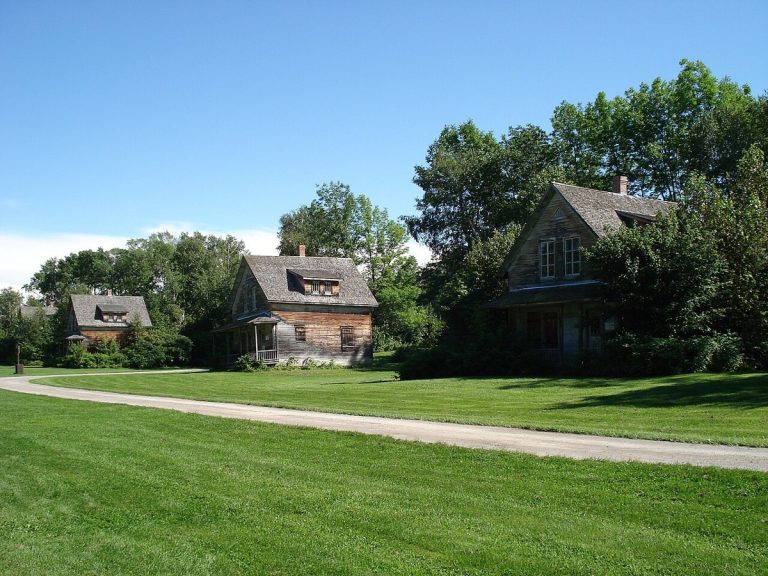
Houses in the ghost town of Val-Jalbert, Quebec, photographed in 2008.
CA-K319Economy & trade

Val-Jalbert, a pulp and paper company town

Val-Jalbert, near Lac Saint-Jean in Quebec, was founded in 1901 around a pulp and paper mill. The mill’s closure in 1927 led to the village’s gradual abandonment. Its mill, institutional buildings and wooden workers’ houses were conserved and developed as an open-air museum in the early 1960s, reflecting growing interest in heritage preservation.

Factual accuracy review: No recorded challenge

Contributor: Citizen.ca

Verified against cited sourcesVerified on 2026-10-26↗
Photo: Mathieu BROSSAIS · Photo licence: CC BY 4.0 · Credit & context
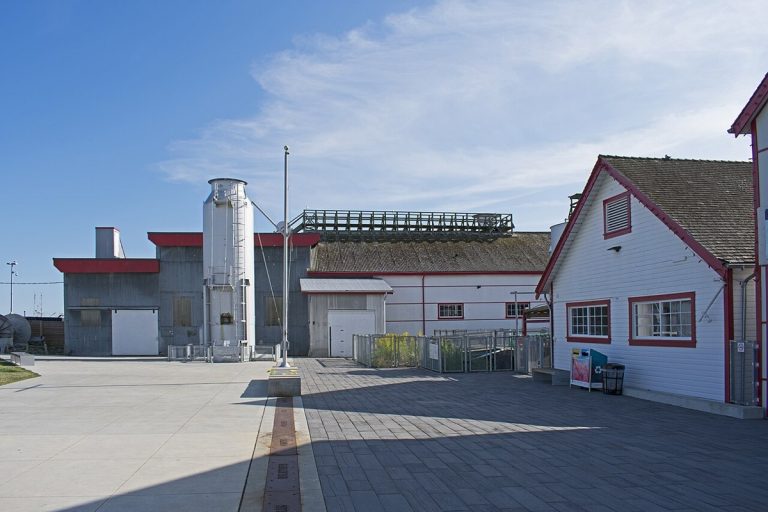
The Gulf of Georgia Cannery in Steveston, Richmond, British Columbia, photographed in 2019.
CA-K318Economy & trade

The Gulf of Georgia Cannery, Steveston

The Gulf of Georgia Cannery, a large complex of wooden fish-processing and canning buildings on a wharf at the mouth of the Fraser River in Steveston, British Columbia, recalls the West Coast fishing industry from the 1870s on. Its buildings, built and modified between 1894 and 1964, stand in what was historically the most important fishing village on the West Coast.

Factual accuracy review: No recorded challenge

Contributor: Citizen.ca

Verified against cited sourcesVerified on 2026-10-26↗
Photo: Ymblanter · Photo licence: CC BY-SA 4.0 · Credit & context