An independent Canadian knowledge project

Focused and Verified

Canadian knowledge base

Search by keyword

Choose one keyword, or combine two. Broader keywords include their descendants.

Keywords: Time periods

Clear search
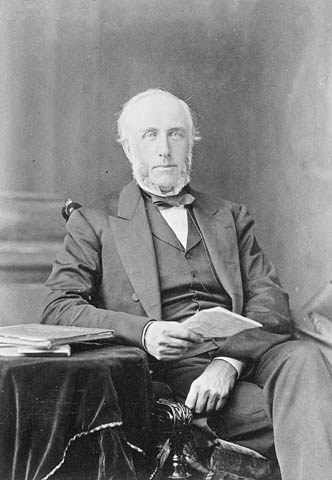
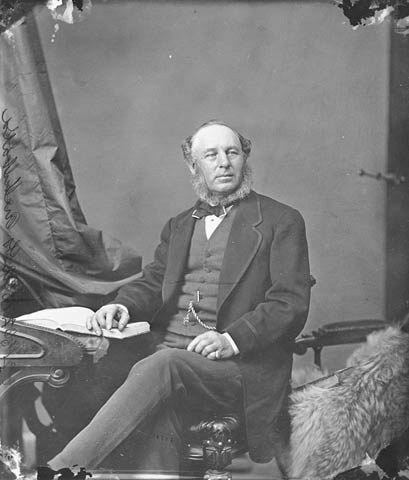
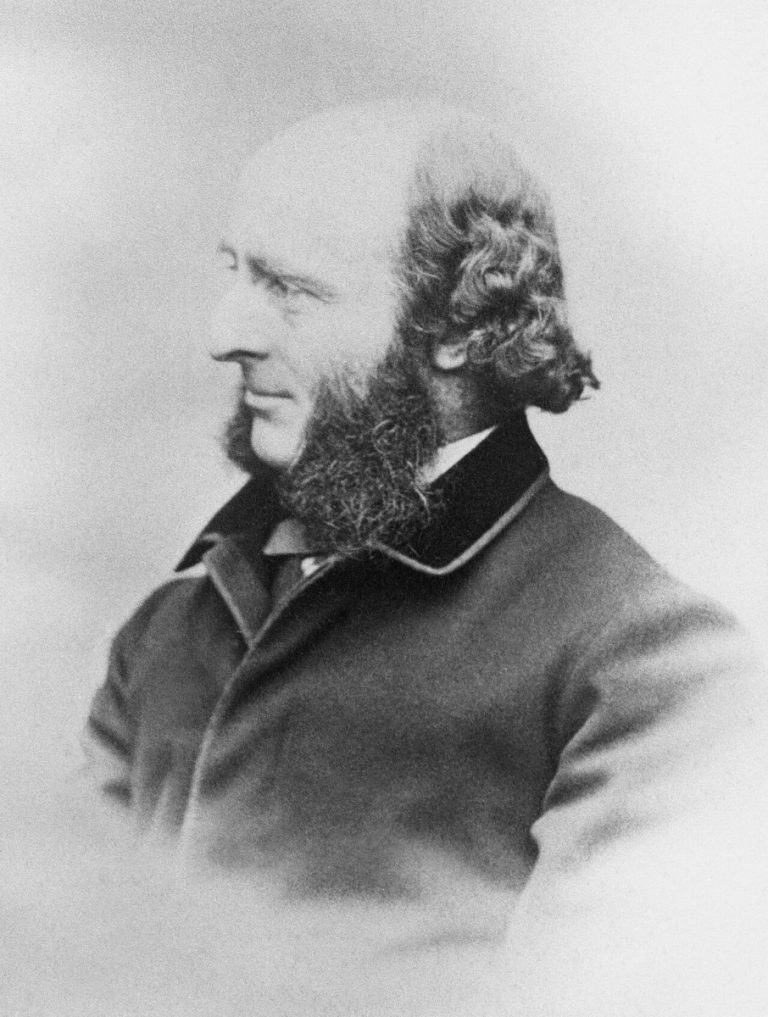
A portrait of Henry Youle Hind, about 1865.
CA-K288Places & geography

Henry Youle Hind’s surveys of the North-West

Henry Youle Hind (1823–1908), a scientist and explorer, led surveys of the North-West between 1857 and 1860 that produced scientific reports, photographs and maps. His reports on arable land helped shape Canada’s decision to pursue the acquisition of Rupert’s Land, a decision taken, as Parks Canada notes, without regard for Indigenous peoples.

Factual accuracy review: No recorded challenge

Contributor: Citizen.ca

Verified against cited sourcesVerified on 2026-10-26↗
Photo: Cox, A. W. · Photo licence: CC BY-SA 4.0 · Credit & context
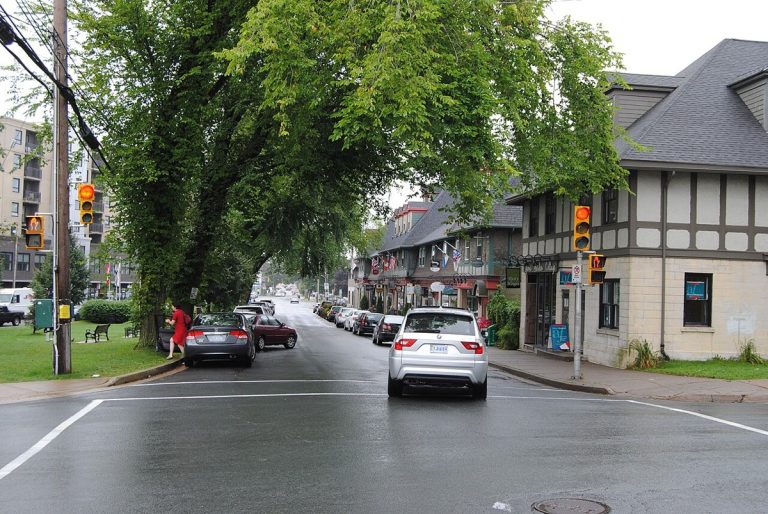
The Hydrostone district in Halifax, Nova Scotia, photographed in 2011.
CA-K287Institutions

Thomas Adams and the Hydrostone

Thomas Adams (1871–1940), a leading town planner in early-20th-century Canada, influenced provincial planning laws in seven provinces and led the early professionalization of planning. He designed public housing projects such as Lindenlea in Ottawa and the Hydrostone district of Halifax, planned to rebuild the Richmond neighbourhood after the 1917 Halifax Explosion.

Factual accuracy review: No recorded challenge

Contributor: Citizen.ca

Verified against cited sourcesVerified on 2026-10-26↗
Photo: Paul from Hacketts Cove, Canada · Photo licence: CC BY 2.0 · Credit & context
Bowring Park in St. John’s, Newfoundland and Labrador, at sunset in 2011.
CA-K286Culture & sport

Frederick Todd, Canada’s first professional landscape architect

Frederick Gage Todd (1876–1948), Canada’s first professional landscape architect, trained with the Olmsted firm and designed beloved parks including Assiniboine Park in Winnipeg, Bowring Park in St. John’s and the Plains of Abraham battlefields park in Québec City. His 1903 plan for Ottawa influenced every later plan for the capital.

Factual accuracy review: No recorded challenge

Contributor: Citizen.ca

Verified against cited sourcesVerified on 2026-10-26↗
Photo: Sivaprasad.ucc · Photo licence: CC BY-SA 3.0 · Credit & context
The Confederation Trail, on the former railway roadbed, at Freetown, Prince Edward Island, in 2017.
CA-K284History

The Prince Edward Island Railway and Confederation

The Prince Edward Island Railway was built between 1871 and 1875 to bring economic growth and better communications. Its costs threatened the colony with bankruptcy, and in 1873, after Ottawa agreed to pay for completing the line, Prince Edward Island joined Confederation; after service ended, its roadbed became part of the Confederation Trail.

Factual accuracy review: No recorded challenge

Contributor: Citizen.ca

Verified against cited sourcesVerified on 2026-10-26↗
Photo: Larry from Charlottetown, PEI, Canada · Photo licence: CC BY 2.0 · Credit & context
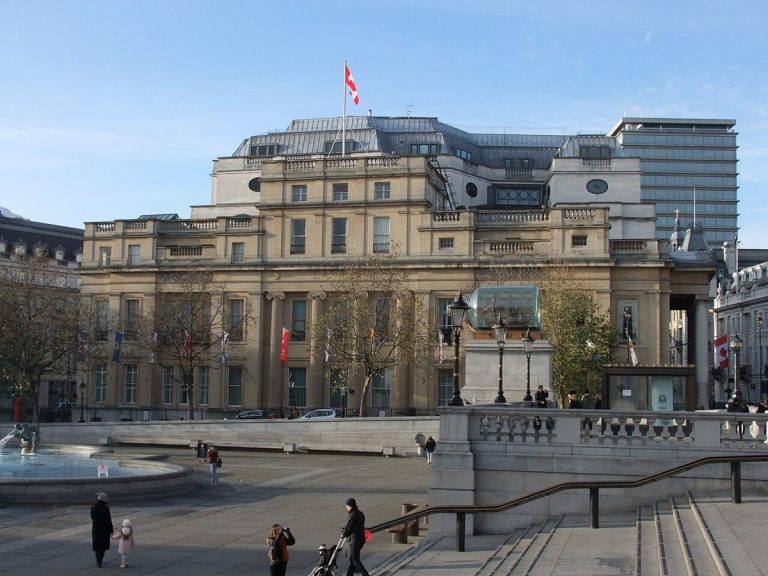
Canada House on Trafalgar Square, London, photographed in 2010.
CA-K283Institutions

Canada’s High Commission in London, 1880

In 1880, Canada became the first country of the British Empire to establish a high commission in London, mainly to promote trade and immigration, with former finance minister Sir Alexander Galt as the first high commissioner. Canada’s oldest diplomatic posting moved in 1925 to Canada House on Trafalgar Square, now a symbol of Canada in the British capital.

Factual accuracy review: No recorded challenge

Contributor: Citizen.ca

Verified against cited sourcesVerified on 2026-10-26↗
Photo: PAUL FARMER · Photo licence: CC BY-SA 2.0 · Credit & context
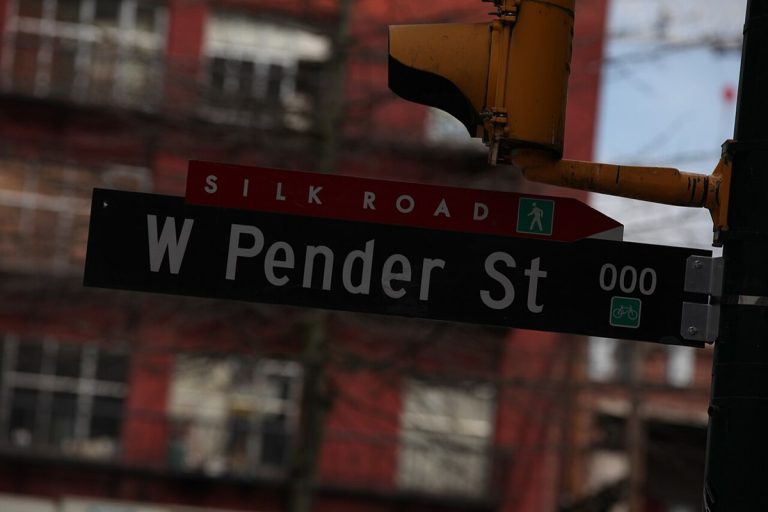
West Pender Street in Vancouver’s Chinatown, photographed in 2011.
CA-K281History

The exclusion of Chinese immigrants, 1923–1947

The Chinese Immigration Act (Chinese Exclusion Act), which took effect on 1 July 1923, imposed discriminatory restrictions on Chinese immigration and replaced the head tax. All Chinese people in Canada, including those born here, had to register or risk fines, detention or deportation. Chinese Canadians challenged the law until its repeal in 1947.

Factual accuracy review: No recorded challenge

Contributor: Citizen.ca

Verified against cited sourcesVerified on 2026-10-26↗
Photo: Kyle Lawrence · Photo licence: CC BY-SA 3.0 · Credit & context
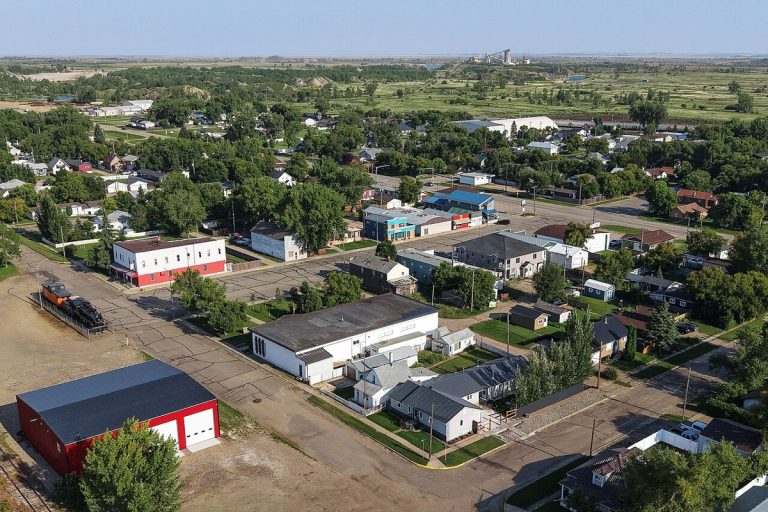
Bienfait, Saskatchewan, from the air in 2026.
CA-K279History

The 1931 Estevan strike and Black Tuesday

In September 1931, coal miners in Bienfait, Saskatchewan, went on a 30-day strike when mine owners refused to recognize their union. A motor cavalcade of strikers and supporters turned deadly in Estevan when police shot and killed three miners and injured 23 others; known as Black Tuesday, it remains a tragic legacy of the Depression.

Factual accuracy review: No recorded challenge

Contributor: Citizen.ca

Verified against cited sourcesVerified on 2026-10-26↗
Photo: Quintin Soloviev · Photo licence: CC BY 4.0 · Credit & context
A portrait of George Brown, Father of Confederation.
CA-K277History

George Brown, The Globe and the Great Coalition

George Brown (1818–1880) founded the influential newspaper The Globe in 1844 and became a leading reformer and head of the “Clear Grit” party. In 1864 he was a key figure in the Great Coalition that made Confederation possible, and he co-founded the Anti-Slavery Society of Canada.

Factual accuracy review: No recorded challenge

Contributor: Citizen.ca

Verified against cited sourcesVerified on 2026-10-26↗
Photo: Hunter & Co. · Photo licence: Public domain · Credit & context
A portrait of Sir Adams George Archibald.
CA-K275Indigenous peoples & reconciliation

Adams Archibald, Métis land rights and Treaties 1 and 2

Adams George Archibald (1814–1892), first lieutenant-governor of Manitoba and the North-West Territories (1870–1872), was charged with administering the Manitoba Act’s guarantee of Métis land rights, which proved difficult amid settler encroachment and while Canadian militia subjected Métis people to a “reign of terror.” In 1871 he represented the Crown in negotiating Treaties 1 and 2, but several promises he made were not written into the treaties.

Factual accuracy review: No recorded challenge

Contributor: Citizen.ca

Verified against cited sourcesVerified on 2026-10-26↗
Photo: User Magnus Manske on en.wikipedia · Photo licence: Public domain · Credit & context
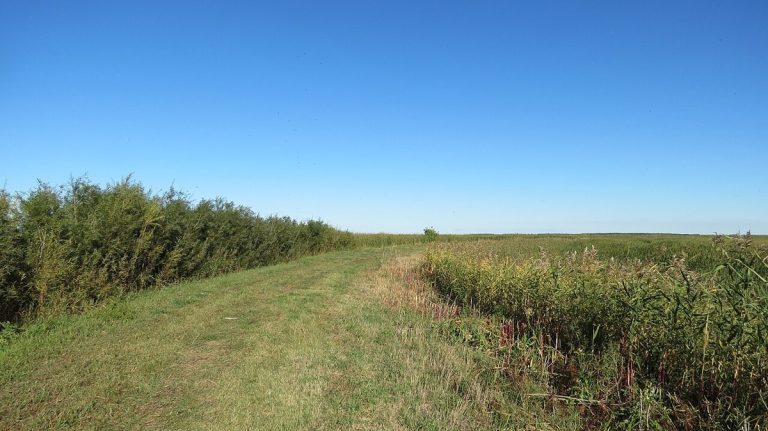
Oak Hammock Marsh near Stonewall, Manitoba, where the designation’s plaque stands, photographed in 2013.
CA-K272Places & geography

Ducks Unlimited Canada and wetland conservation

Ducks Unlimited Canada was founded in Winnipeg in 1938 by Canadian and American sportsmen responding to declining waterfowl populations and wetland loss. The organization helped develop wetland restoration and carried out one of the first large-scale surveys of breeding waterfowl, an early example of international, grassroots conservation.

Factual accuracy review: No recorded challenge

Contributor: Citizen.ca

Verified against cited sourcesVerified on 2026-10-26↗
Photo: Robert Linsdell from St. Andrews, Canada · Photo licence: CC BY 2.0 · Credit & context
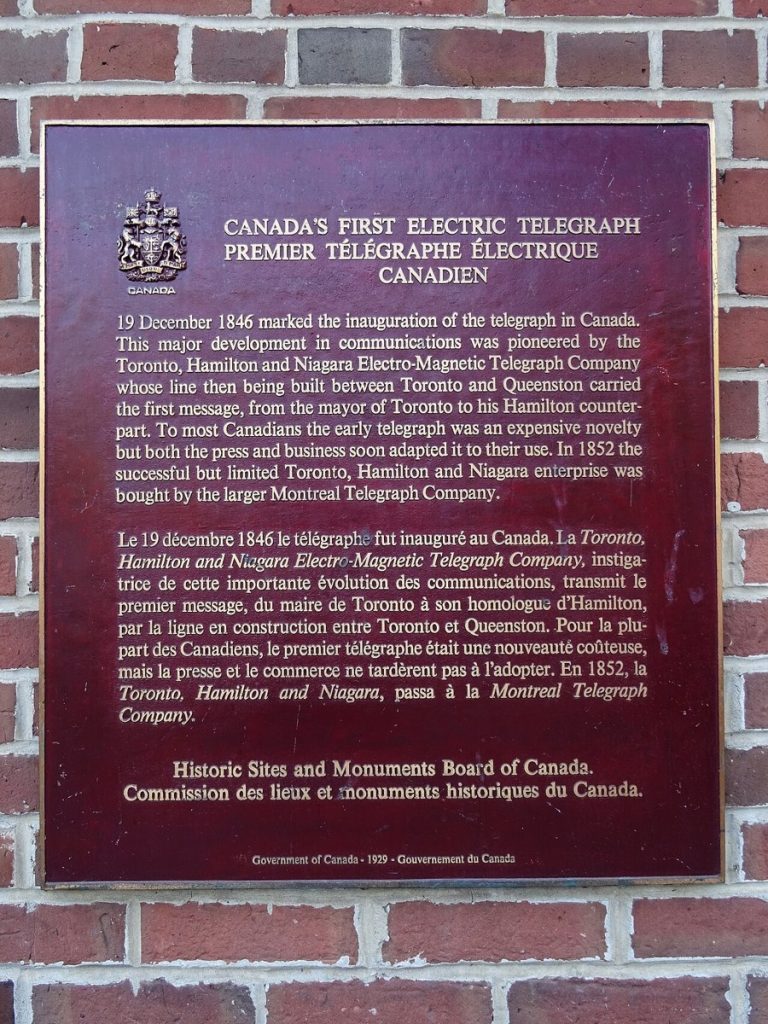
The Historic Sites and Monuments Board plaque for Canada’s First Electric Telegraph in Toronto, photographed in 2018.
CA-K270Economy & trade

Canada’s first electric telegraph, 1846

The telegraph was inaugurated in Canada on 19 December 1846, when the Toronto, Hamilton and Niagara Electro-Magnetic Telegraph Company’s line carried the first message, from the mayor of Toronto to the mayor of Hamilton. At first an expensive novelty, the telegraph was soon adopted by the press and business.

Factual accuracy review: No recorded challenge

Contributor: Citizen.ca

Verified against cited sourcesVerified on 2026-10-26↗
Photo: Spudgun67 · Photo licence: CC BY-SA 4.0 · Credit & context
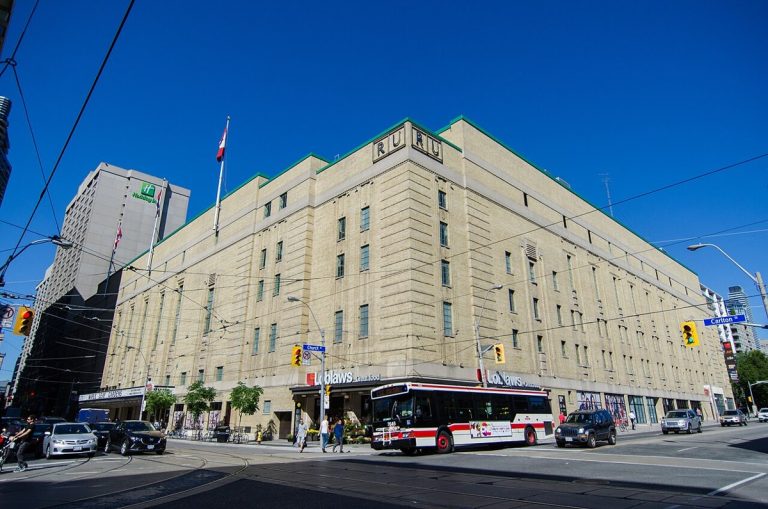
Maple Leaf Gardens at Church and Carlton streets, Toronto, photographed in 2016.
CA-K269Culture & sport

The Toronto Maple Leafs, an original NHL club

The Toronto Maple Leafs trace their origins to one of the first National Hockey League teams, formed in 1917; co-owner Conn Smythe renamed the St. Patricks the Maple Leafs in 1927 and built Maple Leaf Gardens during the Depression. Foster Hewitt’s broadcasts brought the team national attention, and it won 13 Stanley Cups between 1918 and 1967.

Factual accuracy review: No recorded challenge

Contributor: Citizen.ca

Verified against cited sourcesVerified on 2026-10-26↗
Photo: Jeff Hitchcock · Photo licence: CC BY 2.0 · Credit & context
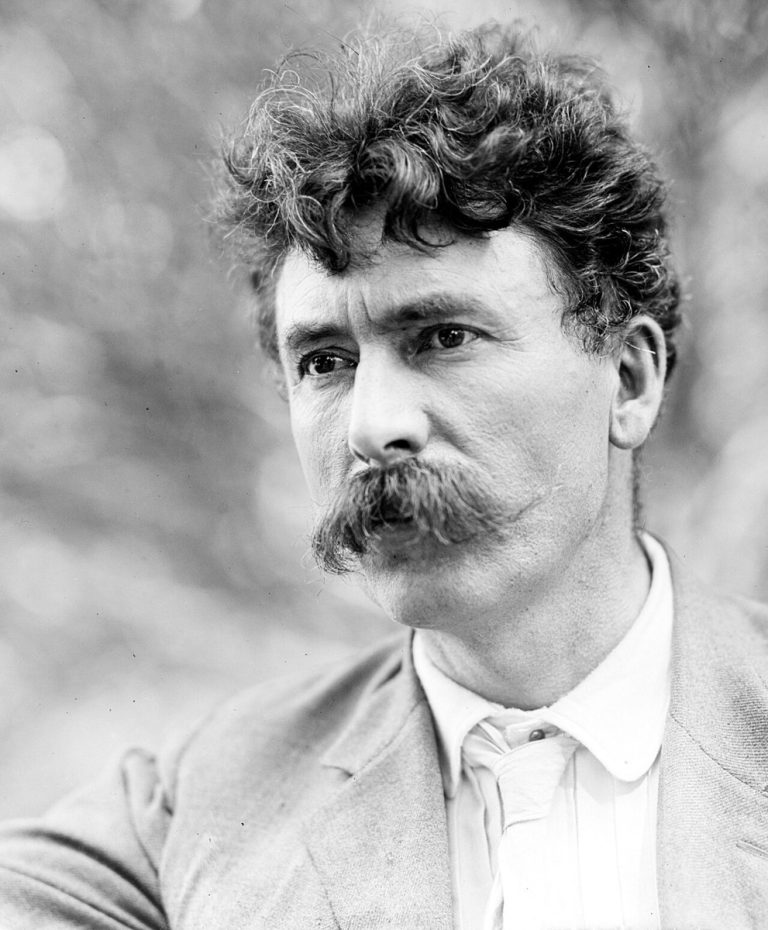
Ernest Thompson Seton (Bain News Service photograph).
CA-K266Culture & sport

Ernest Thompson Seton, naturalist and writer

Ernest Thompson Seton (1860–1946), largely self-taught, made major contributions as a naturalist, ornithologist, conservationist and wildlife artist, and his bestselling realistic animal stories developed a distinctive Canadian genre. His “Woodcraft Indians” youth program influenced the Boy Scout movement and summer camps but, as Parks Canada’s 2022 review notes, also contributed to inaccurate stereotypes of First Nations.

Factual accuracy review: No recorded challenge

Contributor: Citizen.ca

Verified against cited sourcesVerified on 2026-10-26↗
Photo: Bain News Service · Photo licence: Public domain · Credit & context
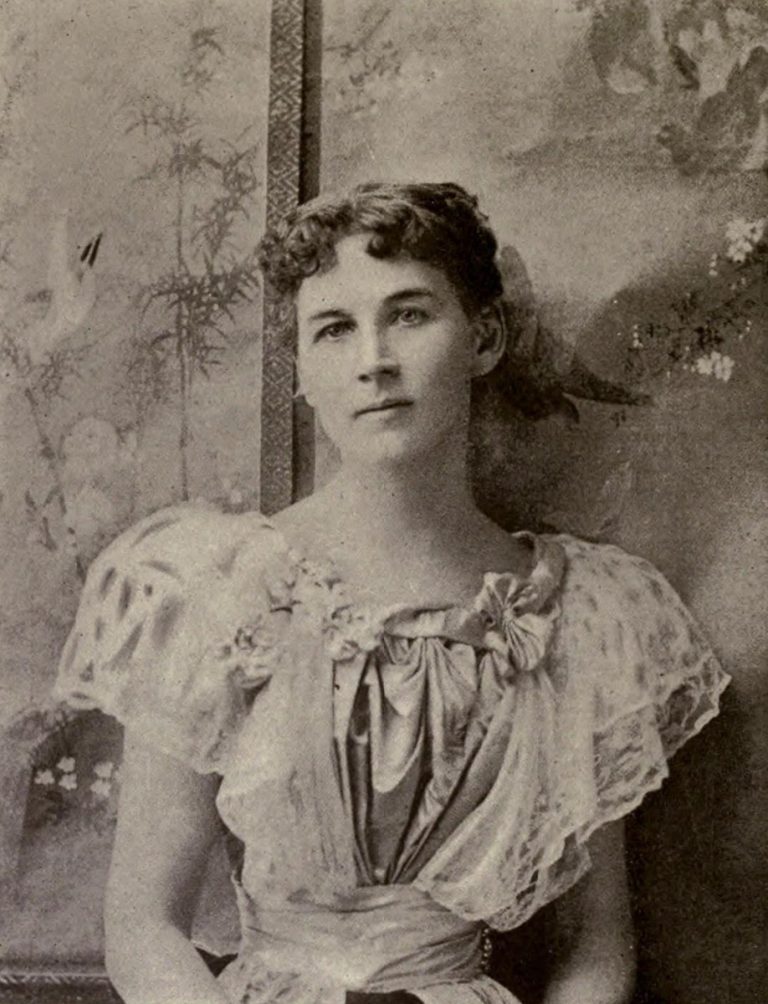
A portrait of Sara Jeannette Duncan, taken no later than 1903.
CA-K265Culture & sport

Sara Jeannette Duncan and The Imperialist

Sara Jeannette Duncan (1861–1922), a pioneering late-19th-century journalist, challenged norms by examining women’s changing roles, the need for a national culture and Canadian politics. After leaving Canada in 1890 she lived in India and England and wrote more than 20 popular books, including The Imperialist (1904), a Canadian classic set in a fictionalized Brantford.

Factual accuracy review: No recorded challenge

Contributor: Citizen.ca

Verified against cited sourcesVerified on 2026-10-26↗
Photo: not stated · Photo licence: Public domain · Credit & context
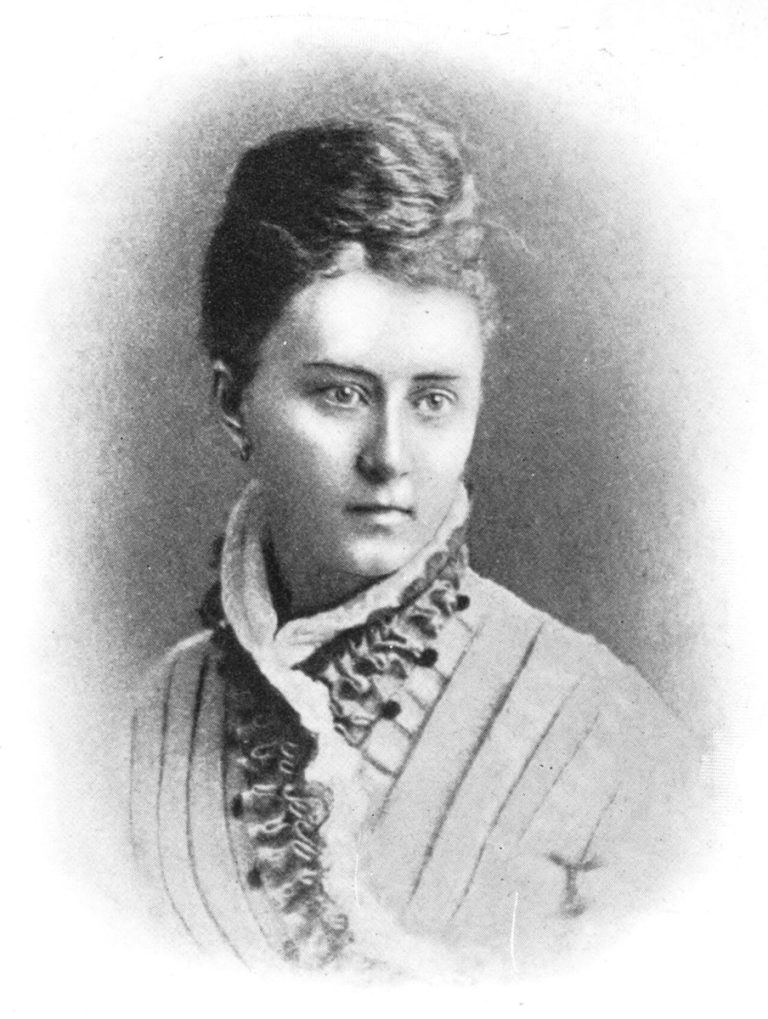
A portrait of Isabella Valancy Crawford, published around 1919.
CA-K264Culture & sport

Isabella Valancy Crawford, poet

Irish-born Isabella Valancy Crawford (1850–1887) came to Canada as a girl, settled in Peterborough and supported her family by writing after 1875. Largely unknown in her short life, she is now considered one of the finest Canadian poets of her generation, best remembered for the long poems “Malcolm’s Katie” and “Old Spookses’ Pass.”

Factual accuracy review: No recorded challenge

Contributor: Citizen.ca

Verified against cited sourcesVerified on 2026-10-26↗
Photo: Caswell, Edward S. (Edward Samuel), 1861-1938 · Photo licence: Public domain · Credit & context
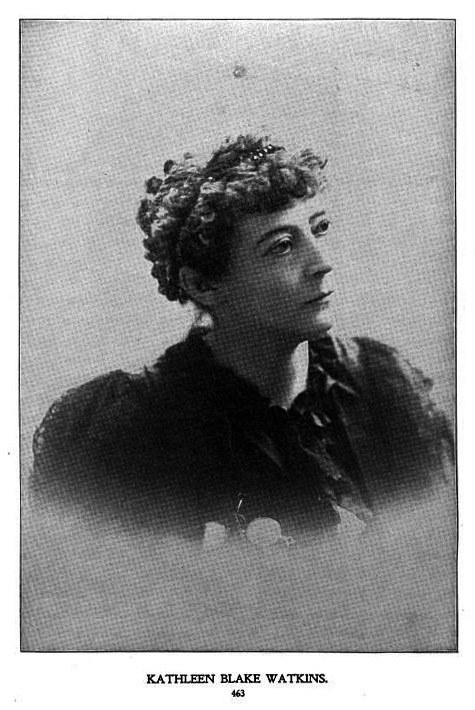
A portrait of Kathleen Blake Coleman, 1896.
CA-K263Culture & sport

Kit Coleman, pioneering journalist

Kathleen Blake Coleman (1856–1915), writing as “Kit,” ran the “Woman’s Kingdom” pages of Toronto’s Daily Mail, later the Mail and Empire, from 1889 to 1911, winning a wide following with her witty, irreverent style. As the first American-accredited woman war correspondent, she covered the Spanish-American War in Cuba in 1898.

Factual accuracy review: No recorded challenge

Contributor: Citizen.ca

Verified against cited sourcesVerified on 2026-10-26↗
Photo: Photographer unidentified · Photo licence: Public domain · Credit & context
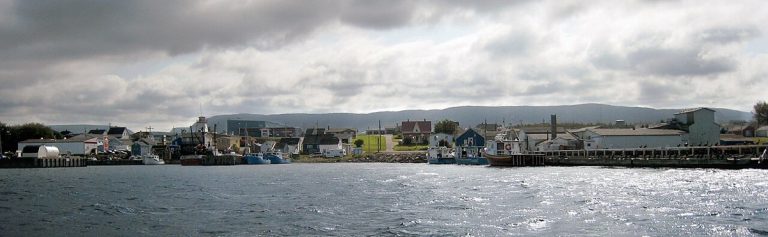
Chéticamp, Nova Scotia, seen from the water in 2009.
CA-K260History

Jeanne Dugas, Acadian co-founder of Chéticamp

Jeanne Dugas (1731–1817) and her family fled Île Royale (Cape Breton) to escape the 1758 deportation but were captured and imprisoned in Halifax. A midwife and keeper of Acadian stories, she co-founded Chéticamp around 1785; having lived through eight dislocations, she embodies the resilience of Acadian women through 50 years of upheaval.

Factual accuracy review: No recorded challenge

Contributor: Citizen.ca

Verified against cited sourcesVerified on 2026-10-26↗
Photo: Michael Sprague from Candler, North Carolina · Photo licence: CC BY-SA 2.0 · Credit & context
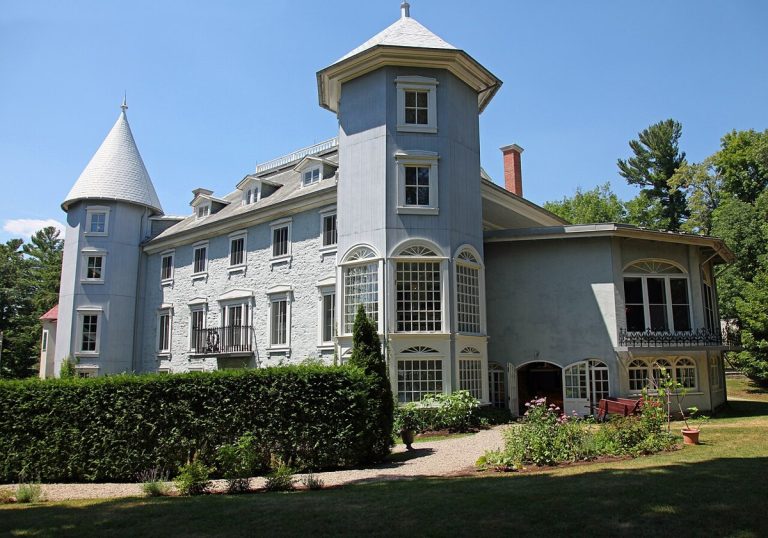
The Manoir-Papineau in Montebello, Quebec, photographed in 2018.
CA-K258History

Louis-Joseph Papineau, leader of the Patriotes

Louis-Joseph Papineau (1786–1871) strove to reform Lower Canada’s political institutions and strengthen democracy. As Speaker of the House of Assembly and leader of the Parti canadien, later the Parti patriote, he became the leading political figure of the 1837–1838 uprisings; in 1850 he settled at his manor in Montebello.

Factual accuracy review: No recorded challenge

Contributor: Citizen.ca

Verified against cited sourcesVerified on 2026-10-26↗
Photo: Marc-Lautenbacher · Photo licence: CC BY-SA 4.0 · Credit & context
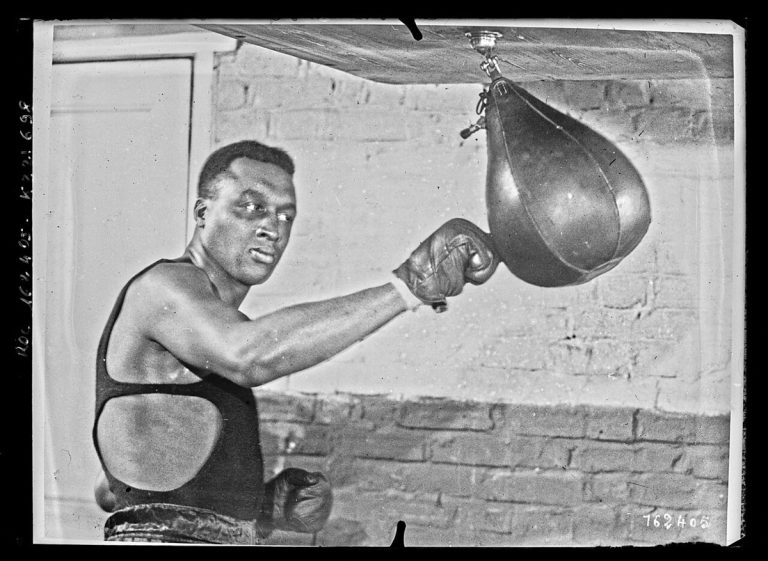
A portrait of boxer Larry Gains, 1932 (Agence Rol).
CA-K253Culture & sport

Larry Gains, heavyweight champion

Larry Gains (1900–1983), a Black boxer born and trained in Toronto’s Cabbagetown, was one of the world’s best heavyweights in the 1920s and 1930s, winning the Canadian and British Empire heavyweight titles. Racism limited his chances in North America and barred him from a world heavyweight title fight despite wins over future champions.

Factual accuracy review: No recorded challenge

Contributor: Citizen.ca

Verified against cited sourcesVerified on 2026-10-26↗
Photo: Agence Rol. Agence photographique (commanditaire) · Photo licence: Public domain · Credit & context
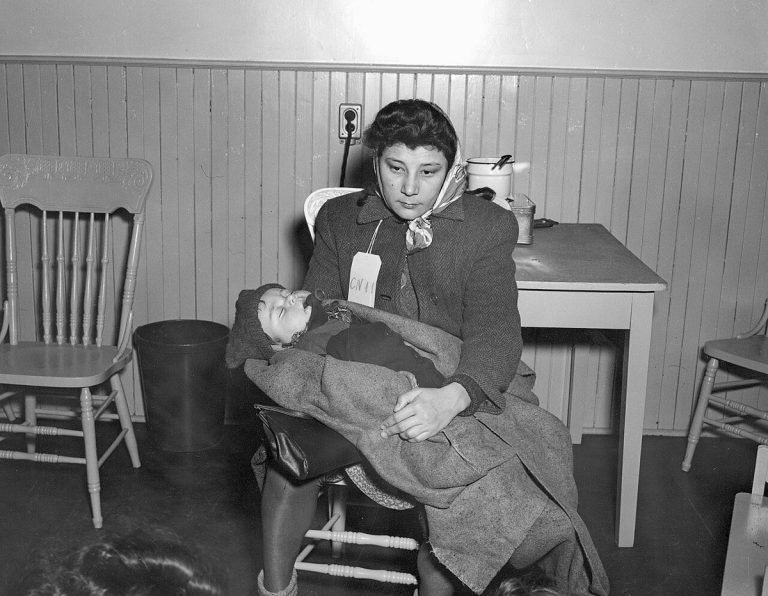
An immigrant woman with her baby at Pier 21, Halifax, in 1948 (photograph by E. A. Bollinger).
CA-K249History

Displaced persons arrive after the Second World War

After the Second World War, nearly 187,000 people fled devastated Europe for Canada, including Holocaust survivors, former prisoners of war and thousands unable or unwilling to return home; most arrived by ship between 1947 and 1952. Many first worked as labourers despite professional training, and their arrival strengthened calls to recognize Canada’s growing cultural diversity.

Factual accuracy review: No recorded challenge

Contributor: Citizen.ca

Verified against cited sourcesVerified on 2026-10-26↗
Photo: E.A. Bollinger · Photo licence: Public domain · Credit & context
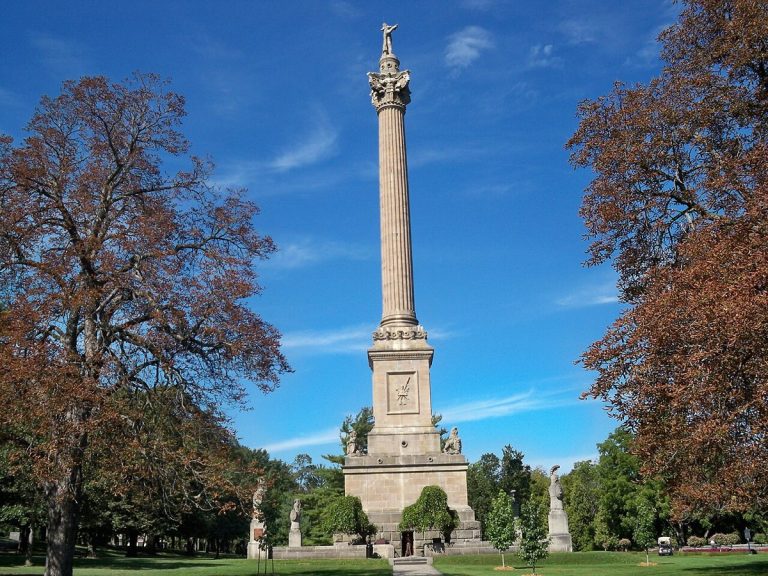
Brock’s Monument at Queenston Heights, Ontario, site of a War of 1812 battle in which the Colored Corps fought, photographed in 2012.
CA-K248History

Black militia units in Upper Canada, 1812–1850

Upper Canadians of African descent served in the militia to share in the duties and rights of British subjects. In the War of 1812, many joined regular units or the segregated Colored Corps, which worked on fortifications and fought at Queenston Heights and other Niagara battles; they also served during the Upper Canada Rebellion, many until 1850.

Factual accuracy review: No recorded challenge

Contributor: Citizen.ca

Verified against cited sourcesVerified on 2026-10-26↗
Photo: Mmcintyre · Photo licence: CC BY-SA 3.0 · Credit & context
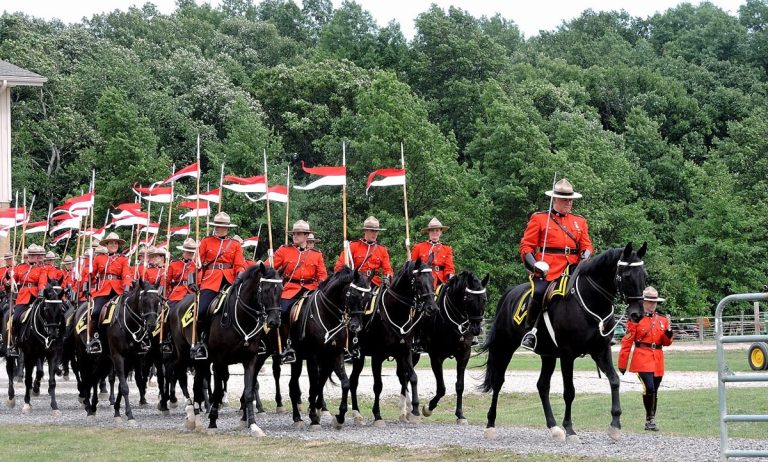
The RCMP Musical Ride performing in 2016.
CA-K247Symbols

The RCMP Musical Ride, first performed in 1887

The RCMP Musical Ride, a precision performance by scarlet-uniformed police on horseback set to music, was first performed in Regina in 1887 by the North-West Mounted Police. The RCMP has bred and trained black horses for the Ride since the 1940s, and it is one of the distinctive symbols of Canadian identity at home and abroad.

Factual accuracy review: No recorded challenge

Contributor: Citizen.ca

Verified against cited sourcesVerified on 2026-10-26↗
Photo: Andrea_44 from Leamington, Ontario , Canada · Photo licence: CC BY 2.0 · Credit & context