An independent Canadian knowledge project

Focused and Verified

Canadian knowledge base

Search by keyword

Choose one keyword, or combine two. Broader keywords include their descendants.

Keywords: Record types

Clear search
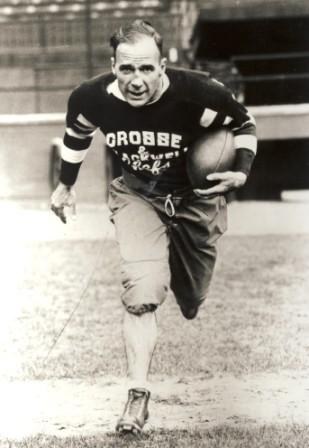
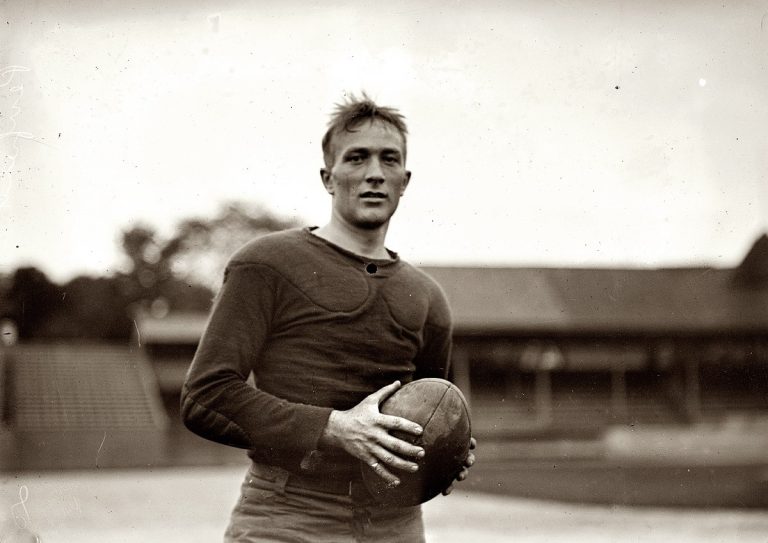
Lionel Conacher as a football player in Toronto, 1933.
CA-K430Culture & sport

Lionel Conacher, the “Big Train”

Lionel “Big Train” Conacher excelled at six professional sports and was voted Canada’s all-round male athlete of the half-century in 1950. A star of football and lacrosse who helped win the 1921 Grey Cup, he played in the National Hockey League from 1925 to 1937 on two Stanley Cup-winning teams, then was elected to the Ontario legislature and, in 1949, to the House of Commons.

Factual accuracy review: No recorded challenge

Contributor: Citizen.ca

Verified against cited sourcesVerified on 2026-10-26↗
Photo: Unknown author · Photo licence: Public domain · Credit & context
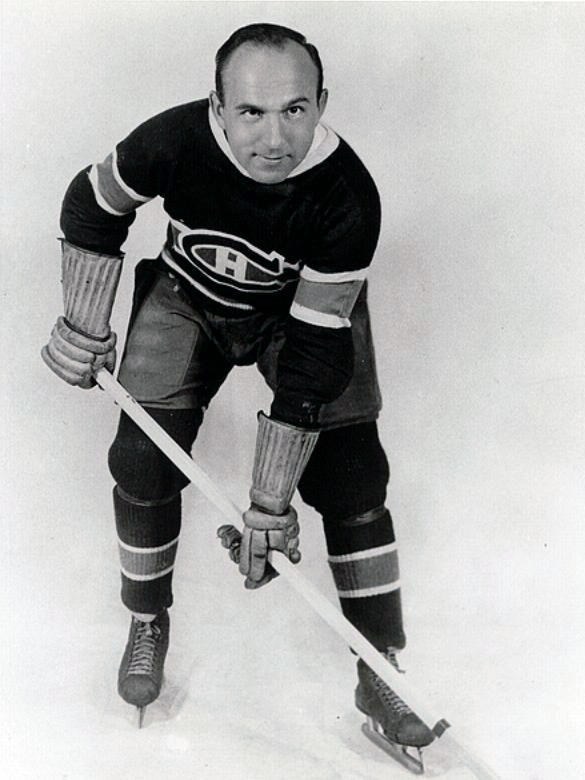
Howie Morenz of the Montréal Canadiens, around 1936.
CA-K429Culture & sport

Howie Morenz, the “Stratford Streak”

Howie Morenz of Mitchell, Ontario, joined the Montréal Canadiens in 1923 and helped them win three Stanley Cups, twice leading the league in scoring and winning the Hart Trophy three times. Probably the most exciting player of his day, he died in Montréal of complications from a hockey injury and was inducted into the Hockey Hall of Fame in 1945.

Factual accuracy review: No recorded challenge

Contributor: Citizen.ca

Verified against cited sourcesVerified on 2026-10-26↗
Photo: Unknown author · Photo licence: Public domain · Credit & context
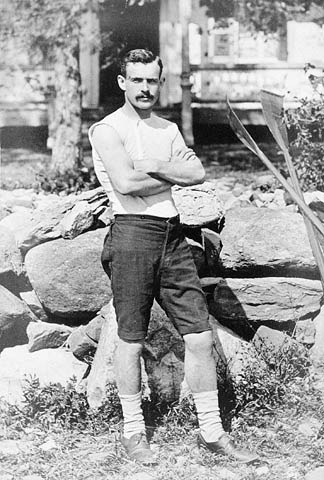
Ned Hanlan, world rowing champion, around 1878 (Notman & Sandham).
CA-K427Culture & sport

Ned Hanlan, world rowing champion

Ned Hanlan of Toronto was a champion rower in an era when rowing was a hugely popular spectator sport. He won the world sculling title in 1880 and held it until 1884, and by his retirement in 1897 had lost only about six of some 350 races. Known as “The Boy in Blue”, he was one of Canada’s first national sporting heroes.

Factual accuracy review: No recorded challenge

Contributor: Citizen.ca

Verified against cited sourcesVerified on 2026-10-26↗
Photo: Notman & Sandham · Photo licence: Public domain · Credit & context
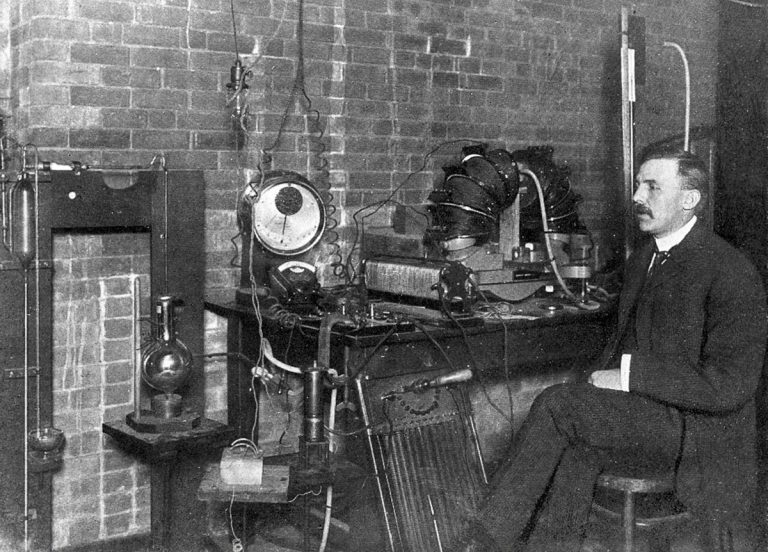
Ernest Rutherford at McGill University, 1905.
CA-K426History

Ernest Rutherford’s radioactivity research at McGill

As Macdonald Professor of Physics at McGill University from 1898 to 1907, Ernest Rutherford, working with Frederick Soddy, made fundamental discoveries about radioactivity that made McGill an important centre of atomic physics research. He later led laboratories at Manchester and Cambridge and received the Nobel Prize in Chemistry in 1908.

Factual accuracy review: No recorded challenge

Contributor: Citizen.ca

Verified against cited sourcesVerified on 2026-10-26↗
Photo: Unknown, published in 1939 in Rutherford : being the life and letters of the Rt. Hon. Lord Rutherford, O. M · Photo licence: Public domain · Credit & context
Wilder Penfield as a student at Princeton University, 1911.
CA-K425History

Wilder Penfield and the Montreal Neurological Institute

Wilder Penfield founded the Montreal Neurological Institute and directed it for over 25 years, becoming a world leader in neurosurgery and neurology. His pioneering work on epilepsy led to a new surgical procedure and advanced understanding of how the human brain works, and his institute became a renowned centre for research and treatment of nervous system disorders.

Factual accuracy review: No recorded challenge

Contributor: Citizen.ca

Verified against cited sourcesVerified on 2026-10-26↗
Photo: Bain News Service · Photo licence: Public domain · Credit & context
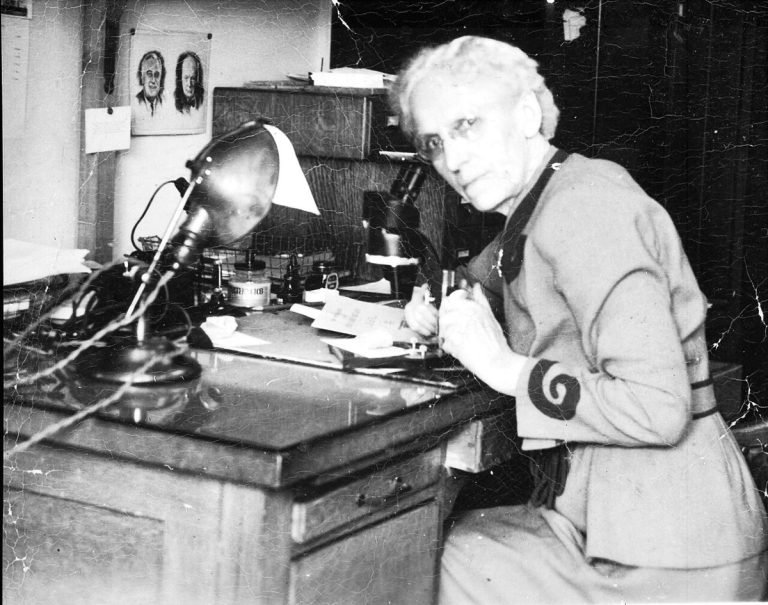
Alice Wilson at her desk with a microscope, Geological Survey of Canada, before 1946.
CA-K424History

Alice Wilson, the first woman geologist at the Geological Survey

Alice Wilson, a paleontologist and geologist who studied the Ottawa–St. Lawrence Lowlands, was the first woman employed as a geologist at the Geological Survey of Canada. She earned a doctorate in 1929 with support from the Canadian Federation of University Women, became the first female Fellow of the Royal Society of Canada, and helped open science and the federal public service to women.

Factual accuracy review: No recorded challenge

Contributor: Citizen.ca

Verified against cited sourcesVerified on 2026-10-26↗
Photo: Unknown author · Photo licence: Public domain · Credit & context
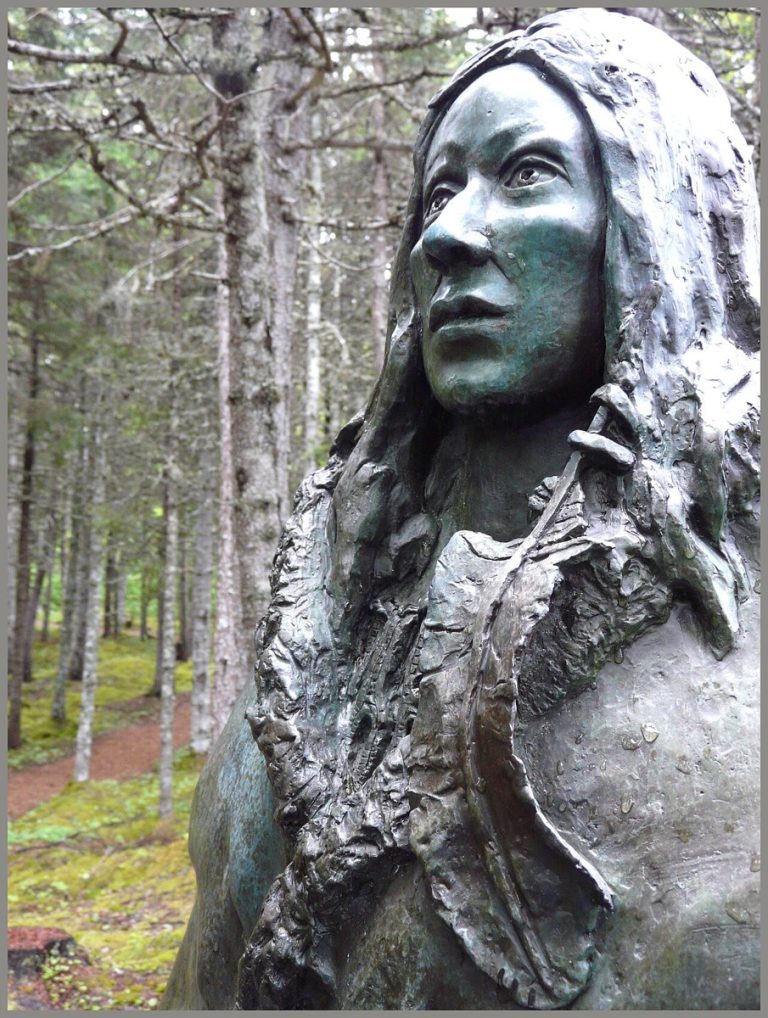
A statue of Shanawdithit at Boyd’s Cove, Newfoundland and Labrador, photographed in 2013.
CA-K423Indigenous peoples & reconciliation

Shanawdithit and Beothuk knowledge

Shanawdithit was one of the last documented Beothuk of Newfoundland. Seized by English settlers in 1823, she never regained her freedom, but she taught her captors much of what is known about the decline of her people; with the help of her sketches she described encounters between the British and the Beothuk, including the capture of her aunt Demasduit. She died in St. John’s in 1829.

Factual accuracy review: No recorded challenge

Contributor: Citizen.ca

Verified against cited sourcesVerified on 2026-10-26↗
Photo: Kaye Duncan (Flickr: Oh Kaye) · Photo licence: CC0 · Credit & context
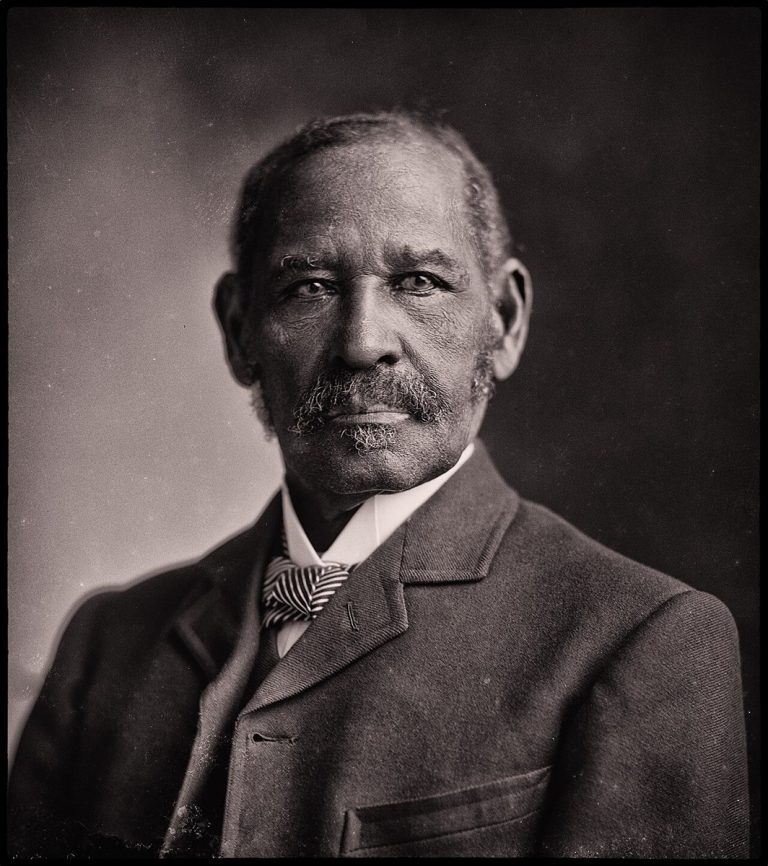
Mifflin Wistar Gibbs, photographed by C. M. Bell around 1902.
CA-K420History

Mifflin Wistar Gibbs, Black leader on Vancouver Island

Mifflin Wistar Gibbs helped lead about 800 Black residents from San Francisco to Vancouver Island in 1858 and became the recognized leader of their community. Elected to Victoria City Council, he was the first Black person to hold elected office in British Columbia; an entrepreneur in mining and trade, he advocated for Black settlers’ rights before returning to the United States in 1870.

Factual accuracy review: No recorded challenge

Contributor: Citizen.ca

Verified against cited sourcesVerified on 2026-10-26↗
Photo: Charles Milton Bell · Photo licence: Public domain · Credit & context
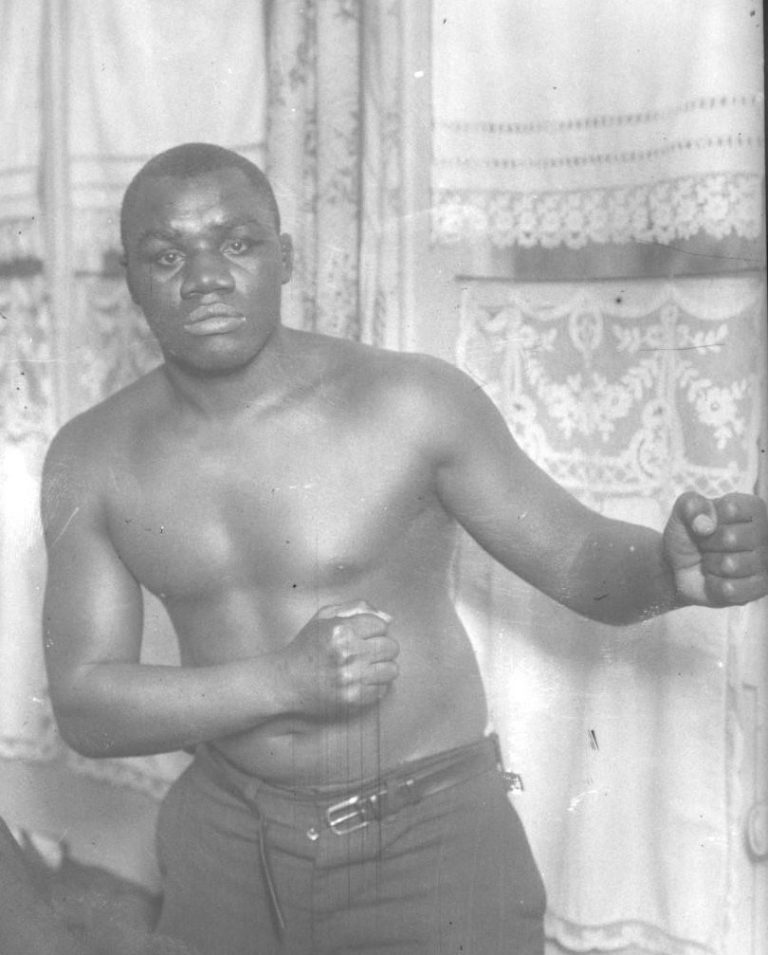
Sam Langford in 1913 (Agence Rol).
CA-K419Culture & sport

Sam Langford, boxer from Weymouth Falls

Sam Langford, a Black boxer from Weymouth Falls, Nova Scotia, fought professionally from 1902 to 1923 in divisions ranging from lightweight to heavyweight. Despite his achievements, he was denied the opportunity to challenge for the leading world heavyweight championship.

Factual accuracy review: No recorded challenge

Contributor: Citizen.ca

Verified against cited sourcesVerified on 2026-10-26↗
Photo: Agence Rol · Photo licence: Public domain · Credit & context
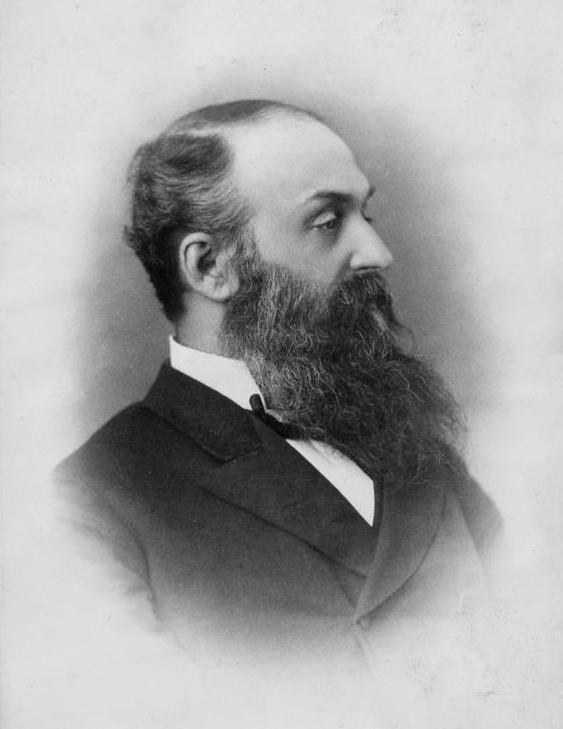
Alphonse Desjardins in Montréal, April 1882 (Notman & Sandham).
CA-K417Economy & trade

Alphonse Desjardins and the caisses populaires

Alphonse Desjardins of Lévis, a journalist and parliamentary stenographer, founded the caisse populaire movement in Quebec. Concerned about ordinary people’s finances and the lack of French-Canadian banks, he devised co-operative savings and loan societies organized by parish, founded the first in Lévis in 1900, and spent the last 20 years of his life spreading the movement.

Factual accuracy review: No recorded challenge

Contributor: Citizen.ca

Verified against cited sourcesVerified on 2026-10-26↗
Photo: Notman & Sandham · Photo licence: Public domain · Credit & context
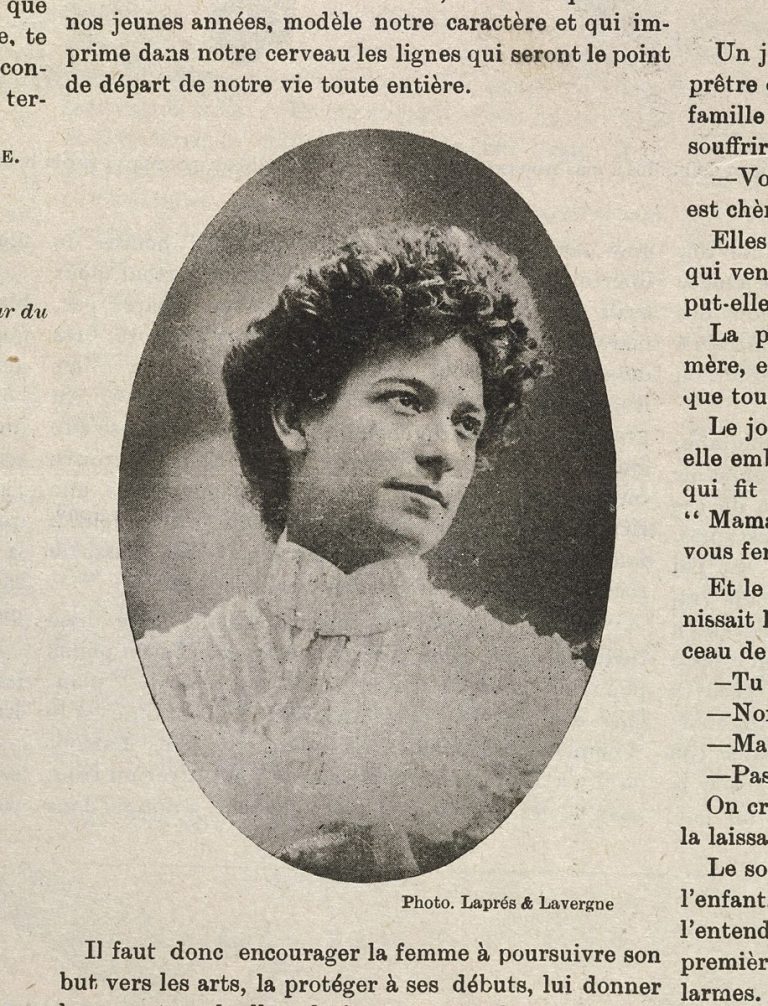
Idola Saint-Jean, portrait published in Le Monde illustré in 1901.
CA-K415Institutions

Idola Saint-Jean and women’s suffrage in Quebec

Between the world wars, Idola Saint-Jean was a dominant figure in the fight for women’s right to vote and for reform of the Civil Code in Quebec. Despite strong opposition from the government, the clergy and many suffragists, she practised a “shock feminism” demanding equal rights for women, and as an educator and journalist she also championed social justice and women workers.

Factual accuracy review: No recorded challenge

Contributor: Citizen.ca

Verified against cited sourcesVerified on 2026-10-26↗
Photo: A.J. Rice, Laprés & Lavergne · Photo licence: Public domain · Credit & context
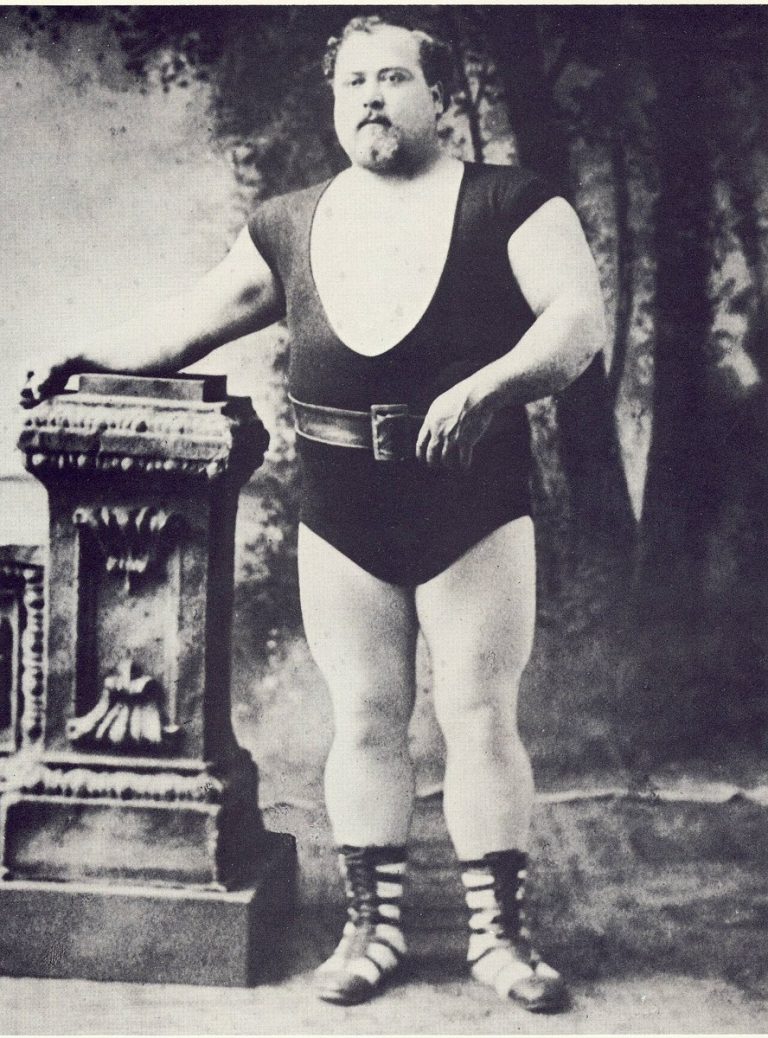
Louis Cyr, strongman, before 1900.
CA-K413Culture & sport

Louis Cyr, the strongest man in the world

Louis Cyr, born Noé-Cyprien Cyr at Saint-Cyprien-de-Napierville, Quebec, was a champion strongman of the late 19th century, reputed in the early 1890s to be the strongest man in the world. He performed in England and with the largest North American circuses, and in 1895 in Boston he lifted a platform holding 18 men, weighing 1,967 kilograms in all.

Factual accuracy review: No recorded challenge

Contributor: Citizen.ca

Verified against cited sourcesVerified on 2026-10-26↗
Photo: Anonymous (photographer unidentified) · Photo licence: Public domain · Credit & context
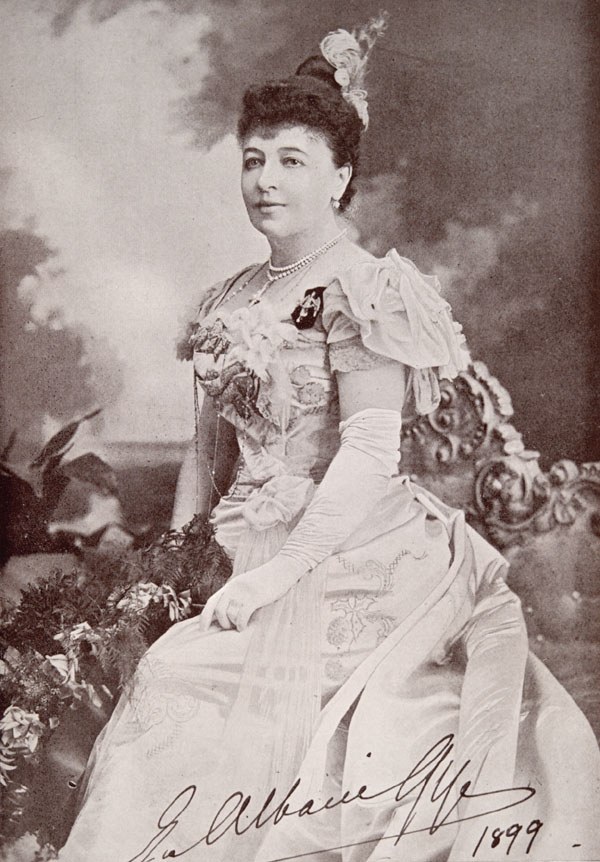
Emma Albani in 1899 (Talma and Company, Melbourne).
CA-K412Culture & sport

Emma Albani, soprano from Chambly

Emma Albani, born Emma Lajeunesse at Chambly, Quebec, was one of the great sopranos of her generation. For 24 years a principal artist at Covent Garden in London and a favourite of Queen Victoria, she sang Italian, French, German and English repertoire, from oratorio to Wagner, and was made a Dame Commander of the British Empire in 1925.

Factual accuracy review: No recorded challenge

Contributor: Citizen.ca

Verified against cited sourcesVerified on 2026-10-26↗
Photo: Talma and Company, Melbourne, Australia (Active: ca. 1899 - ca. 1912) · Photo licence: Public domain · Credit & context
Portrait of Crowfoot, head chief of the Siksika, around 1885.
CA-K409Indigenous peoples & reconciliation

Isapo-Muxika (Crowfoot), Siksika peacemaker

Isapo-Muxika (Crowfoot), born Kainai and raised among the Siksika (Blackfoot), became a leading chief known as a warrior, orator and peacemaker. Convinced that peace served his people best, he made peace with the Plains Cree, adopting Poundmaker as his son, and persuaded the Siksika to sign Treaty 7 in 1877.

Factual accuracy review: No recorded challenge

Contributor: Citizen.ca

Verified against cited sourcesVerified on 2026-10-26↗
Photo: Alex Ross · Photo licence: Public domain · Credit & context
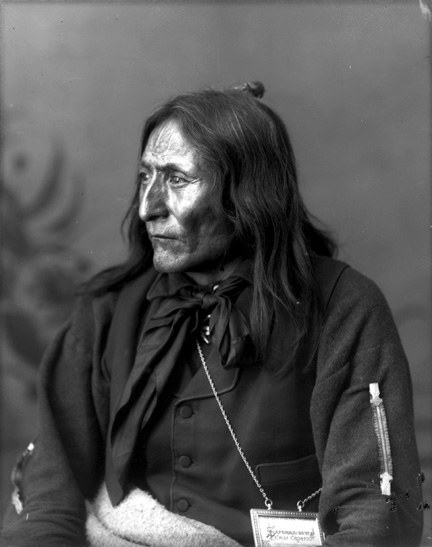
Red Crow in 1895.
CA-K405Indigenous peoples & reconciliation

Red Crow, head chief of the Kainai

Red Crow, warrior and statesman, became a head chief of the Kainai (Blood) in 1870. After first boycotting the negotiations, he signed Treaty 7 in 1877 on behalf of his people and chose the site of the Blood Reserve, the largest in Canada; his leadership helped the Kainai keep their proud and independent spirit.

Factual accuracy review: No recorded challenge

Contributor: Citizen.ca

Verified against cited sourcesVerified on 2026-10-26↗
Photo: Unknown author · Photo licence: Public domain · Credit & context
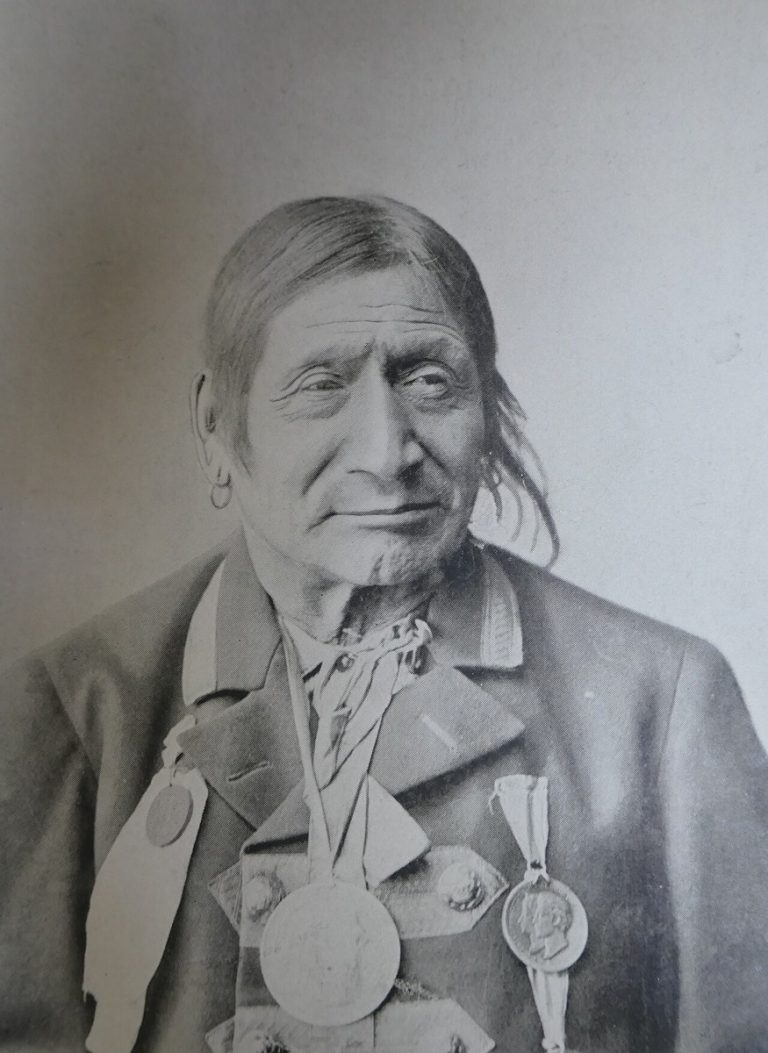
Archbishop Alexandre-Antonin Taché in 1873 (William Notman).
CA-K401Language & names

Archbishop Taché and French education in Manitoba

Alexandre-Antonin Taché, Bishop and then Archbishop of St. Boniface from 1853 to 1894, was the foremost Catholic leader in the West and oversaw missions, day schools and residential schools that sought to convert and assimilate Indigenous Peoples. He helped secure Catholic and French education rights in the Manitoba Act of 1870 and fought in vain to restore them after they were eroded from 1890.

Factual accuracy review: No recorded challenge

Contributor: Citizen.ca

Verified against cited sourcesVerified on 2026-10-26↗
Photo: William Notman · Photo licence: Public domain · Credit & context
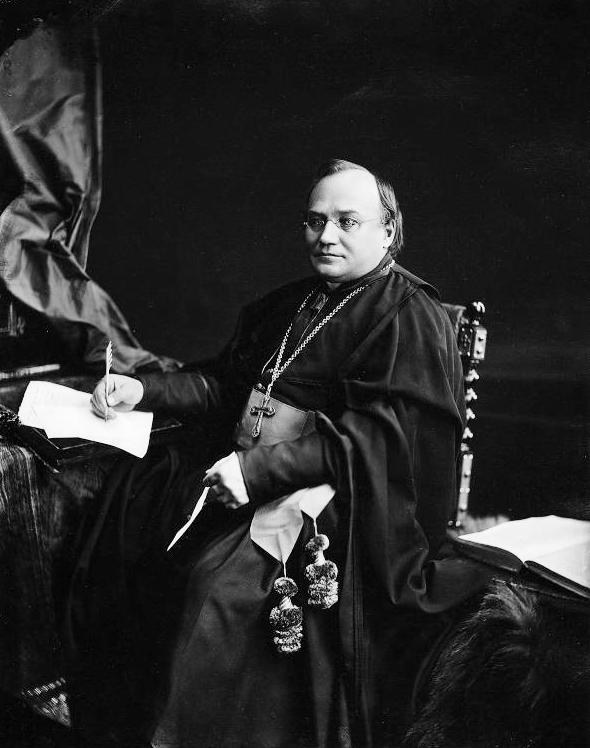
Lieutenant-Governor Edgar Dewdney, April 1883 (Topley Studio).
CA-K400Indigenous peoples & reconciliation

Edgar Dewdney and Indigenous policy on the Prairies

As Indian Commissioner (1879–1888) and Lieutenant-Governor of the North-West Territories, Edgar Dewdney withheld rations from starving First Nations until they settled on government-selected reserves, causing malnutrition, disease and death. After 1885 he helped impose the extralegal pass system and helped shape the residential school system, with devastating consequences for Indigenous children, families and communities.

Factual accuracy review: No recorded challenge

Contributor: Citizen.ca

Verified against cited sourcesVerified on 2026-10-26↗
Photo: Topley Studio / Library and Archives Canada / PA-027070 · Photo licence: Public domain · Credit & context
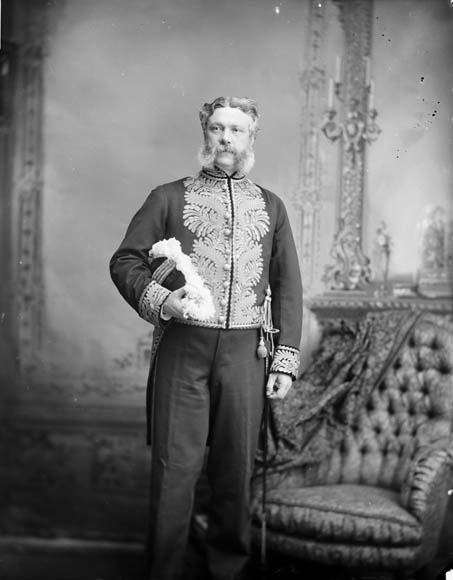
Hector-Louis Langevin in Montréal, 1865 (William Notman).
CA-K399Institutions

Sir Hector-Louis Langevin, Confederation and residential schools

Sir Hector-Louis Langevin, a Father of Confederation, attended all three conferences leading to 1867, helped draft the 72 Resolutions and led the Quebec Conservatives for nearly two decades. As Minister of Public Works, he called in 1883 for Indigenous children to be removed from their homes for assimilation and announced three industrial schools in the Northwest, part of the residential school system’s devastating expansion.

Factual accuracy review: No recorded challenge

Contributor: Citizen.ca

Verified against cited sourcesVerified on 2026-10-26↗
Photo: William Notman · Photo licence: Public domain · Credit & context
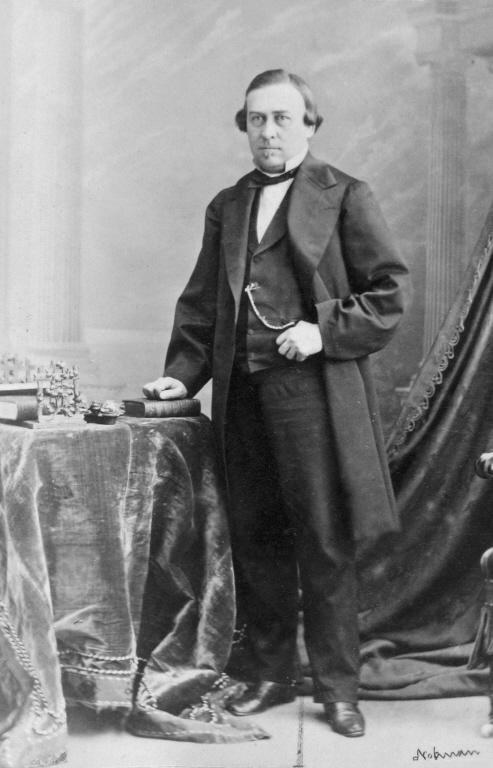
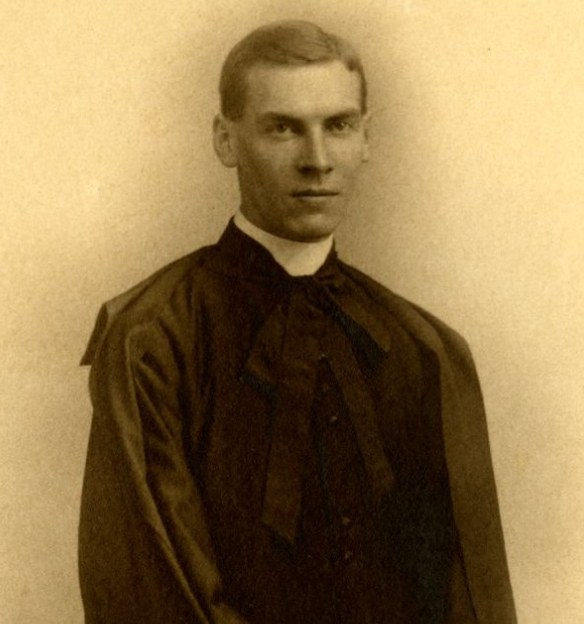
Alexandre Vachon as a young priest, around 1910.
CA-K397Language & names

Monsignor Alexandre Vachon, science in French

Monsignor Alexandre Vachon (1885–1953) was a strong advocate of scientific education and the promotion of science for French-speaking Canadians. He founded scientific institutions, served as faculty dean and president of Université Laval, and as Archbishop of Ottawa defended the rights of Franco-Ontarians.

Factual accuracy review: No recorded challenge

Contributor: Citizen.ca

Verified against cited sourcesVerified on 2026-10-26↗
Photo: Montminy & Cie · Photo licence: Public domain · Credit & context
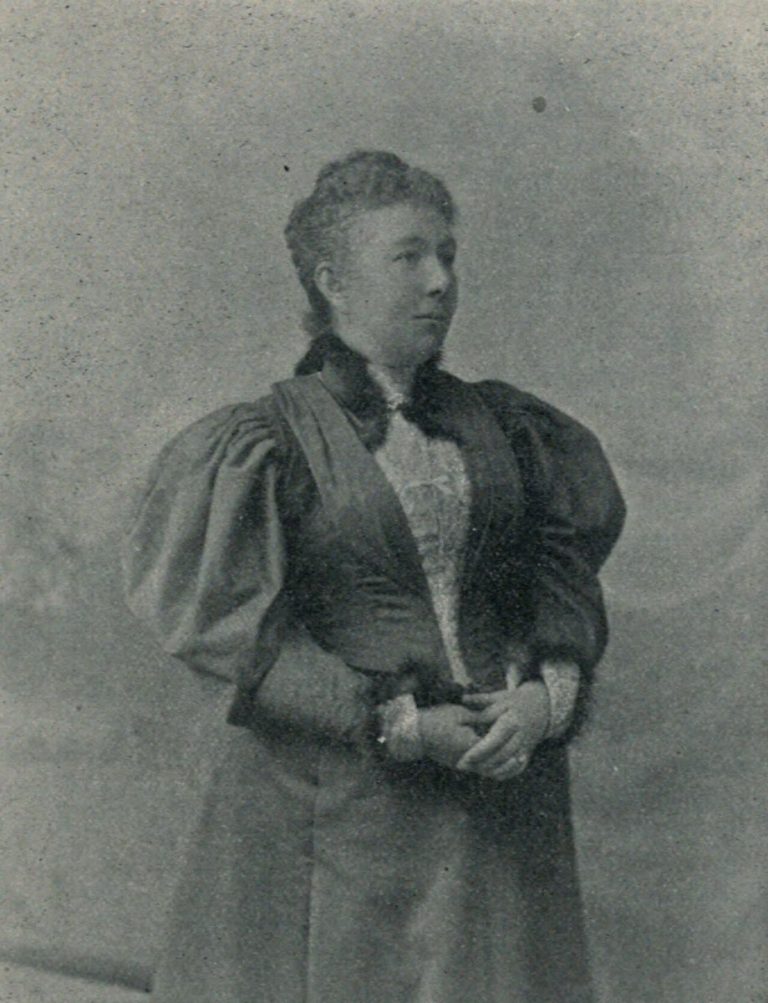
Portrait of Edith Archibald, no later than 1895.
CA-K396Institutions

Edith Archibald and women’s suffrage in Nova Scotia

For more than 30 years, Edith Jessie Archibald (1854–1936) championed women’s right to vote in Nova Scotia, achieved on 26 April 1918. As president of the Maritime Woman’s Christian Temperance Union and the Halifax Local Council of Women, she also worked to improve health and education services.

Factual accuracy review: No recorded challenge

Contributor: Citizen.ca

Verified against cited sourcesVerified on 2026-10-26↗
Photo: Unknown author · Photo licence: Public domain · Credit & context
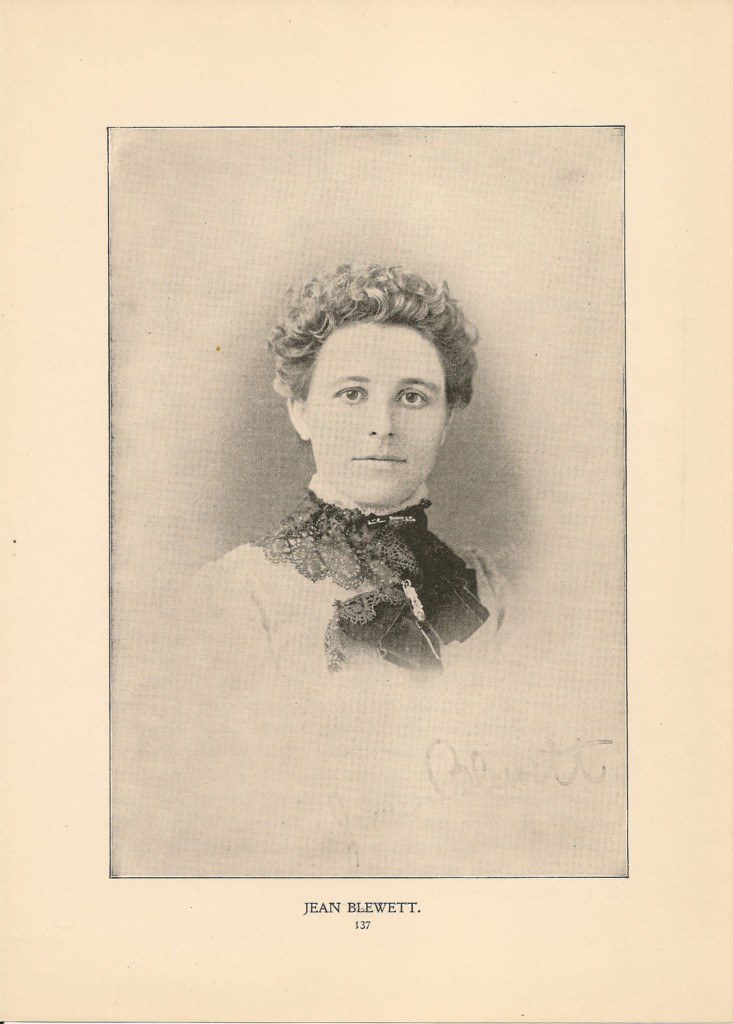
Jean Blewett, portrait from a book published around 1896.
CA-K392Culture & sport

Jean Blewett, poet and journalist

Jean (McKishnie) Blewett (1862–1934), born at Scotia, Upper Canada, was a popular early 20th-century poet and journalist. For many years on the staff of the Toronto Globe, she worked as a journalist until 1925 and published several volumes of poetry between 1897 and 1922, admired for their directness and simplicity.

Factual accuracy review: No recorded challenge

Contributor: Citizen.ca

Verified against cited sourcesVerified on 2026-10-26↗
Photo: Unknown author · Photo licence: Public domain · Credit & context
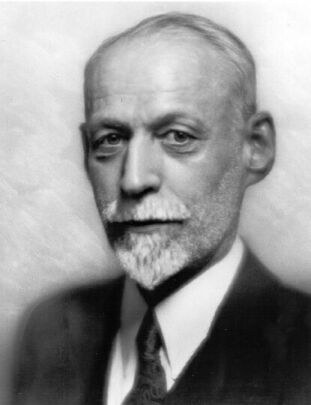
Portrait of J. S. Woodsworth.
CA-K391Institutions

J. S. Woodsworth and the CCF

J. S. Woodsworth (1874–1942), a Methodist pastor who confronted urban poverty in Winnipeg, was the leading socialist voice in Canada of his day and in 1933 became the first parliamentary leader of the Co-operative Commonwealth Federation. His book Strangers Within Our Gates (1909) relied on nativist views and a racist hierarchy of immigrants, and at times he proposed eugenic solutions to perceived social problems.

Factual accuracy review: No recorded challenge

Contributor: Citizen.ca

Verified against cited sourcesVerified on 2026-10-26↗
Photo: The original uploader was Adam Carr at English Wikipedia. · Photo licence: Public domain · Credit & context
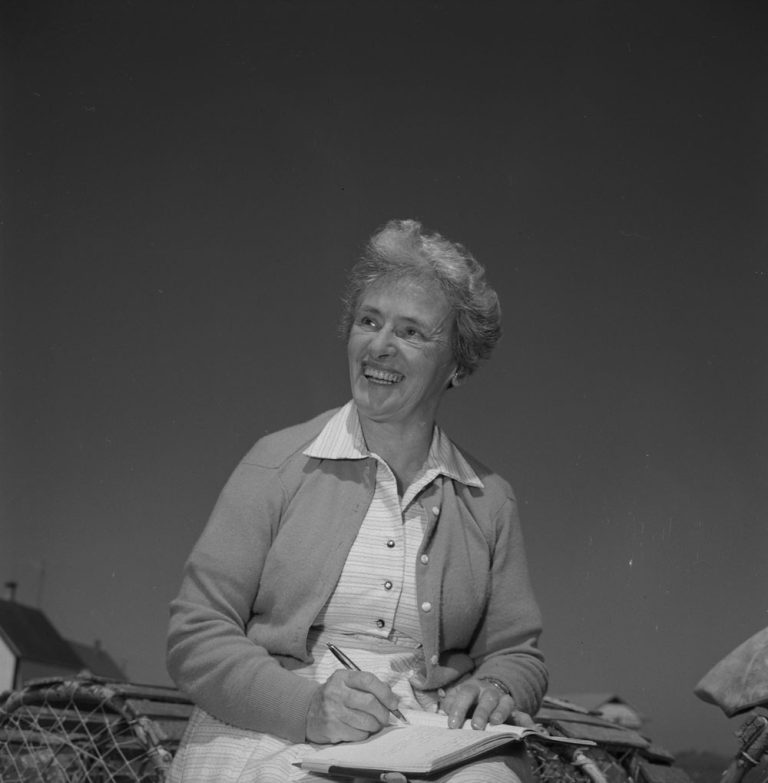
Dr. Helen Creighton in Nova Scotia, 1959 (National Film Board).
CA-K390Culture & sport

Helen Creighton, collector of Maritime folklore

Folklorist Helen Creighton (1899–1989) built one of Canada’s largest collections of songs, tales and customs between 1928 and 1975, making more than 4,000 recordings in British, Acadian, Gaelic, German, African Nova Scotian and Mi’kmaw communities across the Maritimes. She popularized these traditions through radio, television and publications, and songs such as “Farewell to Nova Scotia”.

Factual accuracy review: No recorded challenge

Contributor: Citizen.ca

Verified against cited sourcesVerified on 2026-10-26↗
Photo: Chris Lund · Photo licence: Public domain · Credit & context