An independent Canadian knowledge project

Focused and Verified

Canadian knowledge base

Search by keyword

Choose one keyword, or combine two. Broader keywords include their descendants.

Keywords: Themes, values and contributions

Clear search
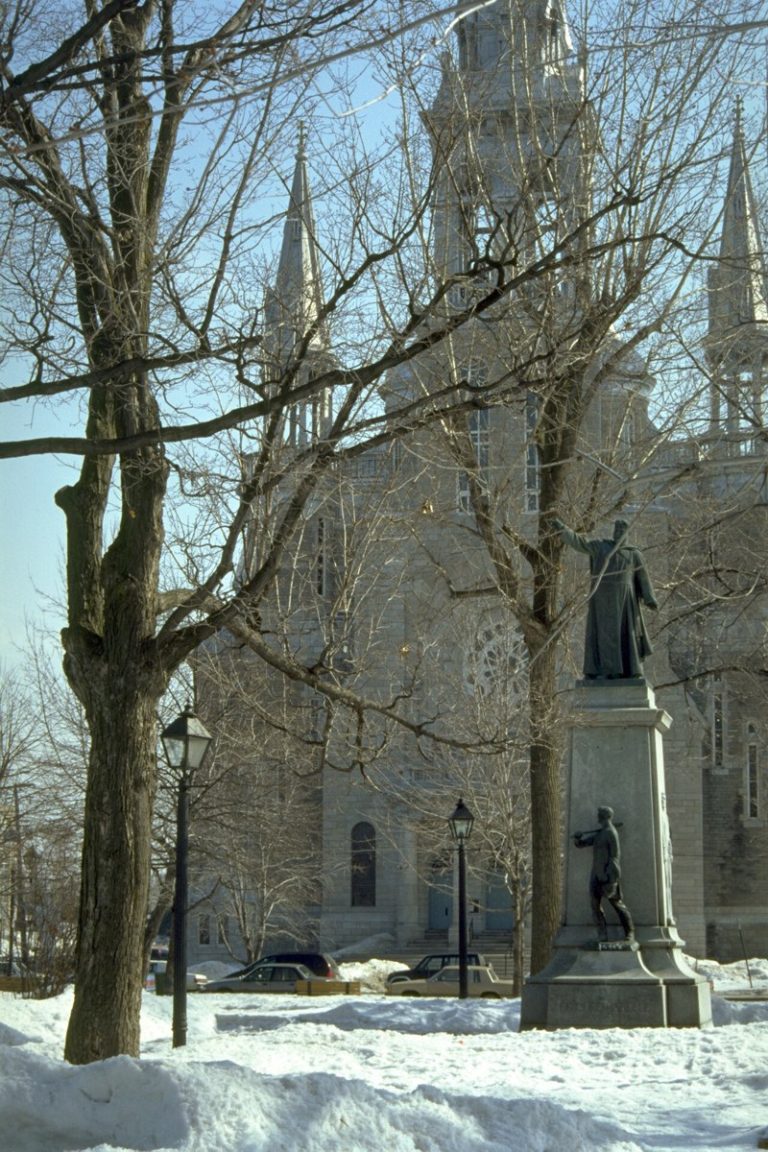
The cathedral and statue of Curé Labelle in Saint-Jérôme, Quebec, photographed in 2007.
CA-K262History

Curé Labelle, the “King of the North”

To curb French-Canadian emigration to the United States, Curé Antoine Labelle (1833–1891), parish priest of Saint-Jérôme, encouraged settlement in northwestern Quebec, northern Ontario and Manitoba. He played a key role in settling the Laurentians and developing their railways, served as Quebec’s deputy minister of agriculture and colonization, and is remembered as the “roi du Nord.”

Factual accuracy review: No recorded challenge

Contributor: Citizen.ca

Verified against cited sourcesVerified on 2026-10-26↗
Photo: Yvan leduc · Photo licence: CC BY-SA 3.0 · Credit & context
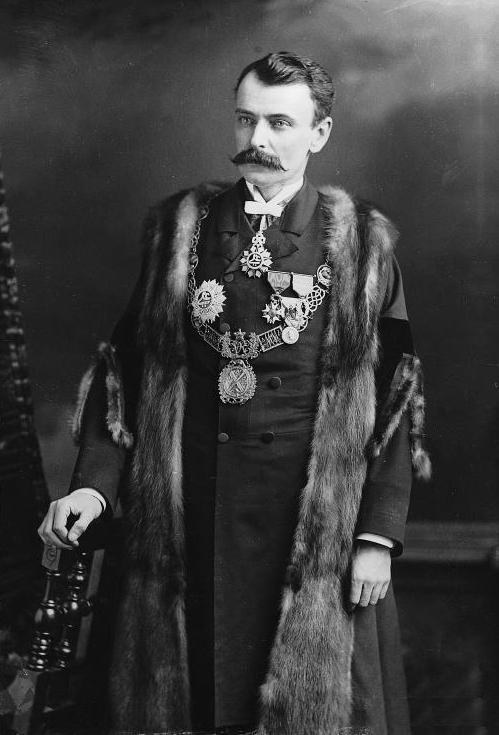
Honoré Beaugrand as mayor of Montréal, 1887, photographed by Wm. Notman & Son.
CA-K252Language & names

Honoré Beaugrand, La Patrie and La Chasse-galerie

Honoré Beaugrand (1848–1906), a free thinker who vigorously defended freedom of thought, headed French-language newspapers in the United States and Canada and founded La Patrie (1879–1978) in Montréal. As an author and publisher, he produced some of the earliest works of Franco-American literature, including La Chasse-galerie: Légendes canadiennes.

Factual accuracy review: No recorded challenge

Contributor: Citizen.ca

Verified against cited sourcesVerified on 2026-10-26↗
Photo: Wm. Notman & Son · Photo licence: Public domain · Credit & context
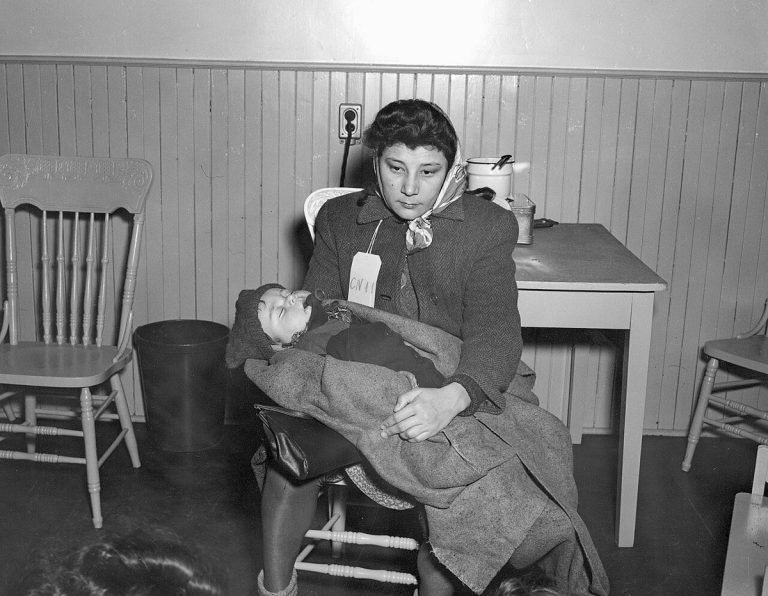
An immigrant woman with her baby at Pier 21, Halifax, in 1948 (photograph by E. A. Bollinger).
CA-K249History

Displaced persons arrive after the Second World War

After the Second World War, nearly 187,000 people fled devastated Europe for Canada, including Holocaust survivors, former prisoners of war and thousands unable or unwilling to return home; most arrived by ship between 1947 and 1952. Many first worked as labourers despite professional training, and their arrival strengthened calls to recognize Canada’s growing cultural diversity.

Factual accuracy review: No recorded challenge

Contributor: Citizen.ca

Verified against cited sourcesVerified on 2026-10-26↗
Photo: E.A. Bollinger · Photo licence: Public domain · Credit & context
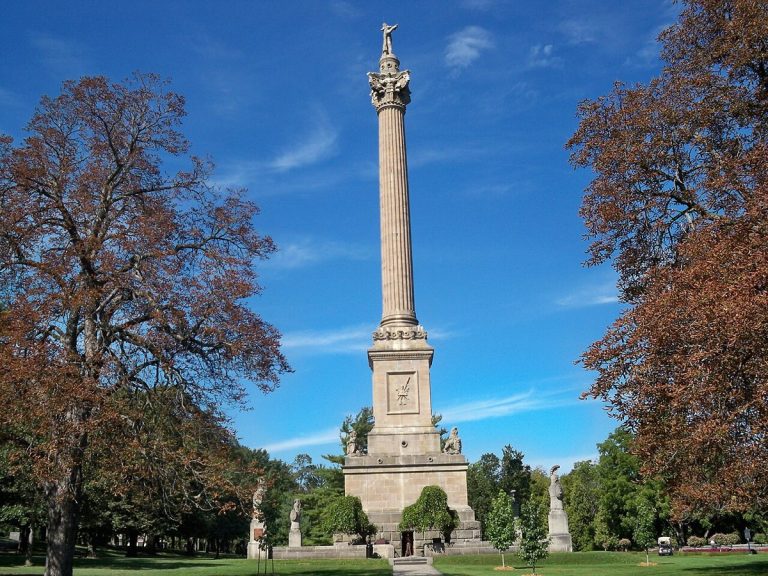
Brock’s Monument at Queenston Heights, Ontario, site of a War of 1812 battle in which the Colored Corps fought, photographed in 2012.
CA-K248History

Black militia units in Upper Canada, 1812–1850

Upper Canadians of African descent served in the militia to share in the duties and rights of British subjects. In the War of 1812, many joined regular units or the segregated Colored Corps, which worked on fortifications and fought at Queenston Heights and other Niagara battles; they also served during the Upper Canada Rebellion, many until 1850.

Factual accuracy review: No recorded challenge

Contributor: Citizen.ca

Verified against cited sourcesVerified on 2026-10-26↗
Photo: Mmcintyre · Photo licence: CC BY-SA 3.0 · Credit & context
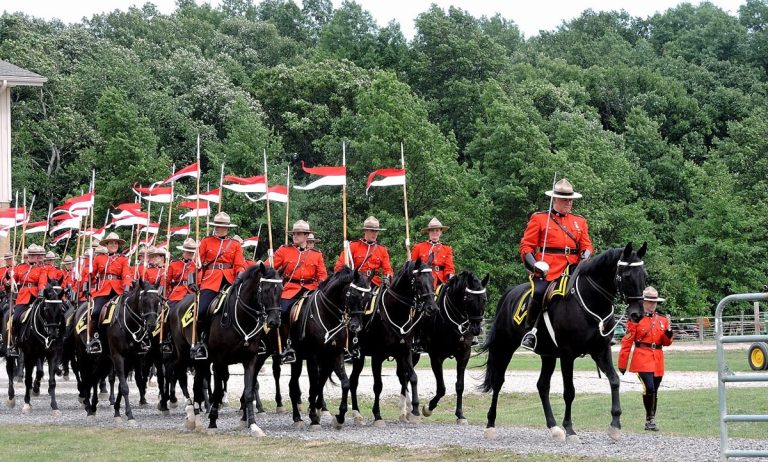
The RCMP Musical Ride performing in 2016.
CA-K247Symbols

The RCMP Musical Ride, first performed in 1887

The RCMP Musical Ride, a precision performance by scarlet-uniformed police on horseback set to music, was first performed in Regina in 1887 by the North-West Mounted Police. The RCMP has bred and trained black horses for the Ride since the 1940s, and it is one of the distinctive symbols of Canadian identity at home and abroad.

Factual accuracy review: No recorded challenge

Contributor: Citizen.ca

Verified against cited sourcesVerified on 2026-10-26↗
Photo: Andrea_44 from Leamington, Ontario , Canada · Photo licence: CC BY 2.0 · Credit & context
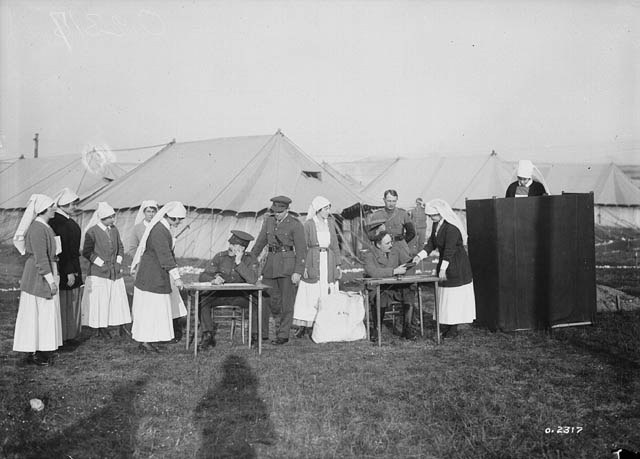
Nursing Sisters at a Canadian hospital in France voting in the 1917 federal election (photograph by William Rider-Rider).
CA-K246History

Nursing Sisters, the first women with military rank

Canadian military nurses have cared for the sick and wounded in battle since 1885. In 1904, professional nurses joined the Canadian Army Medical Corps as Nursing Sisters, the first women in the British Empire to receive military rank; in the two world wars hundreds were decorated and dozens died from enemy action.

Factual accuracy review: No recorded challenge

Contributor: Citizen.ca

Verified against cited sourcesVerified on 2026-10-26↗
Photo: William Rider-Rider · Photo licence: Public domain · Credit & context
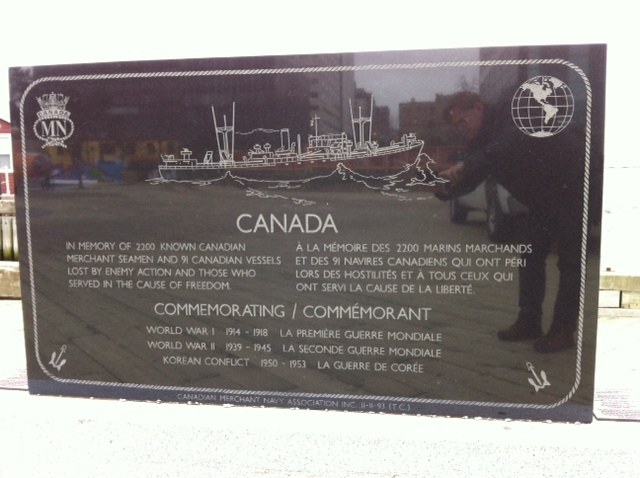
The Merchant Marine Monument at Sackville Landing, Halifax, photographed in 2013.
CA-K245History

The Canadian Merchant Navy in the Second World War

In the Second World War, the Canadian Merchant Navy contributed decisively to Allied victory by carrying troops and supplies to war zones around the world. Merchant mariners, men and women, faced the constant threat of enemy attack as well as the dangers of the open sea, and many lost their lives.

Factual accuracy review: No recorded challenge

Contributor: Citizen.ca

Verified against cited sourcesVerified on 2026-10-26↗
Photo: Hantsheroes · Photo licence: CC BY-SA 3.0 · Credit & context
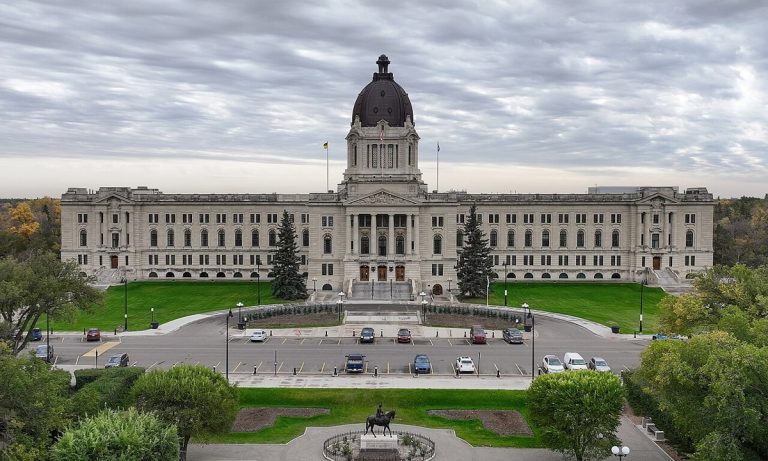
The Saskatchewan Legislative Building in Regina, photographed in 2025.
CA-K244History

The Saskatchewan doctors’ strike of 1962

When Saskatchewan’s Medical Care Insurance Act took effect on 1 July 1962, most of the province’s doctors went on strike for 23 days. Perhaps the most significant Canadian doctors’ strike of the 20th century, it exemplified conflicts in the development of medicare between state intervention and physicians’ independence, and between doctors as entrepreneurs and patients’ right to care regardless of income.

Factual accuracy review: No recorded challenge

Contributor: Citizen.ca

Verified against cited sourcesVerified on 2026-10-26↗
Photo: Quintin Soloviev · Photo licence: CC BY 4.0 · Credit & context
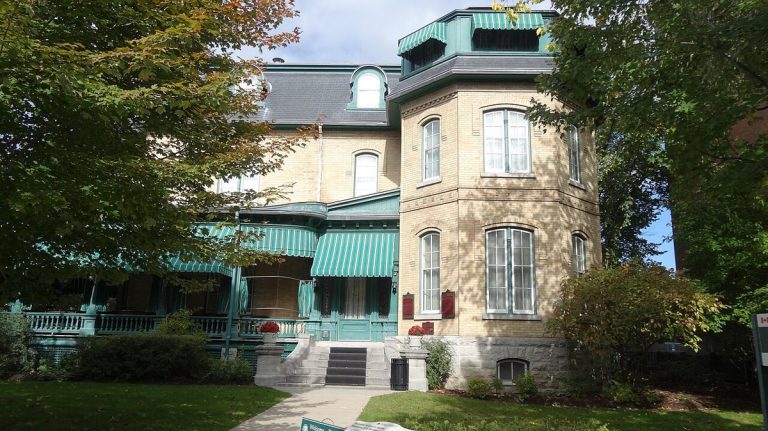
Laurier House in Ottawa, Prime Minister Mackenzie King’s home, next to which the unit worked from 1942 to 1945; photographed in 2014.
CA-K243History

The Examination Unit, Canada’s wartime codebreakers

The Examination Unit (1941–1945) was Canada’s secret civilian cryptographic bureau in the Second World War, working within the National Research Council; women made up about 40% of its staff. It helped the Allies decrypt French, German and Japanese messages and paved the way for the Communications Security Establishment, founded in 1975.

Factual accuracy review: No recorded challenge

Contributor: Citizen.ca

Verified against cited sourcesVerified on 2026-10-26↗
Photo: Suwannee.payne · Photo licence: CC BY-SA 3.0 · Credit & context
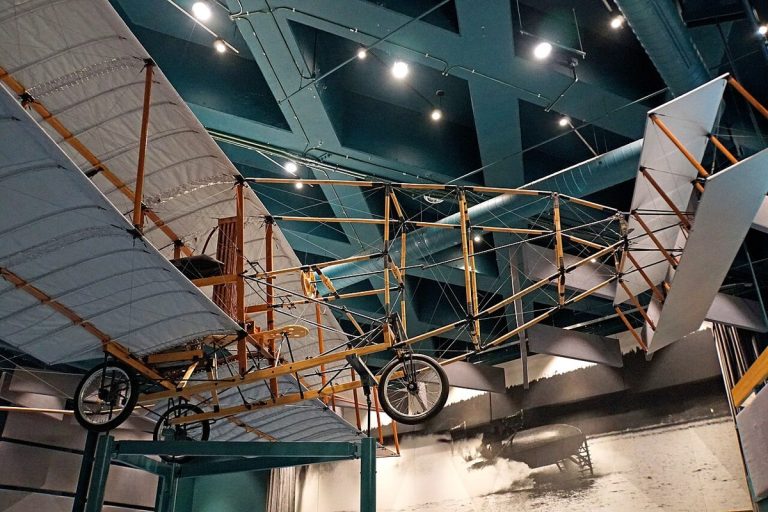
A Silver Dart display photographed in 2017; not the original 1909 aircraft.
CA-K242History

The Silver Dart made Canada’s first powered flight, 1909

On 23 February 1909, more than 100 people watched the Silver Dart lift off the ice of Baddeck Bay, Nova Scotia, and fly 800 metres: the first successful powered flight in Canada. Piloted by J. A. D. McCurdy, the biplane was built by the Aerial Experiment Association, founded by Mabel and Alexander Graham Bell (see CA-K154).

Factual accuracy review: No recorded challenge

Contributor: Citizen.ca

Verified against cited sourcesVerified on 2026-10-26↗
Photo: Dennis G. Jarvis · Photo licence: CC BY-SA 2.0 · Credit & context
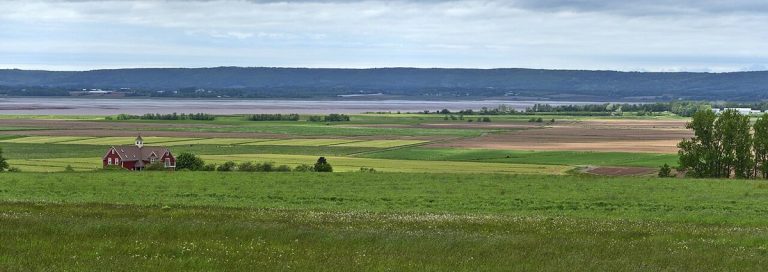
The Landscape of Grand Pré World Heritage Site, Nova Scotia, photographed in 2018.
CA-K240History

The Landscape of Grand Pré and its Acadian dykelands

The Landscape of Grand Pré in Nova Scotia, a UNESCO World Heritage Site since 2012, bears exceptional testimony to a farming settlement the Acadians created in the 17th century beside some of the world’s highest tides. They reclaimed land from the sea with dykes, aboiteaux and drainage, under a community-based management system still in use today.

Factual accuracy review: No recorded challenge

Contributor: Citizen.ca

Verified against cited sourcesVerified on 2026-10-26↗
Photo: Mykola Swarnyk · Photo licence: CC BY-SA 3.0 · Credit & context
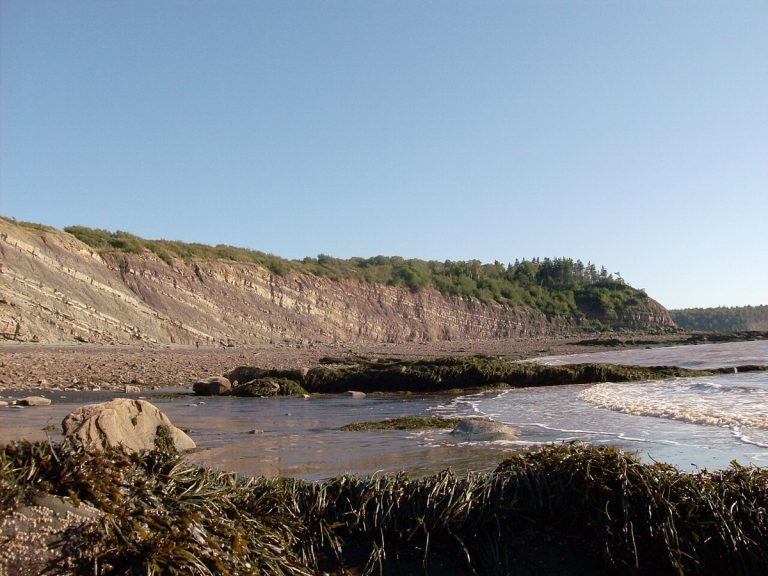
The Joggins Fossil Cliffs near Joggins, Nova Scotia, photographed in 2010.
CA-K239Places & geography

Joggins Fossil Cliffs, the “Coal Age Galápagos”

About 300 million years ago, the eastern shore of Chignecto Bay, on the Bay of Fundy, was a tropical wetland forest near the equator. The Joggins Fossil Cliffs in Nova Scotia, a UNESCO World Heritage Site since 2008, hold the best and most complete known fossil record of land life in the “Coal Age,” including the first reptiles in Earth’s history.

Factual accuracy review: No recorded challenge

Contributor: Citizen.ca

Verified against cited sourcesVerified on 2026-10-26↗
Photo: Gorob · Photo licence: CC BY-SA 3.0 · Credit & context
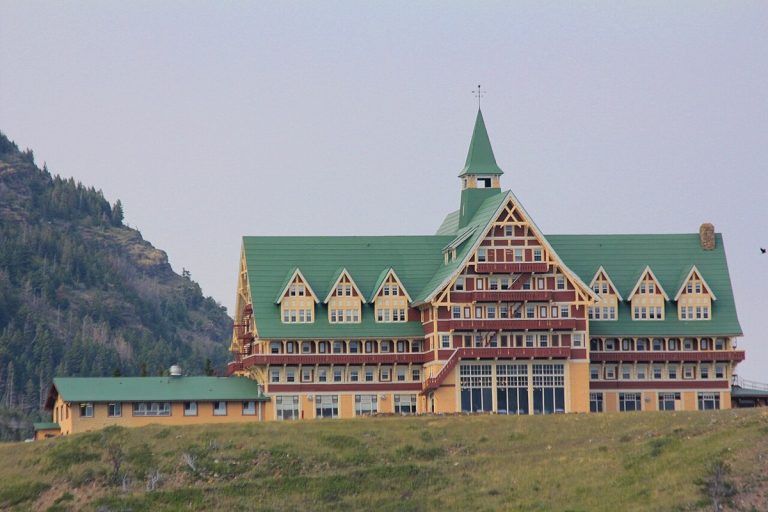
The Prince of Wales Hotel in Waterton Lakes National Park, Alberta, photographed in 2013.
CA-K237Places & geography

Waterton-Glacier, the world’s first international peace park

In 1931, the Rotary Clubs of Alberta and Montana proposed uniting Waterton Lakes National Park in Alberta and Glacier National Park in Montana as the Waterton-Glacier International Peace Park, the first such park in the world. It was meant to promote peace and goodwill between nations and to underline the international nature of wilderness; it became a UNESCO World Heritage Site in 1995.

Factual accuracy review: No recorded challenge

Contributor: Citizen.ca

Verified against cited sourcesVerified on 2026-10-26↗
Photo: Royalbroil · Photo licence: CC BY-SA 3.0 · Credit & context
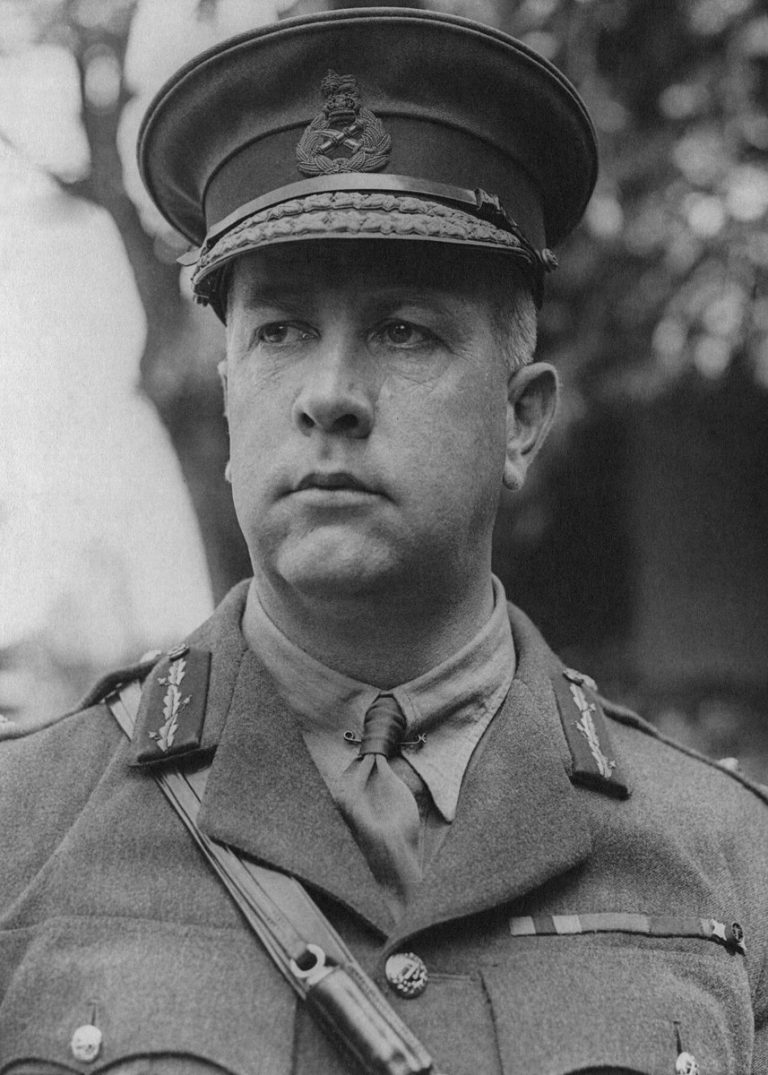
General Currie, commander of the Canadian troops in France, in June 1917.
CA-K232History

Sir Arthur Currie, commander of the Canadian Corps

Sir Arthur Currie (1875–1933), who trained with the militia at Fort Rodd Hill in Victoria, commanded one of Canada’s first overseas infantry brigades in the First World War. Promoted to lieutenant-general after Vimy Ridge, he became commander of the entire Canadian Corps, the first and only Canadian to hold that position, and after the war served as principal of McGill University.

Factual accuracy review: No recorded challenge

Contributor: Citizen.ca

Verified against cited sourcesVerified on 2026-10-26↗
Photo: Unknown photographer · Photo licence: Public domain · Credit & context
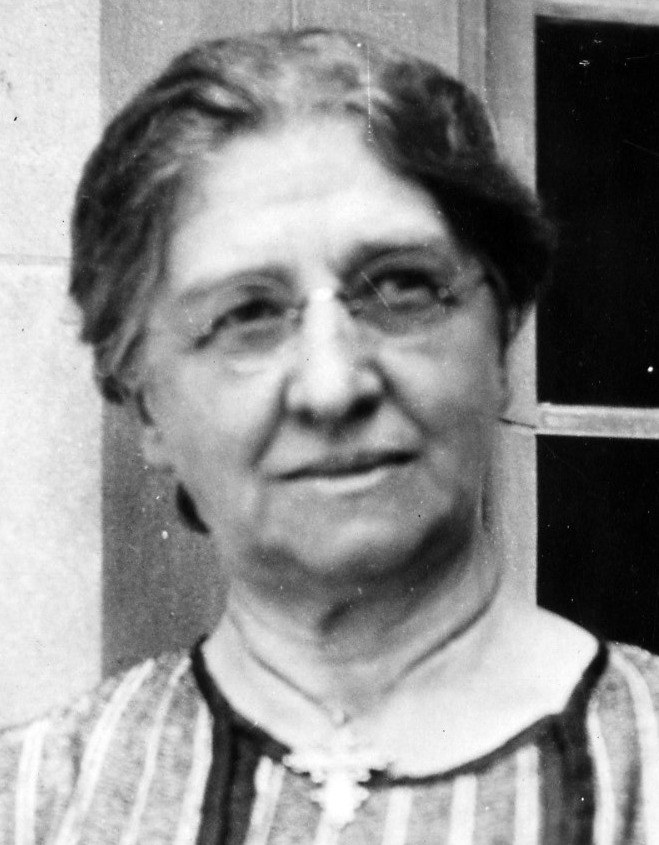
A portrait of Carrie Derick.
CA-K231History

Carrie Derick, one of Canada’s first women professors

Botanist and geneticist Carrie Derick (1862–1941) overcame strong opposition to become one of the first women appointed to a full professorship in Canada, at McGill University from 1912 to 1929. A suffragist and reformer, she promoted political and educational equality for women; Parks Canada’s 2024 review also notes that she held eugenic views widely shared in her academic circles.

Factual accuracy review: No recorded challenge

Contributor: Citizen.ca

Verified against cited sourcesVerified on 2026-10-26↗
Photo: · Photo licence: Public domain · Credit & context
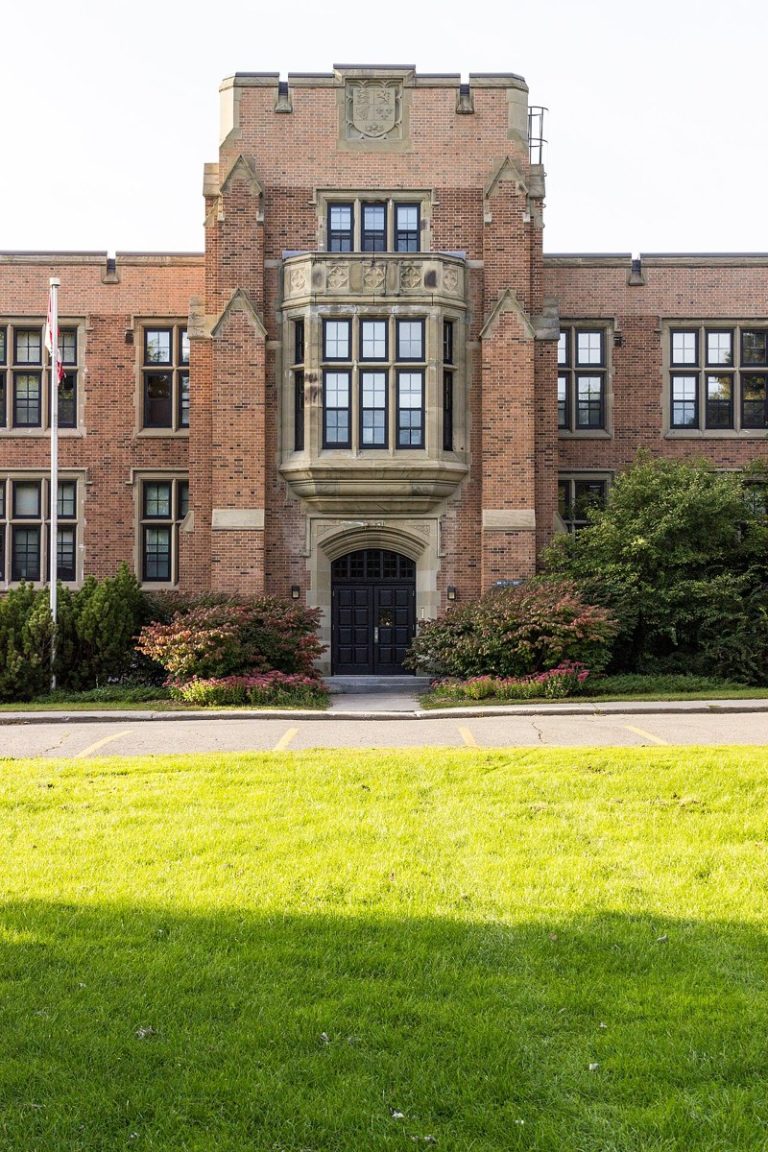
The William Saunders Building at the Central Experimental Farm, Ottawa, photographed in 2014.
CA-K229Economy & trade

William Saunders and the Experimental Farms

William Saunders (1836–1914), an expert in scientific agriculture, became the first director of the federal Department of Agriculture’s new Experimental Farms Branch in 1886. He created many promising varieties of fruit and grain and began the research that led to Marquis wheat, developed by his son Charles.

Factual accuracy review: No recorded challenge

Contributor: Citizen.ca

Verified against cited sourcesVerified on 2026-10-26↗
Photo: Matti Blume · Photo licence: CC BY-SA 4.0 · Credit & context
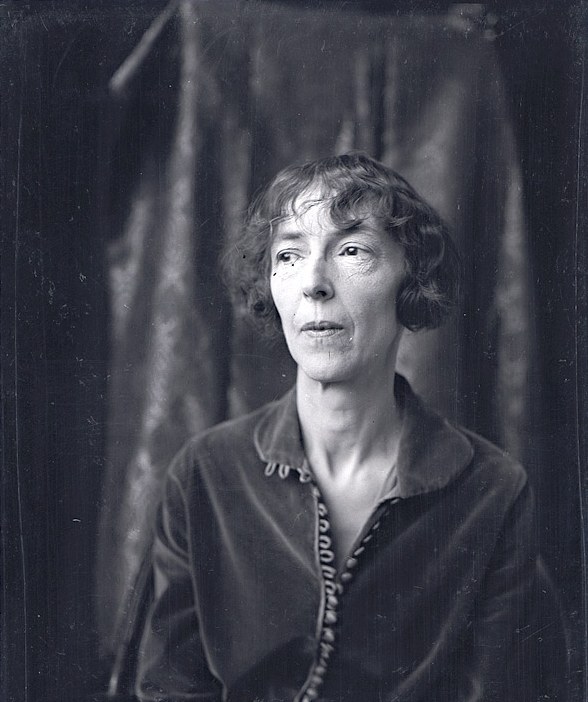
Mazo de la Roche photographed by M. O. Hammond on 18 December 1927 (Archives of Ontario).
CA-K227Culture & sport

Mazo de la Roche and the Jalna novels

Mazo de la Roche (1879–1961), born in Newmarket, Ontario, won the Atlantic Monthly prize in 1927 for Jalna, the first of sixteen novels about the Whiteoak family. Translated into many languages and adapted for stage, screen and television, the series made her one of the most widely read Canadian authors of her time.

Factual accuracy review: No recorded challenge

Contributor: Citizen.ca

Verified against cited sourcesVerified on 2026-10-26↗
Photo: · Photo licence: Public domain · Credit & context
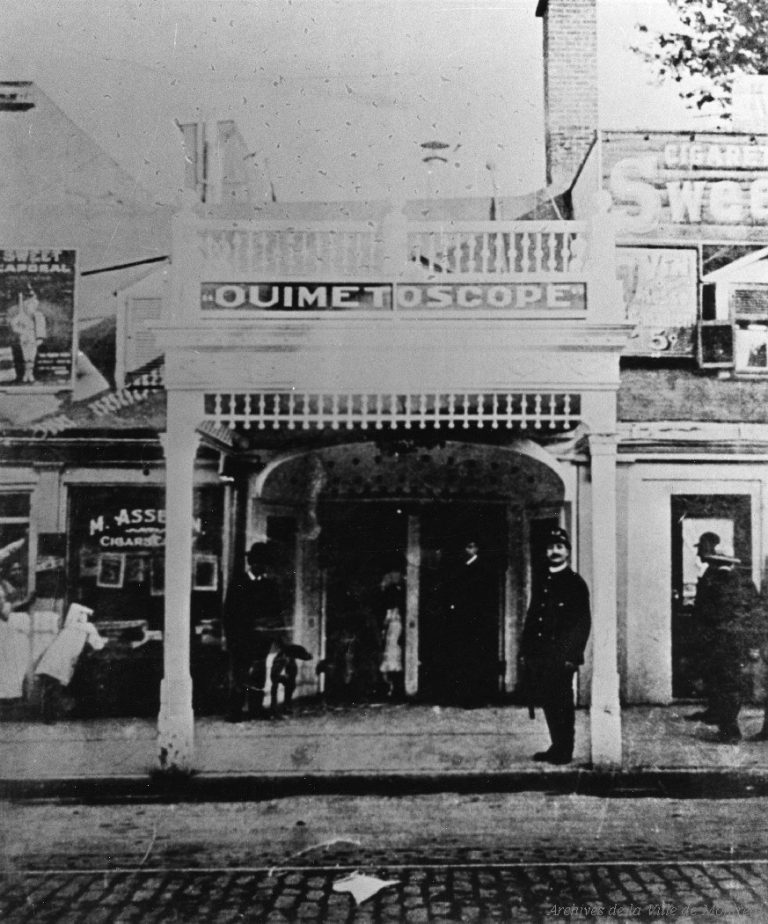
The first Ouimetoscope hall in Montréal, 1906 (Cinémathèque québécoise).
CA-K226Culture & sport

Léo-Ernest Ouimet and the Ouimetoscope

Léo-Ernest Ouimet (1877–1972) helped lay the foundations of the Canadian film industry. He founded what is considered Canada’s first film distribution company, opened the luxurious Ouimetoscope in Montréal in 1907, one of the first large theatres built for motion pictures, and produced some of the earliest Canadian newsreels.

Factual accuracy review: No recorded challenge

Contributor: Citizen.ca

Verified against cited sourcesVerified on 2026-10-26↗
Photo: Léon H. Bélanger · Photo licence: Public domain · Credit & context
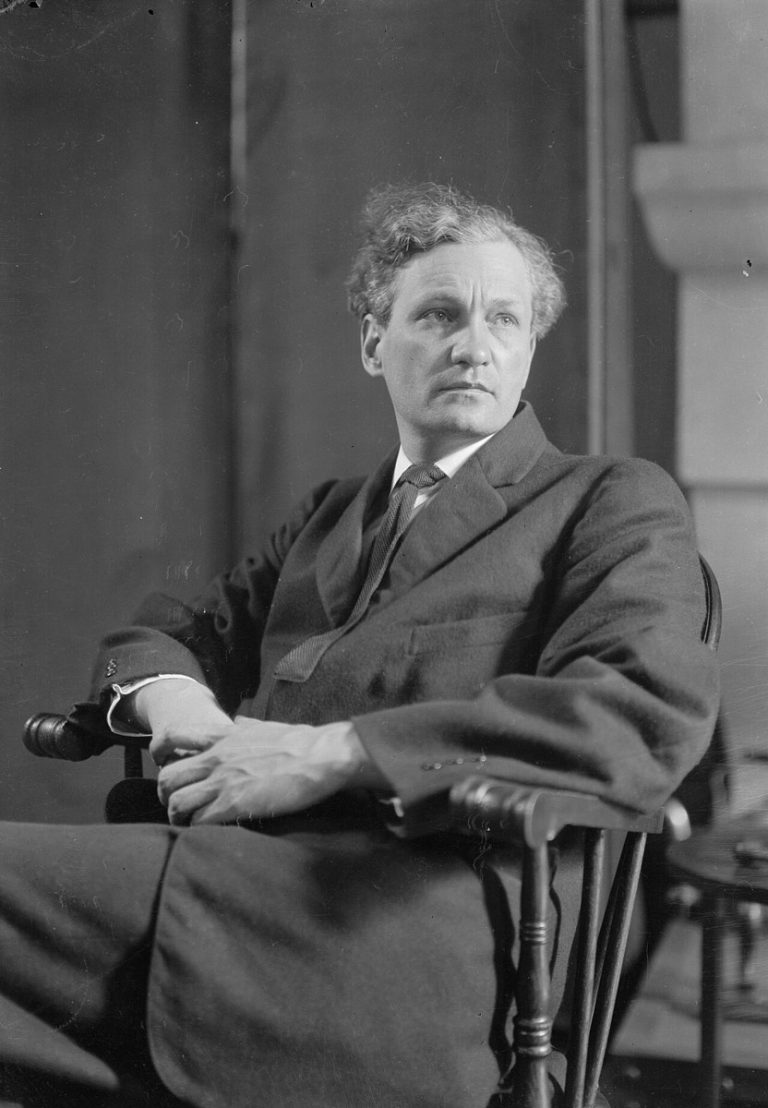
Walter Allward in July 1913 (Archives of Ontario).
CA-K225Culture & sport

Walter Allward, sculptor of the Vimy Memorial

Walter Allward (1876–1955), sculptor of some of Canada’s finest public monuments, is best known for his masterpiece, the Canadian National Vimy Memorial in France. A leading figure in the shift from Victorian sculptural conventions to 20th-century forms, he combined expressive classical figures with dramatic settings in works such as the Bell Memorial.

Factual accuracy review: No recorded challenge

Contributor: Citizen.ca

Verified against cited sourcesVerified on 2026-10-26↗
Photo: · Photo licence: Public domain · Credit & context
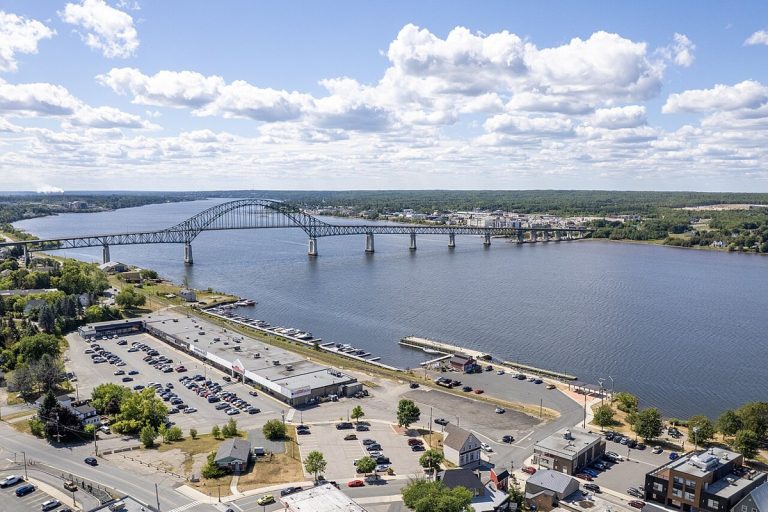
The Miramichi River and Centennial Bridge in Miramichi, New Brunswick, in 2025.
CA-K224History

The Miramichi Fire of 1825

In October 1825, the Miramichi Fire burned an estimated 15,500 km² of northeastern New Brunswick, killing hundreds of people, leaving thousands homeless and affecting both settlers and Mi’kmaq. About £50,000 was raised for relief, thought to be the largest disaster relief effort in pre-Confederation Canadian history.

Factual accuracy review: No recorded challenge

Contributor: Citizen.ca

Verified against cited sourcesVerified on 2026-10-26↗
Photo: Gabriel Picard · Photo licence: CC BY-SA 4.0 · Credit & context
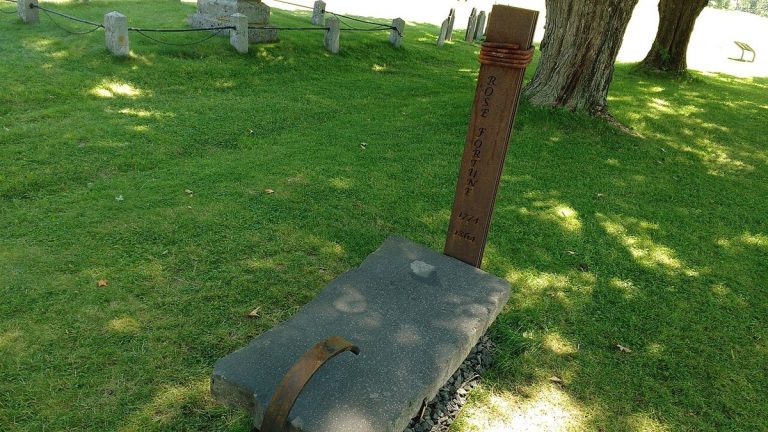
The grave marker for Rose Fortune in the garrison cemetery at Annapolis Royal, Nova Scotia, photographed in 2017.
CA-K220History

Rose Fortune of Annapolis Royal

Rose Fortune (c. 1774–1864) and her parents, formerly enslaved in Virginia, were among more than 3,000 Black Loyalists resettled in Nova Scotia in 1783–1784. In Annapolis Royal she later ran a successful baggage-carting business and earned respect by informally policing the waterfront, and her story is a long-standing source of pride for African Nova Scotians.

Factual accuracy review: No recorded challenge

Contributor: Citizen.ca

Verified against cited sourcesVerified on 2026-10-26↗
Photo: Dan Conlin · Photo licence: CC BY 4.0 · Credit & context
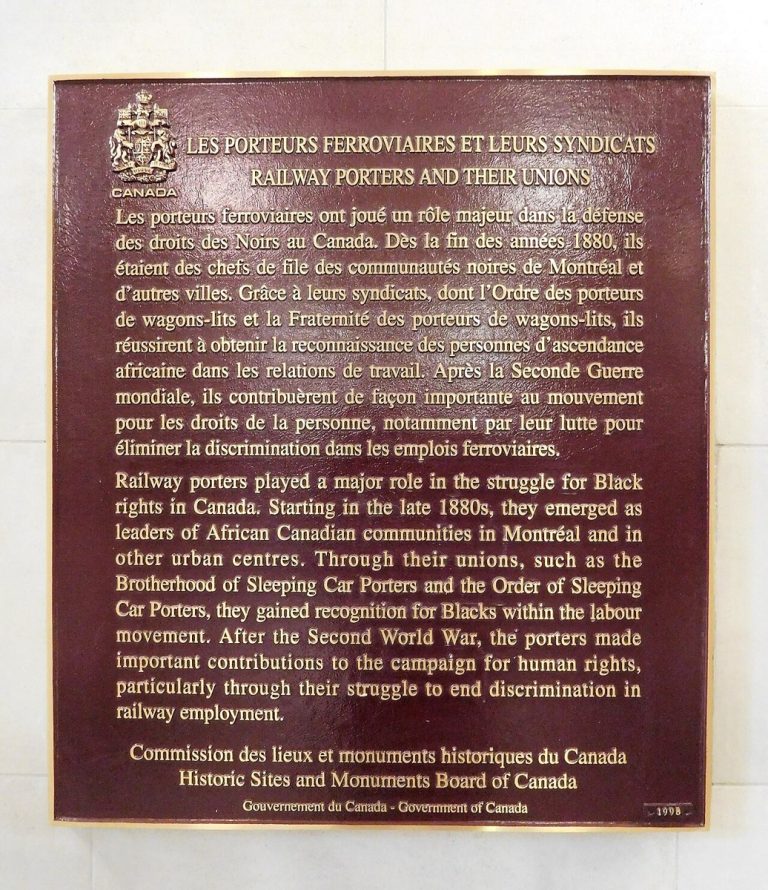
The Parks Canada plaque for Railway Porters and their Unions in Montréal, photographed in 2019.
CA-K219History

Black railway porters and their unions

From the late 1880s, Black railway porters emerged as leaders of African Canadian communities in Montréal and other cities. Through unions such as the Brotherhood of Sleeping Car Porters and the Order of Sleeping Car Porters, they won recognition for Black workers in the labour movement and, after the Second World War, fought to end discrimination in railway employment.

Factual accuracy review: No recorded challenge

Contributor: Citizen.ca

Verified against cited sourcesVerified on 2026-10-26↗
Photo: Jeangagnon · Photo licence: CC BY-SA 4.0 · Credit & context
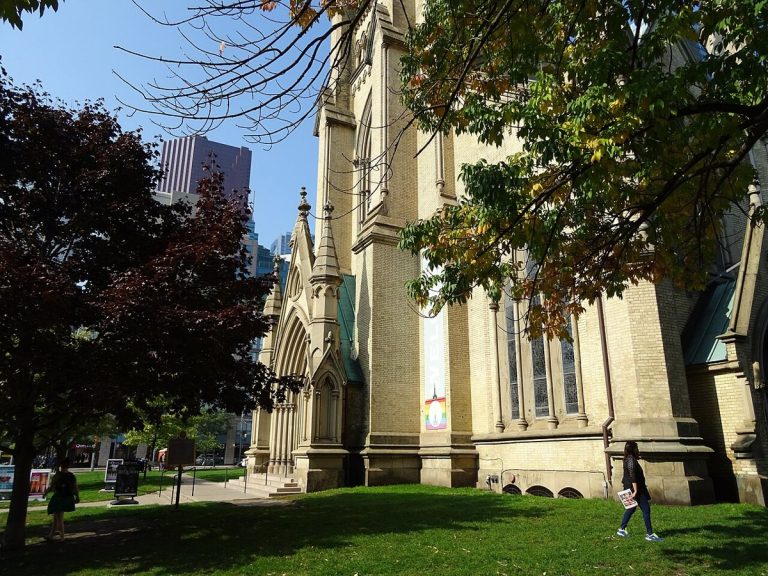
The Cathedral Church of St. James in Toronto, where a plaque for this designation is to be installed, photographed in 2018.
CA-K218History

Emancipation Day, 1 August

Emancipation Day celebrations mark 1 August 1834, when British legislation abolishing slavery took effect in what is now Canada. Nineteenth-century celebrations in what are now Ontario, Quebec, Nova Scotia, New Brunswick and British Columbia became an annual tradition that strengthened Black communities and supported the struggle for equality.

Factual accuracy review: No recorded challenge

Contributor: Citizen.ca

Verified against cited sourcesVerified on 2026-10-26↗
Photo: Spudgun67 · Photo licence: CC BY-SA 4.0 · Credit & context