An independent Canadian knowledge project

Focused and Verified

Canadian knowledge base

Search by keyword

Choose one keyword, or combine two. Broader keywords include their descendants.

Keywords: Themes, values and contributions

Clear search
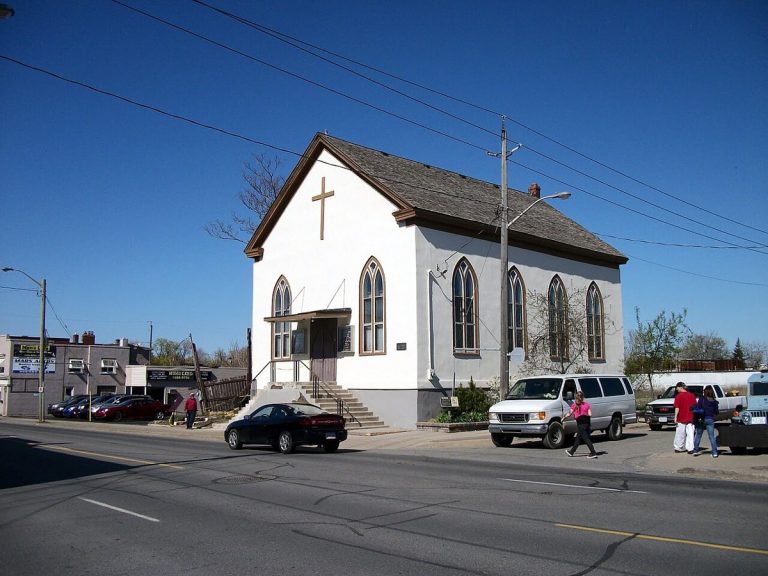
Salem Chapel British Methodist Episcopal Church in St. Catharines, Ontario, a centre of 19th-century abolitionist activity, photographed in 2012.
CA-K217History

Harriet Tubman led freedom-seekers to Canada

Harriet Tubman (c. 1822–1913), who escaped slavery in Maryland, was the most famous “conductor” on the Underground Railroad, leading many people on dangerous journeys to freedom in Canada and helping them settle. She became the public face of the Underground Railroad in British North America, drawing attention and funding to the abolition movement.

Factual accuracy review: No recorded challenge

Contributor: Citizen.ca

Verified against cited sourcesVerified on 2026-10-26↗
Photo: Gr82c · Photo licence: CC BY-SA 3.0 · Credit & context
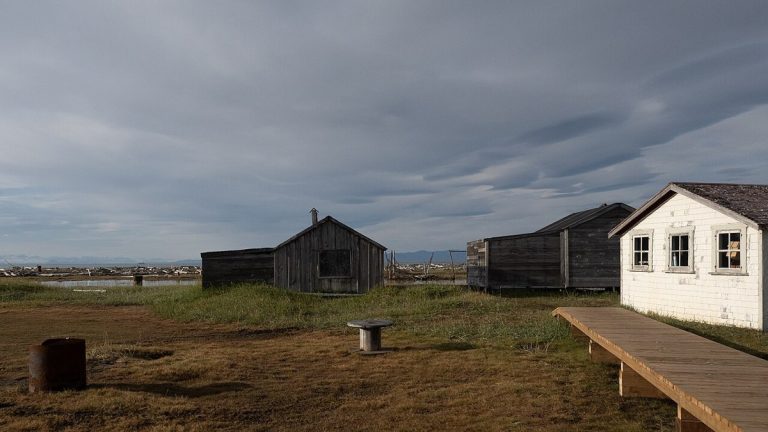
Pauline Cove on Qikiqtaruk (Herschel Island), Yukon, photographed in 2025.
CA-K216Places & geography

Qikiqtaruk (Herschel Island), Arctic whaling base

Qikiqtaruk (Herschel Island), off the Yukon coast, became the principal base for American whalers in the western Arctic in 1890. Parks Canada’s commemorative plaque records a community of about 2,000 whalers and Inuit during the peak winter of 1894–1895.

Factual accuracy review: No recorded challenge

Contributor: Citizen.ca

Verified against cited sourcesVerified on 2026-10-26↗
Photo: Carina Gsottbauer · Photo licence: CC BY-SA 4.0 · Credit & context
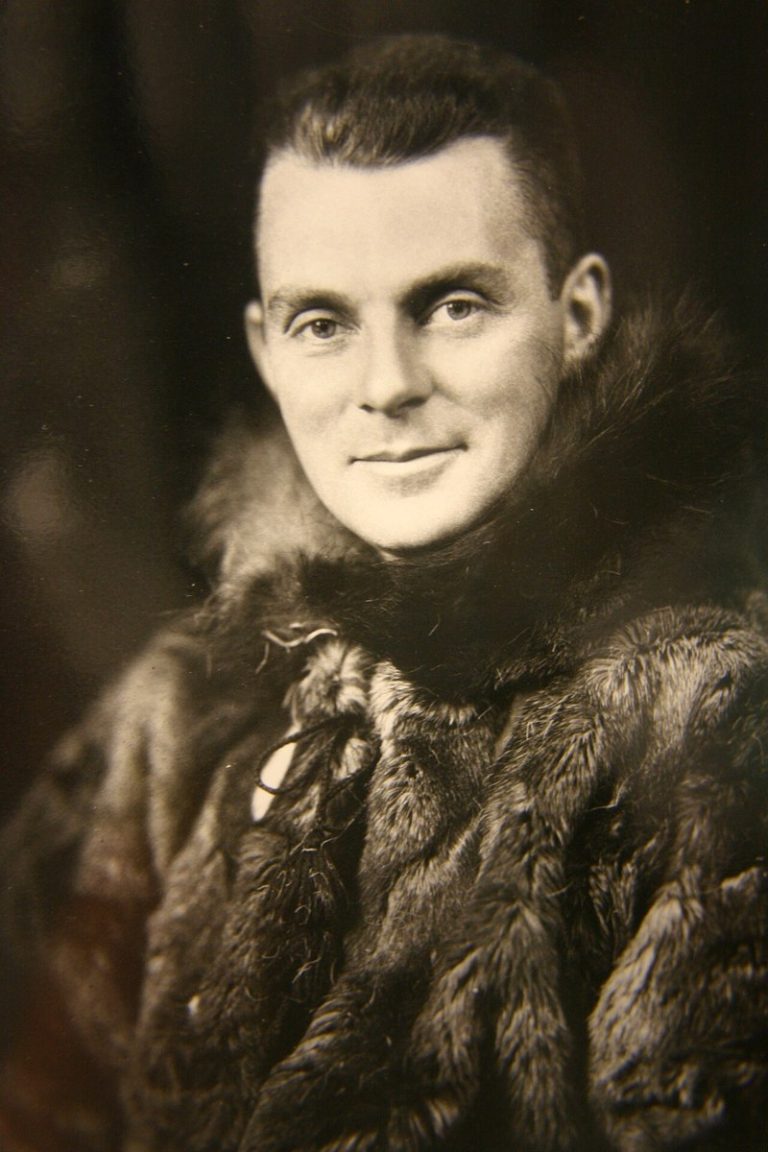
A photograph of C.H. “Punch” Dickins, Canadian First World War pilot.
CA-K214History

“Punch” Dickins, pioneering bush pilot

C.H. “Punch” Dickins (1899–1995), a distinguished First World War airman, became a pioneering bush pilot in the 1920s and 1930s, flying vast distances in Canada’s North and proving flight possible in remote areas and extreme cold. In the 1940s he contributed to the design of the de Havilland Beaver, helping make Canada a world leader in frontier aviation.

Factual accuracy review: No recorded challenge

Contributor: Citizen.ca

Verified against cited sourcesVerified on 2026-10-26↗
Photo: Bzuk at English Wikipedia · Photo licence: Public domain · Credit & context
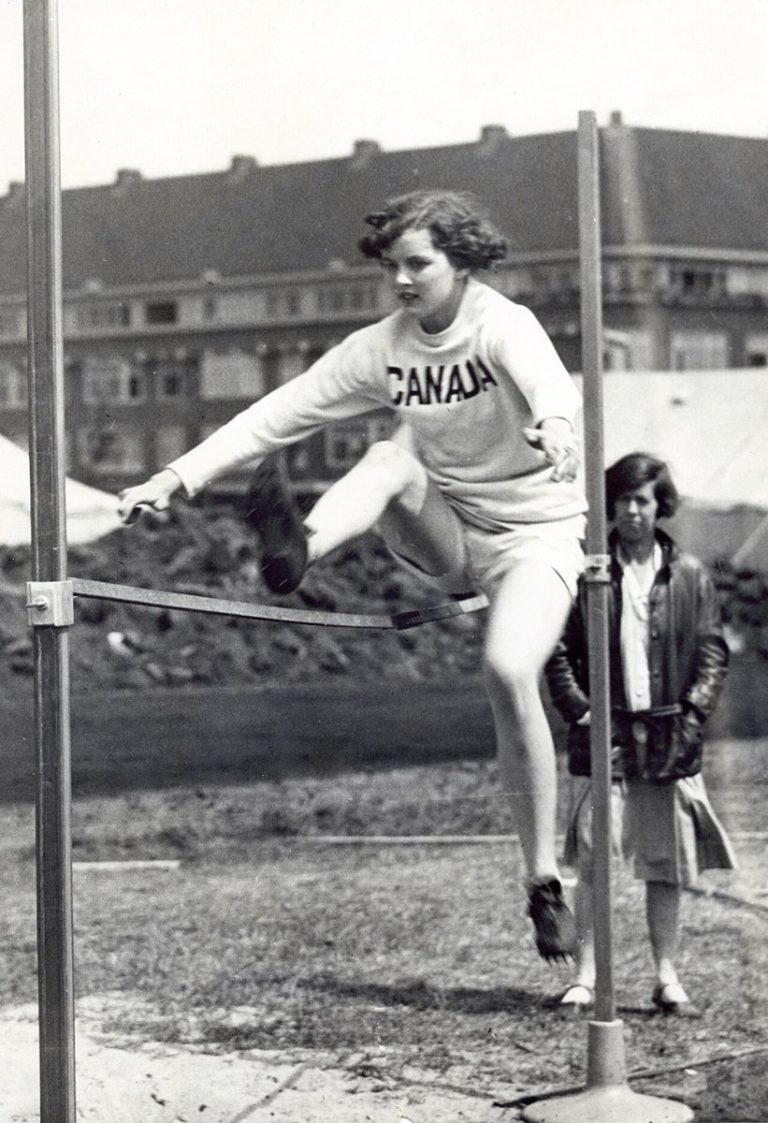
Ethel Catherwood training at the 1928 Summer Olympics in Amsterdam.
CA-K213Culture & sport

Ethel Catherwood, 1928 Olympic high jump champion

Ethel Catherwood (1908–1987) set national and world records in high jump and javelin between 1926 and 1930 and won the high jump gold medal at the 1928 Amsterdam Olympics, the first Games to allow women in track and field. With her “Matchless Six” teammates she earned Canada four medals, helping secure women’s place in Olympic track and field.

Factual accuracy review: No recorded challenge

Contributor: Citizen.ca

Verified against cited sourcesVerified on 2026-10-26↗
Photo: Unknown authorUnknown author · Photo licence: Public domain · Credit & context
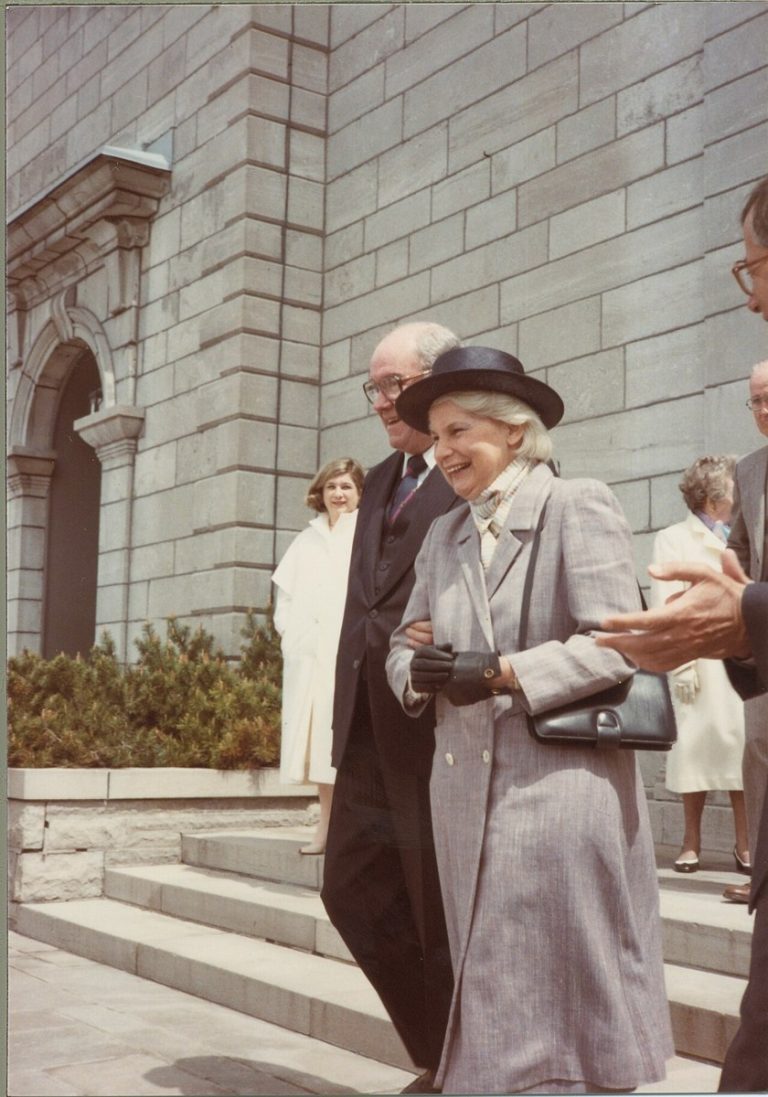
Governor General Jeanne Sauvé with her husband Maurice Sauvé in Ottawa, 1984.
CA-K212Institutions

Jeanne Sauvé, first woman Governor General

Jeanne Sauvé (1922–1993), a Fransaskois journalist and commentator from 1952 to 1972, was elected to the House of Commons in 1972 and served as minister of several departments. She became the first woman Speaker of the House of Commons and the first woman appointed Governor General of Canada.

Factual accuracy review: No recorded challenge

Contributor: Citizen.ca

Verified against cited sourcesVerified on 2026-10-26↗
Photo: proacguy1 from Montreal, Canada · Photo licence: CC BY 2.0 · Credit & context
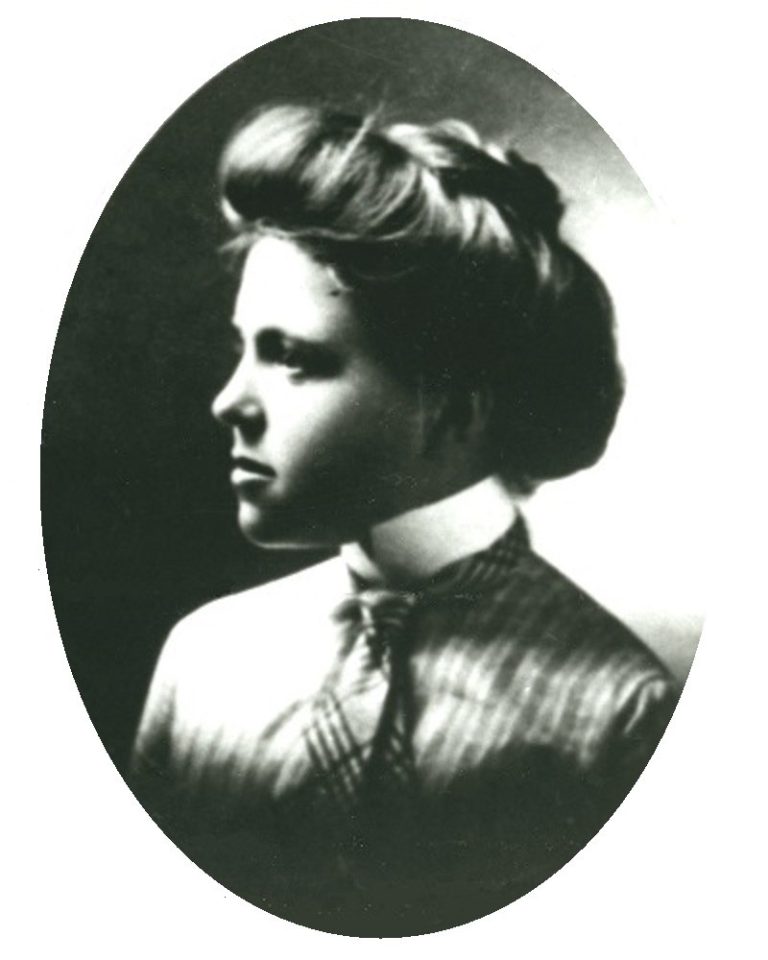
Irma LeVasseur around 1900 (Bibliothèque et Archives nationales du Québec).
CA-K211History

Dr. Irma LeVasseur, pioneer of paediatrics

Because francophone universities were closed to women, Irma LeVasseur (1877–1964) studied medicine in the United States and in 1903 became the first female physician licensed to practise in Quebec. A pioneer of paediatrics in Canada, she initiated Sainte-Justine Hospital in Montréal and the Hôpital de l’Enfant-Jésus and Centre Cardinal-Villeneuve in Québec City.

Factual accuracy review: No recorded challenge

Contributor: Citizen.ca

Verified against cited sourcesVerified on 2026-10-26↗
Photo: Bibliothèque et Archives nationales du Québec P655,S2,SS6,D8 · Photo licence: Public domain · Credit & context
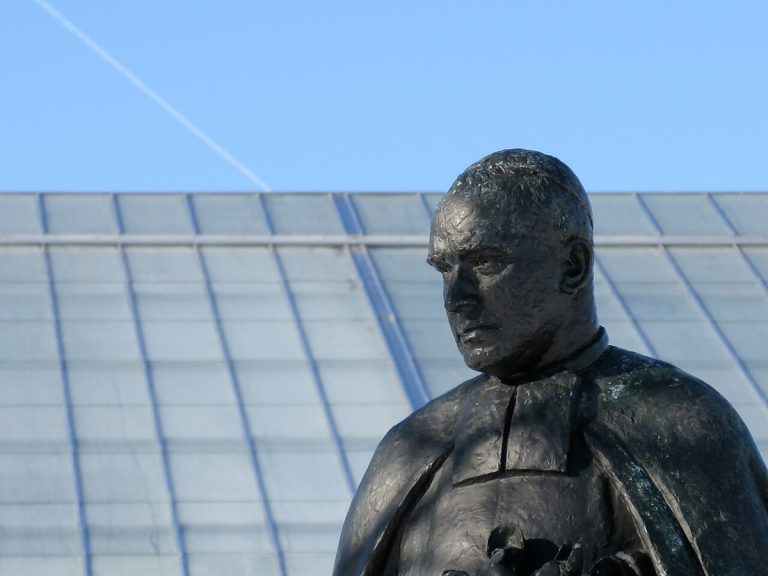
A statue of Brother Marie-Victorin at the Montréal Botanical Garden, photographed in 2009.
CA-K210Culture & sport

Brother Marie-Victorin and Flore laurentienne

Brother Marie-Victorin (1885–1944), a botanist, author and educator, wrote Flore laurentienne (1935) and founded the Institut botanique de l’Université de Montréal and the Montréal Botanical Garden. His discoveries and new approach to botany were of international importance, and he helped improve science teaching at every level.

Factual accuracy review: No recorded challenge

Contributor: Citizen.ca

Verified against cited sourcesVerified on 2026-10-26↗
Photo: Jean-Philippe Boulet · Photo licence: CC BY 3.0 · Credit & context
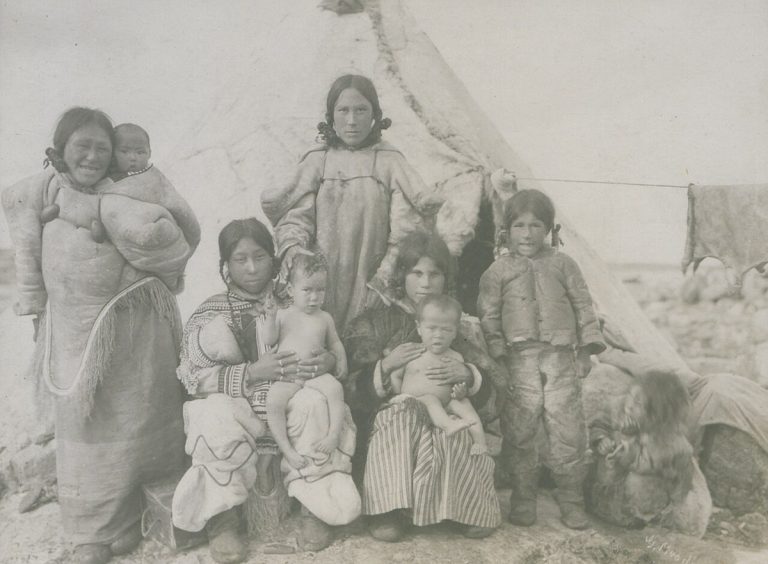
Inuit women and children at Fullerton (Qatiktalik), Nunavut, photographed by Geraldine Moodie in 1906.
CA-K209Culture & sport

Geraldine Moodie, photographer of the North-West and North

Geraldine Moodie (1854–1945), an entrepreneur in a male-dominated field, owned and operated at least three commercial photography studios. As the wife of a North-West Mounted Police officer she had unprecedented access to Indigenous communities, and her photographs are valued historical records of First Nations and Inuit lifeways around 1900.

Factual accuracy review: No recorded challenge

Contributor: Citizen.ca

Verified against cited sourcesVerified on 2026-10-26↗
Photo: Geraldine Moodie · Photo licence: Public domain · Credit & context
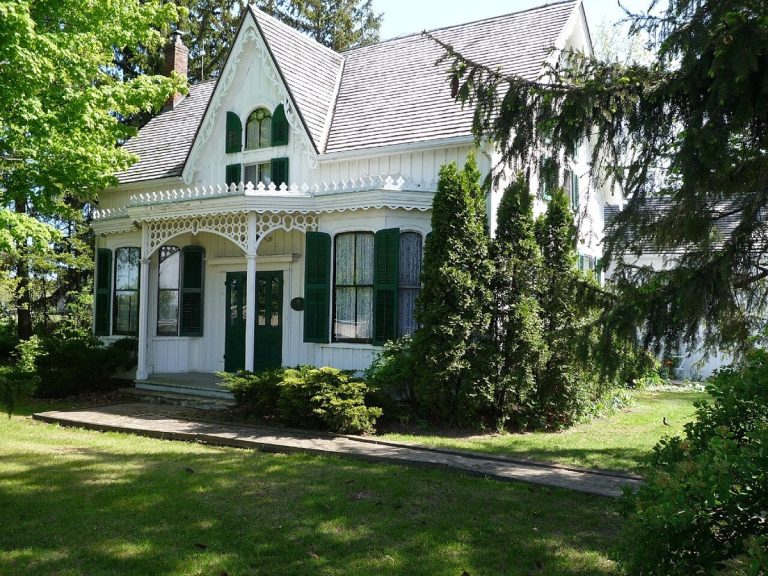
The Erland Lee Museum in Stoney Creek, Ontario, the farmhouse where the constitution was drafted, photographed in 2008.
CA-K205History

The first Women’s Institute, Stoney Creek, 1897

In 1897, inspired by domestic science reformer Adelaide Hoodless, Janet Lee drafted the constitution of the Stoney Creek Women’s Institute at her farmhouse in Ontario. The Women’s Institutes spread across Canada and the world, bringing rural women together to learn skills, promote civic reform and break the isolation of rural life.

Factual accuracy review: No recorded challenge

Contributor: Citizen.ca

Verified against cited sourcesVerified on 2026-10-26↗
Photo: Kristenkerr · Photo licence: Public domain · Credit & context
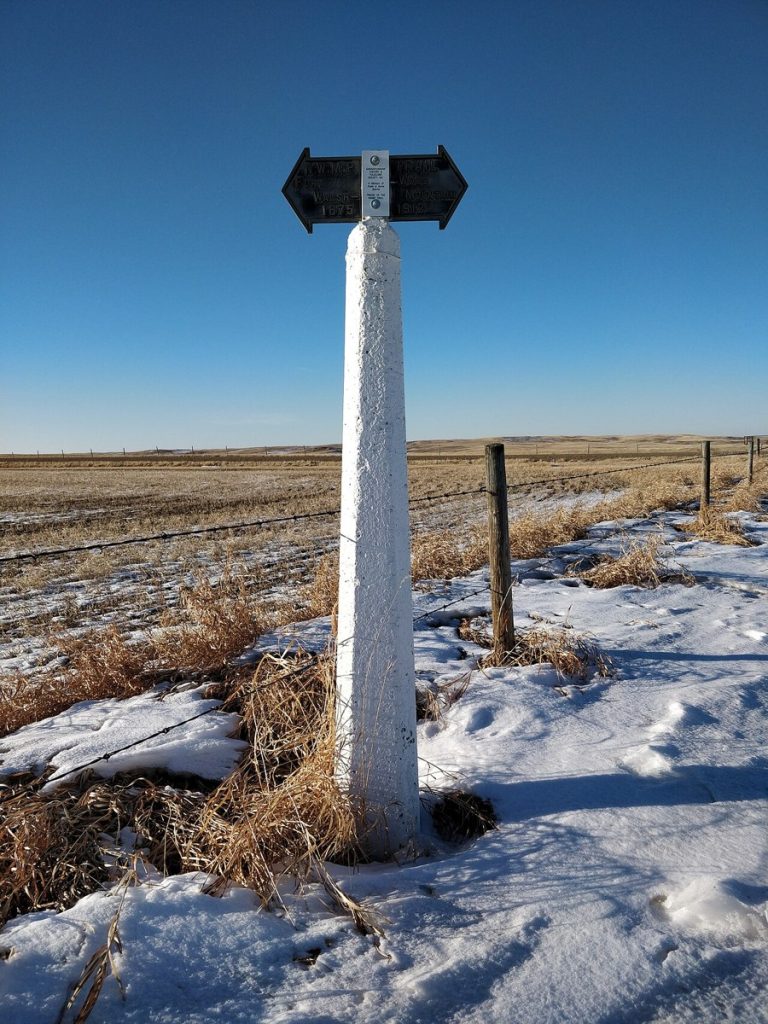
A North-West Mounted Police trail marker near Glen McPherson, Saskatchewan, on the former route between Fort Walsh and Wood Mountain, in 2021.
CA-K204History

The North-West Mounted Police, 1873

The North-West Mounted Police was established in 1873 by Prime Minister John A. Macdonald’s government as a paramilitary force of 300 mounted constables, to assert Canadian control over the North-West Territories. Arriving in 1874 after a 1,300-kilometre trek from Dufferin, Manitoba, the force set up posts without the consultation or permission of First Nations and enforced laws that disregarded Indigenous laws and ways of life.

Factual accuracy review: No recorded challenge

Contributor: Citizen.ca

Verified against cited sourcesVerified on 2026-10-26↗
Photo: Awmcphee · Photo licence: CC BY-SA 3.0 · Credit & context
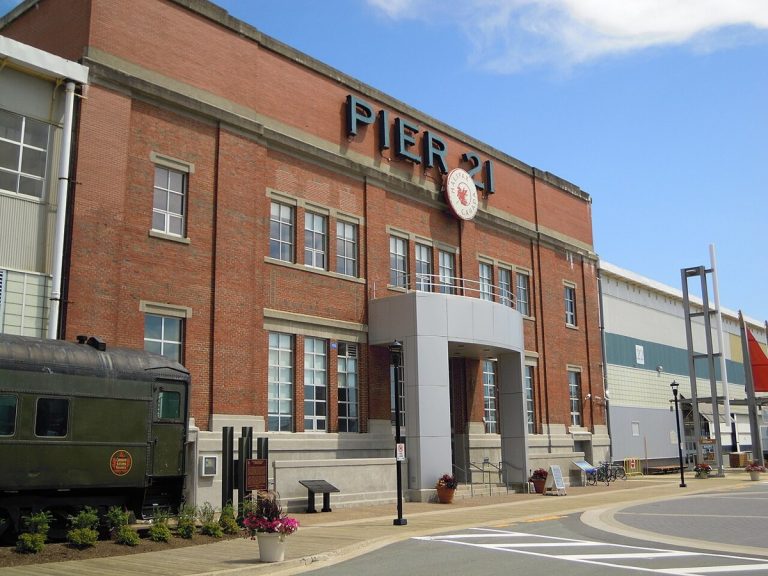
Pier 21 in Halifax, now the Canadian Museum of Immigration, photographed in 2010.
CA-K202History

Some 48,000 war brides arrived at Pier 21

Between 1942 and 1948, some 48,000 women, mostly from Great Britain, and 22,000 children arrived at Pier 21 in Halifax as the families of Canadian servicemen stationed abroad during the Second World War. The federal government provided their transportation and information about Canada, and war bride clubs across the country helped them adapt.

Factual accuracy review: No recorded challenge

Contributor: Citizen.ca

Verified against cited sourcesVerified on 2026-10-26↗
Photo: Skeezix1000 · Photo licence: CC BY-SA 3.0 · Credit & context
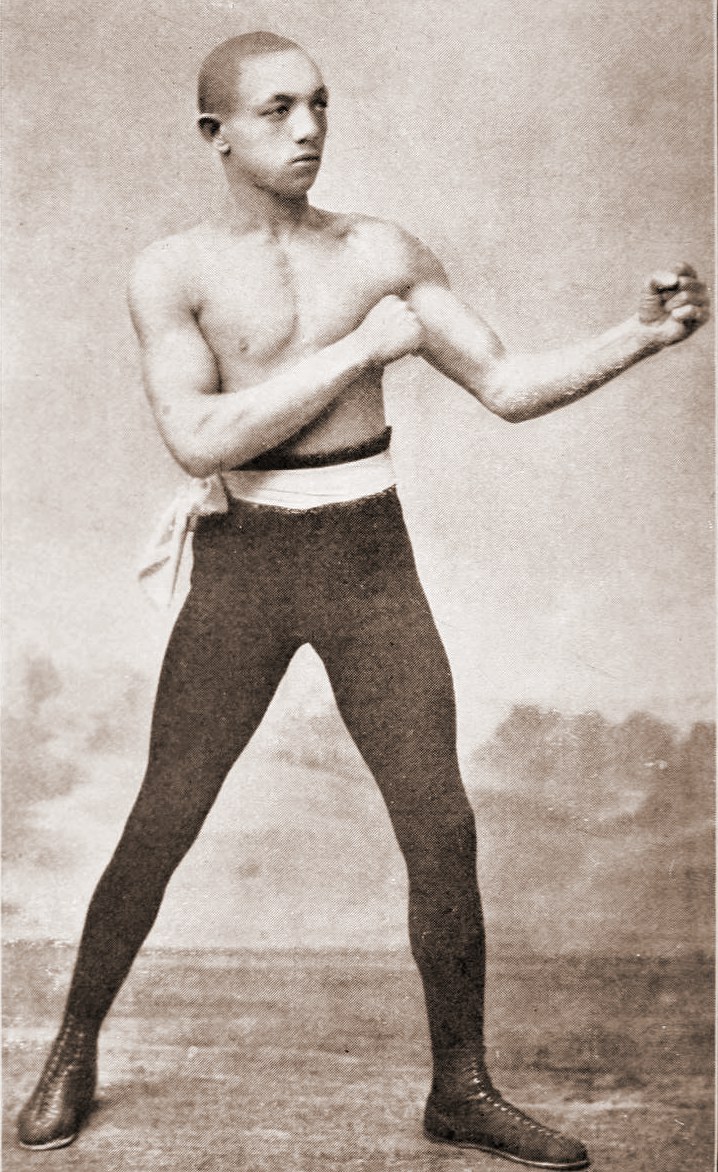
A photograph of George Dixon, taken before 1909.
CA-K201Culture & sport

George Dixon, first Black world boxing champion

George Dixon (1870–1908), born in Africville, Nova Scotia, was the first Black boxer and the first Canadian to win a world title, taking the bantamweight title in 1890 and the featherweight title in 1891. His training innovations, including shadowboxing, are still in use, and he used his popularity to open opportunities for Black boxers.

Factual accuracy review: No recorded challenge

Contributor: Citizen.ca

Verified against cited sourcesVerified on 2026-10-26↗
Photo: unattributed · Photo licence: Public domain · Credit & context
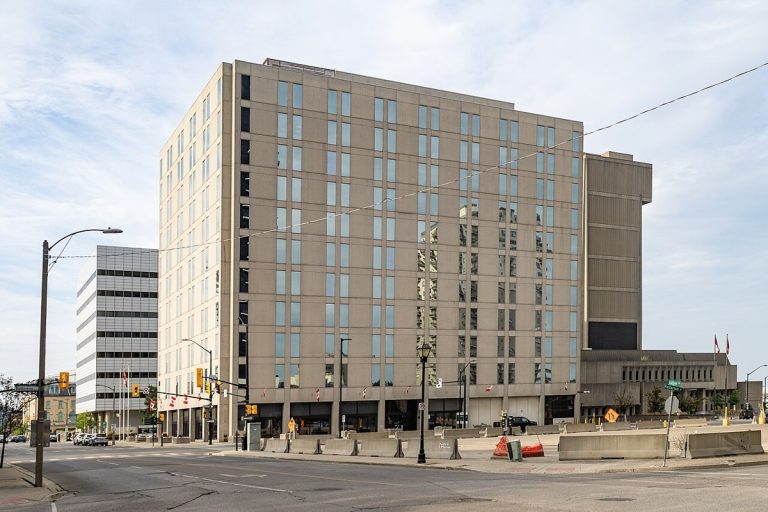
The Richard Pierpoint Building, a courthouse in London, Ontario, named in his honour, photographed in 2026.
CA-K199History

Richard Pierpoint, Black Loyalist

Richard Pierpoint (c. 1744–c. 1838), born in Bundu in present-day Senegal, was captured and sold into slavery in the Thirteen Colonies around 1760. He fought as a free man with Butler’s Rangers in the American Revolution, settled in Niagara, and during the War of 1812 contributed to the creation of the Colored Corps; afterward he asked for passage to West Africa but was given land in Upper Canada instead.

Factual accuracy review: No recorded challenge

Contributor: Citizen.ca

Verified against cited sourcesVerified on 2026-10-26↗
Photo: Chris Woodrich · Photo licence: CC BY-SA 4.0 · Credit & context
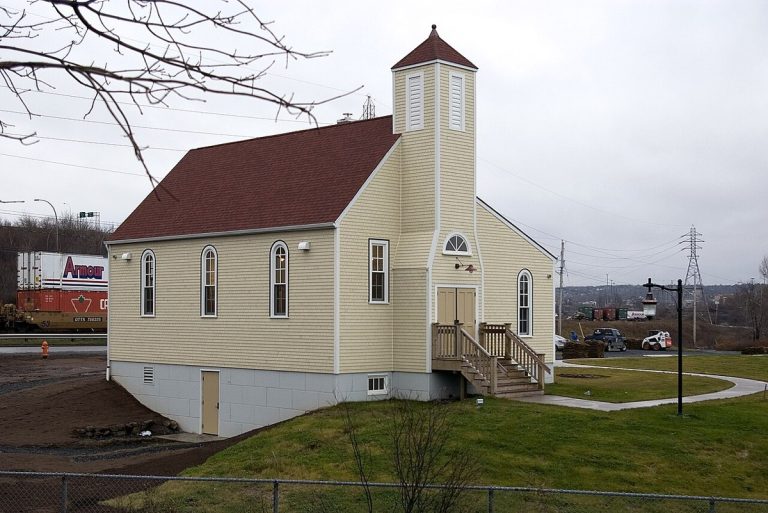
The Africville Museum in Halifax, housed in a replica of the Seaview African United Baptist Church, photographed in 2012.
CA-K198Culture & sport

The Colored Hockey League of the Maritimes, 1895

The Colored Hockey League of the Maritimes, formed in 1895 by African Canadian Baptist leaders in Dartmouth and Halifax, was the only all-Black men’s ice hockey league in Canada and soon expanded across Nova Scotia and Prince Edward Island. Its championships drew multiracial crowds, though players endured racism, and the league advanced the fight for equality.

Factual accuracy review: No recorded challenge

Contributor: Citizen.ca

Verified against cited sourcesVerified on 2026-10-26↗
Photo: DRheaume · Photo licence: CC BY-SA 3.0 · Credit & context
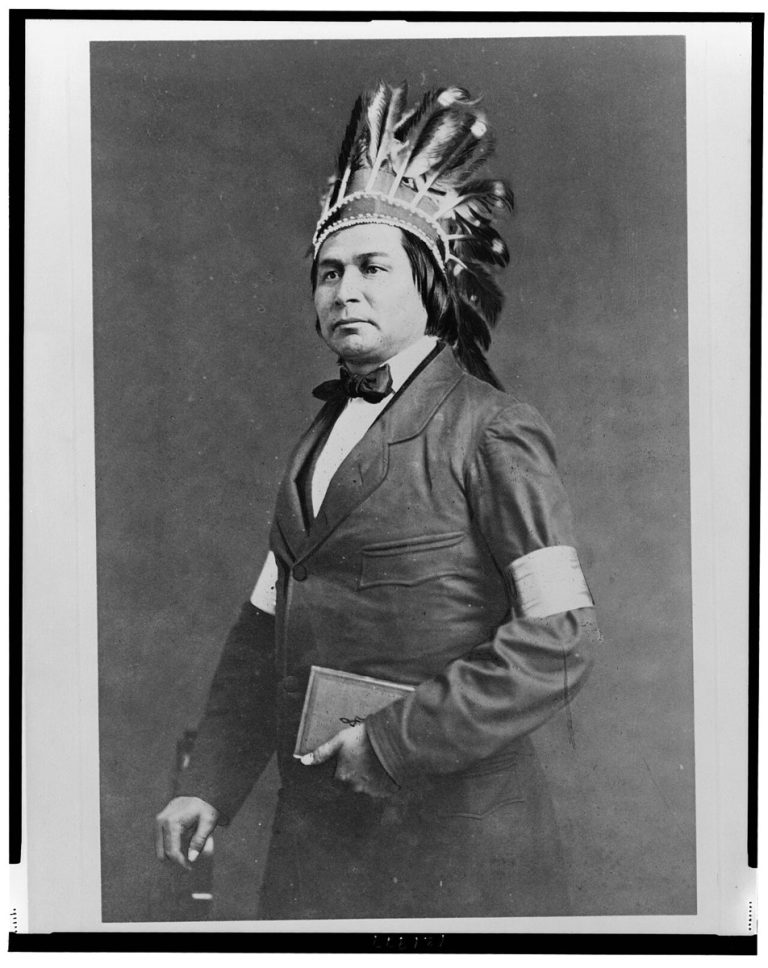
A hand-coloured portrait of Kahgegagahbowh (George Copway), about 1860 (Library of Congress).
CA-K197Indigenous peoples & reconciliation

Kahgegagahbowh (George Copway), Anishinaabe author

Kahgegagahbowh (George Copway, 1818–1869), a Mississauga Anishinaabe author, lecturer and activist, gained international literary celebrity for popular non-fiction books in the late 1840s and early 1850s. His writing and lectures gave readers in Canada and abroad insight into Mississauga spirituality, history and culture, and he spoke for Indigenous peoples at the 1850 Peace Congress in Frankfurt.

Factual accuracy review: No recorded challenge

Contributor: Citizen.ca

Verified against cited sourcesVerified on 2026-10-26↗
Photo: Marian S. Carson Collection (Library of Congress) · Photo licence: Public domain · Credit & context
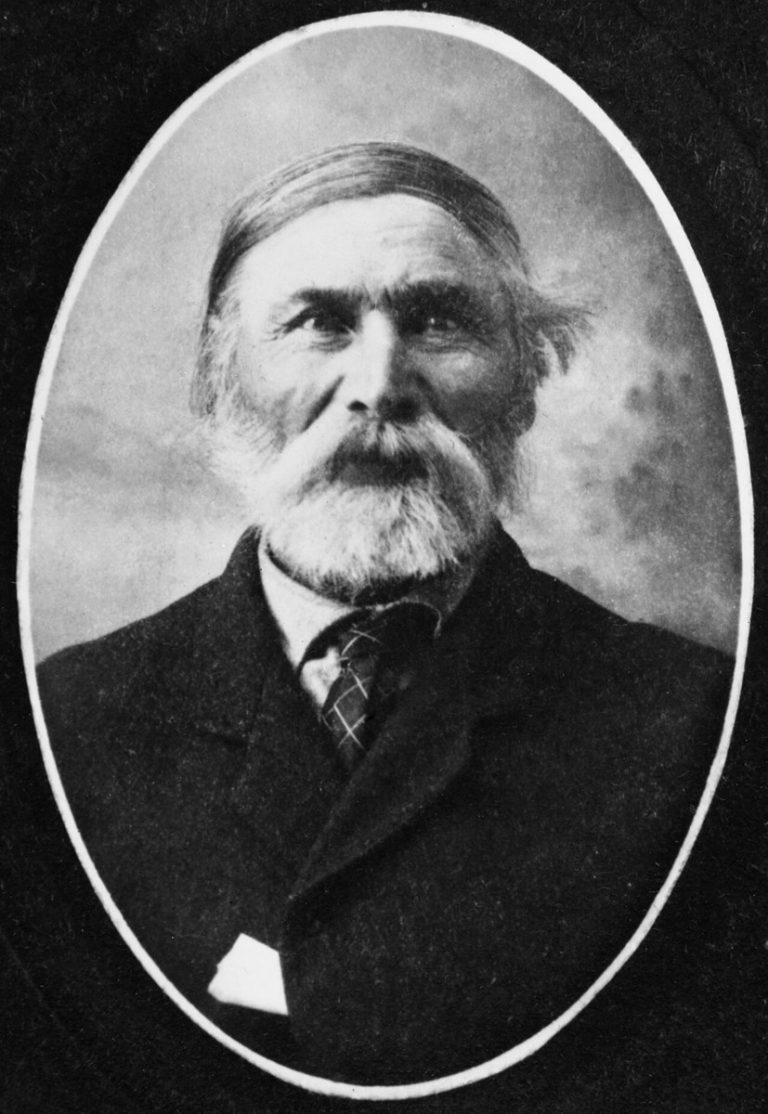
A portrait of James Isbister, taken before 1915.
CA-K196Indigenous peoples & reconciliation

James Isbister, English Métis leader

James Isbister (1833–1915), an English Métis leader, founded the Isbister Métis settlement at Prince Albert, where he and Margaret Bear began farming in 1862. He helped unite English and French Métis in seeking recognition of their land rights, and in 1884 was one of four delegates who travelled to Montana to invite Louis Riel to lead the Métis protest movement.

Factual accuracy review: No recorded challenge

Contributor: Citizen.ca

Verified against cited sourcesVerified on 2026-10-26↗
Photo: Unknown authorUnknown author · Photo licence: Public domain · Credit & context
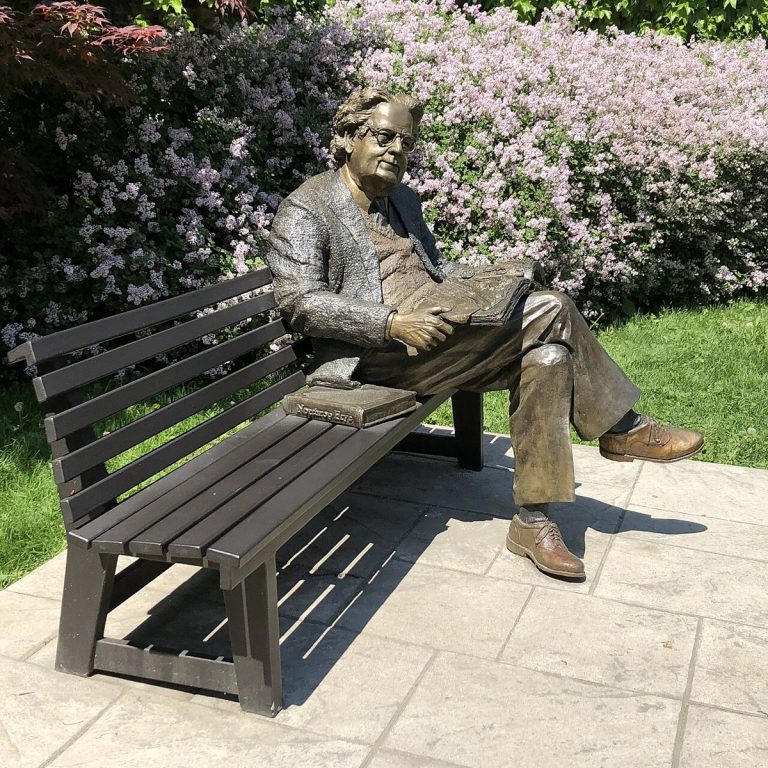
A seated statue of Northrop Frye at Victoria College, University of Toronto, photographed in 2018.
CA-K194Culture & sport

Northrop Frye, literary theorist

Northrop Frye (1912–1991), based at Victoria College, University of Toronto, from 1939 to 1991, was a pre-eminent literary theorist and critic. His systematic study of the myths and symbols underlying literature, and his work on the Bible as literature, had significant international influence, and his idea of a “garrison mentality” shaped English-Canadian literature.

Factual accuracy review: No recorded challenge

Contributor: Citizen.ca

Verified against cited sourcesVerified on 2026-10-26↗
Photo: Maksim Sokolov (maxergon.com) · Photo licence: CC BY-SA 4.0 · Credit & context
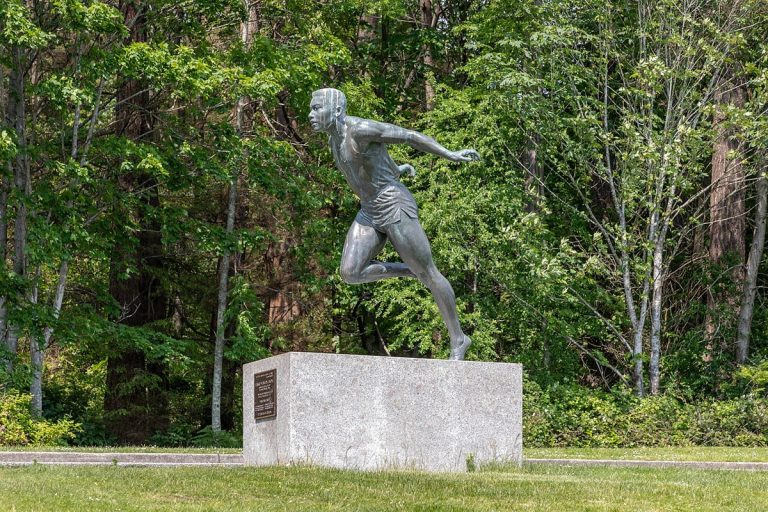
The Harry Jerome statue by Jack Harman in Stanley Park, Vancouver, photographed in 2022.
CA-K192Culture & sport

Harry Jerome, sprinter

Harry Jerome (1940–1982) was one of the fastest men in the world for much of the 1960s, holding multiple world sprint records, including the 100 metres in ten seconds flat. He later made major contributions to amateur sport and fitness in Canada, and remains a point of pride for African Canadians.

Factual accuracy review: No recorded challenge

Contributor: Citizen.ca

Verified against cited sourcesVerified on 2026-10-26↗
Photo: Dietmar Rabich · Photo licence: CC BY-SA 4.0 · Credit & context
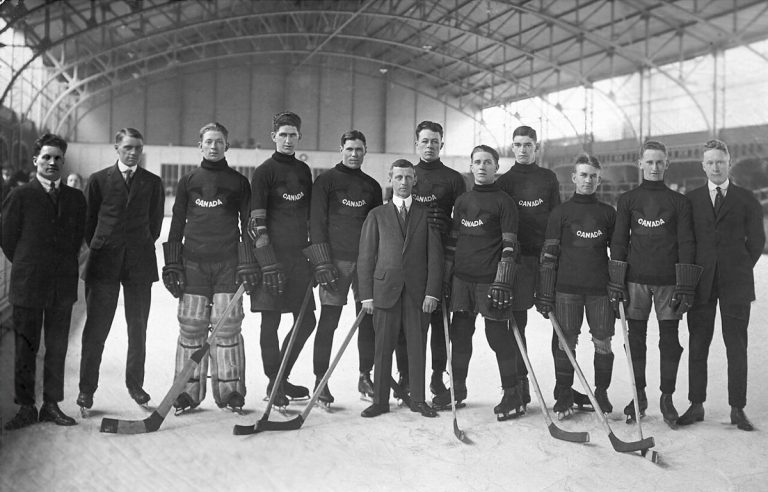
The Winnipeg Falcons team at the 1920 Summer Olympics in Antwerp.
CA-K191Culture & sport

The Winnipeg Falcons won the first Olympic hockey gold, 1920

The Winnipeg Falcons, a hockey club made up almost entirely of Icelandic Canadian players, won the Allan Cup as Canada’s senior amateur champions in 1920. That year they represented Canada in Antwerp, Belgium, and won the first Olympic gold medal for hockey.

Factual accuracy review: No recorded challenge

Contributor: Citizen.ca

Verified against cited sourcesVerified on 2026-10-26↗
Photo: Unknown authorUnknown author · Photo licence: Public domain · Credit & context
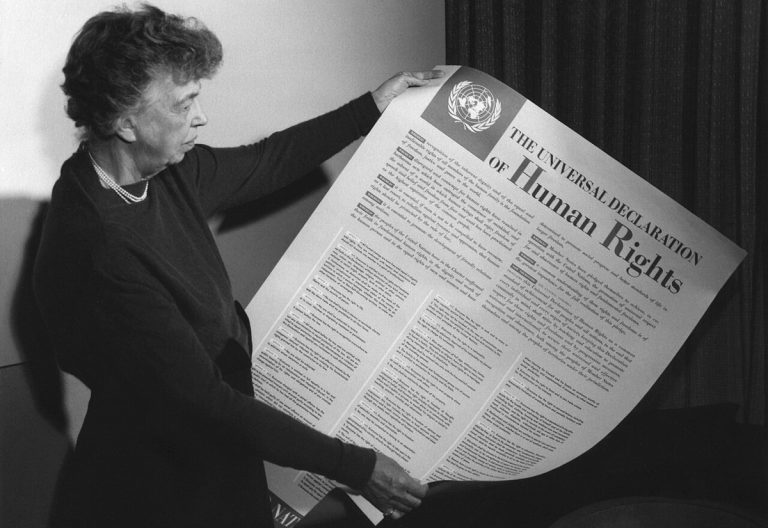
Eleanor Roosevelt holding a poster of the Universal Declaration of Human Rights, 1949; Humphrey does not appear in the photo.
CA-K189Institutions

John P. Humphrey and the Universal Declaration of Human Rights

John P. Humphrey (1905–1995), a McGill law professor, was the first director of the United Nations Human Rights Division from 1946 to 1966. The 48-article “Secretariat Outline” he prepared with his staff for the UN Human Rights Commission laid the foundations for the Universal Declaration of Human Rights of 1948.

Factual accuracy review: No recorded challenge

Contributor: Citizen.ca

Verified against cited sourcesVerified on 2026-10-26↗
Photo: FDR Presidential Library & Museum · Photo licence: CC BY 2.0 · Credit & context
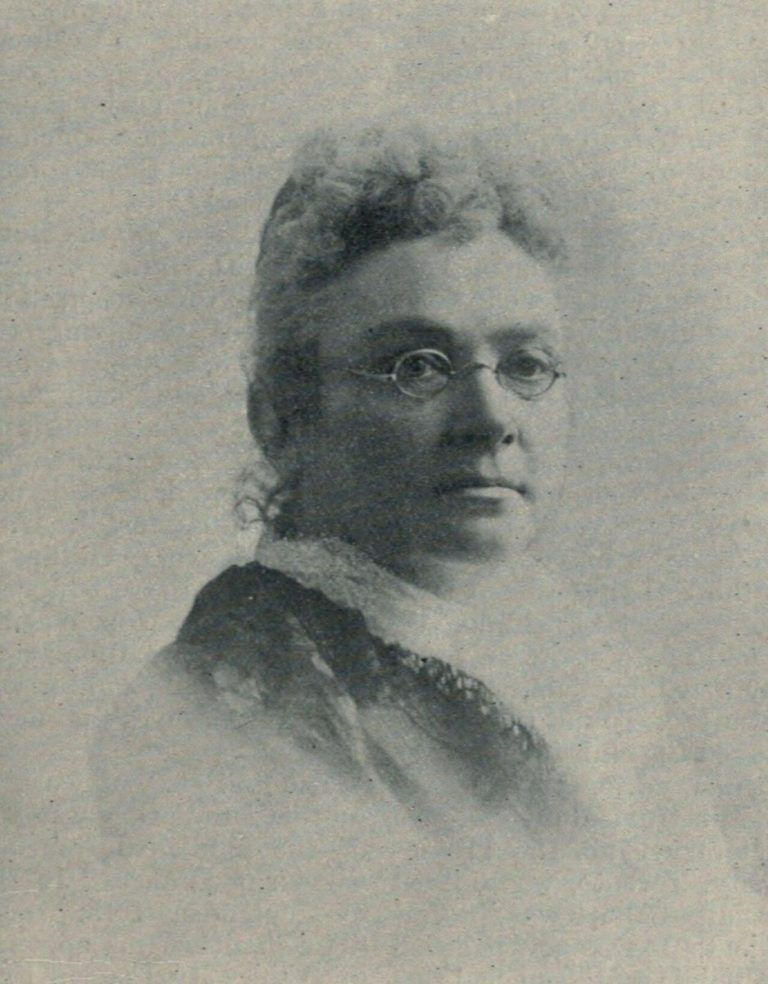
A portrait of Emily Stowe, no later than 1895.
CA-K187History

Emily Stowe, Canada’s first woman doctor in private practice

Denied university entry in Canada because she was a woman, Emily Stowe (1831–1903) studied medicine in New York City and in 1867 opened the first private medical practice in Canada run by a woman doctor, in Toronto. She led the drive to found Woman’s Medical College in 1883 and, through the Dominion Women’s Enfranchisement Association, kept suffrage in the public eye.

Factual accuracy review: No recorded challenge

Contributor: Citizen.ca

Verified against cited sourcesVerified on 2026-10-26↗
Photo: Unknown authorUnknown author · Photo licence: Public domain · Credit & context
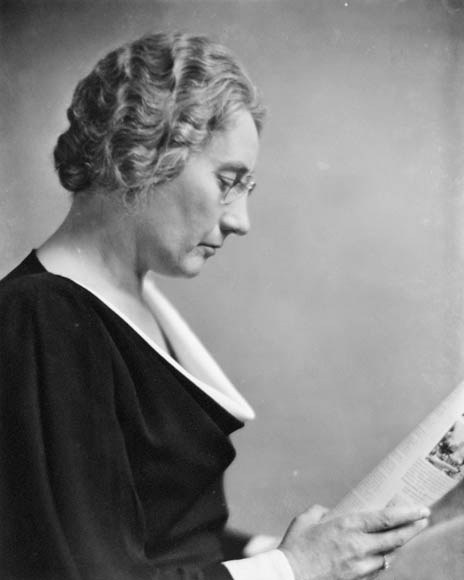
Agnes Macphail, MP, photographed by Yousuf Karsh on 14 May 1934.
CA-K186Institutions

Agnes Macphail, first woman elected to the House of Commons

Agnes Macphail (1890–1954), a rural schoolteacher, became the first woman elected to the House of Commons when she won Grey County as a Progressive in the 1921 federal election. In Ottawa she fought for penal reform, disarmament and social welfare, and later sat in the Ontario legislature from 1943 to 1951.

Factual accuracy review: No recorded challenge

Contributor: Citizen.ca

Verified against cited sourcesVerified on 2026-10-26↗
Photo: Yousuf Karsh · Photo licence: Public domain · Credit & context
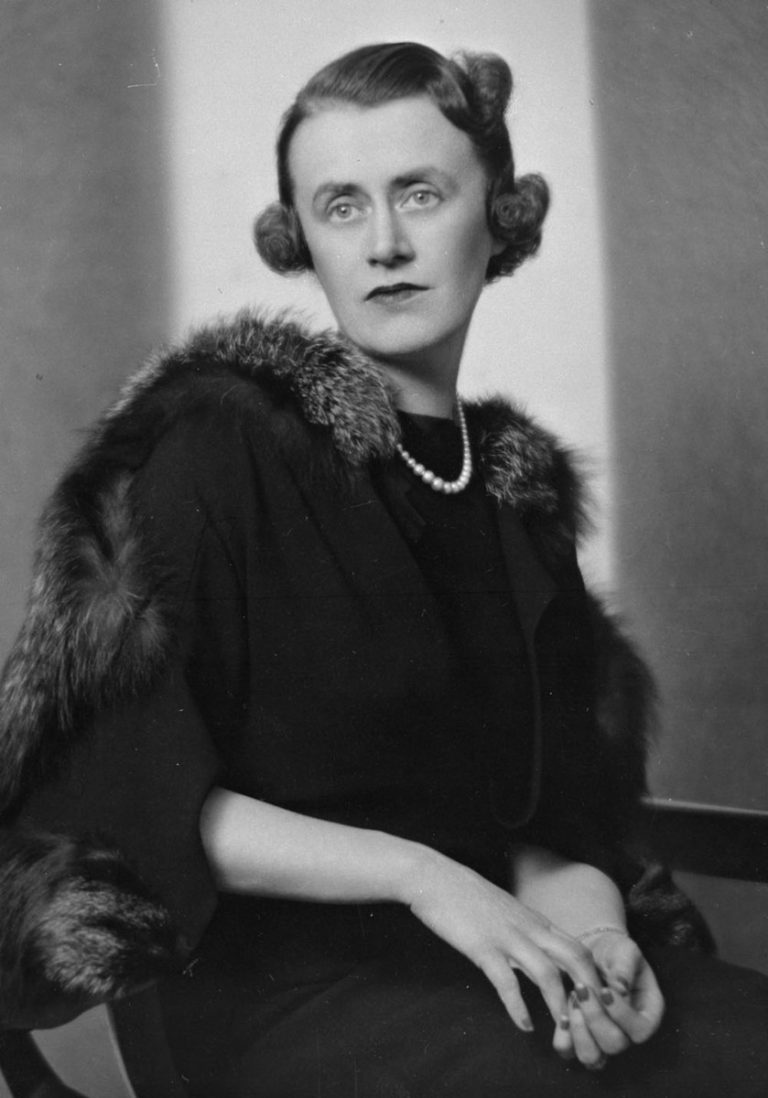
Thérèse Casgrain photographed by George Nakash (Library and Archives Canada).
CA-K185History

Thérèse Casgrain and the Quebec vote for women, 1940

Thérèse Casgrain (1896–1981), a pioneer of Quebec feminism, led the Ligue des droits de la femme from 1928 to 1942 and played a pivotal role in winning women the right to vote in Quebec provincial elections in 1940. The Fédération des femmes du Québec, founded under her guidance in 1966, launched a new wave of organized feminism.

Factual accuracy review: No recorded challenge

Contributor: Citizen.ca

Verified against cited sourcesVerified on 2026-10-26↗
Photo: George Nakash (1892-1976) · Photo licence: CC BY 2.0 · Credit & context
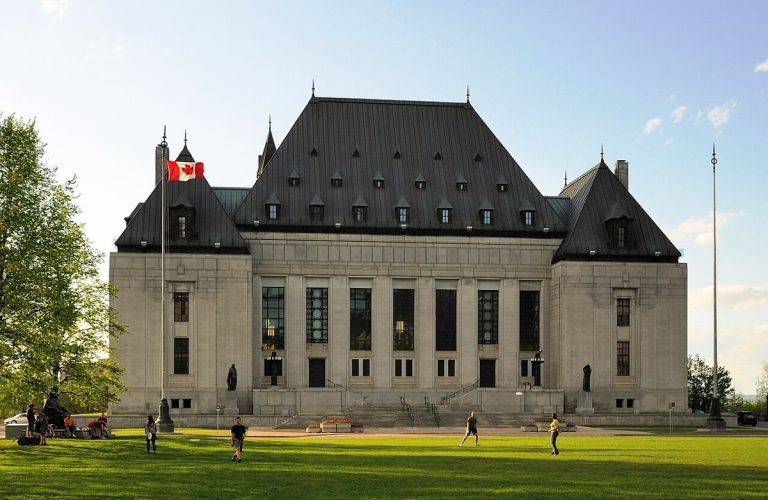
The Supreme Court of Canada building in Ottawa, photographed in 2009.
CA-K184History

The Klippert case, 1967

In Klippert v. the Queen (1967), Everett Klippert appealed his indefinite imprisonment as a dangerous sexual offender for gross indecency, under a Criminal Code that made sex between men illegal. The Supreme Court ruled against him, but the case exposed legal discrimination against gay men and contributed to the partial decriminalization of same-gender sexual acts in 1969.

Factual accuracy review: No recorded challenge

Contributor: Citizen.ca

Verified against cited sourcesVerified on 2026-10-26↗
Photo: Wladyslaw · Photo licence: CC BY-SA 3.0 · Credit & context