An independent Canadian knowledge project

Focused and Verified

Canadian knowledge base

Search by keyword

Choose one keyword, or combine two. Broader keywords include their descendants.

Keywords: Time periods

Clear search
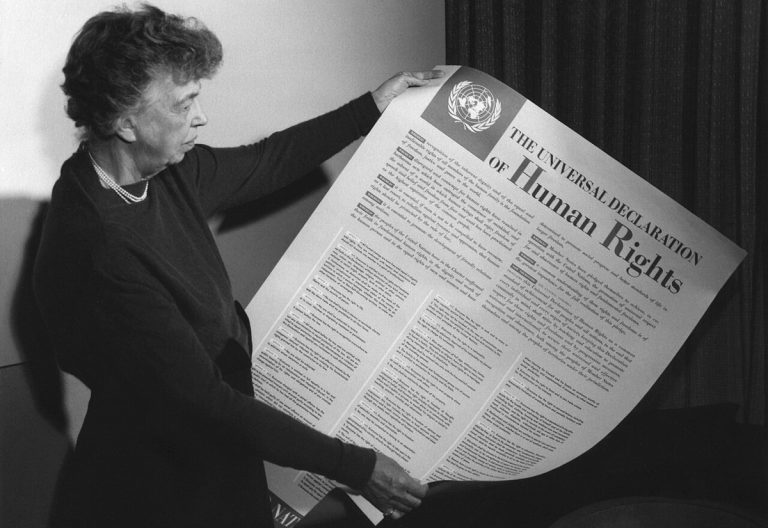
Eleanor Roosevelt holding a poster of the Universal Declaration of Human Rights, 1949; Humphrey does not appear in the photo.
CA-K189Institutions

John P. Humphrey and the Universal Declaration of Human Rights

John P. Humphrey (1905–1995), a McGill law professor, was the first director of the United Nations Human Rights Division from 1946 to 1966. The 48-article “Secretariat Outline” he prepared with his staff for the UN Human Rights Commission laid the foundations for the Universal Declaration of Human Rights of 1948.

Factual accuracy review: No recorded challenge

Contributor: Citizen.ca

Verified against cited sourcesVerified on 2026-10-26↗
Photo: FDR Presidential Library & Museum · Photo licence: CC BY 2.0 · Credit & context
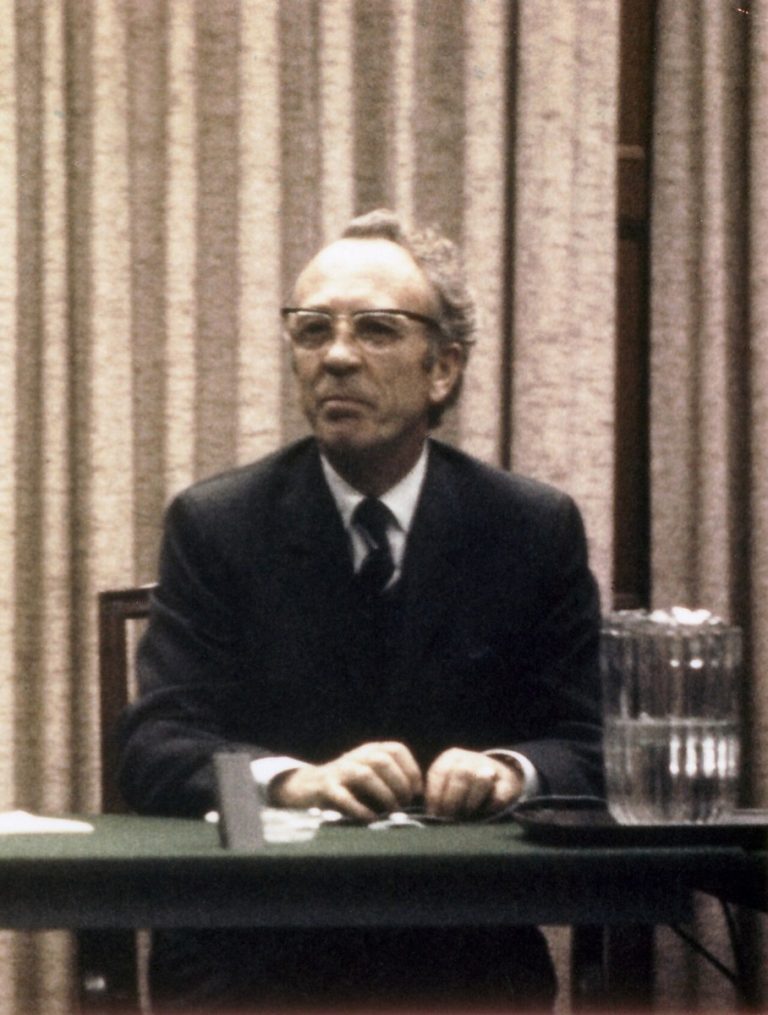
Tommy Douglas, former Premier of Saskatchewan, around 1971.
CA-K188Institutions

Tommy Douglas and the roots of medicare

Tommy Douglas (1904–1986) was Premier of Saskatchewan from 1944 to 1961, leading Canada’s only Co-operative Commonwealth Federation government. Under him the province pioneered publicly funded hospital insurance, laying the foundations for national medicare; he later became the first leader of the federal New Democratic Party.

Factual accuracy review: No recorded challenge

Contributor: Citizen.ca

Verified against cited sourcesVerified on 2026-10-26↗
Photo: Themightyquill · Photo licence: CC BY-SA 3.0 · Credit & context
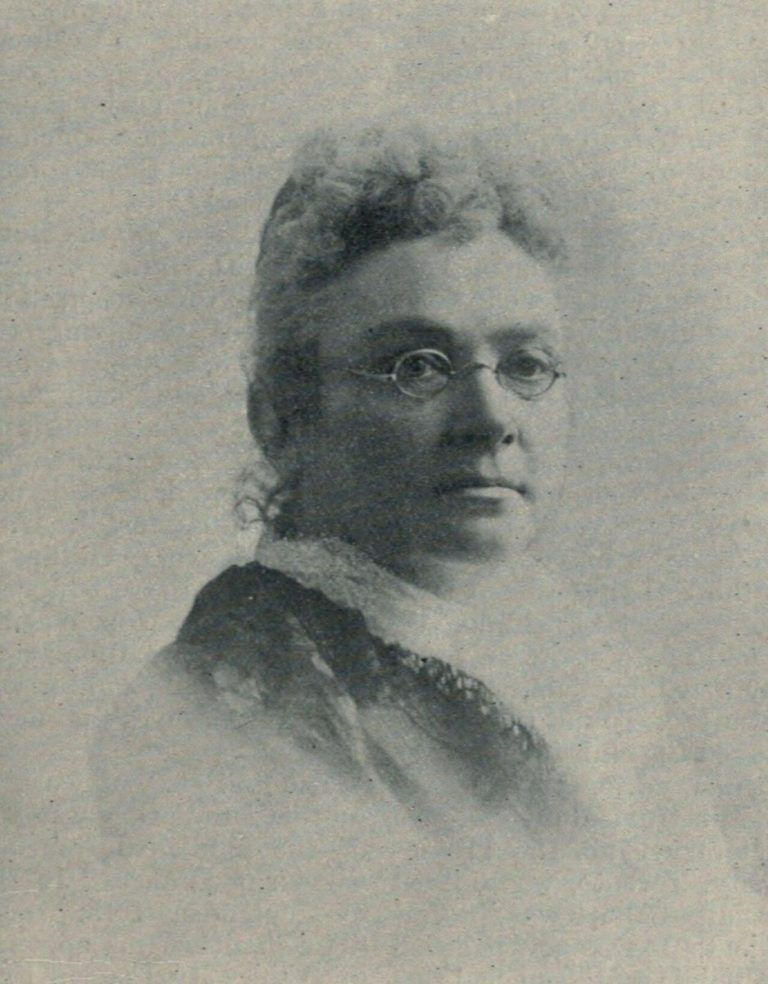
A portrait of Emily Stowe, no later than 1895.
CA-K187History

Emily Stowe, Canada’s first woman doctor in private practice

Denied university entry in Canada because she was a woman, Emily Stowe (1831–1903) studied medicine in New York City and in 1867 opened the first private medical practice in Canada run by a woman doctor, in Toronto. She led the drive to found Woman’s Medical College in 1883 and, through the Dominion Women’s Enfranchisement Association, kept suffrage in the public eye.

Factual accuracy review: No recorded challenge

Contributor: Citizen.ca

Verified against cited sourcesVerified on 2026-10-26↗
Photo: Unknown authorUnknown author · Photo licence: Public domain · Credit & context
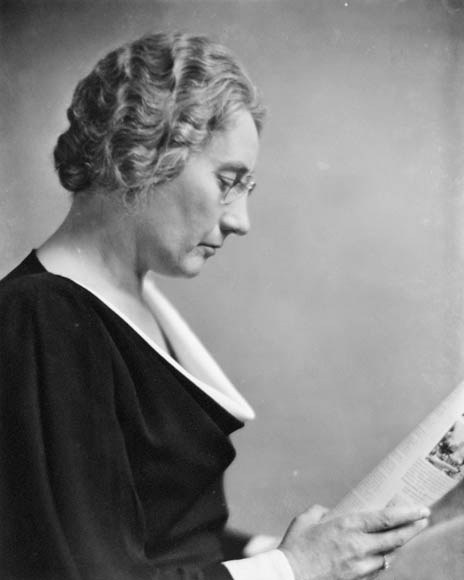
Agnes Macphail, MP, photographed by Yousuf Karsh on 14 May 1934.
CA-K186Institutions

Agnes Macphail, first woman elected to the House of Commons

Agnes Macphail (1890–1954), a rural schoolteacher, became the first woman elected to the House of Commons when she won Grey County as a Progressive in the 1921 federal election. In Ottawa she fought for penal reform, disarmament and social welfare, and later sat in the Ontario legislature from 1943 to 1951.

Factual accuracy review: No recorded challenge

Contributor: Citizen.ca

Verified against cited sourcesVerified on 2026-10-26↗
Photo: Yousuf Karsh · Photo licence: Public domain · Credit & context
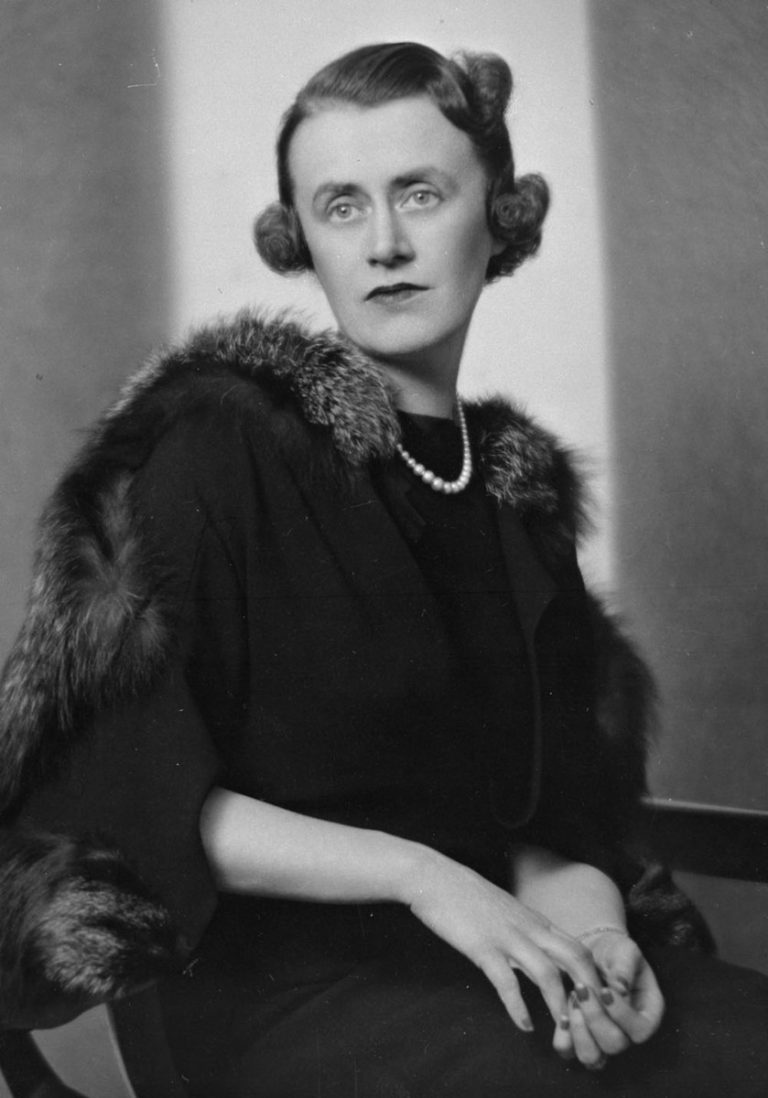
Thérèse Casgrain photographed by George Nakash (Library and Archives Canada).
CA-K185History

Thérèse Casgrain and the Quebec vote for women, 1940

Thérèse Casgrain (1896–1981), a pioneer of Quebec feminism, led the Ligue des droits de la femme from 1928 to 1942 and played a pivotal role in winning women the right to vote in Quebec provincial elections in 1940. The Fédération des femmes du Québec, founded under her guidance in 1966, launched a new wave of organized feminism.

Factual accuracy review: No recorded challenge

Contributor: Citizen.ca

Verified against cited sourcesVerified on 2026-10-26↗
Photo: George Nakash (1892-1976) · Photo licence: CC BY 2.0 · Credit & context
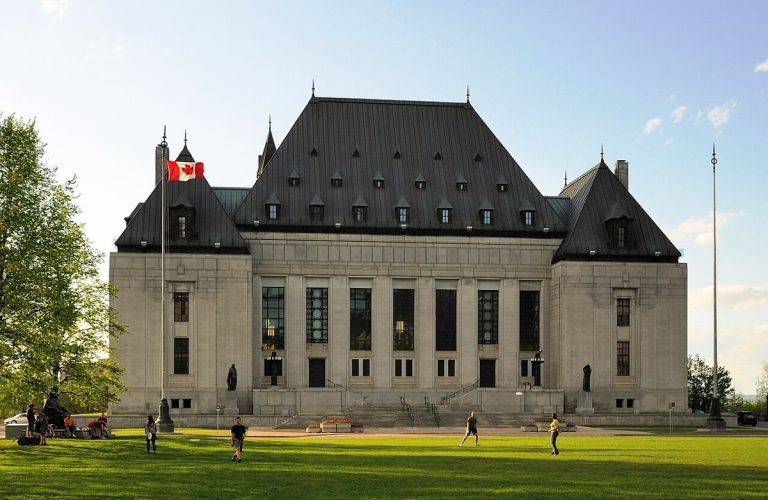
The Supreme Court of Canada building in Ottawa, photographed in 2009.
CA-K184History

The Klippert case, 1967

In Klippert v. the Queen (1967), Everett Klippert appealed his indefinite imprisonment as a dangerous sexual offender for gross indecency, under a Criminal Code that made sex between men illegal. The Supreme Court ruled against him, but the case exposed legal discrimination against gay men and contributed to the partial decriminalization of same-gender sexual acts in 1969.

Factual accuracy review: No recorded challenge

Contributor: Citizen.ca

Verified against cited sourcesVerified on 2026-10-26↗
Photo: Wladyslaw · Photo licence: CC BY-SA 3.0 · Credit & context
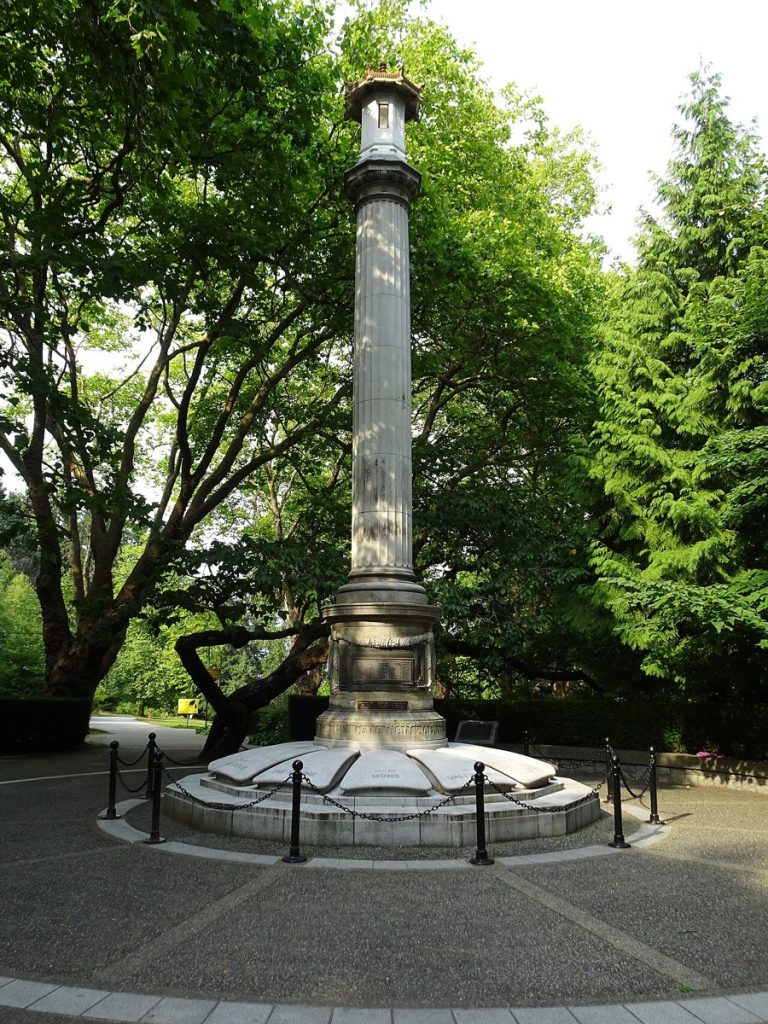
The Japanese Canadian War Memorial in Stanley Park, Vancouver, photographed in 2026.
CA-K182History

Japanese Canadian soldiers and the 1931 vote

During the First World War, 222 Japanese Canadian soldiers overcame barriers to enlistment and prejudice to fight on the Western Front between 1916 and 1918; a quarter of them died in battle. In 1931, the returning veterans became the first group of Asian Canadians to win the right to vote in British Columbia.

Factual accuracy review: No recorded challenge

Contributor: Citizen.ca

Verified against cited sourcesVerified on 2026-10-26↗
Photo: Spudgun67 · Photo licence: CC0 · Credit & context
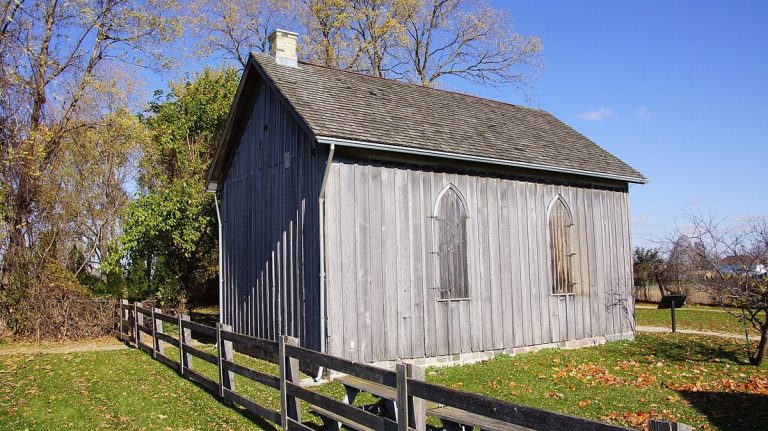
Uncle Tom’s Cabin Historic Site near Dresden, Ontario, now the Josiah Henson Museum of African-Canadian History, photographed in 2014.
CA-K181History

Josiah Henson and the Dawn settlement

After escaping slavery in Kentucky to Upper Canada, Reverend Josiah Henson (1789–1883) became an Underground Railroad conductor and abolitionist, founded the Black settlement of Dawn and established the British American Institute school. Harriet Beecher Stowe said his 1849 memoirs supplied ideas and incidents for Uncle Tom’s Cabin, raising awareness of Canada as a haven from slavery.

Factual accuracy review: No recorded challenge

Contributor: Citizen.ca

Verified against cited sourcesVerified on 2026-10-26↗
Photo: NearEMPTiness · Photo licence: CC BY-SA 4.0 · Credit & context
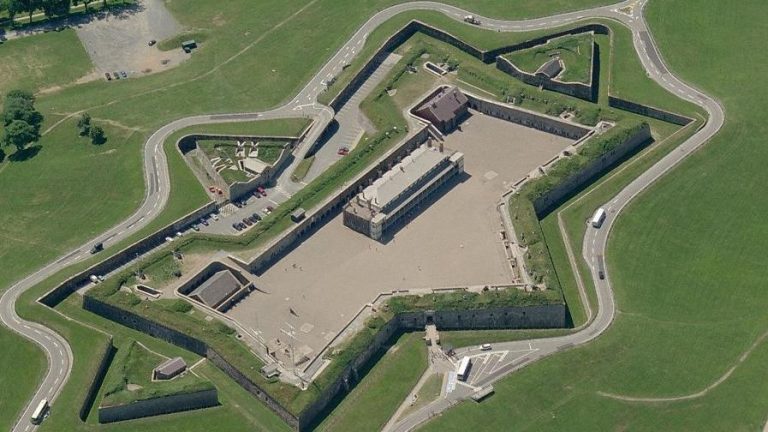
Citadel Hill in Halifax, Nova Scotia, photographed in 2011.
CA-K180History

The Jamaican Maroons in Nova Scotia, 1796–1800

After the Maroon War of 1795–1796, Britain exiled more than 500 Maroons of Trelawny Town, Jamaica, to Nova Scotia. They kept a strong sense of community despite pressure to assimilate and demands for their labour, including at the Halifax Citadel; most were resettled in Sierra Leone in 1800, while a few remained.

Factual accuracy review: No recorded challenge

Contributor: Citizen.ca

Verified against cited sourcesVerified on 2026-10-26↗
Photo: Moneywagon · Photo licence: CC BY-SA 3.0 · Credit & context
The Six Nations Sports & Cultural Memorial Centre in Ohsweken, Six Nations of the Grand River, in 2024.
CA-K179Indigenous peoples & reconciliation

Edith Anderson Monture, nurse and veteran

Charlotte Edith Anderson Monture (1890–1996), a Kanien’kehá:ka (Mohawk) woman from Six Nations of the Grand River, was among the first generation of hospital-trained professional nurses from First Nations in Canada. After nursing with the American Expeditionary Force in the First World War, she was among the female veterans granted the federal vote in 1917, and returned home in 1919 as a nurse and midwife.

Factual accuracy review: No recorded challenge

Contributor: Citizen.ca

Verified against cited sourcesVerified on 2026-10-26↗
Photo: JFVoll · Photo licence: CC BY-SA 4.0 · Credit & context
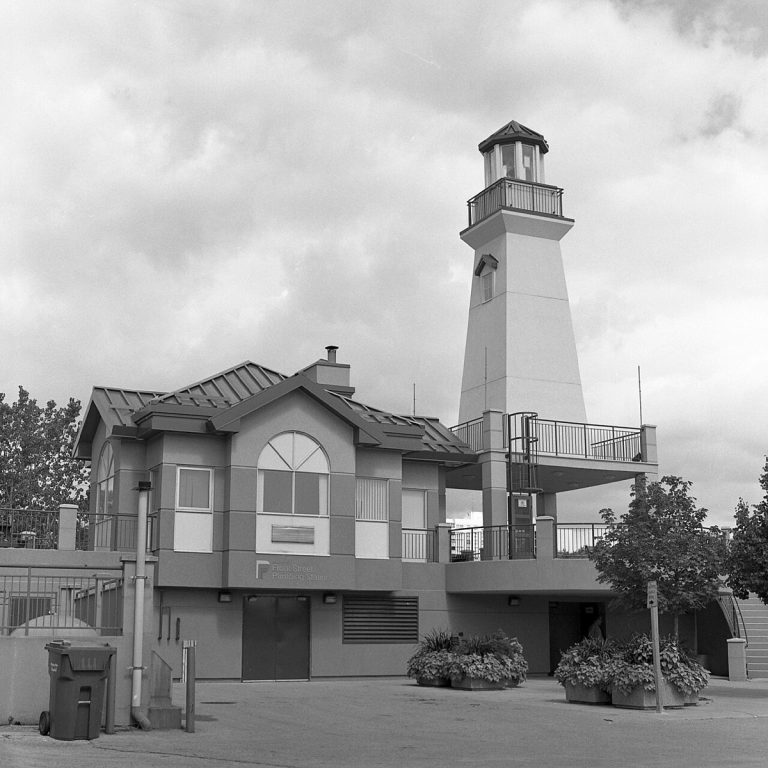
The Port Credit lighthouse in Mississauga, Ontario, near the Credit River, photographed in 2011.
CA-K178Indigenous peoples & reconciliation

Nahnebahweequay (Catharine Sutton) appealed to Queen Victoria

Nahnebahweequay (Catharine Sutton, 1824–1865), a Mississauga (Ojibwe) advocate raised at the Credit Mission, fought for Indigenous land title and against the loss of First Nations women’s status through marriage to non-Indigenous men. In defiance of colonial officials, she travelled to London and appealed directly to Queen Victoria in 1860.

Factual accuracy review: No recorded challenge

Contributor: Citizen.ca

Verified against cited sourcesVerified on 2026-10-26↗
Photo: ^ Missi ^ from Mississauga, Canada · Photo licence: CC BY 2.0 · Credit & context
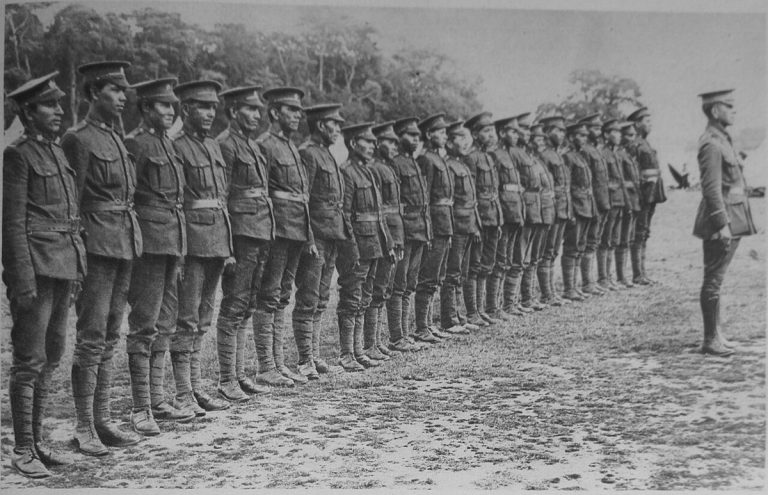
Onondeyoh (Frederick Ogilvie Loft) with soldiers, as published in the French magazine Le Miroir in August 1917.
CA-K177Indigenous peoples & reconciliation

Onondeyoh (Frederick Ogilvie Loft) and the League of Indians

Onondeyoh (Frederick Ogilvie Loft, 1861–1934) founded the League of Indians of Canada in 1919, the first pan-Indigenous political organization, advocating for land rights and better education. He lobbied for self-government and day schools in place of residential schools, and protested forced enfranchisement and the expropriation of reserve lands.

Factual accuracy review: No recorded challenge

Contributor: Citizen.ca

Verified against cited sourcesVerified on 2026-10-26↗
Photo: Unknown · Photo licence: Public domain · Credit & context
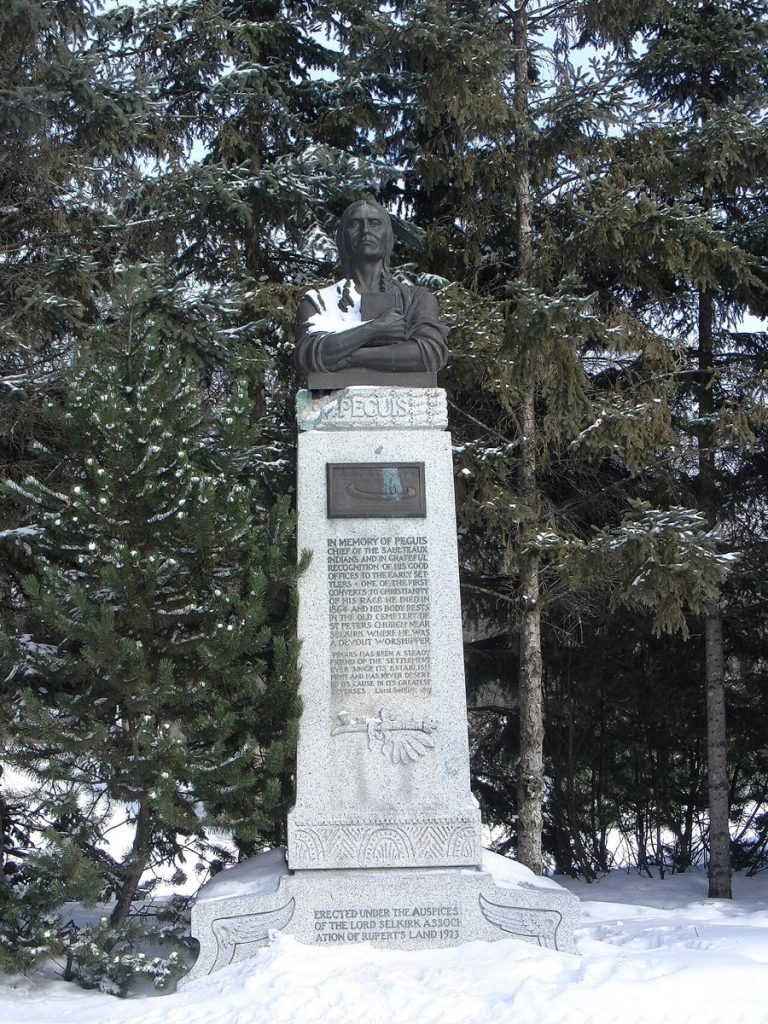
The Peguis monument in Kildonan Park, Winnipeg, erected in 1923, photographed in 2011.
CA-K176Indigenous peoples & reconciliation

Chief Peguis and the Selkirk Treaty of 1817

Chief Peguis (1774–1864), a skilled hunter and diplomat, worked to protect the rights and interests of the Anishinaabeg of Red River and stepped in to save lives when fur trade hostilities threatened the Selkirk Settlement. He was one of five First Nations negotiators of the Selkirk Treaty of 1817, the first agreement permitting limited farmland access to settlers in western Canada.

Factual accuracy review: No recorded challenge

Contributor: Citizen.ca

Verified against cited sourcesVerified on 2026-10-26↗
Photo: Wtshymanski · Photo licence: CC BY-SA 3.0 · Credit & context
Kenora, Ontario, on Lake of the Woods, from the air in 2026; the photo does not show the former school.
CA-K175Indigenous peoples & reconciliation

Chanie Wenjack (1954–1966)

Chanie Wenjack was an Anishinaabe boy from Marten Falls First Nation who lived for three years at Cecilia Jeffrey Indian Residential School near Kenora, Ontario, and died after escaping. His story represents thousands of children driven by loneliness, abuse and desperation to run away from residential schools, and was amplified at the time by official procedures and national news coverage.

Factual accuracy review: No recorded challenge

Contributor: Citizen.ca

Verified against cited sourcesVerified on 2026-10-26↗
Photo: Quintin Soloviev · Photo licence: CC BY 4.0 · Credit & context
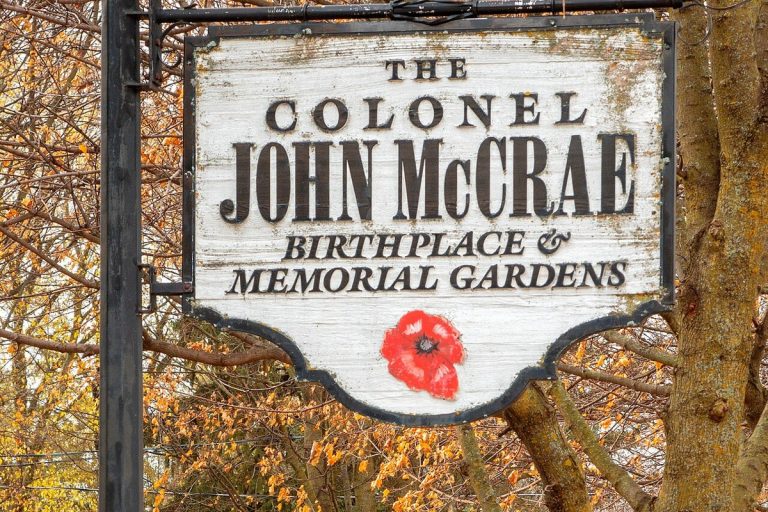
The sign at McCrae House, John McCrae’s birthplace in Guelph, Ontario, on Remembrance Day 2018.
CA-K174Culture & sport

John McCrae and “In Flanders Fields”

John McCrae (1872–1918), a physician born in Guelph, Ontario, joined the Canadian Army Medical Corps in 1914 and served overseas until his death. His poem “In Flanders Fields,” published anonymously in 1915, became one of the most celebrated poems of the First World War and made the poppy a lasting symbol of the Allied soldiers who died.

Factual accuracy review: No recorded challenge

Contributor: Citizen.ca

Verified against cited sourcesVerified on 2026-10-26↗
Photo: Peter K Burian · Photo licence: CC BY-SA 4.0 · Credit & context
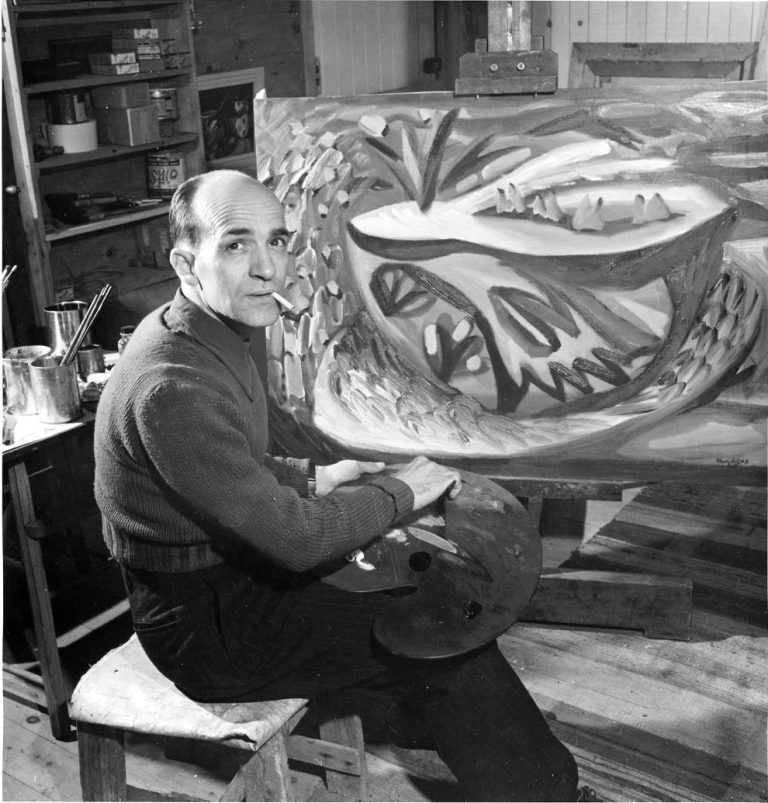
Paul-Émile Borduas in 1946, photographed by Ronny Jaques.
CA-K173Culture & sport

Paul-Émile Borduas and Refus global

Paul-Émile Borduas (1905–1960) was a pioneer of abstract art in Canada and the creator of automatism, an avant-garde movement at the forefront of gestural abstraction in Quebec in the 1940s. He was the main author of Refus global, published in 1948 and co-signed by other artists, which made him a key figure in 20th-century Quebec history.

Factual accuracy review: No recorded challenge

Contributor: Citizen.ca

Verified against cited sourcesVerified on 2026-10-26↗
Photo: Ronny Jaques (1910-2008) · Photo licence: Public domain · Credit & context
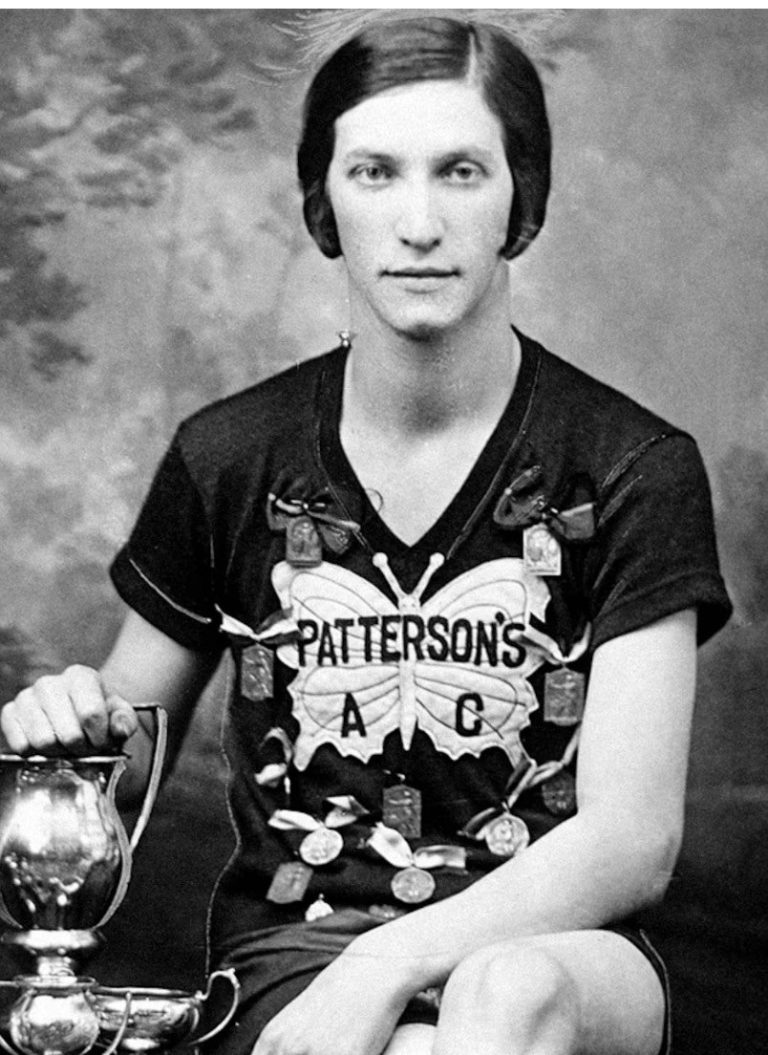
Bobbie Rosenfeld with trophies and medals, around 1928.
CA-K172Culture & sport

Bobbie Rosenfeld, athlete of the half-century

Fanny “Bobbie” Rosenfeld (1903–1969), an all-round athlete who excelled in hockey, basketball, tennis, softball and track, won gold and silver medals at the 1928 Amsterdam Olympics. In 1949 she was chosen Canada’s outstanding female athlete of the half-century, after a later career as a Toronto sports columnist.

Factual accuracy review: No recorded challenge

Contributor: Citizen.ca

Verified against cited sourcesVerified on 2026-10-26↗
Photo: Unknown authorUnknown author · Photo licence: Public domain · Credit & context
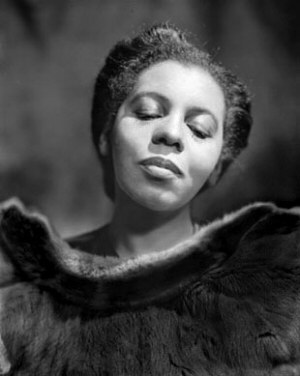
Portia White photographed by Yousuf Karsh in January 1946.
CA-K171Culture & sport

Portia White, contralto

Contralto Portia White (1911–1968), from the Black Nova Scotian community, was the first African-Canadian woman to win international acclaim as a singer. Between 1940 and 1948, her debuts in Toronto and New York and recitals across the Americas and the Caribbean became a source of pride for Canadians.

Factual accuracy review: No recorded challenge

Contributor: Citizen.ca

Verified against cited sourcesVerified on 2026-10-26↗
Photo: Yousuf Karsh · Photo licence: Public domain · Credit & context
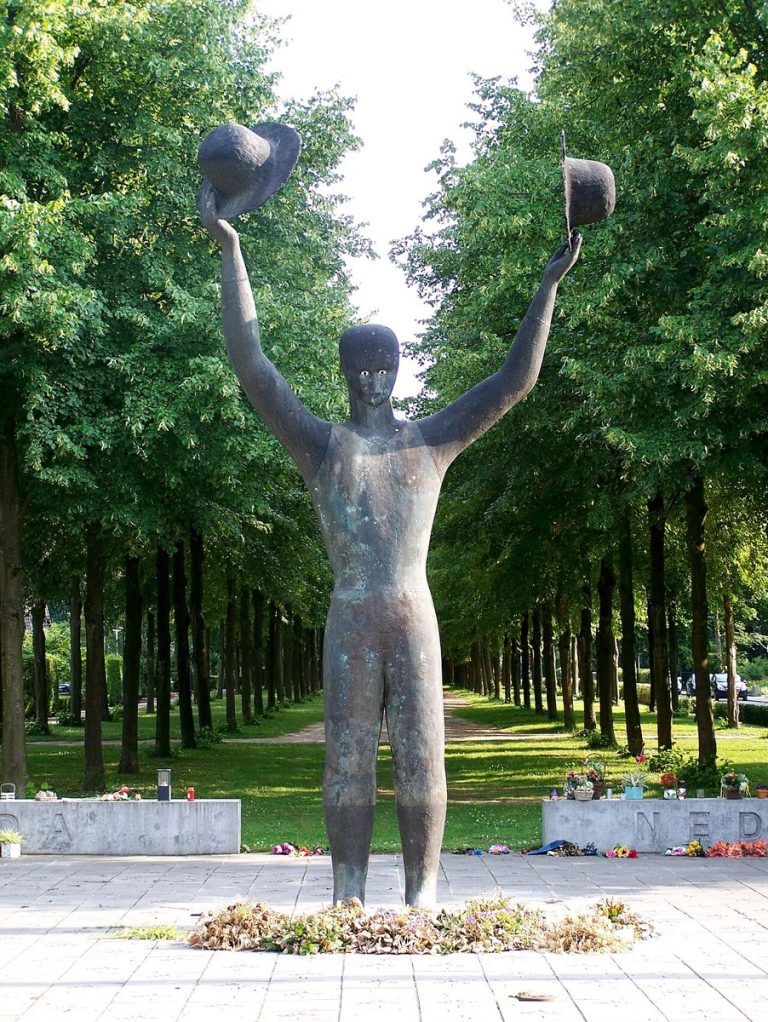
The National Canadian Liberation Monument in Apeldoorn, the Netherlands, photographed in 2009.
CA-K170History

Canadians and the liberation of the Netherlands

Between October 1944 and May 1945, the Canadian military opened the Scheldt estuary and the port of Antwerp to Allied supplies, cleared much of the Netherlands of the enemy and fed a starving Dutch population. On 5 May 1945 in Wageningen, German forces surrendered to Canadian Lieutenant-General Charles Foulkes and Prince Bernhard of the Netherlands.

Factual accuracy review: No recorded challenge

Contributor: Citizen.ca

Verified against cited sourcesVerified on 2026-10-26↗
Photo: Brbbl · Photo licence: CC BY-SA 3.0 · Credit & context
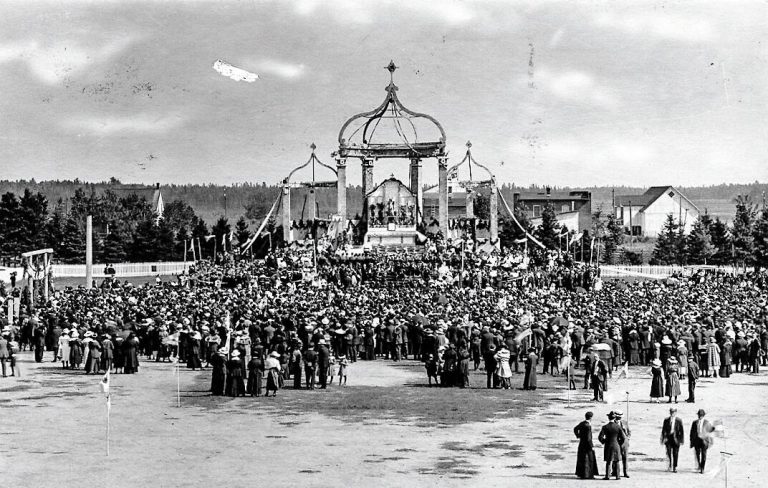
The Eucharistic Congress in Victoriaville, Quebec, in September 1918.
CA-K169History

The Spanish flu in Canada, 1918–1920

The Spanish flu pandemic killed more than 50 million people worldwide, including nearly 50,000 Canadians, between 1918 and 1920. The first civilian cases in Canada were reported in Victoriaville, Quebec, in autumn 1918, and the pandemic led to the creation of the federal Department of Health in 1919.

Factual accuracy review: No recorded challenge

Contributor: Citizen.ca

Verified against cited sourcesVerified on 2026-10-26↗
Photo: Société d'histoire de Victoriaville · Photo licence: Public domain · Credit & context
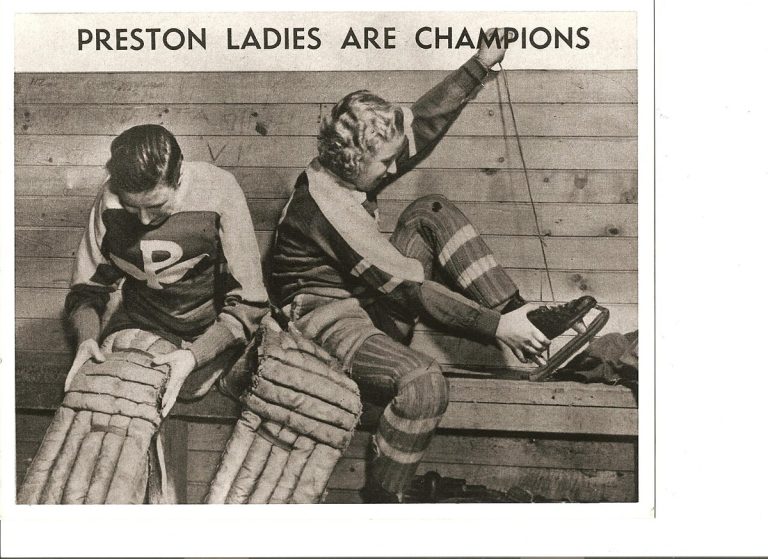
A 1940 Preston Rivulettes postcard.
CA-K168Culture & sport

The Preston Rivulettes, 1931–1940

The Preston Rivulettes of Preston (now Cambridge), Ontario, are considered the most successful early women’s hockey team, winning more than 95% of their games in their ten-year existence. Led by right-winger Hilda Ranscombe, they won most provincial, regional and national championships between 1931 and 1940.

Factual accuracy review: No recorded challenge

Contributor: Citizen.ca

Verified against cited sourcesVerified on 2026-10-26↗
Photo: Preston Rivulettes · Photo licence: Public domain · Credit & context
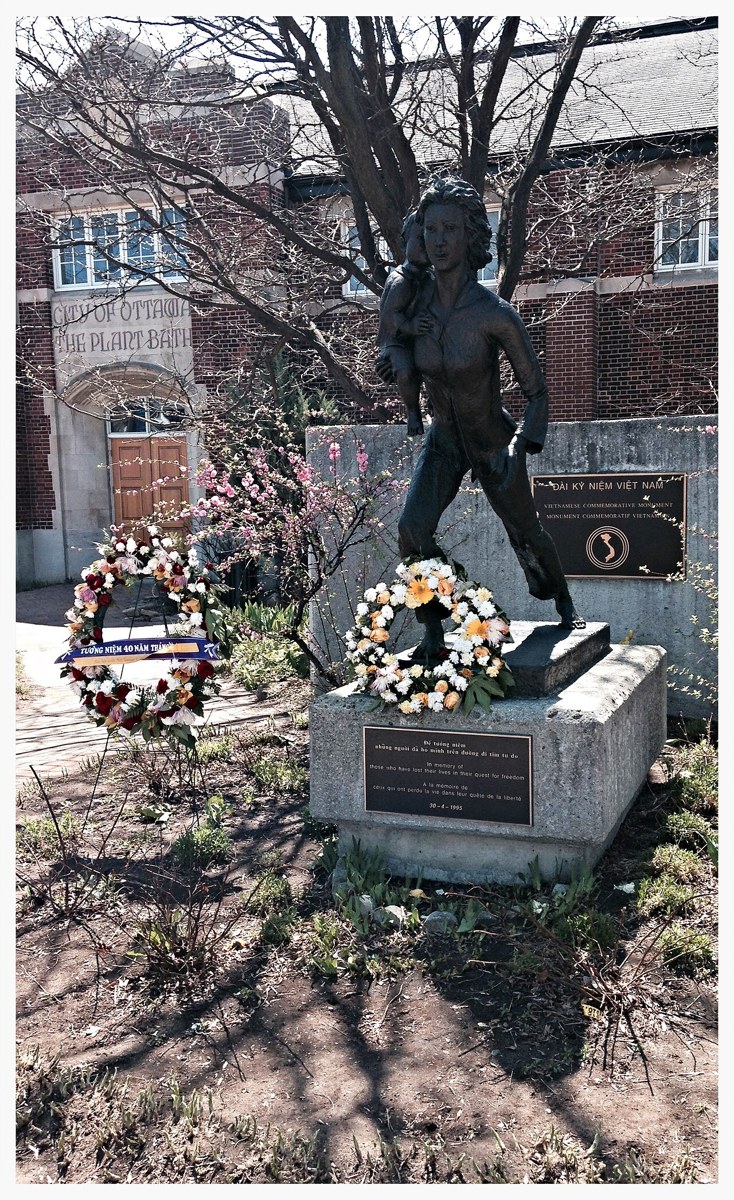
A monument to the Asian boat people in Ottawa, photographed in 2015.
CA-K167History

Refugees from Vietnam, Cambodia and Laos

Between 1975 and the 1990s, Canada admitted more than 210,000 refugees from Vietnam, Cambodia and Laos who fled persecution and violence after the wars there. After the Hai Hong incident in 1978, tens of thousands of Canadians and many organizations sponsored refugees, and the newcomers built communities across Canada.

Factual accuracy review: No recorded challenge

Contributor: Citizen.ca

Verified against cited sourcesVerified on 2026-10-26↗
Photo: Ross Dunn - Thanks for 13 million + views · Photo licence: CC BY-SA 2.0 · Credit & context
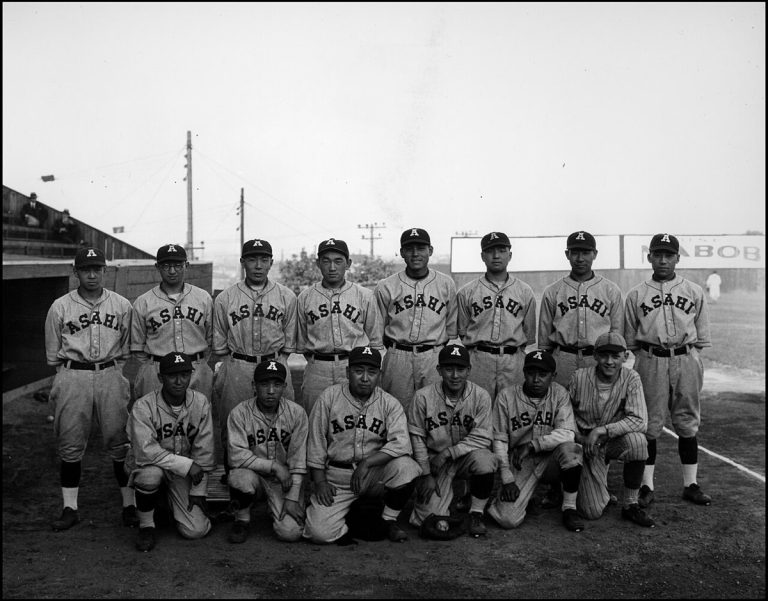
The Asahi Baseball Club seniors team in 1929 (Vancouver Public Library).
CA-K166Culture & sport

Vancouver’s Asahi baseball team, 1914–1941

Between 1914 and 1941, when Japanese Canadians faced racism, Vancouver’s Asahi Baseball Team won championships in senior amateur leagues with its “brain ball” style of bunting and speed. The team became a symbol of the Japanese Canadian struggle for equality and respect, and was disbanded during the Second World War internment.

Factual accuracy review: No recorded challenge

Contributor: Citizen.ca

Verified against cited sourcesVerified on 2026-10-26↗
Photo: Vancouver Public Library Historical Photographs · Photo licence: Public domain · Credit & context
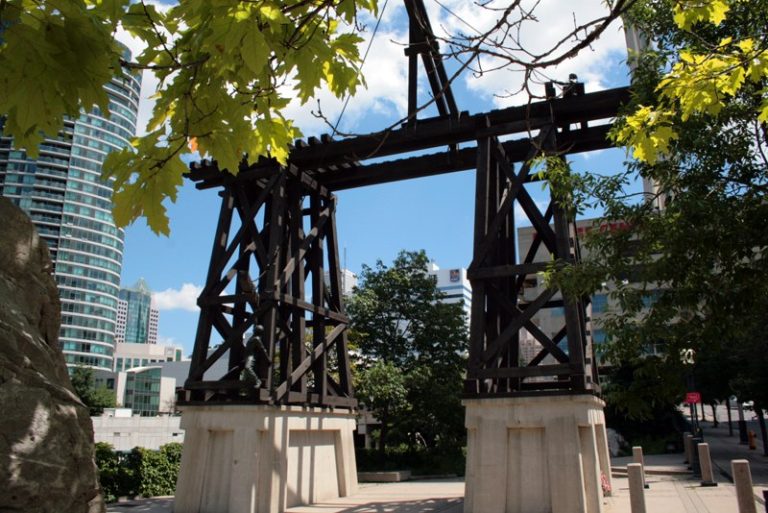
The Memorial to Commemorate the Chinese Railroad Workers in Canada, Toronto, by Eldon Garnet and Francis LeBouthillier, photographed in 2008.
CA-K165History

Chinese workers who built the CPR in British Columbia

In the early 1880s, thousands of labourers from China helped build the Canadian Pacific Railway through British Columbia’s mountains; about three-quarters of the men on the section between the Pacific and Craigellachie were Chinese. They were paid a dollar a day, half a white worker’s pay, and hundreds died from accidents or illness.

Factual accuracy review: No recorded challenge

Contributor: Citizen.ca

Verified against cited sourcesVerified on 2026-10-26↗
Photo: Shaun Merritt · Photo licence: CC BY 2.0 · Credit & context