
An independent Canadian knowledge project

Focused and Verified

Canadian knowledge base

Search by keyword

Choose one keyword, or combine two. Broader keywords include their descendants.

Keywords: Public leadership

Clear search
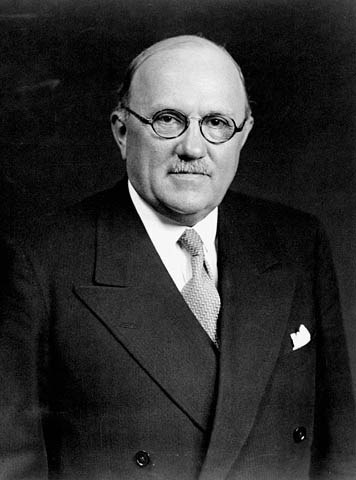
Ernest Lapointe, portrait (J. Russell & Sons).
CA-K817History

Ernest Lapointe, statesman

Ernest Lapointe, born at Saint-Éloi, Quebec, was a federal Cabinet minister from 1921 to 1930 and from 1935 to 1941. He played an important part in governing the country and in its move toward autonomy, and represented Canadians in national, imperial and international affairs. He died in Montréal and is buried in Rivière-du-Loup.

Factual accuracy review: No recorded challenge

Contributor: Citizen.ca

Verified against cited sourcesVerified on 2026-10-26↗
Photo: J. Russell & Sons · Photo licence: Public domain · Credit & context
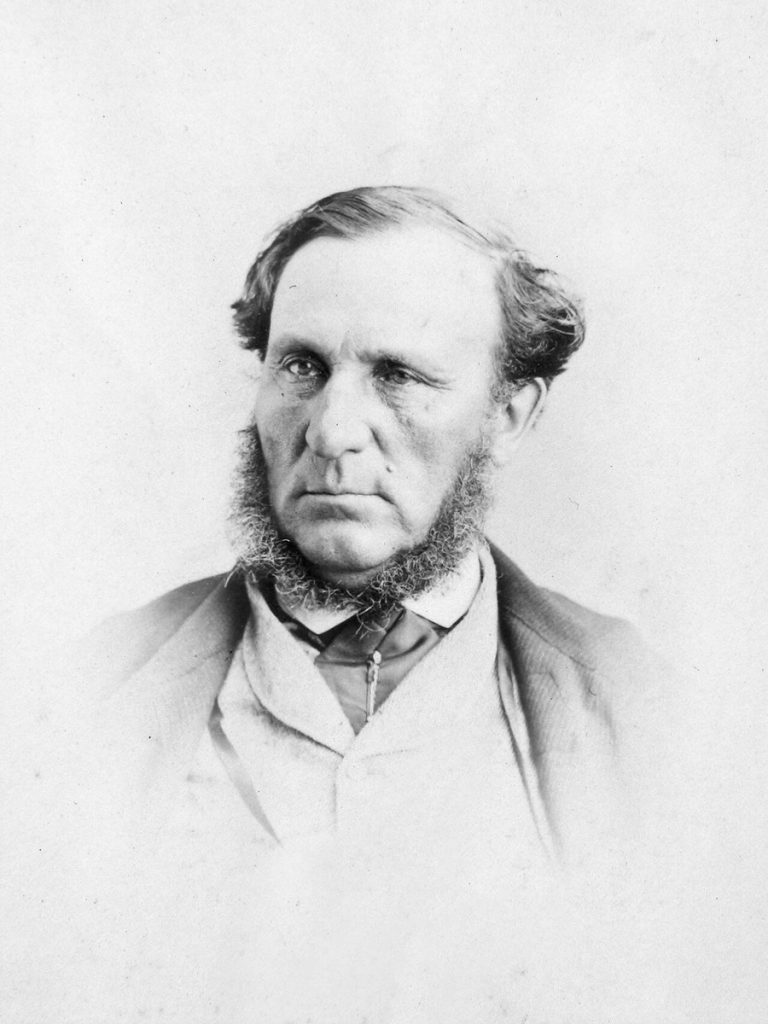
George Coles, 1865 (William Notman).
CA-K807History

George Coles, premier of Prince Edward Island

George Coles, a native Prince Edward Islander, represented Queen’s in the House of Assembly from 1842 to 1868. Co-founder of the Liberal Party with Edward Whelan and a strong advocate of responsible government, he became premier when it was granted in 1851 and held office three times. A Father of Confederation, he attended the Charlottetown and Quebec conferences of 1864.

Factual accuracy review: No recorded challenge

Contributor: Citizen.ca

Verified against cited sourcesVerified on 2026-10-26↗
Photo: William Notman · Photo licence: Public domain · Credit & context
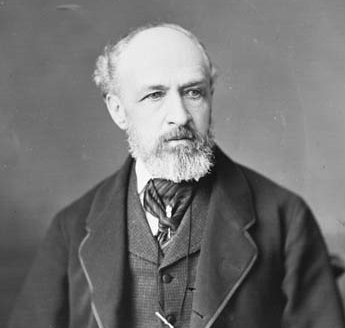
Thomas Heath Haviland, 1879 (William James Topley).
CA-K805History

Thomas Heath Haviland, Island Father of Confederation

Thomas Heath Haviland, born in Charlottetown, represented Georgetown in the Prince Edward Island legislature and held posts including Colonial Secretary and Speaker. A delegate to the Quebec Conference of 1864, he was one of three who arranged the Island’s entry into Confederation in 1873. He was then named to the Senate, and later became the province’s Lieutenant-Governor.

Factual accuracy review: No recorded challenge

Contributor: Citizen.ca

Verified against cited sourcesVerified on 2026-10-26↗
Photo: William James Topley · Photo licence: Public domain · Credit & context
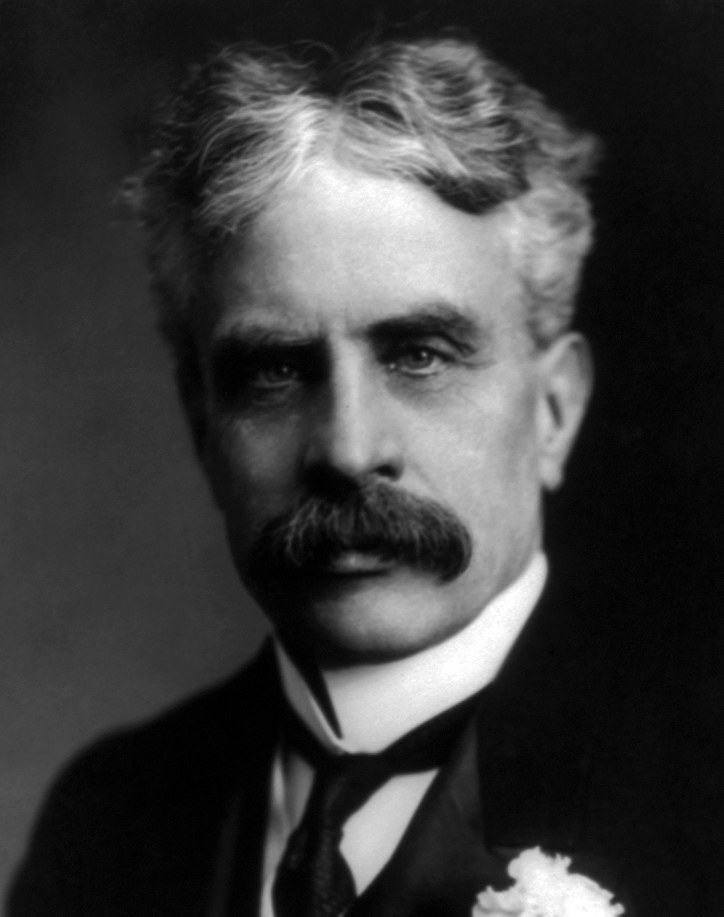
Col. Sam Hughes, 1905 (William James Topley).
CA-K801History

Sir Sam Hughes, Minister of Militia

Sam Hughes, soldier, journalist and Member of Parliament for Lindsay from 1892 to 1921, helped create a distinctly Canadian army. As Minister of Militia and Defence from 1911 to 1916, he raised the Canadian Expeditionary Force that fought in the First World War and was knighted, but disputes with colleagues and subordinates forced him from Cabinet in 1916.

Factual accuracy review: No recorded challenge

Contributor: Citizen.ca

Verified against cited sourcesVerified on 2026-10-26↗
Photo: William James Topley · Photo licence: Public domain · Credit & context
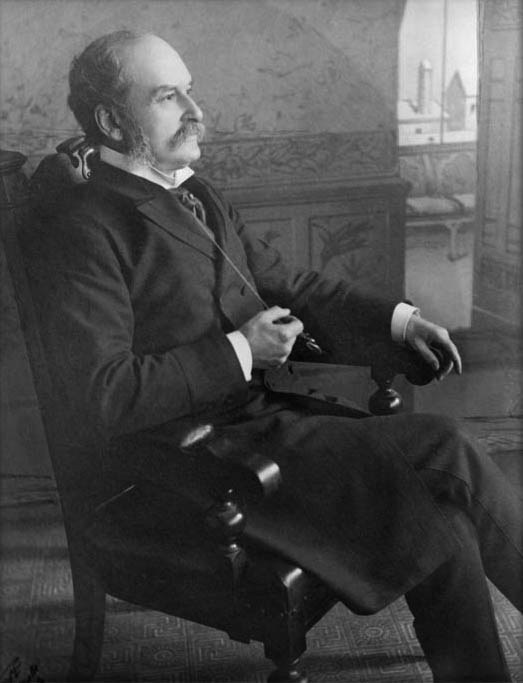
Sir Robert Borden, 1911 (Notman studio).
CA-K784History

Sir Robert Borden, wartime prime minister

Sir Robert Borden, born at Grand-Pré, Nova Scotia, led the Conservative Party from 1901 and was Prime Minister from 1911 to 1920. He guided Canada through the First World War, imposed conscription for overseas service in 1917 and formed a Union government of Liberals and Conservatives. He is remembered above all for insisting that Canada act as an autonomous nation in international diplomacy.

Factual accuracy review: No recorded challenge

Contributor: Citizen.ca

Verified against cited sourcesVerified on 2026-10-26↗
Photo: Notman, Boston · Photo licence: Public domain · Credit & context
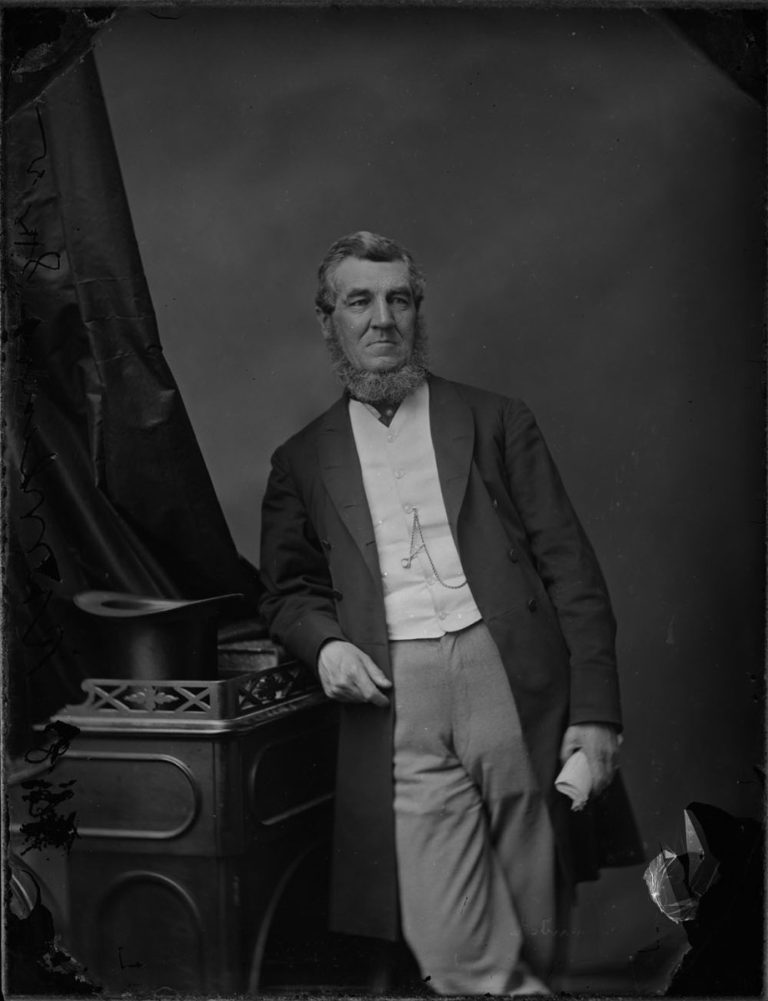
Arthur Sturgis Hardy, about 1900 (Archives of Ontario).
CA-K780Institutions

Arthur Hardy, premier of Ontario and Algonquin Park

Arthur Sturgis Hardy, a Brantford lawyer of Loyalist descent, entered Ontario’s legislature in 1873 and served as Provincial Secretary and Commissioner of Crown Lands. He succeeded Oliver Mowat as premier from 1896 to 1899, and his most lasting contribution was the creation of Algonquin Provincial Park.

Factual accuracy review: No recorded challenge

Contributor: Citizen.ca

Verified against cited sourcesVerified on 2026-10-26↗
Photo: Unknown photographer (about 1900); Archives of Ontario · Photo licence: Public domain · Credit & context
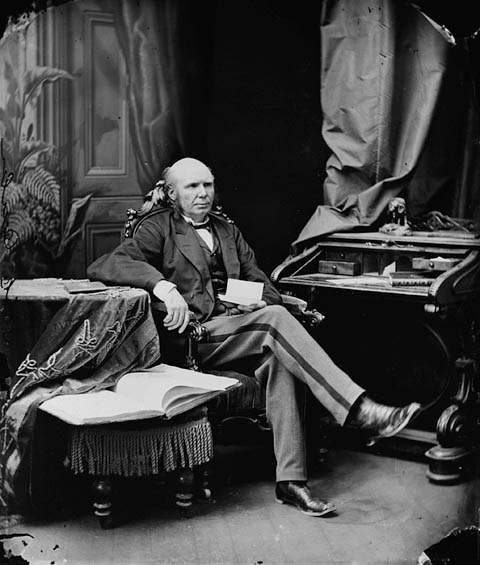
Robert Duncan Wilmot, May 1868 (Topley Studio).
CA-K752History

Robert Duncan Wilmot, New Brunswick Father of Confederation

Robert Duncan Wilmot of Saint John sat in New Brunswick’s legislature from 1846 to 1861. Elected in 1865 as an opponent of Confederation, he changed sides and attended the London Conference in 1866; he was then appointed to the Senate, became its Speaker in 1878 and was lieutenant-governor of New Brunswick from 1880.

Factual accuracy review: No recorded challenge

Contributor: Citizen.ca

Verified against cited sourcesVerified on 2026-10-26↗
Photo: William James Topley · Photo licence: Public domain · Credit & context
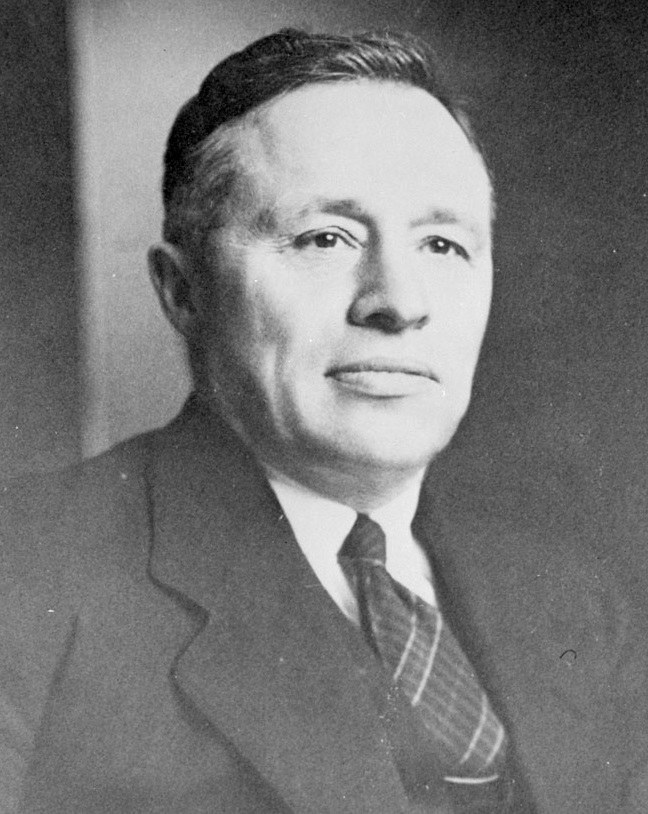
Frederick B. T. Carter, Premier of Newfoundland, June 1869 (Topley Studio).
CA-K746History

Sir Frederick Carter, Newfoundland Father of Confederation

Frederick Carter of St. John’s, Speaker of Newfoundland’s House of Assembly, was a delegate to the Québec Conference in 1864 and, convinced of the merits of union with Canada, formed a coalition government in 1865 to pursue it. Defeated by Charles Fox Bennett’s anti-Confederates in 1869, he later returned as premier and became chief justice of Newfoundland in 1880.

Factual accuracy review: No recorded challenge

Contributor: Citizen.ca

Verified against cited sourcesVerified on 2026-10-26↗
Photo: William James Topley · Photo licence: Public domain · Credit & context
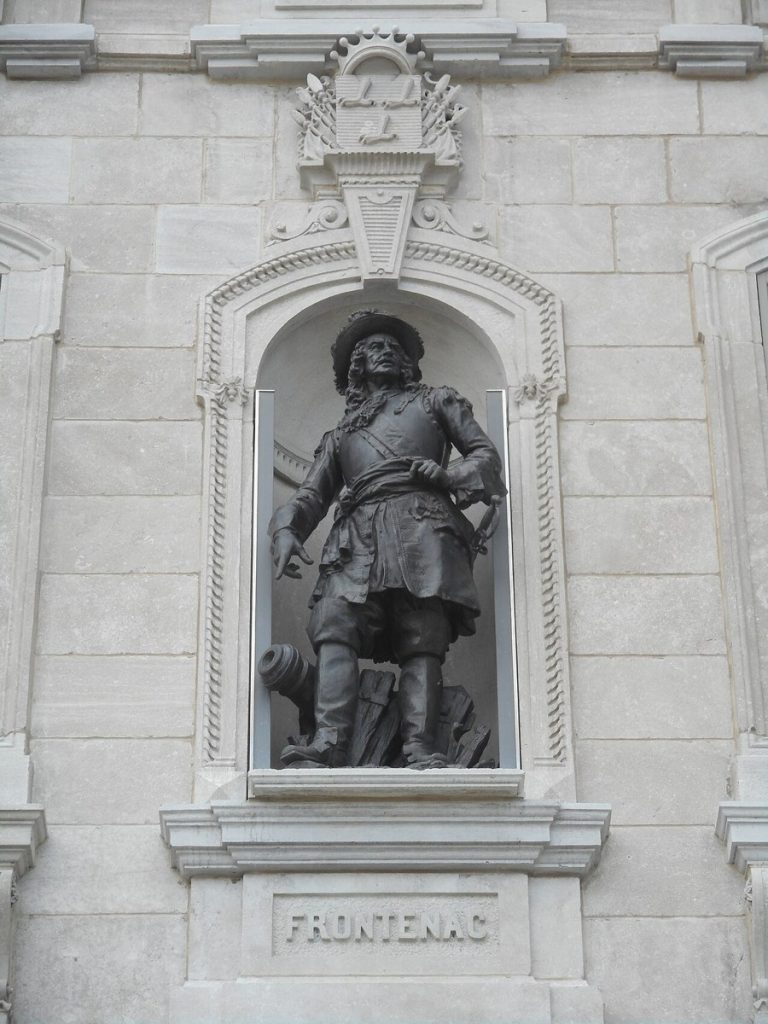
James Garfield Gardiner (Alexandra Studio, Library and Archives Canada).
CA-K739Institutions

Jimmy Gardiner, voice of the Prairie farmer

James Garfield “Jimmy” Gardiner, first elected to Saskatchewan’s legislature as a Liberal in 1914, was twice premier of the province and federal Minister of Agriculture from 1936 to 1957. A combative, intensely partisan politician, he was for years his party’s bulwark in the West and the voice of the Prairie farmer in Ottawa.

Factual accuracy review: No recorded challenge

Contributor: Citizen.ca

Verified against cited sourcesVerified on 2026-10-26↗
Photo: Alexandra Studio / Library and Archives Canada · Photo licence: Public domain · Credit & context
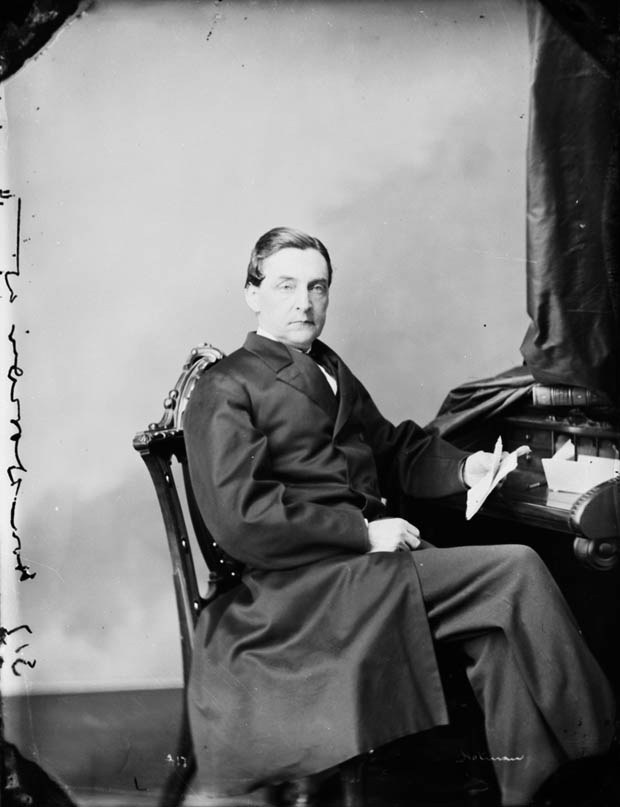
Statue of Frontenac on the façade of the Parliament Building, Québec City, 2015.
CA-K735History

Frontenac, governor of New France

Louis de Buade de Frontenac, governor of New France from 1672 to 1682 and 1689 to 1698, shaped the colony’s military destiny: he resisted the British attack of 1690 and invaded Haudenosaunee territory in 1696. To profit from the fur trade he defied policy against westward expansion, founding Fort Frontenac (Cataraqui) in 1673 and starting a network of posts; he remains a controversial, legendary figure.

Factual accuracy review: No recorded challenge

Contributor: Citizen.ca

Verified against cited sourcesVerified on 2026-10-26↗
Photo: Photo: Jean Gagnon · Photo licence: CC BY-SA 3.0 · Credit & context
Antoine-Aimé Dorion, Ottawa, March 1868.
CA-K720Institutions

Sir Antoine-Aimé Dorion, Liberal leader and chief justice

Antoine-Aimé Dorion of Sainte-Anne-de-la-Pérade, a civil law professor and president of the Bar, succeeded Papineau as leader of the Liberals and co-led the Macdonald–Dorion ministry in 1863. Though he opposed Confederation, he became federal Minister of Justice under Mackenzie in 1873 and was chief justice of Quebec from 1874 until his death.

Factual accuracy review: No recorded challenge

Contributor: Citizen.ca

Verified against cited sourcesVerified on 2026-10-26↗
Photo: Unknown author · Photo licence: Public domain · Credit & context
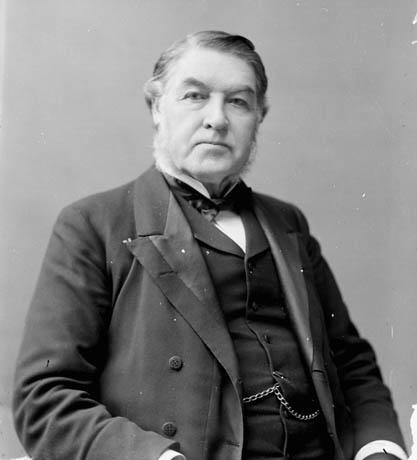
Charles Tupper, 1896 (Topley Studio).
CA-K686Institutions

Sir Charles Tupper, Father of Confederation and prime minister

Charles Tupper of Amherst, a physician, became premier of Nova Scotia in 1864 and, allied with John A. Macdonald, advocated Confederation despite substantial opposition in Nova Scotia. After federal cabinet posts and 11 years as High Commissioner in London, he succeeded Bowell as prime minister in 1896, then led the opposition after his party’s defeat that year.

Factual accuracy review: No recorded challenge

Contributor: Citizen.ca

Verified against cited sourcesVerified on 2026-10-26↗
Photo: William James Topley · Photo licence: Public domain · Credit & context
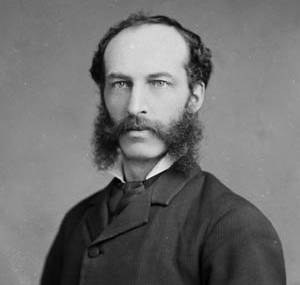
Pierre-Amand Landry, MP, February 1884 (Topley Studio).
CA-K685History

Sir Pierre-Amand Landry, Acadian leader

Pierre-Amand Landry of Memramcook, a lawyer, politician and judge, defended Acadians’ rights in the New Brunswick legislature, the House of Commons and the courts, notably during the crisis over the Common Schools Act of 1871. A leader of the Acadian Renaissance who promoted tolerance between French and English, he presided over the first three Acadian National Conventions and was the first Acadian knighted.

Factual accuracy review: No recorded challenge

Contributor: Citizen.ca

Verified against cited sourcesVerified on 2026-10-26↗
Photo: William James Topley · Photo licence: Public domain · Credit & context
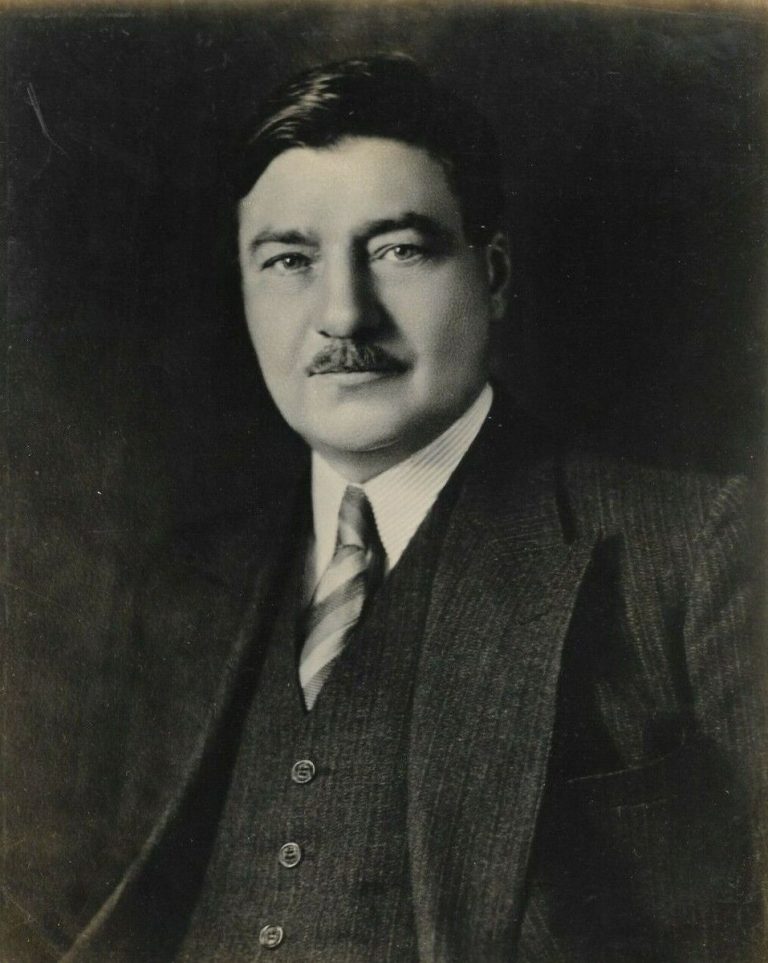
Charles Gavan Power, between 1936 and 1942.
CA-K675History

“Chubby” Power and the wartime RCAF

Charles Gavan “Chubby” Power, a First World War veteran and longtime Quebec MP, was Minister of National Defence for Air from 1940 to 1944. He oversaw wartime RCAF expansion, supported distinct Canadian squadrons, helped establish the Air Cadets and advanced the British Commonwealth Air Training Plan, which trained more than 130,000 Allied aircrew in Canada.

Factual accuracy review: No recorded challenge

Contributor: Citizen.ca

Verified against cited sourcesVerified on 2026-10-26↗
Photo: Canadian Government Motion Picture Bureau · Photo licence: Public domain · Credit & context
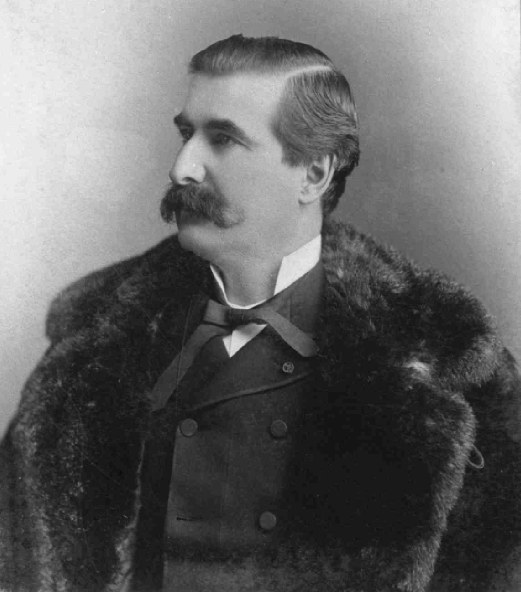
Honoré Mercier, around 1880 (J.-E. Livernois).
CA-K668Institutions

Honoré Mercier, premier of Quebec

Honoré Mercier, a lawyer and orator from Saint-Hyacinthe, led the Parti national formed in 1885 by Liberals and Conservatives outraged by the Riel affair. As premier of Quebec from 1887 to 1891 he encouraged agricultural settlement, convened the first conference of premiers and fiercely defended provincial autonomy.

Factual accuracy review: No recorded challenge

Contributor: Citizen.ca

Verified against cited sourcesVerified on 2026-10-26↗
Photo: Jules-Ernest Livernois · Photo licence: Public domain · Credit & context
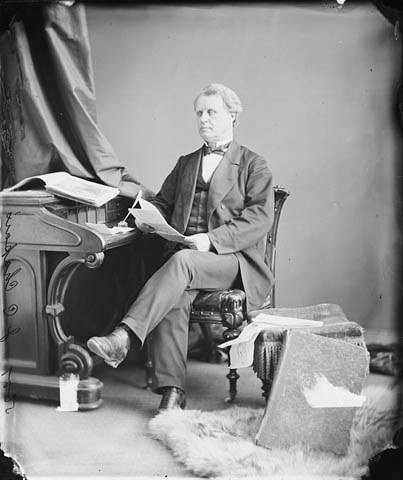
Jean-Charles Chapais, April 1870 (Topley Studio).
CA-K646History

Jean-Charles Chapais, Father of Confederation

Jean-Charles Chapais, a merchant of Saint-Denis de Kamouraska, represented Kamouraska as a Conservative from 1851 to 1867 and was Commissioner of Public Works. A delegate to the Québec Conference and Father of Confederation, he became a senator in 1868 and served in Macdonald’s cabinets as Minister of Agriculture and Receiver General.

Factual accuracy review: No recorded challenge

Contributor: Citizen.ca

Verified against cited sourcesVerified on 2026-10-26↗
Photo: William James Topley · Photo licence: Public domain · Credit & context
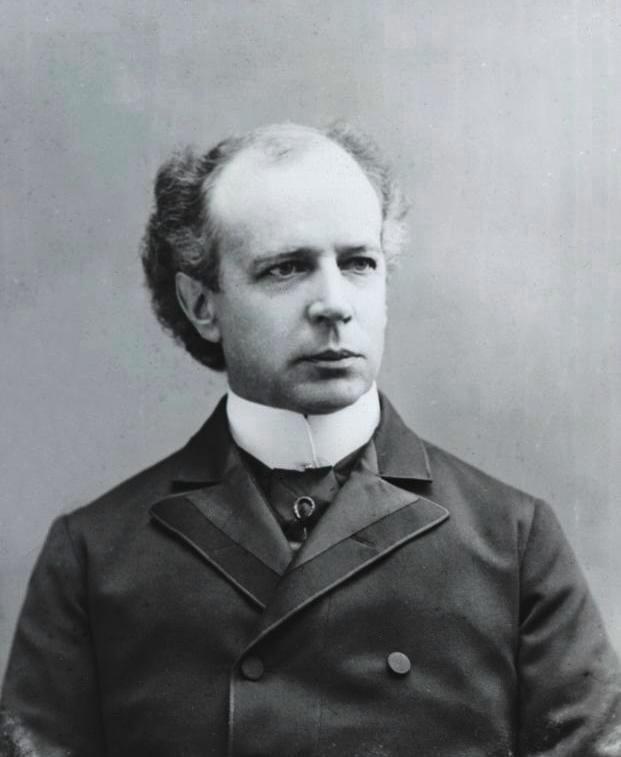
Wilfrid Laurier, about 1890 (Topley Studio, McCord Museum).
CA-K642Institutions

Sir Wilfrid Laurier, first francophone prime minister

Wilfrid Laurier of Saint-Lin, Quebec, was Canada’s first francophone prime minister, an MP for 45 years and Liberal leader for 32. As prime minister from 1896 to 1911 he presided over the settlement of the West, created Alberta and Saskatchewan and founded the Canadian Navy, and he worked to win greater autonomy for Canada and common ground between English and French Canadians.

Factual accuracy review: No recorded challenge

Contributor: Citizen.ca

Verified against cited sourcesVerified on 2026-10-26↗
Photo: Topley Studio · Photo licence: Public domain · Credit & context
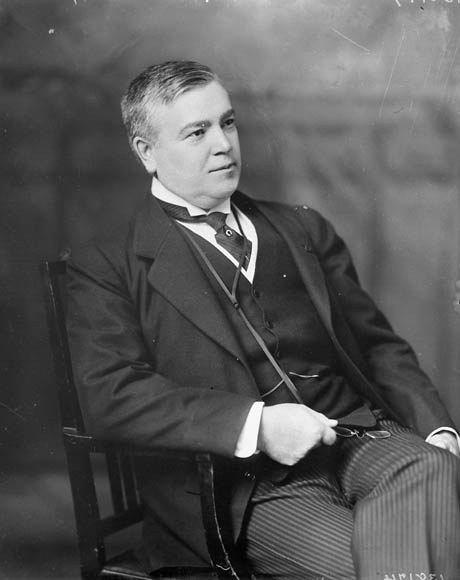
Rodolphe Lemieux, April 1917 (Topley Studio).
CA-K628Institutions

Rodolphe Lemieux and the Lemieux Act

Rodolphe Lemieux, MP for Gaspé and Rouville, served as Solicitor General, Postmaster General, Minister of Labour and Minister of Marine, and was Speaker of the House of Commons from 1922 to 1930. His Lemieux Act of 1907 introduced arbitration to Canadian labour relations, and as Laurier’s principal Quebec lieutenant he opposed conscription while urging voluntary enlistment.

Factual accuracy review: No recorded challenge

Contributor: Citizen.ca

Verified against cited sourcesVerified on 2026-10-26↗
Photo: William James Topley · Photo licence: Public domain · Credit & context
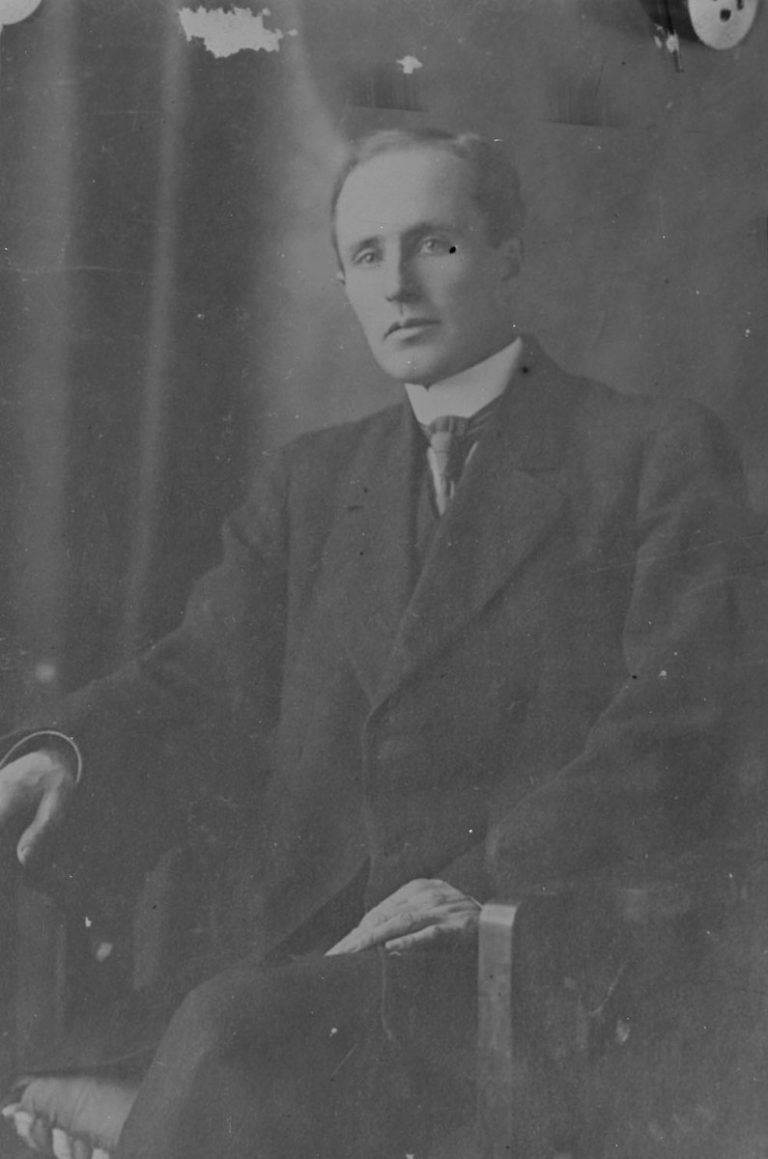
Arthur Meighen, between about 1914 and 1919 (Library and Archives Canada).
CA-K621Institutions

Arthur Meighen, prime minister and debater

Arthur Meighen, born in Ontario, moved west to practise law and was first elected for Portage la Prairie in 1908. Prime minister in 1920–1921 and again in 1926, he was known as the ablest debater of his generation and led the Conservative Party from 1920 to 1926.

Factual accuracy review: No recorded challenge

Contributor: Citizen.ca

Verified against cited sourcesVerified on 2026-10-26↗
Photo: Unknown author · Photo licence: Public domain · Credit & context
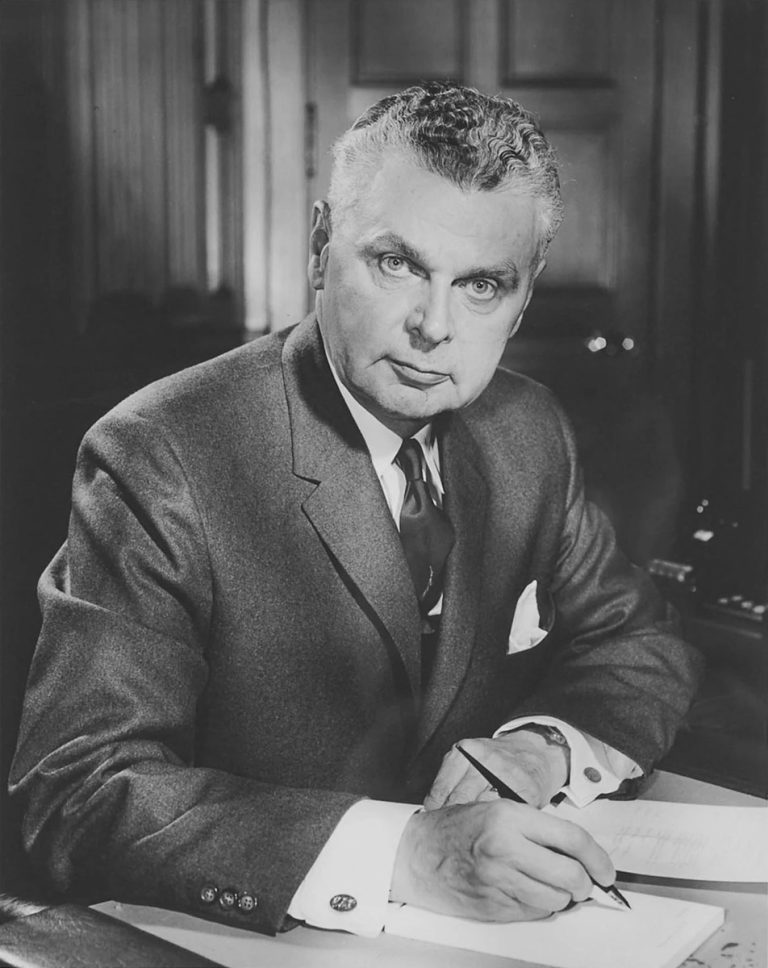
Prime Minister John G. Diefenbaker, 1957 (Gar Lunney).
CA-K616Institutions

John Diefenbaker, 13th prime minister

John Diefenbaker, a charismatic orator raised in Saskatchewan, was a defence lawyer and MP for some 40 years and Canada’s 13th prime minister from 1957 to 1963. He revived the Progressive Conservative Party, winning a landslide in 1958, and his government extended social programs, promoted Northern development and championed human rights at home and abroad.

Factual accuracy review: No recorded challenge

Contributor: Citizen.ca

Verified against cited sourcesVerified on 2026-10-26↗
Photo: Gar Lunney · Photo licence: Public domain · Credit & context
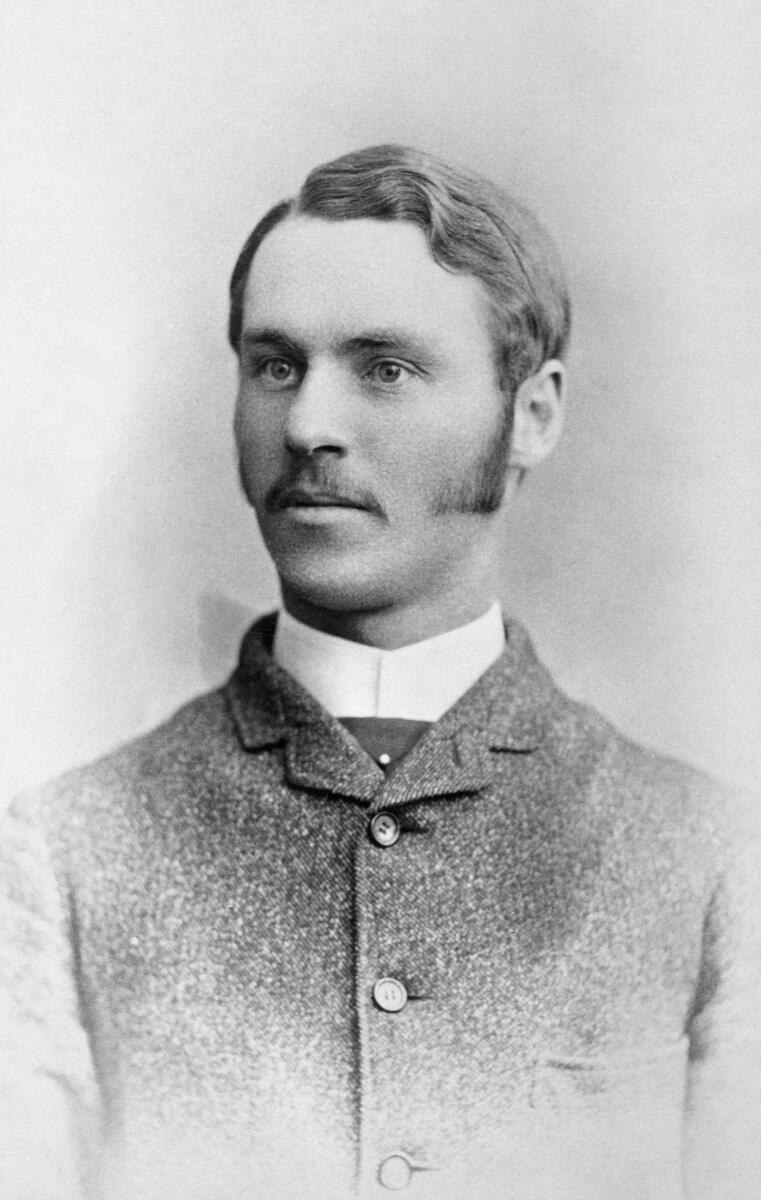
Frederick W. G. Haultain, May 1884 (Glenbow Archives).
CA-K589Institutions

Sir Frederick Haultain, premier of the North-West Territories

Frederick Haultain, a Fort Macleod lawyer, sat in the North-West Territories council and assembly from 1887 to 1905 and led the push for responsible government and provincial status. He was premier of the Territories from 1897 to 1905, then opposition leader in Saskatchewan and chief justice of Saskatchewan from 1912.

Factual accuracy review: No recorded challenge

Contributor: Citizen.ca

Verified against cited sourcesVerified on 2026-10-26↗
Photo: Sproule, G. B. · Photo licence: Public domain · Credit & context
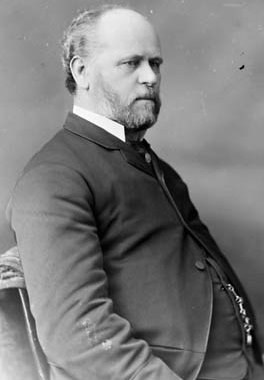
Peter Mitchell, April 1883 (Topley Studio).
CA-K587History

Peter Mitchell, New Brunswick Father of Confederation

Peter Mitchell of Newcastle, New Brunswick, attended the Charlottetown, Québec and London conferences and, as premier in 1866–1867, negotiated New Brunswick’s entry into Confederation. He was Canada’s first Minister of Marine and Fisheries from 1867 to 1873 and later owned the Montreal Herald.

Factual accuracy review: No recorded challenge

Contributor: Citizen.ca

Verified against cited sourcesVerified on 2026-10-26↗
Photo: William James Topley · Photo licence: Public domain · Credit & context
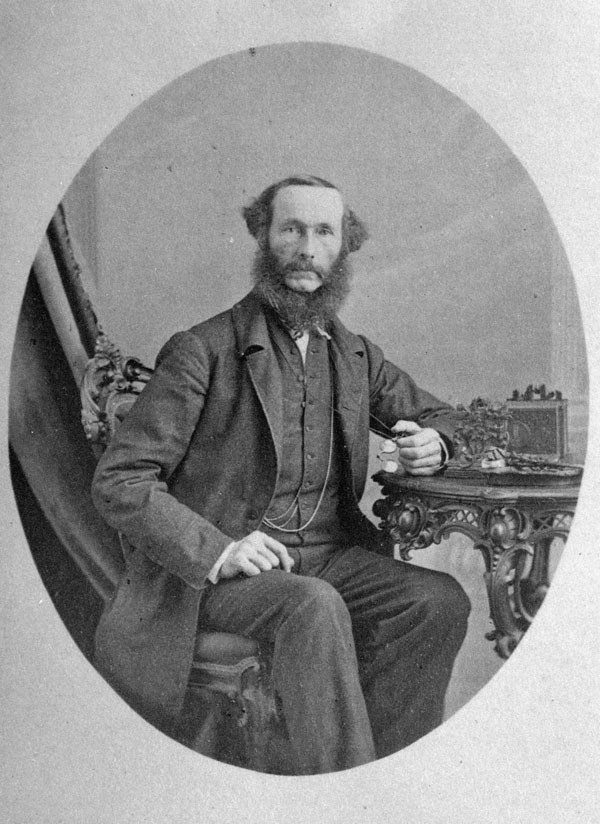
John Hamilton Gray (William Notman, Library and Archives Canada).
CA-K586History

John Hamilton Gray, who chaired the Charlottetown Conference

John Hamilton Gray of Charlottetown served in the British cavalry before becoming premier of Prince Edward Island from 1863 to 1865. An ardent supporter of Confederation, he presided over the Charlottetown Conference and attended the Québec Conference; when the Island rejected the Québec Resolutions he returned to military life.

Factual accuracy review: No recorded challenge

Contributor: Citizen.ca

Verified against cited sourcesVerified on 2026-10-26↗
Photo: William Notman · Photo licence: Public domain · Credit & context
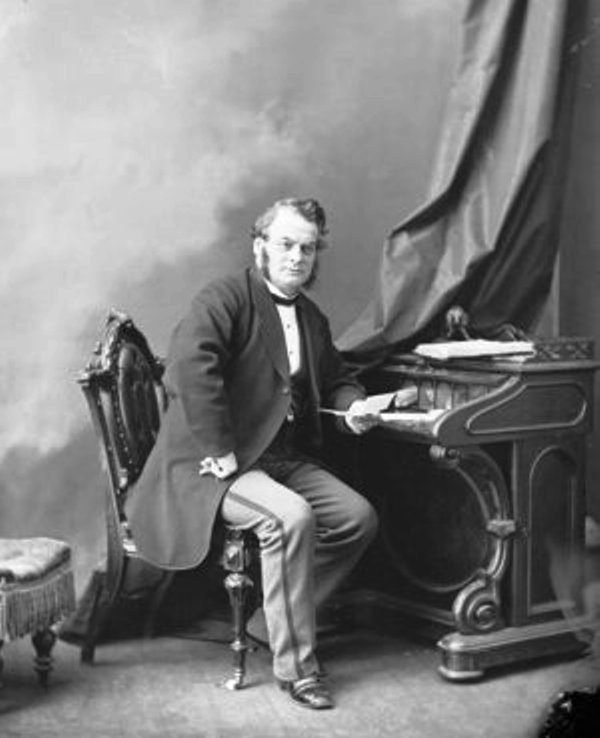
Samuel Leonard Tilley, February 1869 (Topley Studio).
CA-K568History

Sir Leonard Tilley, New Brunswick Father of Confederation

Samuel Leonard Tilley of Gagetown led New Brunswick’s government and was a delegate to the Charlottetown, Québec and London conferences, an architect of the British North America Act and leader of the province’s pro-Confederation forces. As federal Minister of Finance he drafted the National Policy, and he twice served as lieutenant-governor of New Brunswick.

Factual accuracy review: No recorded challenge

Contributor: Citizen.ca

Verified against cited sourcesVerified on 2026-10-26↗
Photo: William James Topley · Photo licence: Public domain · Credit & context