An independent Canadian knowledge project

Focused and Verified

Canadian knowledge base

Search by keyword

Choose one keyword, or combine two. Broader keywords include their descendants.

Keywords: Governance, rights and responsibilities

Clear search
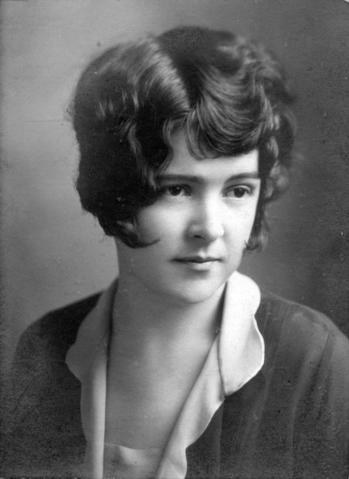
Helena Gutteridge in 1911 (City of Vancouver Archives).
CA-K456Institutions

Helena Gutteridge, suffragist and labour organizer

Helena Gutteridge, a feminist reformer who had campaigned for the vote in Britain, came to Vancouver in 1911 and brought wage-earning women into Canada’s mostly middle-class suffrage movement. She helped organize women workers through the Vancouver Trades and Labour Council, and in 1937 became the first woman elected to Vancouver City Council, helping lay the foundations of social housing in British Columbia.

Factual accuracy review: No recorded challenge

Contributor: Citizen.ca

Verified against cited sourcesVerified on 2026-10-26↗
Photo: Matthews, James Skitt, Major · Photo licence: Public domain · Credit & context
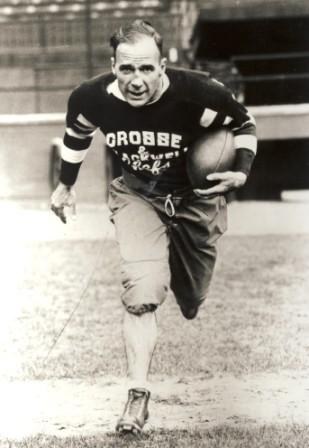
Lionel Conacher as a football player in Toronto, 1933.
CA-K430Culture & sport

Lionel Conacher, the “Big Train”

Lionel “Big Train” Conacher excelled at six professional sports and was voted Canada’s all-round male athlete of the half-century in 1950. A star of football and lacrosse who helped win the 1921 Grey Cup, he played in the National Hockey League from 1925 to 1937 on two Stanley Cup-winning teams, then was elected to the Ontario legislature and, in 1949, to the House of Commons.

Factual accuracy review: No recorded challenge

Contributor: Citizen.ca

Verified against cited sourcesVerified on 2026-10-26↗
Photo: Unknown author · Photo licence: Public domain · Credit & context
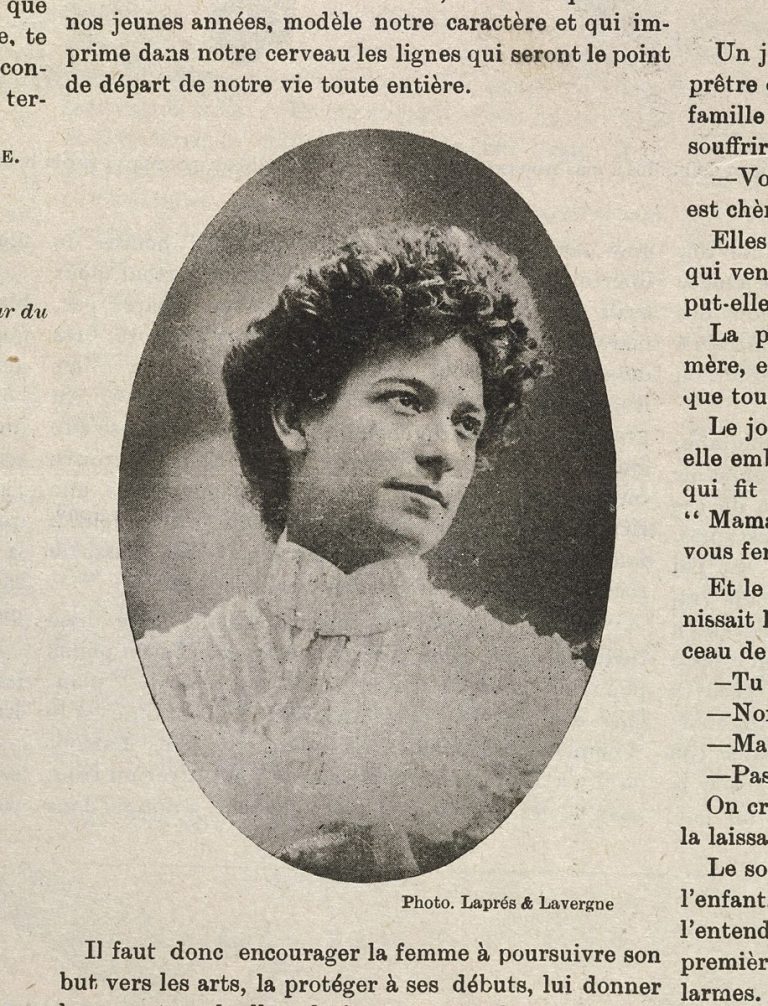
Idola Saint-Jean, portrait published in Le Monde illustré in 1901.
CA-K415Institutions

Idola Saint-Jean and women’s suffrage in Quebec

Between the world wars, Idola Saint-Jean was a dominant figure in the fight for women’s right to vote and for reform of the Civil Code in Quebec. Despite strong opposition from the government, the clergy and many suffragists, she practised a “shock feminism” demanding equal rights for women, and as an educator and journalist she also championed social justice and women workers.

Factual accuracy review: No recorded challenge

Contributor: Citizen.ca

Verified against cited sourcesVerified on 2026-10-26↗
Photo: A.J. Rice, Laprés & Lavergne · Photo licence: Public domain · Credit & context
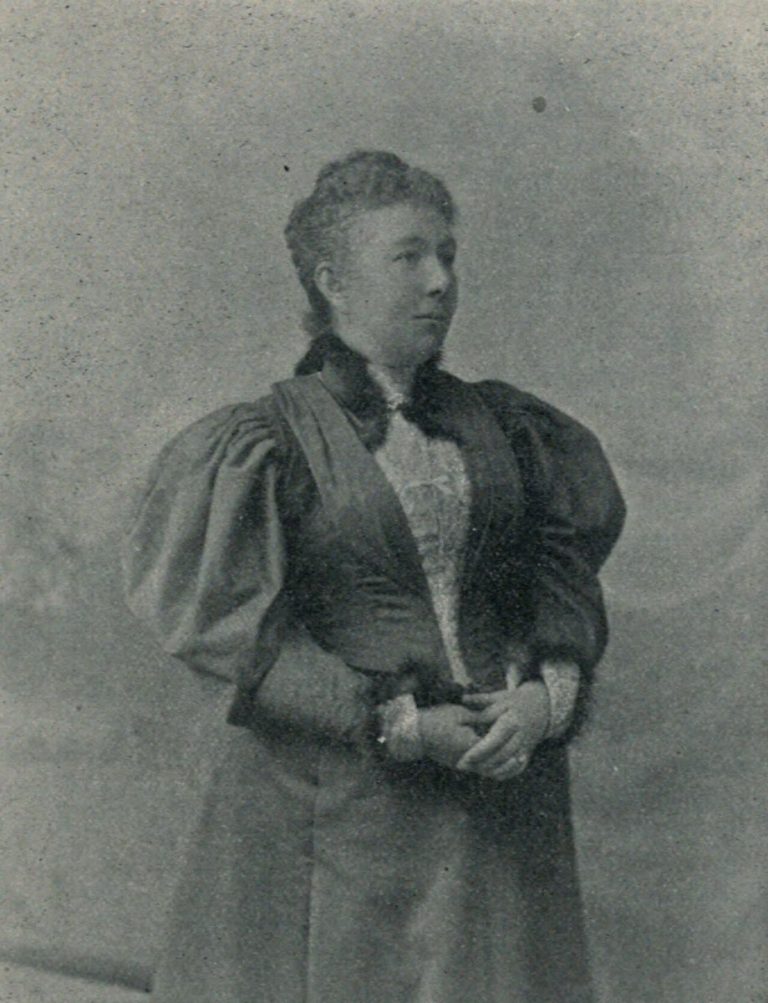
Portrait of Edith Archibald, no later than 1895.
CA-K396Institutions

Edith Archibald and women’s suffrage in Nova Scotia

For more than 30 years, Edith Jessie Archibald (1854–1936) championed women’s right to vote in Nova Scotia, achieved on 26 April 1918. As president of the Maritime Woman’s Christian Temperance Union and the Halifax Local Council of Women, she also worked to improve health and education services.

Factual accuracy review: No recorded challenge

Contributor: Citizen.ca

Verified against cited sourcesVerified on 2026-10-26↗
Photo: Unknown author · Photo licence: Public domain · Credit & context
Montmorency Park in Québec City, photographed in 2024.
CA-K369Institutions

Montmorency Park, where parliaments met in Québec

For nearly a century, Montmorency Park in Québec City was where the legislators of Lower Canada, the Province of Canada and the Province of Quebec met. The Québec Conference of 1864 drafted its 72 resolutions for Confederation here. After fire destroyed the Parliament Building in 1883, the site became a public park ten years later.

Factual accuracy review: No recorded challenge

Contributor: Citizen.ca

Verified against cited sourcesVerified on 2026-10-26↗
Photo: Pymouss · Photo licence: CC BY-SA 4.0 · Credit & context
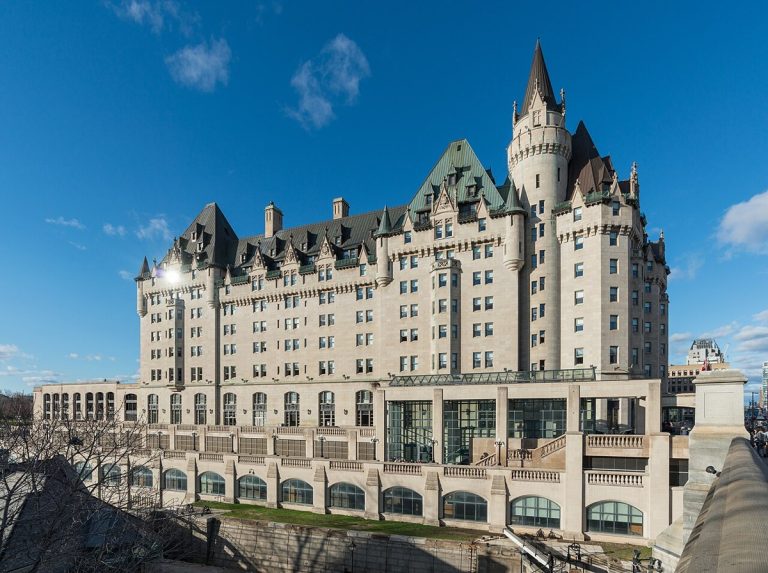
The Château Laurier in Ottawa, south view, photographed in 2017.
CA-K351Culture & sport

Château Laurier and the Château style

The Château Laurier in Ottawa, built between 1908 and 1912, was the first of a series of hotels by the Grand Trunk Pacific Railway to draw tourists to its transcontinental routes. The Château style of Canadian railway hotels evolved into a distinctly Canadian architectural type, and the hotel’s closeness to Parliament made it a model for that style.

Factual accuracy review: No recorded challenge

Contributor: Citizen.ca

Verified against cited sourcesVerified on 2026-10-26↗
Photo: DXR · Photo licence: CC BY-SA 4.0 · Credit & context
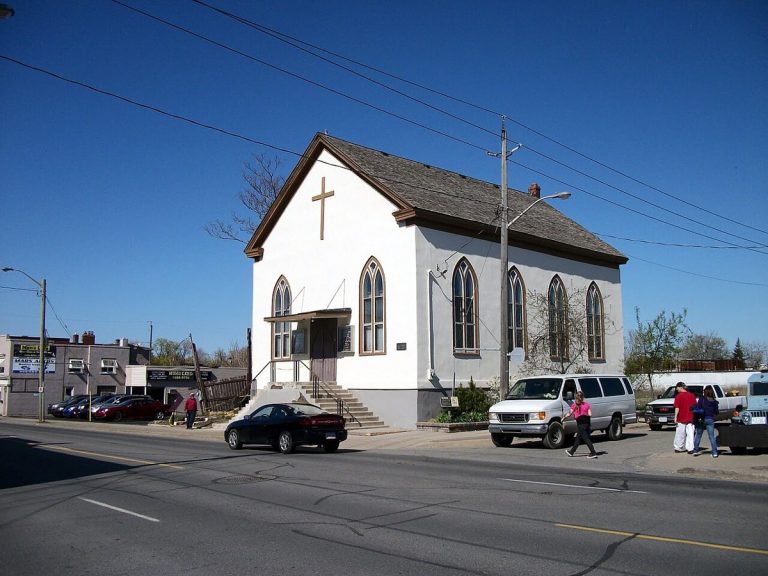
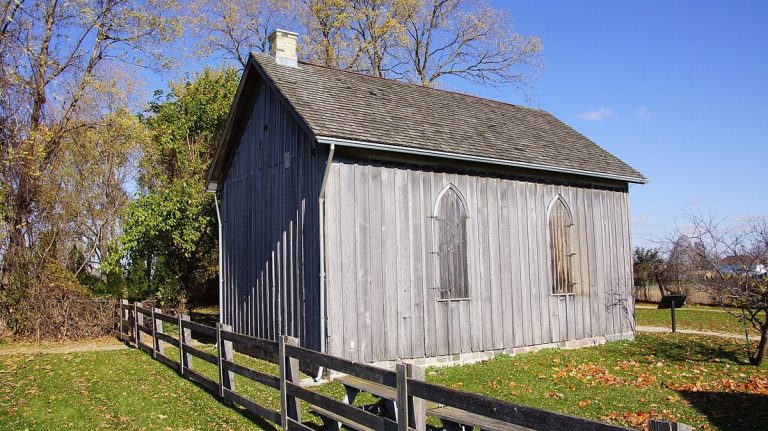
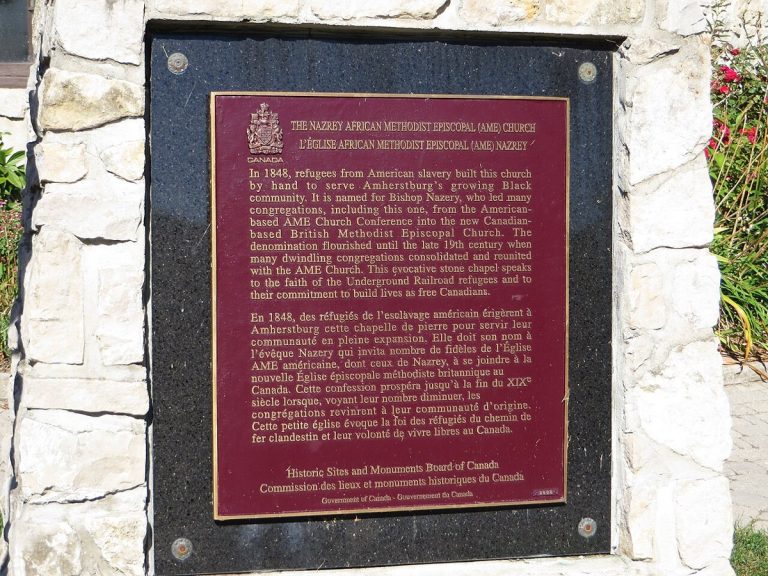
A commemorative plaque at the Nazrey African Methodist Episcopal Church in Amherstburg, Ontario, photographed in 2015.
CA-K330History

Nazrey AME Church, Amherstburg

In 1848, refugees from American slavery built the Nazrey African Methodist Episcopal Church by hand to serve Amherstburg’s growing Black community. The stone chapel is perhaps the building type most representative of Underground Railroad communities, and it is associated with Bishop Willis Nazrey, first leader of the British Methodist Episcopal Church, a wholly Canadian denomination founded by Underground Railroad refugees.

Factual accuracy review: No recorded challenge

Contributor: Citizen.ca

Verified against cited sourcesVerified on 2026-10-26↗
Photo: Ken Lund from Reno, Nevada, USA · Photo licence: CC BY-SA 2.0 · Credit & context
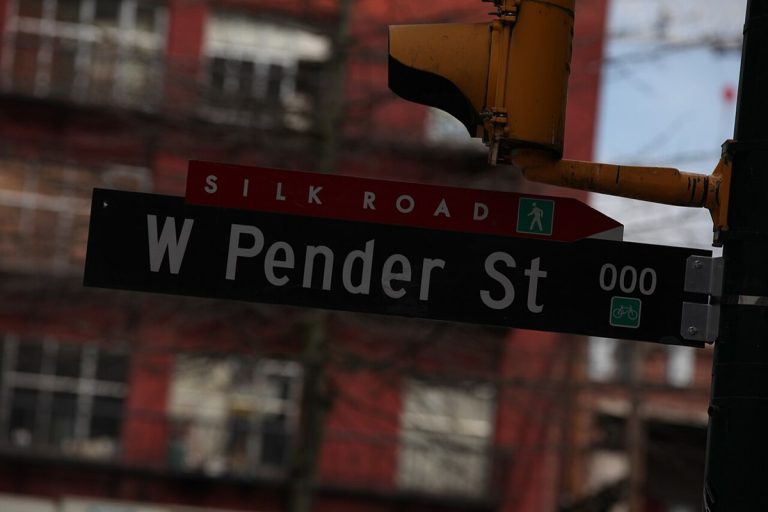
West Pender Street in Vancouver’s Chinatown, photographed in 2011.
CA-K281History

The exclusion of Chinese immigrants, 1923–1947

The Chinese Immigration Act (Chinese Exclusion Act), which took effect on 1 July 1923, imposed discriminatory restrictions on Chinese immigration and replaced the head tax. All Chinese people in Canada, including those born here, had to register or risk fines, detention or deportation. Chinese Canadians challenged the law until its repeal in 1947.

Factual accuracy review: No recorded challenge

Contributor: Citizen.ca

Verified against cited sourcesVerified on 2026-10-26↗
Photo: Kyle Lawrence · Photo licence: CC BY-SA 3.0 · Credit & context
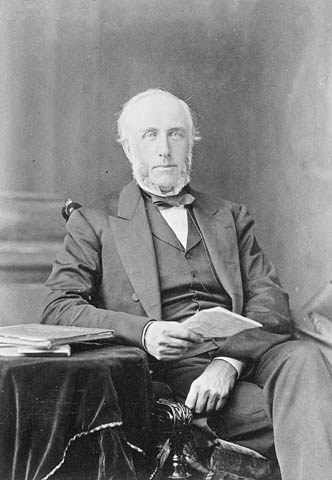
A portrait of George Brown, Father of Confederation.
CA-K277History

George Brown, The Globe and the Great Coalition

George Brown (1818–1880) founded the influential newspaper The Globe in 1844 and became a leading reformer and head of the “Clear Grit” party. In 1864 he was a key figure in the Great Coalition that made Confederation possible, and he co-founded the Anti-Slavery Society of Canada.

Factual accuracy review: No recorded challenge

Contributor: Citizen.ca

Verified against cited sourcesVerified on 2026-10-26↗
Photo: Hunter & Co. · Photo licence: Public domain · Credit & context
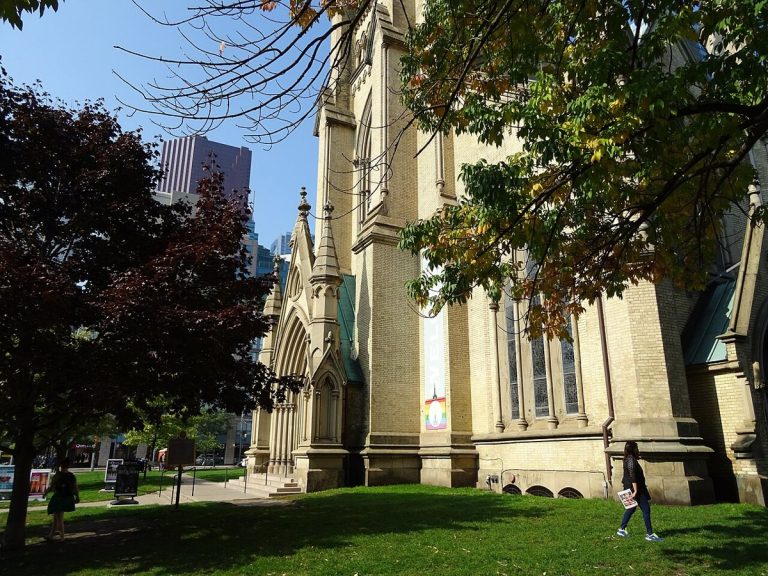
The Cathedral Church of St. James in Toronto, where a plaque for this designation is to be installed, photographed in 2018.
CA-K218History

Emancipation Day, 1 August

Emancipation Day celebrations mark 1 August 1834, when British legislation abolishing slavery took effect in what is now Canada. Nineteenth-century celebrations in what are now Ontario, Quebec, Nova Scotia, New Brunswick and British Columbia became an annual tradition that strengthened Black communities and supported the struggle for equality.

Factual accuracy review: No recorded challenge

Contributor: Citizen.ca

Verified against cited sourcesVerified on 2026-10-26↗
Photo: Spudgun67 · Photo licence: CC BY-SA 4.0 · Credit & context
Salem Chapel British Methodist Episcopal Church in St. Catharines, Ontario, a centre of 19th-century abolitionist activity, photographed in 2012.
CA-K217History

Harriet Tubman led freedom-seekers to Canada

Harriet Tubman (c. 1822–1913), who escaped slavery in Maryland, was the most famous “conductor” on the Underground Railroad, leading many people on dangerous journeys to freedom in Canada and helping them settle. She became the public face of the Underground Railroad in British North America, drawing attention and funding to the abolition movement.

Factual accuracy review: No recorded challenge

Contributor: Citizen.ca

Verified against cited sourcesVerified on 2026-10-26↗
Photo: Gr82c · Photo licence: CC BY-SA 3.0 · Credit & context
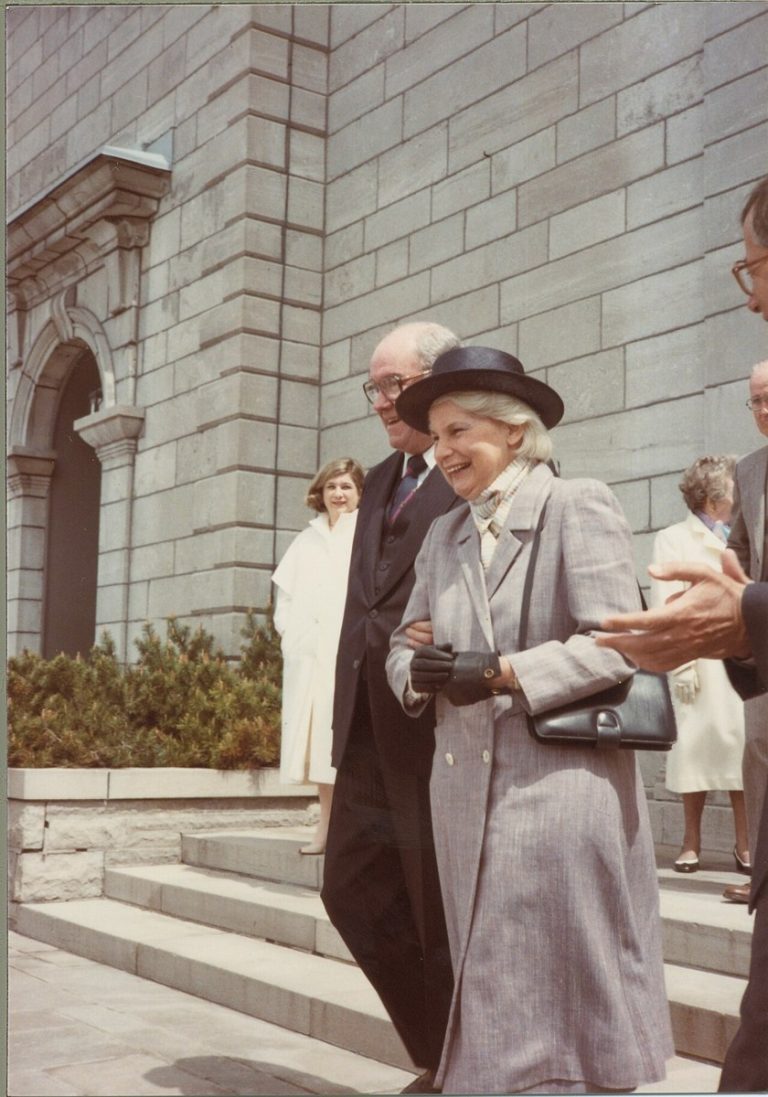
Governor General Jeanne Sauvé with her husband Maurice Sauvé in Ottawa, 1984.
CA-K212Institutions

Jeanne Sauvé, first woman Governor General

Jeanne Sauvé (1922–1993), a Fransaskois journalist and commentator from 1952 to 1972, was elected to the House of Commons in 1972 and served as minister of several departments. She became the first woman Speaker of the House of Commons and the first woman appointed Governor General of Canada.

Factual accuracy review: No recorded challenge

Contributor: Citizen.ca

Verified against cited sourcesVerified on 2026-10-26↗
Photo: proacguy1 from Montreal, Canada · Photo licence: CC BY 2.0 · Credit & context
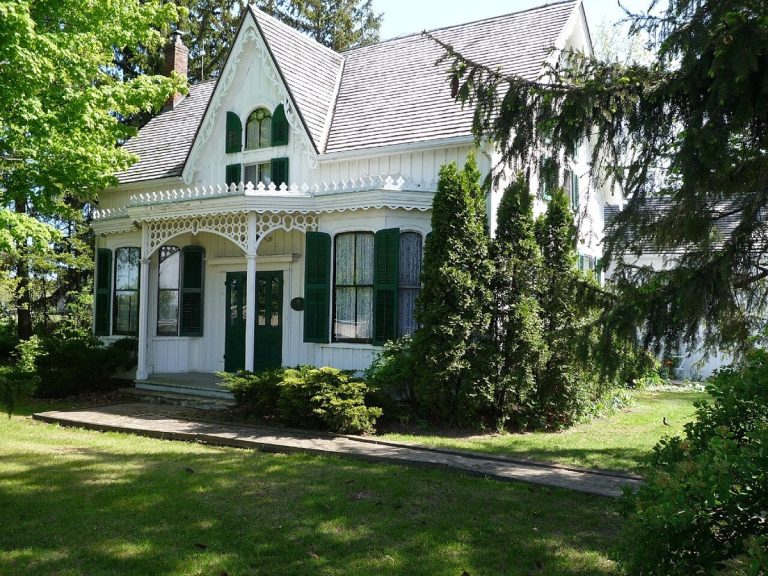
The Erland Lee Museum in Stoney Creek, Ontario, the farmhouse where the constitution was drafted, photographed in 2008.
CA-K205History

The first Women’s Institute, Stoney Creek, 1897

In 1897, inspired by domestic science reformer Adelaide Hoodless, Janet Lee drafted the constitution of the Stoney Creek Women’s Institute at her farmhouse in Ontario. The Women’s Institutes spread across Canada and the world, bringing rural women together to learn skills, promote civic reform and break the isolation of rural life.

Factual accuracy review: No recorded challenge

Contributor: Citizen.ca

Verified against cited sourcesVerified on 2026-10-26↗
Photo: Kristenkerr · Photo licence: Public domain · Credit & context
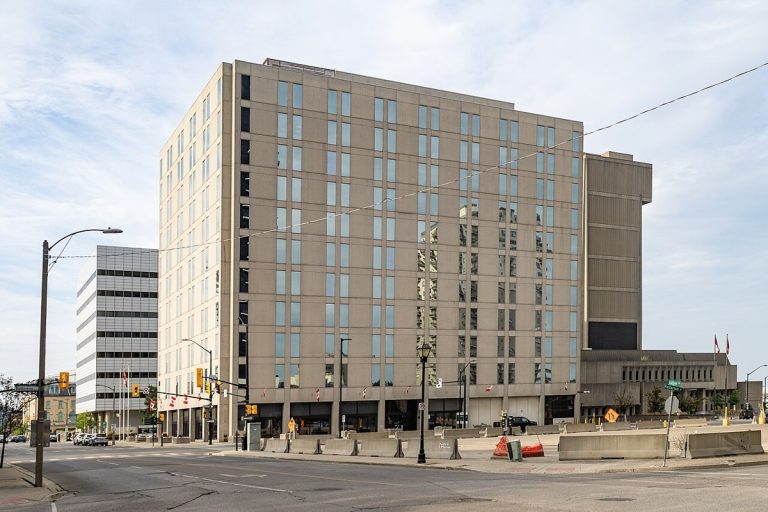
The Richard Pierpoint Building, a courthouse in London, Ontario, named in his honour, photographed in 2026.
CA-K199History

Richard Pierpoint, Black Loyalist

Richard Pierpoint (c. 1744–c. 1838), born in Bundu in present-day Senegal, was captured and sold into slavery in the Thirteen Colonies around 1760. He fought as a free man with Butler’s Rangers in the American Revolution, settled in Niagara, and during the War of 1812 contributed to the creation of the Colored Corps; afterward he asked for passage to West Africa but was given land in Upper Canada instead.

Factual accuracy review: No recorded challenge

Contributor: Citizen.ca

Verified against cited sourcesVerified on 2026-10-26↗
Photo: Chris Woodrich · Photo licence: CC BY-SA 4.0 · Credit & context
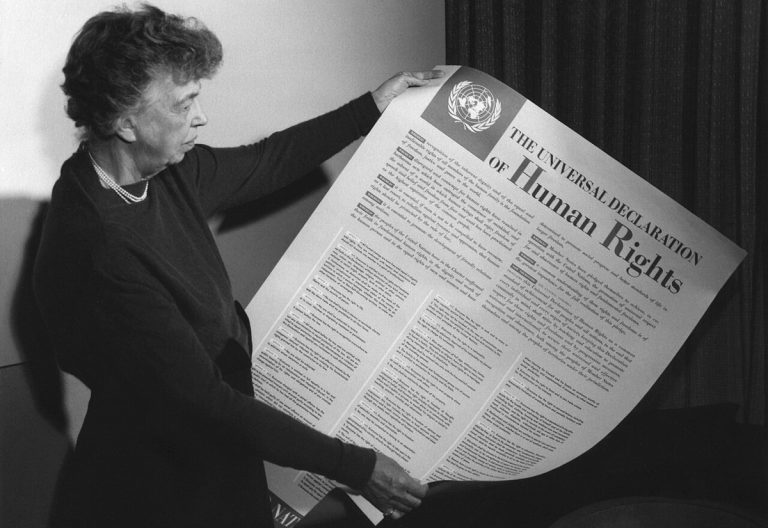
Eleanor Roosevelt holding a poster of the Universal Declaration of Human Rights, 1949; Humphrey does not appear in the photo.
CA-K189Institutions

John P. Humphrey and the Universal Declaration of Human Rights

John P. Humphrey (1905–1995), a McGill law professor, was the first director of the United Nations Human Rights Division from 1946 to 1966. The 48-article “Secretariat Outline” he prepared with his staff for the UN Human Rights Commission laid the foundations for the Universal Declaration of Human Rights of 1948.

Factual accuracy review: No recorded challenge

Contributor: Citizen.ca

Verified against cited sourcesVerified on 2026-10-26↗
Photo: FDR Presidential Library & Museum · Photo licence: CC BY 2.0 · Credit & context
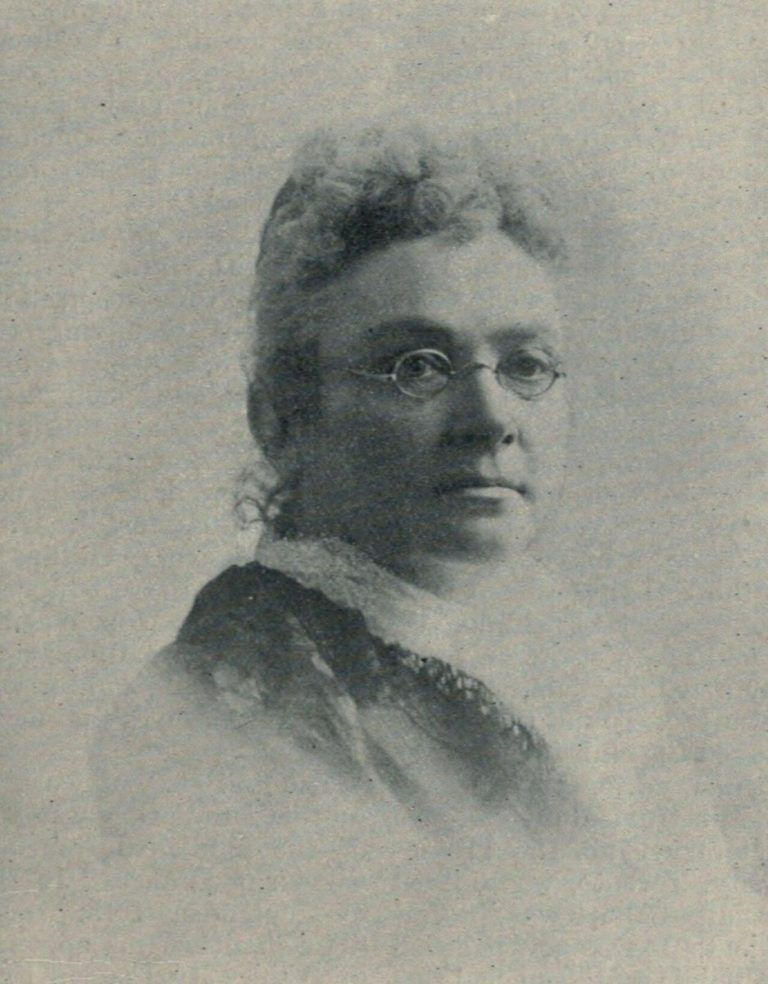
A portrait of Emily Stowe, no later than 1895.
CA-K187History

Emily Stowe, Canada’s first woman doctor in private practice

Denied university entry in Canada because she was a woman, Emily Stowe (1831–1903) studied medicine in New York City and in 1867 opened the first private medical practice in Canada run by a woman doctor, in Toronto. She led the drive to found Woman’s Medical College in 1883 and, through the Dominion Women’s Enfranchisement Association, kept suffrage in the public eye.

Factual accuracy review: No recorded challenge

Contributor: Citizen.ca

Verified against cited sourcesVerified on 2026-10-26↗
Photo: Unknown authorUnknown author · Photo licence: Public domain · Credit & context
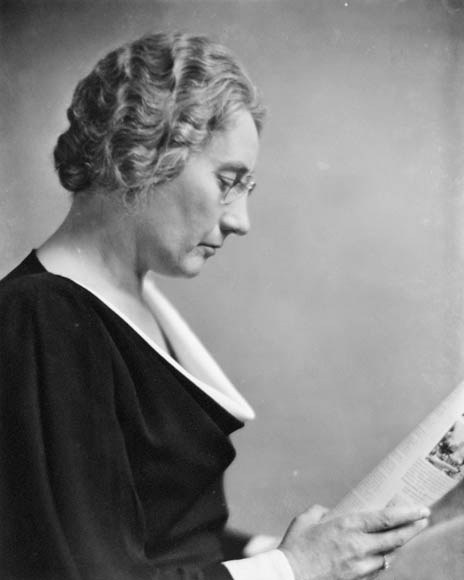
Agnes Macphail, MP, photographed by Yousuf Karsh on 14 May 1934.
CA-K186Institutions

Agnes Macphail, first woman elected to the House of Commons

Agnes Macphail (1890–1954), a rural schoolteacher, became the first woman elected to the House of Commons when she won Grey County as a Progressive in the 1921 federal election. In Ottawa she fought for penal reform, disarmament and social welfare, and later sat in the Ontario legislature from 1943 to 1951.

Factual accuracy review: No recorded challenge

Contributor: Citizen.ca

Verified against cited sourcesVerified on 2026-10-26↗
Photo: Yousuf Karsh · Photo licence: Public domain · Credit & context
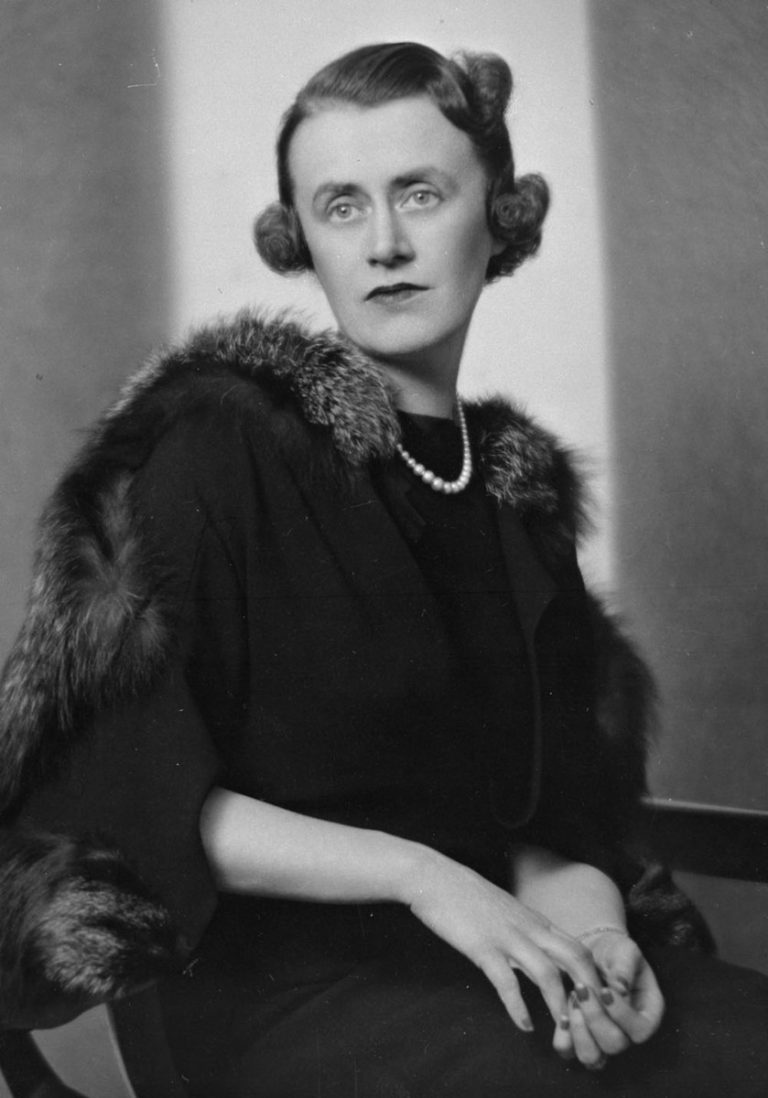
Thérèse Casgrain photographed by George Nakash (Library and Archives Canada).
CA-K185History

Thérèse Casgrain and the Quebec vote for women, 1940

Thérèse Casgrain (1896–1981), a pioneer of Quebec feminism, led the Ligue des droits de la femme from 1928 to 1942 and played a pivotal role in winning women the right to vote in Quebec provincial elections in 1940. The Fédération des femmes du Québec, founded under her guidance in 1966, launched a new wave of organized feminism.

Factual accuracy review: No recorded challenge

Contributor: Citizen.ca

Verified against cited sourcesVerified on 2026-10-26↗
Photo: George Nakash (1892-1976) · Photo licence: CC BY 2.0 · Credit & context

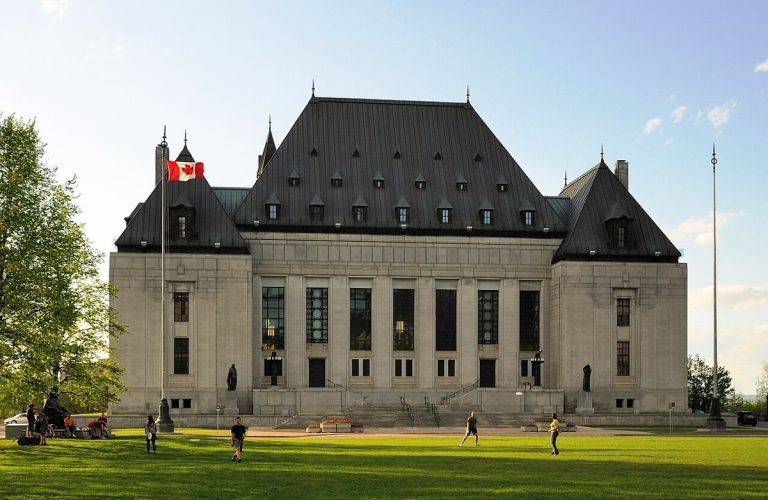
The Supreme Court of Canada building in Ottawa, photographed in 2009.
CA-K184History

The Klippert case, 1967

In Klippert v. the Queen (1967), Everett Klippert appealed his indefinite imprisonment as a dangerous sexual offender for gross indecency, under a Criminal Code that made sex between men illegal. The Supreme Court ruled against him, but the case exposed legal discrimination against gay men and contributed to the partial decriminalization of same-gender sexual acts in 1969.

Factual accuracy review: No recorded challenge

Contributor: Citizen.ca

Verified against cited sourcesVerified on 2026-10-26↗
Photo: Wladyslaw · Photo licence: CC BY-SA 3.0 · Credit & context

Uncle Tom’s Cabin Historic Site near Dresden, Ontario, now the Josiah Henson Museum of African-Canadian History, photographed in 2014.
CA-K181History

Josiah Henson and the Dawn settlement

After escaping slavery in Kentucky to Upper Canada, Reverend Josiah Henson (1789–1883) became an Underground Railroad conductor and abolitionist, founded the Black settlement of Dawn and established the British American Institute school. Harriet Beecher Stowe said his 1849 memoirs supplied ideas and incidents for Uncle Tom’s Cabin, raising awareness of Canada as a haven from slavery.

Factual accuracy review: No recorded challenge

Contributor: Citizen.ca

Verified against cited sourcesVerified on 2026-10-26↗
Photo: NearEMPTiness · Photo licence: CC BY-SA 4.0 · Credit & context
The Six Nations Sports & Cultural Memorial Centre in Ohsweken, Six Nations of the Grand River, in 2024.
CA-K179Indigenous peoples & reconciliation

Edith Anderson Monture, nurse and veteran

Charlotte Edith Anderson Monture (1890–1996), a Kanien’kehá:ka (Mohawk) woman from Six Nations of the Grand River, was among the first generation of hospital-trained professional nurses from First Nations in Canada. After nursing with the American Expeditionary Force in the First World War, she was among the female veterans granted the federal vote in 1917, and returned home in 1919 as a nurse and midwife.

Factual accuracy review: No recorded challenge

Contributor: Citizen.ca

Verified against cited sourcesVerified on 2026-10-26↗
Photo: JFVoll · Photo licence: CC BY-SA 4.0 · Credit & context
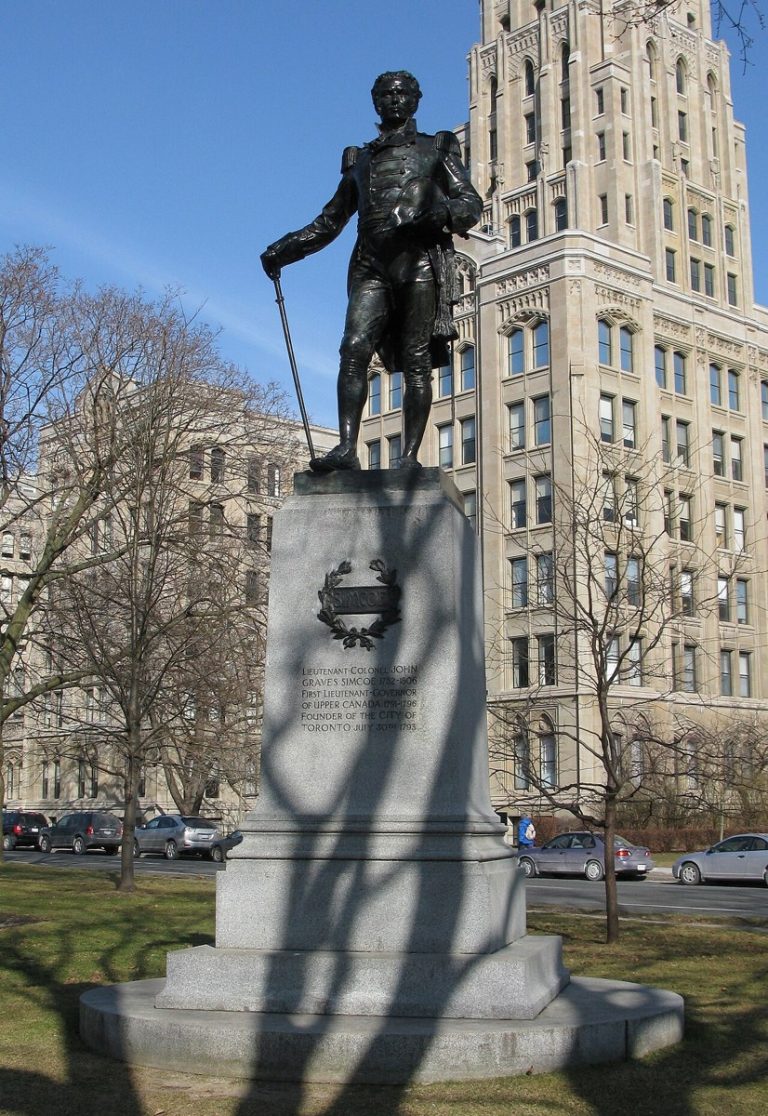
The statue of John Graves Simcoe at Queen’s Park, Toronto, photographed in 2008.
CA-K162History

Upper Canada’s 1793 Act against slavery

Upper Canada’s 1793 Act against slavery, passed under Lieutenant-Governor John Graves Simcoe, prohibited the importation of enslaved people. It did not free people already enslaved, but provided that children subsequently born to enslaved mothers would become free at age 25. Slavery in Upper Canada ended in 1834.

Factual accuracy review: No recorded challenge

Contributor: Citizen.ca

Verified against cited sourcesVerified on 2026-10-26↗
Photo: User:Saforrest · Photo licence: CC BY-SA 3.0 · Credit & context
Kahnawà:ke seen from Lachine, Montréal, in 2016.
CA-K140Indigenous peoples & reconciliation

Mary Two-Axe Earley and First Nations women’s equality

Mary Two-Axe Earley (1911–1996), a Kanien’kehá:ka (Mohawk) woman born in Kahnawà:ke, campaigned against the sex discrimination in section 12(1)(b) of the Indian Act, which stripped First Nations women of status if they married non-status men. After the Act was changed in 1985, she was the first person to regain her status.

Factual accuracy review: No recorded challenge

Contributor: Citizen.ca

Verified against cited sourcesVerified on 2026-10-26↗
Photo: Red Castle · Photo licence: CC BY-SA 4.0 · Credit & context