
An independent Canadian knowledge project

Focused and Verified

Canadian knowledge base

Search by keyword

Choose one keyword, or combine two. Broader keywords include their descendants.

Keywords: Indigenous knowledge, rights and heritage

Clear search
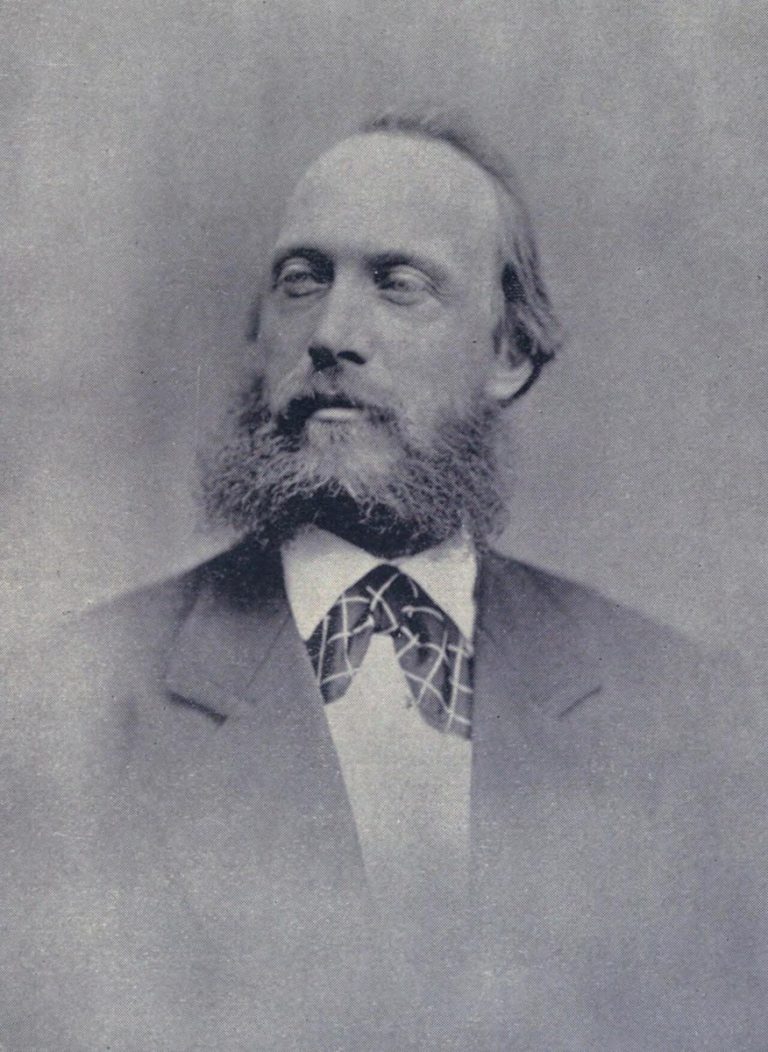
David Laird, 1894 (The Canadian Album).
CA-K864Indigenous peoples & reconciliation

David Laird, the Indian Act and the Numbered Treaties

As Minister of the Interior from 1873 to 1876, David Laird helped shape policies that treated First Nations as wards and sought their assimilation, and was the main figure in consolidating earlier laws into the Indian Act of 1876. He negotiated Treaties 4, 7 and 8, whose meaning remains disputed. As Indian commissioner he restricted ceremonies and at times worked to dispossess First Nations of promised reserves. He also founded the Charlottetown Patriot.

Factual accuracy review: No recorded challenge

Contributor: Citizen.ca

Verified against cited sourcesVerified on 2026-10-26↗
Photo: Unknown photographer · Photo licence: Public domain · Credit & context
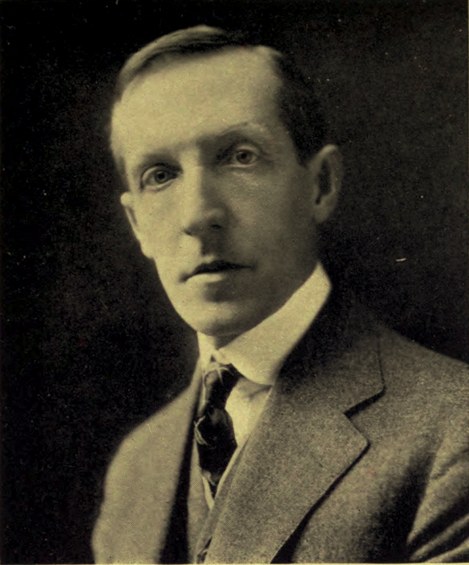
Duncan Campbell Scott, 1916.
CA-K860Indigenous peoples & reconciliation

Duncan Campbell Scott and the residential school system

As Deputy Superintendent General of Indian Affairs from 1913 to 1932, Duncan Campbell Scott aggressively pursued policies meant to assimilate First Nations, banning cultural practices and restricting political activity, which did widespread, lasting harm. He was the chief federal official responsible for expanding and running the residential school system, whose neglect and abuse caused hunger, illness and death. In his day he was also celebrated as a Confederation poet.

Factual accuracy review: No recorded challenge

Contributor: Citizen.ca

Verified against cited sourcesVerified on 2026-10-26↗
Photo: Photographer not named. · Photo licence: Public domain · Credit & context
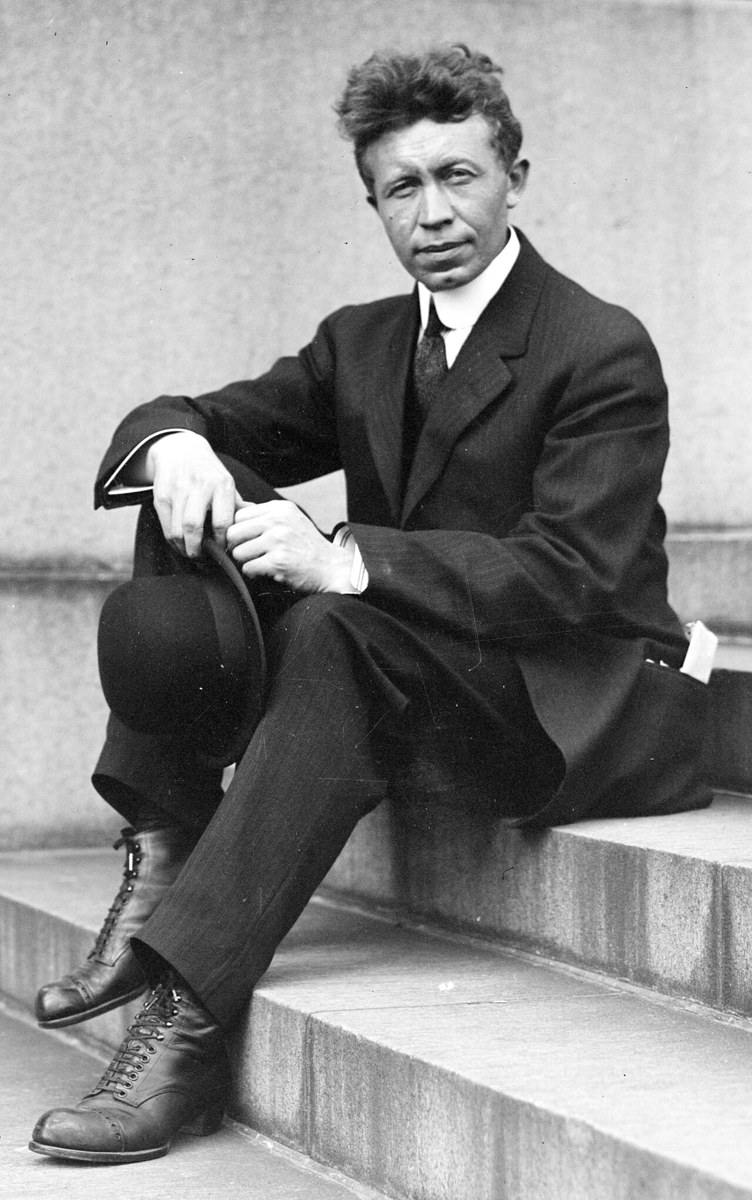
Vilhjálmur Stefánsson (Bain News Service).
CA-K855Places & geography

Vilhjálmur Stefánsson, Arctic explorer

Vilhjálmur Stefánsson, born at Arnes, Manitoba, in 1879 to an Icelandic family, made three expeditions to the Canadian Arctic between 1906 and 1918 and wrote widely about the land and its Indigenous Peoples. Inuit support was essential to his success; his Iñupiaq partner Panigavluk worked as informant, hunter and seamstress, yet he abandoned his family. A controversial figure, he promoted the idea of a “friendly Arctic”.

Factual accuracy review: No recorded challenge

Contributor: Citizen.ca

Verified against cited sourcesVerified on 2026-10-26↗
Photo: Unknown (Bain News Service, publisher) · Photo licence: Public domain · Credit & context
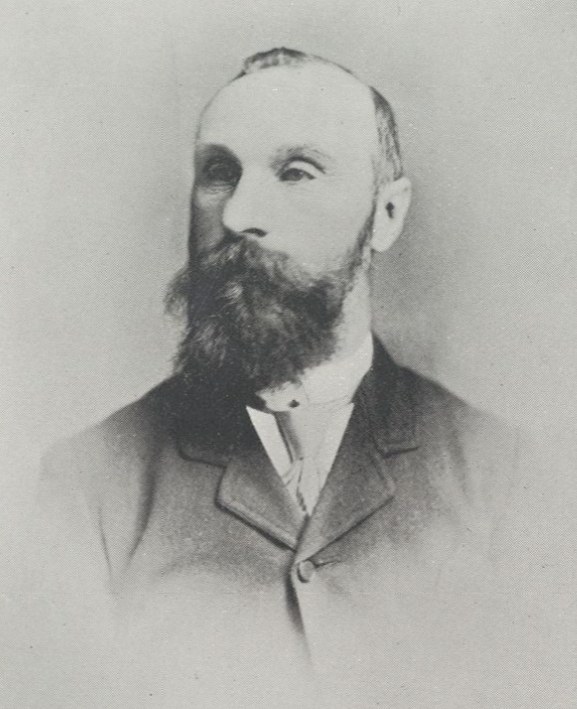
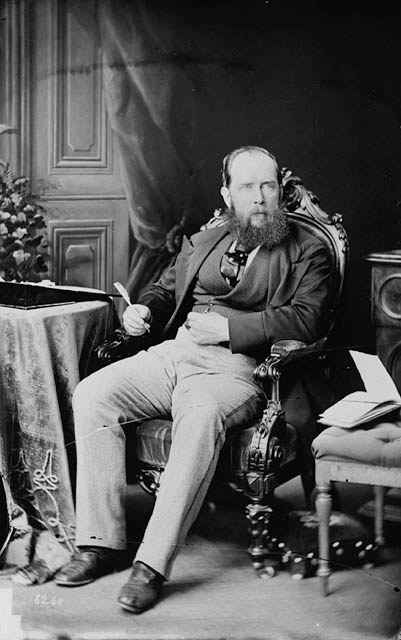
James Patrick Howley, portrait published in 1894.
CA-K745History

James P. Howley, geologist and historian of the Beothuk

James Patrick Howley greatly advanced knowledge of Newfoundland’s geology, minerals and geography through fieldwork for the Geological and Topographical Survey of Newfoundland from 1868 to 1909, and is considered founder and first curator of the Newfoundland Museum. His 1915 study of the Beothuk remains a cornerstone of Beothuk scholarship.

Factual accuracy review: No recorded challenge

Contributor: Citizen.ca

Verified against cited sourcesVerified on 2026-10-26↗
Photo: Unknown author · Photo licence: Public domain · Credit & context
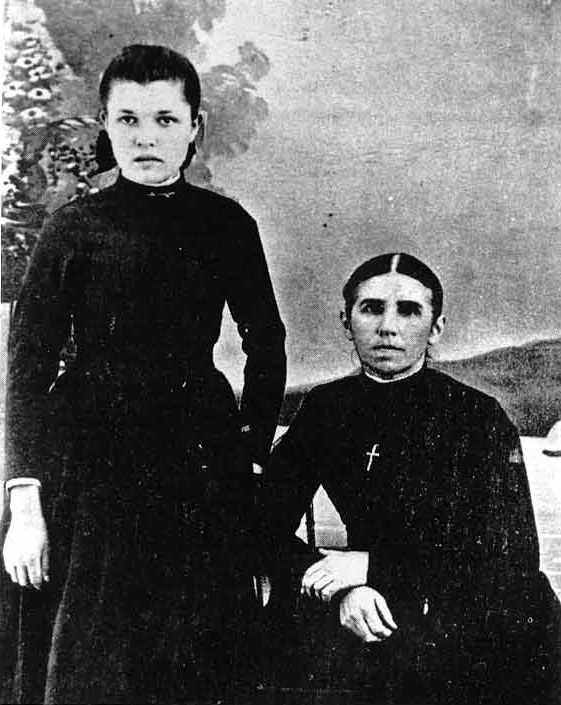
Onésime Dorval (seated) with her adopted daughter Georgine d’Amours, late 1800s.
CA-K721Institutions

Onésime Dorval, Saskatchewan’s first certified teacher

Onésime Dorval, born in Quebec, came west in 1877 and became Saskatchewan’s first certified teacher. For over 40 years she taught at Oblate missions in Manitoba and at St-Laurent-Grandin, Battleford, Batoche and Duck Lake, was a talented painter and woodworker, and is fondly remembered in Métis and francophone communities.

Factual accuracy review: No recorded challenge

Contributor: Citizen.ca

Verified against cited sourcesVerified on 2026-10-26↗
Photo: Unspecified; from St. Vital Parish, Battleford, Saskatchewan. · Photo licence: Public domain · Credit & context
Joseph Trutch, June 1870 (Topley Studio).
CA-K663Indigenous peoples & reconciliation

Joseph Trutch and First Nations lands in British Columbia

Joseph Trutch, a British-born engineer who believed Indigenous Peoples inferior, was British Columbia’s chief commissioner of lands and works from 1864 to 1871. Representing settler interests, he cut existing reserves, allotted minimal land to new ones, denied Aboriginal title and refused treaties, denying First Nations access to their territories; he became the province’s first lieutenant-governor in 1871.

Factual accuracy review: No recorded challenge

Contributor: Citizen.ca

Verified against cited sourcesVerified on 2026-10-26↗
Photo: William James Topley (June 1870); Library and Archives Canada · Photo licence: Public domain · Credit & context
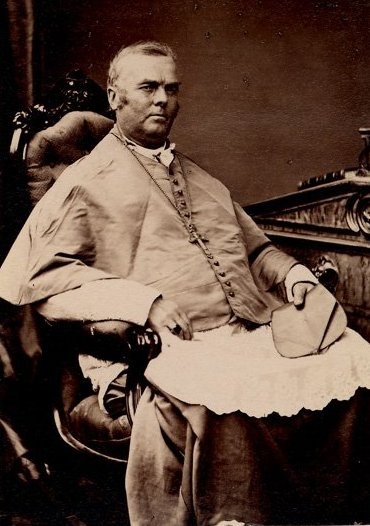
Modeste Demers, around 1860 (J. E. Livernois).
CA-K659Indigenous peoples & reconciliation

Bishop Modeste Demers in the Pacific Northwest

Modeste Demers, a Catholic priest in the Pacific Northwest from 1838, worked in part to convert Indigenous Peoples, part of the region’s colonization, and in 1847 became the first Bishop of Vancouver Island, New Caledonia and Haida Gwaii. The practices of Demers and his Church, together with colonization and assimilation, had drastic consequences for later generations of Indigenous Peoples.

Factual accuracy review: No recorded challenge

Contributor: Citizen.ca

Verified against cited sourcesVerified on 2026-10-26↗
Photo: J.E. Livernois · Photo licence: Public domain · Credit & context
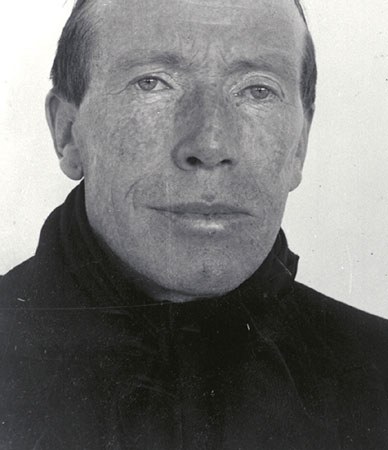
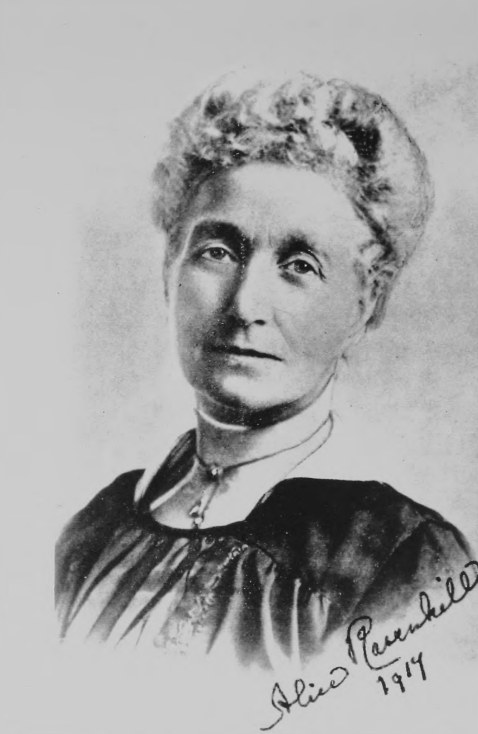
Alice Ravenhill in 1917.
CA-K610Institutions

Alice Ravenhill, educator and reformer

Alice Ravenhill, an educator and social reformer prominent in public health and home economics in Britain, came to Canada in 1910 and worked with the University of British Columbia, Victoria College, the Women’s Institutes and the province on educational reform. Later she wrote a pioneering school text on Indigenous societies and founded a society to promote British Columbia Indigenous arts and crafts.

Factual accuracy review: No recorded challenge

Contributor: Citizen.ca

Verified against cited sourcesVerified on 2026-10-26↗
Photo: Unknown author · Photo licence: Public domain · Credit & context
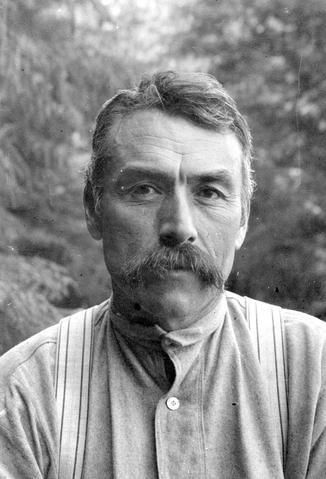
James Teit, before 1922.
CA-K547Indigenous peoples & reconciliation

James Teit, ethnographer of the Interior Salish

James Teit, a Shetlander who came to Spences Bridge, British Columbia, in 1884 and married into the Nlaka’pamux Nation, was the leading ethnographer of the Interior Salish. Encouraged by Franz Boas, he recorded oral traditions of the Salish, Dene and Ktunaxa, and as a champion of Indigenous land rights he served as special agent for the Allied Tribes of British Columbia.

Factual accuracy review: No recorded challenge

Contributor: Citizen.ca

Verified against cited sourcesVerified on 2026-10-26↗
Photo: unknown (self-portrait?) · Photo licence: Public domain · Credit & context
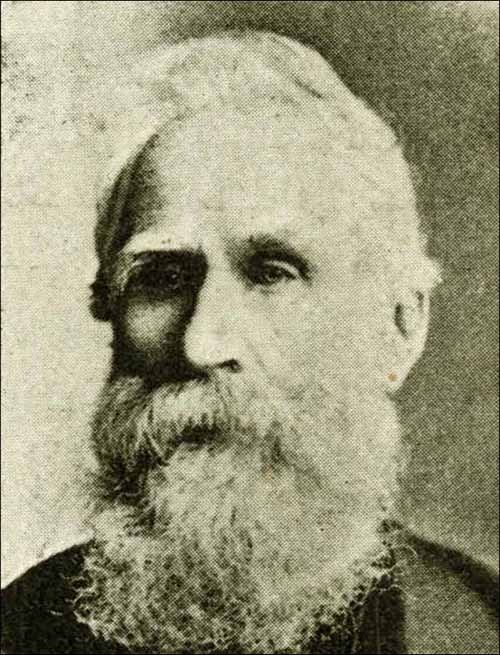
George Hunt in 1898 (Harlan I. Smith, BC Archives).
CA-K482Indigenous peoples & reconciliation

George Hunt, Kwakwaka’wakw ethnographer

George Hunt, born at Fort Rupert to English and Tlingit parents and fully accepted into Kwakwaka’wakw society, was one of the most outstanding ethnographers of West Coast Indigenous peoples. He worked to preserve and share his people’s traditional knowledge, recording, translating and interpreting material that revealed the richness of Kwakwaka’wakw culture.

Factual accuracy review: No recorded challenge

Contributor: Citizen.ca

Verified against cited sourcesVerified on 2026-10-26↗
Photo: Harlan Ingersoll Smith · Photo licence: Public domain · Credit & context
Philip Francis Little, from D. W. Prowse’s History of Newfoundland (1896).
CA-K474Institutions

Philip Francis Little, Newfoundland’s first premier

Philip Francis Little, elected to Newfoundland’s Assembly in 1850, campaigned for responsible government and united the Liberal Party behind it. In 1855 he became the colony’s first premier under responsible government, and he advanced Newfoundland’s interests through the Reciprocity Treaty with the United States.

Factual accuracy review: No recorded challenge

Contributor: Citizen.ca

Verified against cited sourcesVerified on 2026-10-26↗
Photo: Unknown author · Photo licence: Public domain · Credit & context
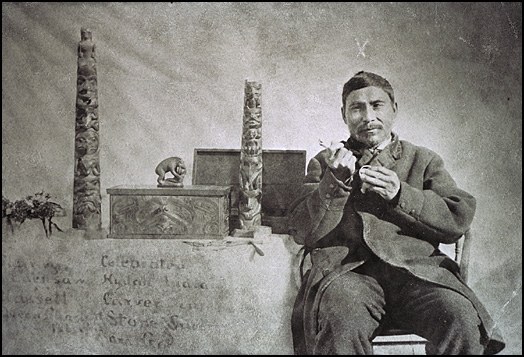
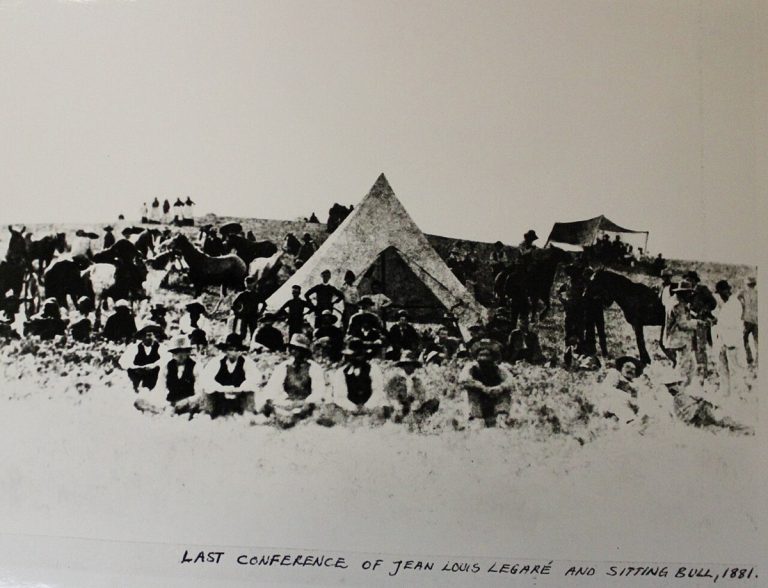
The last conference between Légaré and Sitting Bull (Saskatchewan Archives).
CA-K465History

Jean-Louis Légaré and Sitting Bull

Jean-Louis Légaré, a fur trader from Quebec who came to Wood Mountain in 1870 and founded a post at Willow Bunch, Saskatchewan, in 1880, was a trusted friend and unofficial spokesman for First Nations and Métis people. When Sitting Bull’s Lakota followers sought refuge in Canada, he worked with the North-West Mounted Police to keep the peace and persuade them to return to the United States.

Factual accuracy review: No recorded challenge

Contributor: Citizen.ca

Verified against cited sourcesVerified on 2026-10-26↗
Photo: Saskatchewan Archives · Photo licence: Public domain · Credit & context
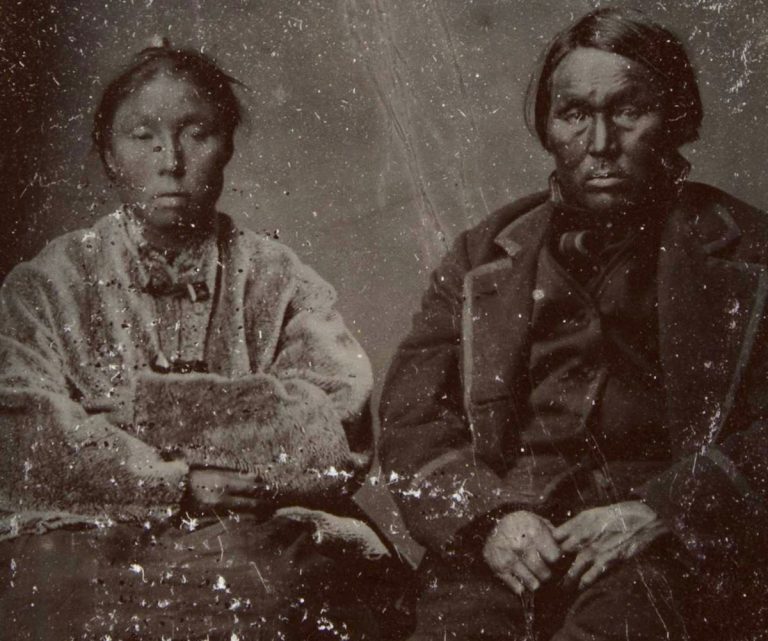
Charles Edenshaw, Haida artist (Canadian Museum of History).
CA-K445Indigenous peoples & reconciliation

Charles Edenshaw (Tahayren), Haida artist

Charles Edenshaw (Tahayren), born at Skidegate, was the foremost Haida carver at the time Haida art first won international recognition. Trained by his uncle, he worked in argillite and silver in a personal style that extended the traditional range of Haida art, and his work is held in museums in North America and Europe.

Factual accuracy review: No recorded challenge

Contributor: Citizen.ca

Verified against cited sourcesVerified on 2026-10-26↗
Photo: Unknown author · Photo licence: Public domain · Credit & context
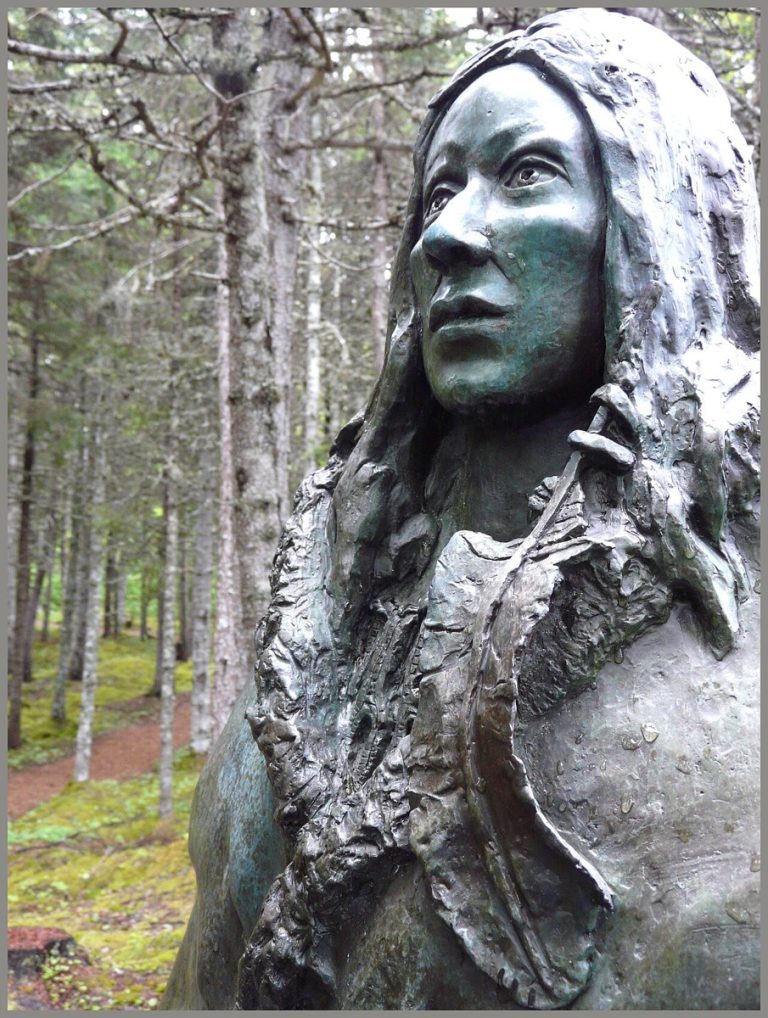
Ipirvik (Ebierbing) and Taqulittuq (Tookoolito), tintype from before 1876 (Mystic Seaport Museum).
CA-K444Indigenous peoples & reconciliation

Ipirvik and Taqulittuq, Inuit guides of Arctic expeditions

Ipirvik and Taqulittuq, an Inuit couple from Baffin Island, helped several important Arctic expeditions in the 1860s and 1870s: Ipirvik hunted and drove dog teams, and Taqulittuq made Arctic clothing and interpreted. In 1872–1873 they were indispensable to the survival of a group of American explorers stranded all winter on an ice floe, showing the value of the Inuit way of travelling light and living off the land.

Factual accuracy review: No recorded challenge

Contributor: Citizen.ca

Verified against cited sourcesVerified on 2026-10-26↗
Photo: Unknown author · Photo licence: Public domain · Credit & context
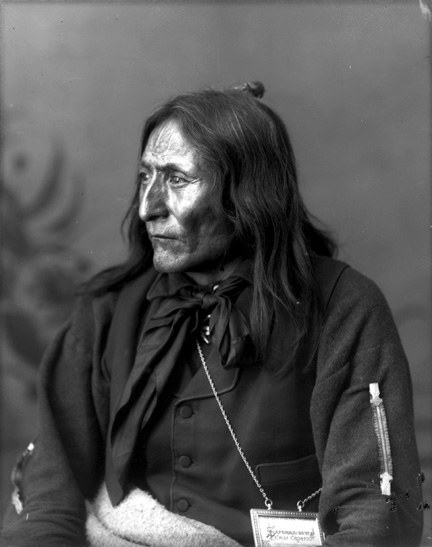
A statue of Shanawdithit at Boyd’s Cove, Newfoundland and Labrador, photographed in 2013.
CA-K423Indigenous peoples & reconciliation

Shanawdithit and Beothuk knowledge

Shanawdithit was one of the last documented Beothuk of Newfoundland. Seized by English settlers in 1823, she never regained her freedom, but she taught her captors much of what is known about the decline of her people; with the help of her sketches she described encounters between the British and the Beothuk, including the capture of her aunt Demasduit. She died in St. John’s in 1829.

Factual accuracy review: No recorded challenge

Contributor: Citizen.ca

Verified against cited sourcesVerified on 2026-10-26↗
Photo: Kaye Duncan (Flickr: Oh Kaye) · Photo licence: CC0 · Credit & context
Portrait of Crowfoot, head chief of the Siksika, around 1885.
CA-K409Indigenous peoples & reconciliation

Isapo-Muxika (Crowfoot), Siksika peacemaker

Isapo-Muxika (Crowfoot), born Kainai and raised among the Siksika (Blackfoot), became a leading chief known as a warrior, orator and peacemaker. Convinced that peace served his people best, he made peace with the Plains Cree, adopting Poundmaker as his son, and persuaded the Siksika to sign Treaty 7 in 1877.

Factual accuracy review: No recorded challenge

Contributor: Citizen.ca

Verified against cited sourcesVerified on 2026-10-26↗
Photo: Alex Ross · Photo licence: Public domain · Credit & context
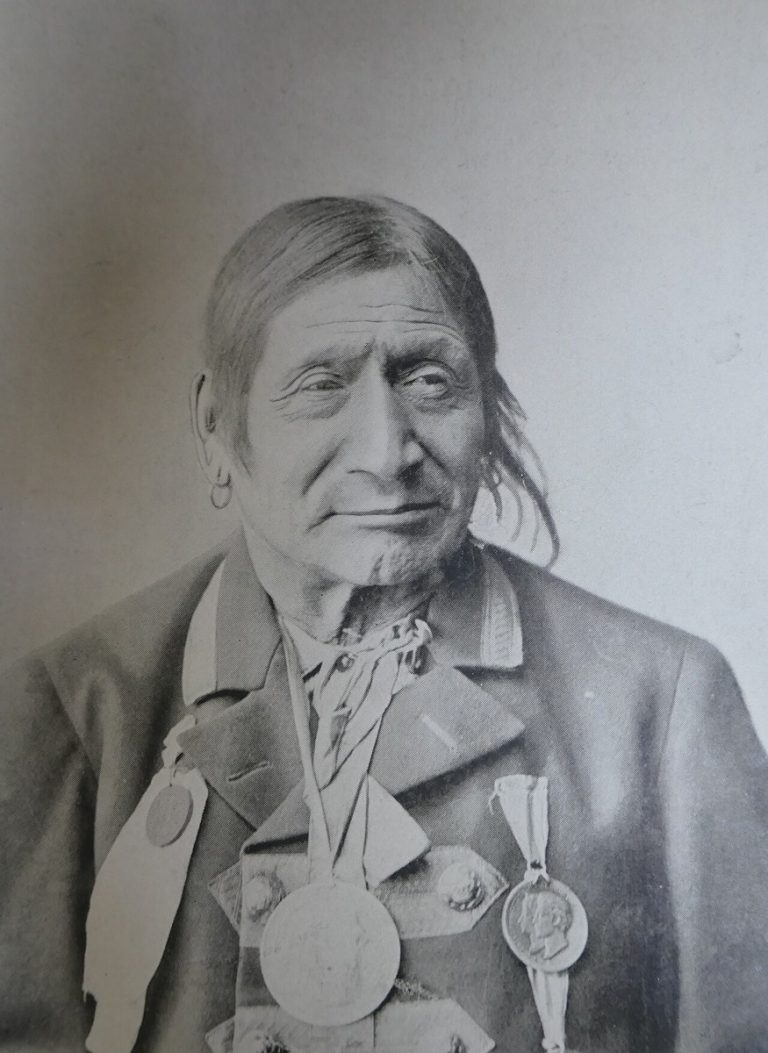
Red Crow in 1895.
CA-K405Indigenous peoples & reconciliation

Red Crow, head chief of the Kainai

Red Crow, warrior and statesman, became a head chief of the Kainai (Blood) in 1870. After first boycotting the negotiations, he signed Treaty 7 in 1877 on behalf of his people and chose the site of the Blood Reserve, the largest in Canada; his leadership helped the Kainai keep their proud and independent spirit.

Factual accuracy review: No recorded challenge

Contributor: Citizen.ca

Verified against cited sourcesVerified on 2026-10-26↗
Photo: Unknown author · Photo licence: Public domain · Credit & context
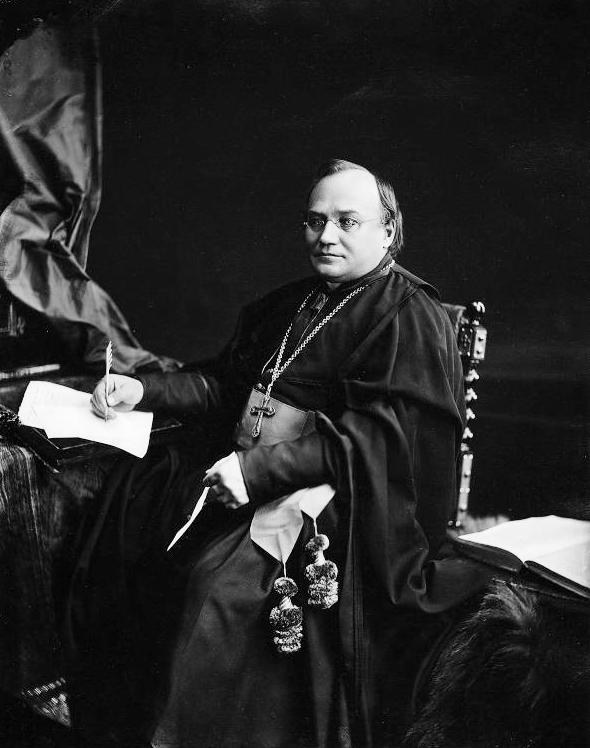
Archbishop Alexandre-Antonin Taché in 1873 (William Notman).
CA-K401Language & names

Archbishop Taché and French education in Manitoba

Alexandre-Antonin Taché, Bishop and then Archbishop of St. Boniface from 1853 to 1894, was the foremost Catholic leader in the West and oversaw missions, day schools and residential schools that sought to convert and assimilate Indigenous Peoples. He helped secure Catholic and French education rights in the Manitoba Act of 1870 and fought in vain to restore them after they were eroded from 1890.

Factual accuracy review: No recorded challenge

Contributor: Citizen.ca

Verified against cited sourcesVerified on 2026-10-26↗
Photo: William Notman · Photo licence: Public domain · Credit & context
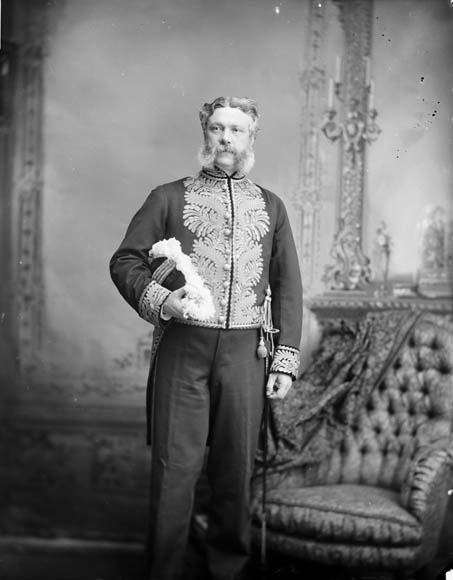
Lieutenant-Governor Edgar Dewdney, April 1883 (Topley Studio).
CA-K400Indigenous peoples & reconciliation

Edgar Dewdney and Indigenous policy on the Prairies

As Indian Commissioner (1879–1888) and Lieutenant-Governor of the North-West Territories, Edgar Dewdney withheld rations from starving First Nations until they settled on government-selected reserves, causing malnutrition, disease and death. After 1885 he helped impose the extralegal pass system and helped shape the residential school system, with devastating consequences for Indigenous children, families and communities.

Factual accuracy review: No recorded challenge

Contributor: Citizen.ca

Verified against cited sourcesVerified on 2026-10-26↗
Photo: Topley Studio / Library and Archives Canada / PA-027070 · Photo licence: Public domain · Credit & context
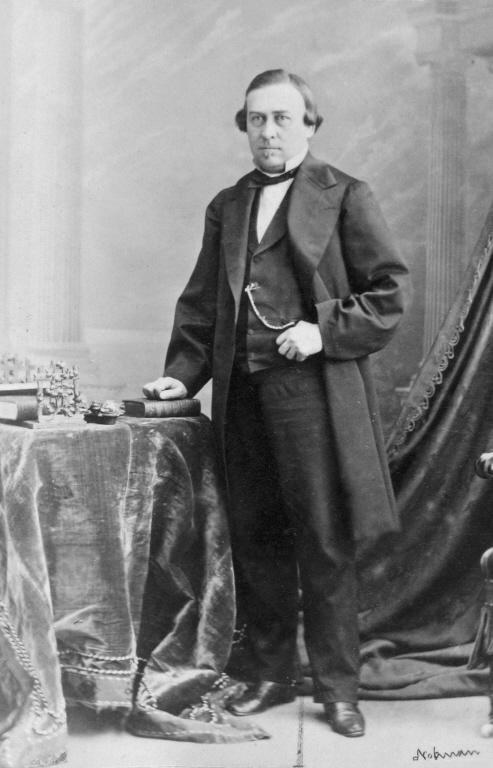
Hector-Louis Langevin in Montréal, 1865 (William Notman).
CA-K399Institutions

Sir Hector-Louis Langevin, Confederation and residential schools

Sir Hector-Louis Langevin, a Father of Confederation, attended all three conferences leading to 1867, helped draft the 72 Resolutions and led the Quebec Conservatives for nearly two decades. As Minister of Public Works, he called in 1883 for Indigenous children to be removed from their homes for assimilation and announced three industrial schools in the Northwest, part of the residential school system’s devastating expansion.

Factual accuracy review: No recorded challenge

Contributor: Citizen.ca

Verified against cited sourcesVerified on 2026-10-26↗
Photo: William Notman · Photo licence: Public domain · Credit & context
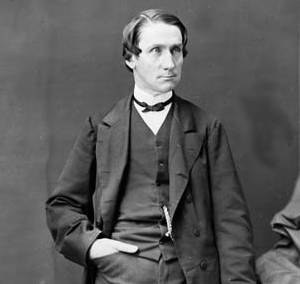
Alexander Morris in Ottawa, December 1869 (Topley Studio).
CA-K386Indigenous peoples & reconciliation

Alexander Morris and the Numbered Treaties

Alexander Morris, a supporter of Confederation and lieutenant-governor of Manitoba and the North-West Territories, negotiated Treaties 3, 4, 5 and 6 with First Nations from 1873 to 1876. First Nations sought a reciprocal relationship that safeguarded their autonomy, while Canada’s main goal was territorial expansion for settlers; Morris pressed the government to keep its spoken promises.

Factual accuracy review: No recorded challenge

Contributor: Citizen.ca

Verified against cited sourcesVerified on 2026-10-26↗
Photo: William James Topley · Photo licence: Public domain · Credit & context
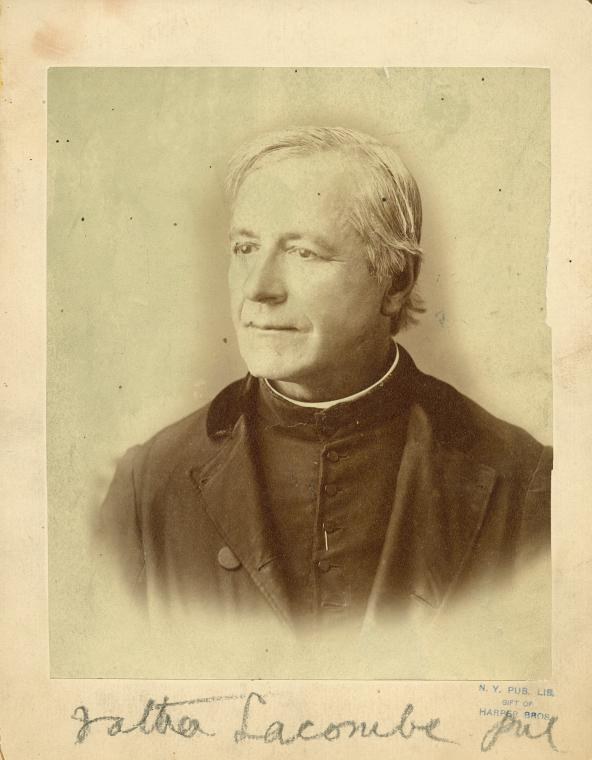
Father Albert Lacombe, photographed before 1916.
CA-K385Indigenous peoples & reconciliation

Father Albert Lacombe, missionary in the West

From 1852, Oblate priest Albert Lacombe spent over 60 years seeking to convert Indigenous Peoples in western Canada to Christianity, founding missions such as St. Albert with Métis and Cree help and acting as a go-between during Treaty 8 talks. He was the first principal of the High River Industrial School in 1884–1885 and advocated separating children from their families and suppressing Indigenous languages.

Factual accuracy review: No recorded challenge

Contributor: Citizen.ca

Verified against cited sourcesVerified on 2026-10-26↗
Photo: Unknown author · Photo licence: Public domain · Credit & context
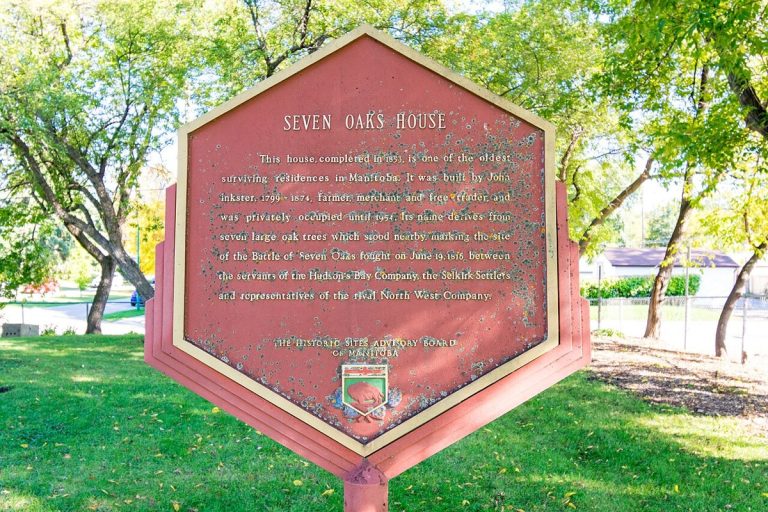
A historical plaque at Seven Oaks House Museum in Winnipeg, Manitoba, photographed in 2017.
CA-K376Indigenous peoples & reconciliation

Seven Oaks House and the Inkster family of Red River

Seven Oaks House in Winnipeg, in the Métis homeland and on Treaty 1 territory, includes a cabin of about 1831 built in Red River frame style and a Georgian house of 1851–1853. Home to the Scottish and Métis Inkster family, it shows the centrality of Métis families in the Red River community and the shift from the fur trade to farming and town life.

Factual accuracy review: No recorded challenge

Contributor: Citizen.ca

Verified against cited sourcesVerified on 2026-10-26↗
Photo: Jessica Losorata · Photo licence: CC BY-SA 4.0 · Credit & context
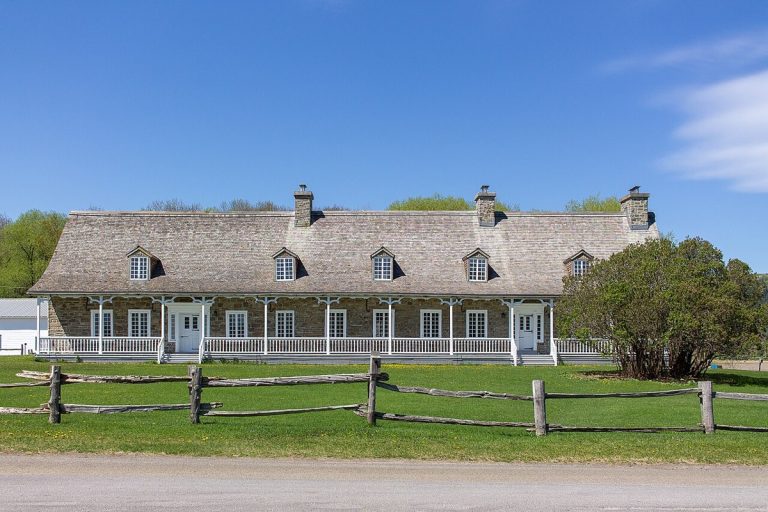
The front of La Petite-Ferme at Cap Tourmente, Quebec, photographed in 2022.
CA-K364History

La Petite-Ferme du cap Tourmente, Champlain’s farm

La Petite-Ferme at Cap Tourmente, Quebec, in an area with an Indigenous presence going back more than 2,000 years, began as a livestock farm built for Samuel de Champlain in 1626 to help feed the young settlement of Québec. It was the first livestock farm in the St. Lawrence Valley; bought by Bishop Laval in 1664, it was run by the Séminaire de Québec for 300 years.

Factual accuracy review: No recorded challenge

Contributor: Citizen.ca

Verified against cited sourcesVerified on 2026-10-26↗
Photo: Judith Bourque · Photo licence: CC BY-SA 2.0 · Credit & context