An independent Canadian knowledge project

Focused and Verified

Canadian knowledge base

Search by keyword

Choose one keyword, or combine two. Broader keywords include their descendants.

Keywords: Industry and commerce

Clear search
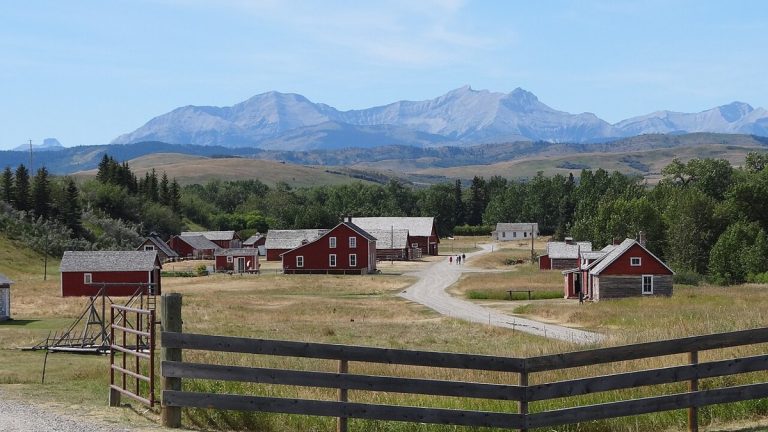
The Bar U Ranch National Historic Site, Alberta, seen from the interpretive centre in 2011.
CA-K336Economy & trade

The Bar U Ranch and Alberta ranching

The Bar U Ranch in the Alberta foothills was established in 1882 under the federal grazing lease policy and played an important role in Canada’s ranching industry. Owned in turn by the North-West Cattle Company, cattleman George Lane and Patrick Burns, the historic ranch represents Alberta ranching from 1880 to 1950.

Factual accuracy review: No recorded challenge

Contributor: Citizen.ca

Verified against cited sourcesVerified on 2026-10-26↗
Photo: David Mathew · Photo licence: CC BY-SA 3.0 · Credit & context
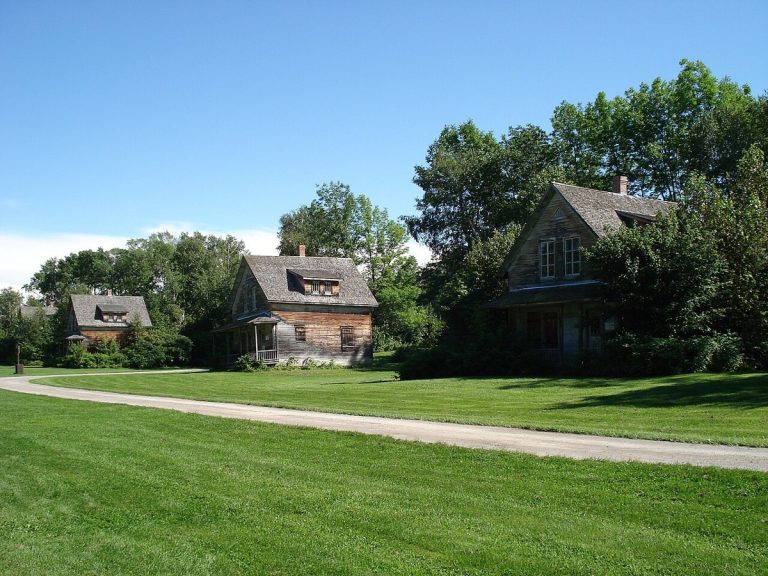
Houses in the ghost town of Val-Jalbert, Quebec, photographed in 2008.
CA-K319Economy & trade

Val-Jalbert, a pulp and paper company town

Val-Jalbert, near Lac Saint-Jean in Quebec, was founded in 1901 around a pulp and paper mill. The mill’s closure in 1927 led to the village’s gradual abandonment. Its mill, institutional buildings and wooden workers’ houses were conserved and developed as an open-air museum in the early 1960s, reflecting growing interest in heritage preservation.

Factual accuracy review: No recorded challenge

Contributor: Citizen.ca

Verified against cited sourcesVerified on 2026-10-26↗
Photo: Mathieu BROSSAIS · Photo licence: CC BY 4.0 · Credit & context
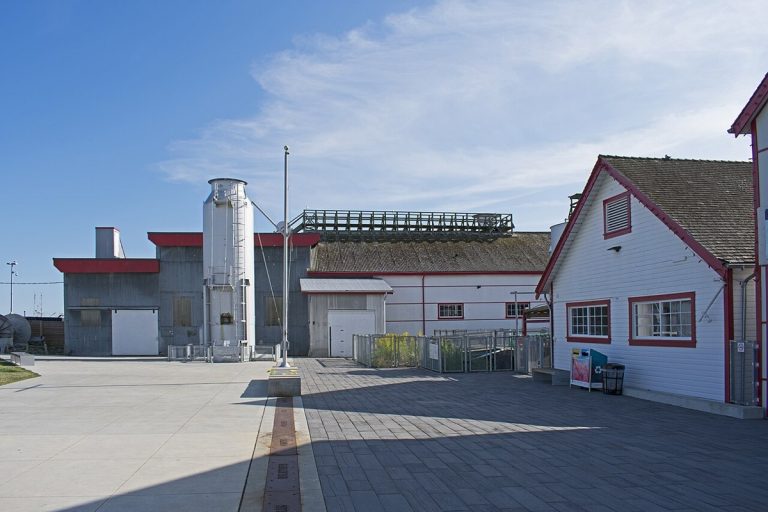
The Gulf of Georgia Cannery in Steveston, Richmond, British Columbia, photographed in 2019.
CA-K318Economy & trade

The Gulf of Georgia Cannery, Steveston

The Gulf of Georgia Cannery, a large complex of wooden fish-processing and canning buildings on a wharf at the mouth of the Fraser River in Steveston, British Columbia, recalls the West Coast fishing industry from the 1870s on. Its buildings, built and modified between 1894 and 1964, stand in what was historically the most important fishing village on the West Coast.

Factual accuracy review: No recorded challenge

Contributor: Citizen.ca

Verified against cited sourcesVerified on 2026-10-26↗
Photo: Ymblanter · Photo licence: CC BY-SA 4.0 · Credit & context
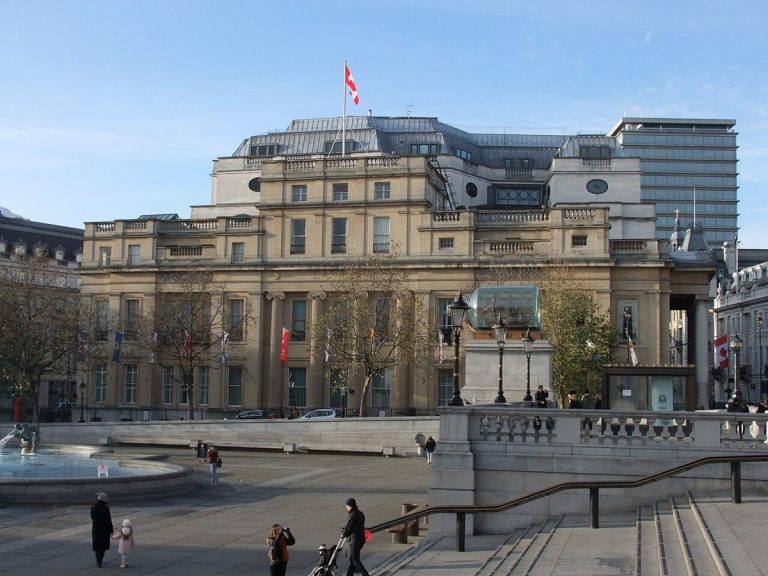
Canada House on Trafalgar Square, London, photographed in 2010.
CA-K283Institutions

Canada’s High Commission in London, 1880

In 1880, Canada became the first country of the British Empire to establish a high commission in London, mainly to promote trade and immigration, with former finance minister Sir Alexander Galt as the first high commissioner. Canada’s oldest diplomatic posting moved in 1925 to Canada House on Trafalgar Square, now a symbol of Canada in the British capital.

Factual accuracy review: No recorded challenge

Contributor: Citizen.ca

Verified against cited sourcesVerified on 2026-10-26↗
Photo: PAUL FARMER · Photo licence: CC BY-SA 2.0 · Credit & context
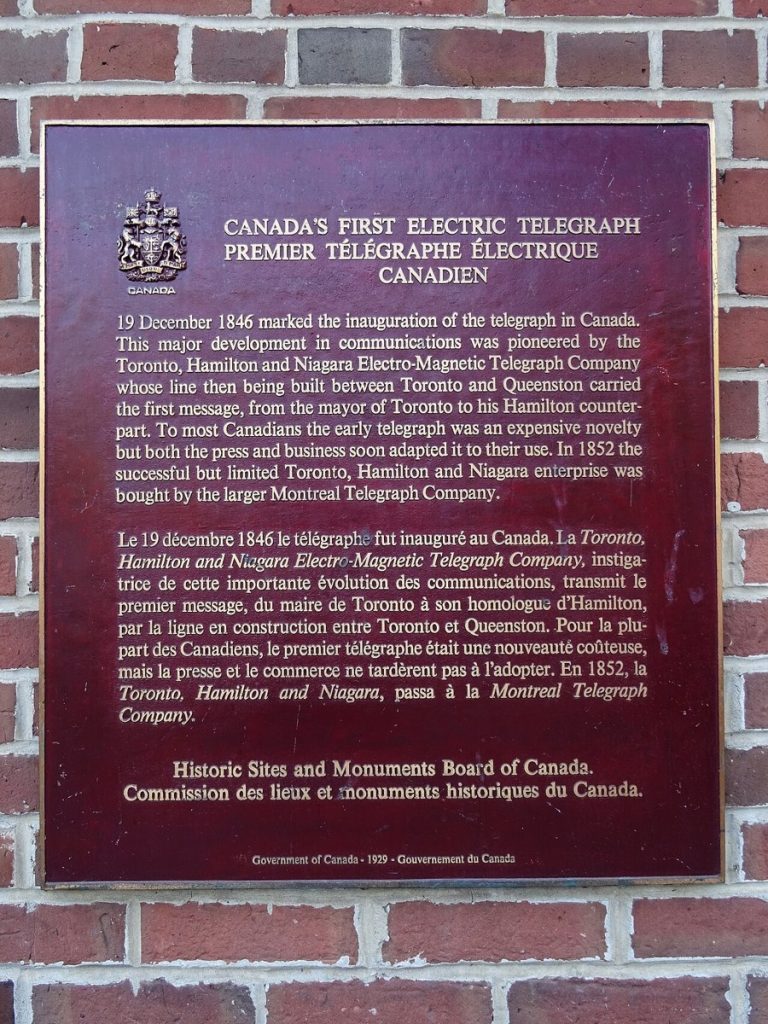
The Historic Sites and Monuments Board plaque for Canada’s First Electric Telegraph in Toronto, photographed in 2018.
CA-K270Economy & trade

Canada’s first electric telegraph, 1846

The telegraph was inaugurated in Canada on 19 December 1846, when the Toronto, Hamilton and Niagara Electro-Magnetic Telegraph Company’s line carried the first message, from the mayor of Toronto to the mayor of Hamilton. At first an expensive novelty, the telegraph was soon adopted by the press and business.

Factual accuracy review: No recorded challenge

Contributor: Citizen.ca

Verified against cited sourcesVerified on 2026-10-26↗
Photo: Spudgun67 · Photo licence: CC BY-SA 4.0 · Credit & context
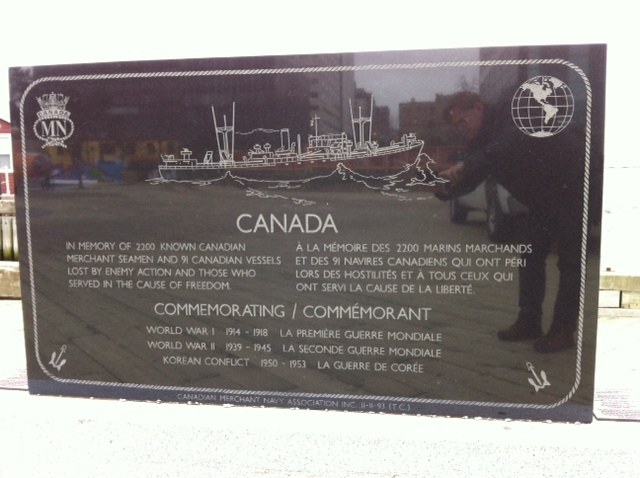
The Merchant Marine Monument at Sackville Landing, Halifax, photographed in 2013.
CA-K245History

The Canadian Merchant Navy in the Second World War

In the Second World War, the Canadian Merchant Navy contributed decisively to Allied victory by carrying troops and supplies to war zones around the world. Merchant mariners, men and women, faced the constant threat of enemy attack as well as the dangers of the open sea, and many lost their lives.

Factual accuracy review: No recorded challenge

Contributor: Citizen.ca

Verified against cited sourcesVerified on 2026-10-26↗
Photo: Hantsheroes · Photo licence: CC BY-SA 3.0 · Credit & context
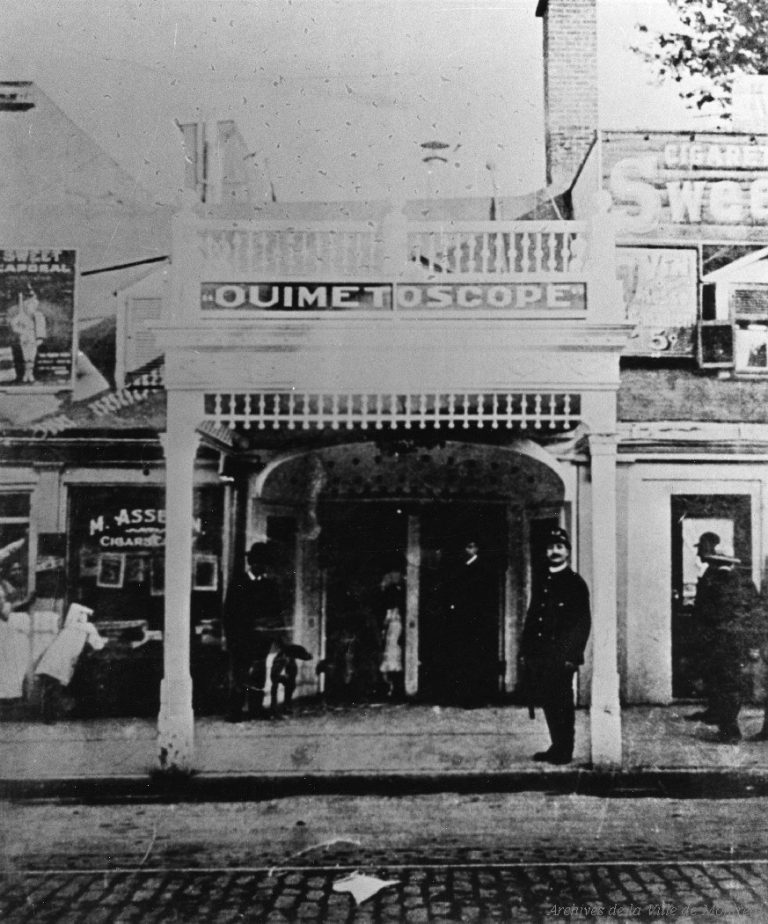
The first Ouimetoscope hall in Montréal, 1906 (Cinémathèque québécoise).
CA-K226Culture & sport

Léo-Ernest Ouimet and the Ouimetoscope

Léo-Ernest Ouimet (1877–1972) helped lay the foundations of the Canadian film industry. He founded what is considered Canada’s first film distribution company, opened the luxurious Ouimetoscope in Montréal in 1907, one of the first large theatres built for motion pictures, and produced some of the earliest Canadian newsreels.

Factual accuracy review: No recorded challenge

Contributor: Citizen.ca

Verified against cited sourcesVerified on 2026-10-26↗
Photo: Léon H. Bélanger · Photo licence: Public domain · Credit & context
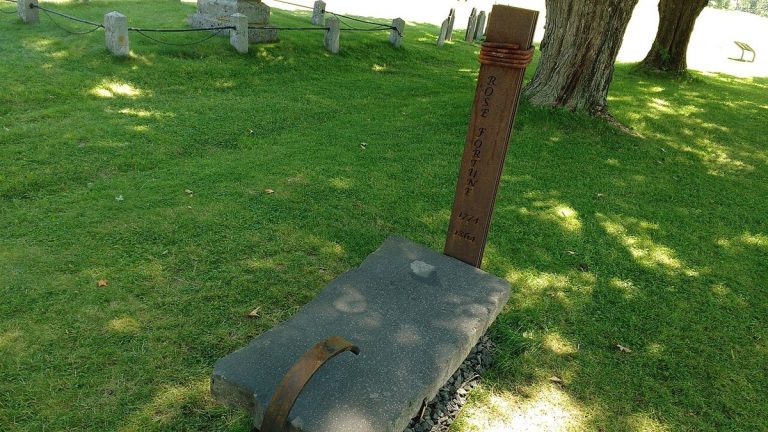
The grave marker for Rose Fortune in the garrison cemetery at Annapolis Royal, Nova Scotia, photographed in 2017.
CA-K220History

Rose Fortune of Annapolis Royal

Rose Fortune (c. 1774–1864) and her parents, formerly enslaved in Virginia, were among more than 3,000 Black Loyalists resettled in Nova Scotia in 1783–1784. In Annapolis Royal she later ran a successful baggage-carting business and earned respect by informally policing the waterfront, and her story is a long-standing source of pride for African Nova Scotians.

Factual accuracy review: No recorded challenge

Contributor: Citizen.ca

Verified against cited sourcesVerified on 2026-10-26↗
Photo: Dan Conlin · Photo licence: CC BY 4.0 · Credit & context
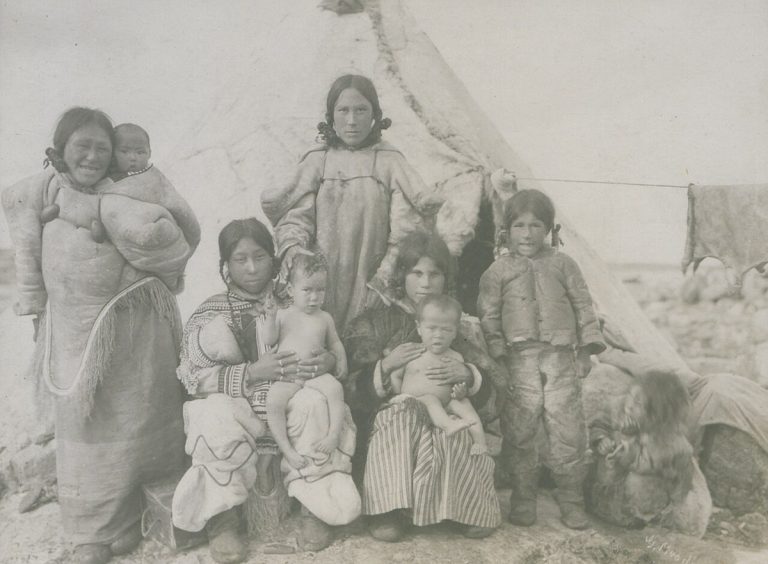
Inuit women and children at Fullerton (Qatiktalik), Nunavut, photographed by Geraldine Moodie in 1906.
CA-K209Culture & sport

Geraldine Moodie, photographer of the North-West and North

Geraldine Moodie (1854–1945), an entrepreneur in a male-dominated field, owned and operated at least three commercial photography studios. As the wife of a North-West Mounted Police officer she had unprecedented access to Indigenous communities, and her photographs are valued historical records of First Nations and Inuit lifeways around 1900.

Factual accuracy review: No recorded challenge

Contributor: Citizen.ca

Verified against cited sourcesVerified on 2026-10-26↗
Photo: Geraldine Moodie · Photo licence: Public domain · Credit & context
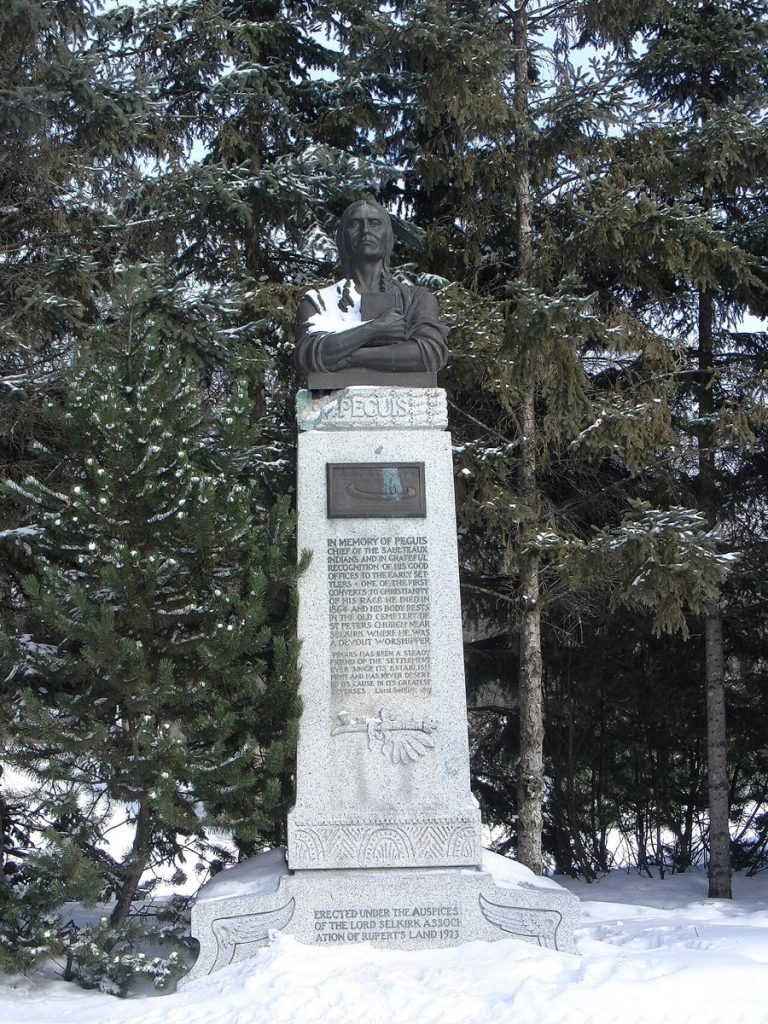
The Peguis monument in Kildonan Park, Winnipeg, erected in 1923, photographed in 2011.
CA-K176Indigenous peoples & reconciliation

Chief Peguis and the Selkirk Treaty of 1817

Chief Peguis (1774–1864), a skilled hunter and diplomat, worked to protect the rights and interests of the Anishinaabeg of Red River and stepped in to save lives when fur trade hostilities threatened the Selkirk Settlement. He was one of five First Nations negotiators of the Selkirk Treaty of 1817, the first agreement permitting limited farmland access to settlers in western Canada.

Factual accuracy review: No recorded challenge

Contributor: Citizen.ca

Verified against cited sourcesVerified on 2026-10-26↗
Photo: Wtshymanski · Photo licence: CC BY-SA 3.0 · Credit & context
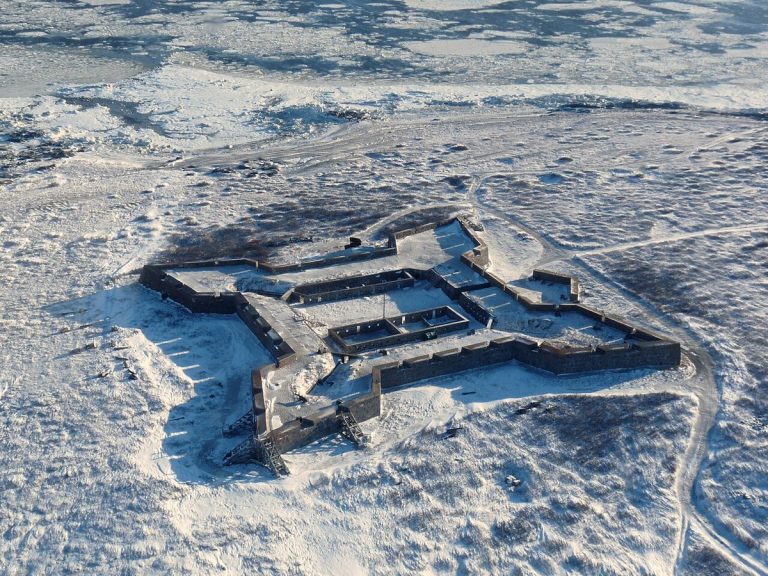
Prince of Wales Fort at the mouth of the Churchill River, Manitoba, in 2012; a later Hudson’s Bay Company fort, not the 1717 post.
CA-K141Indigenous peoples & reconciliation

Thanadelthur, Dene interpreter and peacemaker

Thanadelthur, a young Dene woman and skilled interpreter, guided a Hudson’s Bay Company expedition from York Factory into Dene territory in 1715–1716. Her diplomacy brought peace between the Dene and the Cree and opened direct trade, leading to a post at the Churchill River in 1717; her story is honoured in Dene oral tradition.

Factual accuracy review: No recorded challenge

Contributor: Citizen.ca

Verified against cited sourcesVerified on 2026-10-26↗
Photo: Peterfitzgerald · Photo licence: CC BY-SA 3.0 · Credit & context
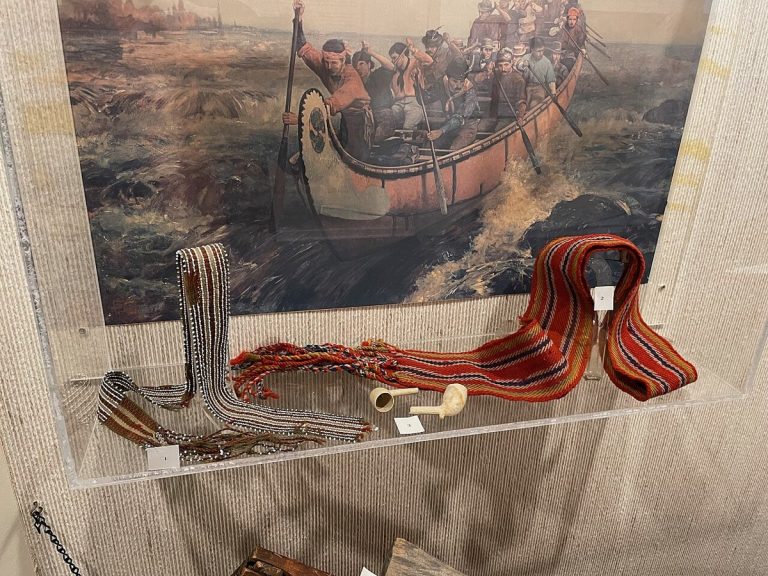
A beaded Métis sash and a ceinture fléchée (woven sash) on display at a museum in Sault Ste. Marie, Ontario, in 2024.
CA-K123Indigenous peoples & reconciliation

The Métis Nation emerged in the historic Northwest

The Métis Nation emerged in the historic Northwest during the fur trade as a distinct Indigenous people with its own culture, traditions, language (Michif) and nationhood. The Métis Nation Homeland includes Manitoba, Saskatchewan and Alberta and parts of Ontario, British Columbia, the Northwest Territories and the northern United States.

Factual accuracy review: No recorded challenge

Contributor: Citizen.ca

Verified against cited sourcesVerified on 2026-10-26↗
Photo: Fungus Guy · Photo licence: CC BY 4.0 · Credit & context
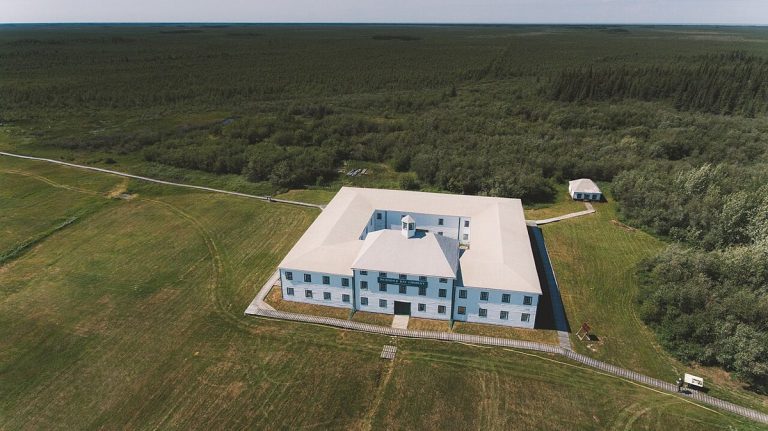
York Factory, Manitoba, photographed in 2017.
CA-K105Economy & trade

York Factory, a fur trade hub for over 250 years

York Factory, a Hudson’s Bay Company depot on Hudson Bay in Manitoba, was a vital fur trade hub for more than 250 years. It served as the gateway to the vast interior for British trade goods, settlers and soldiers, and lies on Treaty 5 territory.

Factual accuracy review: No recorded challenge

Contributor: Citizen.ca

Verified against cited sourcesVerified on 2026-10-26↗
Photo: Travel Manitoba · Photo licence: CC BY 2.0 · Credit & context