An independent Canadian knowledge project

Focused and Verified

Canadian knowledge base

Search by keyword

Choose one keyword, or combine two. Broader keywords include their descendants.

Keywords: 1900–1999

Clear search
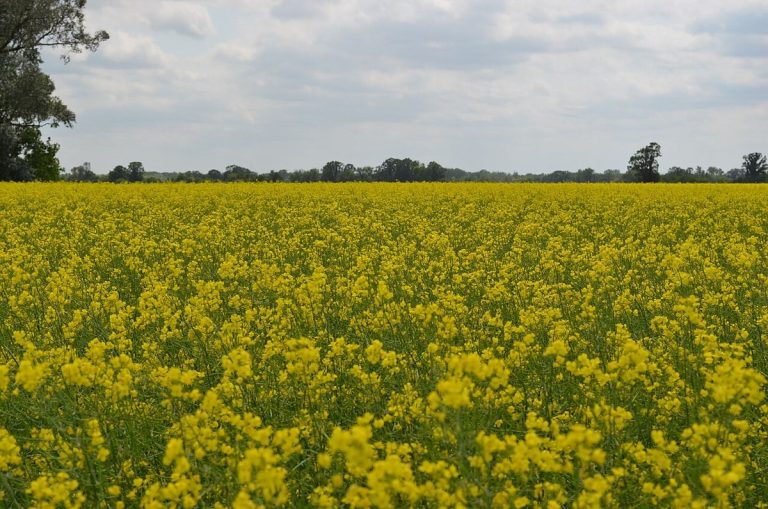
A canola field in Manitoba.
CA-K1578History

Canola, “Canadian oil”

Canadian plant breeders turned rapeseed into an edible oil crop. In 1974 the first agronomically viable variety low in erucic acid and glucosinolates was released in Canada, and in 1978 the name “canola,” from “Canadian oil,” was adopted for these varieties.

Factual accuracy review: No recorded challenge

Contributor: Citizen.ca

Verified against cited sourcesVerified on 2026-10-27↗
Photo: Ethan Sahagun · Photo licence: CC BY-SA 3.0 · Credit & context
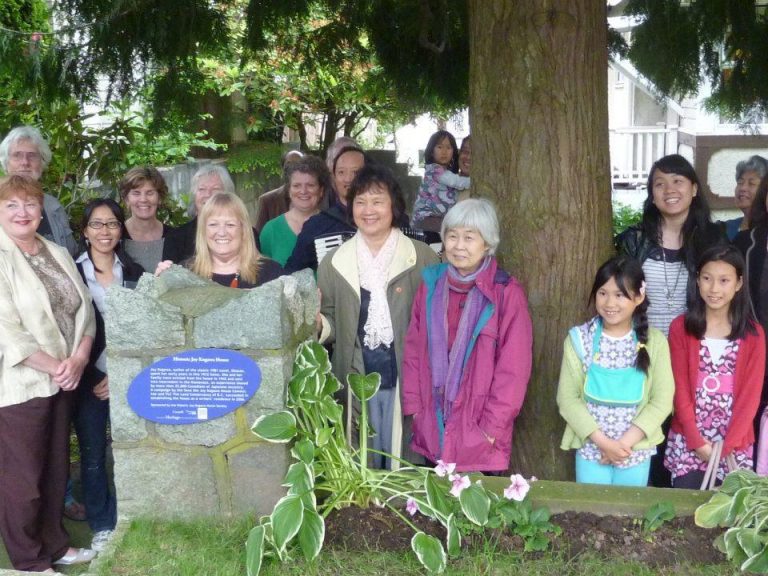
James Till in 2018.
CA-K1577History

James Till, Ernest McCulloch and the discovery of stem cells

In 1961 James Till and Ernest McCulloch, scientists at the Ontario Cancer Institute in Toronto, reported cautious findings they called “spleen colony-forming units.” In later years they and their collaborators established that these were stem cells and explained their properties, setting the stage for all later stem-cell research.

Factual accuracy review: No recorded challenge

Contributor: Citizen.ca

Verified against cited sourcesVerified on 2026-10-27↗
Photo: Nichefinder · Photo licence: CC BY-SA 4.0 · Credit & context


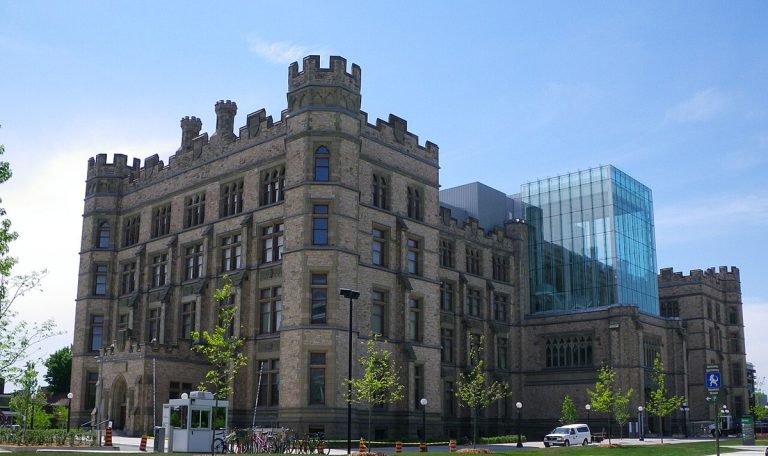
Pointe-à-la-Renommée, Quebec.
CA-K1565History

The maritime wireless telegraph system, 1904

In 1904 the Marconi Wireless Telegraph Company opened its first Canadian marine station at Pointe-à-la-Renommée, Quebec, one of six stations that began radio communication between ships at sea and the coast. The network grew into an indispensable navigation aid, and the federal government began regulating the airwaves as early as 1905.

Factual accuracy review: No recorded challenge

Contributor: Citizen.ca

Verified against cited sourcesVerified on 2026-10-27↗
Photo: Hayden Soloviev · Photo licence: CC BY 4.0 · Credit & context