An independent Canadian knowledge project

Focused and Verified

Canadian knowledge base

Search by keyword

Choose one keyword, or combine two. Broader keywords include their descendants.

Keywords: Record types

Clear search
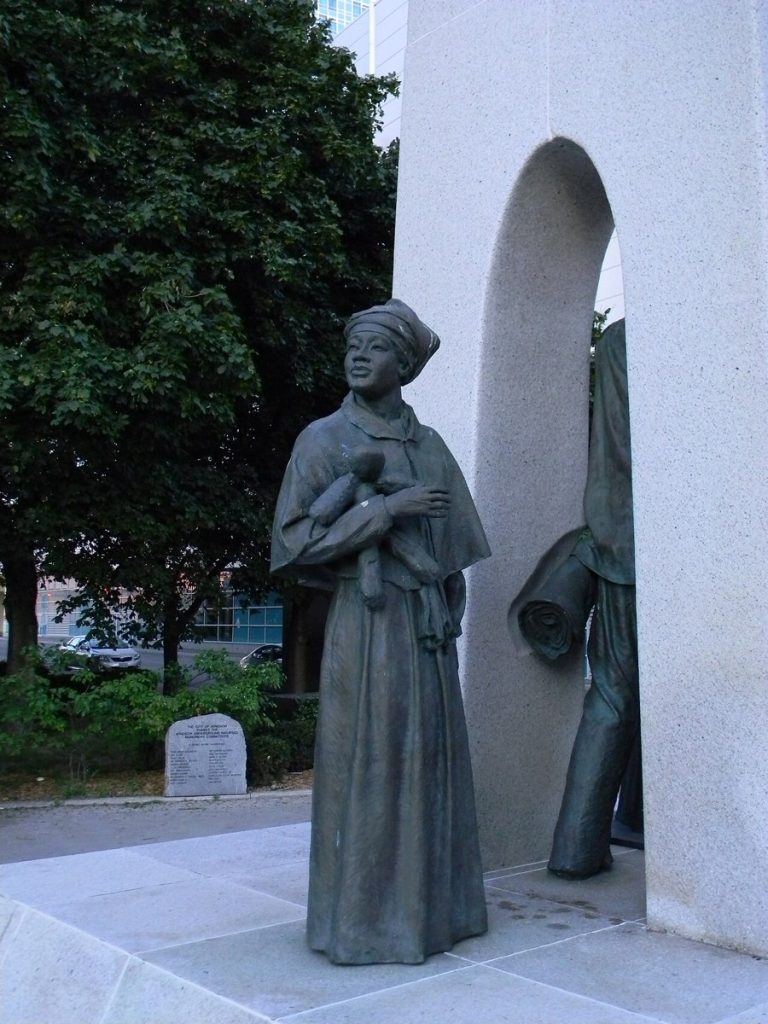
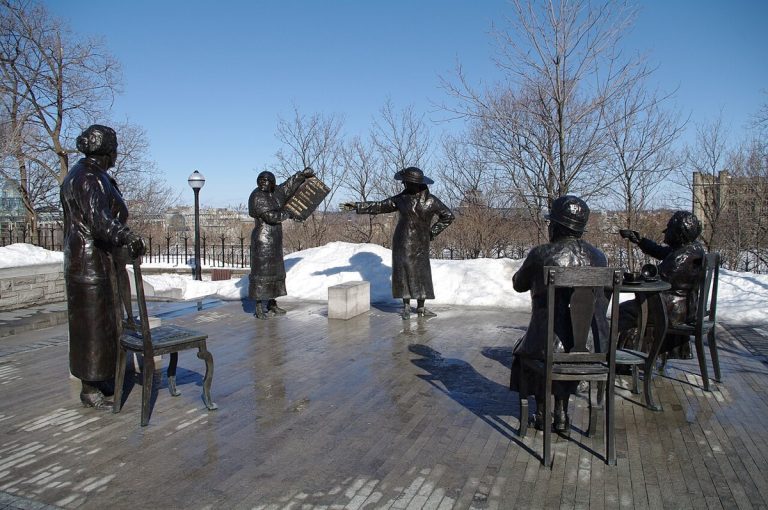
The “Women Are Persons!” monument on Parliament Hill, Ottawa, honouring the five women; a modern sculpture photographed in 2009, not a historical image.
CA-K077History

The Persons Case: 18 October 1929

On 18 October 1929, the Judicial Committee of the Privy Council ruled that women were “persons” under section 24 of the British North America Act, 1867, and therefore eligible for appointment to the Senate. The appeal followed a 1928 Supreme Court of Canada decision and a campaign by five Alberta women: Emily Murphy, Henrietta Muir Edwards, Louise McKinney, Nellie McClung and Irene Parlby.

Factual accuracy review: No recorded challenge

Contributor: Citizen.ca

Verified against cited sourcesVerified on 2026-10-26↗
Photo: John.B.Codrington · Photo licence: CC BY-SA 4.0 · Credit & context

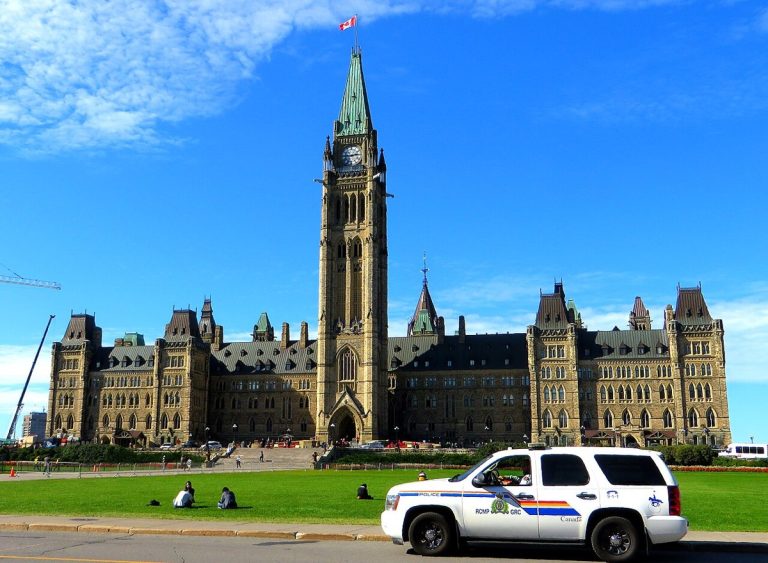
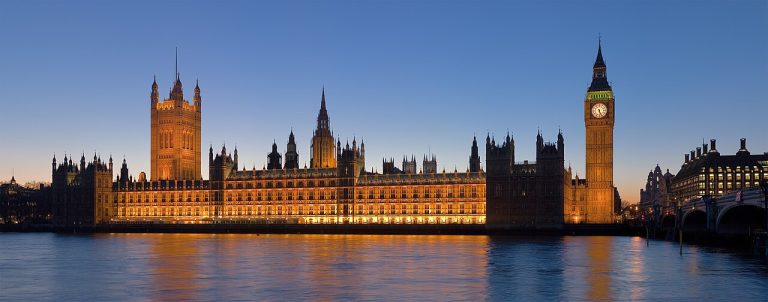
The Centre Block on Parliament Hill, Ottawa, photographed in 2016; a general image of the federal Parliament, not of the Equalization program.
CA-K070Economy & trade

Equalization addresses fiscal disparities among provinces

Equalization is the Government of Canada’s transfer program for addressing fiscal disparities among provinces. It began in 1957, its payments are unconditional, and section 36(2) of the Constitution Act, 1982 commits Parliament and the Government of Canada to the principle of making equalization payments.

Factual accuracy review: No recorded challenge

Contributor: Citizen.ca

Verified against cited sourcesVerified on 2026-10-26↗
Photo: Ken Lund from Reno, Nevada, USA · Photo licence: CC BY-SA 2.0 · Credit & context
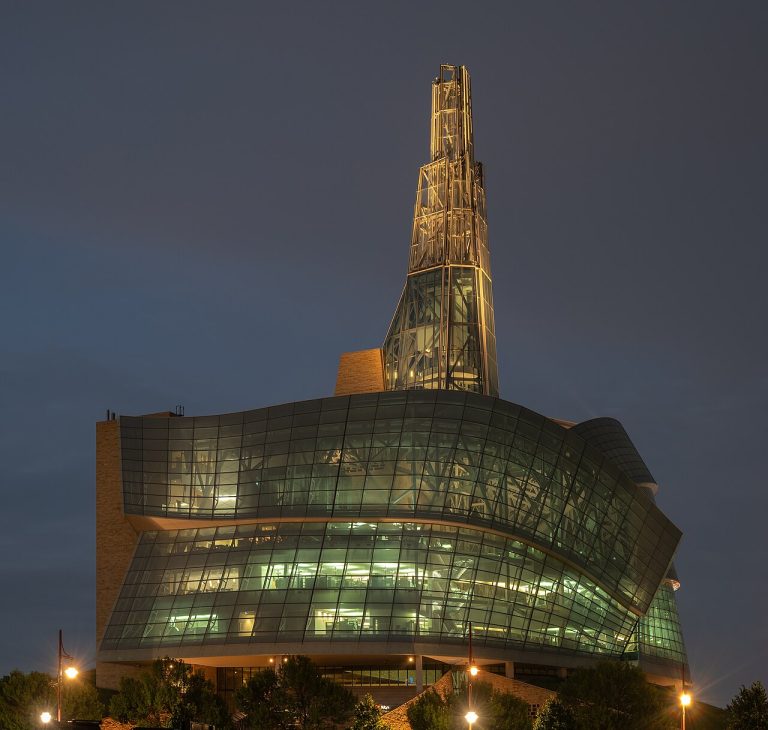
The Canadian Museum for Human Rights in Winnipeg; an illustrative cultural institution, not the text or enactment of the Multiculturalism Act.
CA-K067Language & names

The Canadian Multiculturalism Act recognizes cultural diversity

The Canadian Multiculturalism Act declares a federal policy recognizing cultural and racial diversity and the freedom to preserve, enhance and share cultural heritage. It also promotes full and equitable participation in Canadian society.

Factual accuracy review: No recorded challenge

Contributor: Citizen.ca

Verified against cited sourcesVerified on 2026-10-26↗
Photo: Ethan Sahagun · Photo licence: CC BY 4.0 · Credit & context
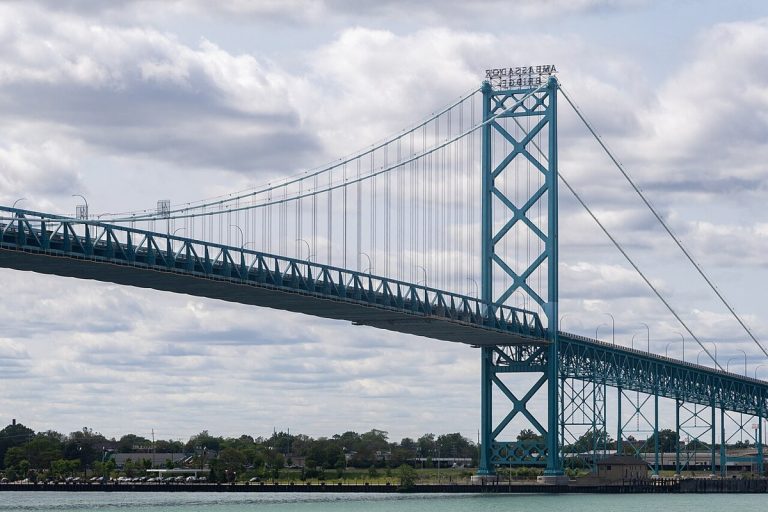
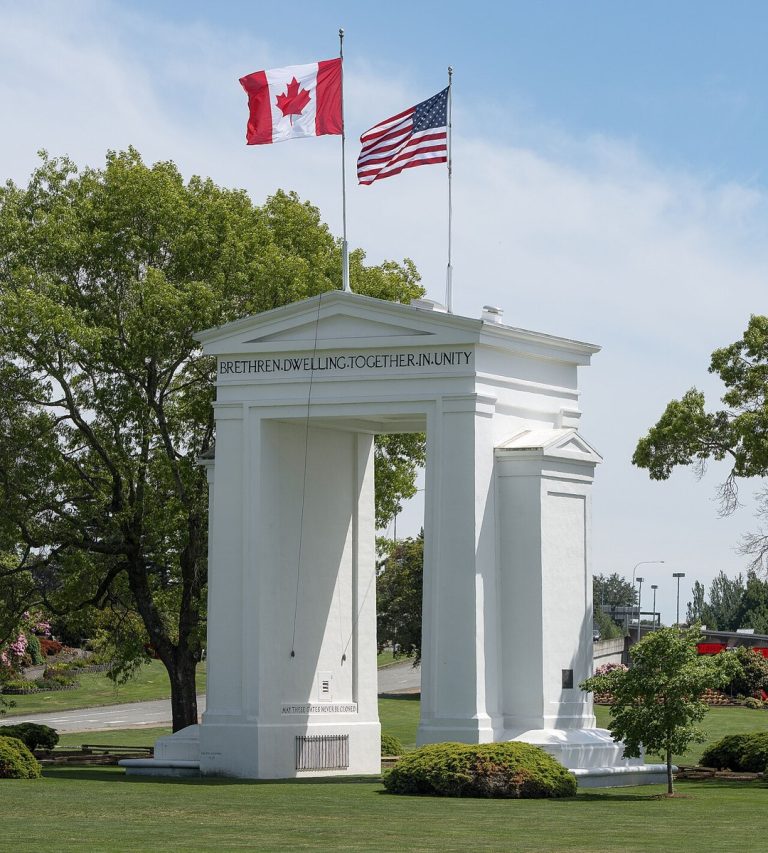
The Underground Railroad monument in Windsor, Ontario, photographed in 2011.
CA-K065History

The Underground Railroad brought freedom-seekers to Canada

From the early 19th century until the American Civil War, settlements along the Detroit and Niagara rivers were important terminals of the Underground Railroad, a network of Black and white abolitionists helping African Americans find freedom. By 1861, some 30,000 freedom-seekers lived in what is now Ontario.

Factual accuracy review: No recorded challenge

Contributor: Citizen.ca

Verified against cited sourcesVerified on 2026-10-26↗
Photo: M. Readey · Photo licence: CC BY-SA 3.0 · Credit & context

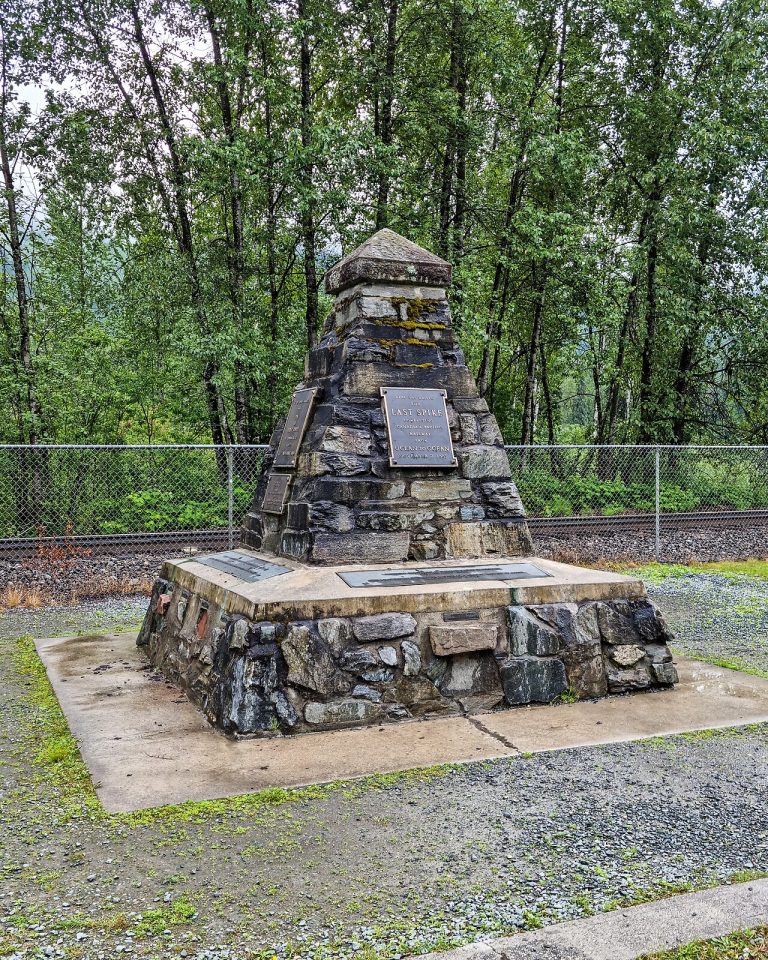
The Last Spike monument at Craigellachie, British Columbia, photographed in 2022; a modern memorial, not the famous 1885 group photograph.
CA-K054Economy & trade

The CPR’s last spike was driven in 1885

The Canadian Pacific Railway’s ceremonial last spike was driven at Craigellachie, British Columbia, on 7 November 1885. Chinese workers made important contributions to the railway’s construction but are absent from the famous last-spike photograph.

Factual accuracy review: No recorded challenge

Contributor: Citizen.ca

Verified against cited sourcesVerified on 2026-10-26↗
Photo: Dietmar Rabich · Photo licence: CC BY-SA 4.0 · Credit & context