An independent Canadian knowledge project

Focused and Verified

Canadian knowledge base

Search by keyword

Choose one keyword, or combine two. Broader keywords include their descendants.

Keywords: Public leadership

Clear search
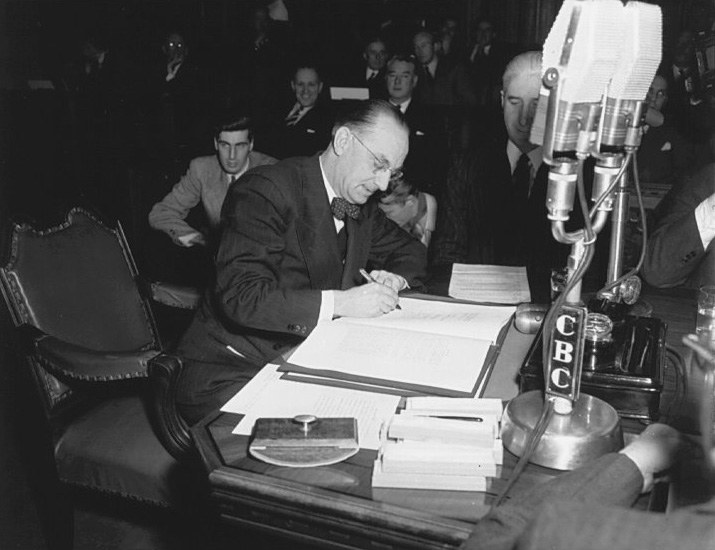
Joey Smallwood signing the agreement admitting Newfoundland into Confederation, Ottawa, December 1948 (National Film Board).
CA-K563History

Joey Smallwood, Newfoundland’s Father of Confederation

Joseph “Joey” Smallwood, born at Gambo and a journalist, labour organizer and broadcaster, played a decisive role in bringing Newfoundland into Confederation in 1949. He became a passionate advocate of union from 1946, helped negotiate the terms and dominated the referendum campaigns, then served as premier from 1949 to 1972.

Factual accuracy review: No recorded challenge

Contributor: Citizen.ca

Verified against cited sourcesVerified on 2026-10-26↗
Photo: NFB · Photo licence: Public domain · Credit & context
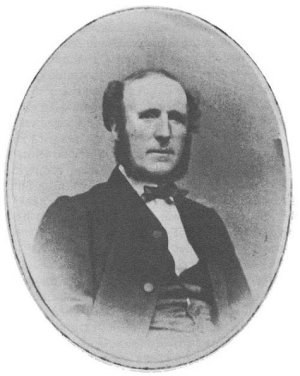
Sir Ambrose Shea (Library and Archives Canada).
CA-K521History

Sir Ambrose Shea, Newfoundland Father of Confederation

Ambrose Shea of St. John’s sat in Newfoundland’s House of Assembly almost continuously from 1848 to 1882. An advocate of union with the other British North American colonies, he was a delegate to the Québec Conference of 1864, though his pro-Confederation coalition was defeated in 1869; his career also included service as Speaker and governor of the Bahamas.

Factual accuracy review: No recorded challenge

Contributor: Citizen.ca

Verified against cited sourcesVerified on 2026-10-26↗
Photo: Unknown photographer; Library and Archives Canada · Photo licence: Public domain · Credit & context
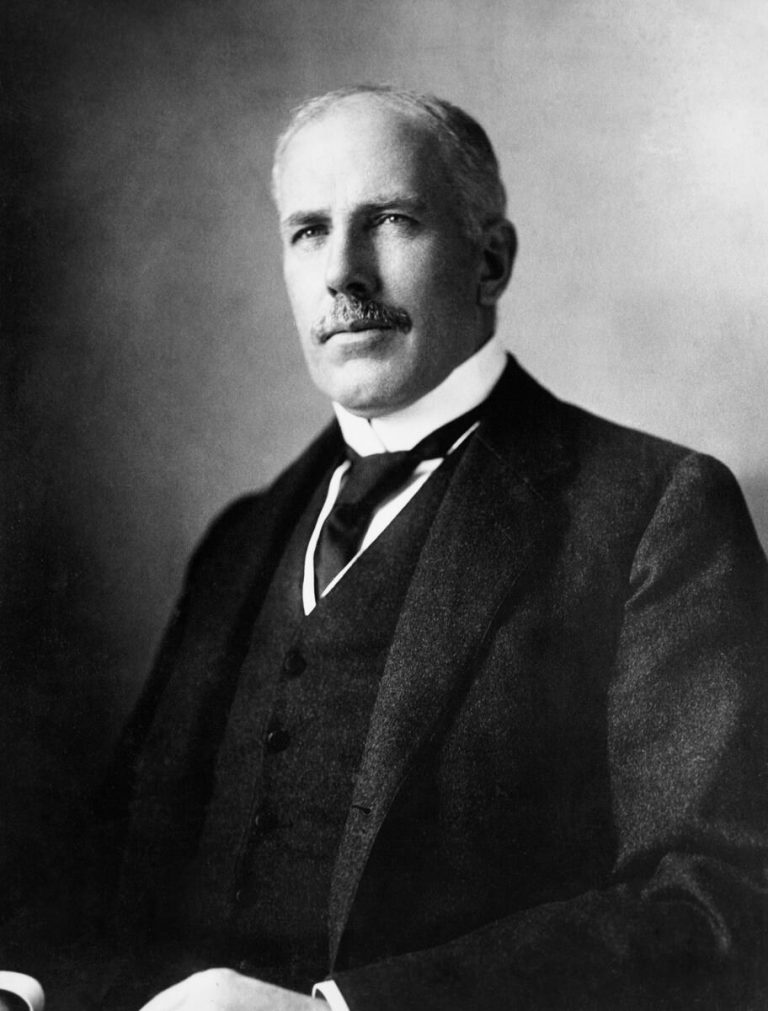
Richard Blanshard, around 1850.
CA-K512Institutions

Richard Blanshard, first governor of Vancouver Island

Richard Blanshard, an English barrister, was appointed first governor of Vancouver Island in 1849 and took office in March 1850. Disappointed by conditions in the colony, where the California gold rush slowed growth, and in poor health, he resigned that November, though slow communications kept him in Victoria until 1851.

Factual accuracy review: No recorded challenge

Contributor: Citizen.ca

Verified against cited sourcesVerified on 2026-10-26↗
Photo: Unknown author · Photo licence: Public domain · Credit & context
Mayor Charles A. Magrath of Lethbridge, Alberta (Glenbow Archives).
CA-K511History

Charles Magrath, surveyor and first mayor of Lethbridge

Charles Alexander Magrath took part in the foundation surveys of the North-West Territories from 1878 to 1885, then joined Sir Alexander Galt’s pioneer enterprises. He was the first mayor of Lethbridge, a territorial legislator and MP for Medicine Hat, and later chaired Ontario Hydro and the Canadian section of the International Joint Commission.

Factual accuracy review: No recorded challenge

Contributor: Citizen.ca

Verified against cited sourcesVerified on 2026-10-26↗
Photo: British and Colonial Photographic Company · Photo licence: Public domain · Credit & context
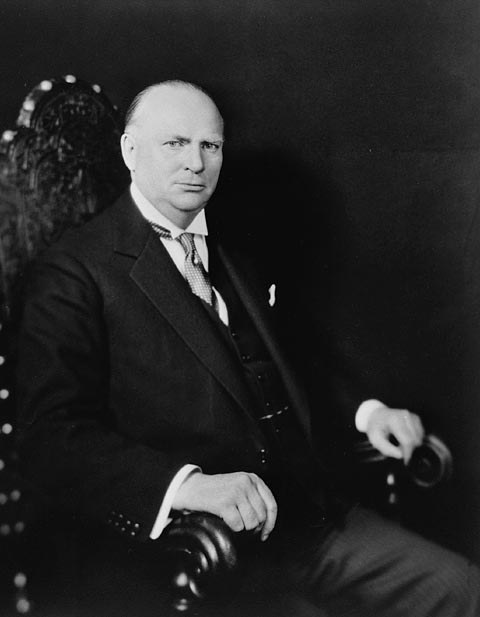
The commemorative plaque to Louis-Guillaume Verrier in Québec City, 2021.
CA-K501Institutions

Louis-Guillaume Verrier and the first law courses in Canada

Louis-Guillaume Verrier, born in France, was attorney general of New France and a member of the Council of Quebec for 30 years from 1728. He founded the first school of law in Canada, and from 1735 many future lawyers took his courses; he also assembled a library of some 4,000 volumes.

Factual accuracy review: No recorded challenge

Contributor: Citizen.ca

Verified against cited sourcesVerified on 2026-10-26↗
Photo: Jeangagnon · Photo licence: CC BY-SA 4.0 · Credit & context
R. B. Bennett, prime minister (Library and Archives Canada).
CA-K499Institutions

R. B. Bennett, prime minister in the Depression

Richard Bedford Bennett, born at Hopewell Hill, New Brunswick, moved to Calgary in 1897 and sat in the North-West Territories and Alberta legislatures before entering the House of Commons in 1911. Conservative leader from 1927, he was prime minister from 1930 to 1935, and his government’s association with the Depression contributed to its defeat.

Factual accuracy review: No recorded challenge

Contributor: Citizen.ca

Verified against cited sourcesVerified on 2026-10-26↗
Photo: Library and Archives Canada / C-008098 · Photo licence: Public domain · Credit & context
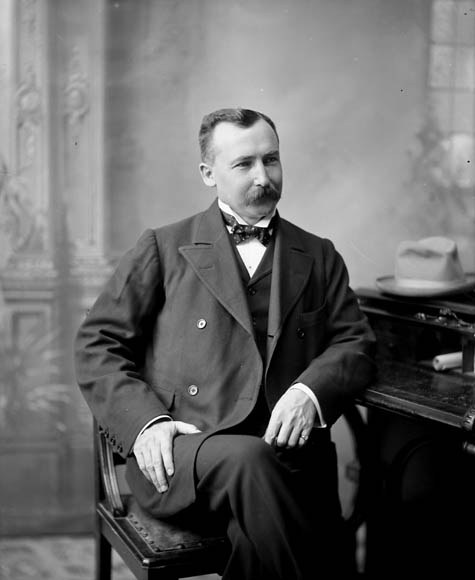
Clifford Sifton, Minister of the Interior, September 1900 (Topley Studio).
CA-K478Institutions

Clifford Sifton and settlement of the Prairies

Clifford Sifton, a lawyer, politician and principal owner of the Manitoba Free Press, was Laurier’s Minister of the Interior from 1896 to 1905. He was chiefly responsible for the plan to populate the Prairies with farmers through immigration, and earlier in the Manitoba cabinet he helped reach the compromise on the schools question.

Factual accuracy review: No recorded challenge

Contributor: Citizen.ca

Verified against cited sourcesVerified on 2026-10-26↗
Photo: William James Topley · Photo licence: Public domain · Credit & context
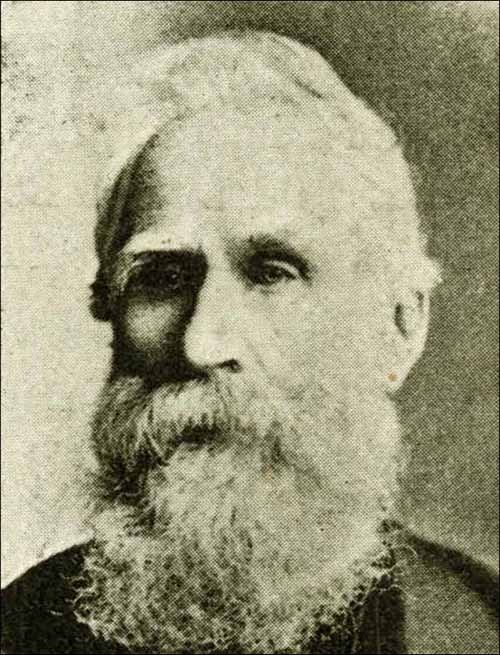
Philip Francis Little, from D. W. Prowse’s History of Newfoundland (1896).
CA-K474Institutions

Philip Francis Little, Newfoundland’s first premier

Philip Francis Little, elected to Newfoundland’s Assembly in 1850, campaigned for responsible government and united the Liberal Party behind it. In 1855 he became the colony’s first premier under responsible government, and he advanced Newfoundland’s interests through the Reciprocity Treaty with the United States.

Factual accuracy review: No recorded challenge

Contributor: Citizen.ca

Verified against cited sourcesVerified on 2026-10-26↗
Photo: Unknown author · Photo licence: Public domain · Credit & context
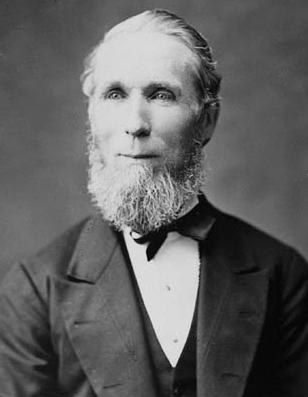
Alexander Mackenzie in March 1878 (Topley Studio).
CA-K467Institutions

Alexander Mackenzie, second prime minister

Alexander Mackenzie came to Canada from Scotland in 1842 and worked as a building contractor in Kingston and Sarnia. Elected for Lambton in 1861 and to the first House of Commons in 1867, he was Canada’s second prime minister from 1873 to 1878 and worked to consolidate the new Dominion.

Factual accuracy review: No recorded challenge

Contributor: Citizen.ca

Verified against cited sourcesVerified on 2026-10-26↗
Photo: William James Topley · Photo licence: Public domain · Credit & context
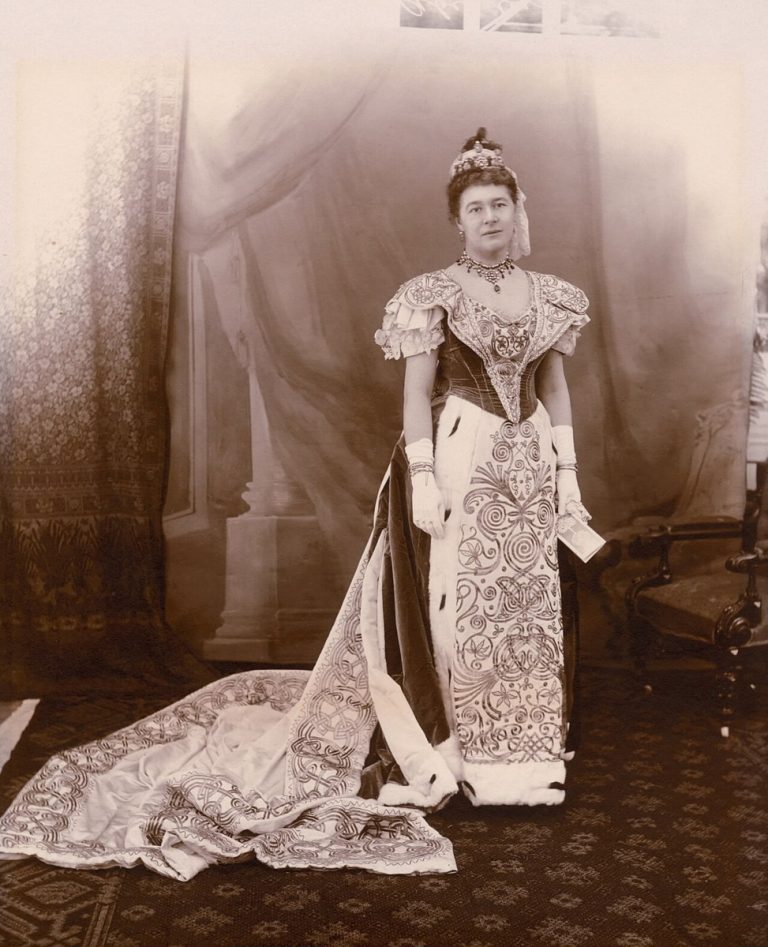
Portrait of Lady Aberdeen (Toronto Public Library).
CA-K447Institutions

Lady Aberdeen, the National Council of Women and the VON

Lady Aberdeen (Ishbel Maria Marjoribanks), wife of Governor General Lord Aberdeen (1893–1898), devoted her life to social causes. In Canada she founded the National Council of Women, helped establish the Victorian Order of Nurses and led the Aberdeen Association, which sent reading material to settlers; she also served for years as president of the International Council of Women.

Factual accuracy review: No recorded challenge

Contributor: Citizen.ca

Verified against cited sourcesVerified on 2026-10-26↗
Photo: Special Collections Toronto Public Library from Toronto, Canada · Photo licence: CC BY-SA 2.0 · Credit & context
Portrait of Crowfoot, head chief of the Siksika, around 1885.
CA-K409Indigenous peoples & reconciliation

Isapo-Muxika (Crowfoot), Siksika peacemaker

Isapo-Muxika (Crowfoot), born Kainai and raised among the Siksika (Blackfoot), became a leading chief known as a warrior, orator and peacemaker. Convinced that peace served his people best, he made peace with the Plains Cree, adopting Poundmaker as his son, and persuaded the Siksika to sign Treaty 7 in 1877.

Factual accuracy review: No recorded challenge

Contributor: Citizen.ca

Verified against cited sourcesVerified on 2026-10-26↗
Photo: Alex Ross · Photo licence: Public domain · Credit & context
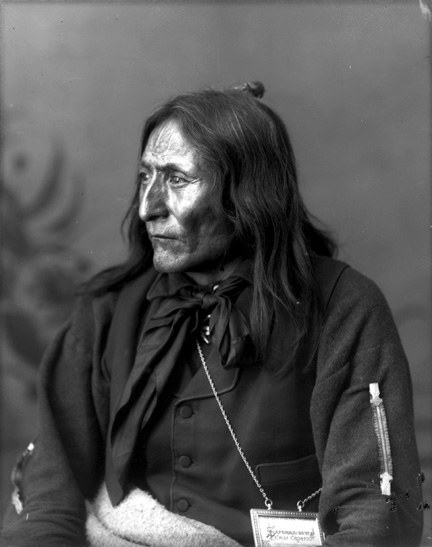
Red Crow in 1895.
CA-K405Indigenous peoples & reconciliation

Red Crow, head chief of the Kainai

Red Crow, warrior and statesman, became a head chief of the Kainai (Blood) in 1870. After first boycotting the negotiations, he signed Treaty 7 in 1877 on behalf of his people and chose the site of the Blood Reserve, the largest in Canada; his leadership helped the Kainai keep their proud and independent spirit.

Factual accuracy review: No recorded challenge

Contributor: Citizen.ca

Verified against cited sourcesVerified on 2026-10-26↗
Photo: Unknown author · Photo licence: Public domain · Credit & context
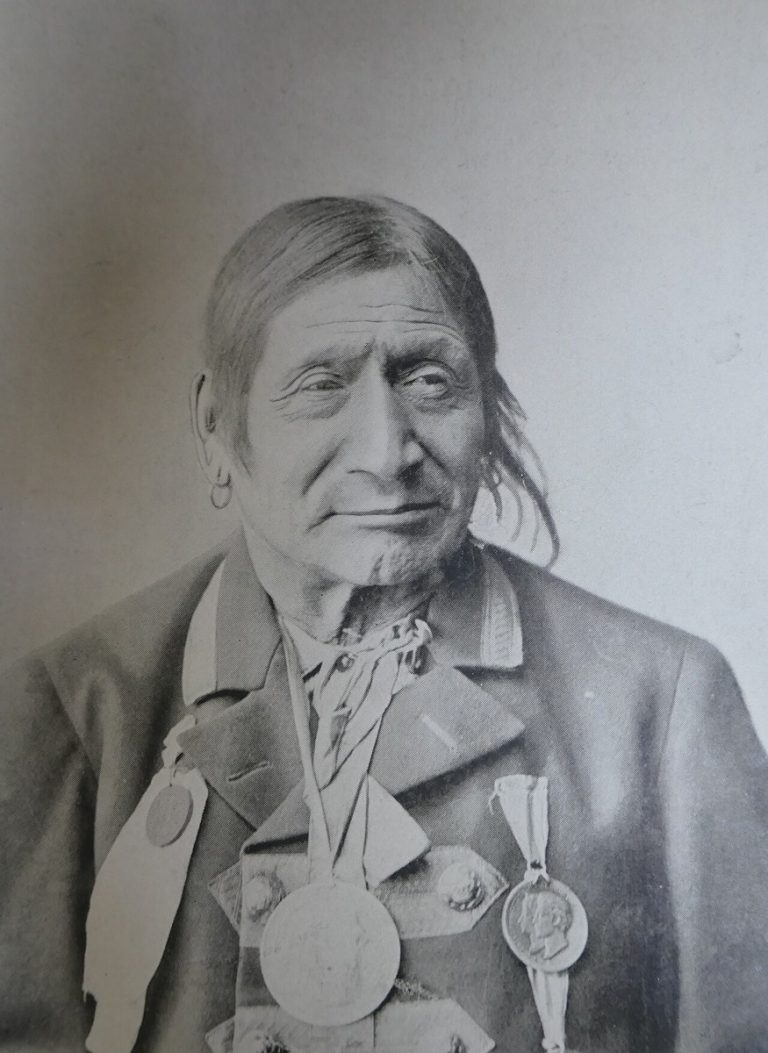
Lieutenant-Governor Edgar Dewdney, April 1883 (Topley Studio).
CA-K400Indigenous peoples & reconciliation

Edgar Dewdney and Indigenous policy on the Prairies

As Indian Commissioner (1879–1888) and Lieutenant-Governor of the North-West Territories, Edgar Dewdney withheld rations from starving First Nations until they settled on government-selected reserves, causing malnutrition, disease and death. After 1885 he helped impose the extralegal pass system and helped shape the residential school system, with devastating consequences for Indigenous children, families and communities.

Factual accuracy review: No recorded challenge

Contributor: Citizen.ca

Verified against cited sourcesVerified on 2026-10-26↗
Photo: Topley Studio / Library and Archives Canada / PA-027070 · Photo licence: Public domain · Credit & context
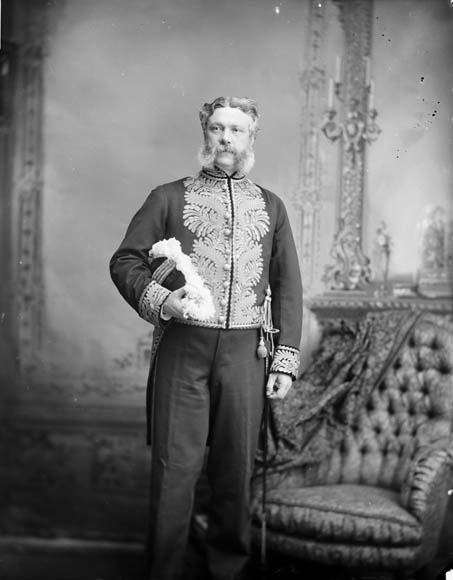
Hector-Louis Langevin in Montréal, 1865 (William Notman).
CA-K399Institutions

Sir Hector-Louis Langevin, Confederation and residential schools

Sir Hector-Louis Langevin, a Father of Confederation, attended all three conferences leading to 1867, helped draft the 72 Resolutions and led the Quebec Conservatives for nearly two decades. As Minister of Public Works, he called in 1883 for Indigenous children to be removed from their homes for assimilation and announced three industrial schools in the Northwest, part of the residential school system’s devastating expansion.

Factual accuracy review: No recorded challenge

Contributor: Citizen.ca

Verified against cited sourcesVerified on 2026-10-26↗
Photo: William Notman · Photo licence: Public domain · Credit & context
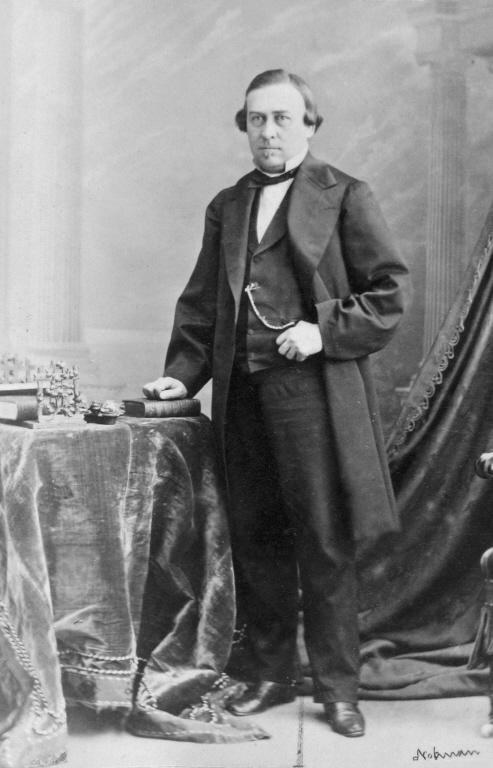
Alexander Morris in Ottawa, December 1869 (Topley Studio).
CA-K386Indigenous peoples & reconciliation

Alexander Morris and the Numbered Treaties

Alexander Morris, a supporter of Confederation and lieutenant-governor of Manitoba and the North-West Territories, negotiated Treaties 3, 4, 5 and 6 with First Nations from 1873 to 1876. First Nations sought a reciprocal relationship that safeguarded their autonomy, while Canada’s main goal was territorial expansion for settlers; Morris pressed the government to keep its spoken promises.

Factual accuracy review: No recorded challenge

Contributor: Citizen.ca

Verified against cited sourcesVerified on 2026-10-26↗
Photo: William James Topley · Photo licence: Public domain · Credit & context
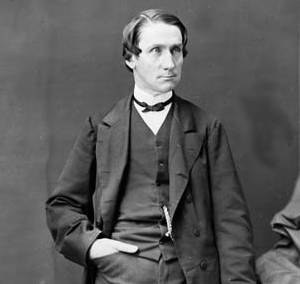
A portrait of Sir Adams George Archibald.
CA-K275Indigenous peoples & reconciliation

Adams Archibald, Métis land rights and Treaties 1 and 2

Adams George Archibald (1814–1892), first lieutenant-governor of Manitoba and the North-West Territories (1870–1872), was charged with administering the Manitoba Act’s guarantee of Métis land rights, which proved difficult amid settler encroachment and while Canadian militia subjected Métis people to a “reign of terror.” In 1871 he represented the Crown in negotiating Treaties 1 and 2, but several promises he made were not written into the treaties.

Factual accuracy review: No recorded challenge

Contributor: Citizen.ca

Verified against cited sourcesVerified on 2026-10-26↗
Photo: User Magnus Manske on en.wikipedia · Photo licence: Public domain · Credit & context
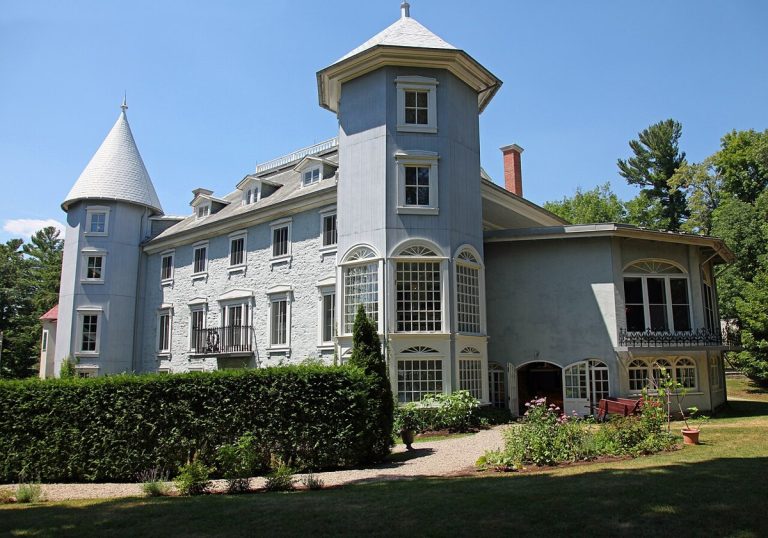
The Manoir-Papineau in Montebello, Quebec, photographed in 2018.
CA-K258History

Louis-Joseph Papineau, leader of the Patriotes

Louis-Joseph Papineau (1786–1871) strove to reform Lower Canada’s political institutions and strengthen democracy. As Speaker of the House of Assembly and leader of the Parti canadien, later the Parti patriote, he became the leading political figure of the 1837–1838 uprisings; in 1850 he settled at his manor in Montebello.

Factual accuracy review: No recorded challenge

Contributor: Citizen.ca

Verified against cited sourcesVerified on 2026-10-26↗
Photo: Marc-Lautenbacher · Photo licence: CC BY-SA 4.0 · Credit & context
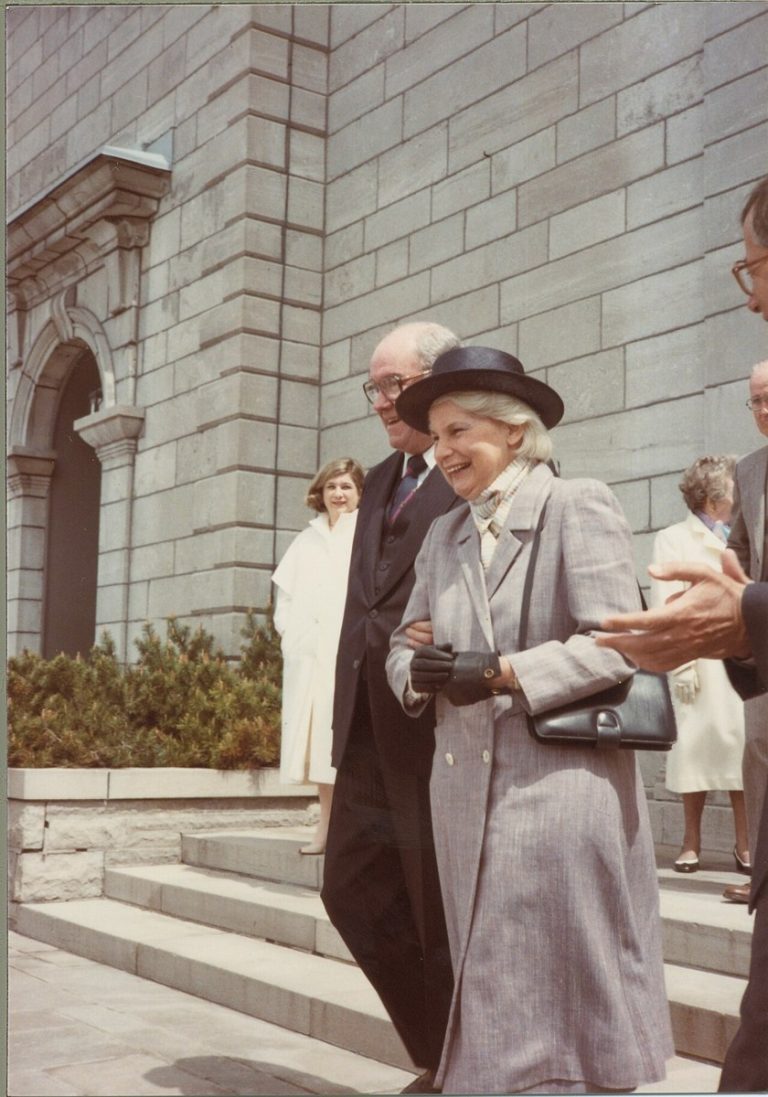
Governor General Jeanne Sauvé with her husband Maurice Sauvé in Ottawa, 1984.
CA-K212Institutions

Jeanne Sauvé, first woman Governor General

Jeanne Sauvé (1922–1993), a Fransaskois journalist and commentator from 1952 to 1972, was elected to the House of Commons in 1972 and served as minister of several departments. She became the first woman Speaker of the House of Commons and the first woman appointed Governor General of Canada.

Factual accuracy review: No recorded challenge

Contributor: Citizen.ca

Verified against cited sourcesVerified on 2026-10-26↗
Photo: proacguy1 from Montreal, Canada · Photo licence: CC BY 2.0 · Credit & context
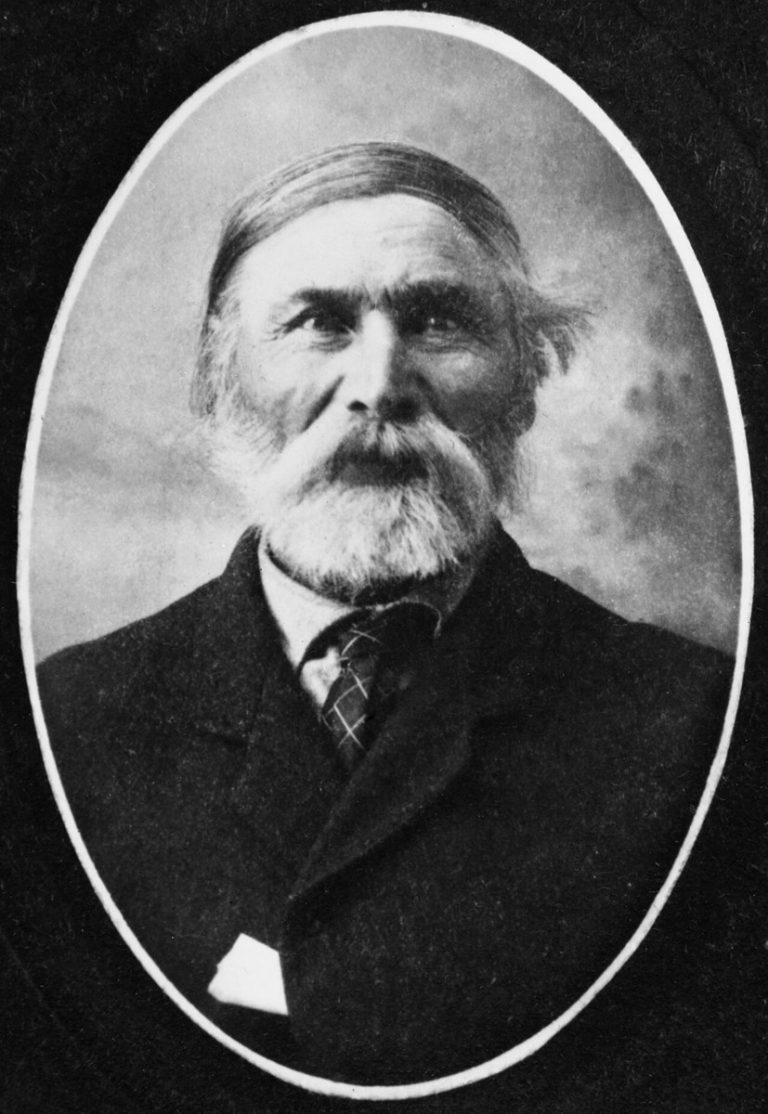
A portrait of James Isbister, taken before 1915.
CA-K196Indigenous peoples & reconciliation

James Isbister, English Métis leader

James Isbister (1833–1915), an English Métis leader, founded the Isbister Métis settlement at Prince Albert, where he and Margaret Bear began farming in 1862. He helped unite English and French Métis in seeking recognition of their land rights, and in 1884 was one of four delegates who travelled to Montana to invite Louis Riel to lead the Métis protest movement.

Factual accuracy review: No recorded challenge

Contributor: Citizen.ca

Verified against cited sourcesVerified on 2026-10-26↗
Photo: Unknown authorUnknown author · Photo licence: Public domain · Credit & context
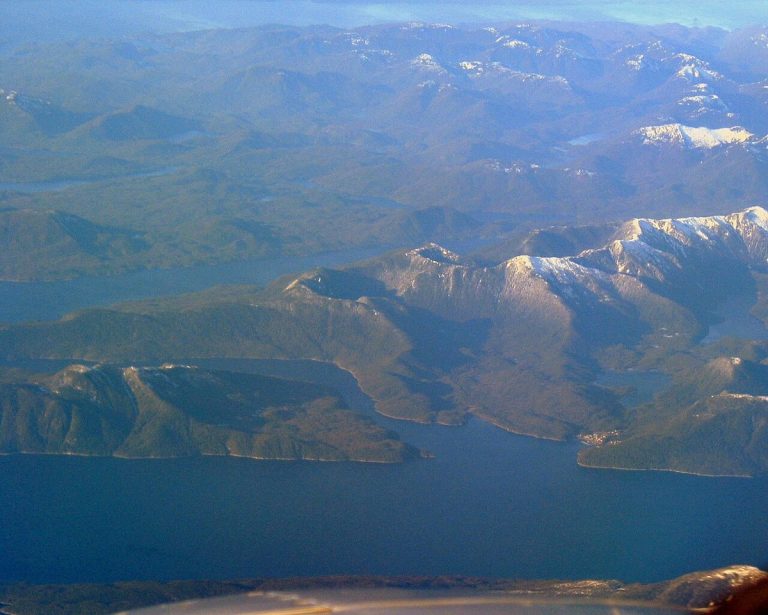
Hartley Bay, British Columbia, home of the Gitga’at First Nation, photographed in 2007.
CA-K195Indigenous peoples & reconciliation

‘Wii Niisł Puuntk (Lucille Clifton), Gitga’at matriarch

‘Wii Niisł Puuntk (Lucille Clifton, 1876–1962), a Laxsgiik (Eagle Clan) matriarch, exemplifies the centuries-old leadership role of prominent women in matrilineal Gitga’at (Tsimshian) society. A healer and midwife with deep knowledge of plants, she passed on ancestral knowledge and cultural practices as Hartley Bay faced land loss and disruptive government policies.

Factual accuracy review: No recorded challenge

Contributor: Citizen.ca

Verified against cited sourcesVerified on 2026-10-26↗
Photo: Shawn from Airdrie, Canada · Photo licence: CC BY-SA 2.0 · Credit & context
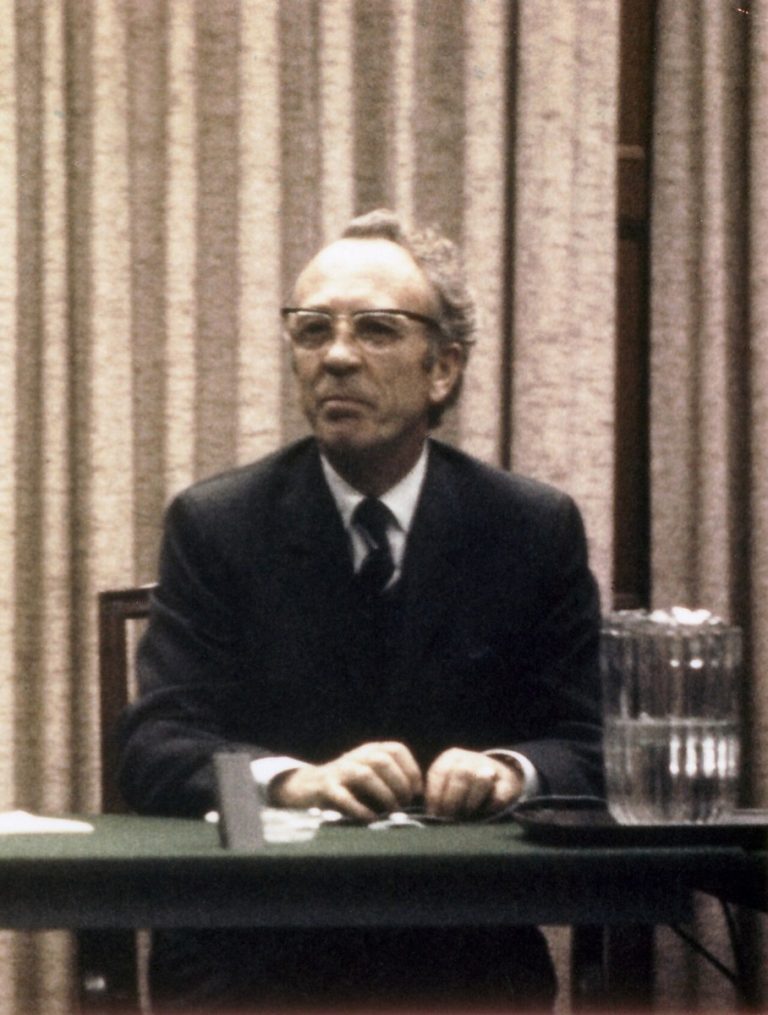
Tommy Douglas, former Premier of Saskatchewan, around 1971.
CA-K188Institutions

Tommy Douglas and the roots of medicare

Tommy Douglas (1904–1986) was Premier of Saskatchewan from 1944 to 1961, leading Canada’s only Co-operative Commonwealth Federation government. Under him the province pioneered publicly funded hospital insurance, laying the foundations for national medicare; he later became the first leader of the federal New Democratic Party.

Factual accuracy review: No recorded challenge

Contributor: Citizen.ca

Verified against cited sourcesVerified on 2026-10-26↗
Photo: Themightyquill · Photo licence: CC BY-SA 3.0 · Credit & context
The Peguis monument in Kildonan Park, Winnipeg, erected in 1923, photographed in 2011.
CA-K176Indigenous peoples & reconciliation

Chief Peguis and the Selkirk Treaty of 1817

Chief Peguis (1774–1864), a skilled hunter and diplomat, worked to protect the rights and interests of the Anishinaabeg of Red River and stepped in to save lives when fur trade hostilities threatened the Selkirk Settlement. He was one of five First Nations negotiators of the Selkirk Treaty of 1817, the first agreement permitting limited farmland access to settlers in western Canada.

Factual accuracy review: No recorded challenge

Contributor: Citizen.ca

Verified against cited sourcesVerified on 2026-10-26↗
Photo: Wtshymanski · Photo licence: CC BY-SA 3.0 · Credit & context
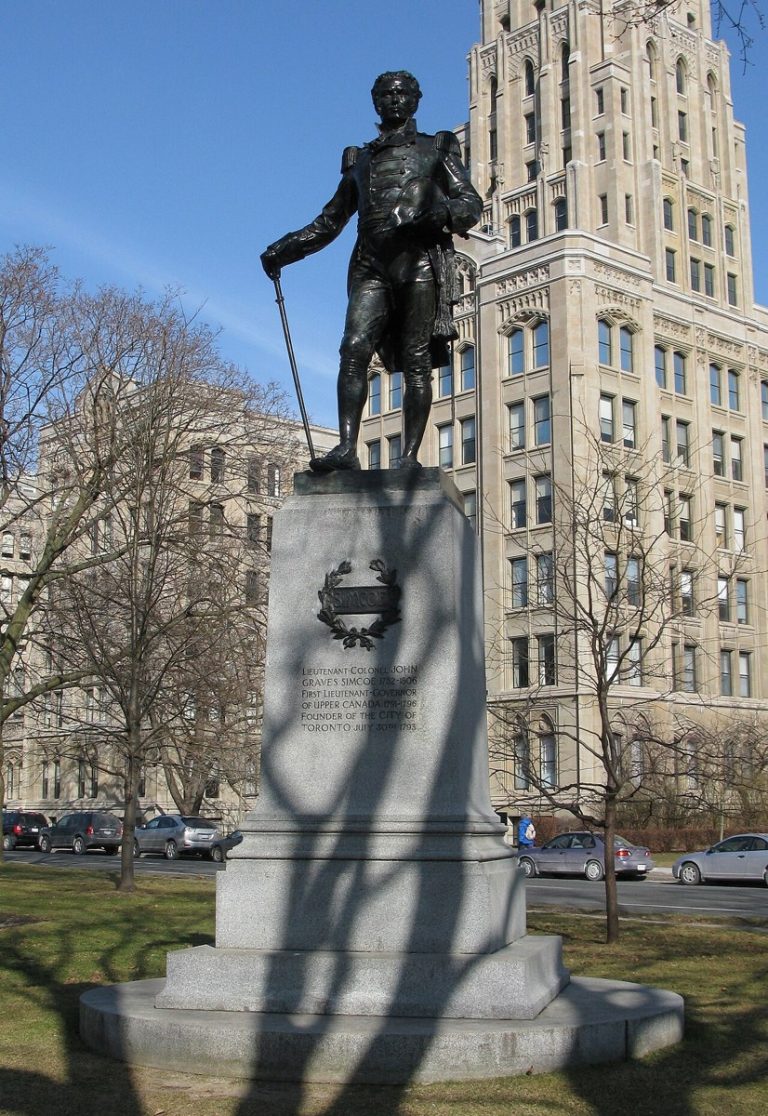
The statue of John Graves Simcoe at Queen’s Park, Toronto, photographed in 2008.
CA-K162History

Upper Canada’s 1793 Act against slavery

Upper Canada’s 1793 Act against slavery, passed under Lieutenant-Governor John Graves Simcoe, prohibited the importation of enslaved people. It did not free people already enslaved, but provided that children subsequently born to enslaved mothers would become free at age 25. Slavery in Upper Canada ended in 1834.

Factual accuracy review: No recorded challenge

Contributor: Citizen.ca

Verified against cited sourcesVerified on 2026-10-26↗
Photo: User:Saforrest · Photo licence: CC BY-SA 3.0 · Credit & context
pīhtokahānapiwiyin (Poundmaker), around 1884 (Library and Archives Canada).
CA-K158Indigenous peoples & reconciliation

pīhtokahānapiwiyin (Poundmaker), nēhiyaw chief

pīhtokahānapiwiyin (Poundmaker, ca. 1842–1886), a nēhiyaw (Plains Cree) chief, sought better terms for his people and called on Canada to fulfil its obligations under Treaty 6. In 1885 he repulsed Lieutenant-Colonel Otter’s attack on his reserve at Cut Knife but restrained his followers; imprisoned as a rebel, he died after his early release.

Factual accuracy review: No recorded challenge

Contributor: Citizen.ca

Verified against cited sourcesVerified on 2026-10-26↗
Photo: Unknown authorUnknown author · Photo licence: Public domain · Credit & context