An independent Canadian knowledge project

Focused and Verified

Canadian knowledge base

Search by keyword

Choose one keyword, or combine two. Broader keywords include their descendants.

Keywords: Professions and education

Clear search
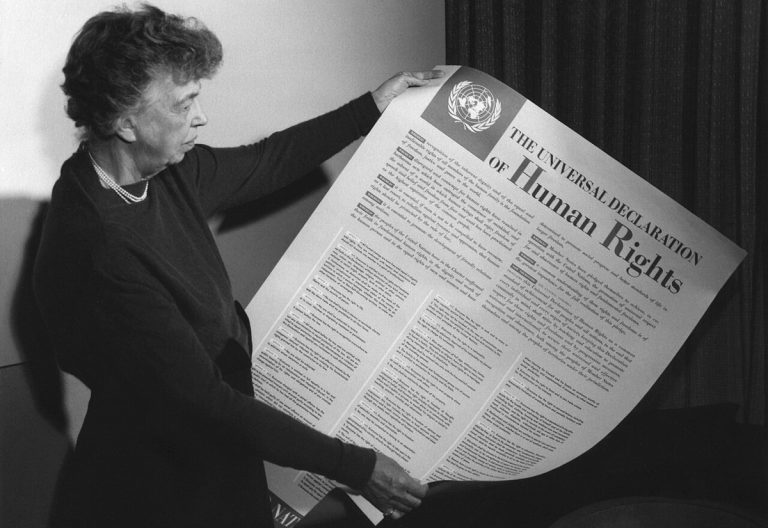
Eleanor Roosevelt holding a poster of the Universal Declaration of Human Rights, 1949; Humphrey does not appear in the photo.
CA-K189Institutions

John P. Humphrey and the Universal Declaration of Human Rights

John P. Humphrey (1905–1995), a McGill law professor, was the first director of the United Nations Human Rights Division from 1946 to 1966. The 48-article “Secretariat Outline” he prepared with his staff for the UN Human Rights Commission laid the foundations for the Universal Declaration of Human Rights of 1948.

Factual accuracy review: No recorded challenge

Contributor: Citizen.ca

Verified against cited sourcesVerified on 2026-10-26↗
Photo: FDR Presidential Library & Museum · Photo licence: CC BY 2.0 · Credit & context
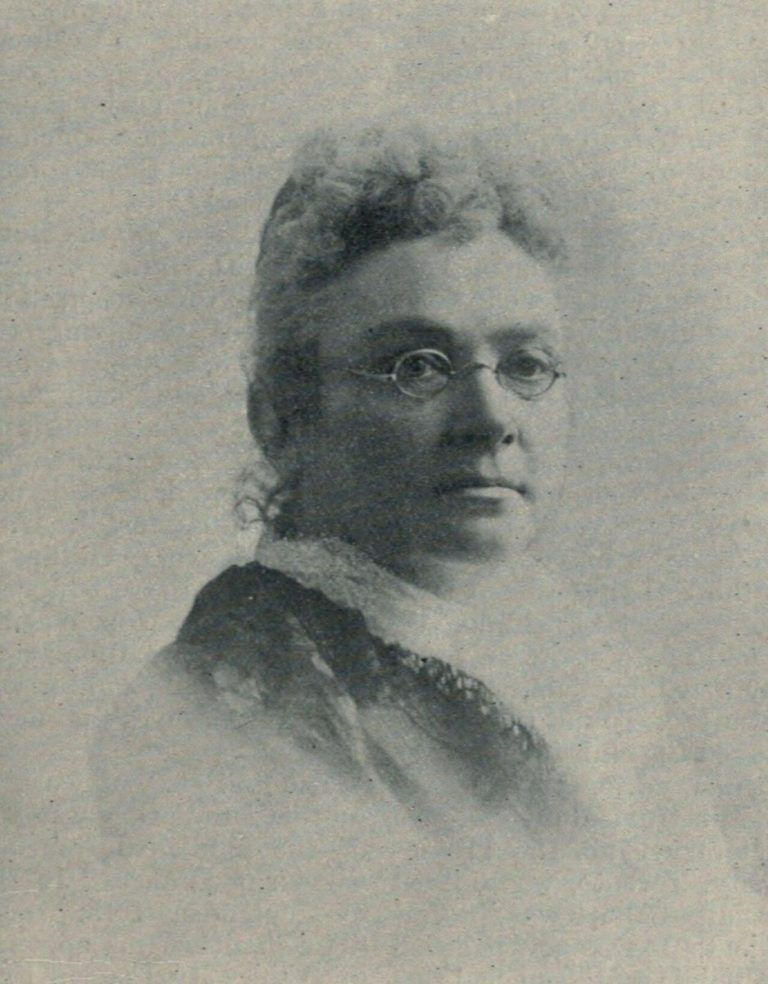
A portrait of Emily Stowe, no later than 1895.
CA-K187History

Emily Stowe, Canada’s first woman doctor in private practice

Denied university entry in Canada because she was a woman, Emily Stowe (1831–1903) studied medicine in New York City and in 1867 opened the first private medical practice in Canada run by a woman doctor, in Toronto. She led the drive to found Woman’s Medical College in 1883 and, through the Dominion Women’s Enfranchisement Association, kept suffrage in the public eye.

Factual accuracy review: No recorded challenge

Contributor: Citizen.ca

Verified against cited sourcesVerified on 2026-10-26↗
Photo: Unknown authorUnknown author · Photo licence: Public domain · Credit & context
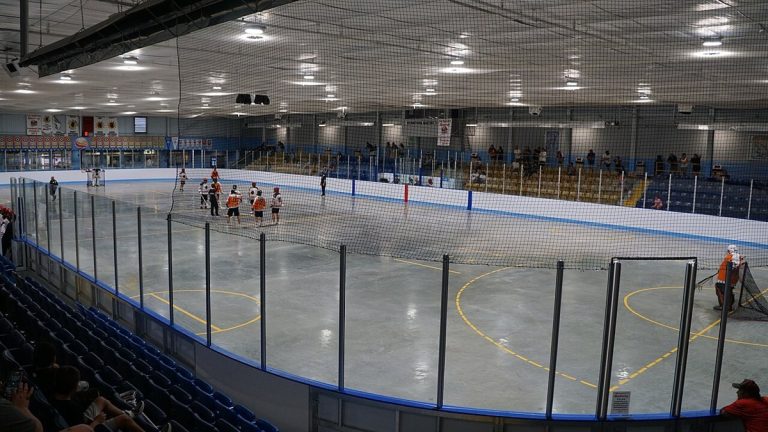
The Six Nations Sports & Cultural Memorial Centre in Ohsweken, Six Nations of the Grand River, in 2024.
CA-K179Indigenous peoples & reconciliation

Edith Anderson Monture, nurse and veteran

Charlotte Edith Anderson Monture (1890–1996), a Kanien’kehá:ka (Mohawk) woman from Six Nations of the Grand River, was among the first generation of hospital-trained professional nurses from First Nations in Canada. After nursing with the American Expeditionary Force in the First World War, she was among the female veterans granted the federal vote in 1917, and returned home in 1919 as a nurse and midwife.

Factual accuracy review: No recorded challenge

Contributor: Citizen.ca

Verified against cited sourcesVerified on 2026-10-26↗
Photo: JFVoll · Photo licence: CC BY-SA 4.0 · Credit & context
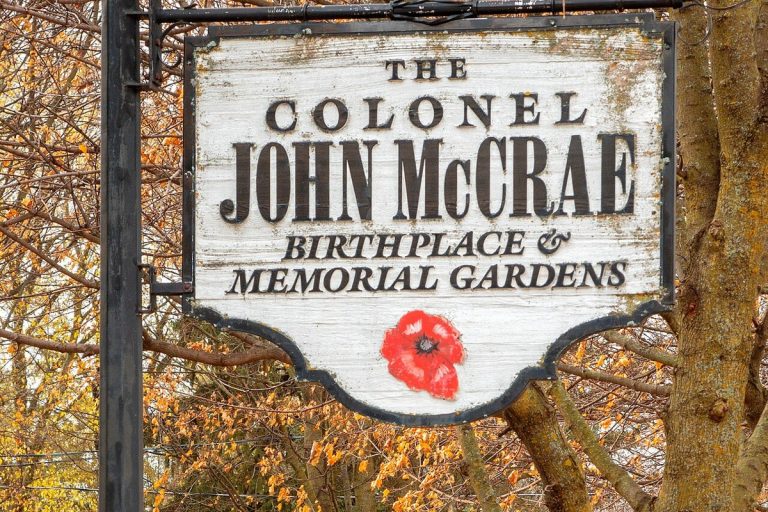
The sign at McCrae House, John McCrae’s birthplace in Guelph, Ontario, on Remembrance Day 2018.
CA-K174Culture & sport

John McCrae and “In Flanders Fields”

John McCrae (1872–1918), a physician born in Guelph, Ontario, joined the Canadian Army Medical Corps in 1914 and served overseas until his death. His poem “In Flanders Fields,” published anonymously in 1915, became one of the most celebrated poems of the First World War and made the poppy a lasting symbol of the Allied soldiers who died.

Factual accuracy review: No recorded challenge

Contributor: Citizen.ca

Verified against cited sourcesVerified on 2026-10-26↗
Photo: Peter K Burian · Photo licence: CC BY-SA 4.0 · Credit & context
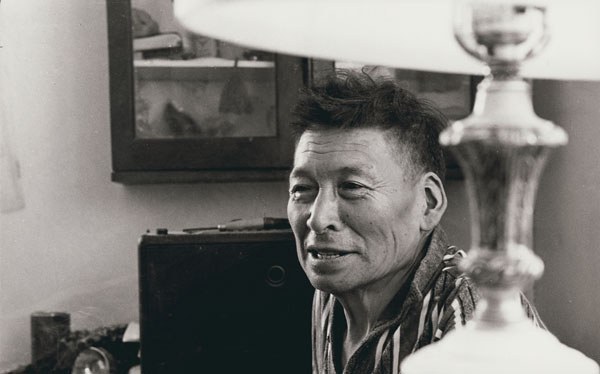
Peter Pitseolak in 1968, photographed by Charles Gimpel.
CA-K160Indigenous peoples & reconciliation

Peter Pitseolak, Inuit photographer and historian

Peter Pitseolak (1902–1973), an Inuit artist, photographer, hunter and historian, recorded both the old customs and beliefs of his people and their adjustment to a new life as Inuit culture underwent momentous change. His carvings, prints and photographs are acclaimed for their historical and artistic value, and he left an account of the history of Sikusuilaq (southern Baffin Island).

Factual accuracy review: No recorded challenge

Contributor: Citizen.ca

Verified against cited sourcesVerified on 2026-10-26↗
Photo: Charles Gimpel · Photo licence: Public domain · Credit & context