An independent Canadian knowledge project

Focused and Verified

Canadian knowledge base

Search by keyword

Choose one keyword, or combine two. Broader keywords include their descendants.

Keywords: Education and research

Clear search
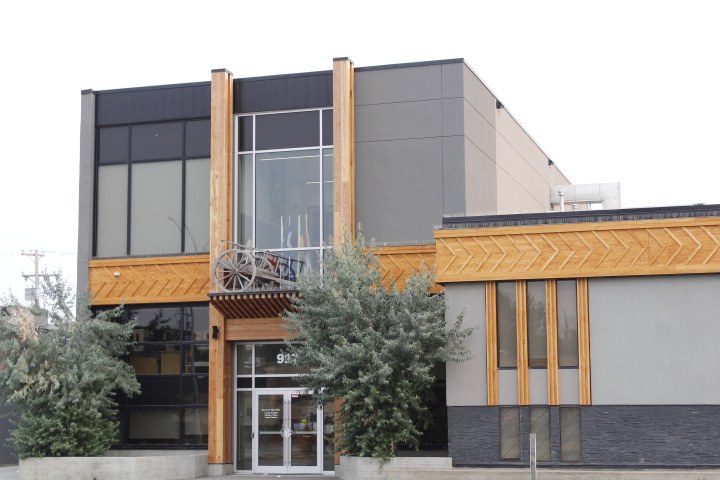
Gabriel Dumont Institute, Saskatoon.
CA-K1148Institutions

Gabriel Dumont Institute, the education arm of the Métis Nation – Saskatchewan

The Gabriel Dumont Institute of Native Studies and Applied Research was founded in 1980 to meet the educational and cultural needs of Saskatchewan’s Métis community. It is the official training and education arm of the Métis Nation – Saskatchewan and is owned by the Métis people of Saskatchewan; its college delivers the first two years of University of Saskatchewan arts and science degrees.

Factual accuracy review: No recorded challenge

Contributor: Citizen.ca

Verified against cited sourcesVerified on 2026-10-27↗
Photo: Tanbir M-05 · Photo licence: CC BY-SA 4.0 · Credit & context
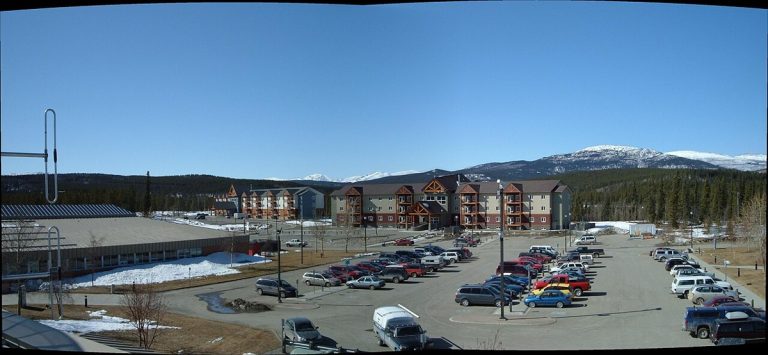
View west from the roof of Yukon College in Whitehorse, 2007; the institution later became Yukon University.
CA-K1143Institutions

Yukon University, from training centre to university

Yukon University traces its history to the Whitehorse Vocational and Technical Training Centre, founded in 1963. It became Yukon College in 1983, moved to its present Whitehorse campus in 1988 and was granted university status in 2020. Elder Angela Sidney named the campus Ayamdigut, a Tlingit name meaning “she got up and went.”

Factual accuracy review: No recorded challenge

Contributor: Citizen.ca

Verified against cited sourcesVerified on 2026-10-27↗
Photo: grampymoose · Photo licence: CC BY-SA 2.0 · Credit & context
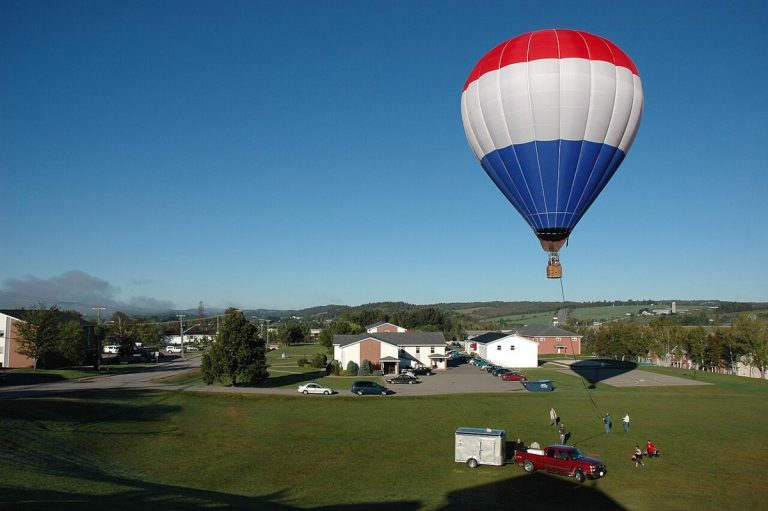
The UPEI campus in Charlottetown, photographed in 2008.
CA-K1137Institutions

University of Prince Edward Island, founded 1969

The University of Prince Edward Island welcomed its first students in September 1969, following the provincial University Act. Its founding institutions were Prince of Wales College and Saint Dunstan’s University, both represented in UPEI’s coat of arms.

Factual accuracy review: No recorded challenge

Contributor: Citizen.ca

Verified against cited sourcesVerified on 2026-10-27↗
Photo: Martin Cathrae from Charlottetown, PE, Canada · Photo licence: CC BY-SA 2.0 · Credit & context
Upper campus, St. Thomas University, Fredericton.
CA-K1136Institutions

St. Thomas University in Fredericton

St. Thomas University dates back to 1910, when the Basilian Fathers took charge of St. Thomas College in Chatham, New Brunswick, a high school and junior college. It received a university charter in 1934 and was renamed St. Thomas University in 1960. Under a 1963 agreement it moved to the University of New Brunswick campus in Fredericton, while continuing to grant its own degrees in arts and education.

Factual accuracy review: No recorded challenge

Contributor: Citizen.ca

Verified against cited sourcesVerified on 2026-10-27↗
Photo: HALNSCDN · Photo licence: CC BY-SA 4.0 · Credit & context
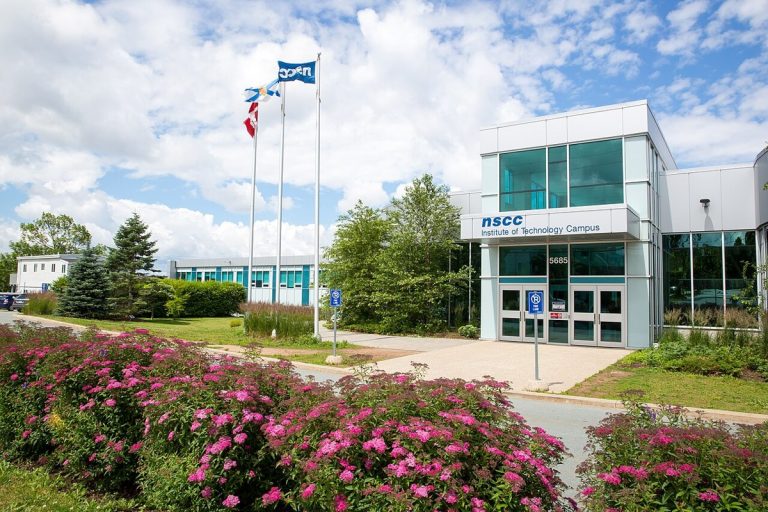
Purdy Crawford Centre for the Arts, Mount Allison University.
CA-K1135Institutions

Mount Allison University in Sackville

Mount Allison University traces its beginnings to Charles Frederick Allison’s 1839 proposal for a school offering elementary and higher education in Sackville, New Brunswick. The university provides a liberal arts and sciences education near the Tantramar marshes.

Factual accuracy review: No recorded challenge

Contributor: Citizen.ca

Verified against cited sourcesVerified on 2026-10-27↗
Photo: Jmdc-chicago · Photo licence: CC BY-SA 4.0 · Credit & context
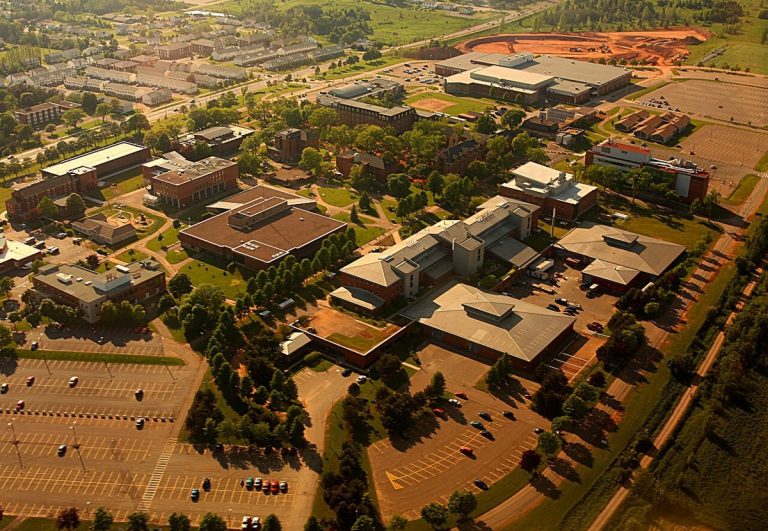
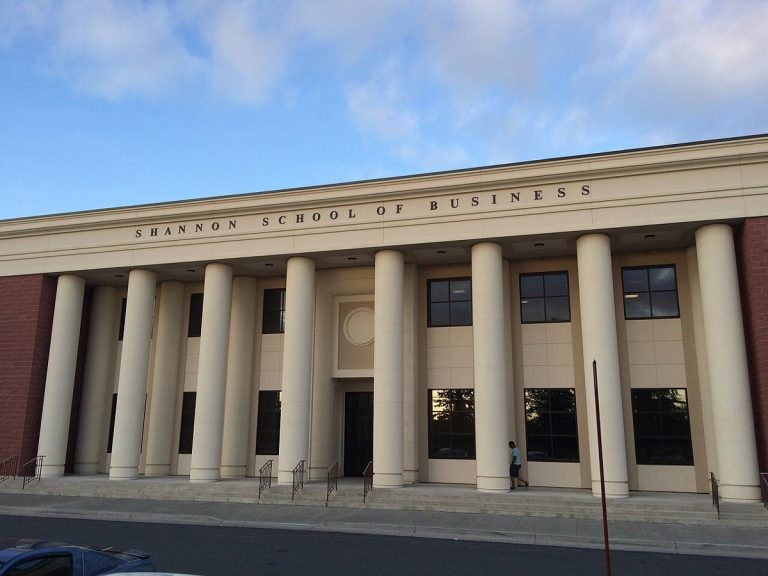
The Shannon School of Business, Cape Breton University.
CA-K1133Institutions

Cape Breton University, from Xavier College to university

Cape Breton University traces its origins to Xavier Junior College, founded in 1951 under St. Francis Xavier University. A merger in 1974 created the College of Cape Breton; it became the University College of Cape Breton in 1982 and adopted its present name in 2005.

Factual accuracy review: No recorded challenge

Contributor: Citizen.ca

Verified against cited sourcesVerified on 2026-10-27↗
Photo: MPen92 · Photo licence: CC BY-SA 4.0 · Credit & context
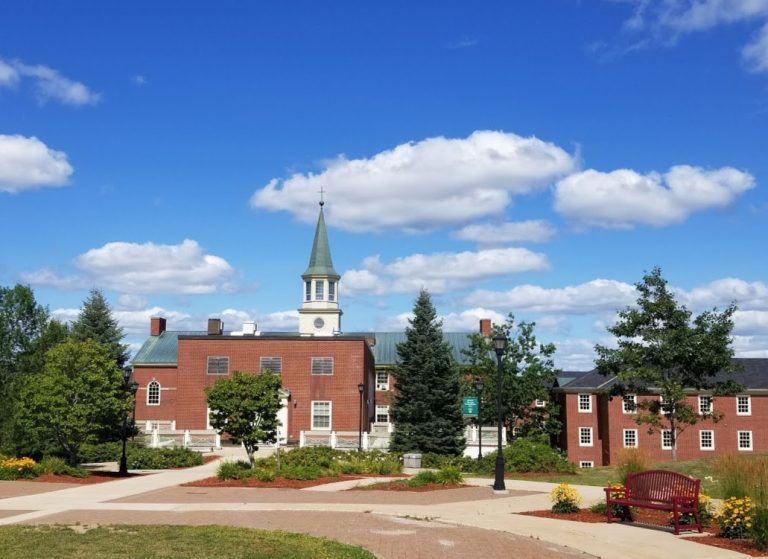
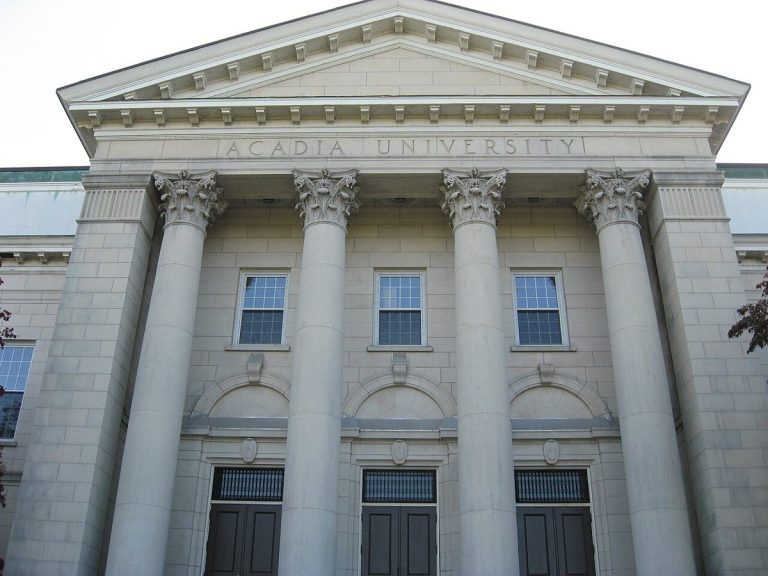
University Hall, Acadia University.
CA-K1131Institutions

Acadia University, founded 1838

Acadia University in Wolfville, Nova Scotia, was founded in 1838 by local Baptists who wanted a university for the region that would not require religious tests of its faculty or students. Clara Belle Marshall became its first woman graduate in 1884, and University Hall, completed in 1925, is a landmark of the campus.

Factual accuracy review: No recorded challenge

Contributor: Citizen.ca

Verified against cited sourcesVerified on 2026-10-27↗
Photo: Ryan Stevens · Photo licence: CC BY 2.0 · Credit & context
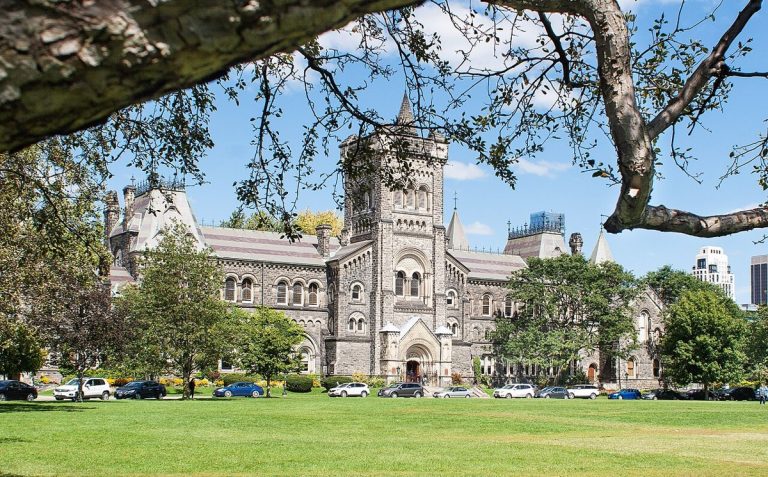
University College on the St. George campus of the University of Toronto, photographed in 2017.
CA-K370Institutions

University College and non-denominational higher education

University College in Toronto, built in 1856–1859 to designs by F. W. Cumberland, largely assured the future of the University of Toronto and drew it into a federal pattern widely followed in Canada and the Commonwealth. It realized a major 19th-century goal: a non-denominational, government-supported institution of higher learning.

Factual accuracy review: No recorded challenge

Contributor: Citizen.ca

Verified against cited sourcesVerified on 2026-10-26↗
Photo: BeautifulWaters · Photo licence: CC BY-SA 4.0 · Credit & context
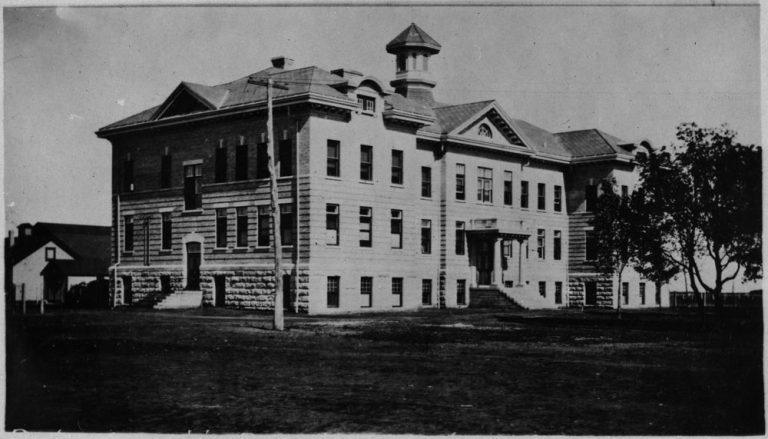
The school building at Portage la Prairie, Manitoba, around 1914–1915 (Library and Archives Canada).
CA-K344Indigenous peoples & reconciliation

The former Portage la Prairie Indian Residential School

At the Portage la Prairie Indian Residential School in Manitoba, built in 1914–1915 and open until 1975, Indigenous children endured abuse, severe discipline, punishment for speaking their languages and isolation from their families. Operated by the Presbyterian and United Churches for the federal government, it was part of a policy the Truth and Reconciliation Commission called cultural genocide; Long Plain First Nation took ownership in 1981 and has made it a place of commemoration and resilience.

Factual accuracy review: No recorded challenge

Contributor: Citizen.ca

Verified against cited sourcesVerified on 2026-10-26↗
Photo: BiblioArchives / LibraryArchives · Photo licence: CC BY 2.0 · Credit & context
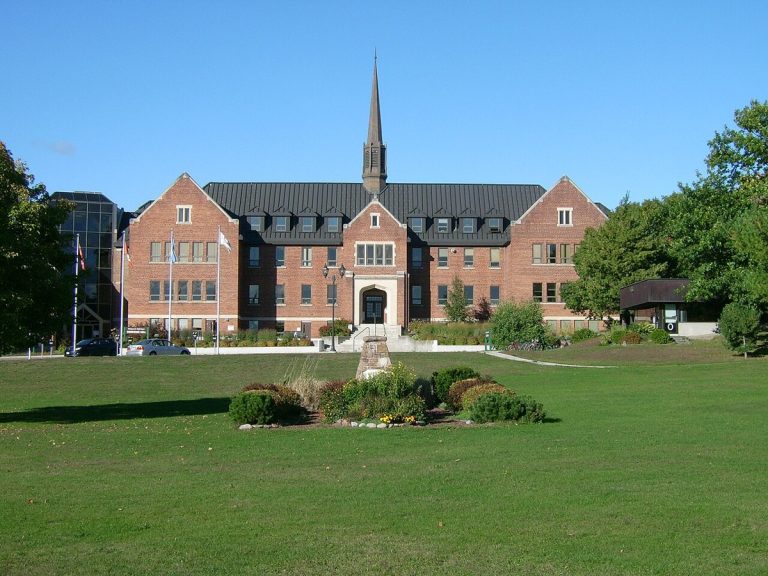
Shingwauk Hall, the former school’s main building, now part of Algoma University in Sault Ste. Marie, photographed in 2012.
CA-K328Indigenous peoples & reconciliation

The former Shingwauk Indian Residential School

The Shingwauk Indian Residential School in Sault Ste. Marie, Ontario, opened by the Anglican Church in 1875 and closed in 1970, was part of the residential school system that sought to assimilate Indigenous children by separating them from their families, cultures and languages. Named for Chief Shingwaukonse, whose vision of education was lost, it was a Shingwauk school “in name only”; its main building, Shingwauk Hall, is one of the few remaining residential school buildings in Canada.

Factual accuracy review: No recorded challenge

Contributor: Citizen.ca

Verified against cited sourcesVerified on 2026-10-26↗
Photo: Fungus Guy · Photo licence: CC BY-SA 3.0 · Credit & context
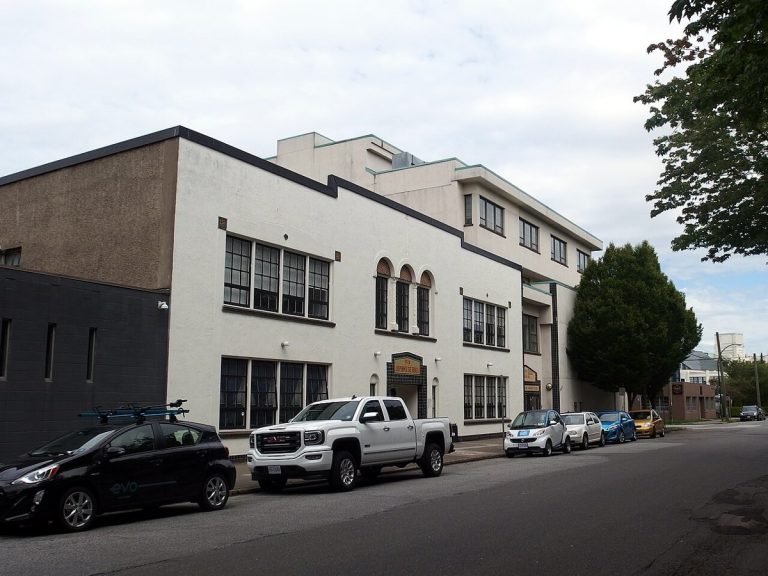
The Vancouver Japanese Language School and Hall on Alexander Street, Vancouver, photographed in 2016.
CA-K313Language & names

The Vancouver Japanese Language School

The Vancouver Japanese Language School, in the city’s Japantown, was the first and largest Japanese language school in Canada, and its 1928 Art Deco building is a rare surviving interwar language school. Of the thousands of properties the federal government confiscated from Japanese Canadians during the Second World War, it is one of very few known buildings returned to its owners after internment.

Factual accuracy review: No recorded challenge

Contributor: Citizen.ca

Verified against cited sourcesVerified on 2026-10-26↗
Photo: Cordovanorth · Photo licence: CC BY-SA 4.0 · Credit & context