
An independent Canadian knowledge project

Focused and Verified

Canadian knowledge base

Search by keyword

Choose one keyword, or combine two. Broader keywords include their descendants.

Keywords: Events and historical processes

Clear search
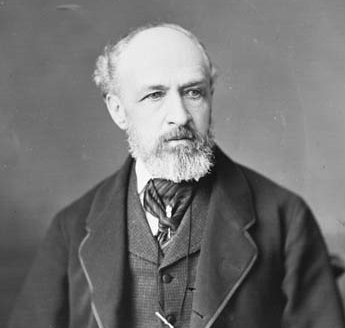
Thomas Heath Haviland, 1879 (William James Topley).
CA-K805History

Thomas Heath Haviland, Island Father of Confederation

Thomas Heath Haviland, born in Charlottetown, represented Georgetown in the Prince Edward Island legislature and held posts including Colonial Secretary and Speaker. A delegate to the Quebec Conference of 1864, he was one of three who arranged the Island’s entry into Confederation in 1873. He was then named to the Senate, and later became the province’s Lieutenant-Governor.

Factual accuracy review: No recorded challenge

Contributor: Citizen.ca

Verified against cited sourcesVerified on 2026-10-26↗
Photo: William James Topley · Photo licence: Public domain · Credit & context
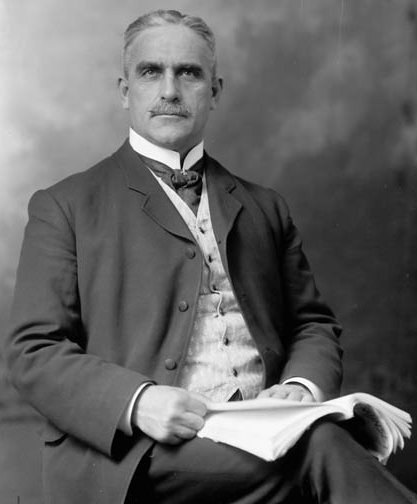
Col. Sam Hughes, 1905 (William James Topley).
CA-K801History

Sir Sam Hughes, Minister of Militia

Sam Hughes, soldier, journalist and Member of Parliament for Lindsay from 1892 to 1921, helped create a distinctly Canadian army. As Minister of Militia and Defence from 1911 to 1916, he raised the Canadian Expeditionary Force that fought in the First World War and was knighted, but disputes with colleagues and subordinates forced him from Cabinet in 1916.

Factual accuracy review: No recorded challenge

Contributor: Citizen.ca

Verified against cited sourcesVerified on 2026-10-26↗
Photo: William James Topley · Photo licence: Public domain · Credit & context
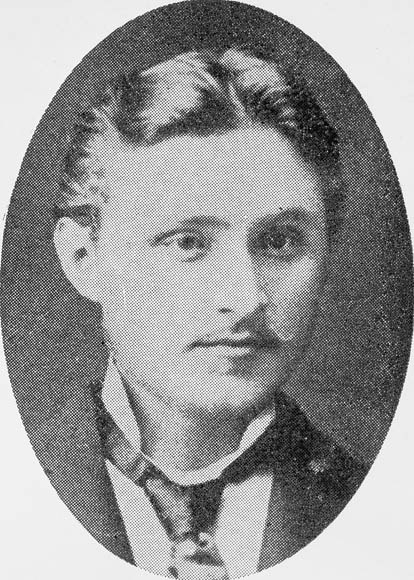
Cyril Genik, portrait.
CA-K791History

Cyril Genik and Ukrainian settlement in the West

During the first wave of Ukrainian immigration (1896–1914), Cyril Genik helped thousands of Ukrainians settle in the western provinces. Named an immigration agent soon after reaching Winnipeg in 1896, he was the first Ukrainian in the federal civil service, and for 18 years advised newcomers while strengthening the community’s cultural life.

Factual accuracy review: No recorded challenge

Contributor: Citizen.ca

Verified against cited sourcesVerified on 2026-10-26↗
Photo: Unknown author · Photo licence: Public domain · Credit & context
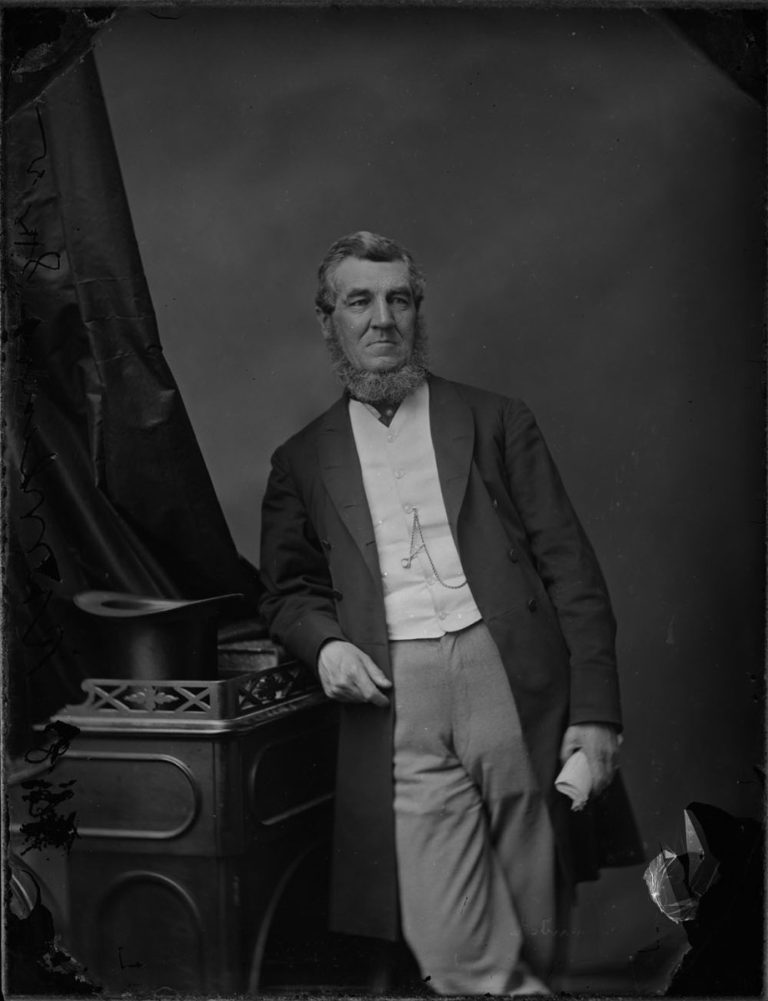
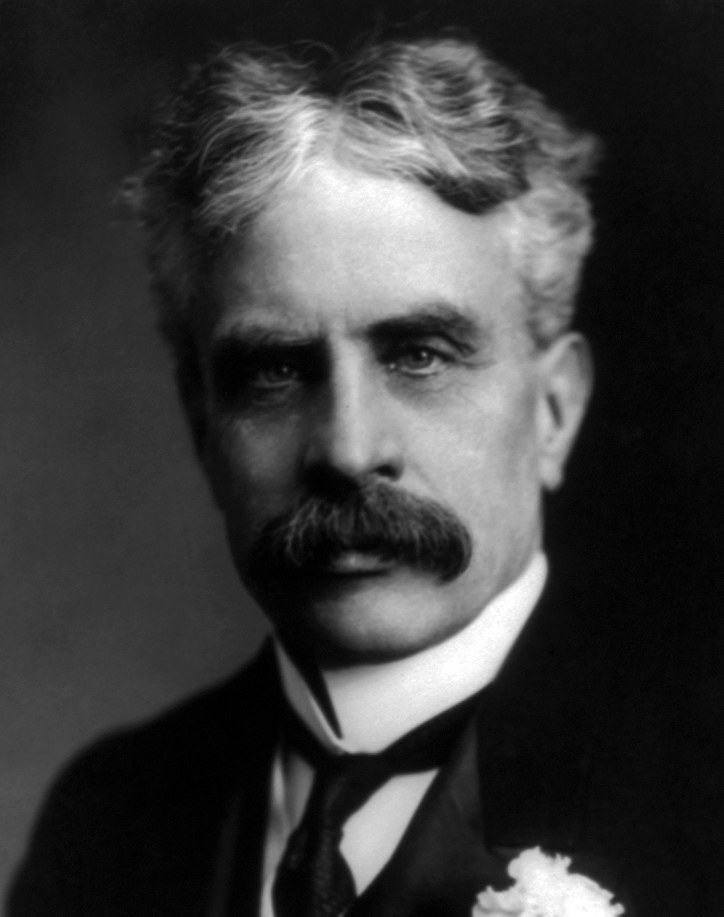
Sir Robert Borden, 1911 (Notman studio).
CA-K784History

Sir Robert Borden, wartime prime minister

Sir Robert Borden, born at Grand-Pré, Nova Scotia, led the Conservative Party from 1901 and was Prime Minister from 1911 to 1920. He guided Canada through the First World War, imposed conscription for overseas service in 1917 and formed a Union government of Liberals and Conservatives. He is remembered above all for insisting that Canada act as an autonomous nation in international diplomacy.

Factual accuracy review: No recorded challenge

Contributor: Citizen.ca

Verified against cited sourcesVerified on 2026-10-26↗
Photo: Notman, Boston · Photo licence: Public domain · Credit & context
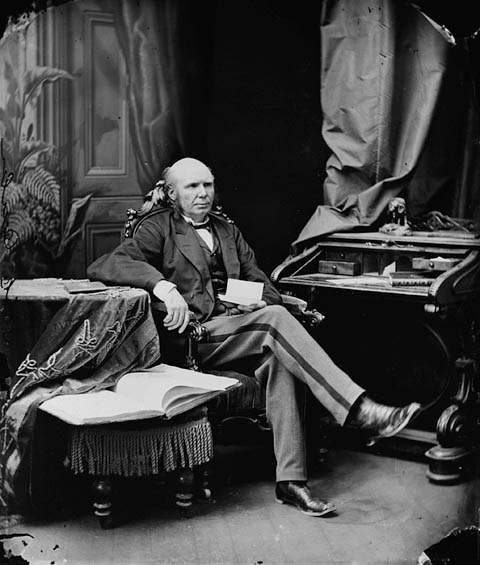
Robert Duncan Wilmot, May 1868 (Topley Studio).
CA-K752History

Robert Duncan Wilmot, New Brunswick Father of Confederation

Robert Duncan Wilmot of Saint John sat in New Brunswick’s legislature from 1846 to 1861. Elected in 1865 as an opponent of Confederation, he changed sides and attended the London Conference in 1866; he was then appointed to the Senate, became its Speaker in 1878 and was lieutenant-governor of New Brunswick from 1880.

Factual accuracy review: No recorded challenge

Contributor: Citizen.ca

Verified against cited sourcesVerified on 2026-10-26↗
Photo: William James Topley · Photo licence: Public domain · Credit & context
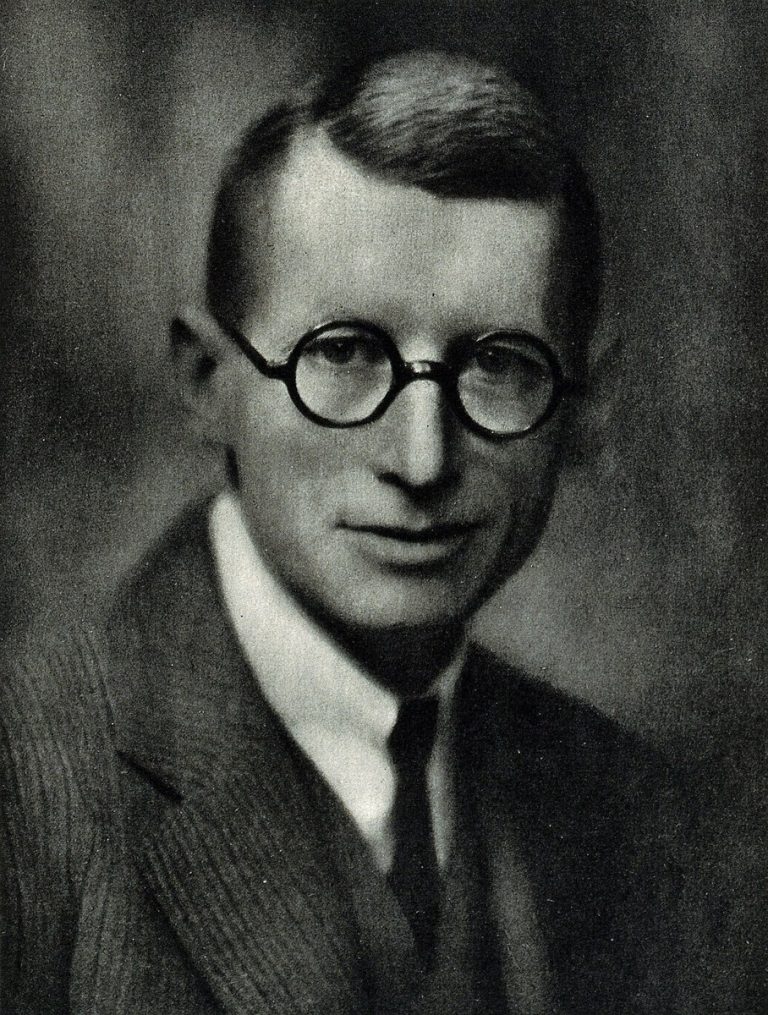
Frederick B. T. Carter, Premier of Newfoundland, June 1869 (Topley Studio).
CA-K746History

Sir Frederick Carter, Newfoundland Father of Confederation

Frederick Carter of St. John’s, Speaker of Newfoundland’s House of Assembly, was a delegate to the Québec Conference in 1864 and, convinced of the merits of union with Canada, formed a coalition government in 1865 to pursue it. Defeated by Charles Fox Bennett’s anti-Confederates in 1869, he later returned as premier and became chief justice of Newfoundland in 1880.

Factual accuracy review: No recorded challenge

Contributor: Citizen.ca

Verified against cited sourcesVerified on 2026-10-26↗
Photo: William James Topley · Photo licence: Public domain · Credit & context
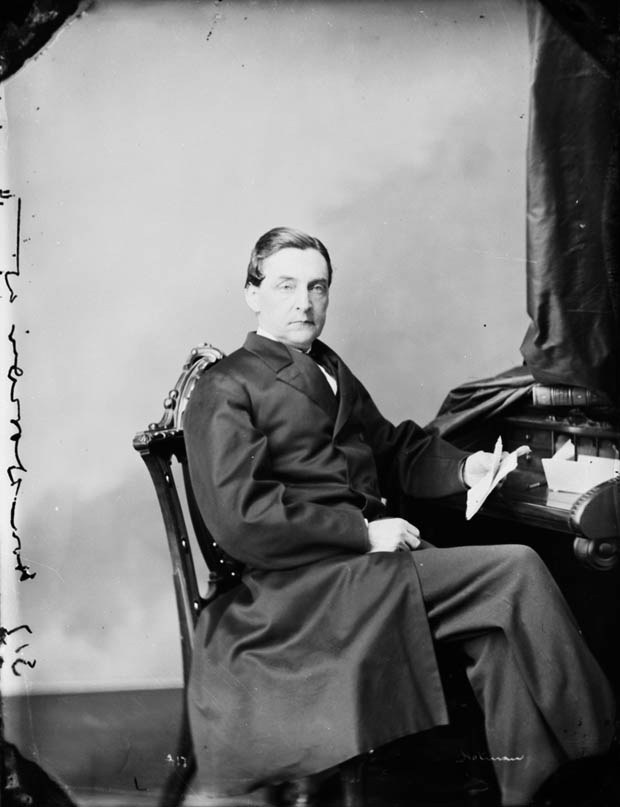
Davidson Black, photogravure (Wellcome Collection).
CA-K738History

Davidson Black and “Peking Man”

Davidson Black, born and educated in Toronto, turned from medicine to the study of fossil humans and took a post at Peking Union Medical College after the First World War. In 1927, from a fossil tooth found at Zhoukoudian, he described fossil material under the name Sinanthropus pekinensis, the “Peking Man”, a find later confirmed by excavations with Chinese and European scientists.

Factual accuracy review: No recorded challenge

Contributor: Citizen.ca

Verified against cited sourcesVerified on 2026-10-26↗
Photo: Photogravure; Wellcome Collection, V0026054 · Photo licence: CC BY 4.0 · Credit & context
Antoine-Aimé Dorion, Ottawa, March 1868.
CA-K720Institutions

Sir Antoine-Aimé Dorion, Liberal leader and chief justice

Antoine-Aimé Dorion of Sainte-Anne-de-la-Pérade, a civil law professor and president of the Bar, succeeded Papineau as leader of the Liberals and co-led the Macdonald–Dorion ministry in 1863. Though he opposed Confederation, he became federal Minister of Justice under Mackenzie in 1873 and was chief justice of Quebec from 1874 until his death.

Factual accuracy review: No recorded challenge

Contributor: Citizen.ca

Verified against cited sourcesVerified on 2026-10-26↗
Photo: Unknown author · Photo licence: Public domain · Credit & context
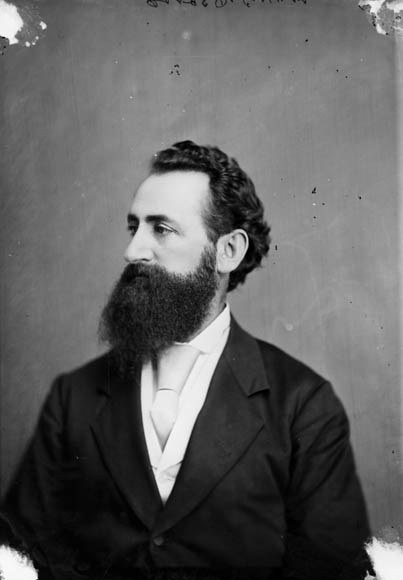
Amor De Cosmos, September 1874 (Library and Archives Canada).
CA-K719History

Amor De Cosmos, “lover of the universe”

Amor De Cosmos, born William Smith in Windsor, Nova Scotia, took his name in the California goldfields and in 1858 founded the opposition newspaper the Colonist in Victoria. For two decades his pen and oratory championed responsible government and Confederation; he sat in the colonial and federal legislatures and was premier of British Columbia from 1872 to 1874.

Factual accuracy review: No recorded challenge

Contributor: Citizen.ca

Verified against cited sourcesVerified on 2026-10-26↗
Photo: Unknown author · Photo licence: Public domain · Credit & context
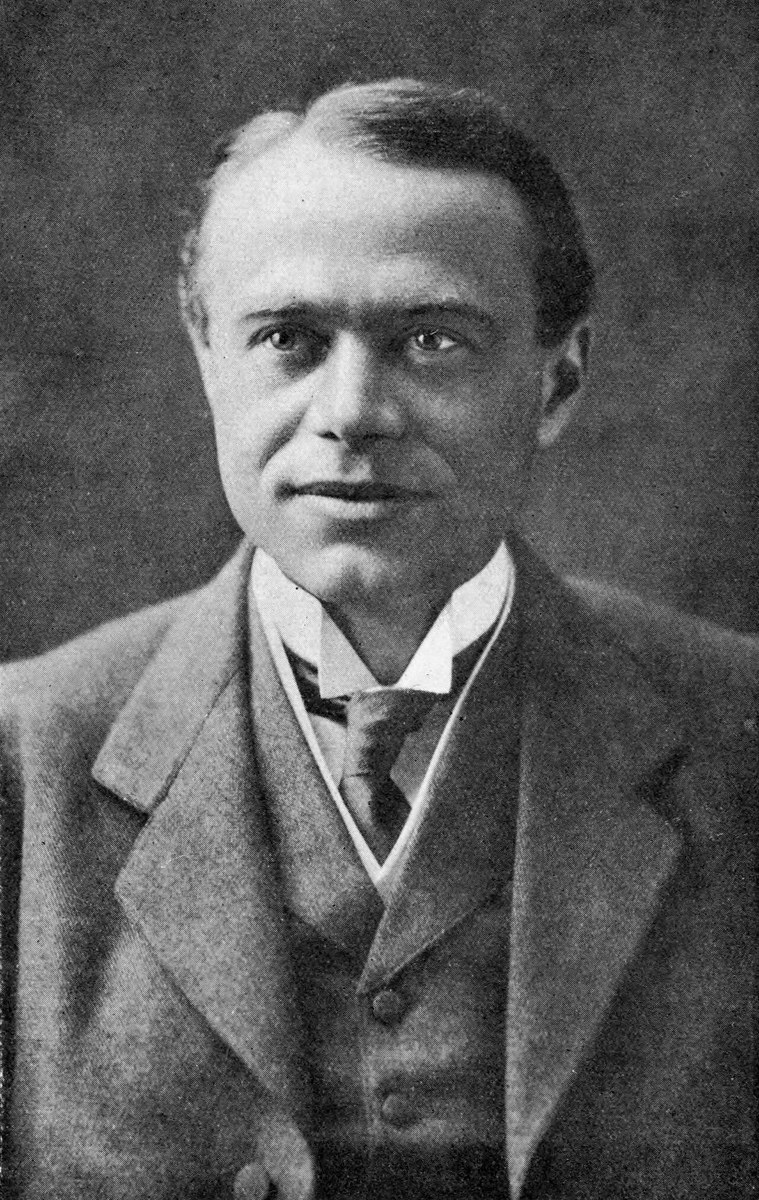
Max Aitken, Lord Beaverbrook, around 1918.
CA-K714Economy & trade

Max Aitken, Lord Beaverbrook

Max Aitken, Lord Beaverbrook, was an important and controversial Canadian financier and the outspoken owner of a British newspaper empire. In the First World War he shaped how Canada’s effort was seen and remembered through the war art program; as Britain’s Minister of Aircraft Production in the Second World War he drove Spitfire production, and he was a leading benefactor of the University of New Brunswick and founder of the Beaverbrook Art Gallery.

Factual accuracy review: No recorded challenge

Contributor: Citizen.ca

Verified against cited sourcesVerified on 2026-10-26↗
Photo: M. S. Kay, Bolton · Photo licence: Public domain · Credit & context
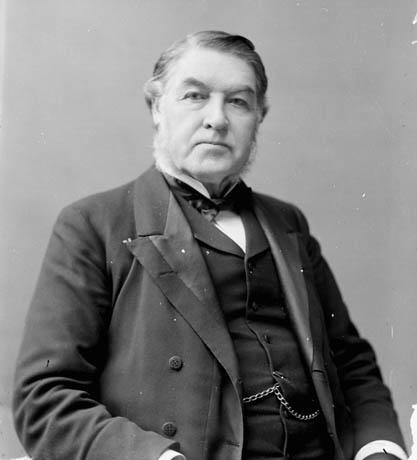
Charles Tupper, 1896 (Topley Studio).
CA-K686Institutions

Sir Charles Tupper, Father of Confederation and prime minister

Charles Tupper of Amherst, a physician, became premier of Nova Scotia in 1864 and, allied with John A. Macdonald, advocated Confederation despite substantial opposition in Nova Scotia. After federal cabinet posts and 11 years as High Commissioner in London, he succeeded Bowell as prime minister in 1896, then led the opposition after his party’s defeat that year.

Factual accuracy review: No recorded challenge

Contributor: Citizen.ca

Verified against cited sourcesVerified on 2026-10-26↗
Photo: William James Topley · Photo licence: Public domain · Credit & context
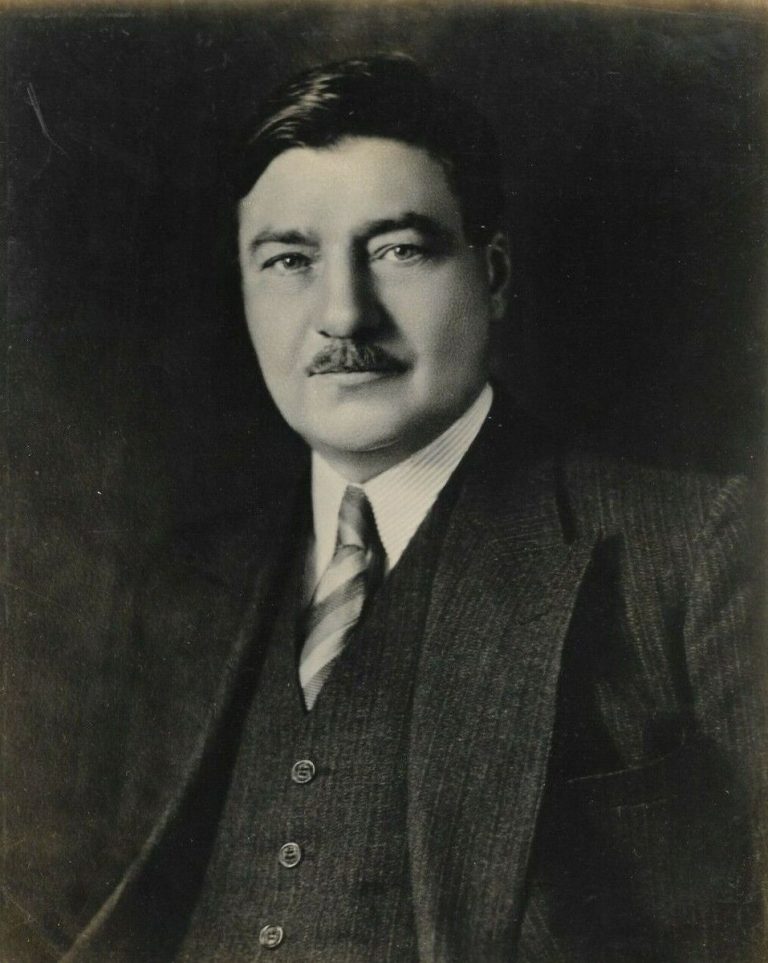
Charles Gavan Power, between 1936 and 1942.
CA-K675History

“Chubby” Power and the wartime RCAF

Charles Gavan “Chubby” Power, a First World War veteran and longtime Quebec MP, was Minister of National Defence for Air from 1940 to 1944. He oversaw wartime RCAF expansion, supported distinct Canadian squadrons, helped establish the Air Cadets and advanced the British Commonwealth Air Training Plan, which trained more than 130,000 Allied aircrew in Canada.

Factual accuracy review: No recorded challenge

Contributor: Citizen.ca

Verified against cited sourcesVerified on 2026-10-26↗
Photo: Canadian Government Motion Picture Bureau · Photo licence: Public domain · Credit & context
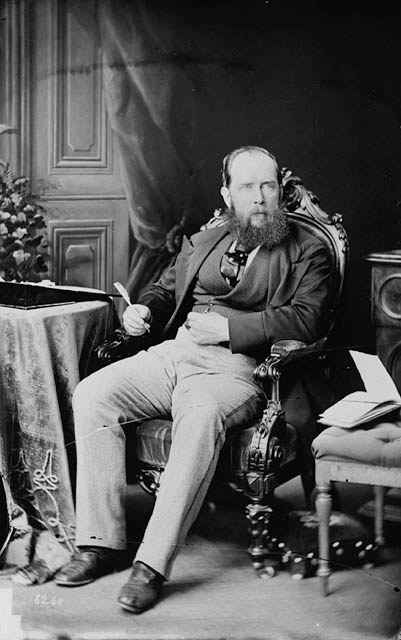
Joseph Trutch, June 1870 (Topley Studio).
CA-K663Indigenous peoples & reconciliation

Joseph Trutch and First Nations lands in British Columbia

Joseph Trutch, a British-born engineer who believed Indigenous Peoples inferior, was British Columbia’s chief commissioner of lands and works from 1864 to 1871. Representing settler interests, he cut existing reserves, allotted minimal land to new ones, denied Aboriginal title and refused treaties, denying First Nations access to their territories; he became the province’s first lieutenant-governor in 1871.

Factual accuracy review: No recorded challenge

Contributor: Citizen.ca

Verified against cited sourcesVerified on 2026-10-26↗
Photo: William James Topley (June 1870); Library and Archives Canada · Photo licence: Public domain · Credit & context
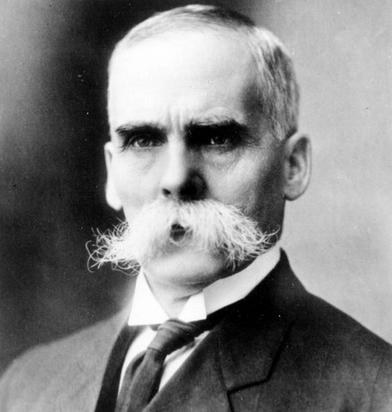
Frank Oliver (City of Edmonton Archives).
CA-K662Indigenous peoples & reconciliation

Frank Oliver, Edmonton editor and interior minister

Frank Oliver, owner and editor of the Edmonton Bulletin from 1880, championed a West shaped for white British and American settlers. As Minister of the Interior from 1905 to 1911 he promoted immigration policies aimed at excluding Black and Asian immigrants, and as superintendent of Indian Affairs he oversaw an expansion of residential schools and amended the Indian Act to allow forced surrender of reserve lands near towns.

Factual accuracy review: No recorded challenge

Contributor: Citizen.ca

Verified against cited sourcesVerified on 2026-10-26↗
Photo: Alfred Biyth · Photo licence: Public domain · Credit & context
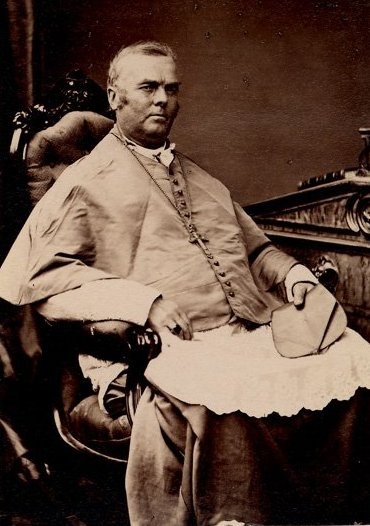
Modeste Demers, around 1860 (J. E. Livernois).
CA-K659Indigenous peoples & reconciliation

Bishop Modeste Demers in the Pacific Northwest

Modeste Demers, a Catholic priest in the Pacific Northwest from 1838, worked in part to convert Indigenous Peoples, part of the region’s colonization, and in 1847 became the first Bishop of Vancouver Island, New Caledonia and Haida Gwaii. The practices of Demers and his Church, together with colonization and assimilation, had drastic consequences for later generations of Indigenous Peoples.

Factual accuracy review: No recorded challenge

Contributor: Citizen.ca

Verified against cited sourcesVerified on 2026-10-26↗
Photo: J.E. Livernois · Photo licence: Public domain · Credit & context
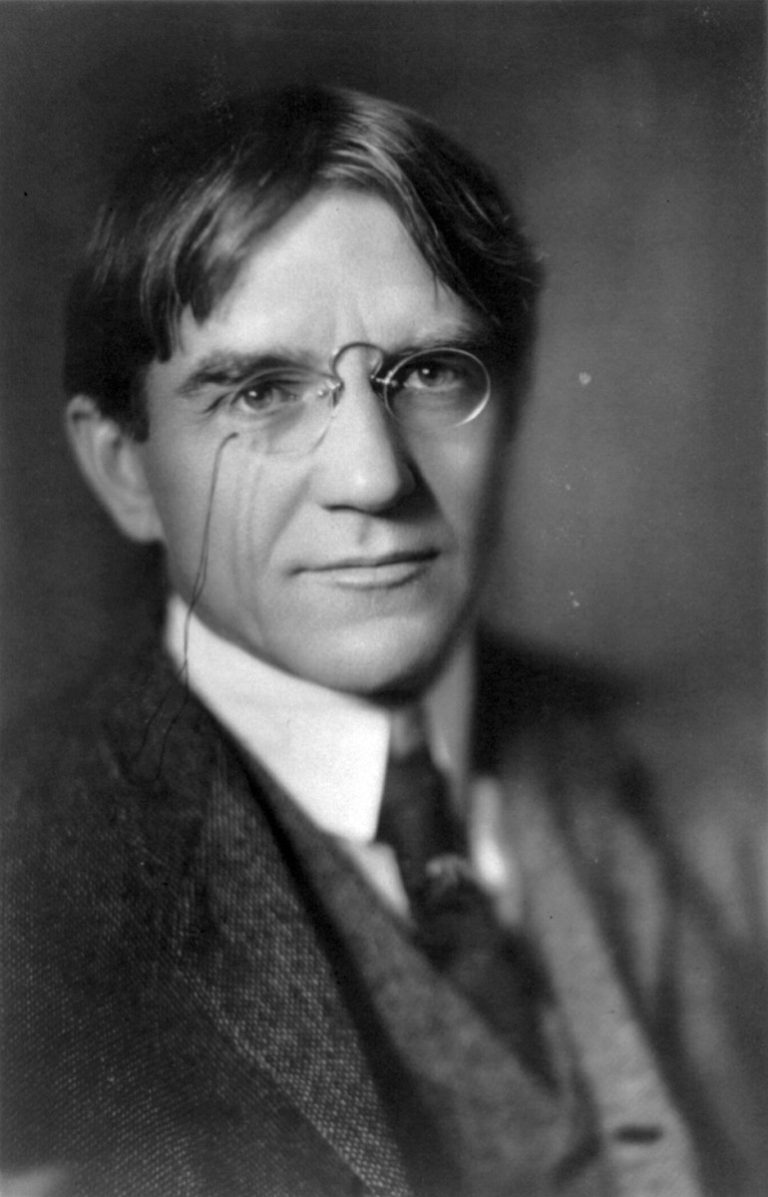
Charles G. D. Roberts, 1904 (Library of Congress).
CA-K656Culture & sport

Sir Charles G. D. Roberts, father of English-Canadian poetry

Charles G. D. Roberts, born in Douglas, New Brunswick, grew up near the Tantramar Marshes that shaped much of his writing. His early poetry inspired the generation of writers known as the Confederation Poets and laid the foundations of a Canadian poetic tradition, earning him the title of father of English-Canadian poetry.

Factual accuracy review: No recorded challenge

Contributor: Citizen.ca

Verified against cited sourcesVerified on 2026-10-26↗
Photo: Unknown author · Photo licence: Public domain · Credit & context
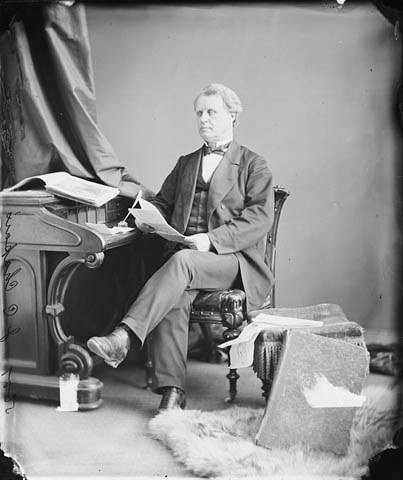
Jean-Charles Chapais, April 1870 (Topley Studio).
CA-K646History

Jean-Charles Chapais, Father of Confederation

Jean-Charles Chapais, a merchant of Saint-Denis de Kamouraska, represented Kamouraska as a Conservative from 1851 to 1867 and was Commissioner of Public Works. A delegate to the Québec Conference and Father of Confederation, he became a senator in 1868 and served in Macdonald’s cabinets as Minister of Agriculture and Receiver General.

Factual accuracy review: No recorded challenge

Contributor: Citizen.ca

Verified against cited sourcesVerified on 2026-10-26↗
Photo: William James Topley · Photo licence: Public domain · Credit & context
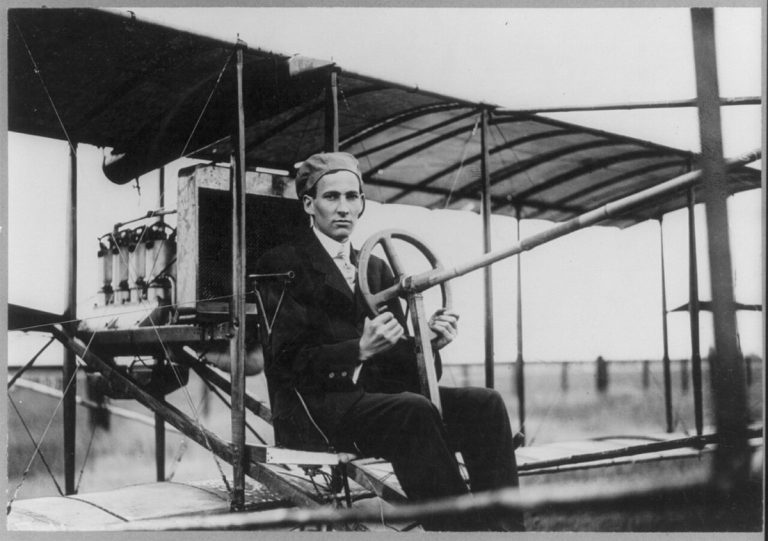
J. A. D. McCurdy, 1911 (Library of Congress).
CA-K626History

J. A. D. McCurdy, pilot of the Silver Dart

John A. D. McCurdy of Baddeck, an early associate of Alexander Graham Bell, piloted the Silver Dart on 23 February 1909 in Canada’s first successful powered flight. A pioneer of the aircraft industry, he later oversaw aircraft production in the Second World War and served as lieutenant-governor of Nova Scotia.

Factual accuracy review: No recorded challenge

Contributor: Citizen.ca

Verified against cited sourcesVerified on 2026-10-26↗
Photo: Miscellaneous Items in High Demand, PPOC, Library of Congress · Photo licence: Public domain · Credit & context
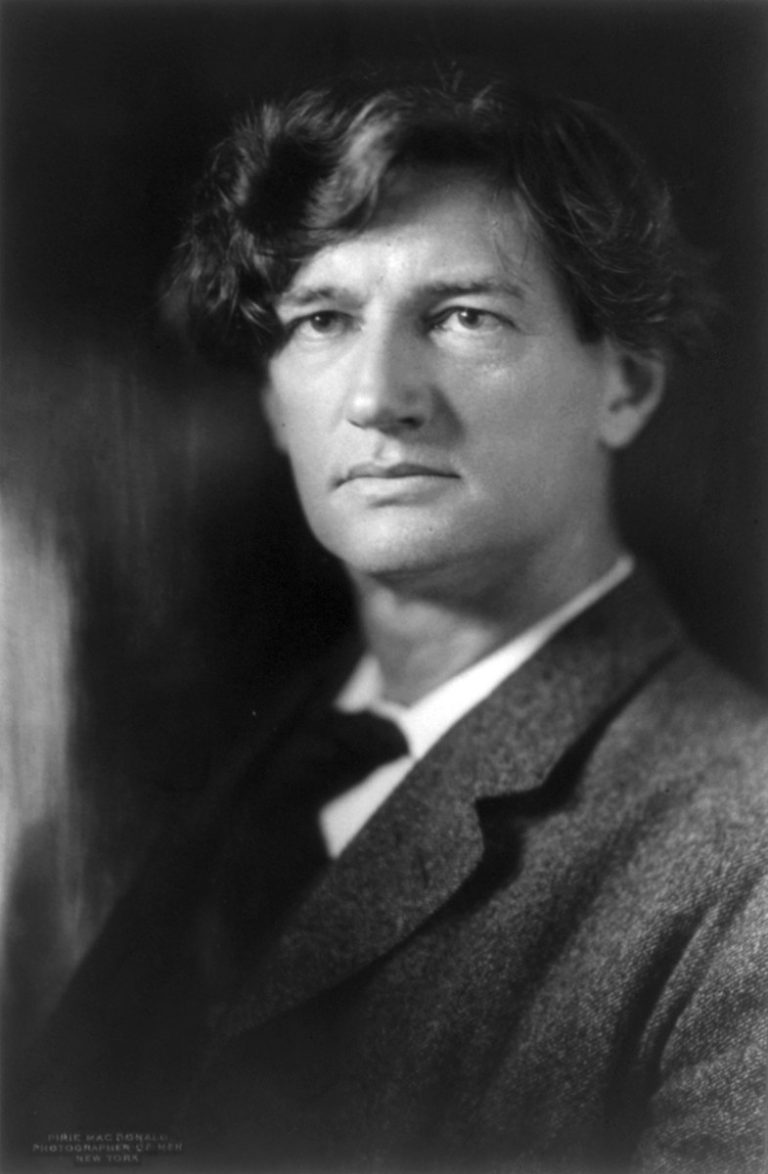
Bliss Carman, 1903 (Pirie MacDonald, Library of Congress).
CA-K605Culture & sport

Bliss Carman, poet of the Confederation group

Bliss Carman, born in Fredericton, wrote lyrical, mystical poetry reflecting his love of nature and the Maritimes. As a literary editor in New York and Boston he promoted many Canadian authors, and as a member of the Confederation group of poets he was one of Canada’s most recognized poets at home and abroad.

Factual accuracy review: No recorded challenge

Contributor: Citizen.ca

Verified against cited sourcesVerified on 2026-10-26↗
Photo: Pirie MacDonald · Photo licence: Public domain · Credit & context
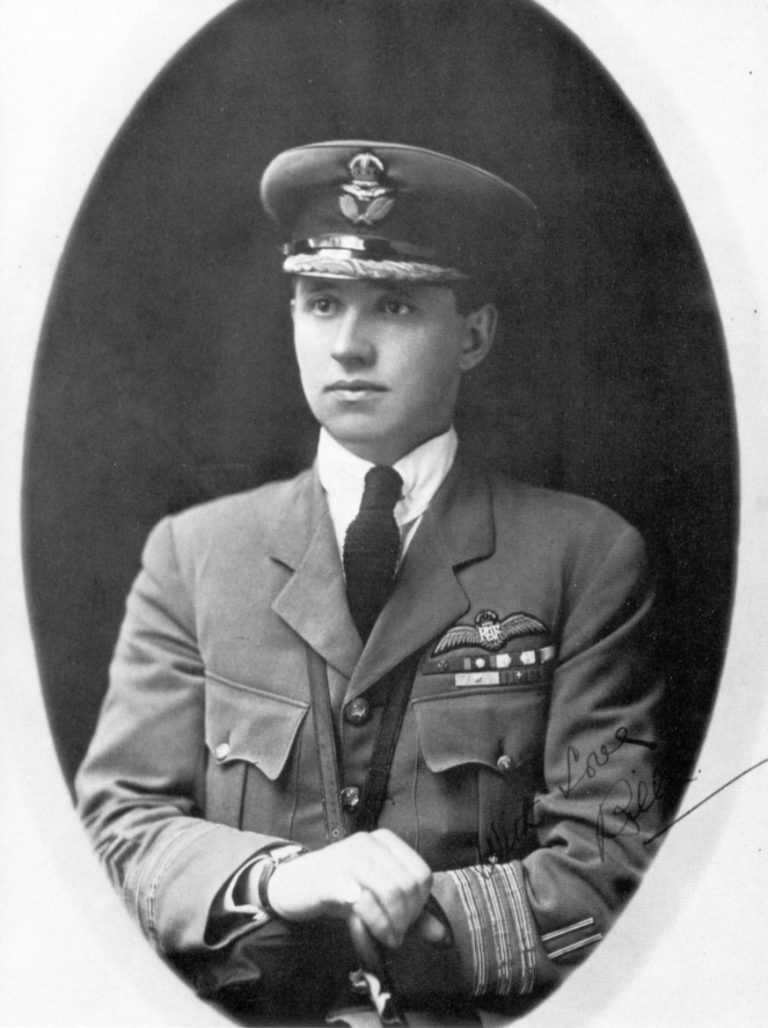
Lieutenant-Colonel William George Barker, VC, 1918–1919.
CA-K595History

Billy Barker, VC, air ace

William “Billy” Barker of Dauphin, Manitoba, joined the Canadian Expeditionary Force in 1914 and later the Royal Flying Corps, becoming one of the great air aces of the First World War. He downed 50 enemy aircraft, was the leading fighter pilot on the Italian front, and with the Victoria Cross and eight other gallantry medals is one of Canada’s most decorated servicemen.

Factual accuracy review: No recorded challenge

Contributor: Citizen.ca

Verified against cited sourcesVerified on 2026-10-26↗
Photo: not identified · Photo licence: Public domain · Credit & context
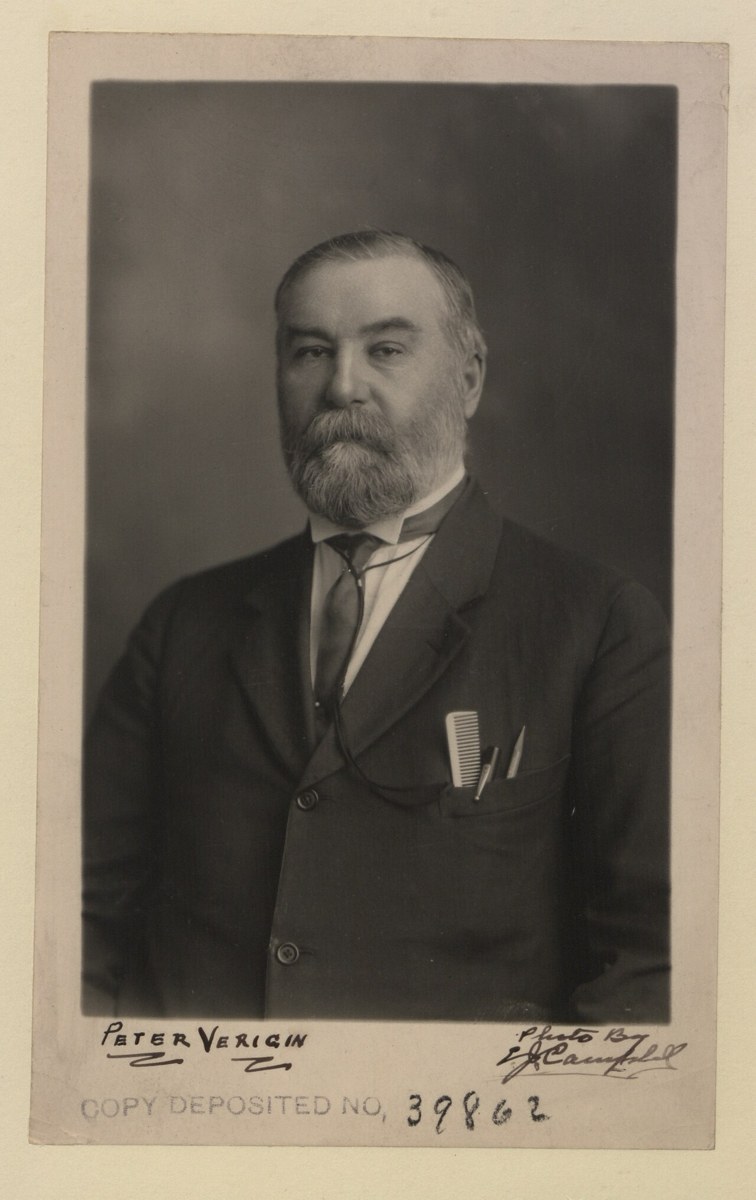
Peter Verigin, 1922.
CA-K590History

Peter Verigin and the Doukhobors

Peter Verigin, known to his followers as “Lordly”, developed a Christian communalism rooted in Doukhobor teachings and, with Leo Tolstoy’s support, organized Doukhobor immigration to Canada in 1898–1899. He built communal villages on the Prairies and later led his followers’ mass migration to British Columbia.

Factual accuracy review: No recorded challenge

Contributor: Citizen.ca

Verified against cited sourcesVerified on 2026-10-26↗
Photo: E.J. Campbell · Photo licence: Public domain · Credit & context
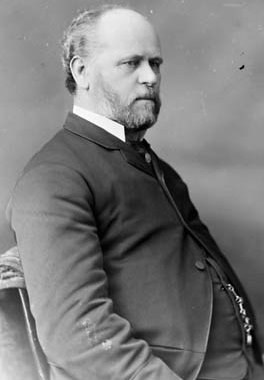
Peter Mitchell, April 1883 (Topley Studio).
CA-K587History

Peter Mitchell, New Brunswick Father of Confederation

Peter Mitchell of Newcastle, New Brunswick, attended the Charlottetown, Québec and London conferences and, as premier in 1866–1867, negotiated New Brunswick’s entry into Confederation. He was Canada’s first Minister of Marine and Fisheries from 1867 to 1873 and later owned the Montreal Herald.

Factual accuracy review: No recorded challenge

Contributor: Citizen.ca

Verified against cited sourcesVerified on 2026-10-26↗
Photo: William James Topley · Photo licence: Public domain · Credit & context
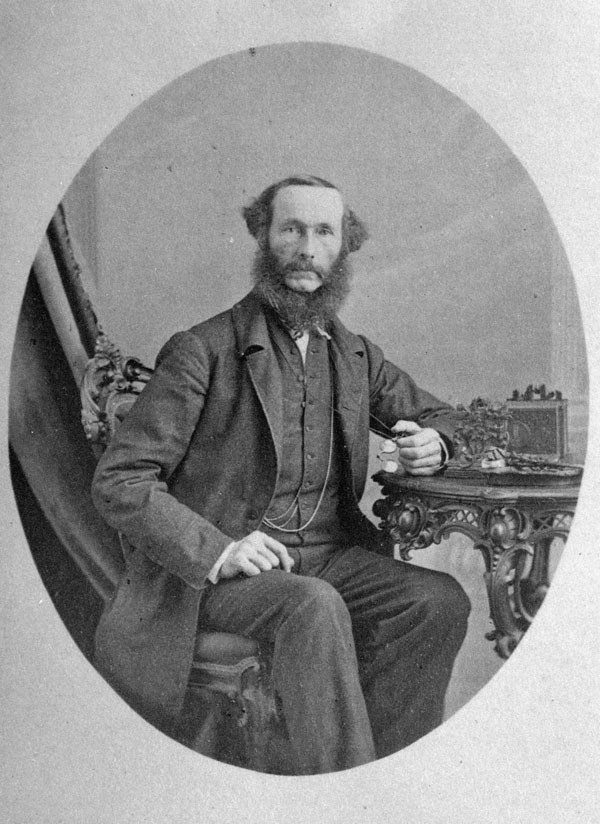
John Hamilton Gray (William Notman, Library and Archives Canada).
CA-K586History

John Hamilton Gray, who chaired the Charlottetown Conference

John Hamilton Gray of Charlottetown served in the British cavalry before becoming premier of Prince Edward Island from 1863 to 1865. An ardent supporter of Confederation, he presided over the Charlottetown Conference and attended the Québec Conference; when the Island rejected the Québec Resolutions he returned to military life.

Factual accuracy review: No recorded challenge

Contributor: Citizen.ca

Verified against cited sourcesVerified on 2026-10-26↗
Photo: William Notman · Photo licence: Public domain · Credit & context
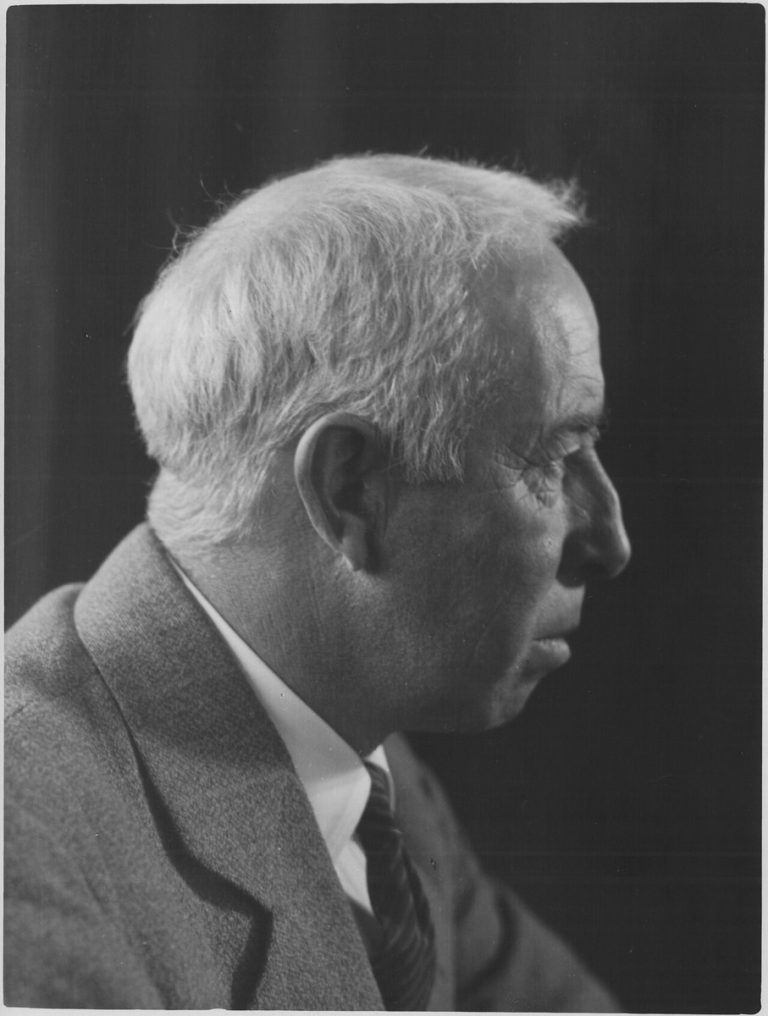
A. Y. Jackson, 1930 (Archives of Ontario).
CA-K574Culture & sport

A. Y. Jackson, painter of the Group of Seven

A. Y. Jackson, born in Montréal, studied painting there and in Paris, served overseas in the First World War and was a member of the Group of Seven from 1920 to 1933. His simple, rounded forms in wilderness landscapes gave a powerful image of Canada, and he greatly influenced a generation of Canadian artists.

Factual accuracy review: No recorded challenge

Contributor: Citizen.ca

Verified against cited sourcesVerified on 2026-10-26↗
Photo: Unknown photographer (1930); Archives of Ontario, I0007815 · Photo licence: Public domain · Credit & context