An independent Canadian knowledge project

Focused and Verified

Canadian knowledge base

Search by keyword

Choose one keyword, or combine two. Broader keywords include their descendants.

Keywords: Indigenous knowledge, rights and heritage

Clear search
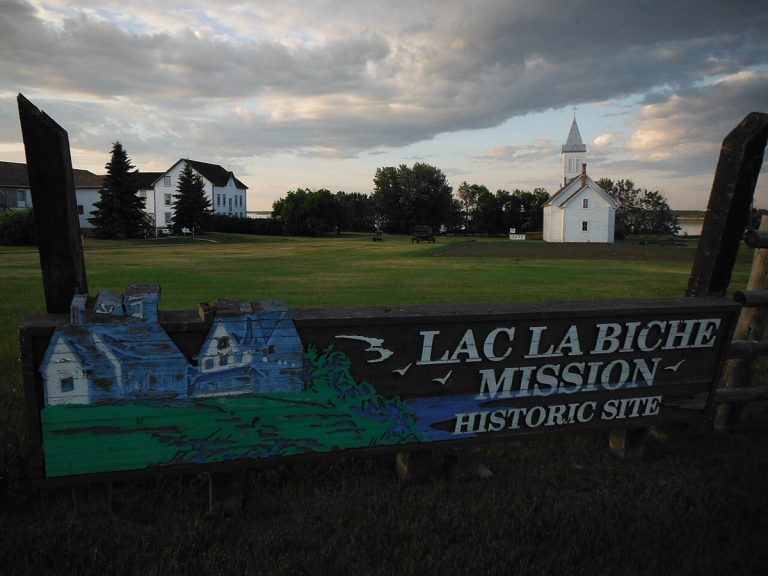
Lac La Biche Mission National Historic Site on the shore of Lac La Biche, Alberta, photographed in 2012.
CA-K345Indigenous peoples & reconciliation

Lac La Biche Mission

Notre Dame des Victoires / Lac La Biche Mission in Alberta, established by the Oblates in 1853 in the lands of the nêhiyawak (Cree) and other First Nations and the Métis homeland, was created to convert First Nations and Métis peoples to Christianity and became a supply hub for northern missions. From the 1860s its school, run by the Grey Nuns, was among the Catholic Church’s earliest experiments in residential education in the northwest.

Factual accuracy review: No recorded challenge

Contributor: Citizen.ca

Verified against cited sourcesVerified on 2026-10-26↗
Photo: Grapher78 · Photo licence: CC BY-SA 3.0 · Credit & context
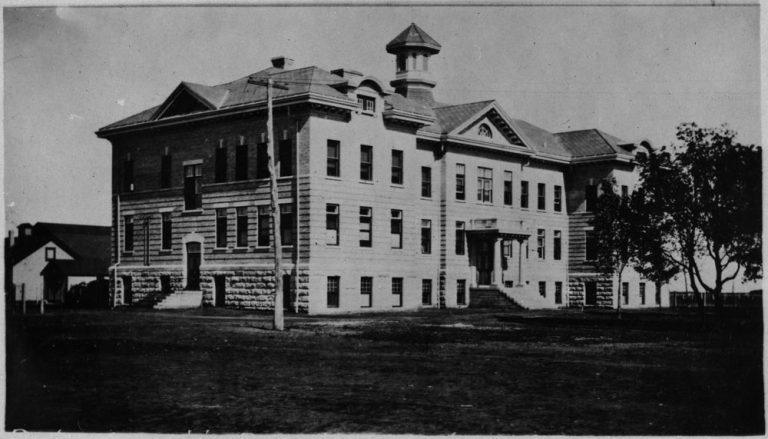
The school building at Portage la Prairie, Manitoba, around 1914–1915 (Library and Archives Canada).
CA-K344Indigenous peoples & reconciliation

The former Portage la Prairie Indian Residential School

At the Portage la Prairie Indian Residential School in Manitoba, built in 1914–1915 and open until 1975, Indigenous children endured abuse, severe discipline, punishment for speaking their languages and isolation from their families. Operated by the Presbyterian and United Churches for the federal government, it was part of a policy the Truth and Reconciliation Commission called cultural genocide; Long Plain First Nation took ownership in 1981 and has made it a place of commemoration and resilience.

Factual accuracy review: No recorded challenge

Contributor: Citizen.ca

Verified against cited sourcesVerified on 2026-10-26↗
Photo: BiblioArchives / LibraryArchives · Photo licence: CC BY 2.0 · Credit & context
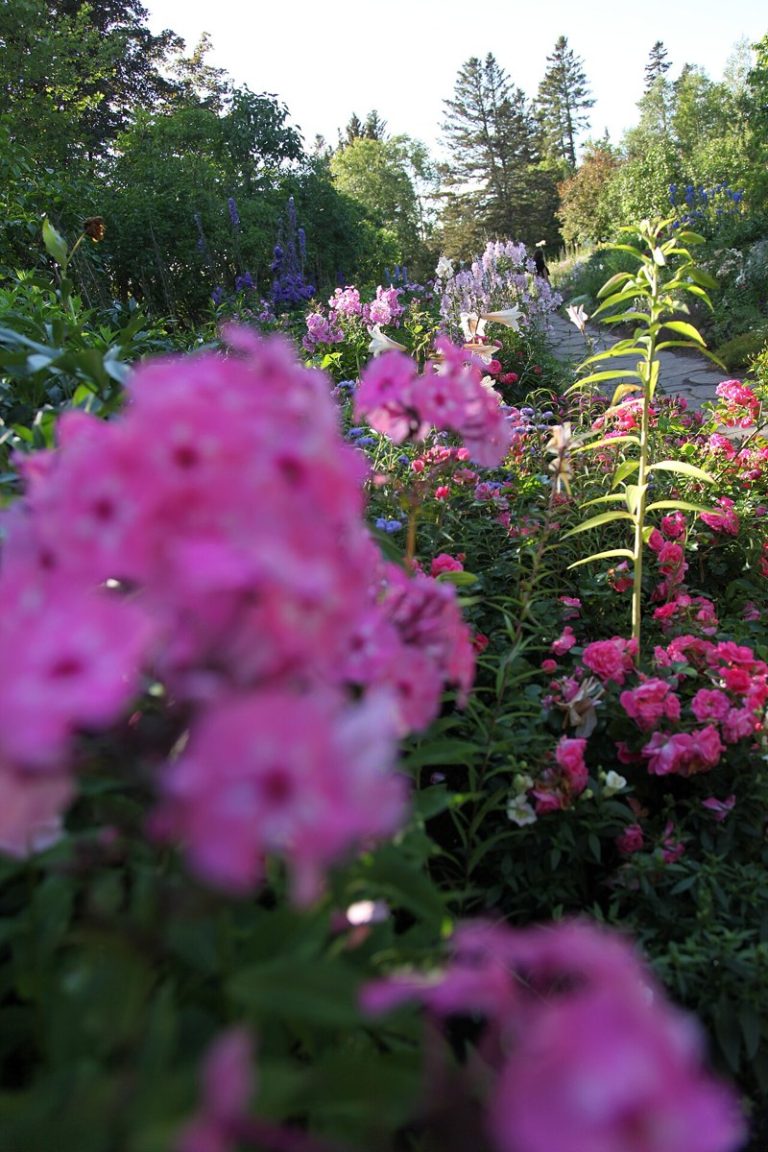
Flower beds and a path at the Jardins de Métis (Reford Gardens), Quebec, photographed in 2015.
CA-K337Culture & sport

Jardins de Métis (Reford Gardens)

The Jardins de Métis (Reford Gardens) in Quebec were created by Elsie Reford from about 1926 to 1958. Their English-inspired design includes specialized gardens, winding paths and an allée royale. The site’s favourable microclimate supports a diverse collection of plants.

Factual accuracy review: No recorded challenge

Contributor: Citizen.ca

Verified against cited sourcesVerified on 2026-10-26↗
Photo: Marc-Lautenbacher · Photo licence: CC BY-SA 4.0 · Credit & context
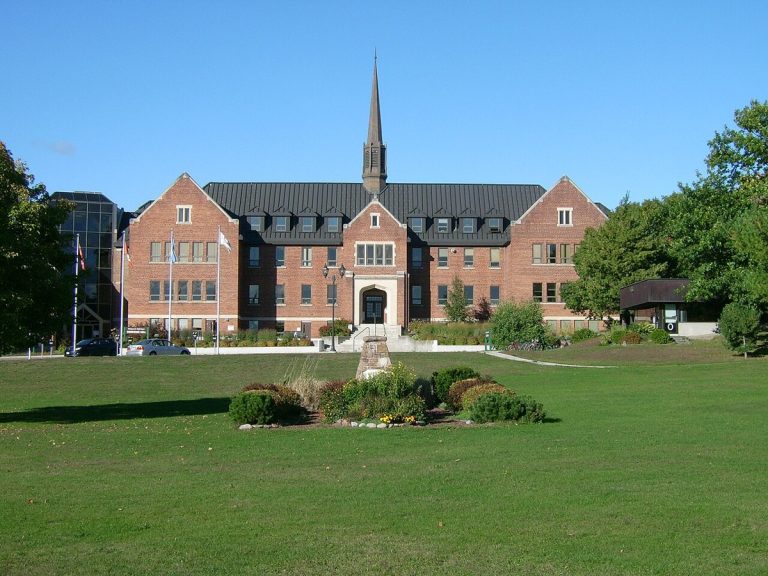
Shingwauk Hall, the former school’s main building, now part of Algoma University in Sault Ste. Marie, photographed in 2012.
CA-K328Indigenous peoples & reconciliation

The former Shingwauk Indian Residential School

The Shingwauk Indian Residential School in Sault Ste. Marie, Ontario, opened by the Anglican Church in 1875 and closed in 1970, was part of the residential school system that sought to assimilate Indigenous children by separating them from their families, cultures and languages. Named for Chief Shingwaukonse, whose vision of education was lost, it was a Shingwauk school “in name only”; its main building, Shingwauk Hall, is one of the few remaining residential school buildings in Canada.

Factual accuracy review: No recorded challenge

Contributor: Citizen.ca

Verified against cited sourcesVerified on 2026-10-26↗
Photo: Fungus Guy · Photo licence: CC BY-SA 3.0 · Credit & context
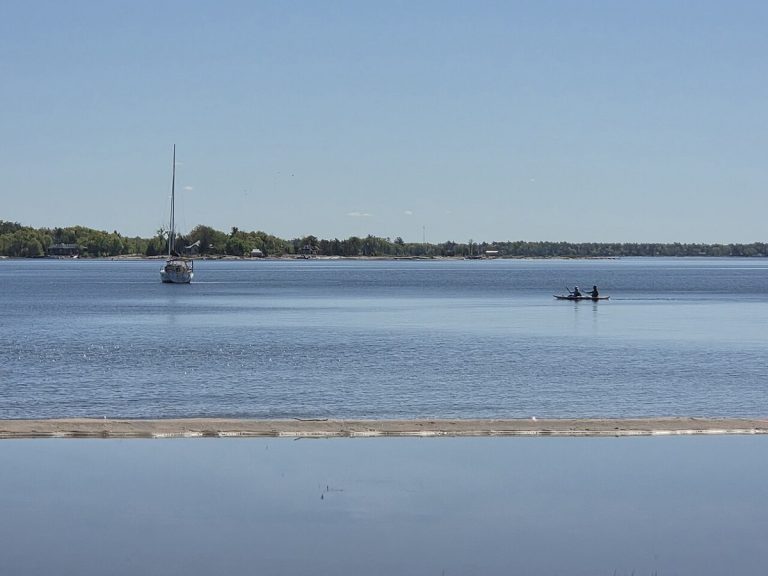
The eastern shore of Beausoleil Island, looking out over Severn Sound, photographed in 2026.
CA-K326Indigenous peoples & reconciliation

Beausoleil Island (Bimadinaagogi), an Anishinaabeg landscape

Beausoleil Island in Georgian Bay, named Bimadinaagogi (“a ridge extending and growing along”) by the Anishinaabeg, is a cultural landscape and place of memory for Indigenous Peoples’ relationships with the land and water. Indigenous narratives record the island’s creation and its importance to Anishinaabeg women who gathered plants and held ceremonies there, after some ten thousand years of occupation.

Factual accuracy review: No recorded challenge

Contributor: Citizen.ca

Verified against cited sourcesVerified on 2026-10-26↗
Photo: Explorers' Edge · Photo licence: CC0 · Credit & context
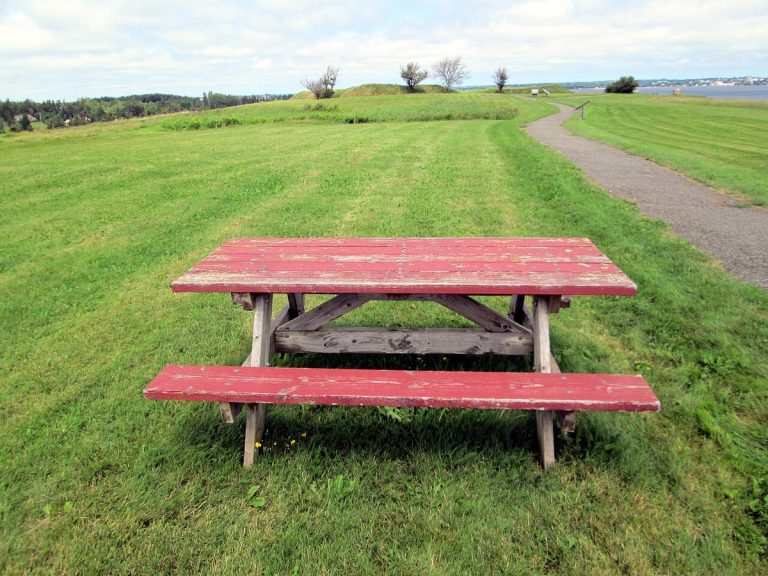
The site of Fort Amherst, Prince Edward Island, photographed in 2013.
CA-K325History

Skmaqn–Port-la-Joye–Fort Amherst

Skmaqn–Port-la-Joye–Fort Amherst, on Prince Edward Island, was the seat of colonial government from 1720 to 1768, first under the French and then the British. It was a port of entry and a place where Mi’kmaq and French leaders renewed their alliance. In 1758, British authorities used Fort Amherst to organize the forcible removal of more than 3,000 Acadians from the island.

Factual accuracy review: No recorded challenge

Contributor: Citizen.ca

Verified against cited sourcesVerified on 2026-10-26↗
Photo: Larry from Charlottetown, PEI, Canada · Photo licence: CC BY 2.0 · Credit & context
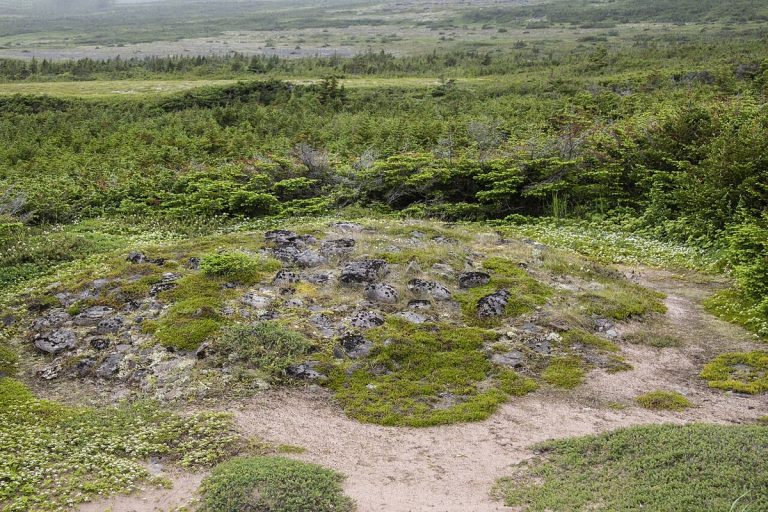
The burial mound at L’Anse Amour, Labrador, photographed in 2012.
CA-K309Indigenous peoples & reconciliation

L’Anse Amour, a 7,700-year-old burial mound

L’Anse Amour in southern Labrador, one of the largest and longest-used Indigenous habitation sites in Labrador, has the oldest known First Nations funerary monument in North America, built about 7,700 years ago over a young person’s burial. The grave goods include the earliest known toggling harpoon in the world.

Factual accuracy review: No recorded challenge

Contributor: Citizen.ca

Verified against cited sourcesVerified on 2026-10-26↗
Photo: Pierre Gingras · Photo licence: CC BY-SA 4.0 · Credit & context
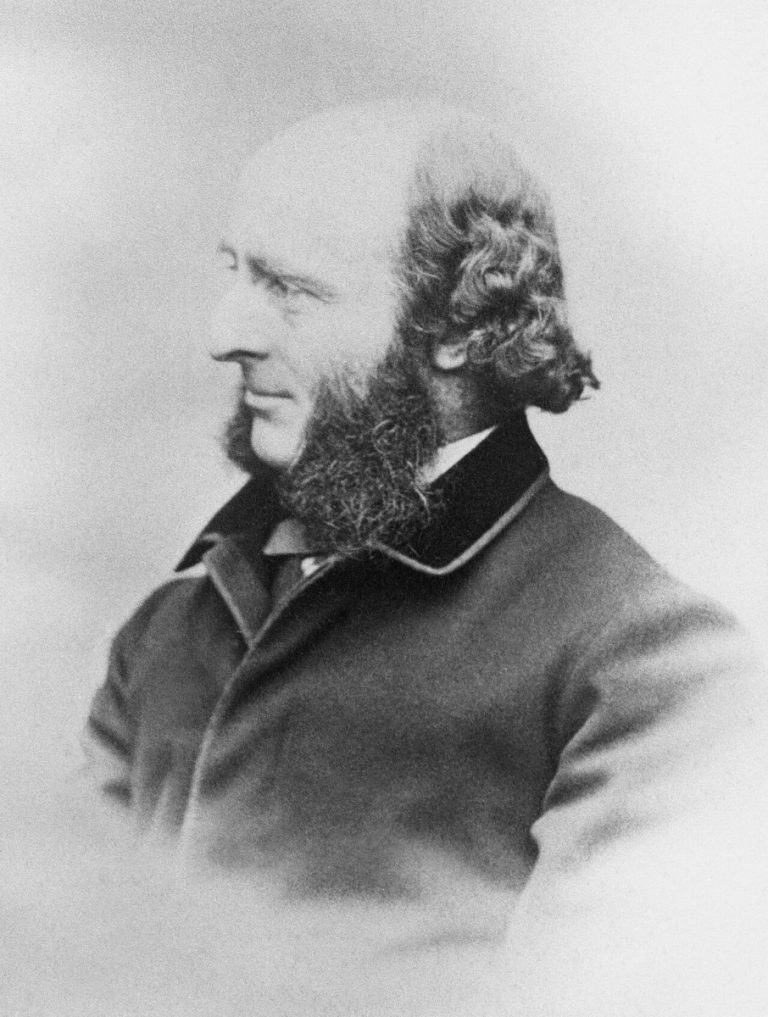
A portrait of Henry Youle Hind, about 1865.
CA-K288Places & geography

Henry Youle Hind’s surveys of the North-West

Henry Youle Hind (1823–1908), a scientist and explorer, led surveys of the North-West between 1857 and 1860 that produced scientific reports, photographs and maps. His reports on arable land helped shape Canada’s decision to pursue the acquisition of Rupert’s Land, a decision taken, as Parks Canada notes, without regard for Indigenous peoples.

Factual accuracy review: No recorded challenge

Contributor: Citizen.ca

Verified against cited sourcesVerified on 2026-10-26↗
Photo: Cox, A. W. · Photo licence: CC BY-SA 4.0 · Credit & context
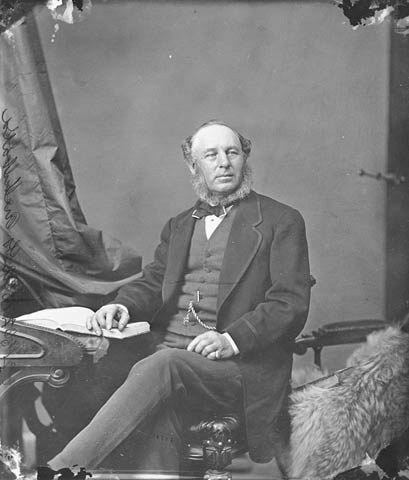
A portrait of Sir Adams George Archibald.
CA-K275Indigenous peoples & reconciliation

Adams Archibald, Métis land rights and Treaties 1 and 2

Adams George Archibald (1814–1892), first lieutenant-governor of Manitoba and the North-West Territories (1870–1872), was charged with administering the Manitoba Act’s guarantee of Métis land rights, which proved difficult amid settler encroachment and while Canadian militia subjected Métis people to a “reign of terror.” In 1871 he represented the Crown in negotiating Treaties 1 and 2, but several promises he made were not written into the treaties.

Factual accuracy review: No recorded challenge

Contributor: Citizen.ca

Verified against cited sourcesVerified on 2026-10-26↗
Photo: User Magnus Manske on en.wikipedia · Photo licence: Public domain · Credit & context
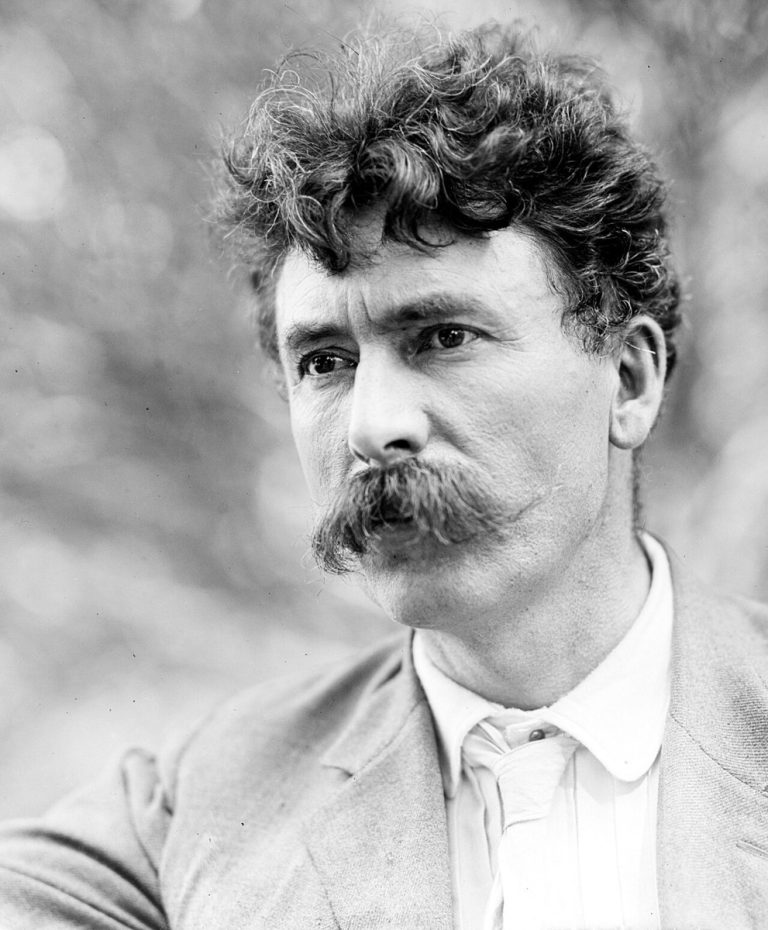
Ernest Thompson Seton (Bain News Service photograph).
CA-K266Culture & sport

Ernest Thompson Seton, naturalist and writer

Ernest Thompson Seton (1860–1946), largely self-taught, made major contributions as a naturalist, ornithologist, conservationist and wildlife artist, and his bestselling realistic animal stories developed a distinctive Canadian genre. His “Woodcraft Indians” youth program influenced the Boy Scout movement and summer camps but, as Parks Canada’s 2022 review notes, also contributed to inaccurate stereotypes of First Nations.

Factual accuracy review: No recorded challenge

Contributor: Citizen.ca

Verified against cited sourcesVerified on 2026-10-26↗
Photo: Bain News Service · Photo licence: Public domain · Credit & context
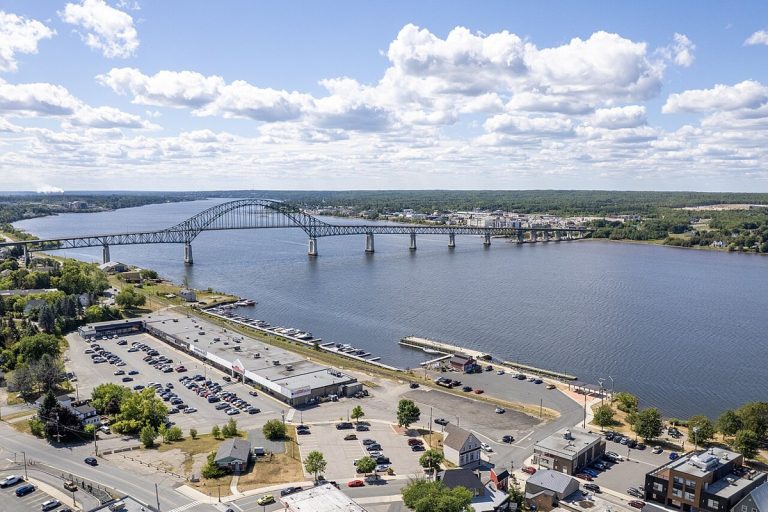
The Miramichi River and Centennial Bridge in Miramichi, New Brunswick, in 2025.
CA-K224History

The Miramichi Fire of 1825

In October 1825, the Miramichi Fire burned an estimated 15,500 km² of northeastern New Brunswick, killing hundreds of people, leaving thousands homeless and affecting both settlers and Mi’kmaq. About £50,000 was raised for relief, thought to be the largest disaster relief effort in pre-Confederation Canadian history.

Factual accuracy review: No recorded challenge

Contributor: Citizen.ca

Verified against cited sourcesVerified on 2026-10-26↗
Photo: Gabriel Picard · Photo licence: CC BY-SA 4.0 · Credit & context
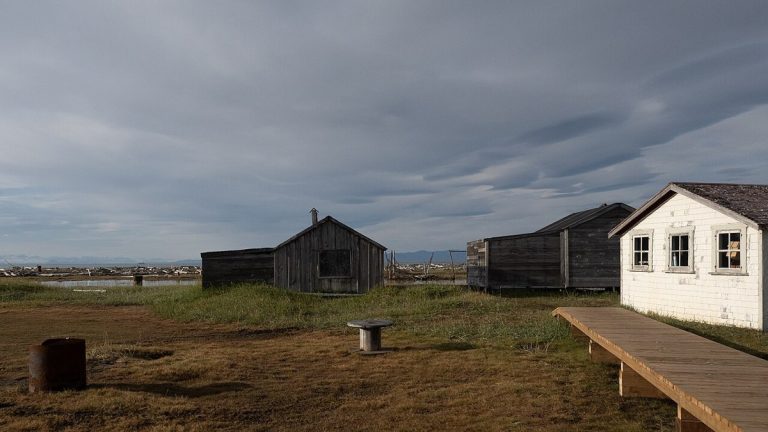
Pauline Cove on Qikiqtaruk (Herschel Island), Yukon, photographed in 2025.
CA-K216Places & geography

Qikiqtaruk (Herschel Island), Arctic whaling base

Qikiqtaruk (Herschel Island), off the Yukon coast, became the principal base for American whalers in the western Arctic in 1890. Parks Canada’s commemorative plaque records a community of about 2,000 whalers and Inuit during the peak winter of 1894–1895.

Factual accuracy review: No recorded challenge

Contributor: Citizen.ca

Verified against cited sourcesVerified on 2026-10-26↗
Photo: Carina Gsottbauer · Photo licence: CC BY-SA 4.0 · Credit & context
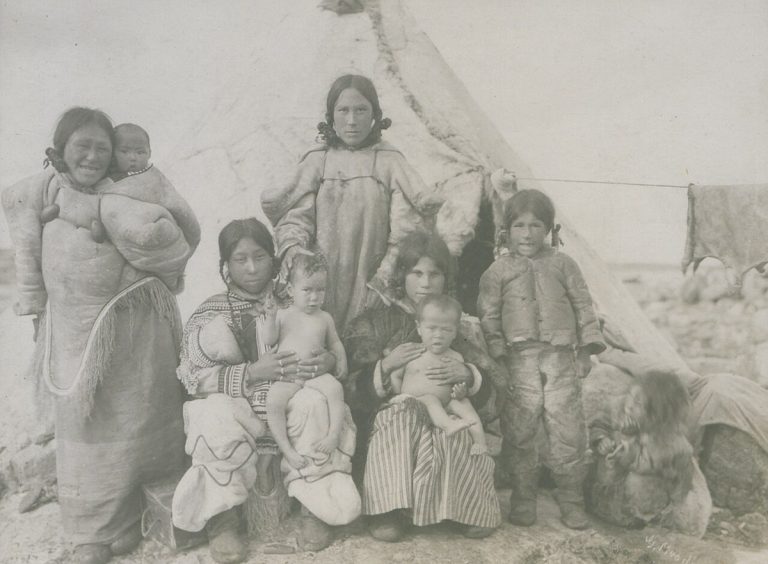
Inuit women and children at Fullerton (Qatiktalik), Nunavut, photographed by Geraldine Moodie in 1906.
CA-K209Culture & sport

Geraldine Moodie, photographer of the North-West and North

Geraldine Moodie (1854–1945), an entrepreneur in a male-dominated field, owned and operated at least three commercial photography studios. As the wife of a North-West Mounted Police officer she had unprecedented access to Indigenous communities, and her photographs are valued historical records of First Nations and Inuit lifeways around 1900.

Factual accuracy review: No recorded challenge

Contributor: Citizen.ca

Verified against cited sourcesVerified on 2026-10-26↗
Photo: Geraldine Moodie · Photo licence: Public domain · Credit & context
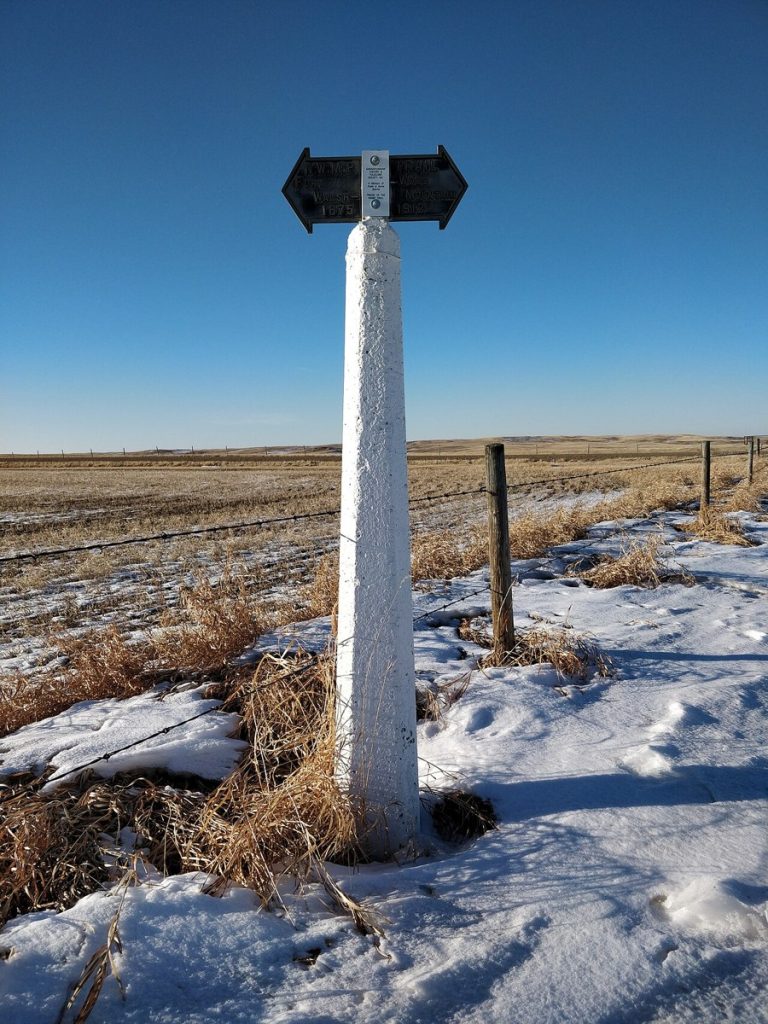
A North-West Mounted Police trail marker near Glen McPherson, Saskatchewan, on the former route between Fort Walsh and Wood Mountain, in 2021.
CA-K204History

The North-West Mounted Police, 1873

The North-West Mounted Police was established in 1873 by Prime Minister John A. Macdonald’s government as a paramilitary force of 300 mounted constables, to assert Canadian control over the North-West Territories. Arriving in 1874 after a 1,300-kilometre trek from Dufferin, Manitoba, the force set up posts without the consultation or permission of First Nations and enforced laws that disregarded Indigenous laws and ways of life.

Factual accuracy review: No recorded challenge

Contributor: Citizen.ca

Verified against cited sourcesVerified on 2026-10-26↗
Photo: Awmcphee · Photo licence: CC BY-SA 3.0 · Credit & context
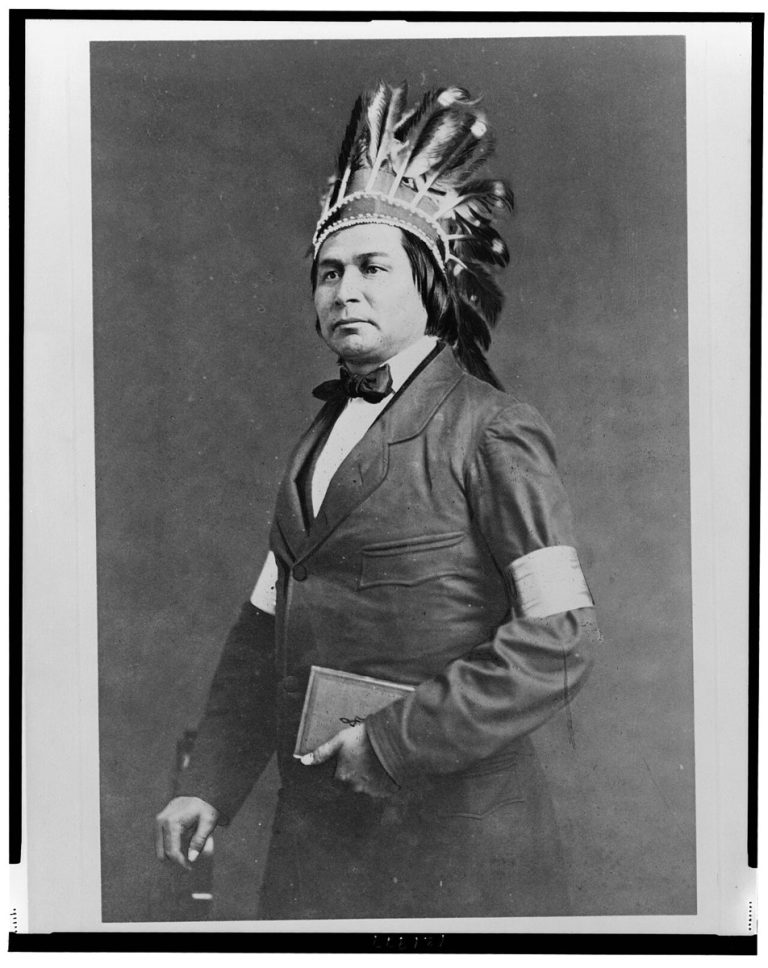
A hand-coloured portrait of Kahgegagahbowh (George Copway), about 1860 (Library of Congress).
CA-K197Indigenous peoples & reconciliation

Kahgegagahbowh (George Copway), Anishinaabe author

Kahgegagahbowh (George Copway, 1818–1869), a Mississauga Anishinaabe author, lecturer and activist, gained international literary celebrity for popular non-fiction books in the late 1840s and early 1850s. His writing and lectures gave readers in Canada and abroad insight into Mississauga spirituality, history and culture, and he spoke for Indigenous peoples at the 1850 Peace Congress in Frankfurt.

Factual accuracy review: No recorded challenge

Contributor: Citizen.ca

Verified against cited sourcesVerified on 2026-10-26↗
Photo: Marian S. Carson Collection (Library of Congress) · Photo licence: Public domain · Credit & context
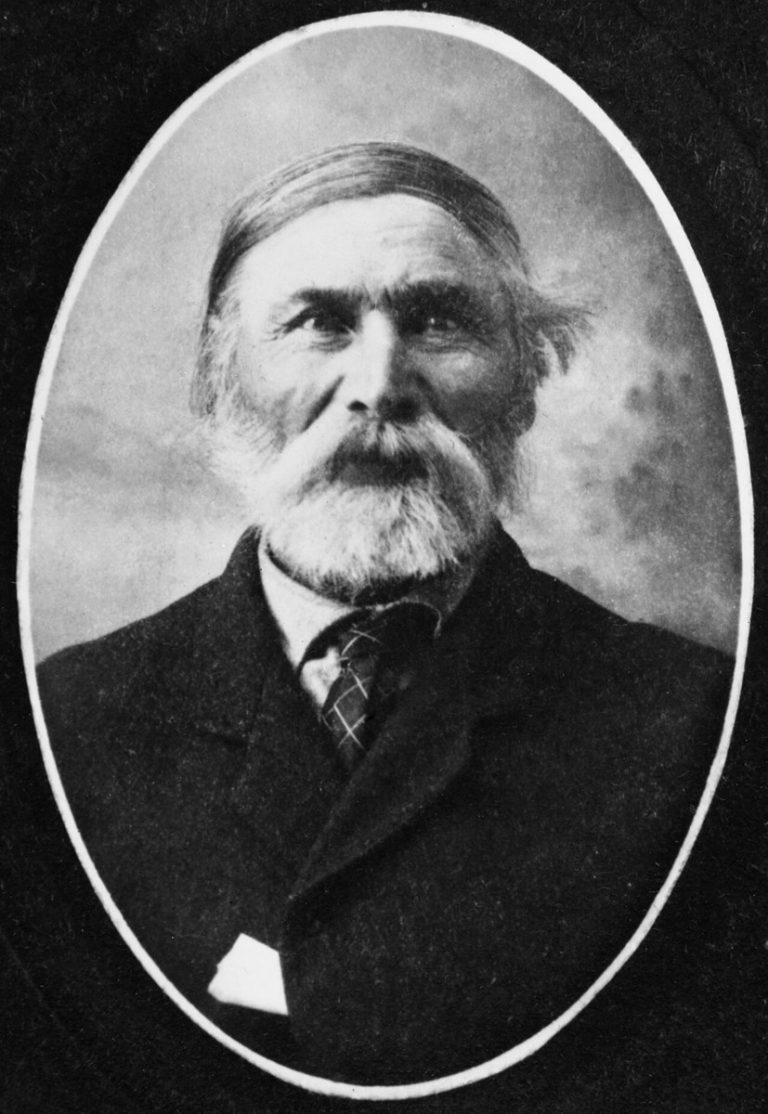
A portrait of James Isbister, taken before 1915.
CA-K196Indigenous peoples & reconciliation

James Isbister, English Métis leader

James Isbister (1833–1915), an English Métis leader, founded the Isbister Métis settlement at Prince Albert, where he and Margaret Bear began farming in 1862. He helped unite English and French Métis in seeking recognition of their land rights, and in 1884 was one of four delegates who travelled to Montana to invite Louis Riel to lead the Métis protest movement.

Factual accuracy review: No recorded challenge

Contributor: Citizen.ca

Verified against cited sourcesVerified on 2026-10-26↗
Photo: Unknown authorUnknown author · Photo licence: Public domain · Credit & context
The Six Nations Sports & Cultural Memorial Centre in Ohsweken, Six Nations of the Grand River, in 2024.
CA-K179Indigenous peoples & reconciliation

Edith Anderson Monture, nurse and veteran

Charlotte Edith Anderson Monture (1890–1996), a Kanien’kehá:ka (Mohawk) woman from Six Nations of the Grand River, was among the first generation of hospital-trained professional nurses from First Nations in Canada. After nursing with the American Expeditionary Force in the First World War, she was among the female veterans granted the federal vote in 1917, and returned home in 1919 as a nurse and midwife.

Factual accuracy review: No recorded challenge

Contributor: Citizen.ca

Verified against cited sourcesVerified on 2026-10-26↗
Photo: JFVoll · Photo licence: CC BY-SA 4.0 · Credit & context
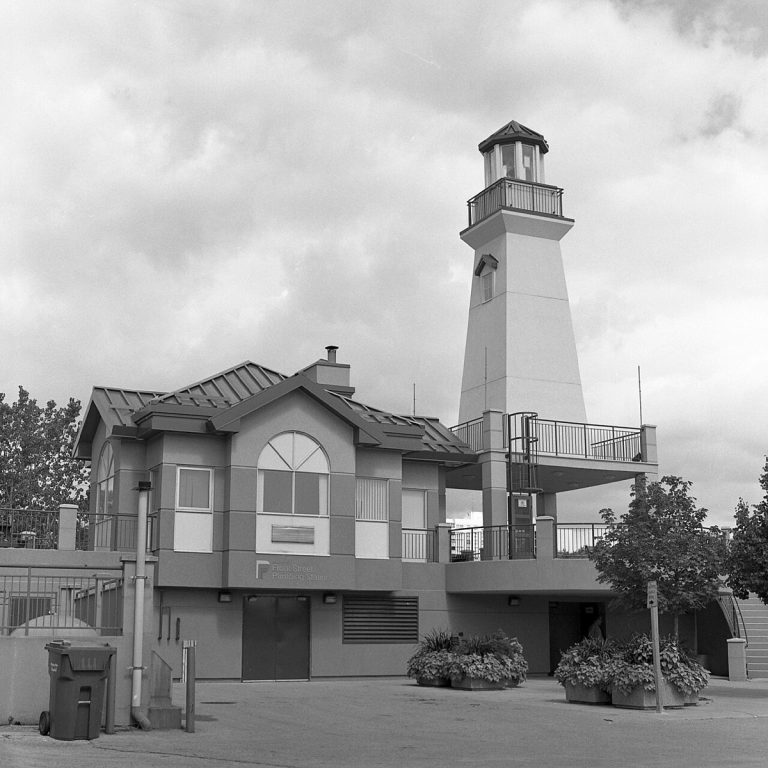
The Port Credit lighthouse in Mississauga, Ontario, near the Credit River, photographed in 2011.
CA-K178Indigenous peoples & reconciliation

Nahnebahweequay (Catharine Sutton) appealed to Queen Victoria

Nahnebahweequay (Catharine Sutton, 1824–1865), a Mississauga (Ojibwe) advocate raised at the Credit Mission, fought for Indigenous land title and against the loss of First Nations women’s status through marriage to non-Indigenous men. In defiance of colonial officials, she travelled to London and appealed directly to Queen Victoria in 1860.

Factual accuracy review: No recorded challenge

Contributor: Citizen.ca

Verified against cited sourcesVerified on 2026-10-26↗
Photo: ^ Missi ^ from Mississauga, Canada · Photo licence: CC BY 2.0 · Credit & context
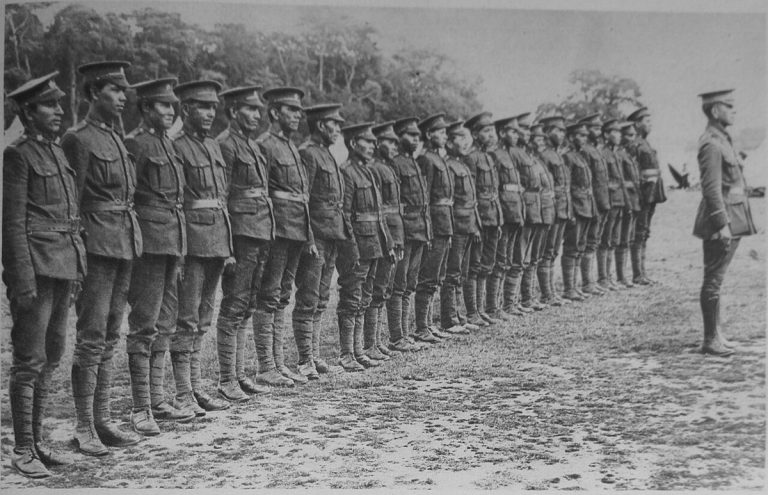
Onondeyoh (Frederick Ogilvie Loft) with soldiers, as published in the French magazine Le Miroir in August 1917.
CA-K177Indigenous peoples & reconciliation

Onondeyoh (Frederick Ogilvie Loft) and the League of Indians

Onondeyoh (Frederick Ogilvie Loft, 1861–1934) founded the League of Indians of Canada in 1919, the first pan-Indigenous political organization, advocating for land rights and better education. He lobbied for self-government and day schools in place of residential schools, and protested forced enfranchisement and the expropriation of reserve lands.

Factual accuracy review: No recorded challenge

Contributor: Citizen.ca

Verified against cited sourcesVerified on 2026-10-26↗
Photo: Unknown · Photo licence: Public domain · Credit & context
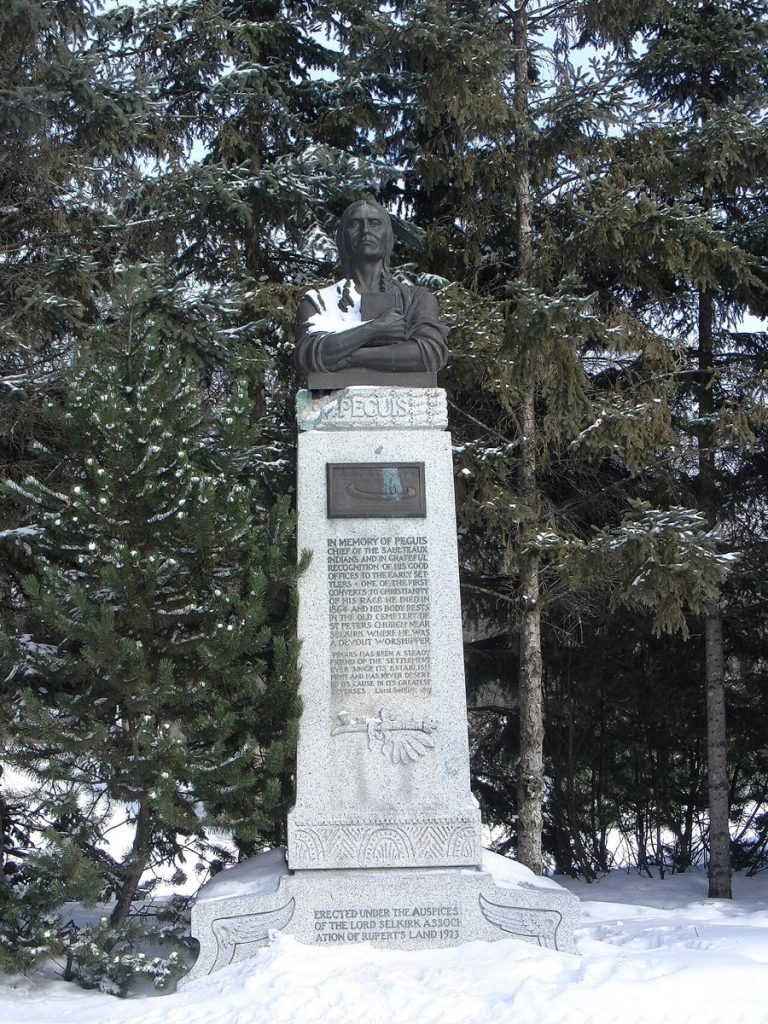
The Peguis monument in Kildonan Park, Winnipeg, erected in 1923, photographed in 2011.
CA-K176Indigenous peoples & reconciliation

Chief Peguis and the Selkirk Treaty of 1817

Chief Peguis (1774–1864), a skilled hunter and diplomat, worked to protect the rights and interests of the Anishinaabeg of Red River and stepped in to save lives when fur trade hostilities threatened the Selkirk Settlement. He was one of five First Nations negotiators of the Selkirk Treaty of 1817, the first agreement permitting limited farmland access to settlers in western Canada.

Factual accuracy review: No recorded challenge

Contributor: Citizen.ca

Verified against cited sourcesVerified on 2026-10-26↗
Photo: Wtshymanski · Photo licence: CC BY-SA 3.0 · Credit & context
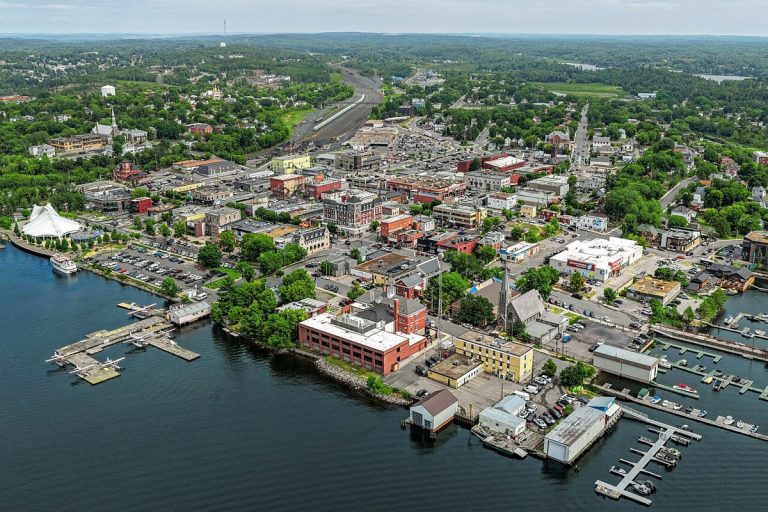
Kenora, Ontario, on Lake of the Woods, from the air in 2026; the photo does not show the former school.
CA-K175Indigenous peoples & reconciliation

Chanie Wenjack (1954–1966)

Chanie Wenjack was an Anishinaabe boy from Marten Falls First Nation who lived for three years at Cecilia Jeffrey Indian Residential School near Kenora, Ontario, and died after escaping. His story represents thousands of children driven by loneliness, abuse and desperation to run away from residential schools, and was amplified at the time by official procedures and national news coverage.

Factual accuracy review: No recorded challenge

Contributor: Citizen.ca

Verified against cited sourcesVerified on 2026-10-26↗
Photo: Quintin Soloviev · Photo licence: CC BY 4.0 · Credit & context
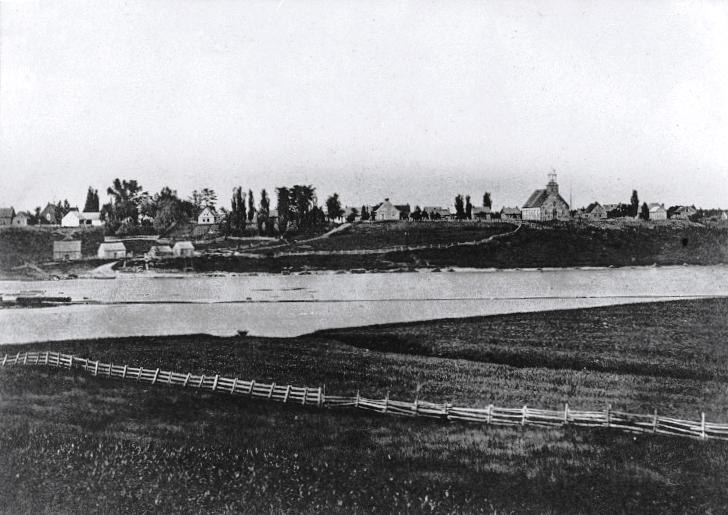
The Abenaki village at Pierreville (Odanak), Quebec, around 1910.
CA-K161Language & names

Théophile Panadis recorded the Abenaki language

Théophile Panadis of Odanak, known as “the Storyteller,” dedicated his life to safeguarding and sharing Abenaki traditional knowledge. Working with ethnologists A. Irving Hallowell and Gordon M. Day, he recorded Abenaki language and history, helping to sustain a strong Abenaki identity.

Factual accuracy review: No recorded challenge

Contributor: Citizen.ca

Verified against cited sourcesVerified on 2026-10-26↗
Photo: AnonymousUnknown author · Photo licence: Public domain · Credit & context
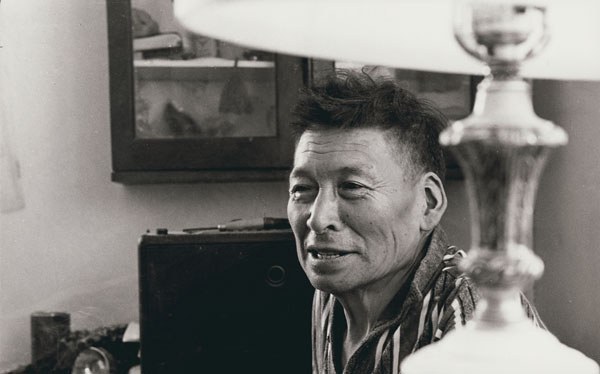
Peter Pitseolak in 1968, photographed by Charles Gimpel.
CA-K160Indigenous peoples & reconciliation

Peter Pitseolak, Inuit photographer and historian

Peter Pitseolak (1902–1973), an Inuit artist, photographer, hunter and historian, recorded both the old customs and beliefs of his people and their adjustment to a new life as Inuit culture underwent momentous change. His carvings, prints and photographs are acclaimed for their historical and artistic value, and he left an account of the history of Sikusuilaq (southern Baffin Island).

Factual accuracy review: No recorded challenge

Contributor: Citizen.ca

Verified against cited sourcesVerified on 2026-10-26↗
Photo: Charles Gimpel · Photo licence: Public domain · Credit & context
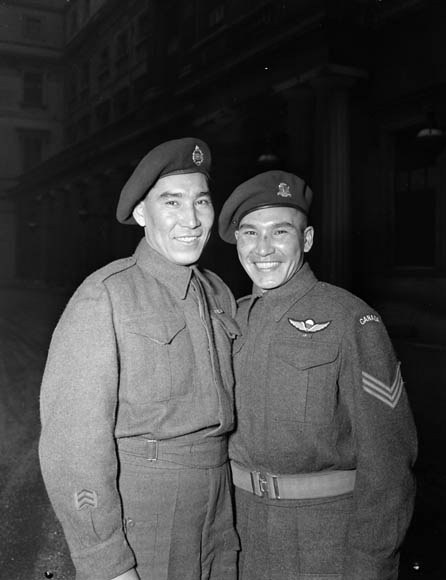
Sergeant Tommy Prince (right) with his brother, Private Morris Prince, at Buckingham Palace, 12 February 1945.
CA-K159Indigenous peoples & reconciliation

Tommy Prince, Anishinaabe veteran and activist

Tommy Prince (1915–1977), an Anishinaabe veteran, was a founding member of the 1st Canadian Parachute Battalion and the First Special Service Force (Devil’s Brigade) in the Second World War, and served in the Korean War. He represented Manitoba First Nations’ interests nationally, and his story illustrates both First Nations soldiers’ contributions and their poor treatment on returning home.

Factual accuracy review: No recorded challenge

Contributor: Citizen.ca

Verified against cited sourcesVerified on 2026-10-26↗
Photo: Christopher J. Woods - Canada. Dept. of National Defence · Photo licence: Public domain · Credit & context