
An independent Canadian knowledge project

Focused and Verified

Canadian knowledge base

Search by keyword

Choose one keyword, or combine two. Broader keywords include their descendants.

Keywords: Work, economy and infrastructure

Clear search
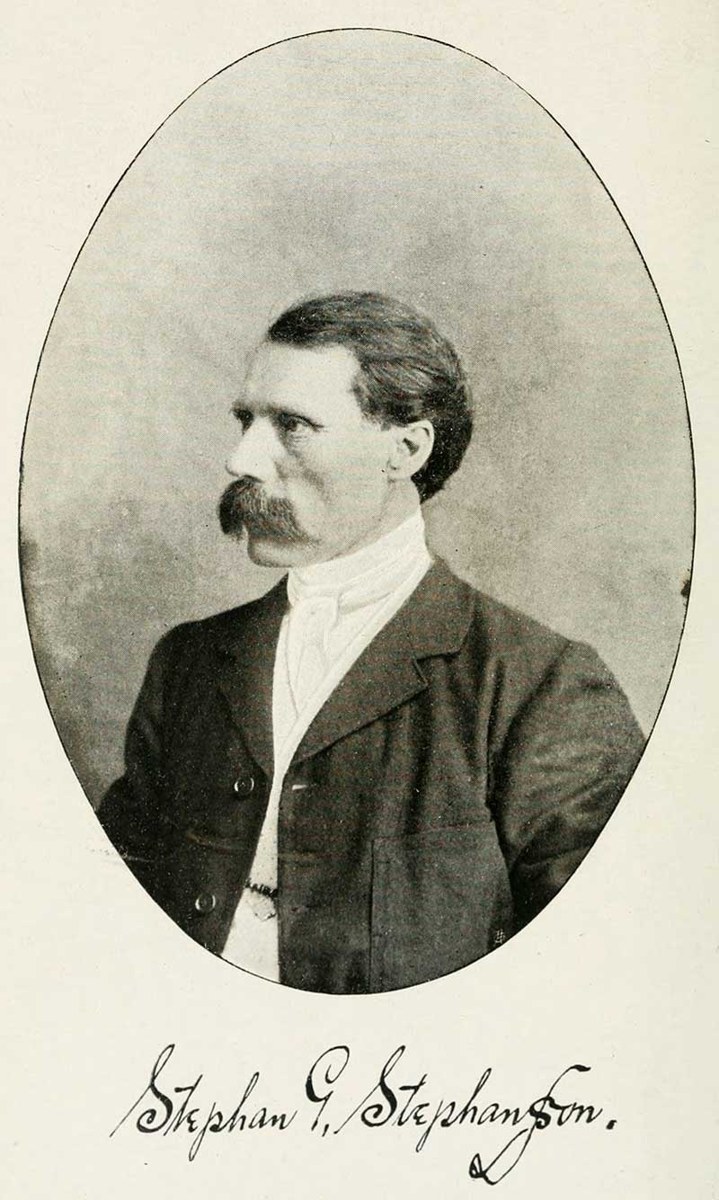
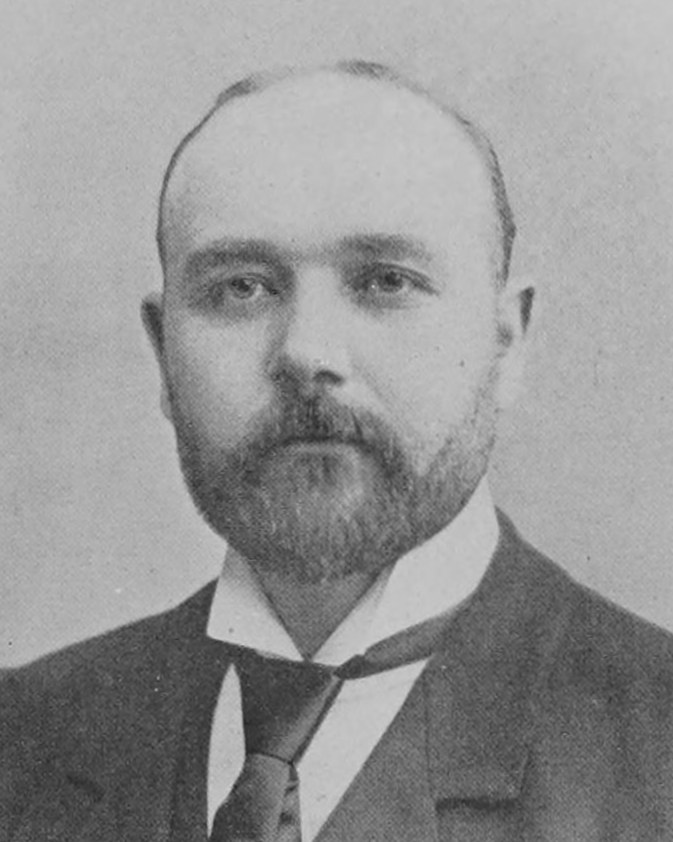
Stephan G. Stephansson, before 1909.
CA-K583Culture & sport

Stephan G. Stephansson, Icelandic poet of Alberta

Stephan G. Stephansson, born in Iceland, settled near Markerville, Alberta, in 1889 after living in the United States. A pioneer farmer and self-taught scholar of Scandinavian literature, he published seven volumes of poetry from 1900 to 1920 and was ranked among the greatest Icelandic poets since the Middle Ages.

Factual accuracy review: No recorded challenge

Contributor: Citizen.ca

Verified against cited sourcesVerified on 2026-10-26↗
Photo: Unknown photographer · Photo licence: Public domain · Credit & context
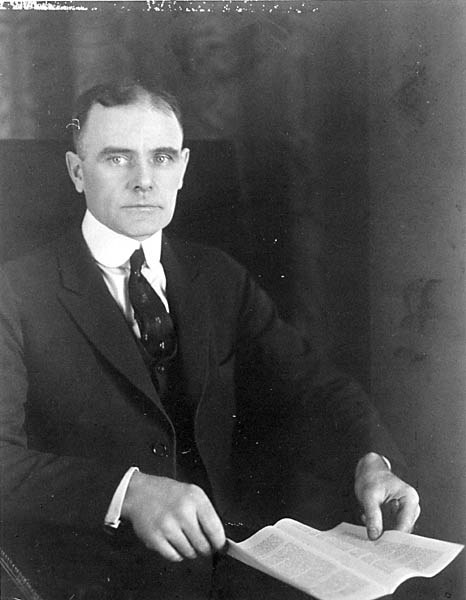
Alexander James McPhail (University of Saskatchewan Archives).
CA-K575Economy & trade

A. J. McPhail and the Saskatchewan Wheat Pool

Alexander James McPhail, who came west from Ontario in 1899, worked to organize Prairie farmers politically and economically. As secretary of the Saskatchewan Grain Growers’ Association he worked tirelessly to create the Saskatchewan Wheat Pool, becoming its first president in 1924, and helped form the Central Sales Agency for the three Prairie provinces’ crops.

Factual accuracy review: No recorded challenge

Contributor: Citizen.ca

Verified against cited sourcesVerified on 2026-10-26↗
Photo: University of Saskatchewan · Photo licence: Public domain · Credit & context
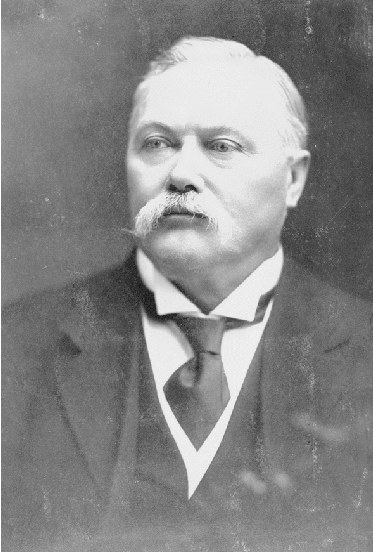
John Hendry, around 1910 (BC Archives).
CA-K572Economy & trade

John Hendry, British Columbia lumber pioneer

John Hendry built a lumber empire in western Canada. In 1891 his mills and logging operations, including the Hastings Mill, became the British Columbia Mills, Timber and Trading Company, the province’s first forestry conglomerate, which led the way in mechanized logging and integrated lumber production, transport and marketing.

Factual accuracy review: No recorded challenge

Contributor: Citizen.ca

Verified against cited sourcesVerified on 2026-10-26↗
Photo: Unknown author · Photo licence: Public domain · Credit & context
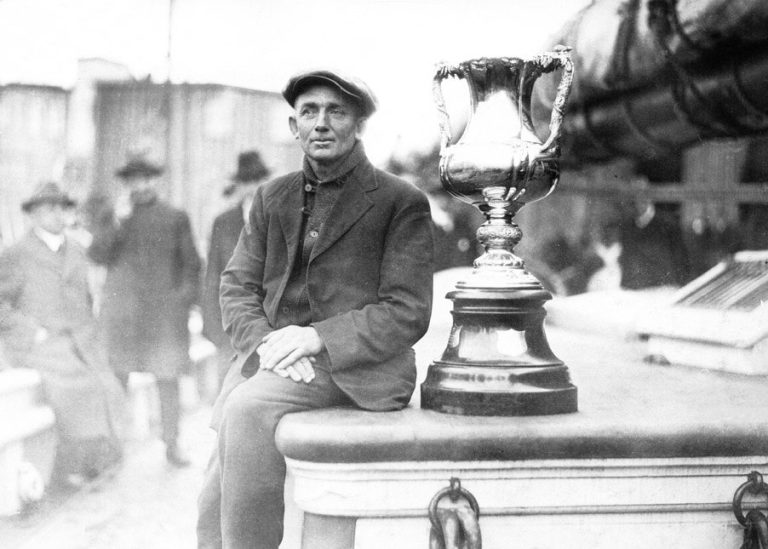
Captain Angus Walters with the International Fishermen’s Trophy on the deck of Bluenose, 1921 (W. R. MacAskill).
CA-K566Culture & sport

Captain Angus Walters of the Bluenose

Captain Angus J. Walters of Lunenburg, a legendary sailor and fisherman, won five consecutive International Fishermen’s Races at the helm of the schooner Bluenose between 1921 and 1938, a great source of pride during the Depression. A top fishing captain, he brought international attention to the Atlantic Canadian fishery.

Factual accuracy review: No recorded challenge

Contributor: Citizen.ca

Verified against cited sourcesVerified on 2026-10-26↗
Photo: W.R. MacAskill (1890-1956) · Photo licence: Public domain · Credit & context
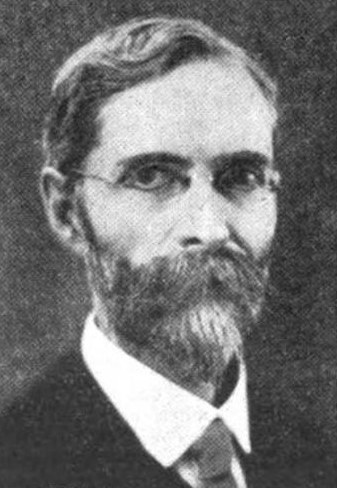
William Roper Hull, portrait published in 1903.
CA-K564Economy & trade

William Roper Hull, Alberta cattleman

William Roper Hull, a cattleman, entrepreneur and land developer, was the first in Alberta to combine cattle raising, meat processing and retailing on a large scale in the late 1880s. He built several ranches and city holdings in Calgary and made the Bow Valley Ranch a regional showpiece known for its irrigation and its social events.

Factual accuracy review: No recorded challenge

Contributor: Citizen.ca

Verified against cited sourcesVerified on 2026-10-26↗
Photo: Unknown author · Photo licence: Public domain · Credit & context
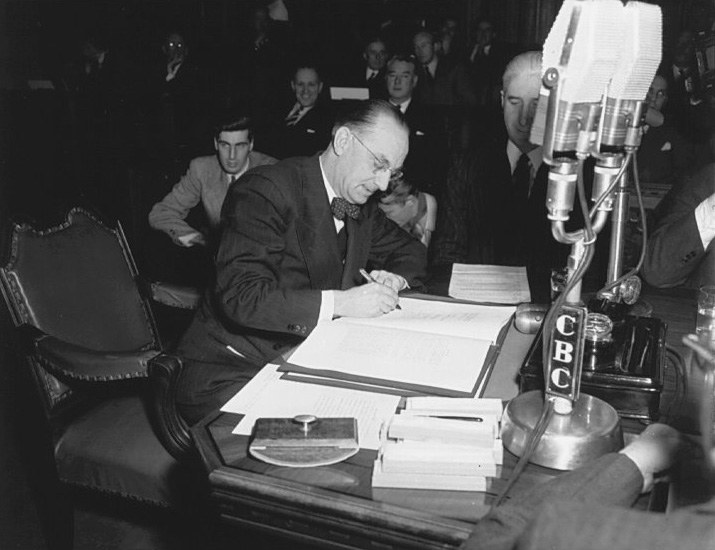
Joey Smallwood signing the agreement admitting Newfoundland into Confederation, Ottawa, December 1948 (National Film Board).
CA-K563History

Joey Smallwood, Newfoundland’s Father of Confederation

Joseph “Joey” Smallwood, born at Gambo and a journalist, labour organizer and broadcaster, played a decisive role in bringing Newfoundland into Confederation in 1949. He became a passionate advocate of union from 1946, helped negotiate the terms and dominated the referendum campaigns, then served as premier from 1949 to 1972.

Factual accuracy review: No recorded challenge

Contributor: Citizen.ca

Verified against cited sourcesVerified on 2026-10-26↗
Photo: NFB · Photo licence: Public domain · Credit & context
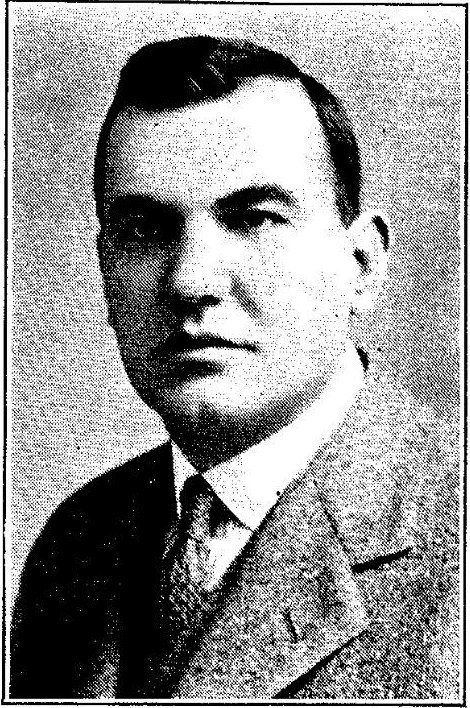
Édouard Lacroix, 1927.
CA-K560Economy & trade

Édouard Lacroix, Beauce industrialist

Édouard Lacroix, a business leader from the Beauce, built an industrial empire in Quebec, the Maritimes and New England, opening up Appalachian forests and helping integrate the lumber and pulp and paper industries of the Saint John River basin. A rare francophone among interwar industrial leaders, he was also an MP from 1925 to 1944.

Factual accuracy review: No recorded challenge

Contributor: Citizen.ca

Verified against cited sourcesVerified on 2026-10-26↗
Photo: Philippe Angers · Photo licence: Public domain · Credit & context
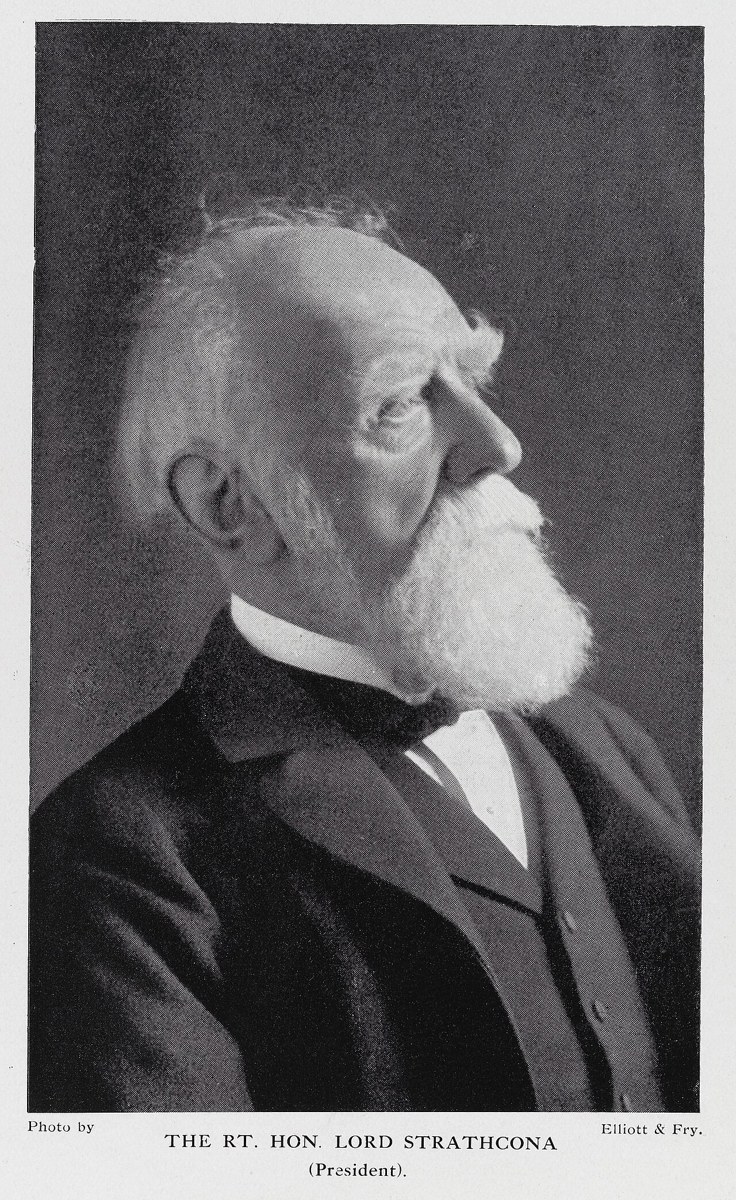
Charles Edward Saunders, portrait published in 1927.
CA-K555Economy & trade

Charles Saunders and Marquis wheat

Charles Edward Saunders of London, Ontario, was Dominion Cerealist at the Experimental Farm in Ottawa from 1903 to 1922. There in 1904 he developed the famous Marquis wheat, first grown by farmers in 1910, along with other varieties suited to the Prairies such as Ruby, Garnet and Reward.

Factual accuracy review: No recorded challenge

Contributor: Citizen.ca

Verified against cited sourcesVerified on 2026-10-26↗
Photo: Unknown author · Photo licence: Public domain · Credit & context
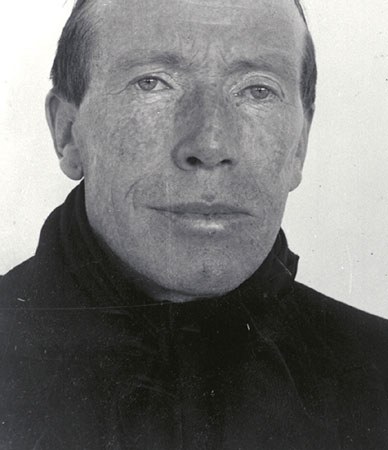
Lord Strathcona and Mount Royal (Wellcome Collection).
CA-K554Economy & trade

Donald Smith, Lord Strathcona, and the CPR

Donald Smith, born in Scotland, joined the Hudson’s Bay Company in 1838 and rose to be its governor in Canada. An MP for Selkirk who broke with the government over the Pacific Scandal, he joined his cousin George Stephen in the Canadian Pacific Railway syndicate and risked his fortune to see the line completed in 1885; he became Baron Strathcona in 1897.

Factual accuracy review: No recorded challenge

Contributor: Citizen.ca

Verified against cited sourcesVerified on 2026-10-26↗
Photo: Unknown photographer; Wellcome Collection, L0040025 · Photo licence: CC BY 4.0 · Credit & context
James Teit, before 1922.
CA-K547Indigenous peoples & reconciliation

James Teit, ethnographer of the Interior Salish

James Teit, a Shetlander who came to Spences Bridge, British Columbia, in 1884 and married into the Nlaka’pamux Nation, was the leading ethnographer of the Interior Salish. Encouraged by Franz Boas, he recorded oral traditions of the Salish, Dene and Ktunaxa, and as a champion of Indigenous land rights he served as special agent for the Allied Tribes of British Columbia.

Factual accuracy review: No recorded challenge

Contributor: Citizen.ca

Verified against cited sourcesVerified on 2026-10-26↗
Photo: unknown (self-portrait?) · Photo licence: Public domain · Credit & context
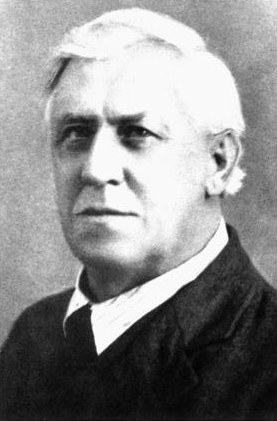
Edward Alexander Partridge (Saskatchewan Archives Board).
CA-K546Economy & trade

E. A. Partridge, prairie farm leader

E. A. Partridge, a farmer at Sintaluta, Saskatchewan, led farmers who banded together to defend their interests in the wheat boom. He helped found the Grain Growers’ Grain Company in 1905–1906 and was founding editor of the Grain Growers’ Guide in 1908, championing co-operative grain marketing, wheat pools and farmer–worker co-operation.

Factual accuracy review: No recorded challenge

Contributor: Citizen.ca

Verified against cited sourcesVerified on 2026-10-26↗
Photo: Saskatchewan Archives Board · Photo licence: Public domain · Credit & context
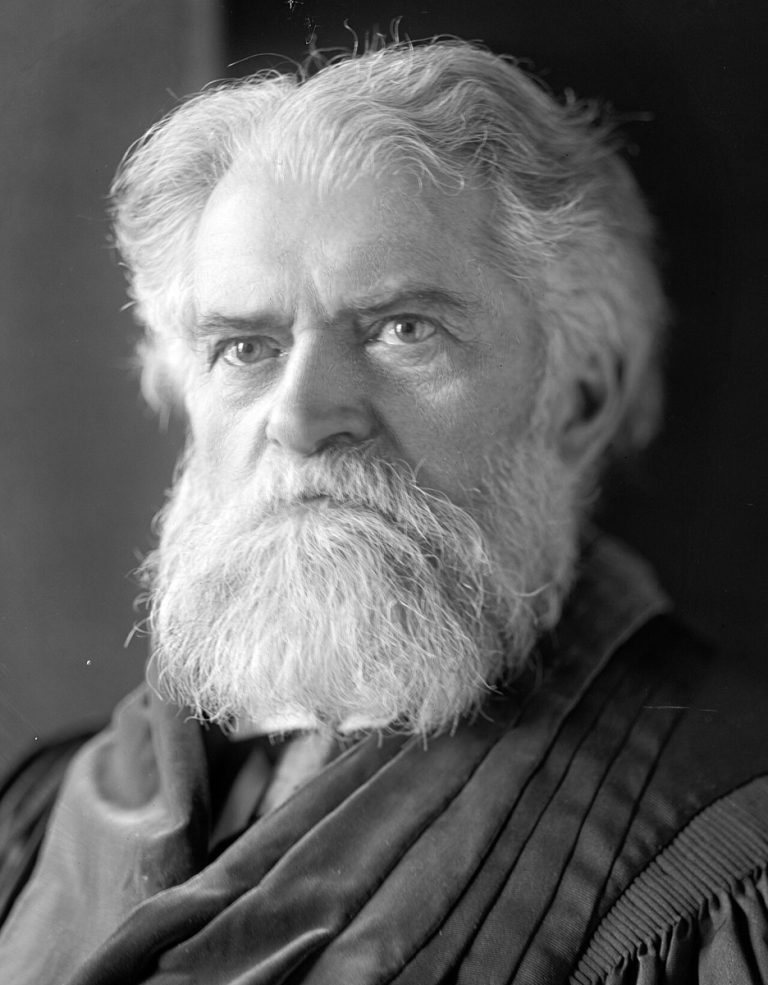
Simon Newcomb, between 1905 and 1909 (Harris & Ewing, Library of Congress).
CA-K530History

Simon Newcomb, astronomer from Nova Scotia

Simon Newcomb, born at Wallace Bridge, Nova Scotia, moved to the United States in 1853 and became a leading authority on mathematical astronomy at the U.S. Naval Observatory. As director of the Nautical Almanac from 1877 to 1897, his revision of lunar and planetary tables simplified nautical almanacs worldwide.

Factual accuracy review: No recorded challenge

Contributor: Citizen.ca

Verified against cited sourcesVerified on 2026-10-26↗
Photo: Harris & Ewing · Photo licence: Public domain · Credit & context
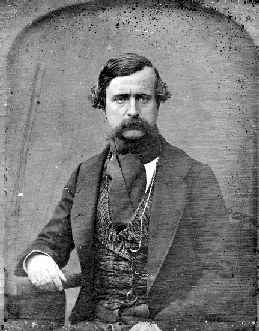
Richard Blanshard, around 1850.
CA-K512Institutions

Richard Blanshard, first governor of Vancouver Island

Richard Blanshard, an English barrister, was appointed first governor of Vancouver Island in 1849 and took office in March 1850. Disappointed by conditions in the colony, where the California gold rush slowed growth, and in poor health, he resigned that November, though slow communications kept him in Victoria until 1851.

Factual accuracy review: No recorded challenge

Contributor: Citizen.ca

Verified against cited sourcesVerified on 2026-10-26↗
Photo: Unknown author · Photo licence: Public domain · Credit & context
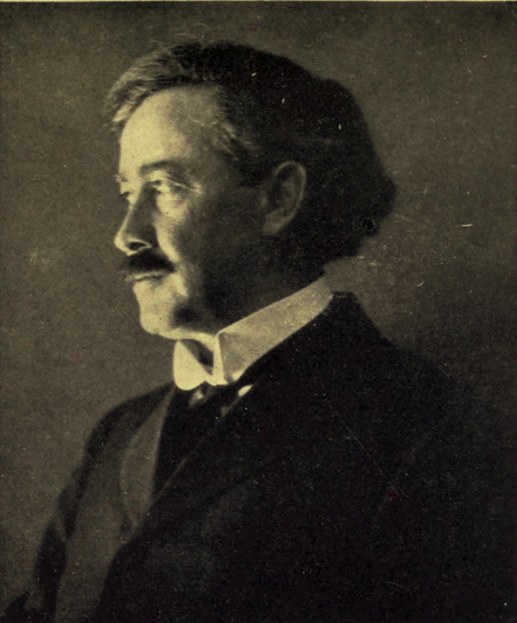
Peter McArthur, portrait published in 1916.
CA-K486Culture & sport

Peter McArthur, farmer and essayist

Peter McArthur of Appin, Ontario, edited the New York magazine Truth from 1896, encouraging Canadian and American writers. Returning to his birthplace in 1908, he combined farming with journalism, and his best-known collection of essays is In Pastures Green.

Factual accuracy review: No recorded challenge

Contributor: Citizen.ca

Verified against cited sourcesVerified on 2026-10-26↗
Photo: Photographer not named. · Photo licence: Public domain · Credit & context
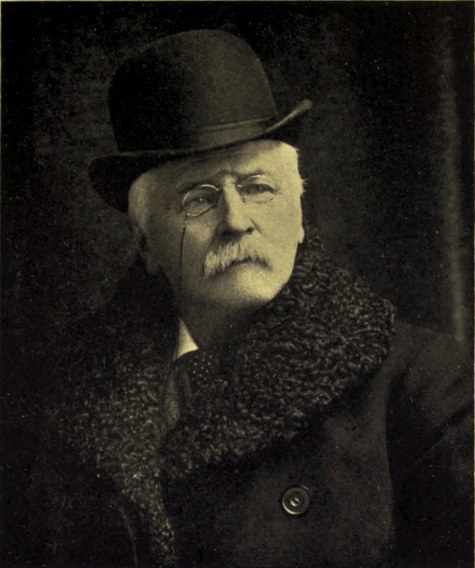
Charles Mair, portrait published in 1916.
CA-K468Culture & sport

Charles Mair, poet of Canada First

Charles Mair, born at Lanark, Upper Canada, was a journalist, poet, advocate of western expansion and an original member of the Canada First movement. A controversial figure during the Red River Resistance of 1869–1870, he later worked in business in the West and for the immigration service, and wrote works including Tecumseh and Through the Mackenzie Basin.

Factual accuracy review: No recorded challenge

Contributor: Citizen.ca

Verified against cited sourcesVerified on 2026-10-26↗
Photo: Photographer not named. · Photo licence: Public domain · Credit & context
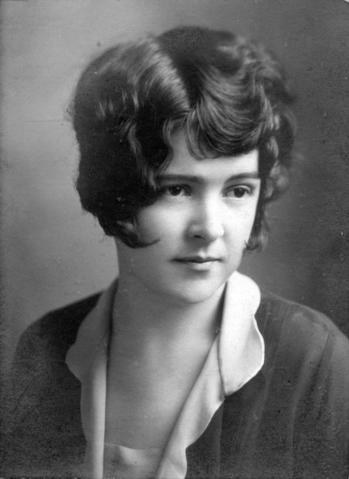
Helena Gutteridge in 1911 (City of Vancouver Archives).
CA-K456Institutions

Helena Gutteridge, suffragist and labour organizer

Helena Gutteridge, a feminist reformer who had campaigned for the vote in Britain, came to Vancouver in 1911 and brought wage-earning women into Canada’s mostly middle-class suffrage movement. She helped organize women workers through the Vancouver Trades and Labour Council, and in 1937 became the first woman elected to Vancouver City Council, helping lay the foundations of social housing in British Columbia.

Factual accuracy review: No recorded challenge

Contributor: Citizen.ca

Verified against cited sourcesVerified on 2026-10-26↗
Photo: Matthews, James Skitt, Major · Photo licence: Public domain · Credit & context
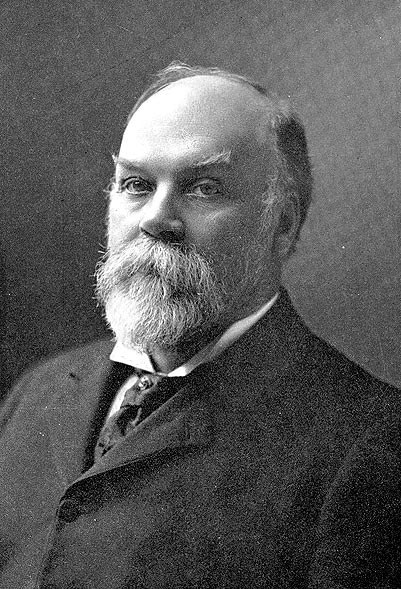
Portrait of Timothy Eaton, 1903.
CA-K439Economy & trade

Timothy Eaton, department store and mail order

Timothy Eaton, born in Ireland, opened his own store in Toronto in 1869. Innovations such as cash sales at fixed prices made it one of Canada’s first department stores, and in 1884 he introduced a mail-order department that brought low prices and a wide choice of goods to rural Canadians. At his death it was Canada’s largest retail business.

Factual accuracy review: No recorded challenge

Contributor: Citizen.ca

Verified against cited sourcesVerified on 2026-10-26↗
Photo: Unknown author · Photo licence: Public domain · Credit & context
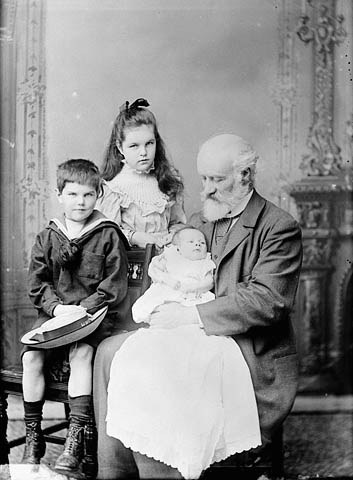
Sir Sandford Fleming with his grandchildren, July 1893 (Topley Studio).
CA-K436History

Sir Sandford Fleming, engineer and champion of standard time

Sir Sandford Fleming, born in Scotland, came to Canada in 1845 and became survey and construction engineer for the Intercolonial Railway and the Canadian Pacific. A man of wide interests and an ardent imperialist, he advocated the Pacific telegraph cable, designed the first Canadian postage stamp in 1851, and was an early champion of standard time.

Factual accuracy review: No recorded challenge

Contributor: Citizen.ca

Verified against cited sourcesVerified on 2026-10-26↗
Photo: William James Topley · Photo licence: Public domain · Credit & context
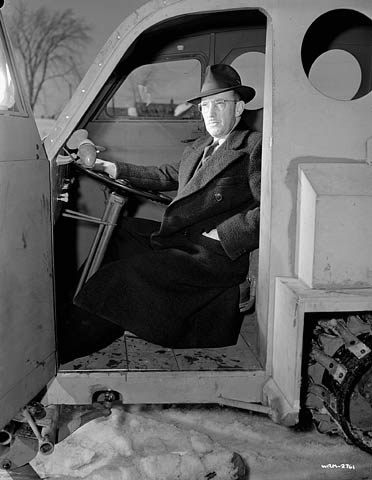
Joseph-Armand Bombardier at the wheel of a Bombardier military snowmobile, March 1943.
CA-K435Economy & trade

Joseph-Armand Bombardier and the snowmobile

Joseph-Armand Bombardier of Valcourt, Quebec, developed snow vehicles that helped reduce winter isolation in rural areas of Canada and elsewhere. He patented the snowmobile in 1937 and the smaller Ski-Doo in 1960, both designed and built in Valcourt, and after his death the company he founded became a world leader in transportation.

Factual accuracy review: No recorded challenge

Contributor: Citizen.ca

Verified against cited sourcesVerified on 2026-10-26↗
Photo: Unknown author · Photo licence: Public domain · Credit & context
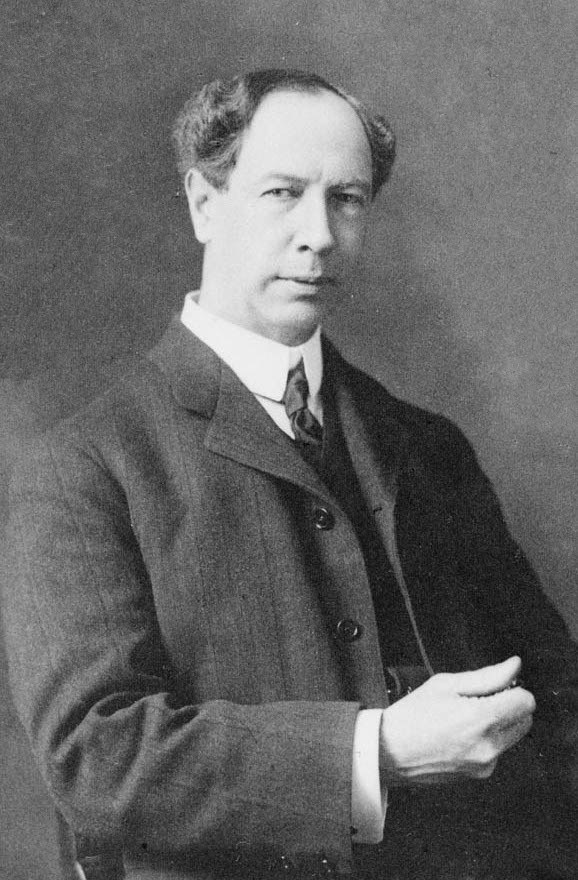
Thomas “Carbide” Willson in Ottawa, around 1914 (Library and Archives Canada).
CA-K432Economy & trade

Thomas “Carbide” Willson and acetylene

Thomas “Carbide” Willson, a largely self-educated inventor from Oxford County, Upper Canada, discovered in 1892 a method of mass-producing calcium carbide. Acetylene gas made from it was used for lighting and as a source of other industrial chemicals, and his discovery helped lay the foundation of the electrochemical industry in the early 20th century.

Factual accuracy review: No recorded challenge

Contributor: Citizen.ca

Verified against cited sourcesVerified on 2026-10-26↗
Photo: Unknown author · Photo licence: Public domain · Credit & context
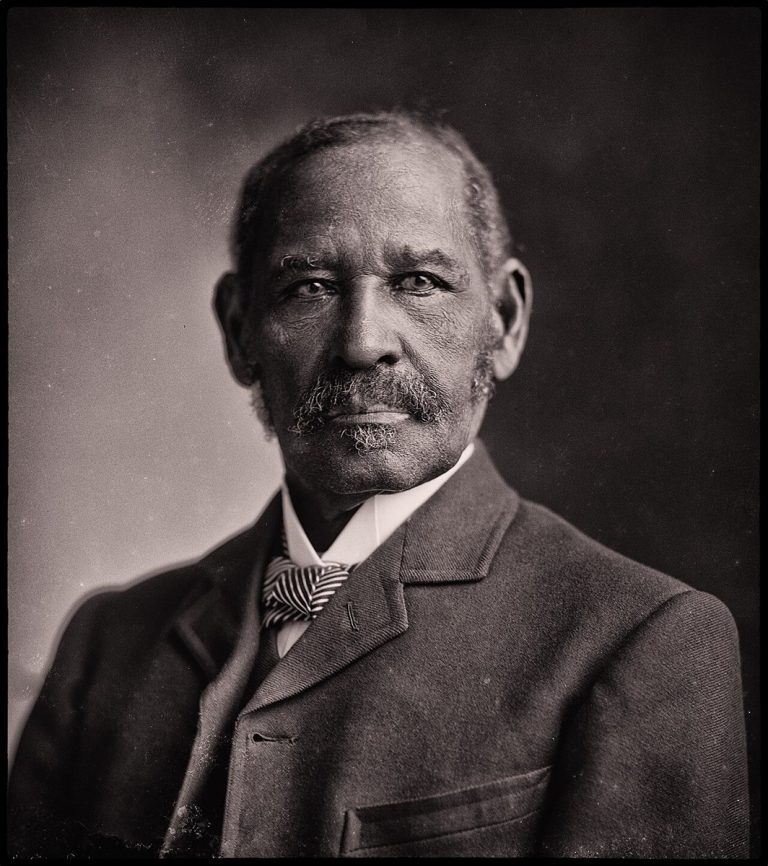
Mifflin Wistar Gibbs, photographed by C. M. Bell around 1902.
CA-K420History

Mifflin Wistar Gibbs, Black leader on Vancouver Island

Mifflin Wistar Gibbs helped lead about 800 Black residents from San Francisco to Vancouver Island in 1858 and became the recognized leader of their community. Elected to Victoria City Council, he was the first Black person to hold elected office in British Columbia; an entrepreneur in mining and trade, he advocated for Black settlers’ rights before returning to the United States in 1870.

Factual accuracy review: No recorded challenge

Contributor: Citizen.ca

Verified against cited sourcesVerified on 2026-10-26↗
Photo: Charles Milton Bell · Photo licence: Public domain · Credit & context
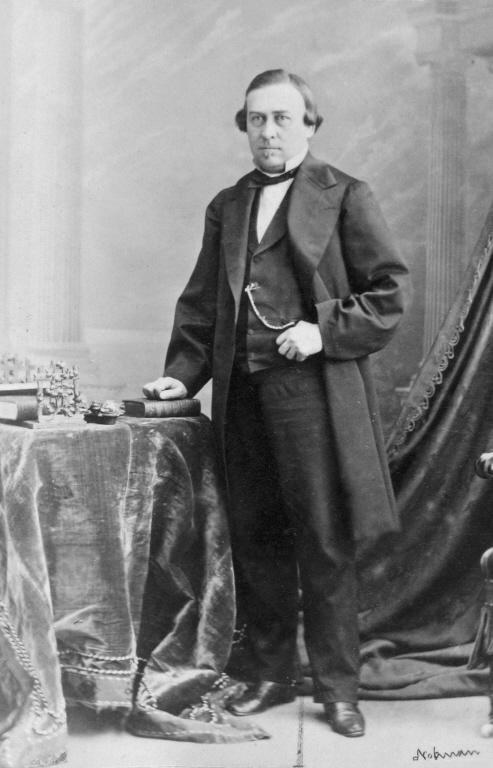
Hector-Louis Langevin in Montréal, 1865 (William Notman).
CA-K399Institutions

Sir Hector-Louis Langevin, Confederation and residential schools

Sir Hector-Louis Langevin, a Father of Confederation, attended all three conferences leading to 1867, helped draft the 72 Resolutions and led the Quebec Conservatives for nearly two decades. As Minister of Public Works, he called in 1883 for Indigenous children to be removed from their homes for assimilation and announced three industrial schools in the Northwest, part of the residential school system’s devastating expansion.

Factual accuracy review: No recorded challenge

Contributor: Citizen.ca

Verified against cited sourcesVerified on 2026-10-26↗
Photo: William Notman · Photo licence: Public domain · Credit & context
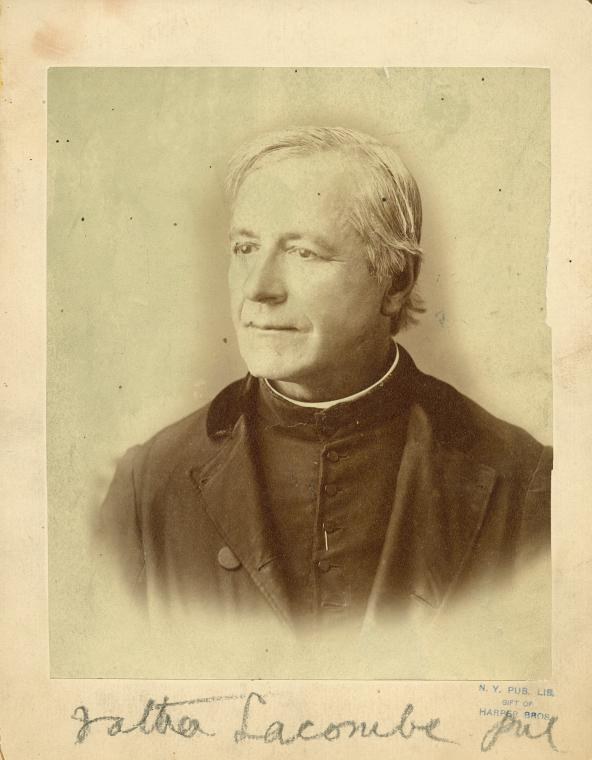
Father Albert Lacombe, photographed before 1916.
CA-K385Indigenous peoples & reconciliation

Father Albert Lacombe, missionary in the West

From 1852, Oblate priest Albert Lacombe spent over 60 years seeking to convert Indigenous Peoples in western Canada to Christianity, founding missions such as St. Albert with Métis and Cree help and acting as a go-between during Treaty 8 talks. He was the first principal of the High River Industrial School in 1884–1885 and advocated separating children from their families and suppressing Indigenous languages.

Factual accuracy review: No recorded challenge

Contributor: Citizen.ca

Verified against cited sourcesVerified on 2026-10-26↗
Photo: Unknown author · Photo licence: Public domain · Credit & context
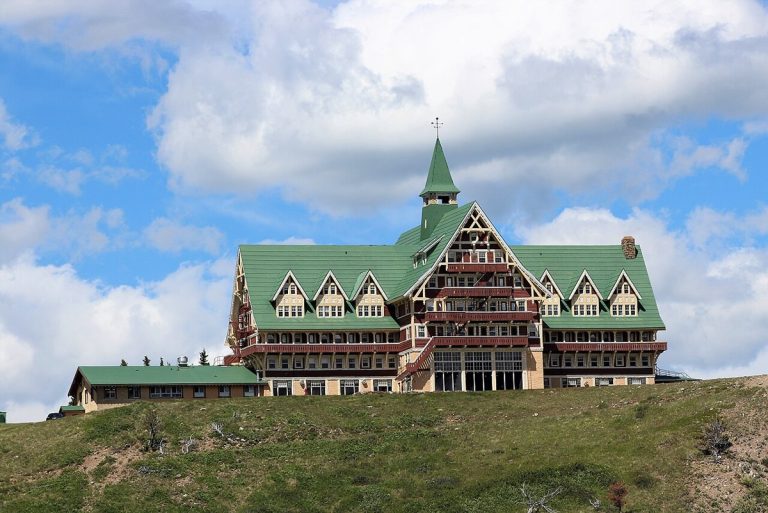
The Prince of Wales Hotel above Waterton Lake, Alberta, photographed in 2016.
CA-K382Places & geography

The Prince of Wales Hotel, Waterton Lakes

The Prince of Wales Hotel in Waterton Lakes National Park, Alberta, built in 1926–1927, is a grand survivor of the golden age of railway resorts in Canada. It was the only Canadian link in the Great Northern Railway’s chain of park hotels, and its soaring roof, gables and balconies give it the look of a giant alpine chalet.

Factual accuracy review: No recorded challenge

Contributor: Citizen.ca

Verified against cited sourcesVerified on 2026-10-26↗
Photo: Lazarus000 · Photo licence: CC BY-SA 4.0 · Credit & context