Pierre Turgeon and La première personne
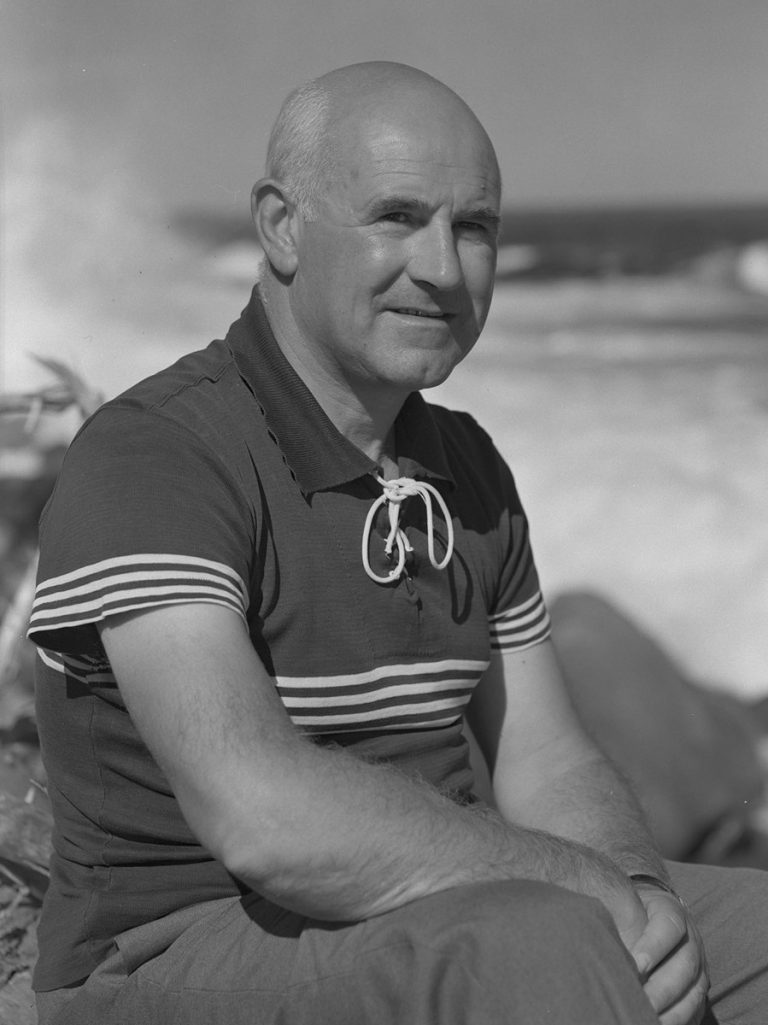
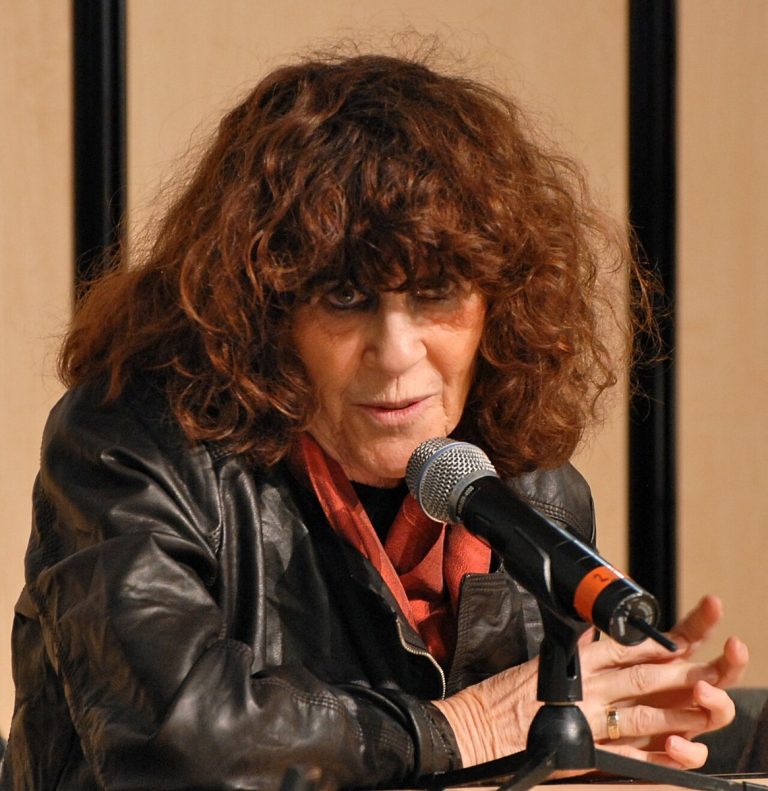
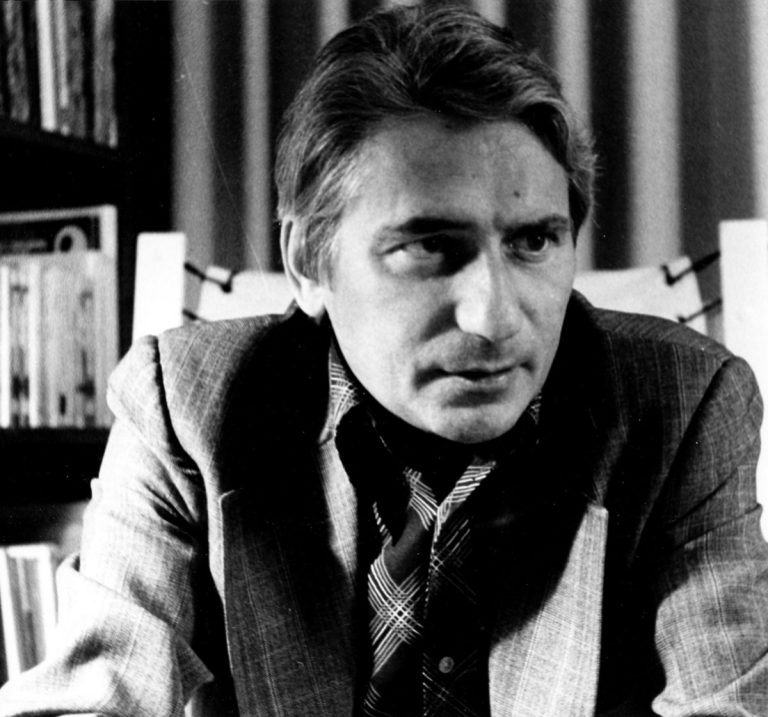
La première personne, by Pierre Turgeon, won the 1980 Governor General’s Literary Award for French-language fiction.
Contributor: Citizen.ca
Photo: Theo111 · Photo licence: CC BY-SA 3.0 · Credit & contextFocused and Verified
As explained in our Mission, Citizen.ca focuses on knowledge closely connected to Canadian identity and Canadian spirit, rather than every fact about Canada. Some topics will therefore be absent. If you believe a missing topic belongs within this focus, please contact us.
The groups below show how published records are distributed and offer a convenient way to browse. Counts include distinct records assigned to each group or its narrower keywords. A record may appear in more than one group.
For a more specific search, use the keyword search below. Choose one keyword, or combine two with AND to require both or OR to include either.
671 records
981 records
407 records
80 records
Browse all →216 records
201 records
804 records
793 records
Browse all →Choose one keyword, or combine two. Broader keywords include their descendants.

La première personne, by Pierre Turgeon, won the 1980 Governor General’s Literary Award for French-language fiction.
Contributor: Citizen.ca
Photo: Theo111 · Photo licence: CC BY-SA 3.0 · Credit & context
Le sourd dans la ville, by Marie-Claire Blais, won the 1979 Governor General’s Literary Award for French-language fiction.
Contributor: Citizen.ca
Photo: Asclepias · Photo licence: CC BY-SA 3.0 · Credit & context
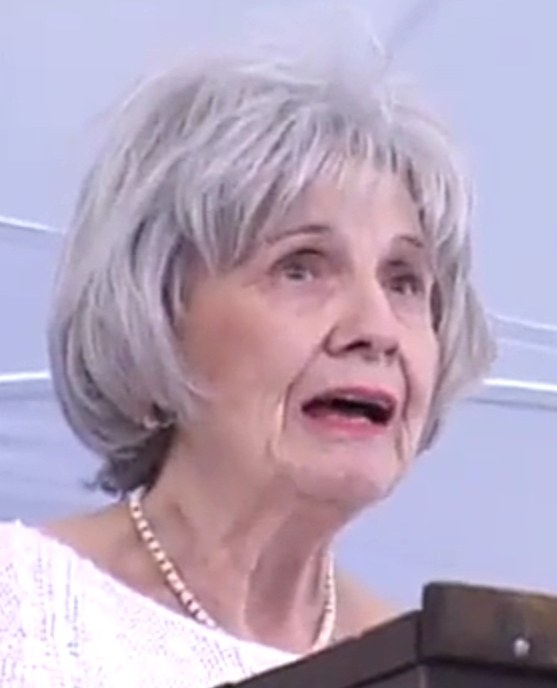
Who Do You Think You Are?, by Alice Munro, won the 1978 Governor General’s Literary Award for English-language fiction.
Contributor: Citizen.ca
Photo: MacDowell · Photo licence: CC BY-SA 3.0 · Credit & context
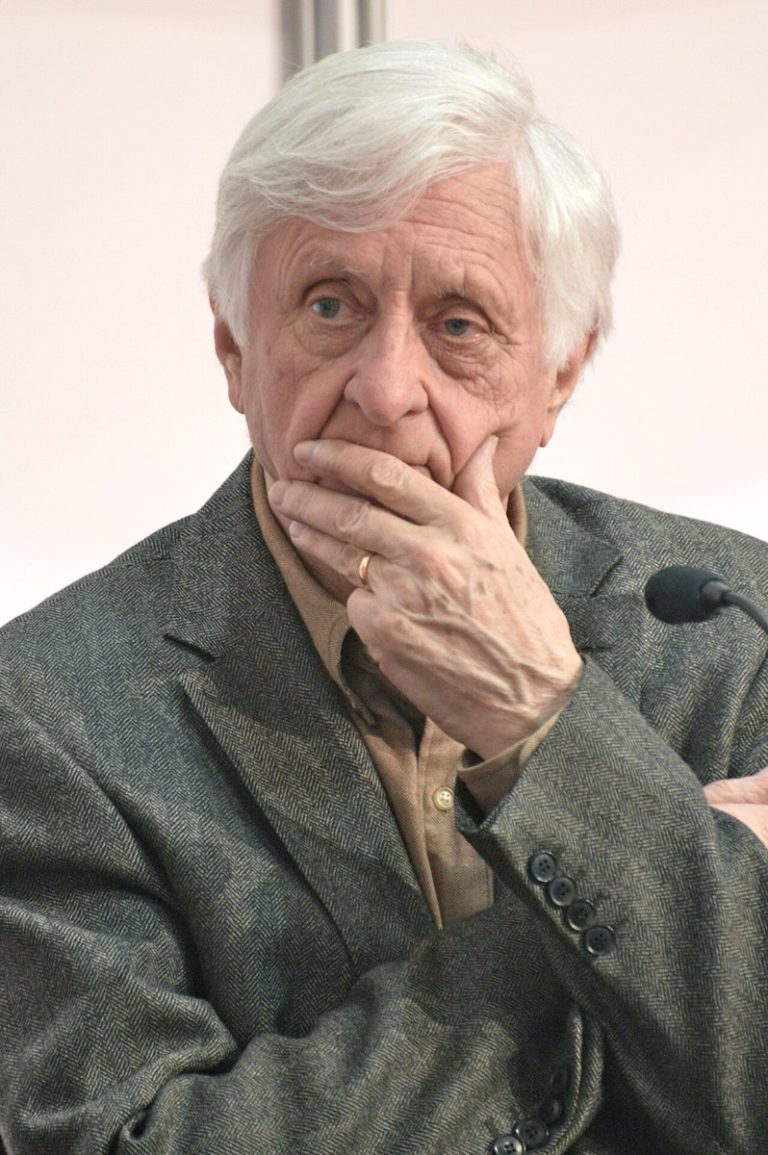
Don l'Orignal, by Antonine Maillet, won the 1972 Governor General’s Literary Award for French-language fiction.
Contributor: Citizen.ca
Photo: https://www.flickr.com/people/gnbca/ · Photo licence: CC0 · Credit & context
The Manticore, by Robertson Davies, won the 1972 Governor General’s Literary Award for English-language fiction.
Contributor: Citizen.ca
Photo: Gotfryd, Bernard, photographer · Photo licence: Public domain · Credit & context


La femme de Loth, by Monique Bosco, won the 1970 Governor General’s Literary Award for French-language fiction.
Contributor: Citizen.ca
Photo: Gloria Escomel · Photo licence: CC BY-SA 4.0 · Credit & context
Manuscrits de Pauline Archange, by Marie-Claire Blais, won the 1968 Governor General’s Literary Award for French-language fiction.
Contributor: Citizen.ca
Photo: Asclepias · Photo licence: CC BY-SA 3.0 · Credit & context
Trou de mémoire, by Hubert Aquin, was selected for the 1968 Governor General’s Literary Award for French-language fiction, but the author declined the award.
Contributor: Citizen.ca
Photo: Codex · Photo licence: CC BY-SA 4.0 · Credit & context
Dance of the Happy Shades, by Alice Munro, won the 1968 Governor General’s Literary Award for English-language fiction.
Contributor: Citizen.ca
Photo: MacDowell · Photo licence: CC BY-SA 3.0 · Credit & context
Salut Galarneau, by Jacques Godbout, won the 1967 Governor General’s Literary Award for French-language fiction.
Contributor: Citizen.ca
Photo: Asclepias · Photo licence: CC BY-SA 3.0 · Credit & context
La joue droite, by Claire Martin, won the 1966 Governor General’s Literary Award for French-language fiction.
Contributor: Citizen.ca
Photo: Conrad Poirier · Photo licence: Public domain · Credit & context
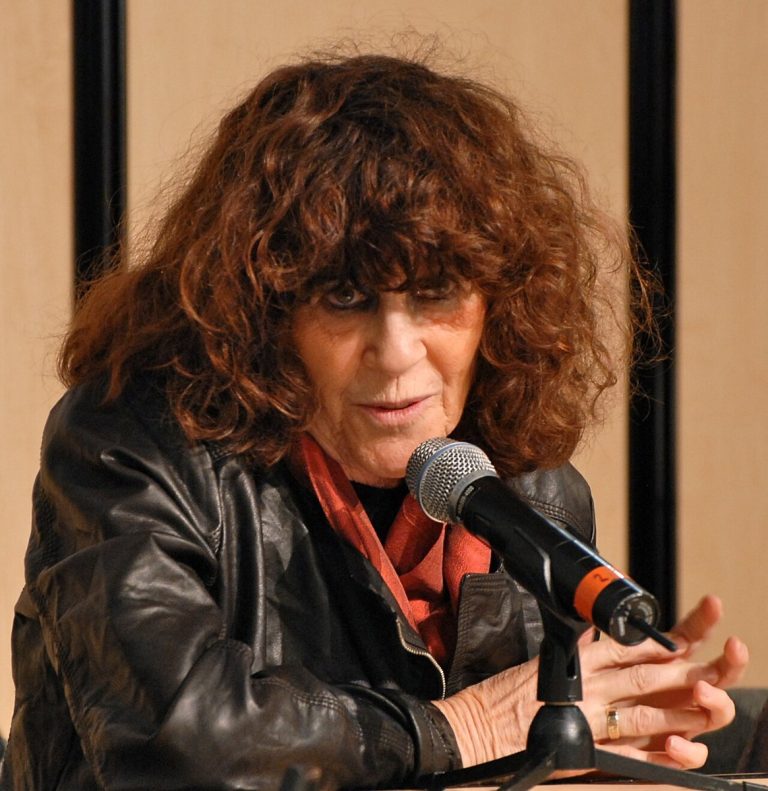
Contes du pays incertain, by Jacques Ferron, won the 1962 Governor General’s Literary Award for French-language fiction.
Contributor: Citizen.ca
Photo: Jules Rochon · Photo licence: CC BY 4.0 · Credit & context
The Outlander, by Germaine Guèvremont (in English translation), won the 1950 Governor General’s Literary Award for English-language fiction.
Contributor: Citizen.ca
Photo: Zarov[Basil Zarov (1913-1998) and Annette Parent (1906-1956)] · Photo licence: Public domain · Credit & context
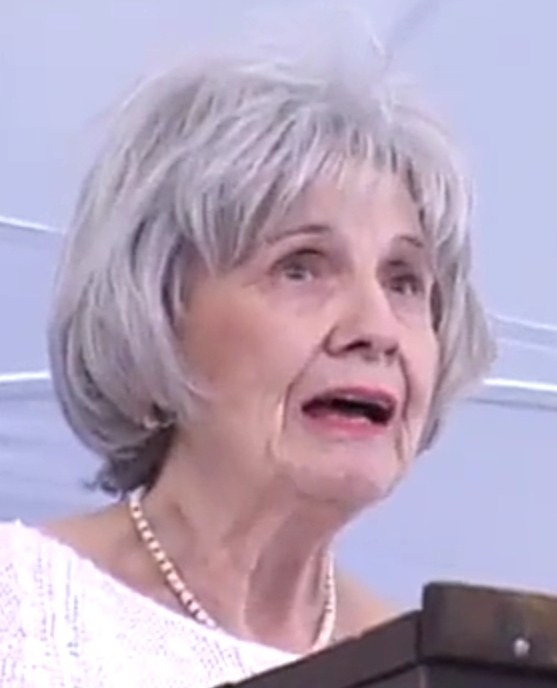
The Pied Piper of Dipper Creek, by Thomas H. Raddall, won the 1943 Governor General’s Literary Award for English-language fiction.
Contributor: Citizen.ca
Photo: Chris Lund · Photo licence: Public domain · Credit & context
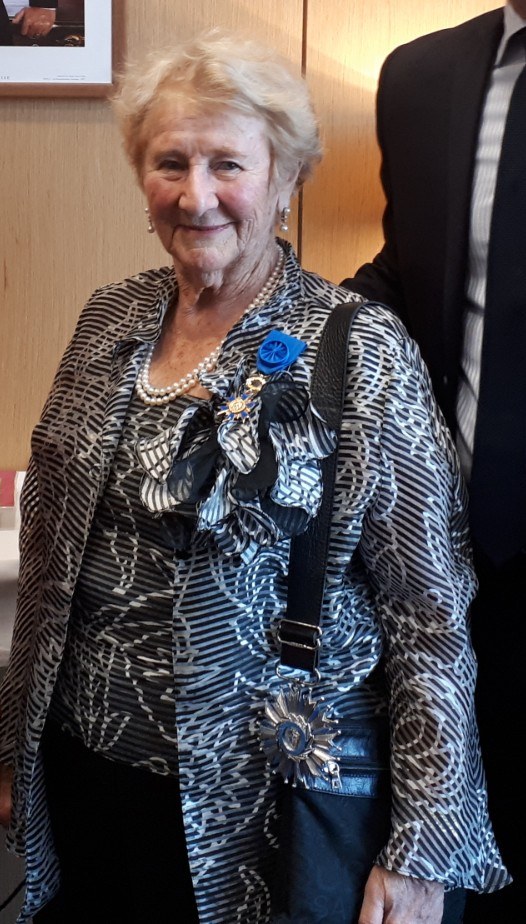
Thirty Acres, by Ringuet (in English translation), won the 1940 Governor General’s Literary Award for English-language fiction.
Contributor: Citizen.ca
Photo: Pierre-Fortunat Pinsonneault · Photo licence: Public domain · Credit & context
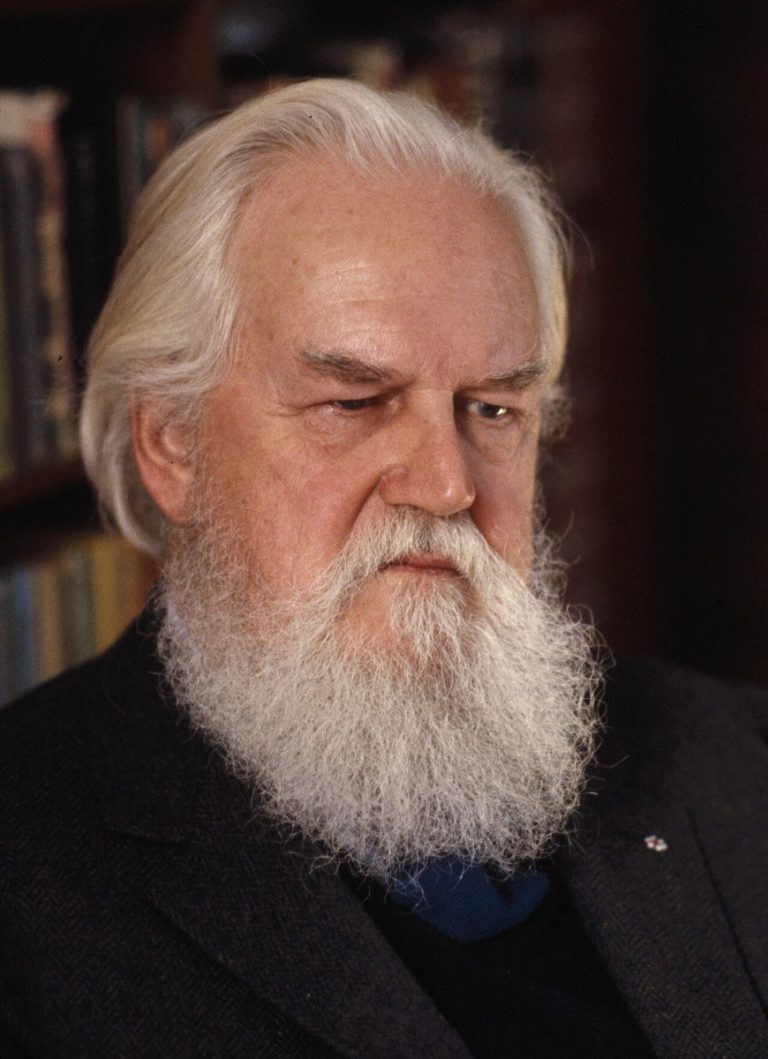
The Dark Weaver, by Laura G. Salverson, won the 1937 Governor General’s Literary Award for English-language fiction.
Contributor: Citizen.ca
Photo: Library and Archives Canada · Photo licence: Public domain · Credit & context
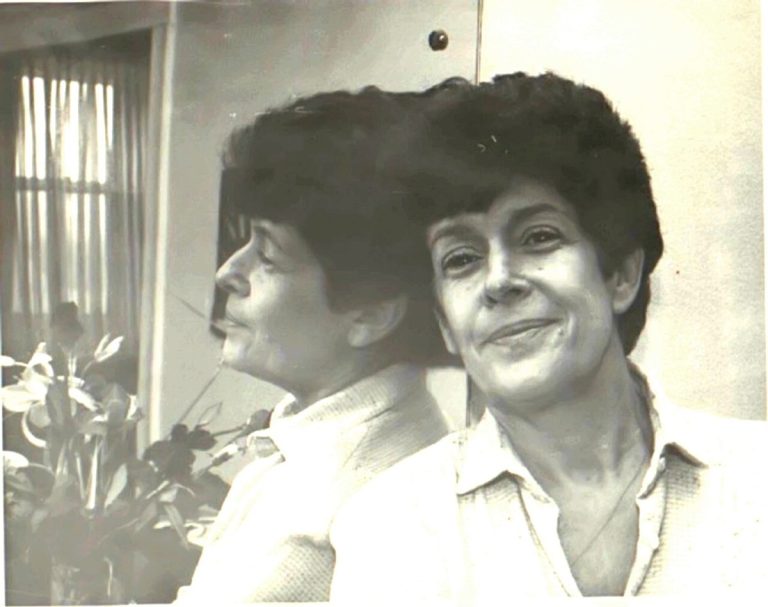
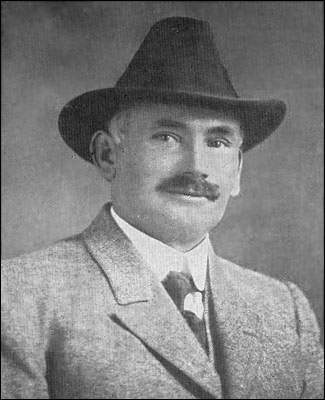
Naturalist Allan Brooks won international recognition as a wildlife illustrator in the first half of the 20th century, influencing later artists. As Western Canada’s leading ornithologist he helped professionalize the field, and he collected thousands of bird and animal skins for major museum research collections. Through his illustrations and publications he introduced generations to the birds of North America.
Contributor: Citizen.ca
Photo: William Edwin Gledhill (1888–1976) - photographer · Photo licence: Public domain · Credit & context
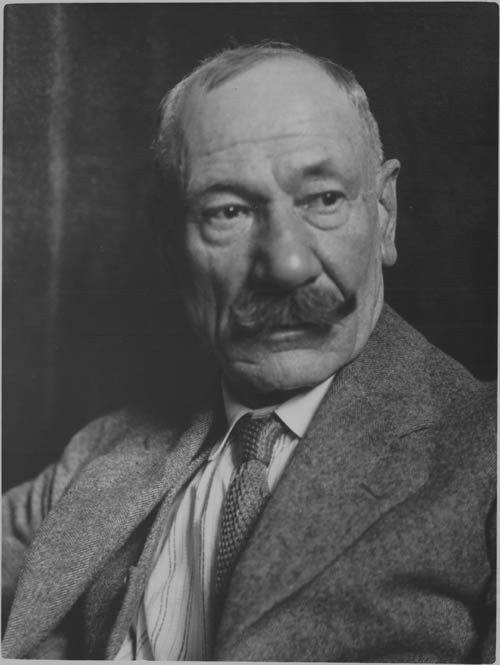
William Coaker founded the Fishermen’s Protective Union in 1908 to unite the fishers, sealers and loggers of rural Newfoundland under the motto “To Each His Own.” Under him the union set up trading stores, a newspaper and a political party that fought for social and economic reform, and founded Port Union as its headquarters in 1916. A member of several governments from 1917, he was a major force in Newfoundland politics until the mid-1920s.
Contributor: Citizen.ca
Photo: Richard Hibbs · Photo licence: Public domain · Credit & context
Horatio Walker, born at Listowel, Ontario, learned watercolour in Toronto and was largely self-taught. In 1883 he settled on Île d’Orléans, where for more than fifty years he painted rural life. Elected to the Royal Canadian Academy in 1918, he became its president in 1925. His traditional portrayals of people and animals won international acclaim and hang in major American galleries and the National Gallery of Canada.
Contributor: Citizen.ca
Photo: Melvin Ormond Hammond (1876 - 1934) · Photo licence: Public domain · Credit & context
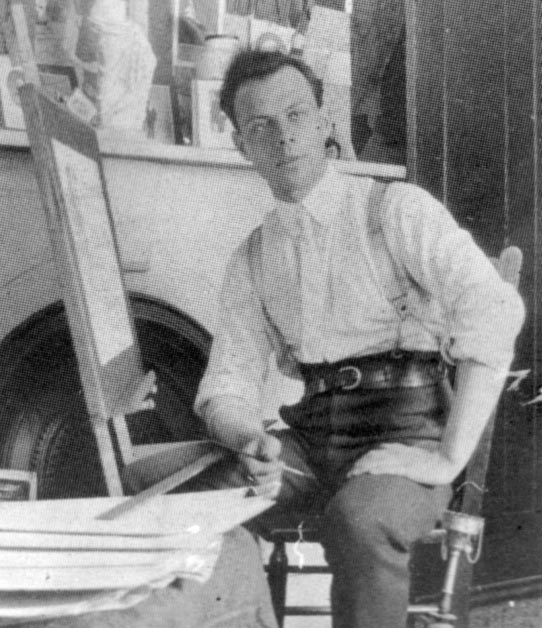
David Milne was one of the first Canadian artists to explore modernist styles and subjects, in paintings, watercolours and prints built on subtle arrangements of colour, space and line. He left Paisley, Ontario, for New York in 1903 and showed at the Armory Show in 1913, then became a Canadian war artist in the First World War. Returning to Ontario in 1929, he painted at Temagami, Palgrave, Six Mile Lake, Toronto, Uxbridge and Bancroft.
Contributor: Citizen.ca
Photo: Unknown author · Photo licence: Public domain · Credit & context
Joseph-Israël Tarte, a brilliant polemicist, journalist and politician, took part in every major political battle of his time, working under various banners to protect French and Catholic minorities and strengthen Canada’s place in the Empire. Elected in 1891, he engineered Laurier’s 1896 triumph in Quebec. As Minister of Public Works (1896–1902) he improved St. Lawrence navigation and made Montréal the country’s leading port.
Contributor: Citizen.ca
Photo: Jules-Isaïe Benoît · Photo licence: Public domain · Credit & context
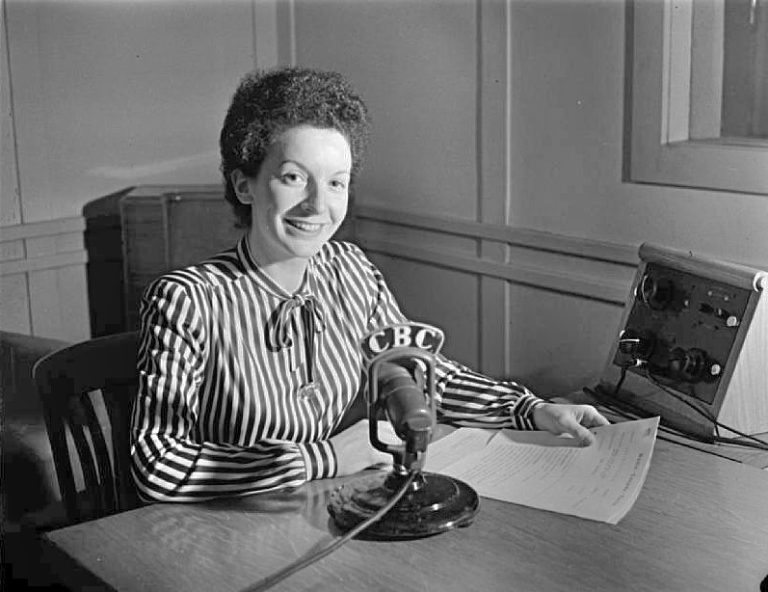
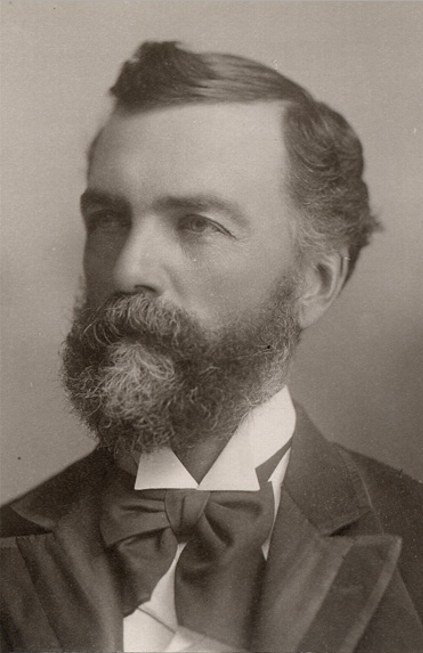
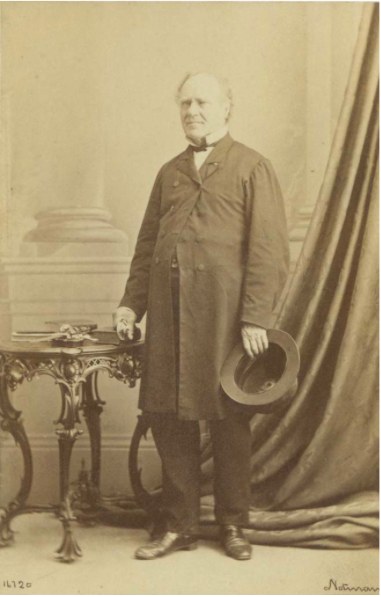
Joseph Howe, born in Halifax and largely self-taught, became publisher of the Novascotian and by 1836 was his province’s leading journalist and orator. Elected that year, he led the struggle that won responsible government in 1848. An eloquent opponent of Confederation in the 1860s, he joined the federal cabinet in 1869 after negotiating “better terms” for Nova Scotia, and shortly before his death in 1873 became its lieutenant governor.
Contributor: Citizen.ca
Photo: William Notman · Photo licence: Public domain · Credit & context
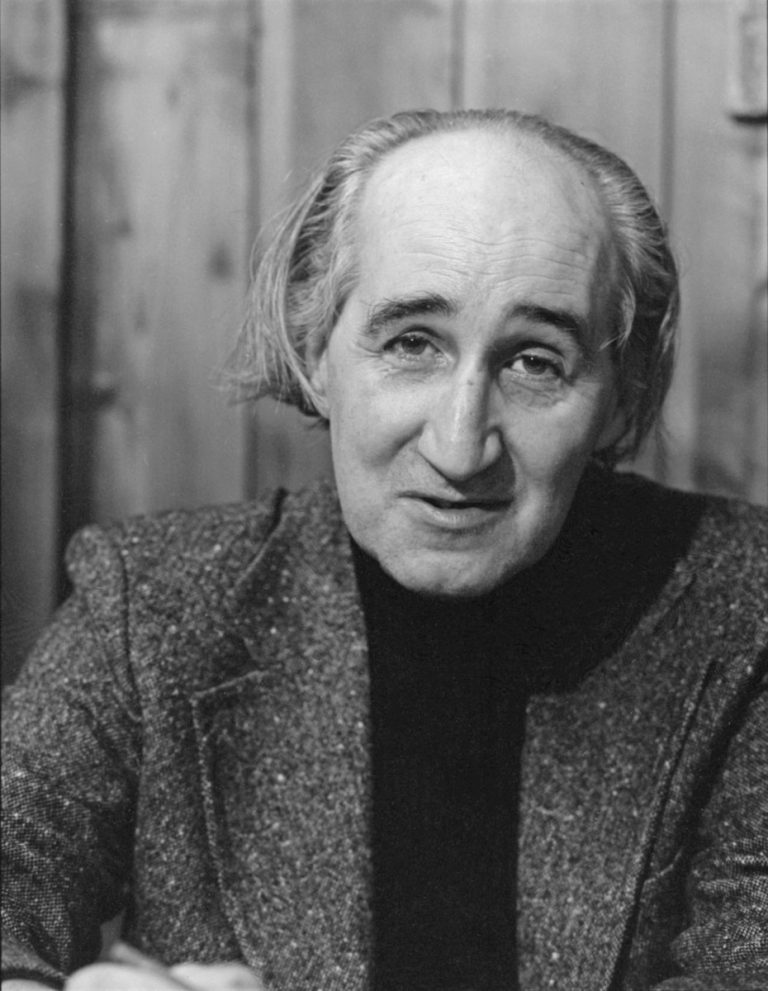
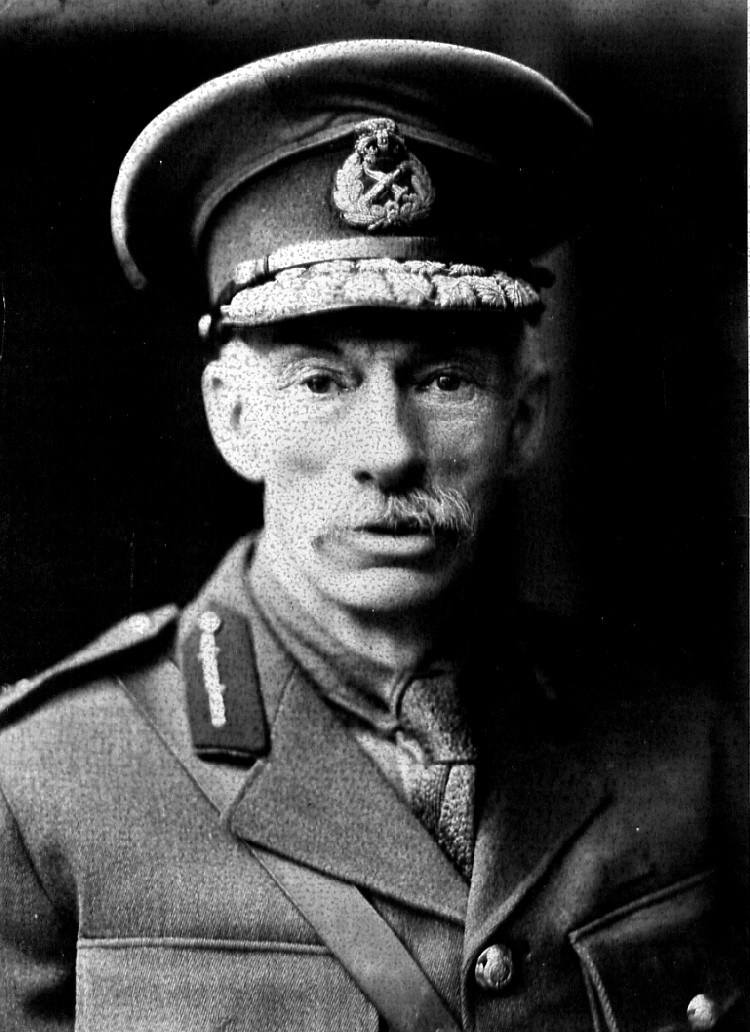
Ernest Alexander Cruikshank, born in Bertie Township, Ontario, was a journalist and translator before joining the militia in 1877, rising to brigadier-general in 1915 and directing the general staff’s historical section. He chaired the Historic Sites and Monuments Board of Canada from its creation in 1919 until his death, and wrote many papers and books on Ontario and Canadian history.
Contributor: Citizen.ca
Photo: Unknown author · Photo licence: Public domain · Credit & context
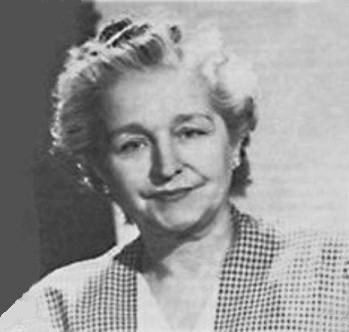
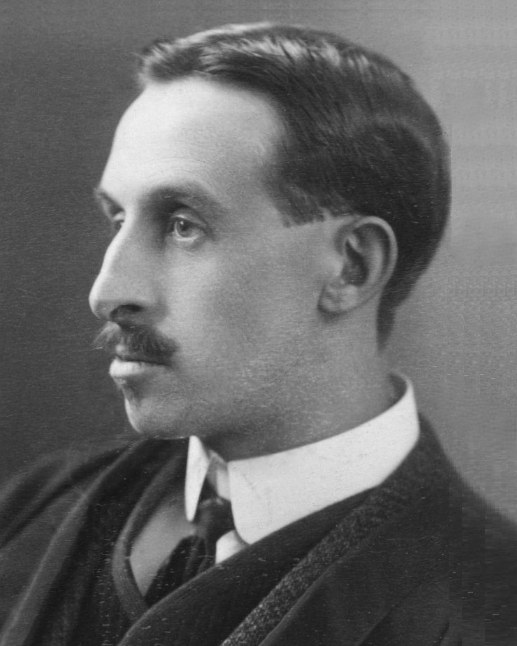
Percy Erskine Nobbs, a Scottish-born architect, educator, writer and critic, helped advance architecture in early 20th-century Canada. He taught at McGill and wrote on town planning, public housing design and Canadian architecture as a national art. His remarkable, finely built designs, inspired by the Arts and Crafts movement, reflect his strong commitment to fine craftsmanship.
Contributor: Citizen.ca
Photo: Wm. Notman & Son · Photo licence: CC0 · Credit & context