
An independent Canadian knowledge project

Focused and Verified

Canadian knowledge base

Search by keyword

Choose one keyword, or combine two. Broader keywords include their descendants.

Keywords: 1800–1899

Clear search
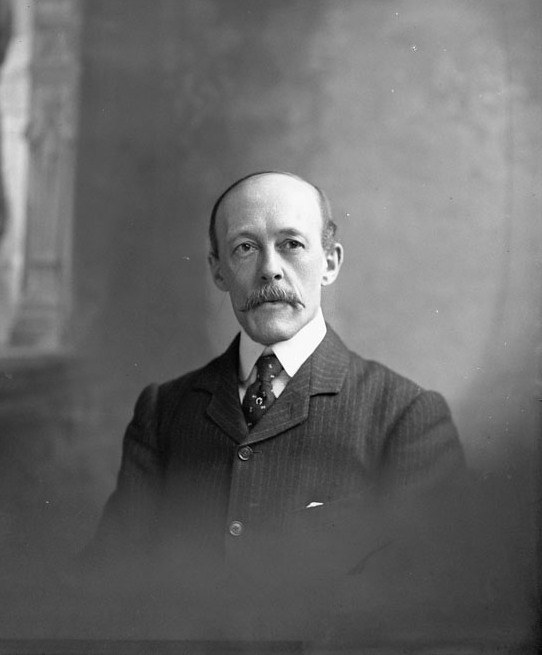
James Creighton, 1902 (William James Topley).
CA-K787Culture & sport

James Creighton, “father” of organized hockey

On March 3, 1875, James Creighton and his teammates played the first indoor public hockey game at Montréal’s Victoria Skating Rink. Over the next two years he brought together pucks, sticks, goals and skates with standardized rules and promoted the game. Captain of the first regular hockey club in Canada, he is often called the father of organized hockey.

Factual accuracy review: No recorded challenge

Contributor: Citizen.ca

Verified against cited sourcesVerified on 2026-10-26↗
Photo: William James Topley · Photo licence: Public domain · Credit & context
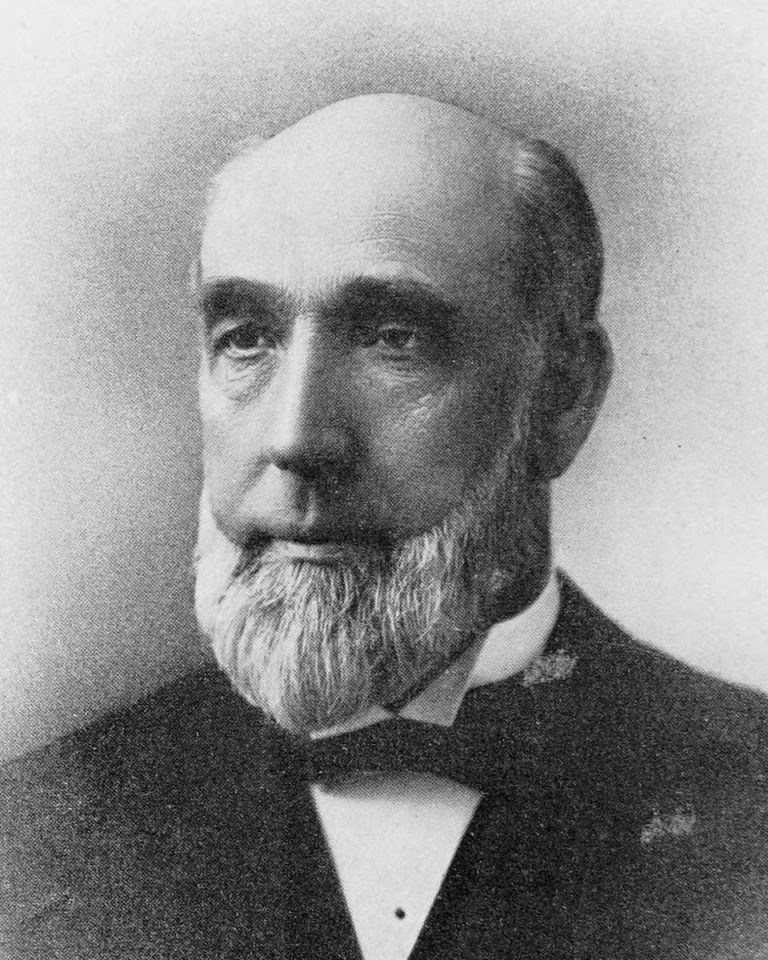
George A. Cox, portrait published in 1907.
CA-K782Economy & trade

George Cox, banker and insurance magnate

George Cox, after a business career in Peterborough, moved to Toronto as it challenged Montréal as Canada’s banking capital. President of the Canadian Bank of Commerce from 1890 to 1906, he expanded it into Western Canada, and as head of Canada Life he dominated the insurance industry from the mid-1890s until his death in 1914.

Factual accuracy review: No recorded challenge

Contributor: Citizen.ca

Verified against cited sourcesVerified on 2026-10-26↗
Photo: Unknown author · Photo licence: Public domain · Credit & context
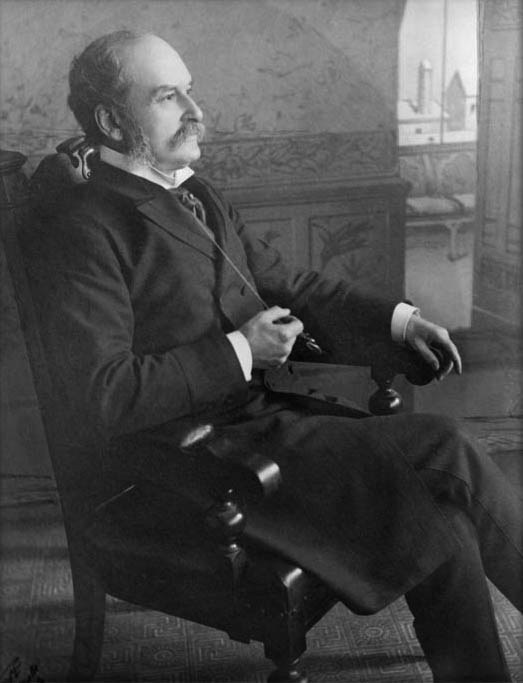
Arthur Sturgis Hardy, about 1900 (Archives of Ontario).
CA-K780Institutions

Arthur Hardy, premier of Ontario and Algonquin Park

Arthur Sturgis Hardy, a Brantford lawyer of Loyalist descent, entered Ontario’s legislature in 1873 and served as Provincial Secretary and Commissioner of Crown Lands. He succeeded Oliver Mowat as premier from 1896 to 1899, and his most lasting contribution was the creation of Algonquin Provincial Park.

Factual accuracy review: No recorded challenge

Contributor: Citizen.ca

Verified against cited sourcesVerified on 2026-10-26↗
Photo: Unknown photographer (about 1900); Archives of Ontario · Photo licence: Public domain · Credit & context
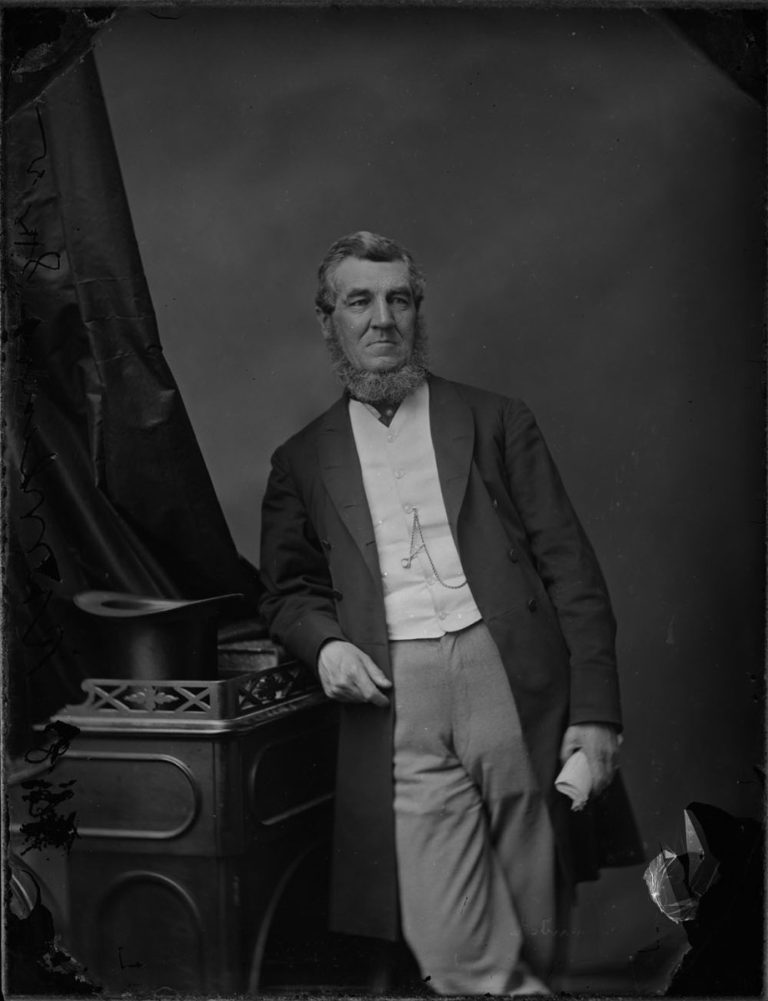
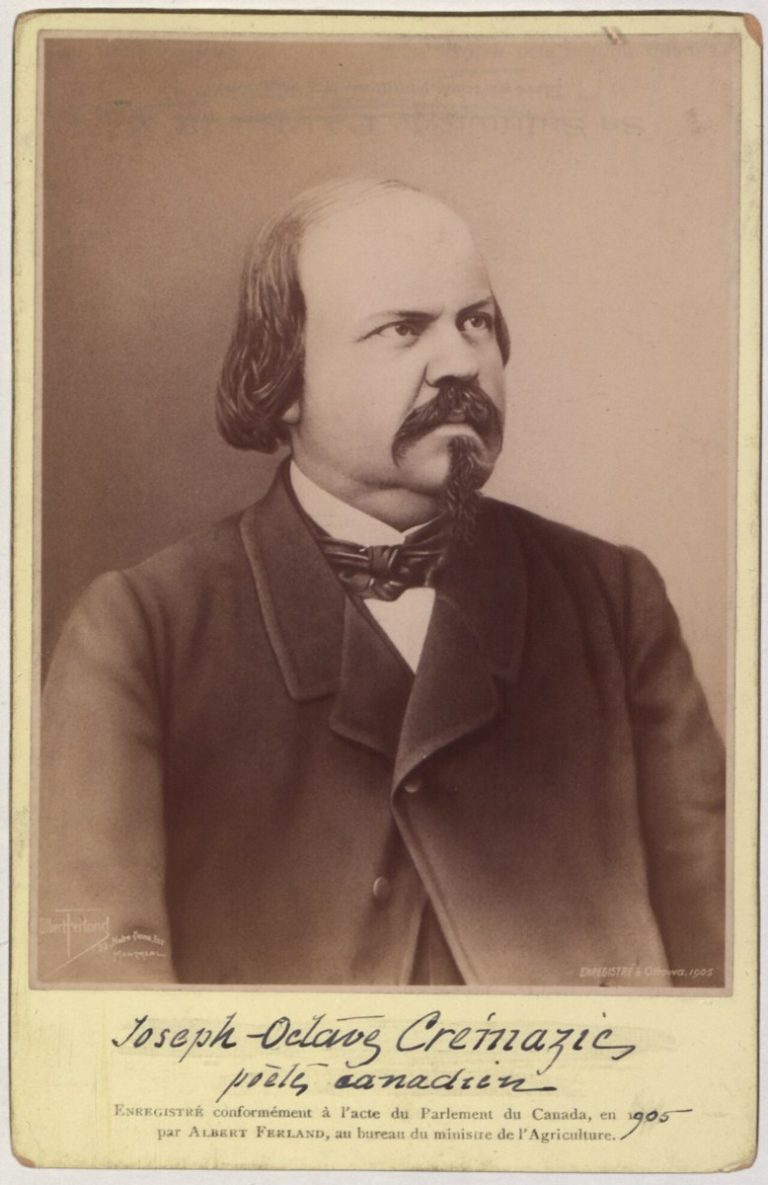
Octave Crémazie, published in 1905.
CA-K779Culture & sport

Octave Crémazie, national poet of French Canada

Octave Crémazie of Québec, a founder of the Institut canadien de Québec, ran a bookstore with his brother that became the cradle of a literary movement inspired by French Romanticism. His poem “Le Drapeau de Carillon” made him French Canada’s national poet; financial trouble exiled him to France in 1862, where he wrote his Journal du siège de Paris.

Factual accuracy review: No recorded challenge

Contributor: Citizen.ca

Verified against cited sourcesVerified on 2026-10-26↗
Photo: Albert Ferlland · Photo licence: Public domain · Credit & context
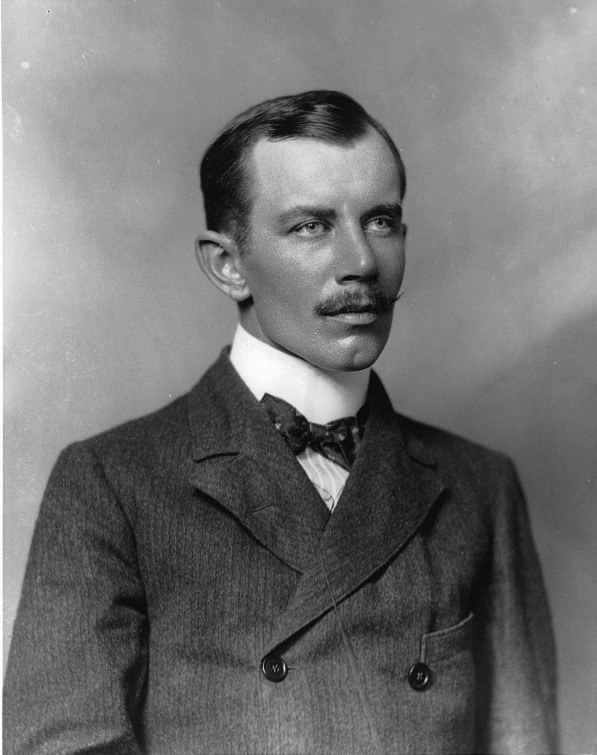
Robert Duncan Wilmot, May 1868 (Topley Studio).
CA-K752History

Robert Duncan Wilmot, New Brunswick Father of Confederation

Robert Duncan Wilmot of Saint John sat in New Brunswick’s legislature from 1846 to 1861. Elected in 1865 as an opponent of Confederation, he changed sides and attended the London Conference in 1866; he was then appointed to the Senate, became its Speaker in 1878 and was lieutenant-governor of New Brunswick from 1880.

Factual accuracy review: No recorded challenge

Contributor: Citizen.ca

Verified against cited sourcesVerified on 2026-10-26↗
Photo: William James Topley · Photo licence: Public domain · Credit & context
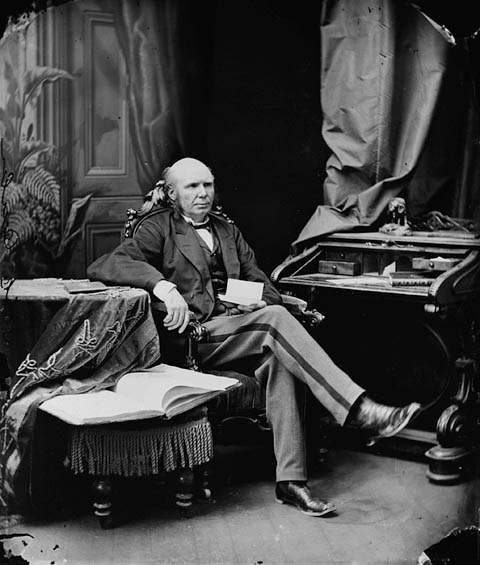
Percy Girouard in 1899 (Wm. Notman & Son, McCord Museum).
CA-K749History

Sir Percy Girouard, railway engineer of empire

Percy Girouard of Montréal, a graduate of the Royal Military College in Kingston, joined the Royal Engineers in 1888. He built the Wadi Halfa–Khartoum railway from 1896, directed railways in South Africa and oversaw the line to Kano in Northern Nigeria, later serving as governor of Northern Nigeria and of East Africa and as Britain’s director general of munitions supply.

Factual accuracy review: No recorded challenge

Contributor: Citizen.ca

Verified against cited sourcesVerified on 2026-10-26↗
Photo: Studio Wn. Notman & Son · Photo licence: Public domain · Credit & context
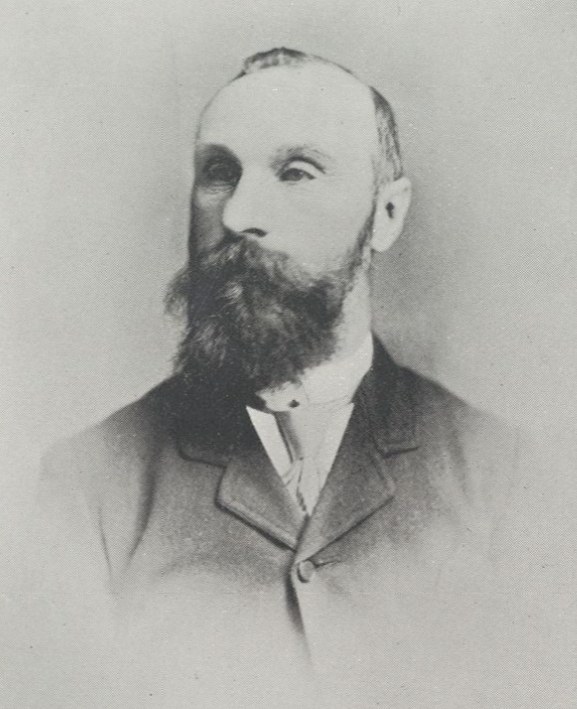
Frederick B. T. Carter, Premier of Newfoundland, June 1869 (Topley Studio).
CA-K746History

Sir Frederick Carter, Newfoundland Father of Confederation

Frederick Carter of St. John’s, Speaker of Newfoundland’s House of Assembly, was a delegate to the Québec Conference in 1864 and, convinced of the merits of union with Canada, formed a coalition government in 1865 to pursue it. Defeated by Charles Fox Bennett’s anti-Confederates in 1869, he later returned as premier and became chief justice of Newfoundland in 1880.

Factual accuracy review: No recorded challenge

Contributor: Citizen.ca

Verified against cited sourcesVerified on 2026-10-26↗
Photo: William James Topley · Photo licence: Public domain · Credit & context
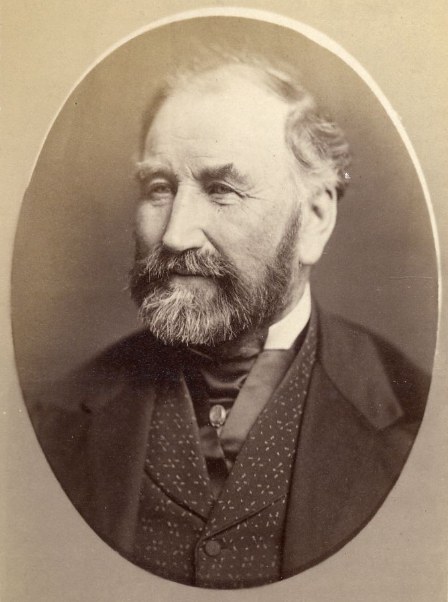
James Patrick Howley, portrait published in 1894.
CA-K745History

James P. Howley, geologist and historian of the Beothuk

James Patrick Howley greatly advanced knowledge of Newfoundland’s geology, minerals and geography through fieldwork for the Geological and Topographical Survey of Newfoundland from 1868 to 1909, and is considered founder and first curator of the Newfoundland Museum. His 1915 study of the Beothuk remains a cornerstone of Beothuk scholarship.

Factual accuracy review: No recorded challenge

Contributor: Citizen.ca

Verified against cited sourcesVerified on 2026-10-26↗
Photo: Unknown author · Photo licence: Public domain · Credit & context
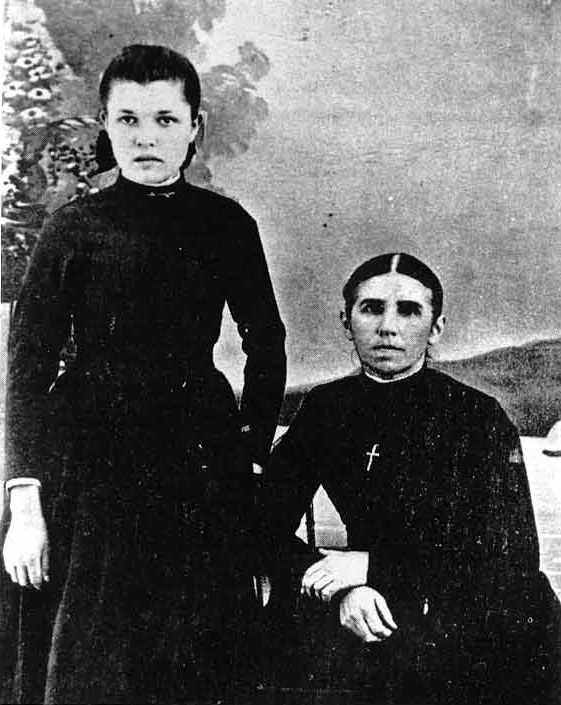
George Browne, 1875 (Studio Inglis, BAnQ).
CA-K736Culture & sport

George Browne, architect of Kingston City Hall

George Browne, who emigrated from Belfast in 1830, became one of the most gifted architects of 19th-century Canada, known for an original mastery of Neoclassicism. His many commissions adapted the major styles of his time to local settings, and his imposing Kingston City Hall and civic buildings in Montréal and Québec City projected prosperity and strength.

Factual accuracy review: No recorded challenge

Contributor: Citizen.ca

Verified against cited sourcesVerified on 2026-10-26↗
Photo: Studio of Inglis (Montréal, Québec) · Photo licence: Public domain · Credit & context
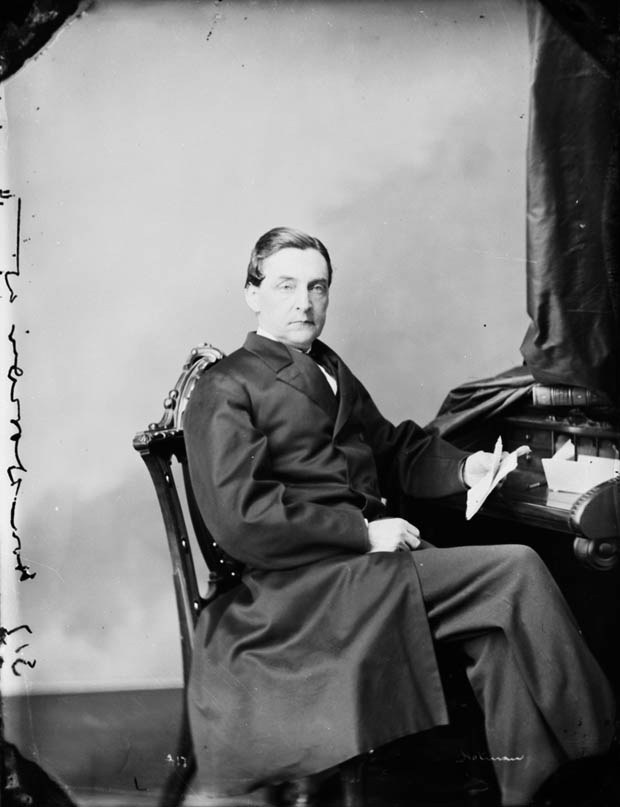
Onésime Dorval (seated) with her adopted daughter Georgine d’Amours, late 1800s.
CA-K721Institutions

Onésime Dorval, Saskatchewan’s first certified teacher

Onésime Dorval, born in Quebec, came west in 1877 and became Saskatchewan’s first certified teacher. For over 40 years she taught at Oblate missions in Manitoba and at St-Laurent-Grandin, Battleford, Batoche and Duck Lake, was a talented painter and woodworker, and is fondly remembered in Métis and francophone communities.

Factual accuracy review: No recorded challenge

Contributor: Citizen.ca

Verified against cited sourcesVerified on 2026-10-26↗
Photo: Unspecified; from St. Vital Parish, Battleford, Saskatchewan. · Photo licence: Public domain · Credit & context
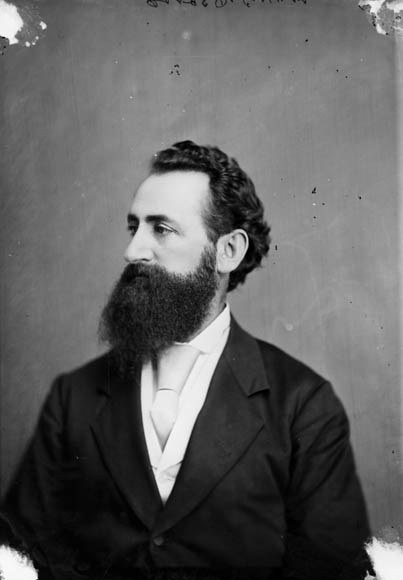
Antoine-Aimé Dorion, Ottawa, March 1868.
CA-K720Institutions

Sir Antoine-Aimé Dorion, Liberal leader and chief justice

Antoine-Aimé Dorion of Sainte-Anne-de-la-Pérade, a civil law professor and president of the Bar, succeeded Papineau as leader of the Liberals and co-led the Macdonald–Dorion ministry in 1863. Though he opposed Confederation, he became federal Minister of Justice under Mackenzie in 1873 and was chief justice of Quebec from 1874 until his death.

Factual accuracy review: No recorded challenge

Contributor: Citizen.ca

Verified against cited sourcesVerified on 2026-10-26↗
Photo: Unknown author · Photo licence: Public domain · Credit & context
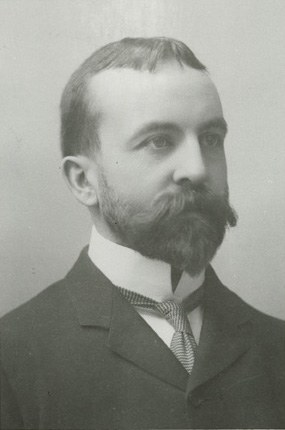
Amor De Cosmos, September 1874 (Library and Archives Canada).
CA-K719History

Amor De Cosmos, “lover of the universe”

Amor De Cosmos, born William Smith in Windsor, Nova Scotia, took his name in the California goldfields and in 1858 founded the opposition newspaper the Colonist in Victoria. For two decades his pen and oratory championed responsible government and Confederation; he sat in the colonial and federal legislatures and was premier of British Columbia from 1872 to 1874.

Factual accuracy review: No recorded challenge

Contributor: Citizen.ca

Verified against cited sourcesVerified on 2026-10-26↗
Photo: Unknown author · Photo licence: Public domain · Credit & context
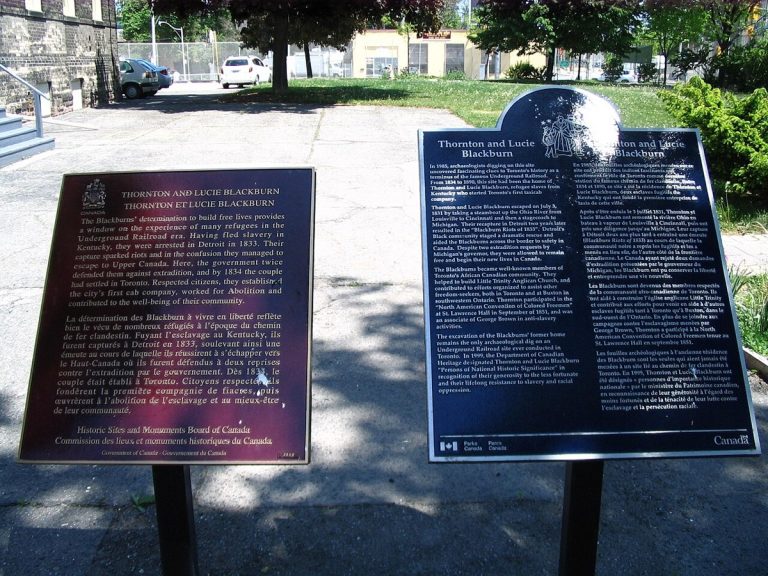
Plaques commemorating Thornton and Lucie Blackburn in Toronto, 2009.
CA-K712History

Thornton and Lucie Blackburn, freedom-seekers in Toronto

Thornton and Lucie Blackburn fled slavery in Kentucky and were arrested in Detroit in 1833; riots over their capture let them escape to Upper Canada, whose government twice refused their extradition. Settling in Toronto by 1834, they founded the city’s first cab company and worked for abolition and their community.

Factual accuracy review: No recorded challenge

Contributor: Citizen.ca

Verified against cited sourcesVerified on 2026-10-26↗
Photo: Loozrboy from Toronto, Canada · Photo licence: CC BY-SA 2.0 · Credit & context
Archibald MacMechan, 1897 (Dalhousie University Archives).
CA-K705Culture & sport

Archibald MacMechan, man of letters at Dalhousie

Archibald MacMechan, born in Berlin (now Kitchener), Ontario, was professor of English at Dalhousie University from 1889 until his death. A book critic for the Montreal Standard for 20 years, he wrote several books about Nova Scotia and edited works by Tennyson and Carlyle, and received the Lorne Pierce Medal in 1932.

Factual accuracy review: No recorded challenge

Contributor: Citizen.ca

Verified against cited sourcesVerified on 2026-10-26↗
Photo: Unknown author · Photo licence: Public domain · Credit & context
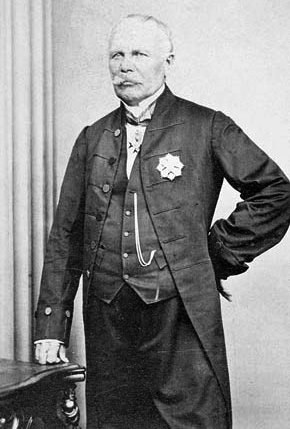
Sir Étienne-Paschal Taché (J.-I. Benoît, Library and Archives Canada).
CA-K702History

Sir Étienne-Paschal Taché, who presided at the Québec Conference

Étienne-Paschal Taché of Montmagny, a physician and soldier who fought at Châteauguay and Plattsburgh in the War of 1812, sat in the legislature and Legislative Council of the Province of Canada. In 1864 he headed the Taché–Macdonald coalition, presided at the Québec Conference and sponsored the Québec Resolutions in the Legislative Council.

Factual accuracy review: No recorded challenge

Contributor: Citizen.ca

Verified against cited sourcesVerified on 2026-10-26↗
Photo: Jules-Isaïe Benoît · Photo licence: Public domain · Credit & context
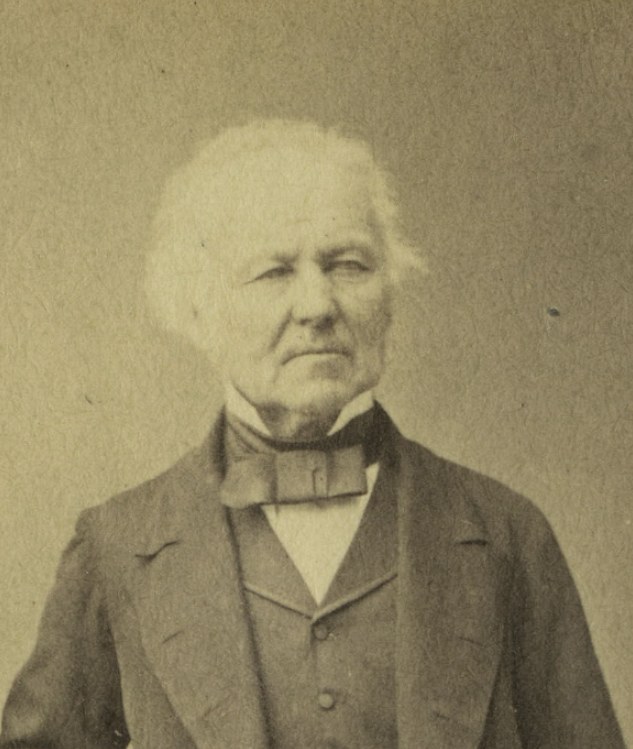
Samuel Cunard, between 1855 and 1865 (Nova Scotia Archives).
CA-K699Economy & trade

Sir Samuel Cunard and transatlantic steamships

Samuel Cunard, born in Halifax of Loyalist parents, built a Maritime empire in banking, lumber, land, coal and above all shipping. A pioneer of transatlantic steam navigation, he won an Admiralty contract in 1839 for scheduled Liverpool–Halifax–Boston mail service, and in July 1840 the Britannia, the first regular Cunarder, crossed in 13 days.

Factual accuracy review: No recorded challenge

Contributor: Citizen.ca

Verified against cited sourcesVerified on 2026-10-26↗
Photo: Unknown author · Photo licence: Public domain · Credit & context
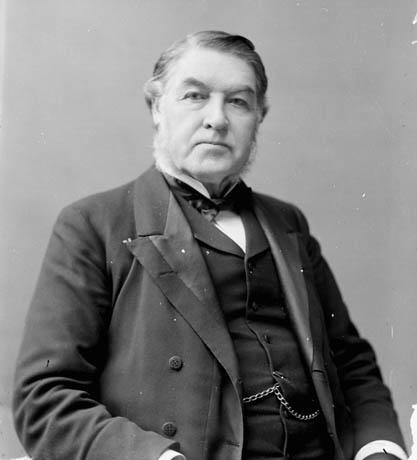
Charles Tupper, 1896 (Topley Studio).
CA-K686Institutions

Sir Charles Tupper, Father of Confederation and prime minister

Charles Tupper of Amherst, a physician, became premier of Nova Scotia in 1864 and, allied with John A. Macdonald, advocated Confederation despite substantial opposition in Nova Scotia. After federal cabinet posts and 11 years as High Commissioner in London, he succeeded Bowell as prime minister in 1896, then led the opposition after his party’s defeat that year.

Factual accuracy review: No recorded challenge

Contributor: Citizen.ca

Verified against cited sourcesVerified on 2026-10-26↗
Photo: William James Topley · Photo licence: Public domain · Credit & context
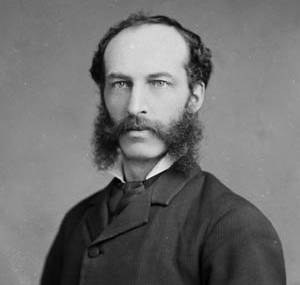
Pierre-Amand Landry, MP, February 1884 (Topley Studio).
CA-K685History

Sir Pierre-Amand Landry, Acadian leader

Pierre-Amand Landry of Memramcook, a lawyer, politician and judge, defended Acadians’ rights in the New Brunswick legislature, the House of Commons and the courts, notably during the crisis over the Common Schools Act of 1871. A leader of the Acadian Renaissance who promoted tolerance between French and English, he presided over the first three Acadian National Conventions and was the first Acadian knighted.

Factual accuracy review: No recorded challenge

Contributor: Citizen.ca

Verified against cited sourcesVerified on 2026-10-26↗
Photo: William James Topley · Photo licence: Public domain · Credit & context
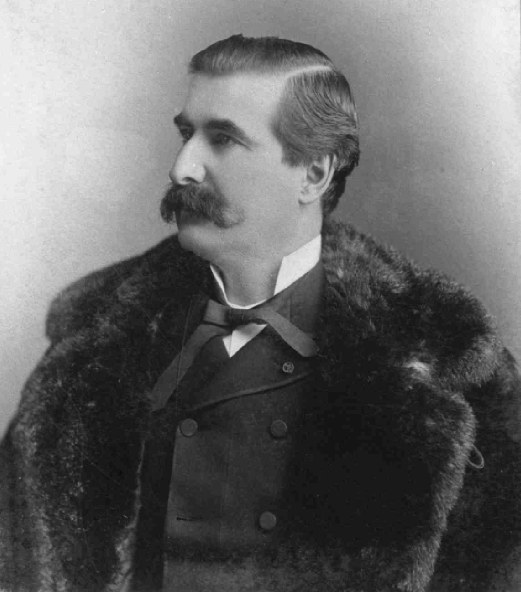
Honoré Mercier, around 1880 (J.-E. Livernois).
CA-K668Institutions

Honoré Mercier, premier of Quebec

Honoré Mercier, a lawyer and orator from Saint-Hyacinthe, led the Parti national formed in 1885 by Liberals and Conservatives outraged by the Riel affair. As premier of Quebec from 1887 to 1891 he encouraged agricultural settlement, convened the first conference of premiers and fiercely defended provincial autonomy.

Factual accuracy review: No recorded challenge

Contributor: Citizen.ca

Verified against cited sourcesVerified on 2026-10-26↗
Photo: Jules-Ernest Livernois · Photo licence: Public domain · Credit & context
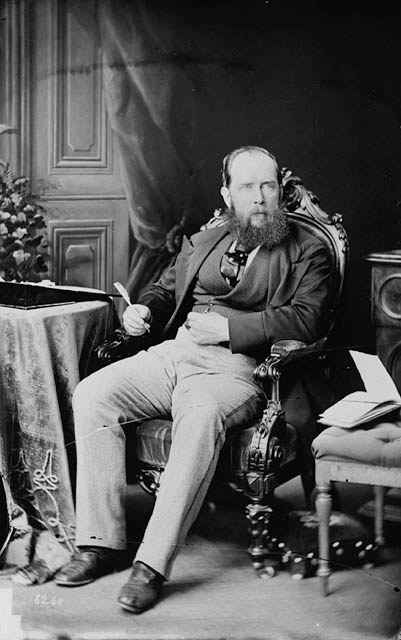
Joseph Trutch, June 1870 (Topley Studio).
CA-K663Indigenous peoples & reconciliation

Joseph Trutch and First Nations lands in British Columbia

Joseph Trutch, a British-born engineer who believed Indigenous Peoples inferior, was British Columbia’s chief commissioner of lands and works from 1864 to 1871. Representing settler interests, he cut existing reserves, allotted minimal land to new ones, denied Aboriginal title and refused treaties, denying First Nations access to their territories; he became the province’s first lieutenant-governor in 1871.

Factual accuracy review: No recorded challenge

Contributor: Citizen.ca

Verified against cited sourcesVerified on 2026-10-26↗
Photo: William James Topley (June 1870); Library and Archives Canada · Photo licence: Public domain · Credit & context
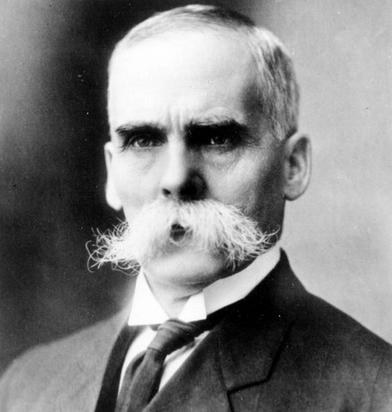
Frank Oliver (City of Edmonton Archives).
CA-K662Indigenous peoples & reconciliation

Frank Oliver, Edmonton editor and interior minister

Frank Oliver, owner and editor of the Edmonton Bulletin from 1880, championed a West shaped for white British and American settlers. As Minister of the Interior from 1905 to 1911 he promoted immigration policies aimed at excluding Black and Asian immigrants, and as superintendent of Indian Affairs he oversaw an expansion of residential schools and amended the Indian Act to allow forced surrender of reserve lands near towns.

Factual accuracy review: No recorded challenge

Contributor: Citizen.ca

Verified against cited sourcesVerified on 2026-10-26↗
Photo: Alfred Biyth · Photo licence: Public domain · Credit & context
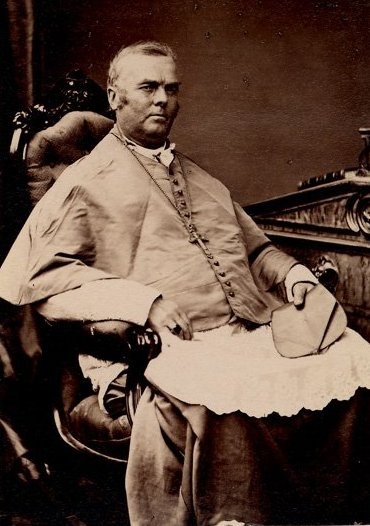
Modeste Demers, around 1860 (J. E. Livernois).
CA-K659Indigenous peoples & reconciliation

Bishop Modeste Demers in the Pacific Northwest

Modeste Demers, a Catholic priest in the Pacific Northwest from 1838, worked in part to convert Indigenous Peoples, part of the region’s colonization, and in 1847 became the first Bishop of Vancouver Island, New Caledonia and Haida Gwaii. The practices of Demers and his Church, together with colonization and assimilation, had drastic consequences for later generations of Indigenous Peoples.

Factual accuracy review: No recorded challenge

Contributor: Citizen.ca

Verified against cited sourcesVerified on 2026-10-26↗
Photo: J.E. Livernois · Photo licence: Public domain · Credit & context
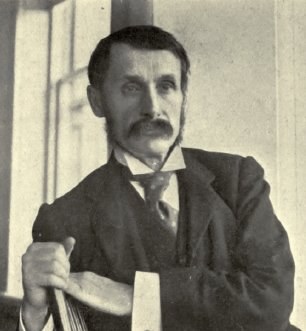
George Robert Parkin, 1910.
CA-K655Institutions

Sir George Parkin, imperial federationist and Rhodes secretary

George Parkin of Salisbury, New Brunswick, a school headmaster, became principal of Upper Canada College in 1895 and was organizing secretary of the Rhodes Scholarship Trust from 1902 to 1920. A powerful advocate of a federal union of the British Empire, he lectured and wrote widely, including Imperial Federation (1892).

Factual accuracy review: No recorded challenge

Contributor: Citizen.ca

Verified against cited sourcesVerified on 2026-10-26↗
Photo: Unknown photographer; published by the Empire Club of Canada (1910) · Photo licence: Public domain · Credit & context
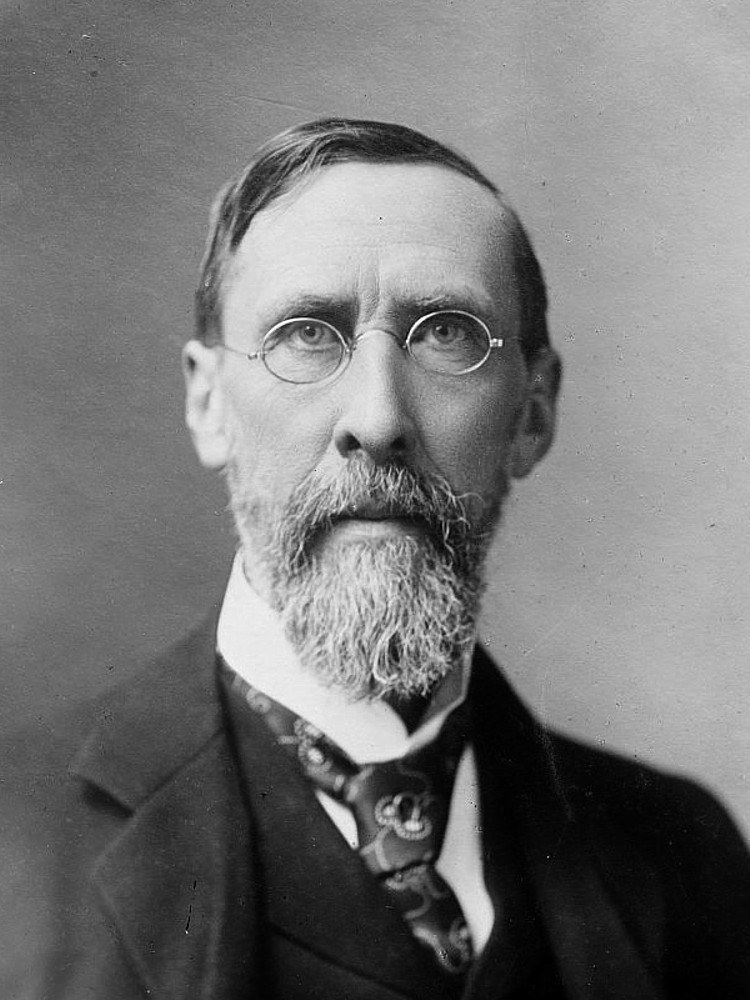
George Eulas Foster, around 1920 (Bain, Library of Congress).
CA-K651Institutions

Sir George Foster, Conservative finance minister

George Eulas Foster of Carleton County, New Brunswick, a former classics professor, sat in the House of Commons for most of 1882–1921. A central Conservative figure and orator, he was Minister of Finance under five prime ministers and Minister of Commerce under Borden and Meighen, and supported the League of Nations.

Factual accuracy review: No recorded challenge

Contributor: Citizen.ca

Verified against cited sourcesVerified on 2026-10-26↗
Photo: Bain · Photo licence: Public domain · Credit & context