Pierre Turgeon and La première personne
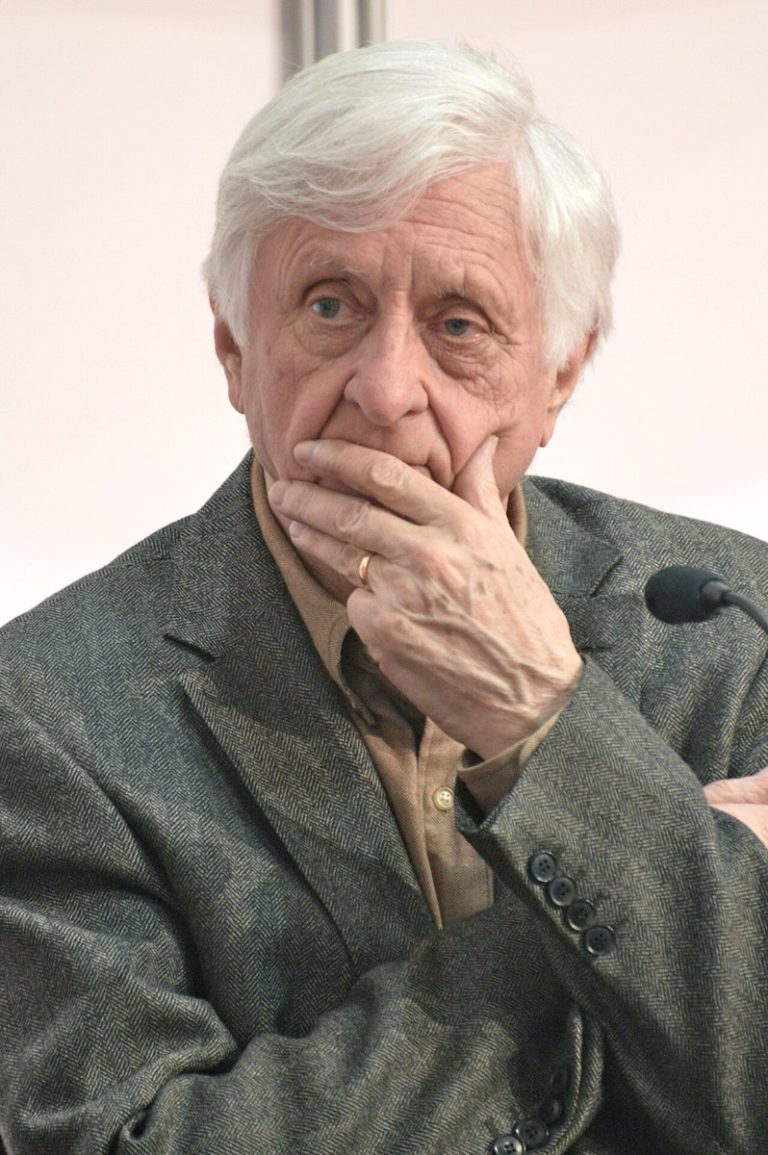
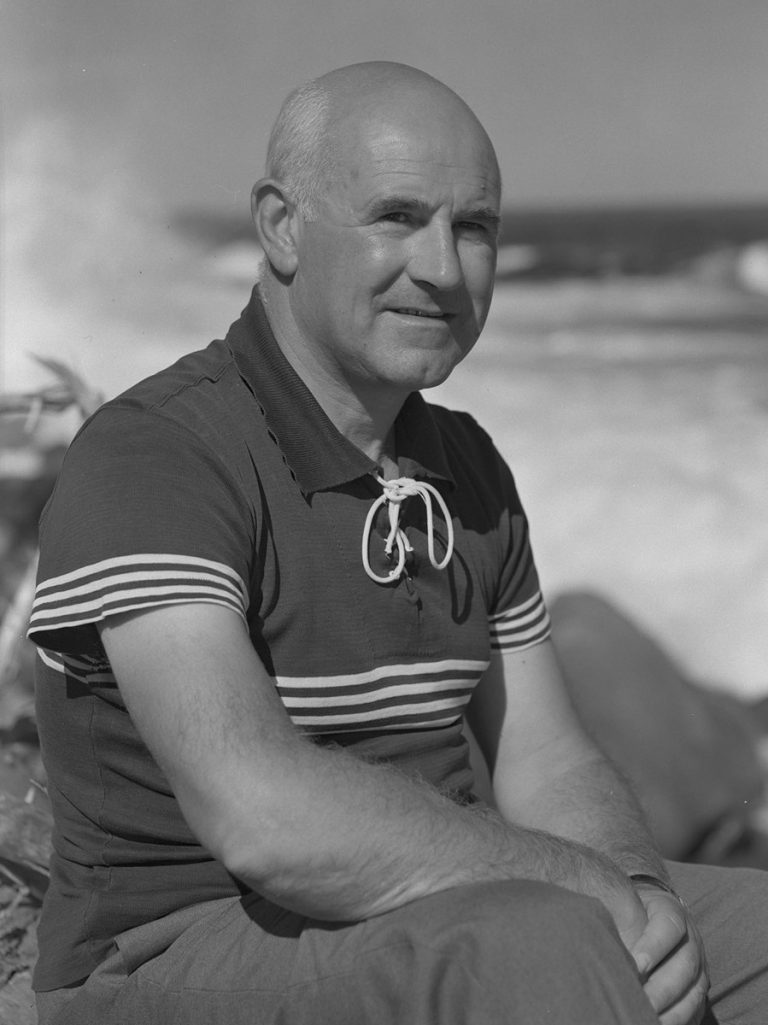
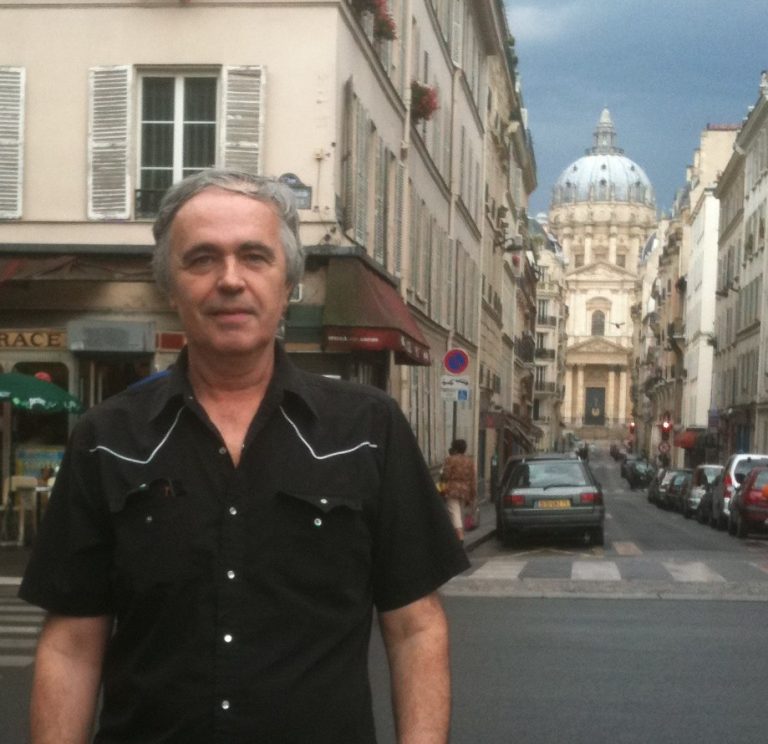
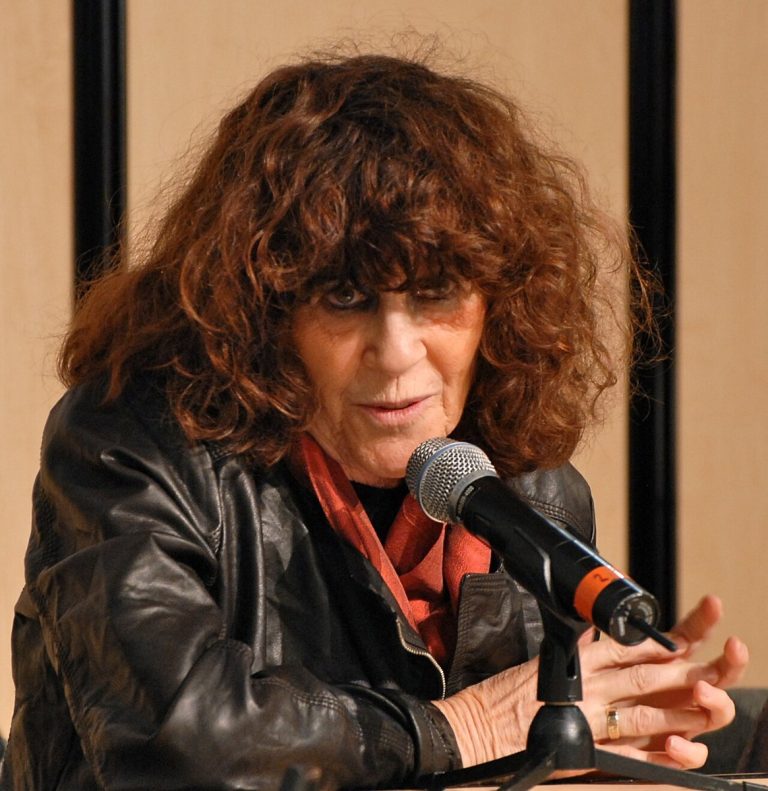
La première personne, by Pierre Turgeon, won the 1980 Governor General’s Literary Award for French-language fiction.
Contributor: Citizen.ca
Photo: Theo111 · Photo licence: CC BY-SA 3.0 · Credit & contextFocused and Verified
As explained in our Mission, Citizen.ca focuses on knowledge closely connected to Canadian identity and Canadian spirit, rather than every fact about Canada. Some topics will therefore be absent. If you believe a missing topic belongs within this focus, please contact us.
The groups below show how published records are distributed and offer a convenient way to browse. Counts include distinct records assigned to each group or its narrower keywords. A record may appear in more than one group.
For a more specific search, use the keyword search below. Choose one keyword, or combine two with AND to require both or OR to include either.
671 records
981 records
407 records
80 records
Browse all →216 records
201 records
804 records
793 records
Browse all →Choose one keyword, or combine two. Broader keywords include their descendants.

La première personne, by Pierre Turgeon, won the 1980 Governor General’s Literary Award for French-language fiction.
Contributor: Citizen.ca
Photo: Theo111 · Photo licence: CC BY-SA 3.0 · Credit & context
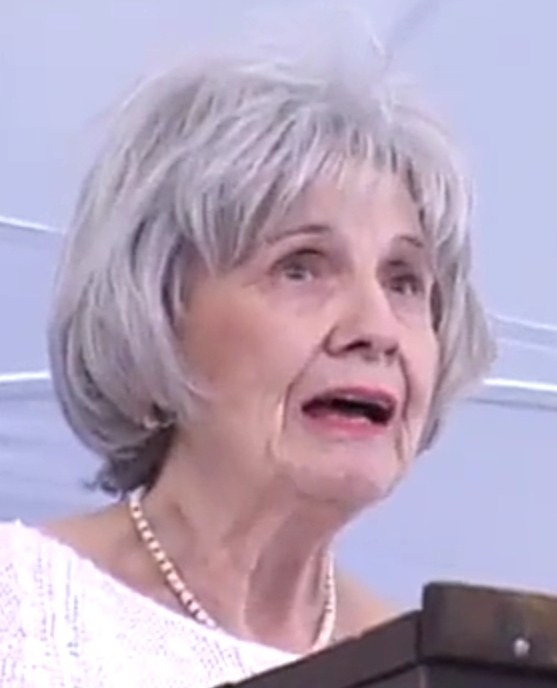
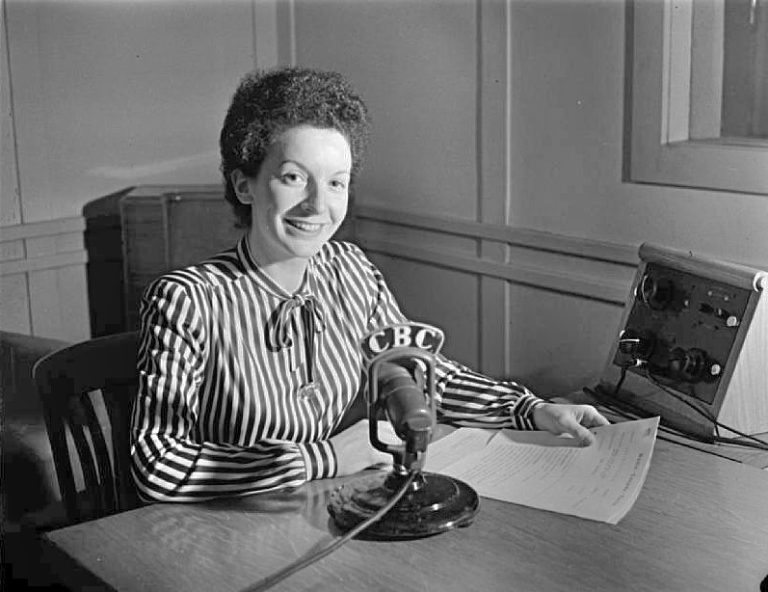
Le sourd dans la ville, by Marie-Claire Blais, won the 1979 Governor General’s Literary Award for French-language fiction.
Contributor: Citizen.ca
Photo: Asclepias · Photo licence: CC BY-SA 3.0 · Credit & context
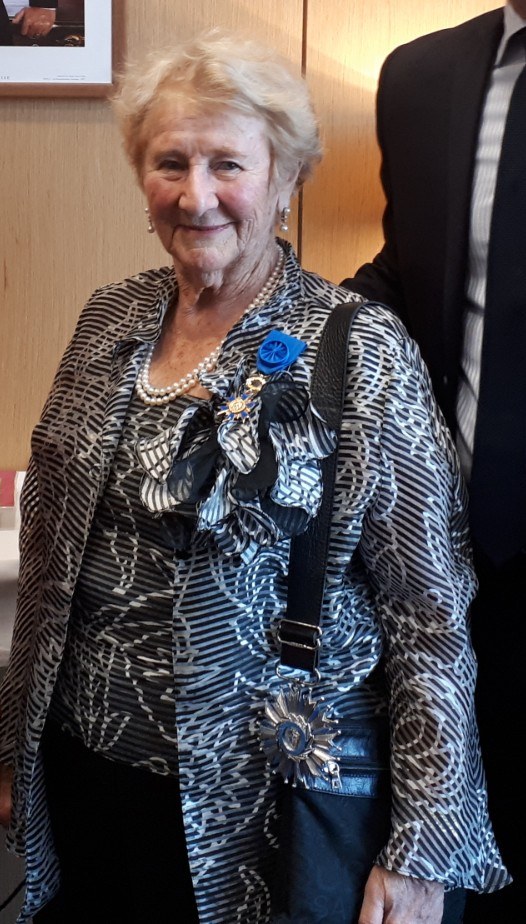
Who Do You Think You Are?, by Alice Munro, won the 1978 Governor General’s Literary Award for English-language fiction.
Contributor: Citizen.ca
Photo: MacDowell · Photo licence: CC BY-SA 3.0 · Credit & context
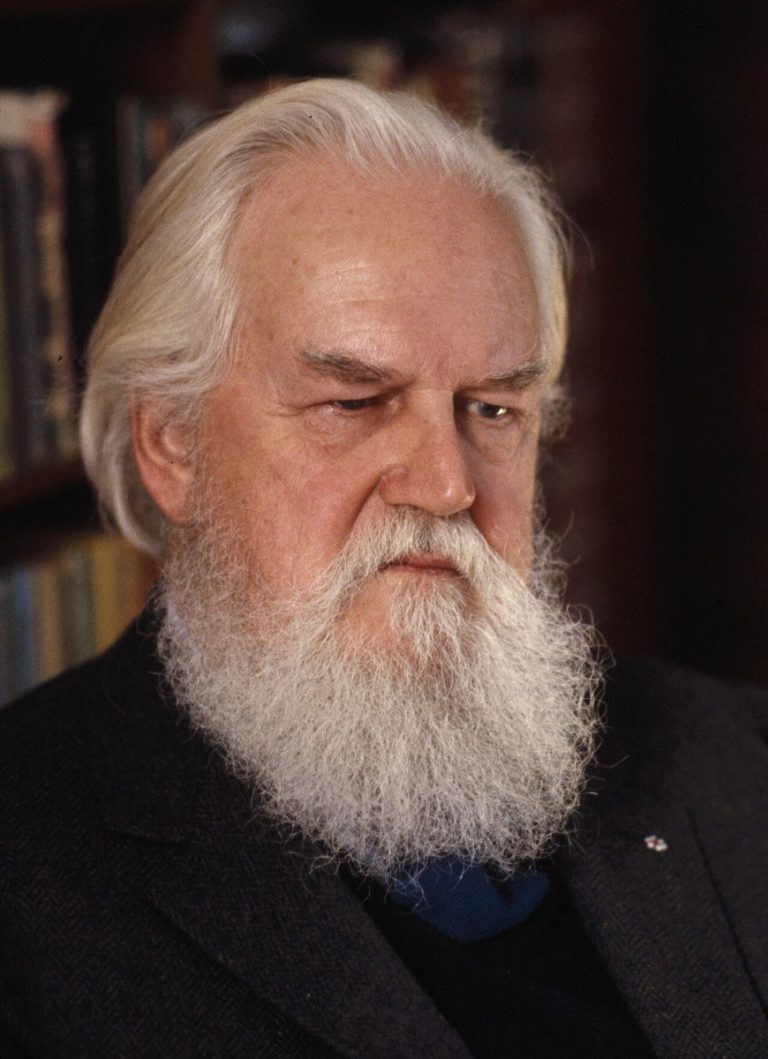
Don l'Orignal, by Antonine Maillet, won the 1972 Governor General’s Literary Award for French-language fiction.
Contributor: Citizen.ca
Photo: https://www.flickr.com/people/gnbca/ · Photo licence: CC0 · Credit & context
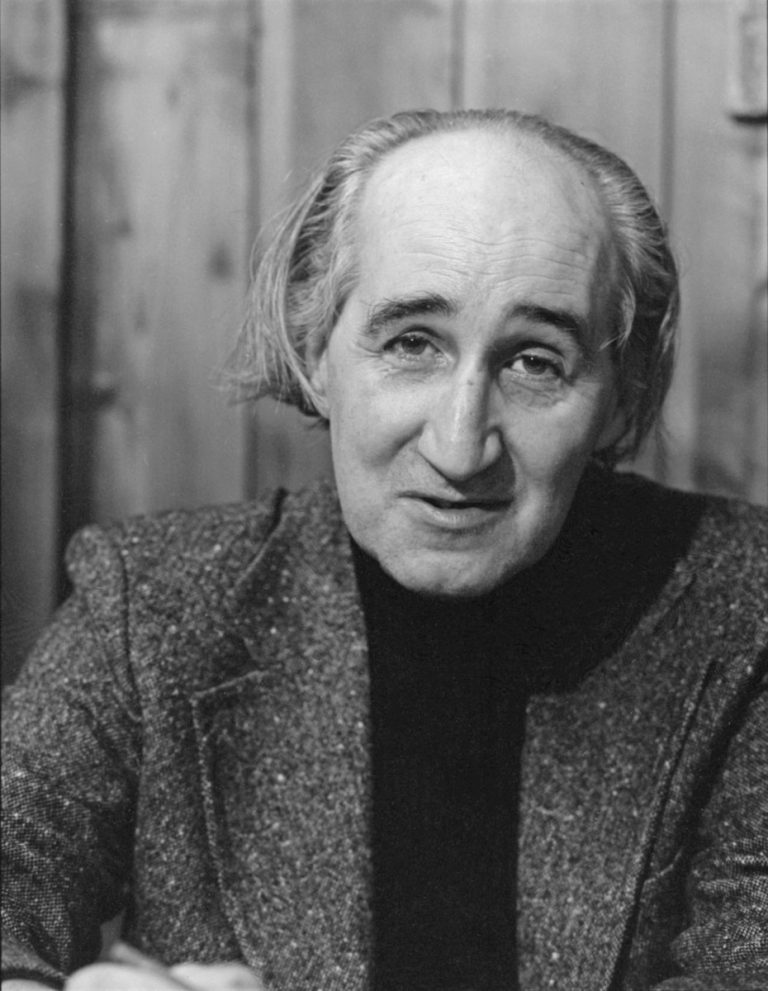
The Manticore, by Robertson Davies, won the 1972 Governor General’s Literary Award for English-language fiction.
Contributor: Citizen.ca
Photo: Gotfryd, Bernard, photographer · Photo licence: Public domain · Credit & context
La femme de Loth, by Monique Bosco, won the 1970 Governor General’s Literary Award for French-language fiction.
Contributor: Citizen.ca
Photo: Gloria Escomel · Photo licence: CC BY-SA 4.0 · Credit & context
Manuscrits de Pauline Archange, by Marie-Claire Blais, won the 1968 Governor General’s Literary Award for French-language fiction.
Contributor: Citizen.ca
Photo: Asclepias · Photo licence: CC BY-SA 3.0 · Credit & context
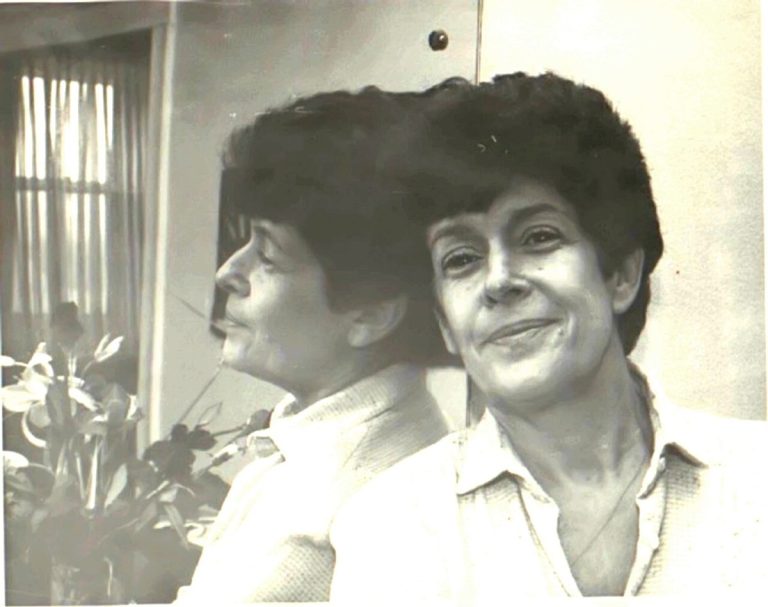
Trou de mémoire, by Hubert Aquin, was selected for the 1968 Governor General’s Literary Award for French-language fiction, but the author declined the award.
Contributor: Citizen.ca
Photo: Codex · Photo licence: CC BY-SA 4.0 · Credit & context
Dance of the Happy Shades, by Alice Munro, won the 1968 Governor General’s Literary Award for English-language fiction.
Contributor: Citizen.ca
Photo: MacDowell · Photo licence: CC BY-SA 3.0 · Credit & context
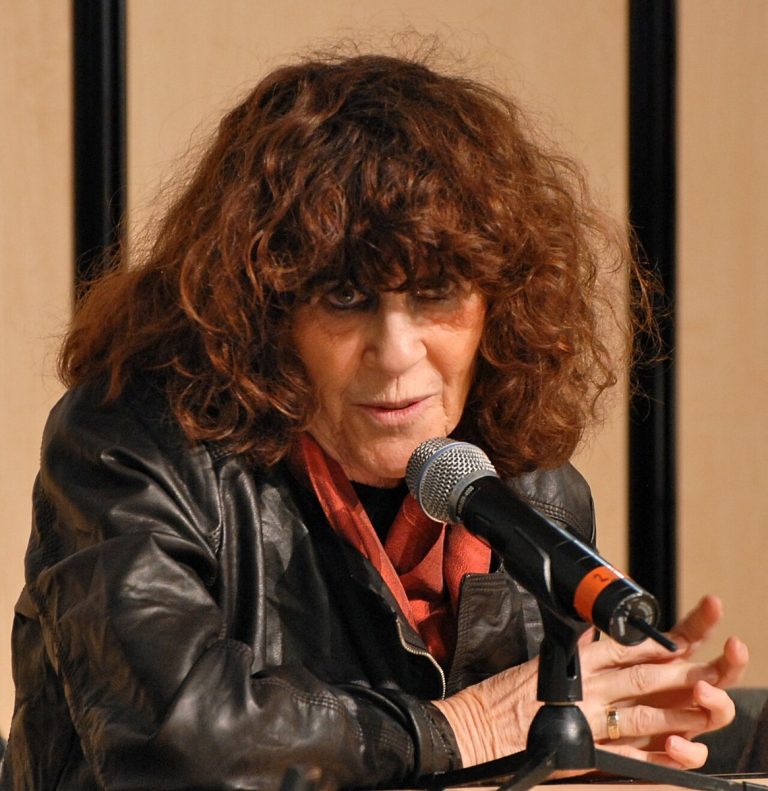
Salut Galarneau, by Jacques Godbout, won the 1967 Governor General’s Literary Award for French-language fiction.
Contributor: Citizen.ca
Photo: Asclepias · Photo licence: CC BY-SA 3.0 · Credit & context
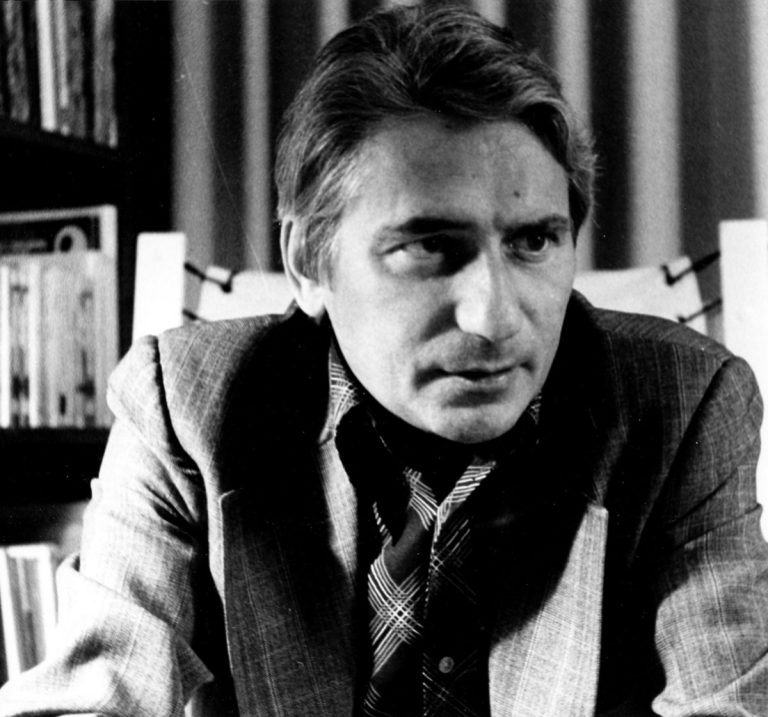
La joue droite, by Claire Martin, won the 1966 Governor General’s Literary Award for French-language fiction.
Contributor: Citizen.ca
Photo: Conrad Poirier · Photo licence: Public domain · Credit & context
Contes du pays incertain, by Jacques Ferron, won the 1962 Governor General’s Literary Award for French-language fiction.
Contributor: Citizen.ca
Photo: Jules Rochon · Photo licence: CC BY 4.0 · Credit & context
The Outlander, by Germaine Guèvremont (in English translation), won the 1950 Governor General’s Literary Award for English-language fiction.
Contributor: Citizen.ca
Photo: Zarov[Basil Zarov (1913-1998) and Annette Parent (1906-1956)] · Photo licence: Public domain · Credit & context
The Pied Piper of Dipper Creek, by Thomas H. Raddall, won the 1943 Governor General’s Literary Award for English-language fiction.
Contributor: Citizen.ca
Photo: Chris Lund · Photo licence: Public domain · Credit & context
Thirty Acres, by Ringuet (in English translation), won the 1940 Governor General’s Literary Award for English-language fiction.
Contributor: Citizen.ca
Photo: Pierre-Fortunat Pinsonneault · Photo licence: Public domain · Credit & context
The Dark Weaver, by Laura G. Salverson, won the 1937 Governor General’s Literary Award for English-language fiction.
Contributor: Citizen.ca
Photo: Library and Archives Canada · Photo licence: Public domain · Credit & context
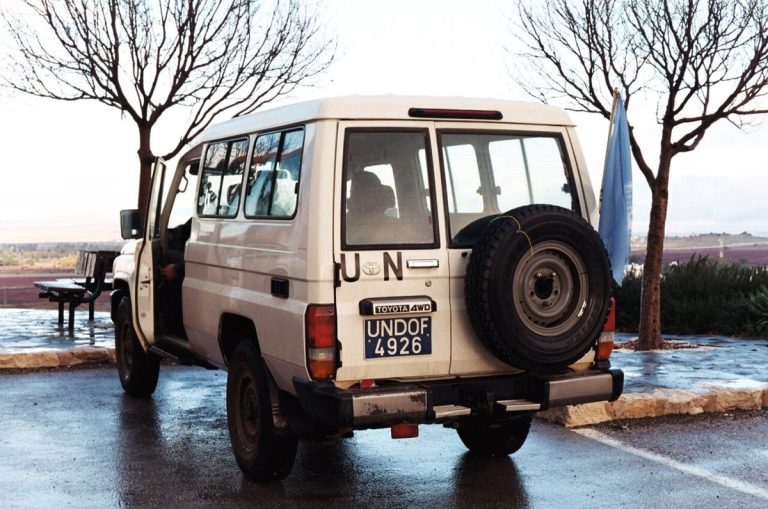
Canada has kept a peacekeeping presence in the Golan Heights of Syria since 1974, when it joined the United Nations Disengagement Observer Force after the Yom Kippur War. It is one of Canada’s longest-running international commitments, and more than 12,000 Canadians have served there.
Contributor: Citizen.ca
Photo: Spaceboyjosh · Photo licence: CC BY-SA 4.0 · Credit & context
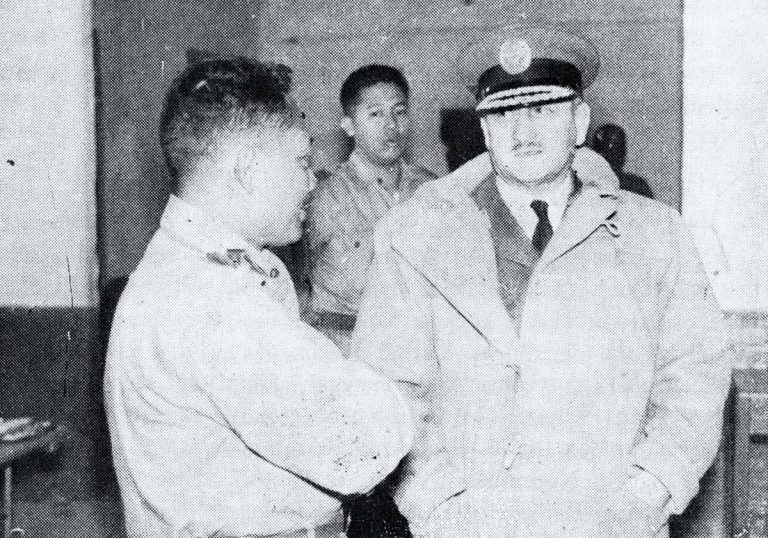
During the Suez Crisis of 1956, Canadian diplomat Lester B. Pearson proposed a peacekeeping force, and the United Nations launched its first large-scale peacekeeping mission, the United Nations Emergency Force, commanded by Canada’s Major-General E.L.M. “Tommy” Burns. Canadians served with UN troops in Egypt from 1956 to 1967 and again from 1973 to 1979; Pearson received the 1957 Nobel Peace Prize.
Contributor: Citizen.ca
Photo: Indonesian Ministry of Information and the Information Department of the Indonesian Army · Photo licence: Public domain · Credit & context
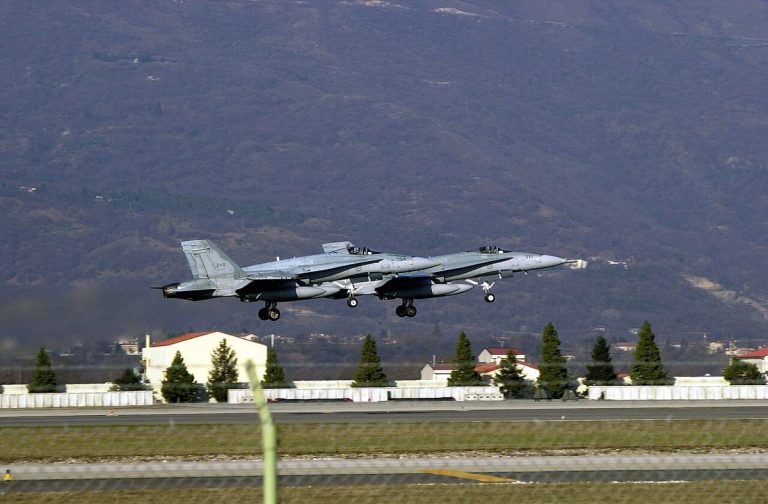
In 1999 Canadian CF-18 pilots flew combat missions in NATO’s 79-day air campaign over Kosovo, Operation ALLIED FORCE, which ran from March to June 1999 to end violence and repression in Kosovo. Canada’s part, Operation Echo, had begun in June 1998 when CF-18 Hornets deployed to Aviano, Italy.
Contributor: Citizen.ca
Photo: Staff Sgt. Jennifer C. Wallis, U.S. Air Force · Photo licence: Public domain · Credit & context
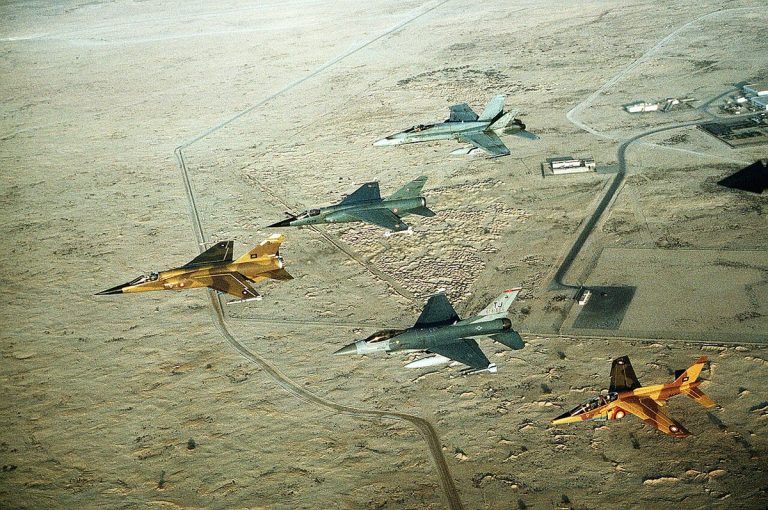
After Iraq invaded Kuwait on 2 August 1990, more than 4,000 Canadians served in the Persian Gulf with a coalition formed to drive Iraqi forces out. Canada’s part, Operation Friction, was mainly warships and aircraft. It was the first conflict in which Canadian women played an active combat role.
Contributor: Citizen.ca
Photo: Staff Sgt. Lee Corkran · Photo licence: Public domain · Credit & context
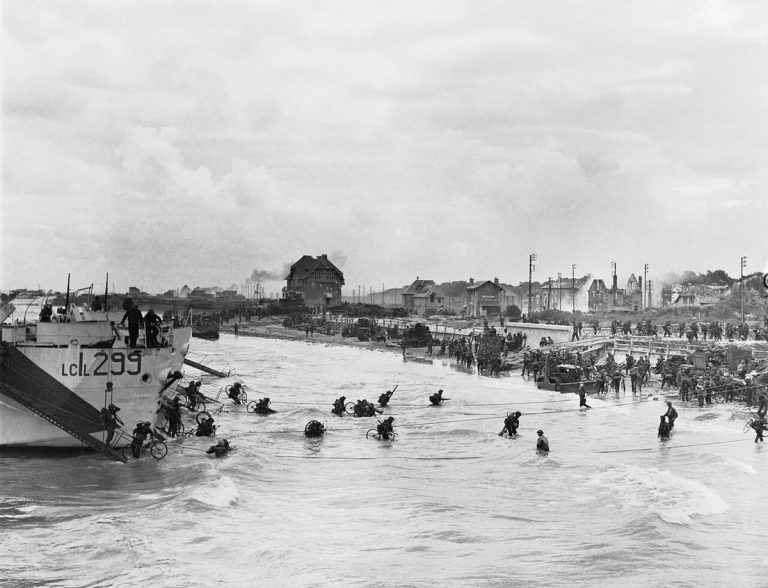
Germany’s invasion of Poland in 1939 began more than six years of fighting on land, at sea and in the air that ended in 1945. More than one million Canadians and Newfoundlanders served in uniform at home and around the world; over 45,000 gave their lives and another 55,000 were wounded.
Contributor: Citizen.ca
Photo: Canadian Official photographer · Photo licence: Public domain · Credit & context
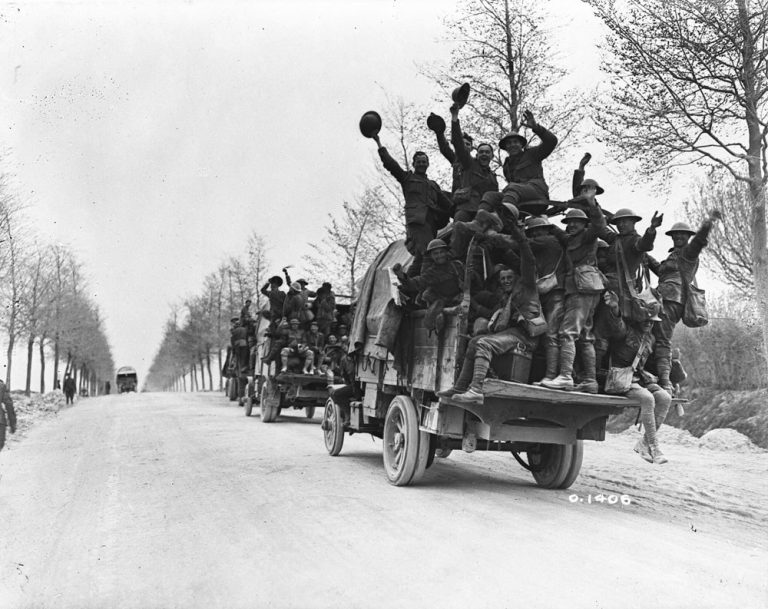
When Britain declared war in August 1914, Canada, whose external affairs were still governed by the United Kingdom, was automatically at war. More than 650,000 Canadians and Newfoundlanders served in what was then called the Great War; more than 66,000 died and more than 172,000 were wounded. Canada signed the Treaty of Versailles separately from Britain.
Contributor: Citizen.ca
Photo: Castle, W.I. (William Ivor), official Canadian War photographer · Photo licence: Public domain · Credit & context
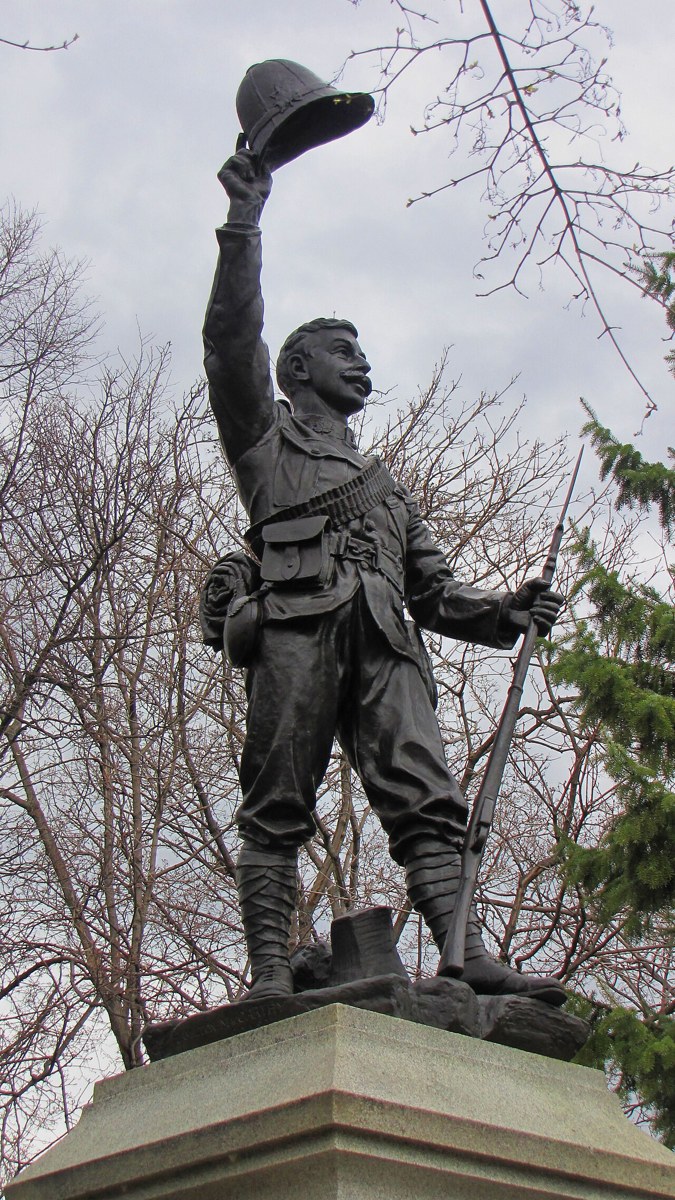
The South African War, also known as the Boer War, was fought in southern Africa from 1899 to 1902 between the British Empire and the Boers. More than 7,000 Canadians volunteered to serve alongside British forces, and five earned the Victoria Cross. In February 1900 Canadians played an important role at Paardeberg, the first major British victory of the war.
Contributor: Citizen.ca
Photo: D. Gordon E. Robertson · Photo licence: CC BY-SA 3.0 · Credit & context
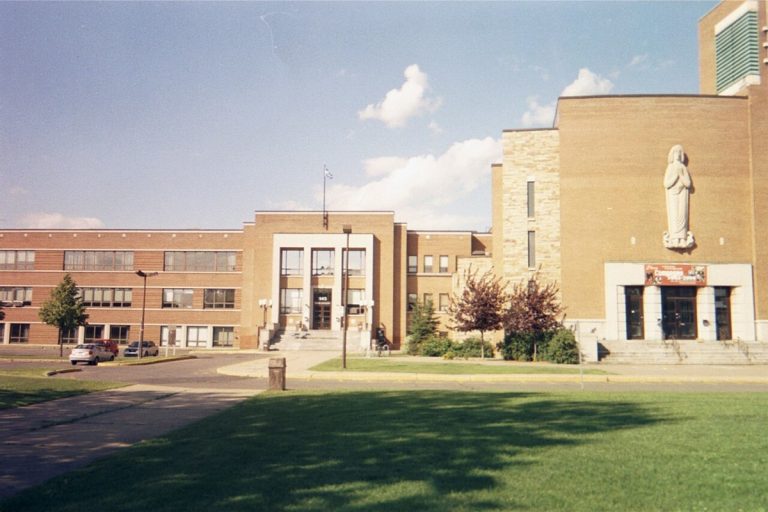
Cégep Édouard-Montpetit was founded on September 14, 1967, in what is now Longueuil, Quebec. It grew from the Externat classique de Longueuil, established by the Franciscans in 1950.
Contributor: Citizen.ca
Photo: The original uploader was ADM at French Wikipedia. · Photo licence: CC BY-SA 3.0 · Credit & context